Physical Address
304 North Cardinal St.
Dorchester Center, MA 02124
Physical Address
304 North Cardinal St.
Dorchester Center, MA 02124

In the northeastern corner of Chiba Prefecture, there’s a small town called Sawara.
It’s not as bustling as Tokyo, nor as famous as Kyoto. But if you’re looking for a place that truly preserves the atmosphere of the Edo period, without being overwhelmed by crowds, Sawara might just be one of the best hidden gems in the Kanto region.
Located along the Ono River, a branch of the Tone River, Sawara is about 1.5 to 2 hours from Tokyo, easily accessible by train or car.
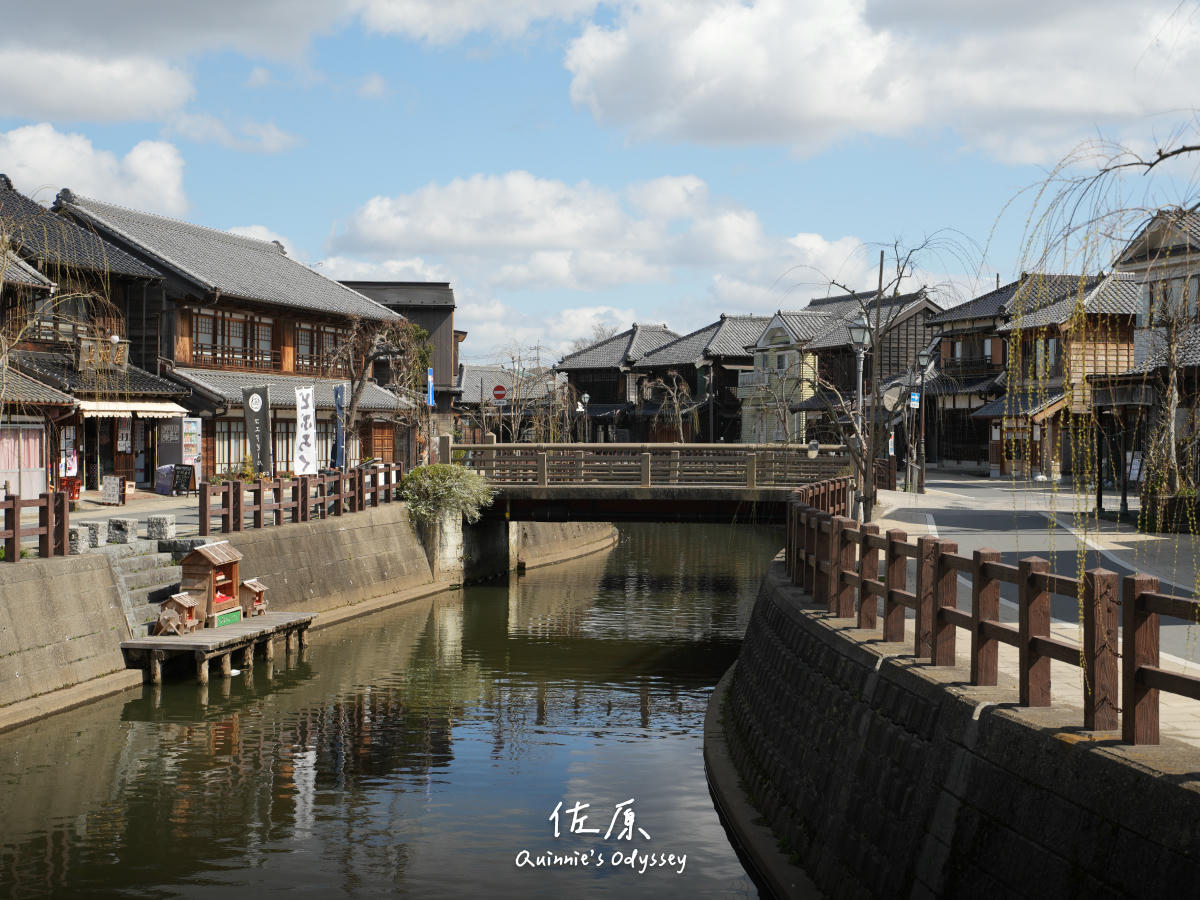
Back in the Edo period, this area thrived thanks to its water transport network, becoming a prosperous commercial hub. Today, that former prosperity has transformed into a charming, nostalgic atmosphere.
As you stroll along the Ono River, you’ll see beautifully preserved merchant houses and old warehouses lining both sides. Willow trees gently hang over the riverbanks, and reflections shimmer softly on the water. The whole scene feels calm, quiet, and almost dreamlike.
You’ll also find small traditional shops, cozy cafés, wagashi stores, and local street food tucked along the streets.
There are no overwhelming crowds here, and it doesn’t feel overly touristy. If you enjoy peaceful walks, slow travel, and a touch of nostalgia, Sawara might be the kind of place you won’t want to leave once you arrive.
▼ Exclusive Deal for Sika Readers ▼
Use code【DNBDRT】👉👉 Save ¥3,000on your TOCOO! car rental(view guide)
Why is Sawara often called “Little Edo”? There’s a real historical reason behind it.
From the Edo period to the early Showa era, Sawara flourished as a key commercial distribution center thanks to the well-developed water routes connecting the Ono River and the Tone River.
Goods like rice, sake, and soy sauce were transported through this area, with merchant ships constantly coming and going. This activity helped the town grow into a vibrant and prosperous center.
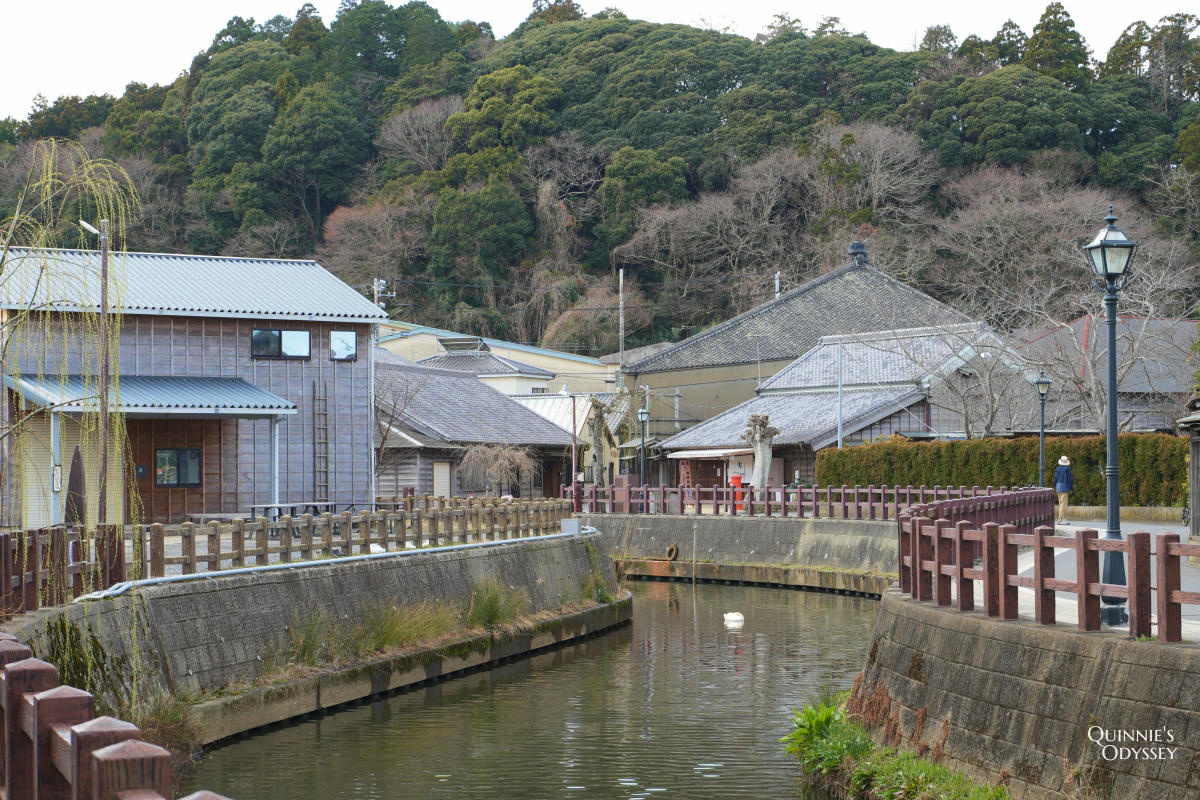
The rows of traditional townhouses and warehouses you see today were built during that time, and many of them are still standing.
There’s even an old saying:
“If you want to see Edo, go to Sawara, Sawara is even better than Edo.”
It may sound exaggerated, but it shows just how lively and important Sawara once was.
This prosperity lasted until the early Showa period. Later, in 1996, Sawara was officially designated as an Important Preservation District for Traditional Buildings by the Japanese government, recognizing its well-preserved historical streetscape.
That’s the true charm of Sawara, it has carefully preserved its history and atmosphere into the present day.
Sawara works well as a one-day trip, but you can also extend it to 2-4 days depending on your pace.
|
Days |
Type |
Highlights |
|
1 Day |
Classic Water Town Walk |
Explore Sawara: Ono River stroll, boat ride, float museum, Suwa Shrine |
|
2 Days |
Water Town + Sacred Site |
Day 1: Sawara |
|
3 Days |
Togoku Sansha Pilgrimage |
Day 1: Sawara |
My 4-Day Itinerary👇
DAY 1:Narita → Sawara
DAY 2:Kashima & Ikisu
DAY 3:Katori Shrine + Sawara
DAY 4:Sawara → Narita
Getting to Sawara is quite easy.
From JR Narita Station, take the Narita Line to Sawara Station, it takes about 30-40 minutes, with trains running roughly once per hour.
Whether you’re coming from Tokyo or Narita Airport, you’ll usually transfer at Narita Station.
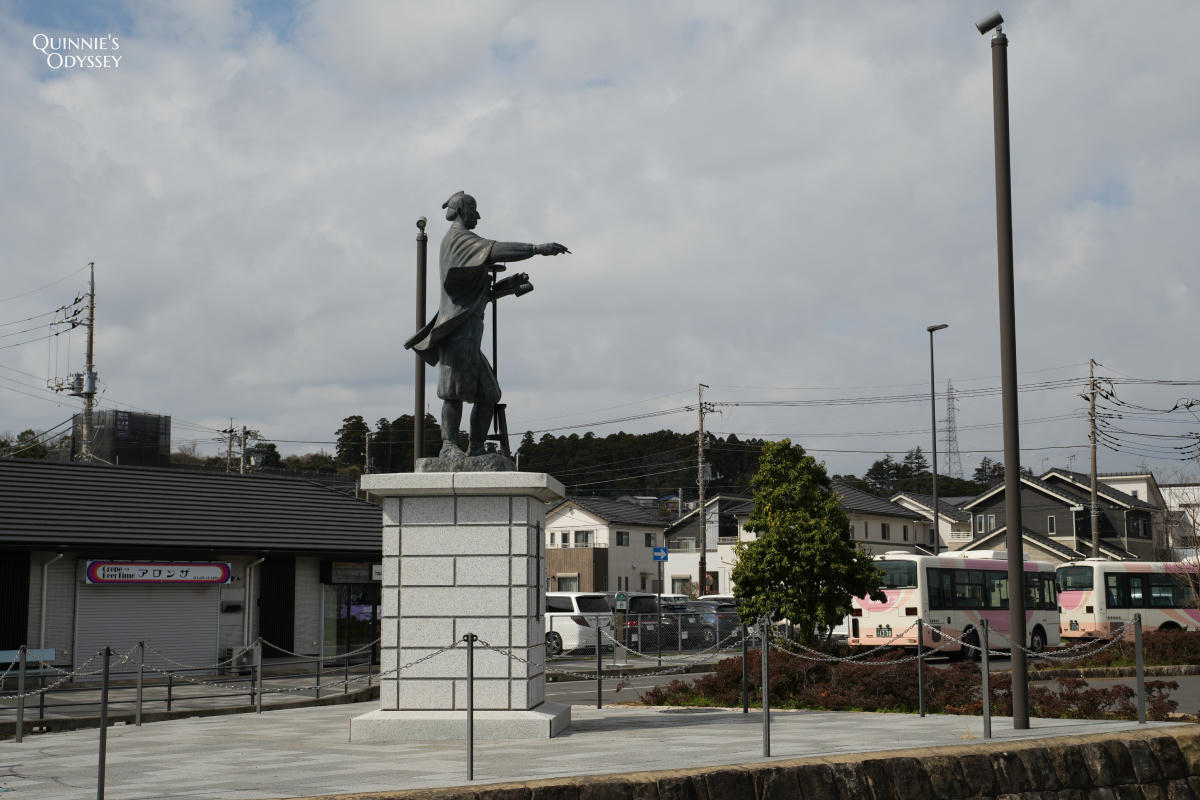
When you exit Sawara Station, you’ll notice a statue of Ino Tadataka, a famous historical figure from Sawara, known for creating the first accurate map of Japan.
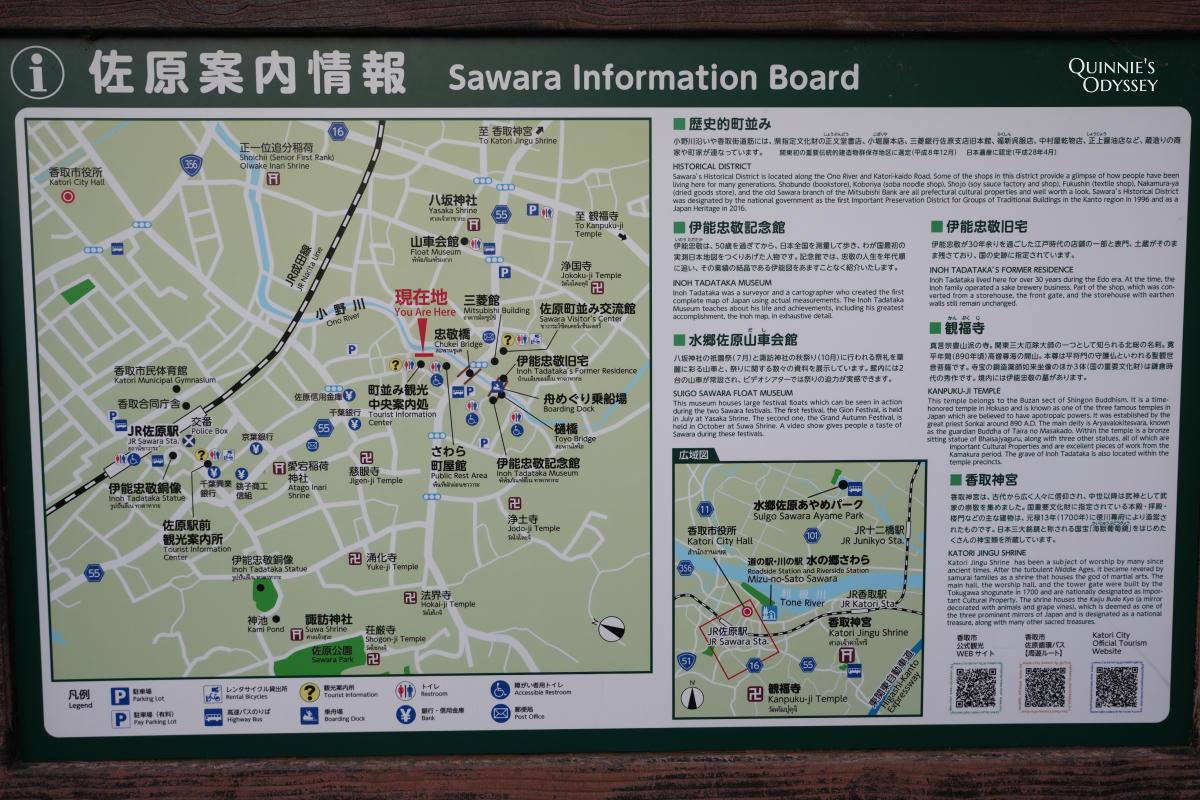
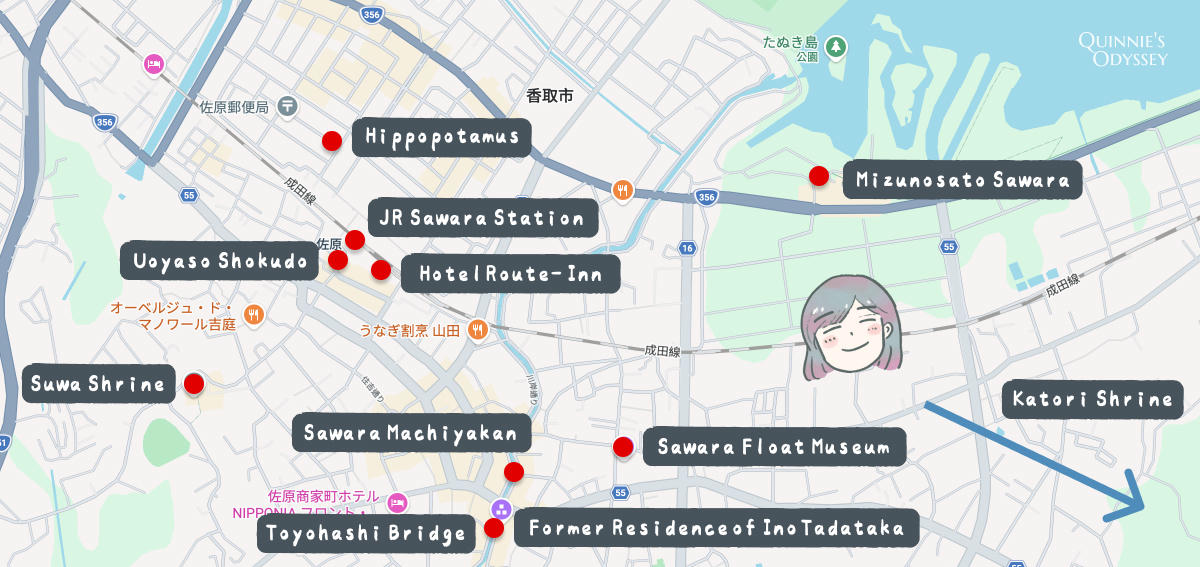
These are the places visited on this trip, and the spots introduced below 👇
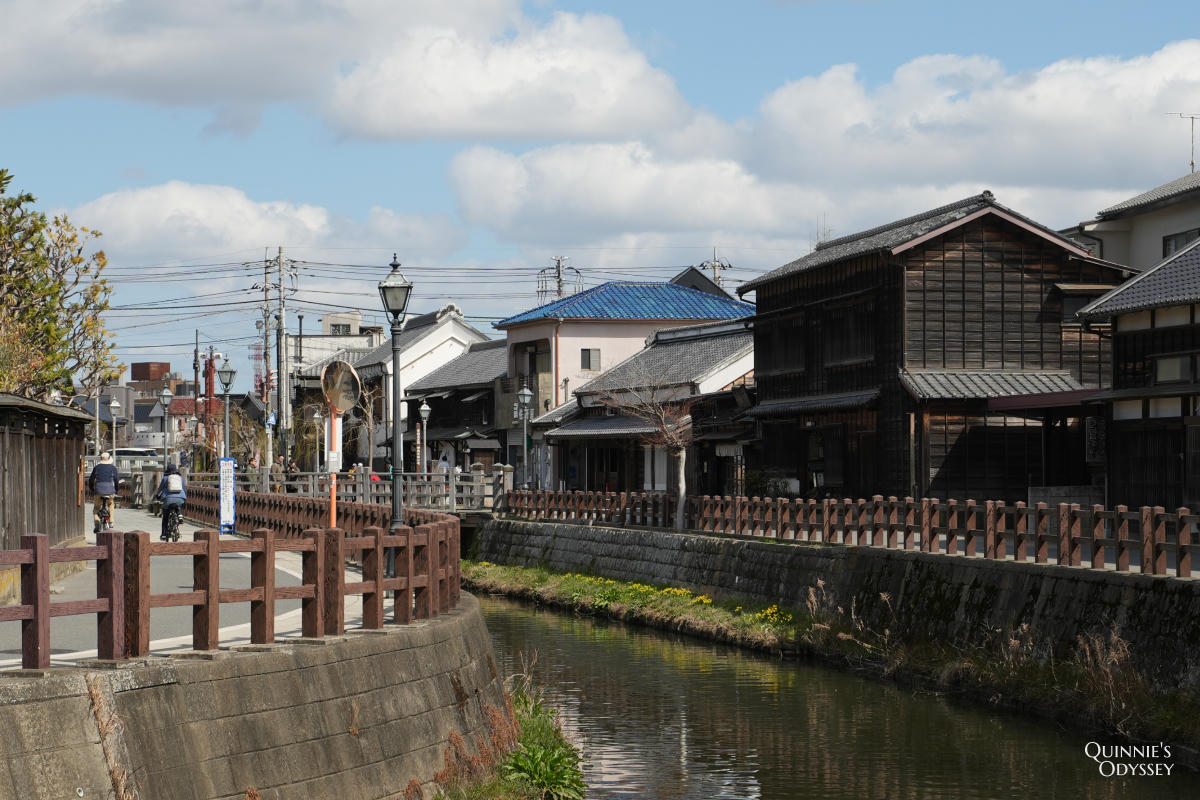
If there’s one thing you have to do in Sawara, it’s walking along the Ono River.
This area is truly the soul of the town. Both sides of the river are lined with Edo-period merchant houses and warehouses – black-tiled roofs, wooden facades, and willow trees gently hanging over the water. Their reflections shimmer softly on the surface, creating a calm and almost timeless scene.
What makes this walk even more interesting are the little details, things you might not notice at first, but once you do, they become surprisingly fascinating.
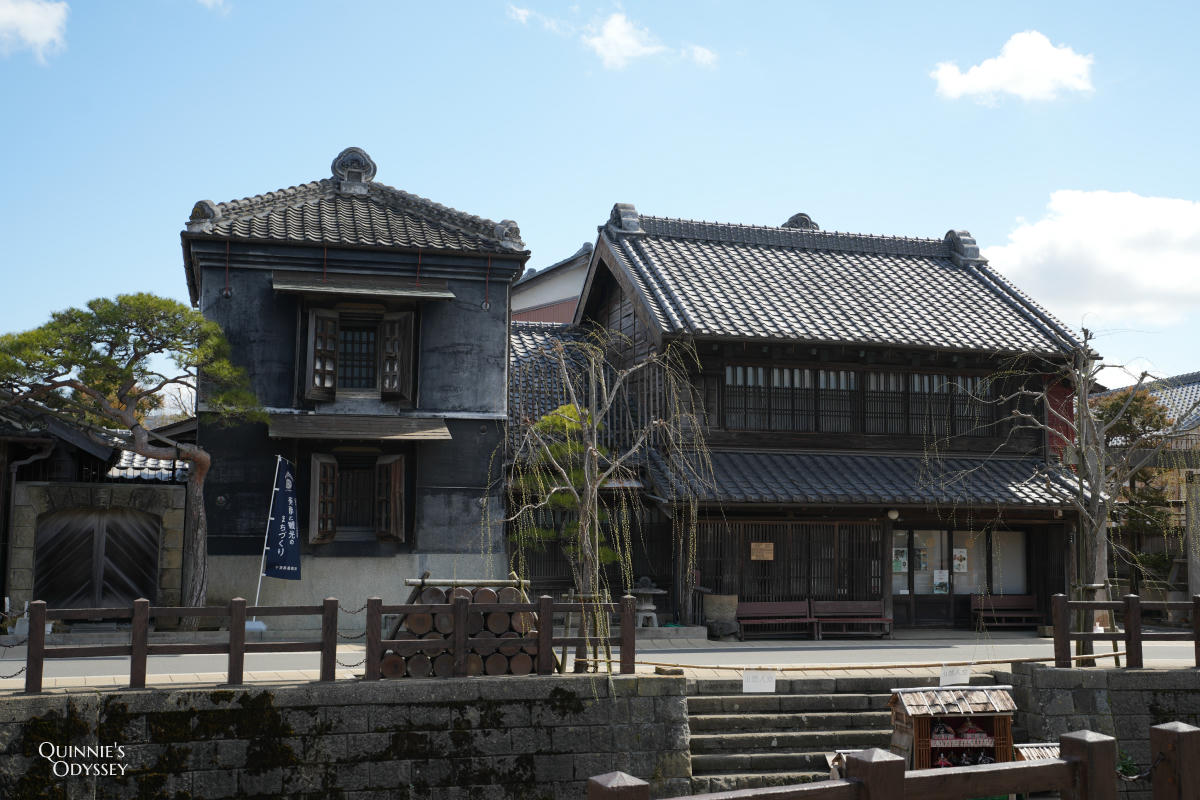
While walking around, you might notice that many of the old buildings have unusually thick windows, almost like layered pancakes.
These are part of a traditional fireproof design from the Edo period. Back then, fires were a constant threat, especially in a prosperous merchant town like Sawara, where warehouses stored valuable goods like rice, soy sauce, and silk.
To protect these assets, the windows were built using layers of earth and plaster. When closed, they could effectively block out fire, heat, and even smoke.
If you look closely, the edges of the windows are shaped with step-like grooves, allowing them to seal tightly, almost airtight. It’s an incredibly smart design for a time without modern firefighting systems.
And realistically, only wealthy merchants could afford to build houses like this.
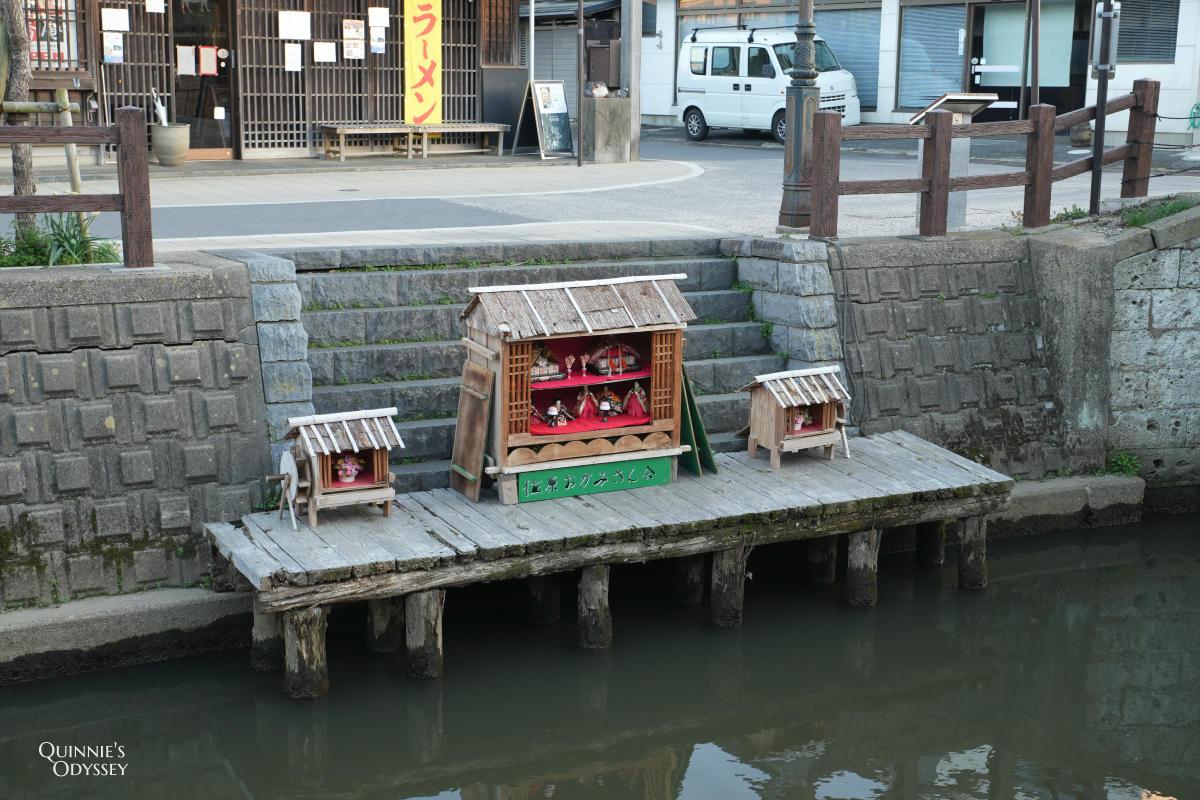
Visited in March, just in time for Hinamatsuri.
Along the riverbanks, small doll displays are set up on the steps.
Traditionally, people believed that misfortune could be transferred into these dolls and then washed away by the flowing river, purifying both body and spirit.
Sawara embraces the idea of a “town-as-a-museum,” so this tradition is expanded into a full riverside display. Sometimes there are even special events where people dressed in historical costumes ride boats along the river, it feels like the whole town comes to life.
One small detail that stood out, Sawara’s street mirrors are surprisingly tiny (and kind of cute).
In most rural areas in Japan, you’ll see large, bright orange mirrors at intersections. But here, they’re much smaller and painted in muted colors to blend into the scenery.
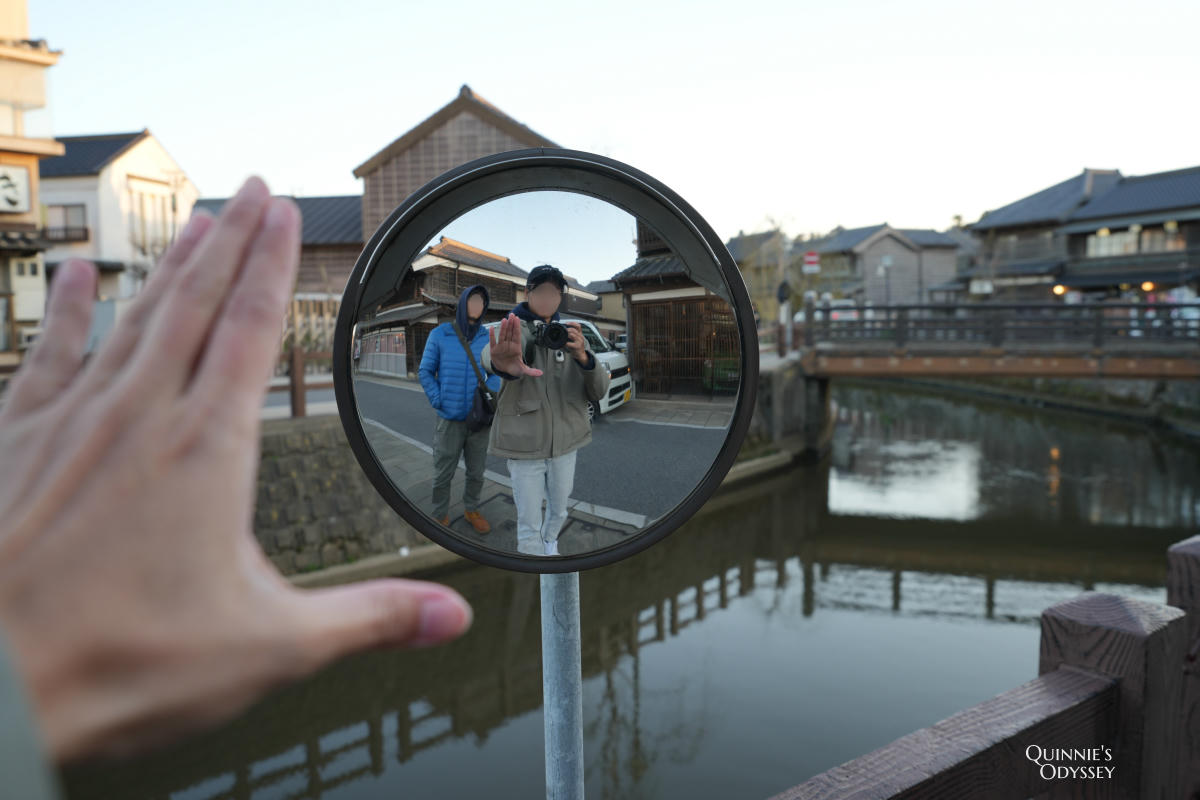
It’s a subtle design choice, but it says a lot: Sawara is very intentional about preserving its historical atmosphere.
Even everyday objects are adjusted to match the town’s Edo-era aesthetic.
Walking along the river is already beautiful, but seeing Sawara from the water offers a completely different perspective.
As the boat glides slowly along the river, you pass by old buildings, willow trees, and their reflections in the water. The pace is gentle and peaceful.
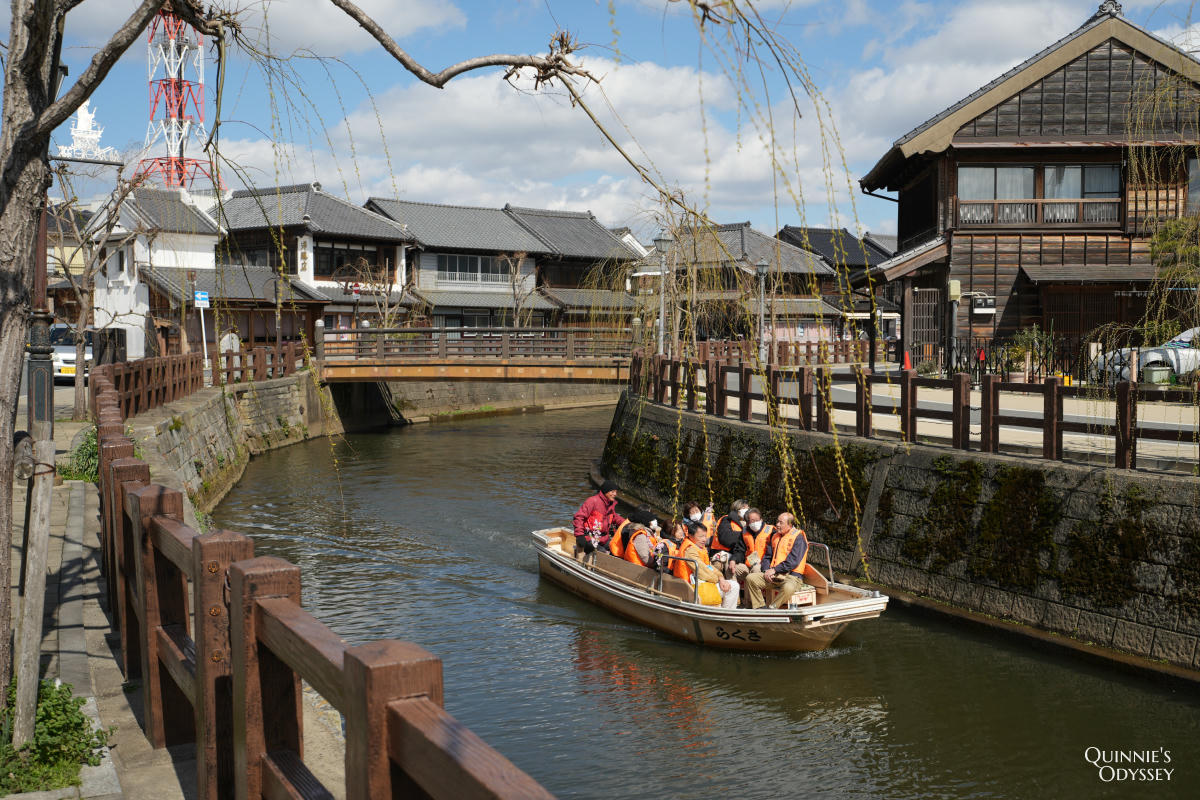
From the street, you view the buildings at eye level, but from the boat, you’re looking up from the water. Roof tiles, stone embankments, and hidden back entrances suddenly feel more layered and immersive.
In winter, there’s an extra special experience: a heated kotatsu boat.
You can sit under a warm blanket with a heated table while drifting through the quiet winter scenery. The contrast between the cold air and the warmth around your feet is incredibly relaxing, and quite rare to experience.
The boatman usually shares stories in Japanese along the way. Even if you don’t fully understand, the atmosphere alone makes it worthwhile.
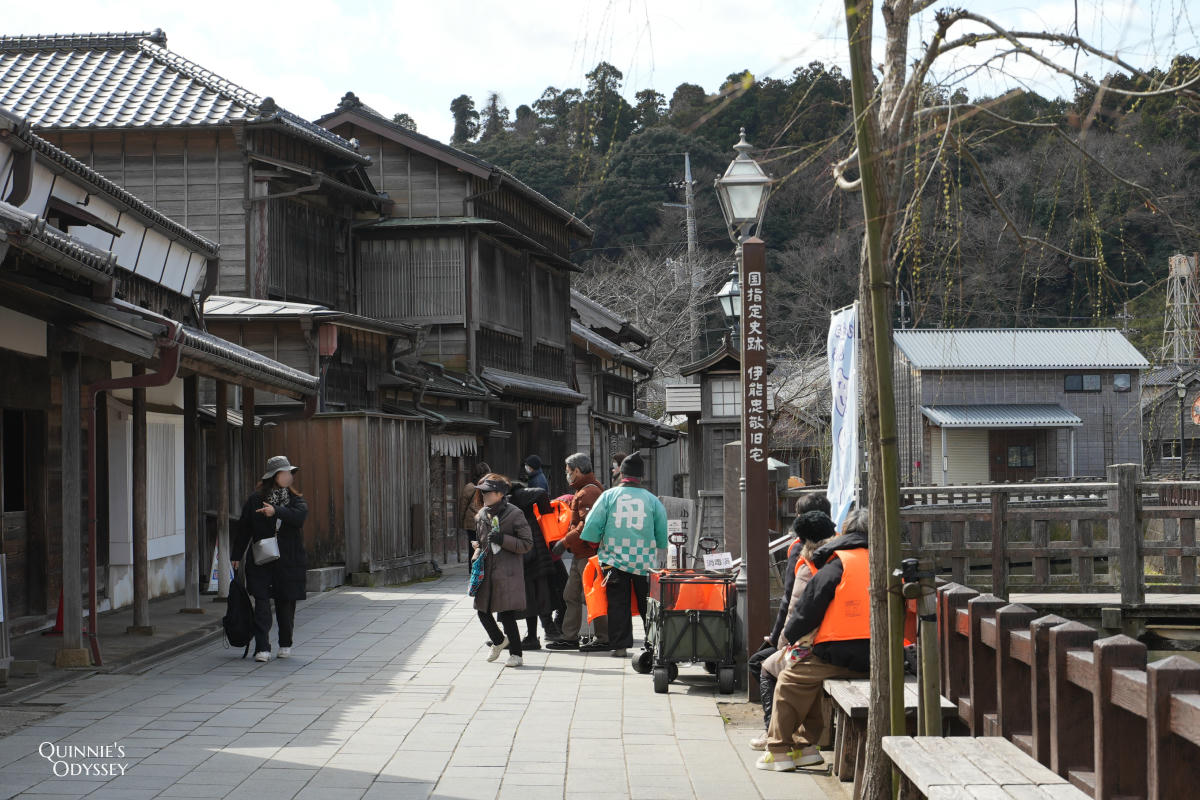
One of Sawara’s iconic landmarks is Toyohashi Bridge (Ja-Ja-Bridge).
Interestingly, it wasn’t originally built as a bridge.
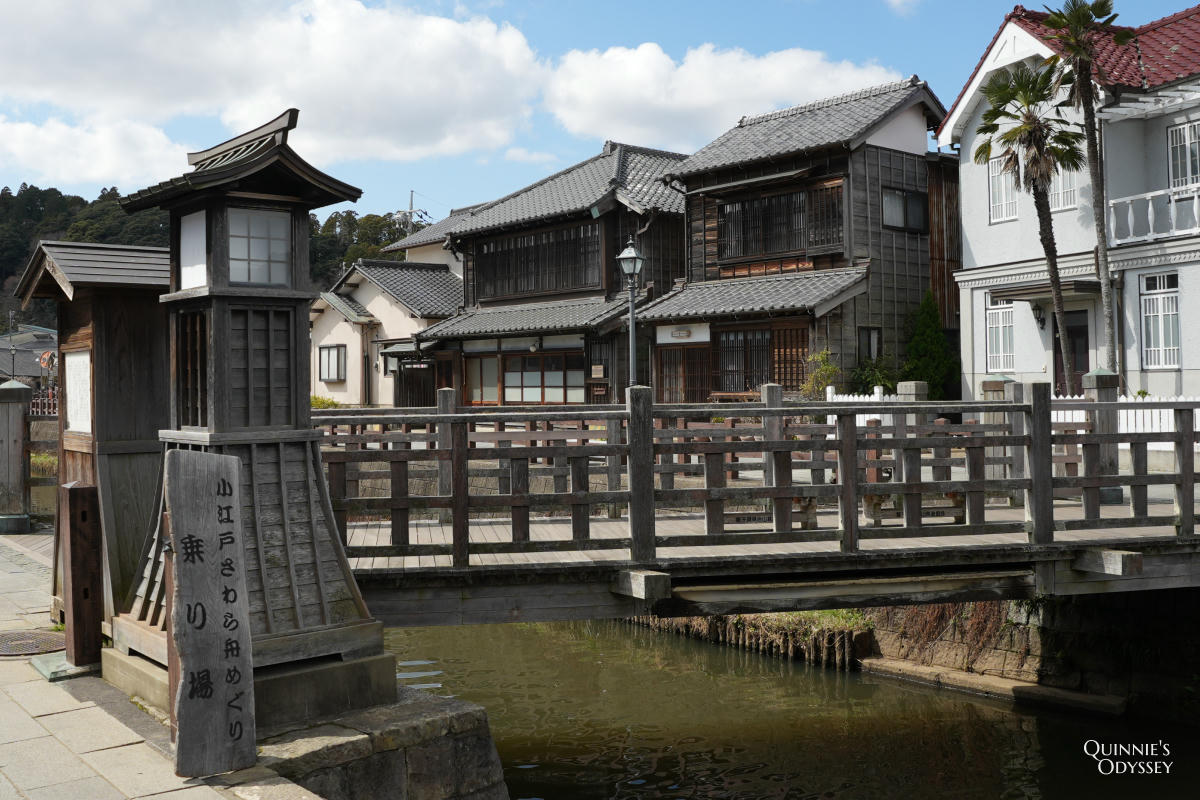
Back in the early Edo period, it started as a water channel used for irrigation, carrying water across the river to nearby farmland. Later, wooden planks and railings were added, gradually turning it into a bridge.
Because its original function was a water conduit, it became known as Toyohashi Bridge.
In the past, excess water would spill out from the bridge into the river below, creating a distinctive “ja-ja” sound. Over time, this became its signature feature, and locals even nicknamed it the “Ja-Ja Bridge.”
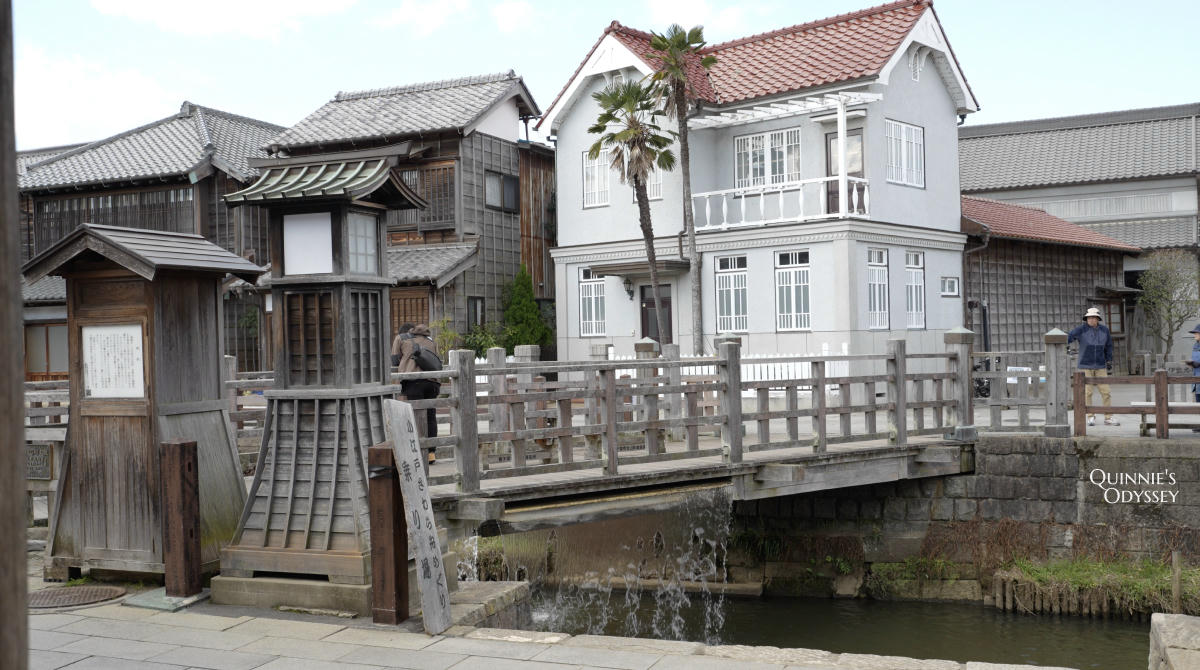
Today, the bridge has been restored, but the flowing water feature remains. Every hour and half hour, water is released from both sides, recreating that nostalgic sound.
It’s even been selected as one of Japan’s “Top 100 Soundscapes”, a rare example of a place you can appreciate through sound.
If you happen to pass by, it’s worth pausing for a moment to listen.
▼ Exclusive Deal for Sika Readers ▼
Use code【DNBDRT】👉👉 Save ¥3,000on your TOCOO! car rental(view guide)
Ino Tadataka is known as the pioneer of modern mapmaking in Japan, but what makes his story truly inspiring is how late he started.
He was originally a successful merchant in Sawara, dealing in sake, soy sauce, and finance. By all means, he already had a stable life.
But at the age of 50, he retired and moved to Edo to study astronomy and surveying.
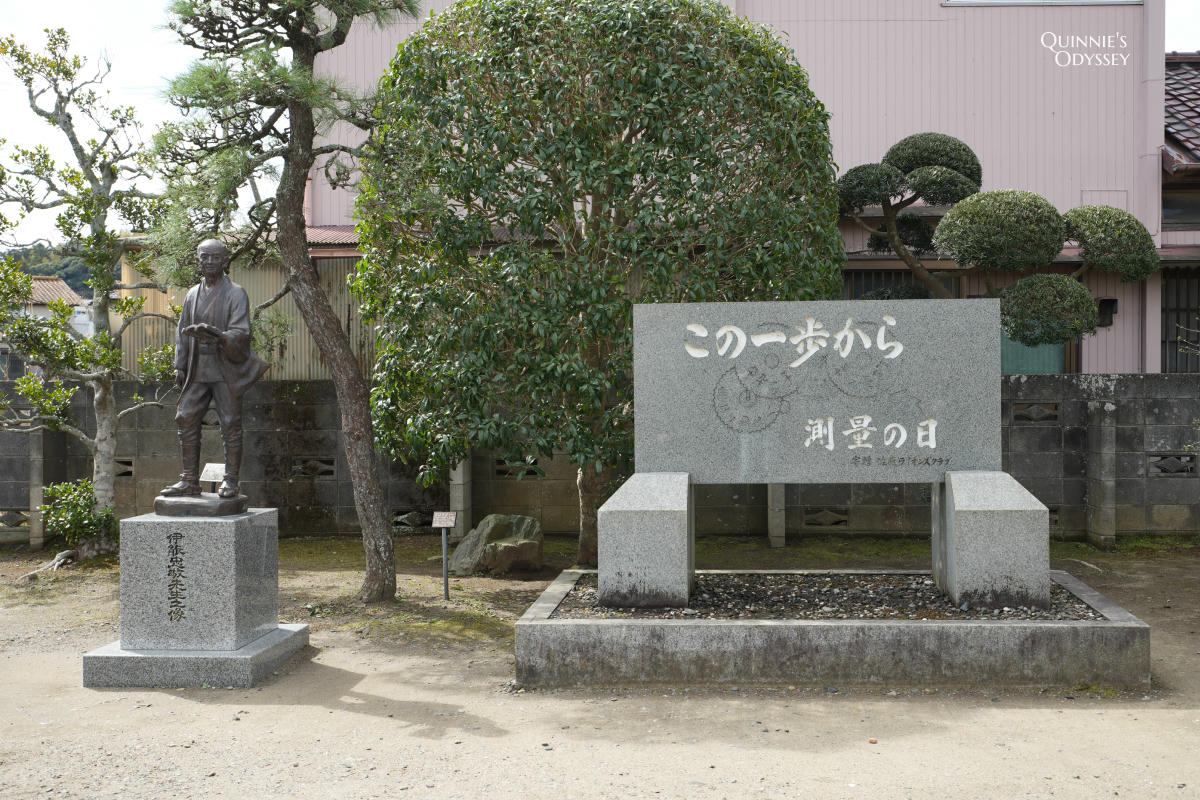
Then at 55, he began an extraordinary journey – walking across Japan to measure the land step by step.
Over 17 years, he traveled on foot, collecting data and eventually completing the first highly accurate map of Japan.
All of this was done without GPS or modern tools, an incredible achievement.
Sawara was where this second chapter of his life began.
Today, his former residence still stands and is open to the public for free. Right next to it is a museum displaying his surveying tools and maps.
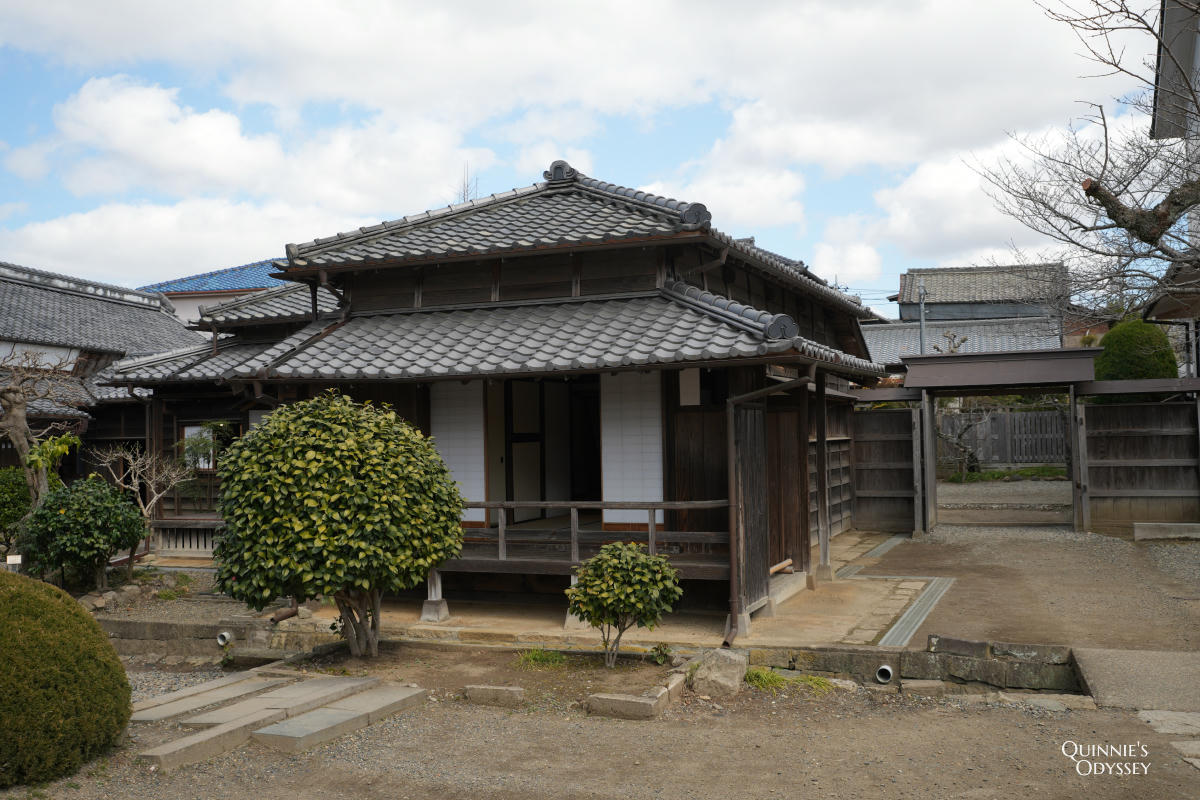
Even if you’re not particularly into history, his story is hard not to be inspired by.
Along the old streets, you’ll find many long-established shops, some over 100 years old, selling soy sauce, miso, rice, and traditional Japanese sweets.
One place worth stopping by is the Sawara Machiyakan.
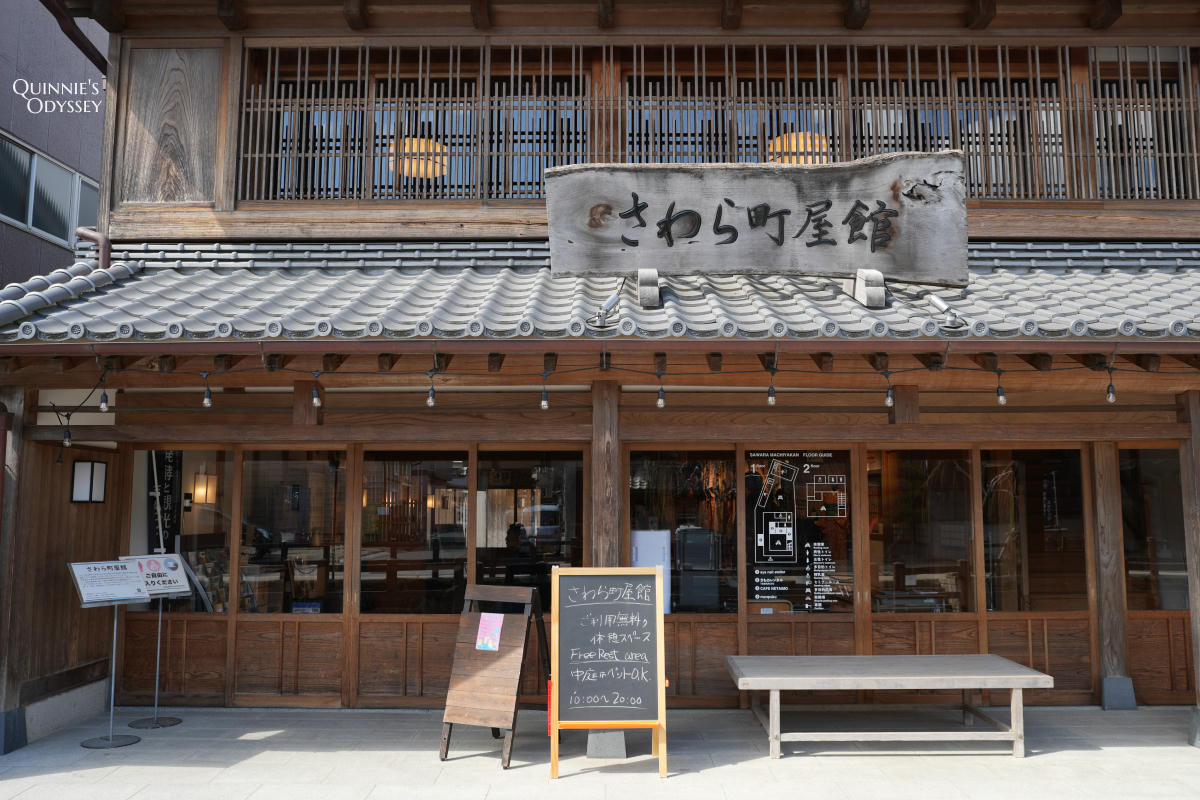
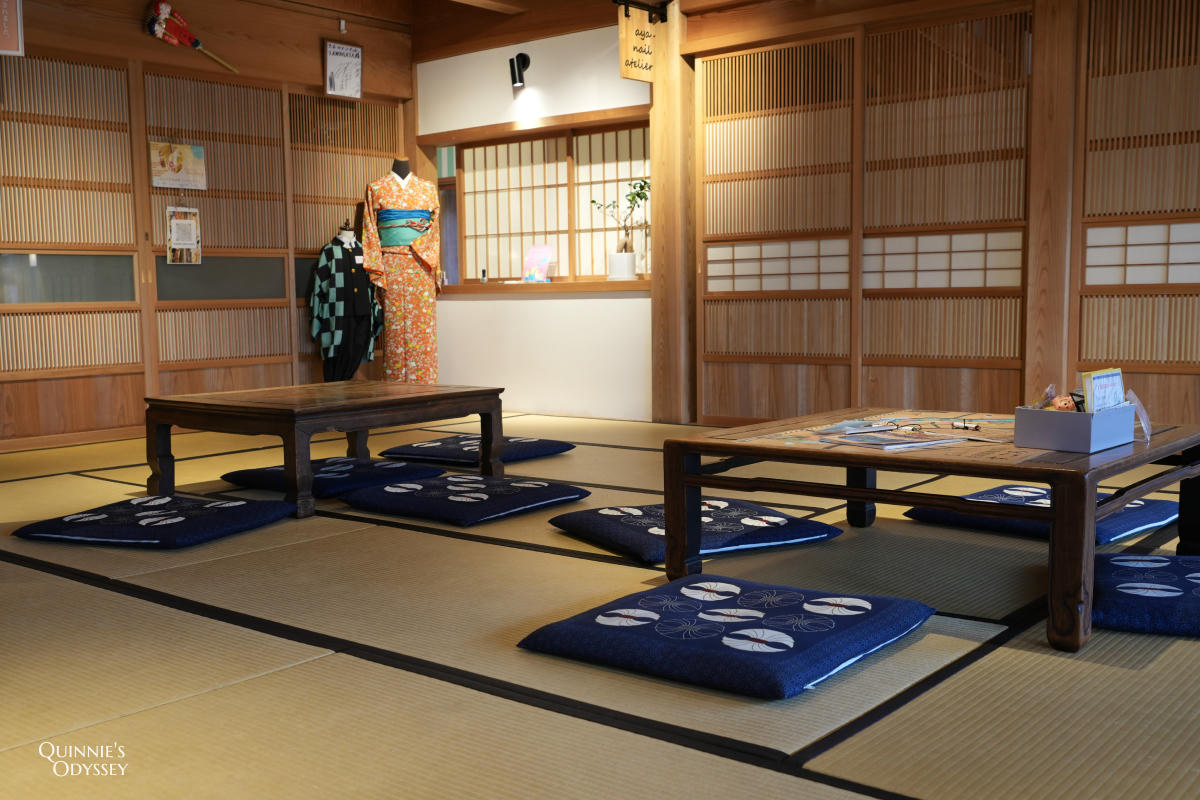
It’s a space designed in the style of a traditional townhouse, with clean restrooms, a free seating area, and small snacks available.
You can step inside and take a break even without buying anything.
The atmosphere is calm and cozy, wooden floors, traditional architecture, perfect for slowing down and relaxing for a bit.
After exploring the old streets of Sawara, it’s worth visiting a place with a completely different vibe, Suwa Shrine.
It’s about a 10-minute walk from JR Sawara Station.
If Sawara feels like a town being protected, then the Ono River is flanked by two shrines: Yasaka Shrine on the east (known for its lively summer festival), and Suwa Shrine on the west, which feels much quieter and more solemn.
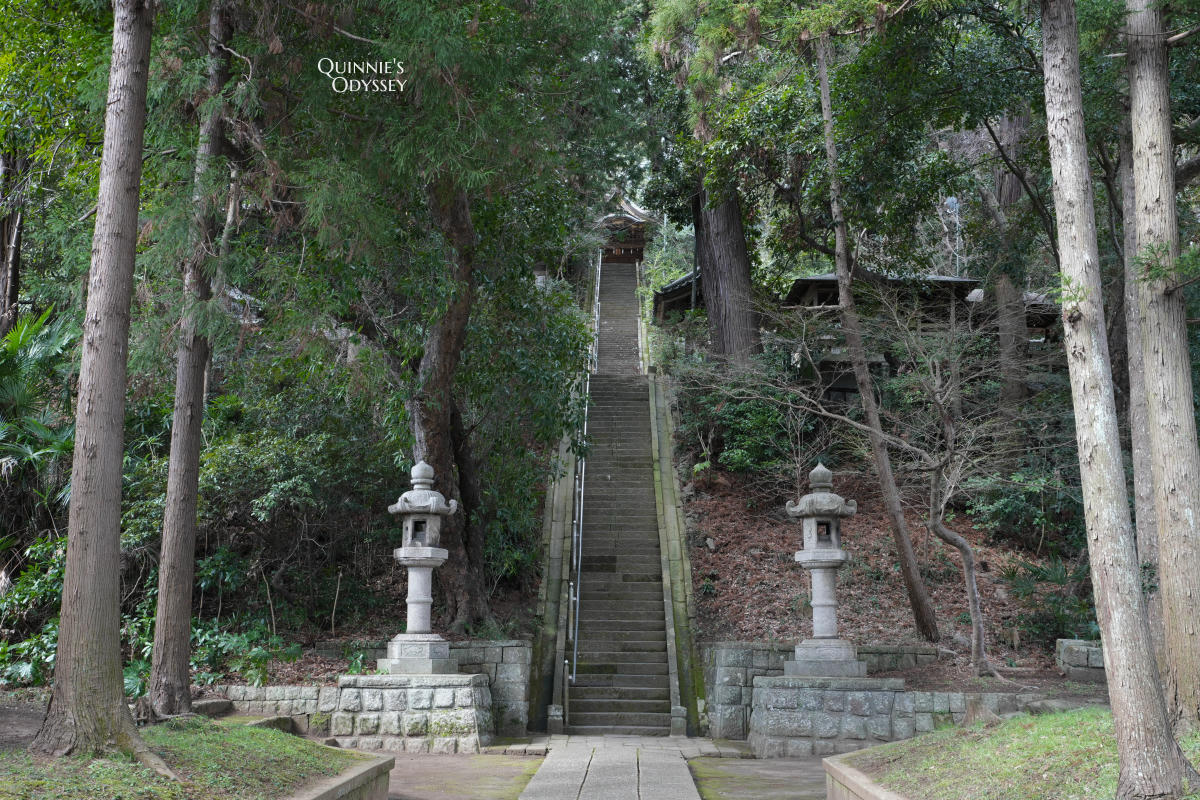
A long, steep stone staircase leads up through tall trees. There are no crowds, just the sound of wind and footsteps. The calm, slightly mysterious atmosphere is a strong contrast to the lively riverside.
The shrine dates back to the Edo period and was built to protect the western side of Sawara’s developing town. Its main deity, Takeminakata-no-Kami, is associated with strength and victory, giving the place a calm yet powerful presence.
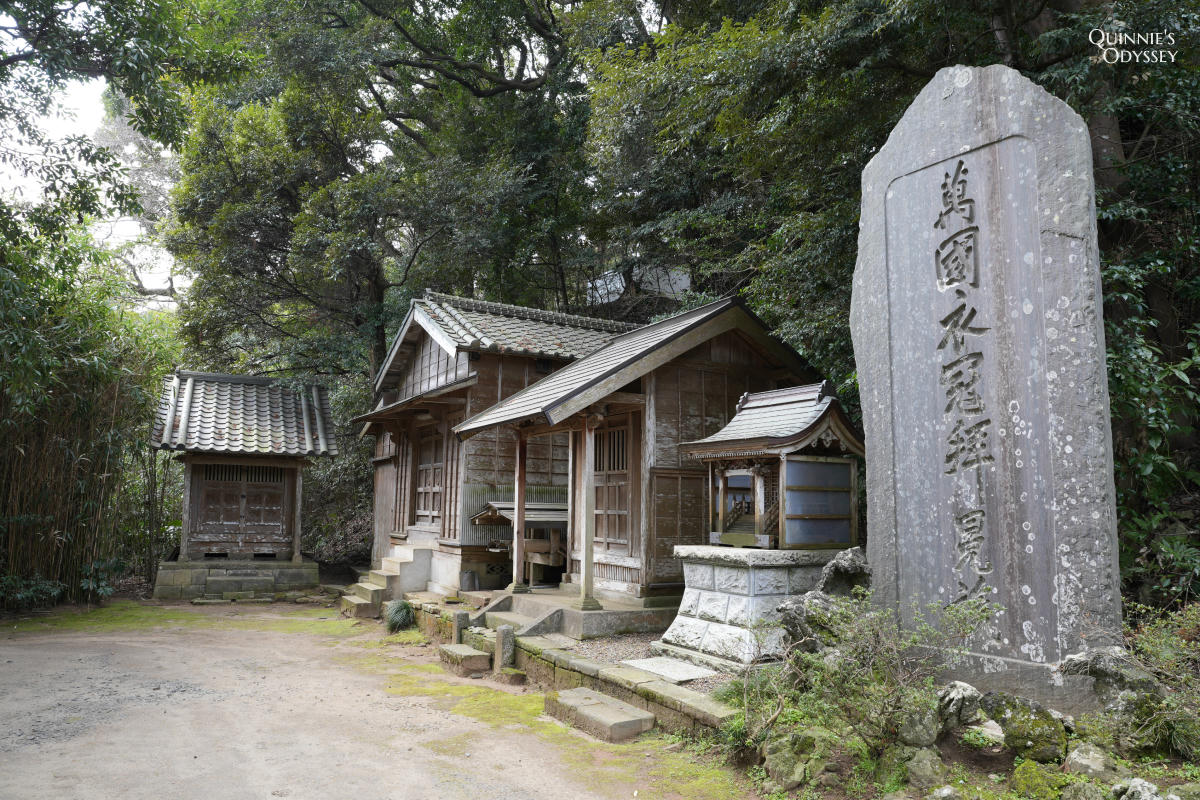
Because it sits on higher ground, you can get a partial view of the town below, though the view itself isn’t the main highlight.
Suwa Shrine also plays an important role in the Sawara Grand Festival, especially the autumn festival held every October. During this time, massive festival floats parade through the streets. The entire festival culture is recognized as a UNESCO Intangible Cultural Heritage, which says a lot about its scale and significance.
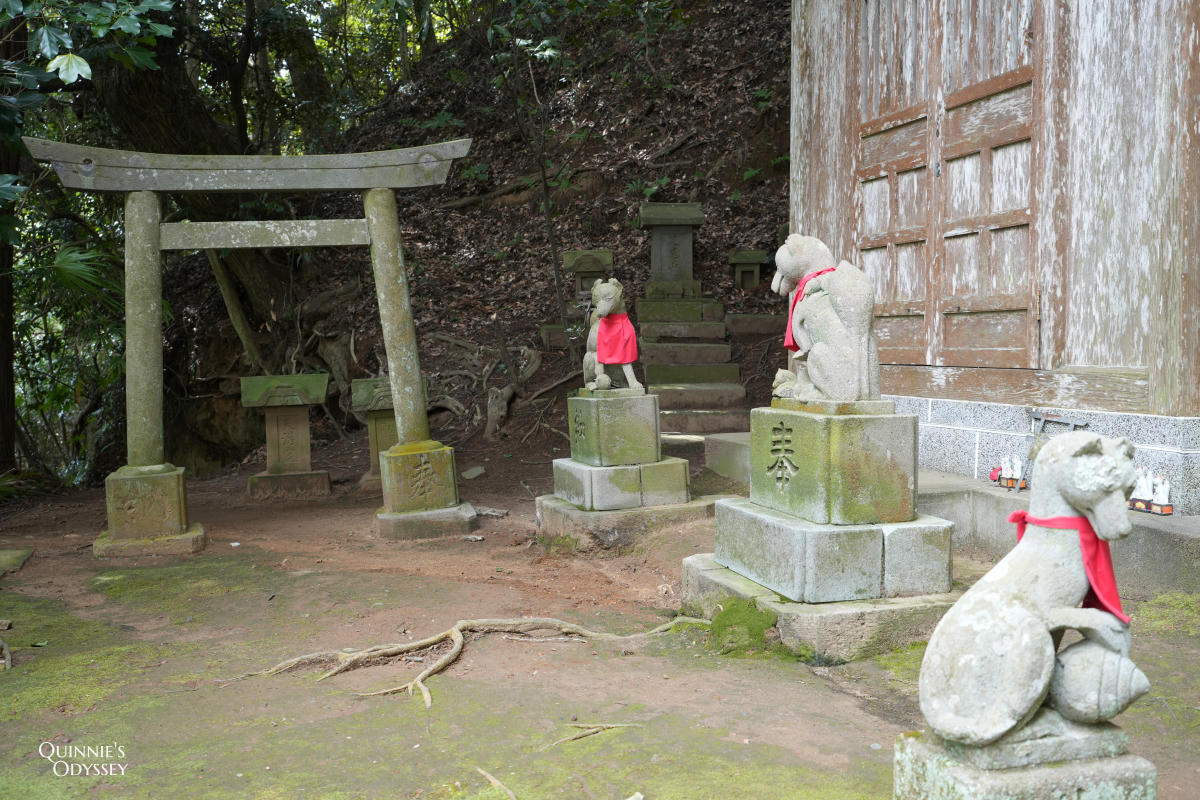
If you’re not visiting during the festival, the Suigo Sawara Float Museum is the best place to experience it.
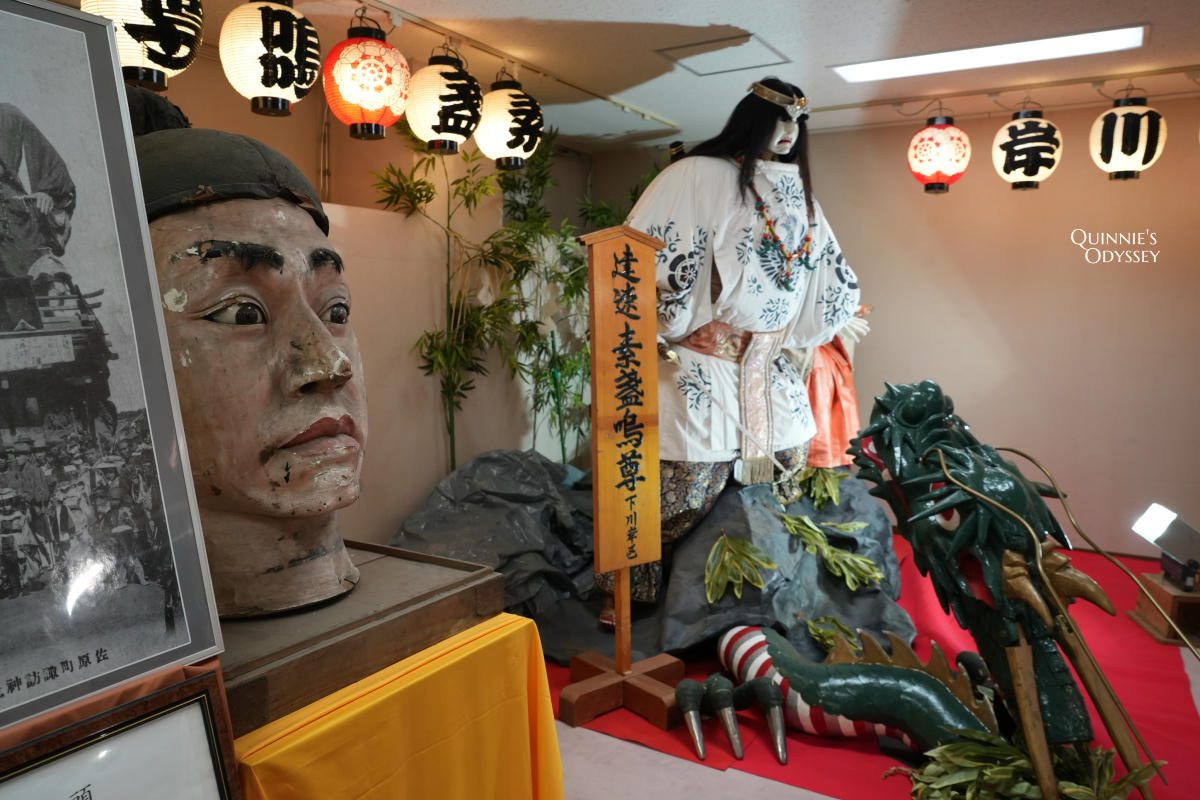
Inside, full-scale festival floats are displayed in a high-ceiling space, each topped with massive figures from mythology or history, some up to 4 meters tall.
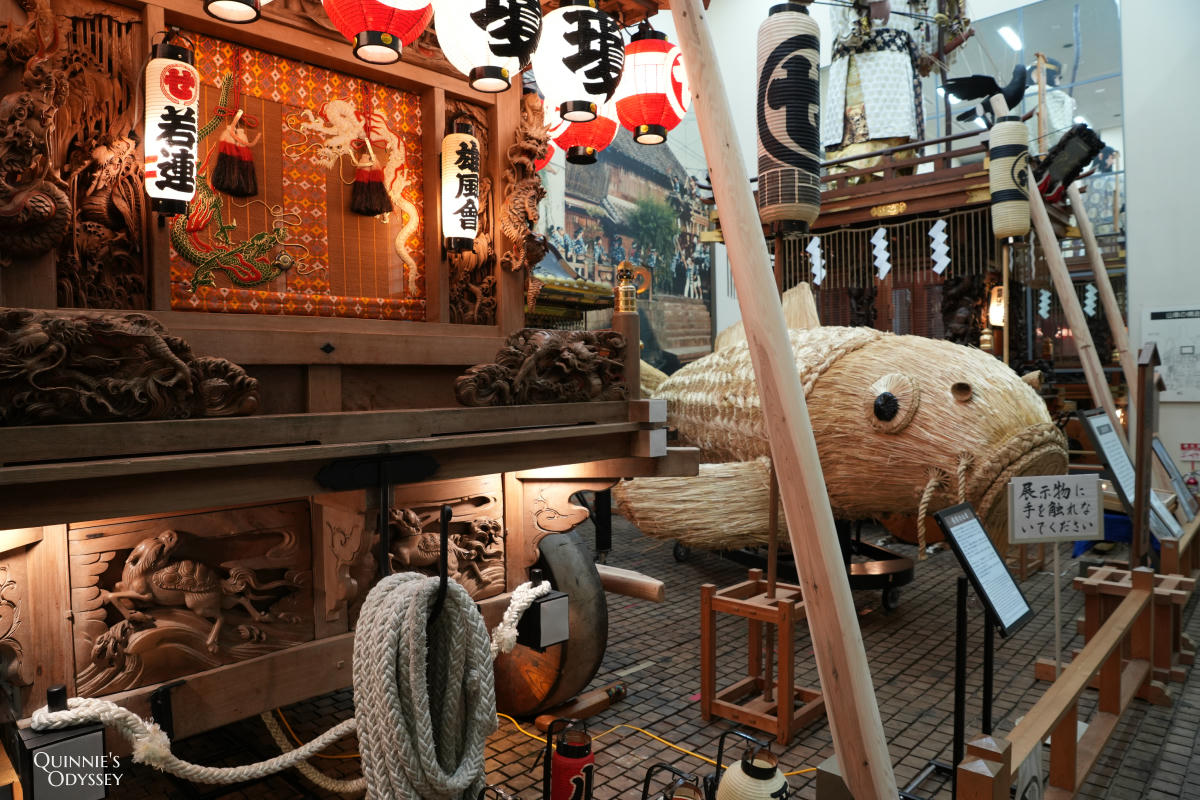
During this visit, displays included Ninigi-no-Mikoto and a giant carp, one of the most iconic symbols of the festival. The carp is especially fascinating, made from carefully woven straw to create detailed scales and fins.
The exhibits rotate regularly, so you might see different figures on your next visit.
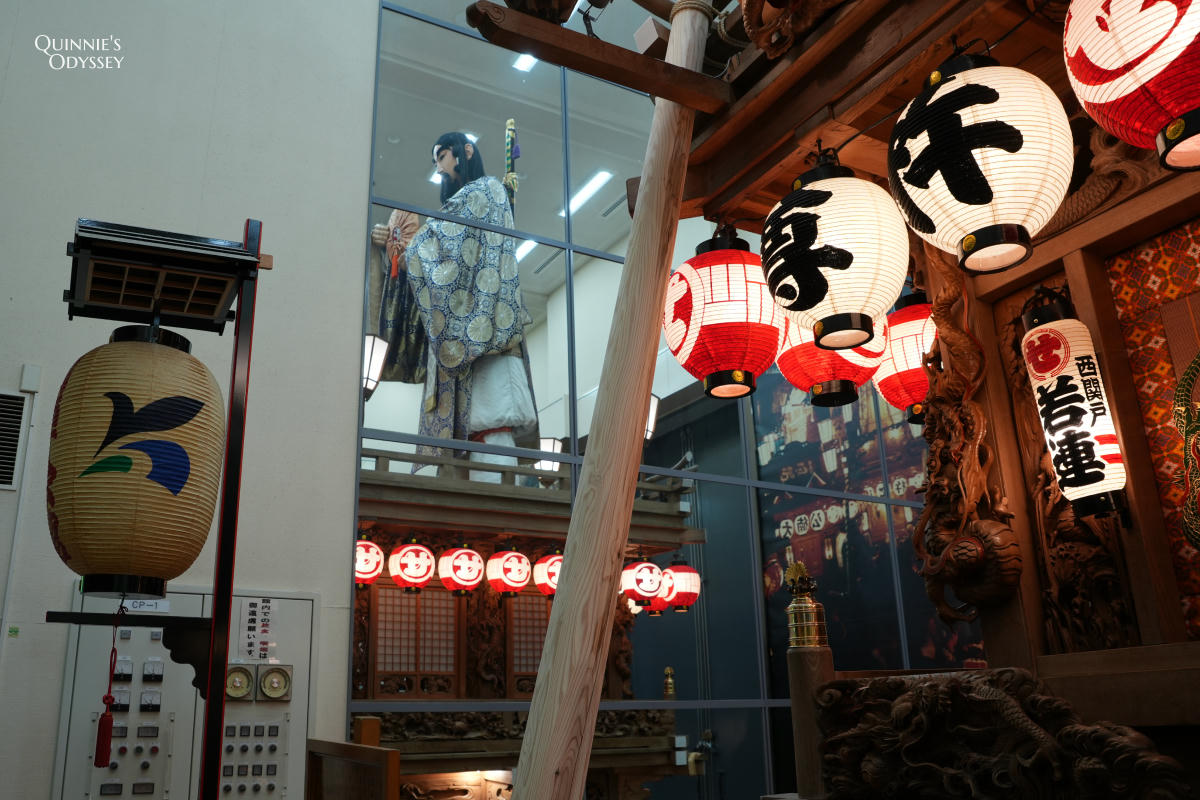
There are also videos (with English subtitles) showing the floats in action, along with exhibits on craftsmanship and traditional music.
Even without the festival, you can still feel its energy here.
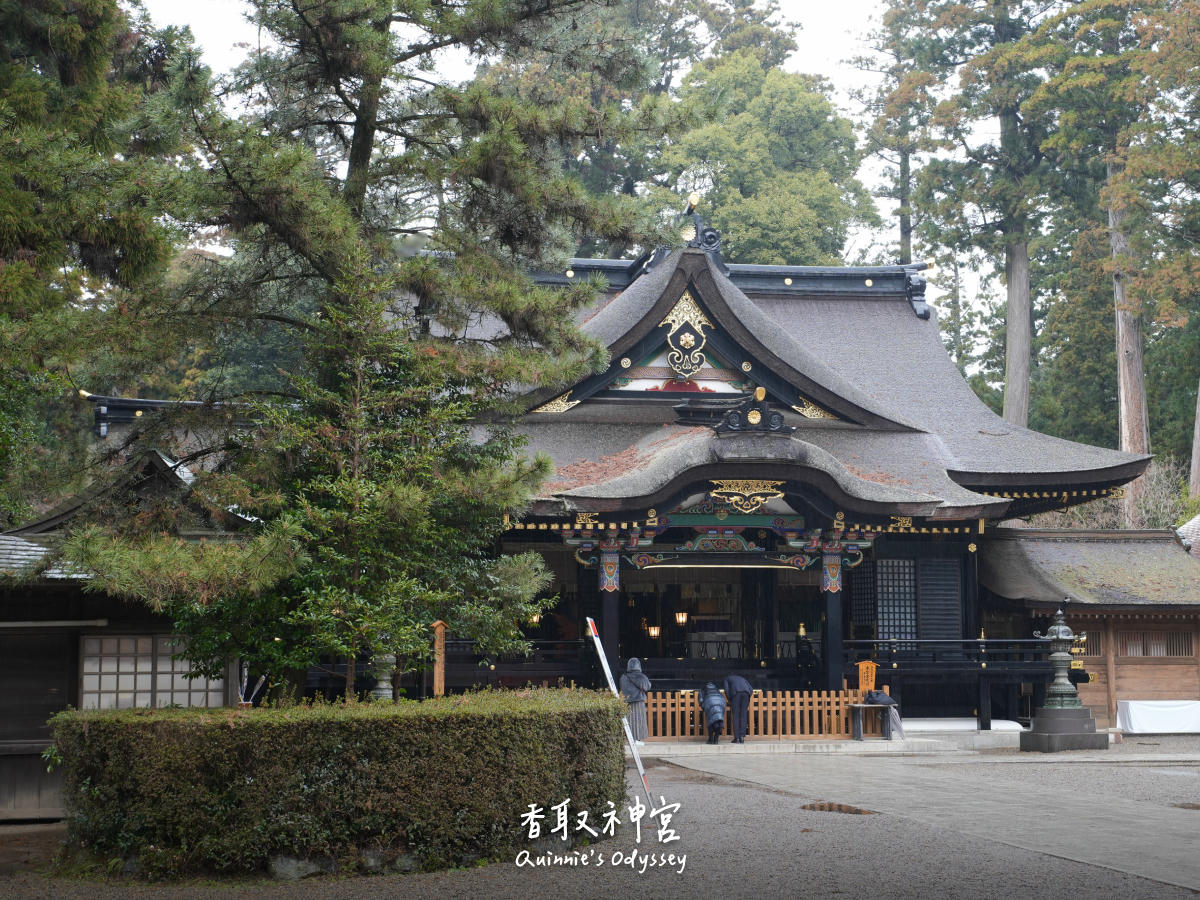
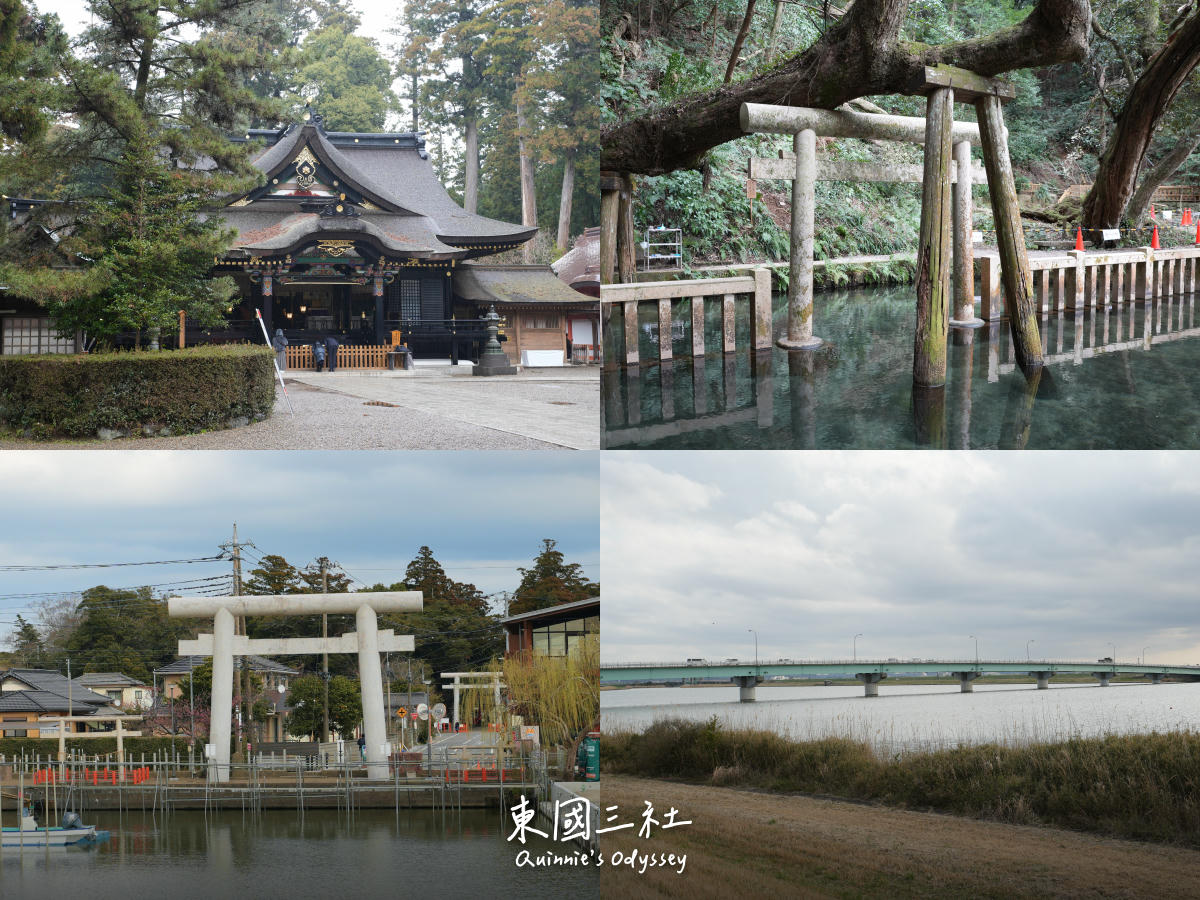
Katori Shrine is the head shrine of around 400 Katori shrines across Japan, making it a place of high spiritual importance.
It’s said to have been founded in ancient times, and its main deity, Futsunushi-no-Okami, appears in Japanese mythology. The shrine has long been associated with protection, peace, and victory.
Getting there from Sawara is easy, about 15 minutes by loop bus or around 20 minutes by bicycle.
The approach is lined with tall cedar trees, creating a serene and slightly mystical atmosphere. The main hall is unusual, featuring a black color scheme accented with gold and green, subtle, yet striking.
If you enjoy quiet, spiritual places that help you slow down and reflect, this shrine is definitely worth visiting.
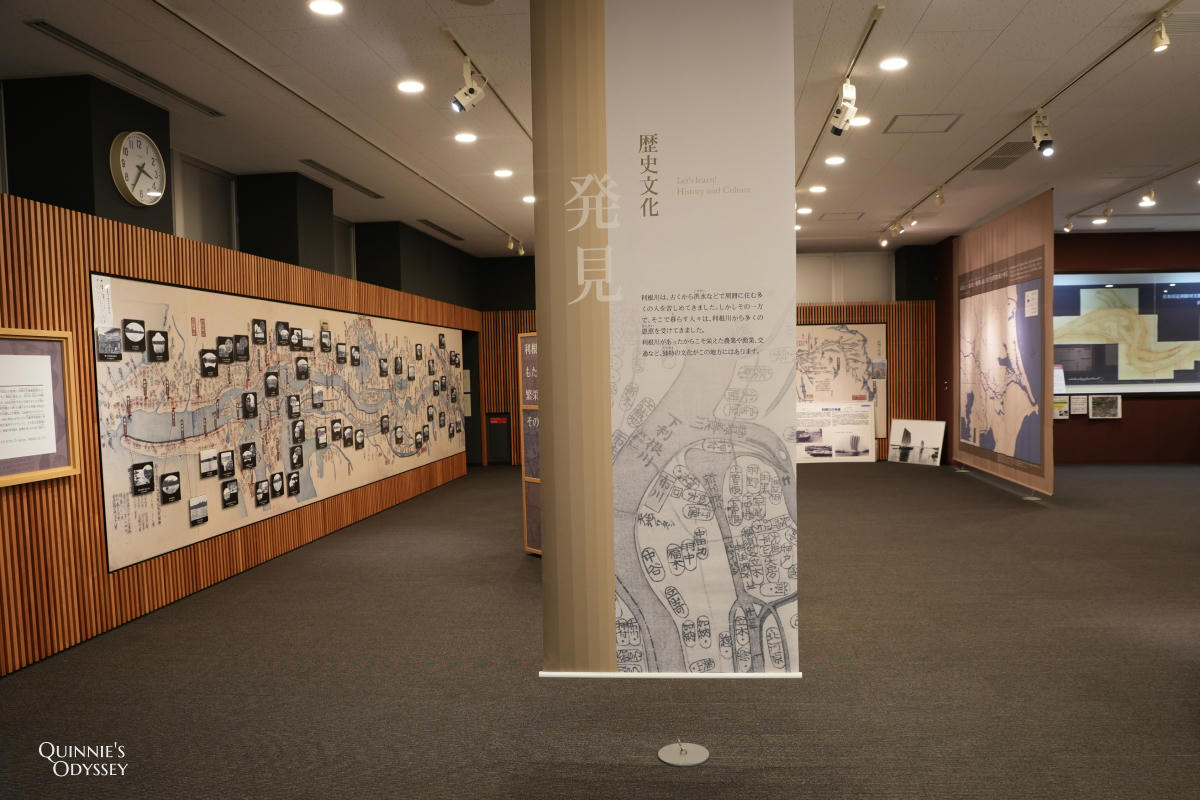
If you’re staying in Sawara a bit longer and have already explored the main sights, you might consider visiting Mizunosato Sawara.
Located along the Tone River, it combines a roadside station (“Michi-no-Eki”) with a riverside facility.
Inside, there are exhibits explaining the history of the Tone River and flood control efforts, from Edo-period river engineering to modern flood prevention. It gives you a deeper understanding of how Sawara developed alongside water.
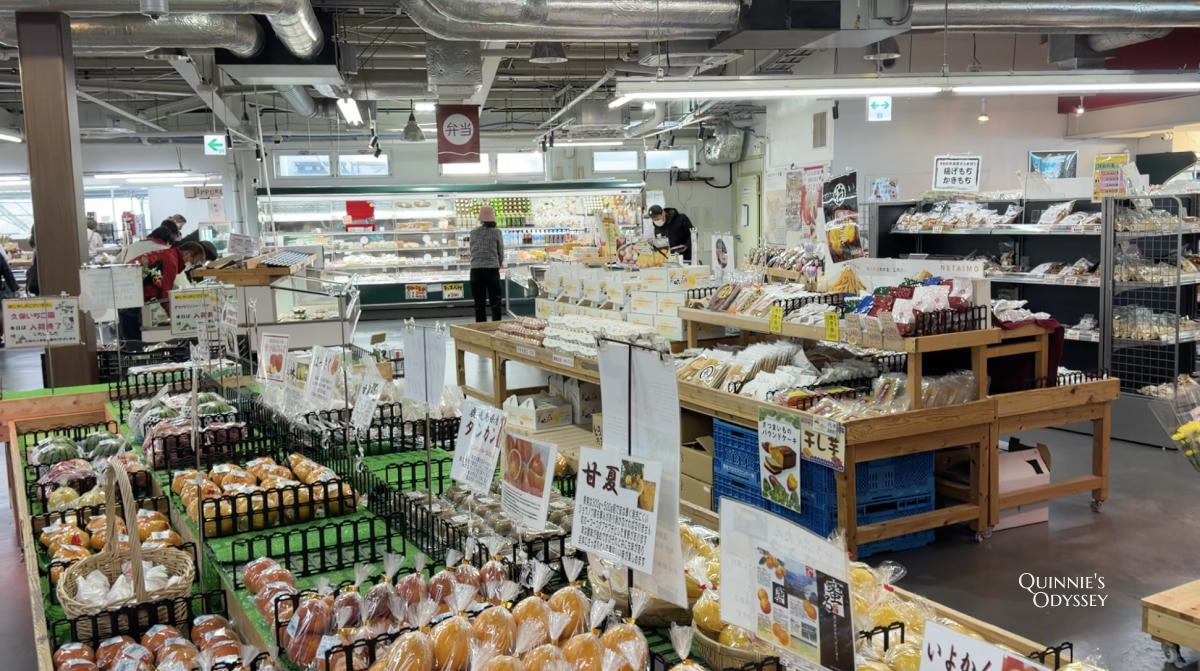
There’s also a large local market selling fresh produce from nearby farms, as well as local specialties like Sawara rice, sake, and sweet potato treats.
You’ll also find water-based activities here, such as larger sightseeing boats and kayaking, quite different from the peaceful Ono River boat rides.
It’s more of an “optional stop,” but worth considering if you have extra time or are interested in local culture and river history.
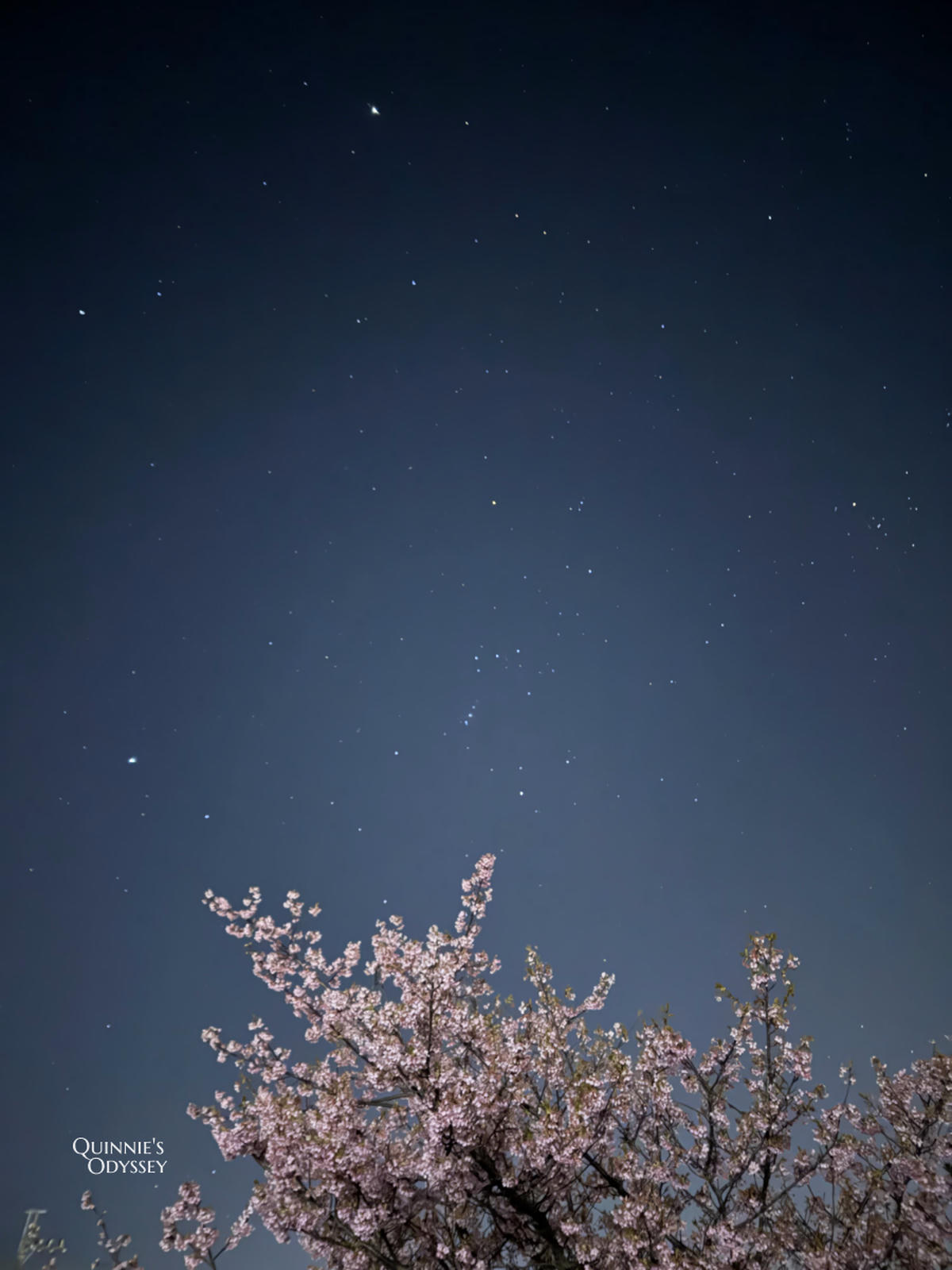
Sawara feels completely different at night.
The streets become quiet and dim, with very few people around. But because of that, the sky is surprisingly clear, stars are easy to see without much light pollution.
In early spring, with just a few cherry blossoms starting to bloom, the atmosphere feels especially calm and gentle.
No crowds, no noise, just the old streets and the night sky.
The highlight of Sawara’s year is the Sawara Grand Festival, recognized as a UNESCO Intangible Cultural Heritage.
It’s held twice a year:
The festival floats are incredibly detailed wooden structures, topped with giant figures up to 4-5 meters tall.
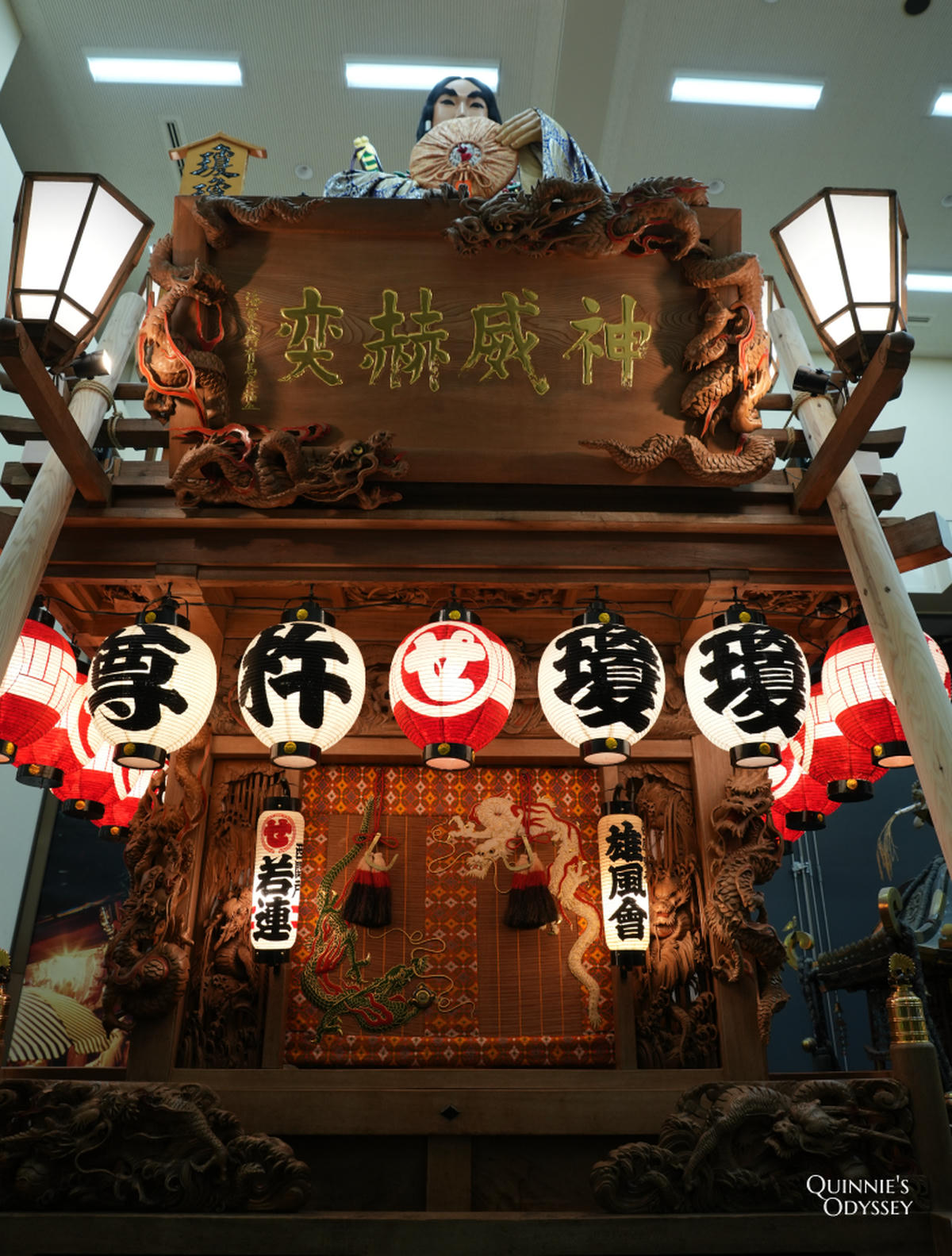
As they move, traditional music fills the streets. The most exciting moment is when teams rotate these massive floats around tight corners, powerful and intense.
For locals, this isn’t just a festival, it’s a tradition passed down through generations.
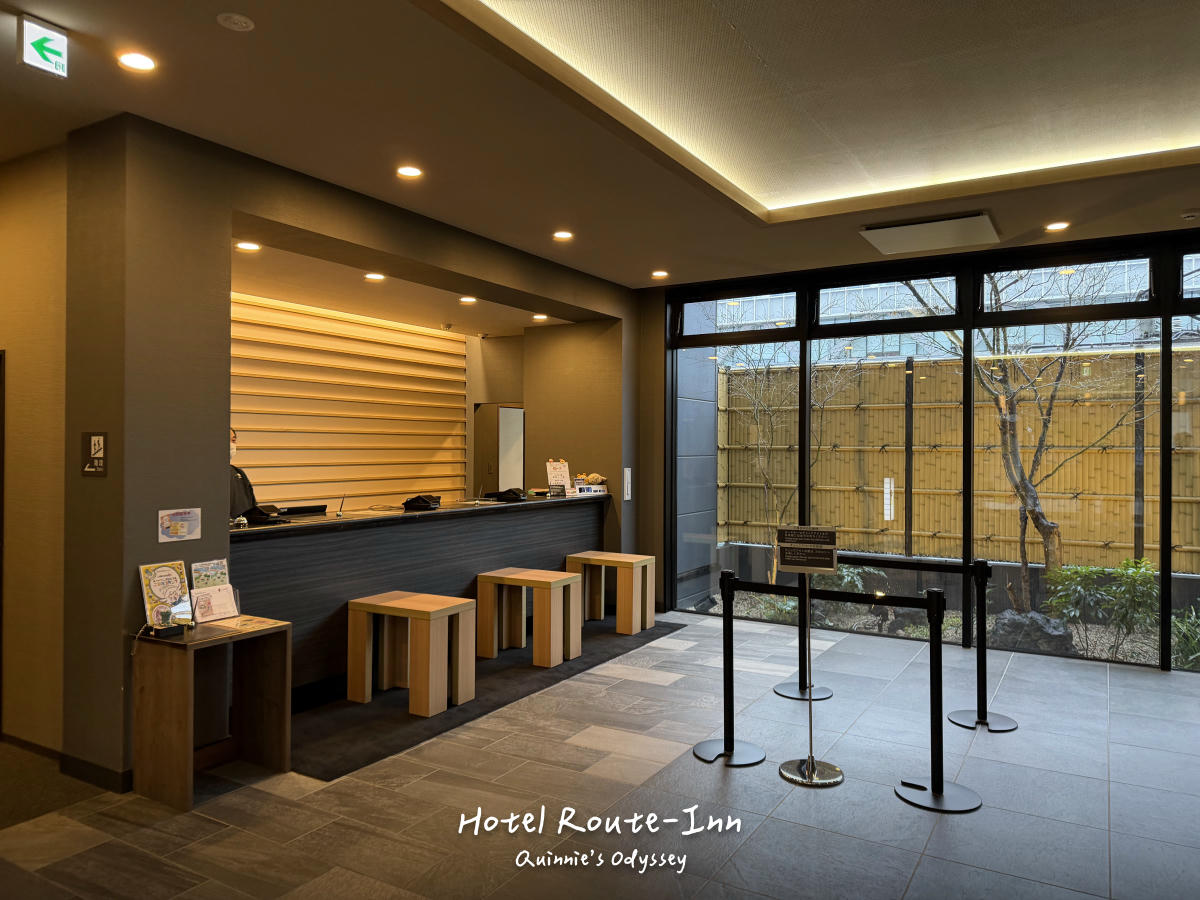
During this trip, we stayed at Hotel Route-Inn Katori Sawara Ekimae.
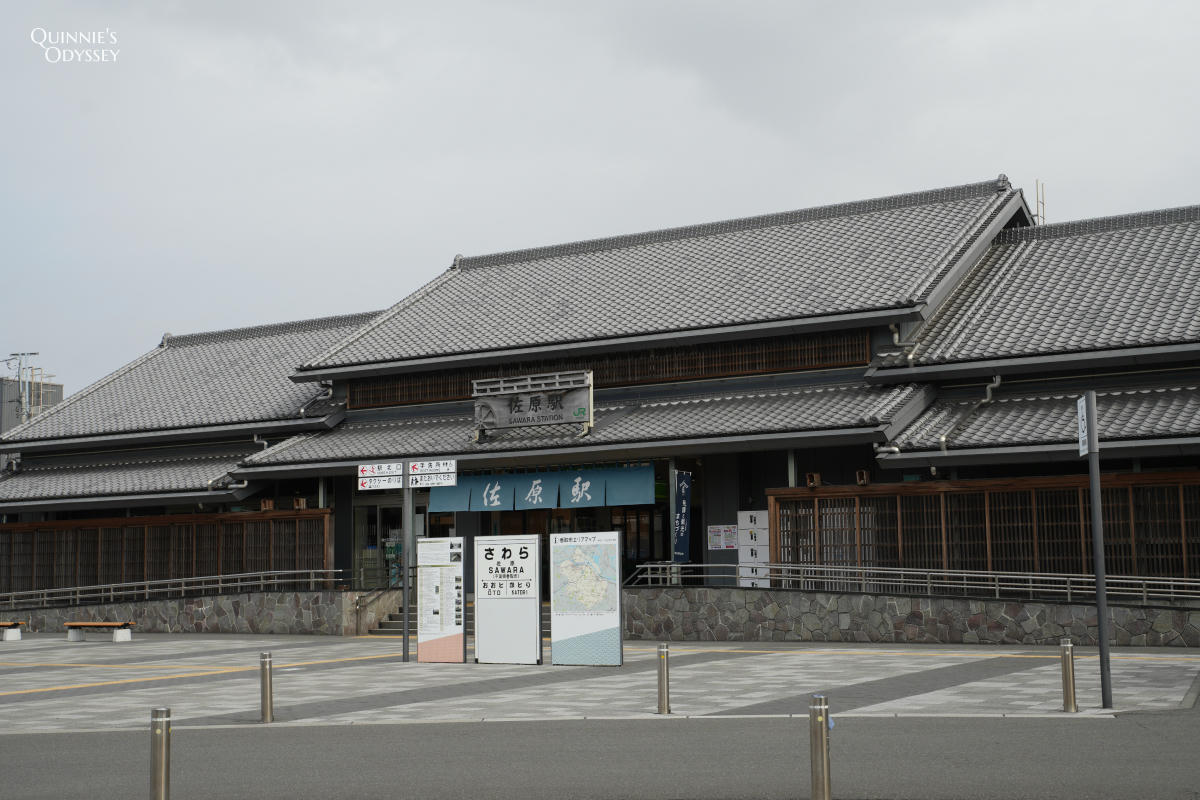
The location couldn’t be more convenient, it’s right next to Sawara Station, literally less than a one-minute walk after you exit. Super easy, especially if you’re traveling with luggage or arriving late.
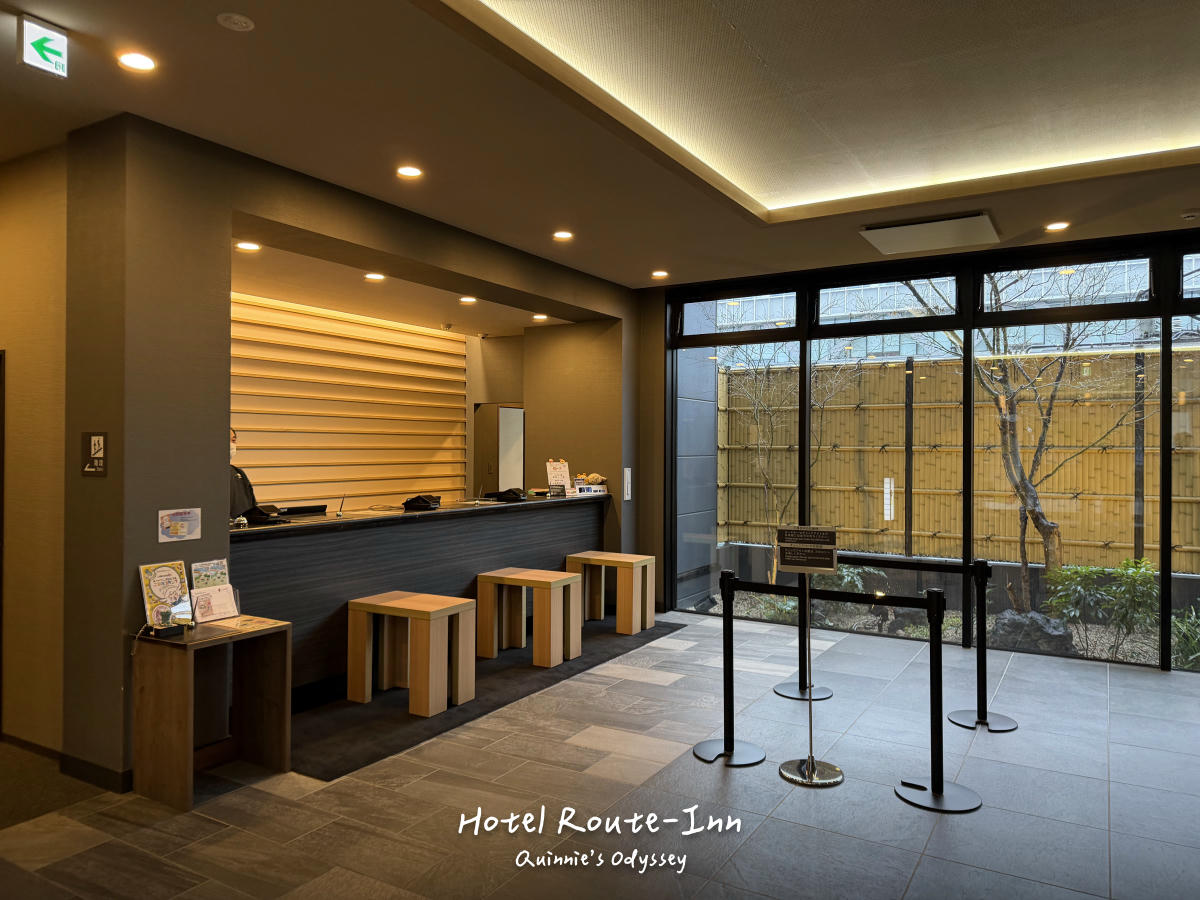
Hotel Route-Inn Katori Sawara Ekimae is part of a well-known business hotel chain across Japan, so the overall quality is quite consistent.
The room size is comfortable and not too cramped. Compared to some APA Hotels, it feels a bit more spacious, and it’s easier to open your luggage without feeling squeezed. For the price, it’s definitely reasonable.
Rates are usually around $60 – $70 per night for two people, and that includes breakfast. The buffet is quite decent, and there’s also a public bath where you can relax after a long day.
Since it’s right next to the station, getting around is super convenient, whether you’re heading to the Ono River area, Katori Shrine, or taking the train to other places.
Hotel Route-Inn Katori Sawara Ekimae: view prices 👉👉 Booking | Agoda | Klook
In Japan, a Google rating in the 3-point range is already considered decent, but the places I visited this time were all around 4.5, and they really delivered.
Hippopotamus is a cozy Italian spot with a very friendly owner.
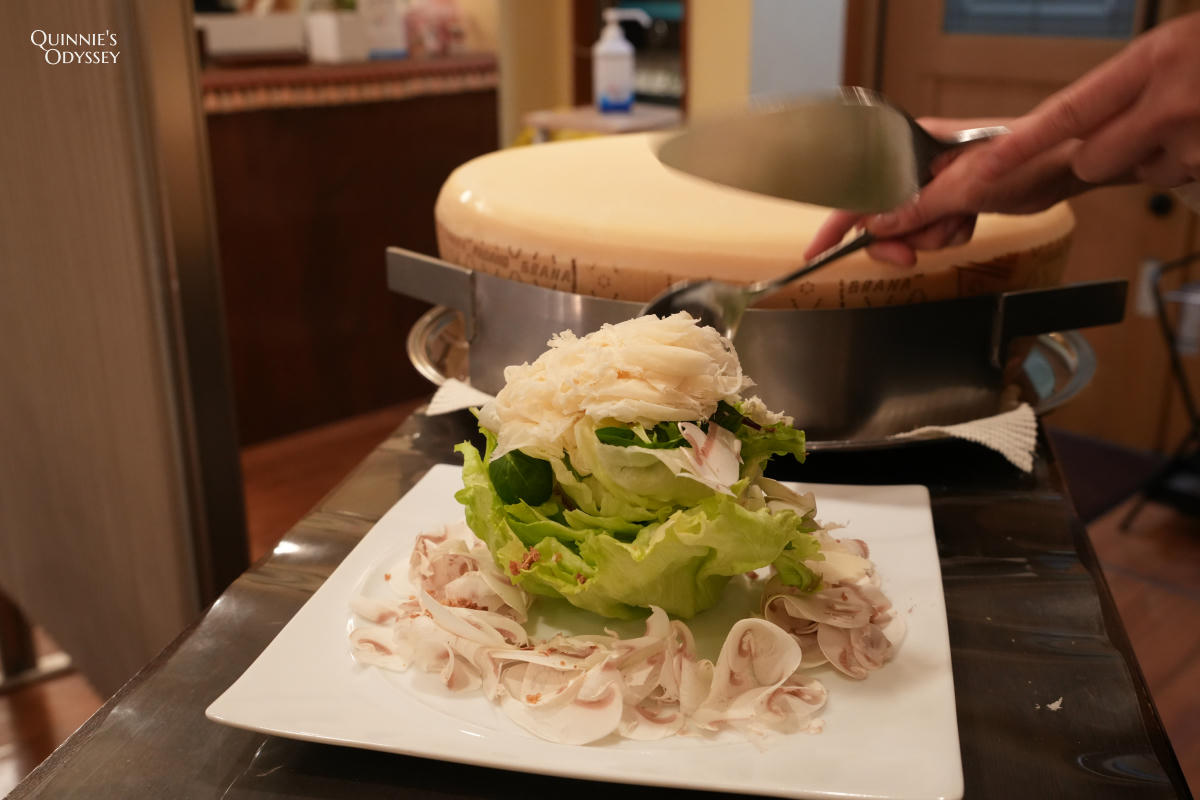
The Caesar salad is a highlight, the staff prepares it tableside, shaving thin slices from a large block of Parmesan cheese onto fresh greens. It feels almost like a little performance.
The pizza has a thin, crispy crust (the quattro cheese was great), and the carbonara was also very well done.
The menu is only in Japanese, so using Google Translate helps, but the owner is more than happy to explain.
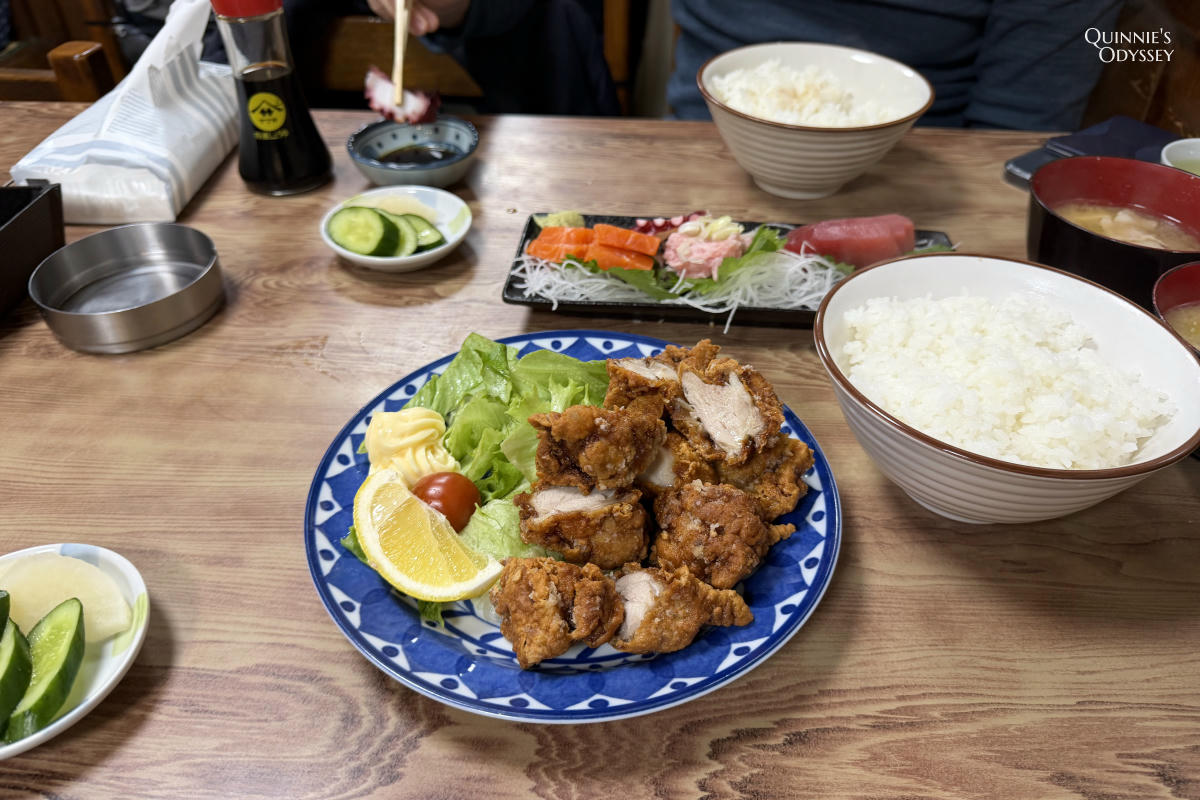
Uohachi Shokudo is a very local, budget-friendly spot with generous portions.
We ordered fried chicken and sashimi set meals, together under ¥2000, which is honestly a great deal. The portions were big, and everything tasted satisfying.
One important thing to note: smoking is allowed inside.
This can be easy to miss since many restaurants in Japan are now non-smoking. There is a sign at the entrance, but it’s not very noticeable.
We sat in a small, enclosed space, and halfway through the meal, someone nearby started smoking… not the best experience.
If you’re very sensitive to smoke but still want the affordable local food, takeaway might be a better option.
When visiting Sawara, there’s also a more “advanced” way to explore the area, using it as a base for the Togoku Three Shrines Pilgrimage.
This route includes: Kashima Shrine, Katori Shrine and Ikisu Shrine
These three shrines form a triangular layout on the map and have long been an important pilgrimage route.
Sawara sits right near the center, making it very convenient to visit all three within one or two days.
Historically, people would visit this route after completing a pilgrimage to Ise Shrine, as a way to purify both body and mind.
You can think of it as a kind of spiritual reset, moving between different shrines, each with its own atmosphere, while slowing down along the way.
Staying in Sawara makes this experience even nicer: explore during the day, then return to a quiet town and take a peaceful evening walk along the river.
This wasn’t originally planned, but after noticing banners celebrating “20 Years of Katori City,” it sparked some curiosity.
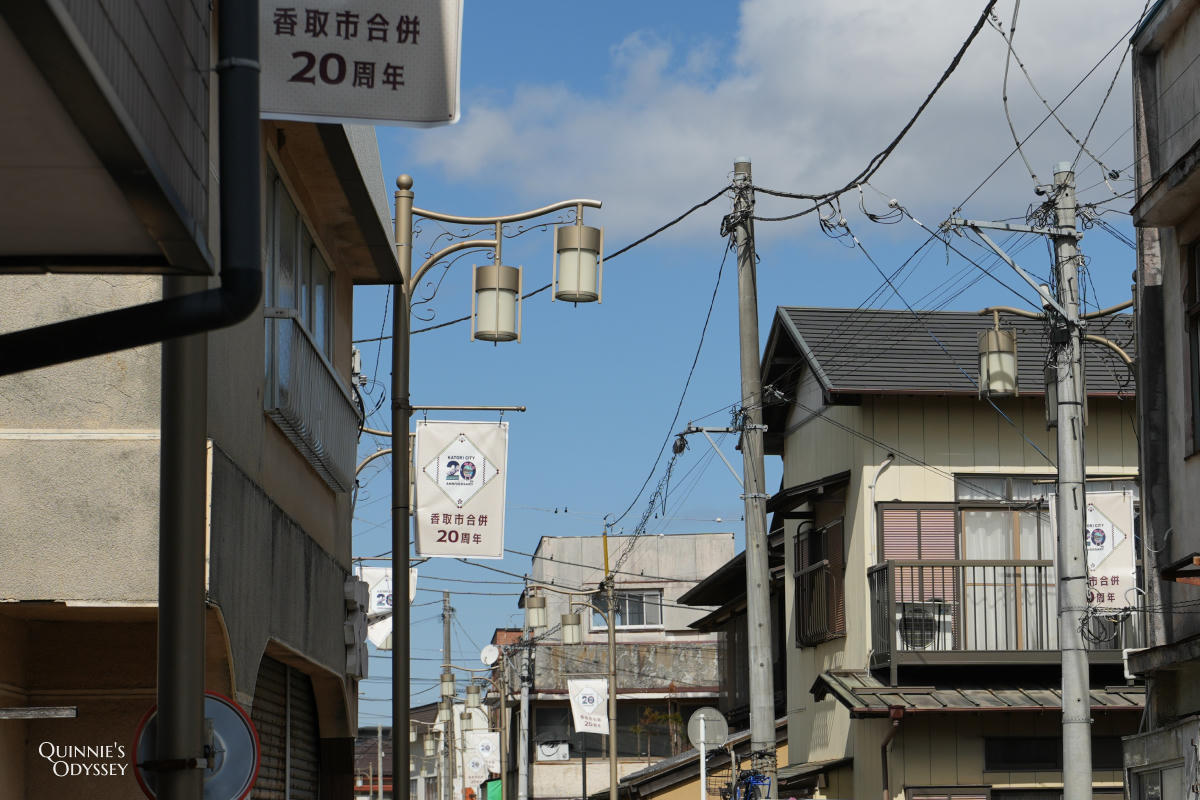
Today, Sawara is part of Katori City.
In 2006, Sawara merged with nearby towns to form Katori City as part of Japan’s “Heisei mergers,” a nationwide effort to address population decline and aging by consolidating administrative regions.
Interestingly, although “Sawara” is more well-known as a travel destination, the name “Katori” was chosen, largely because of the historical and cultural significance of Katori Shrine.
This merger reflects a shift: Sawara is no longer just a standalone historic town, but a central part of the broader Katori region.
▼ Exclusive Deal for Sika Readers ▼
Use code【DNBDRT】👉👉 Save ¥3,000on your TOCOO! car rental(view guide)
▼ Tokyo Travel Essentials ▼

Thanks for reading!
If you’re interested in my stories, feel free to follow me on Instagram.
👉👉 IG: @sika_artist 👈👈