Physical Address
304 North Cardinal St.
Dorchester Center, MA 02124
Physical Address
304 North Cardinal St.
Dorchester Center, MA 02124

Kashima Jingu is located in southeastern Ibaraki, on elevated ground between Kitaura Lake and the Kashima Sea. The entire shrine is surrounded by a vast primeval forest known as the “Kashima Jingu Forest,” which is designated as a natural monument.
And the scale is hug, the shrine grounds are about 15 times the size of Tokyo Dome. If you explore all the smaller sub-shrines around the area, the total walking distance can easily exceed 15 km.
Kashima Jingu is the head shrine of around 600 Kashima shrines across Japan, and historically, it was the highest-ranked shrine of Hitachi Province (modern eastern Ibaraki).
Before the Meiji era, only three shrines in all of Japan were called “Jingu”: Ise Jingu, Kashima Jingu, and Katori Jingu, showing just how important Kashima Jingu has always been.
▼ Exclusive Deal for Sika Readers ▼
Use code【DNBDRT】👉👉 Save ¥3,000on your TOCOO! car rental(view guide)
The origins of Kashima Jingu trace back to Japan’s mythological founding era.
According to legend, Emperor Jimmu was on his eastern campaign when his army fell into crisis in Kumano. At that moment, the deity Takemikazuchi-no-Okami descended from the heavens with a divine sword, helping the army recover and turn the tide of battle.
With this divine support, Emperor Jimmu went on to unify the land and become Japan’s first emperor. In gratitude, Takemikazuchi-no-Okami was enshrined in Kashima in 660 BCE, marking the beginning of Kashima Jingu.
Since then, it has been one of Japan’s most important warrior shrines. During the Nara period, its influence spread nationwide, and many samurai leaders, including Minamoto no Yoritomo and Tokugawa Ieyasu, deeply revered it.
Most of the buildings seen today date back to the Edo period and are designated as Important Cultural Properties.
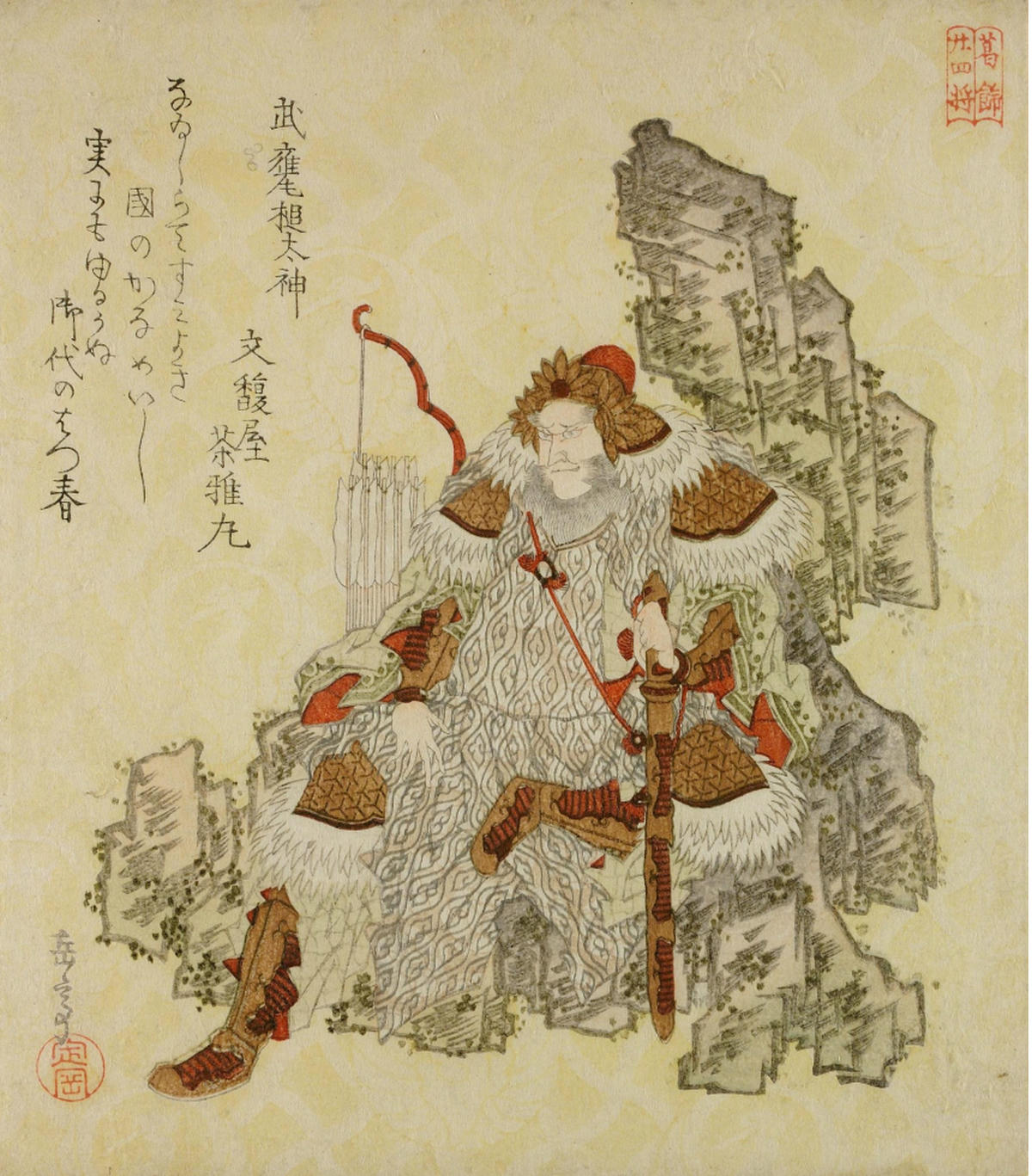
The main deity of Kashima Jingu is Takemikazuchi-no-Okami, also known as a thunder and sword god in Japanese mythology.
His name carries the image of powerful thunder, and is sometimes said to echo the sound of clashing blades. In essence, he represents both lightning and the strength of a sword, two of the most powerful forces combined.
In one of the most important myths, the “Transfer of the Land,” Takemikazuchi-no-Okami, together with the deity of Katori Jingu, subdued the earthly gods and secured the land for the heavenly deities, marking a key moment in Japan’s creation story.
Because of this, Kashima Jingu and Katori Jingu are often seen as a powerful pair of warrior shrines, along with Ikisu Shrine, forming the “Three Great Shrines of Eastern Japan.”
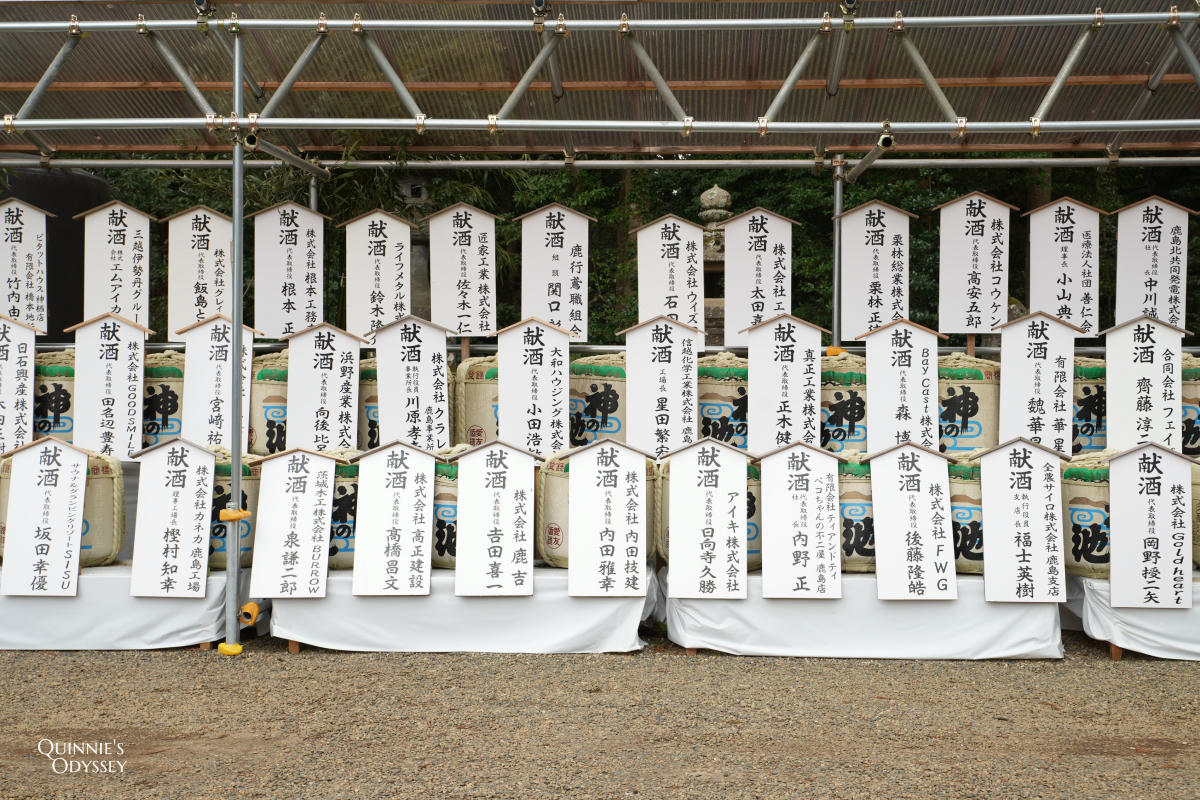
Beyond its warrior image, Kashima Jingu is also known for the tradition of “Kashima-dachi”- praying here before setting out on a new chapter in life.
This custom dates back to the Nara period, when soldiers heading to distant frontiers would visit the shrine to pray for safety.
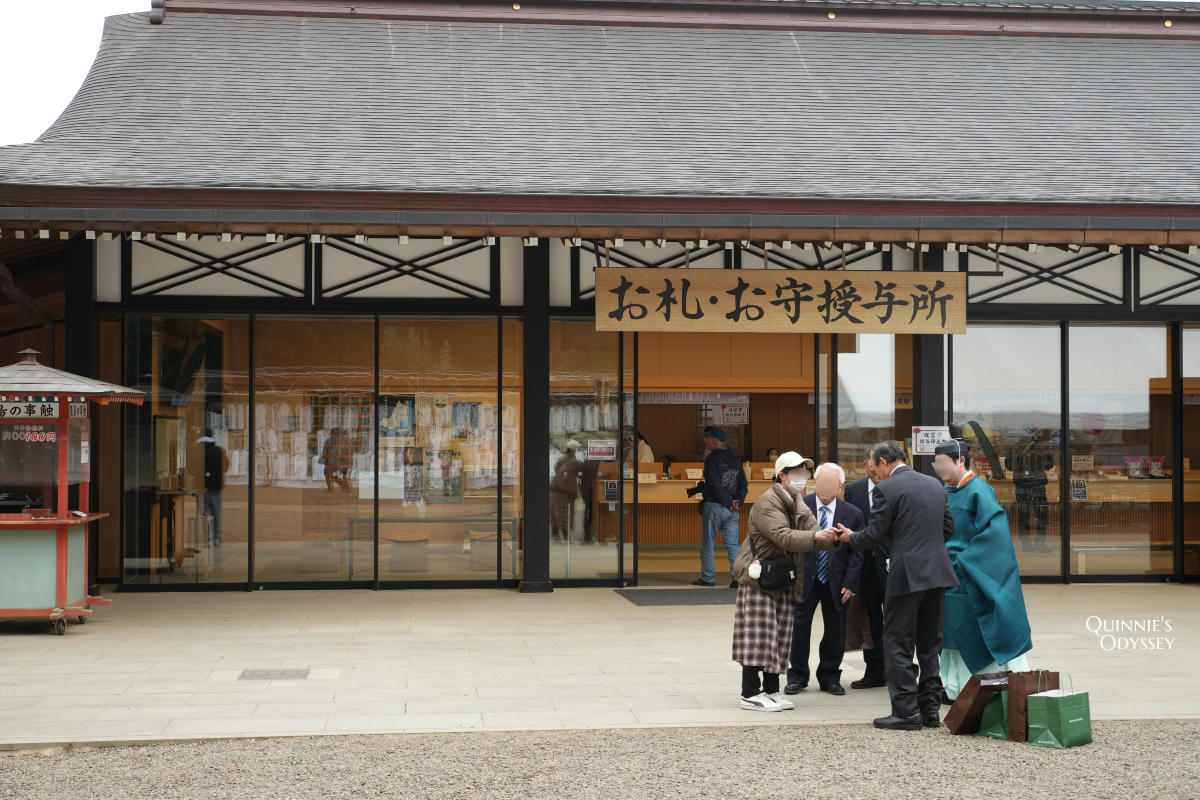
Today, people come here at important turning points in life, such as:
In addition to victory and good fortune, the shrine is also associated with love and safe childbirth, making it both powerful and welcoming.
Surrounded by ancient forest, Kashima Jingu has long been considered a sacred, spiritual realm.
Within this forest, there are seven mysterious phenomena known as the “Seven Mysteries of Kashima,” with stories dating back to the Edo period. These are natural features trees, stones, and springs, believed to hold supernatural qualities.
Some of the most famous include:
If you don’t have the time or energy to see all seven, make sure you don’t miss these two highlights:
As for the other pine trees, they’re perfect for those who enjoy wandering through the forest, take your time and discover them along the way.
Kashima Jingu is perfect for a day trip from Tokyo.
By JR trains (with transfers), it takes about 2.5 hours.
By highway bus (direct), it takes around 2 hours.
If you want to explore more than just Kashima Jingu, staying in Sawara is a great idea.
On this trip, I used Sawara as a base to visit multiple nearby spots, including the Three Great Eastern Shrines – Kashima Jingu, Katori Jingu, and Ikisu Shrine. Sawara itself is also a charming place to explore.
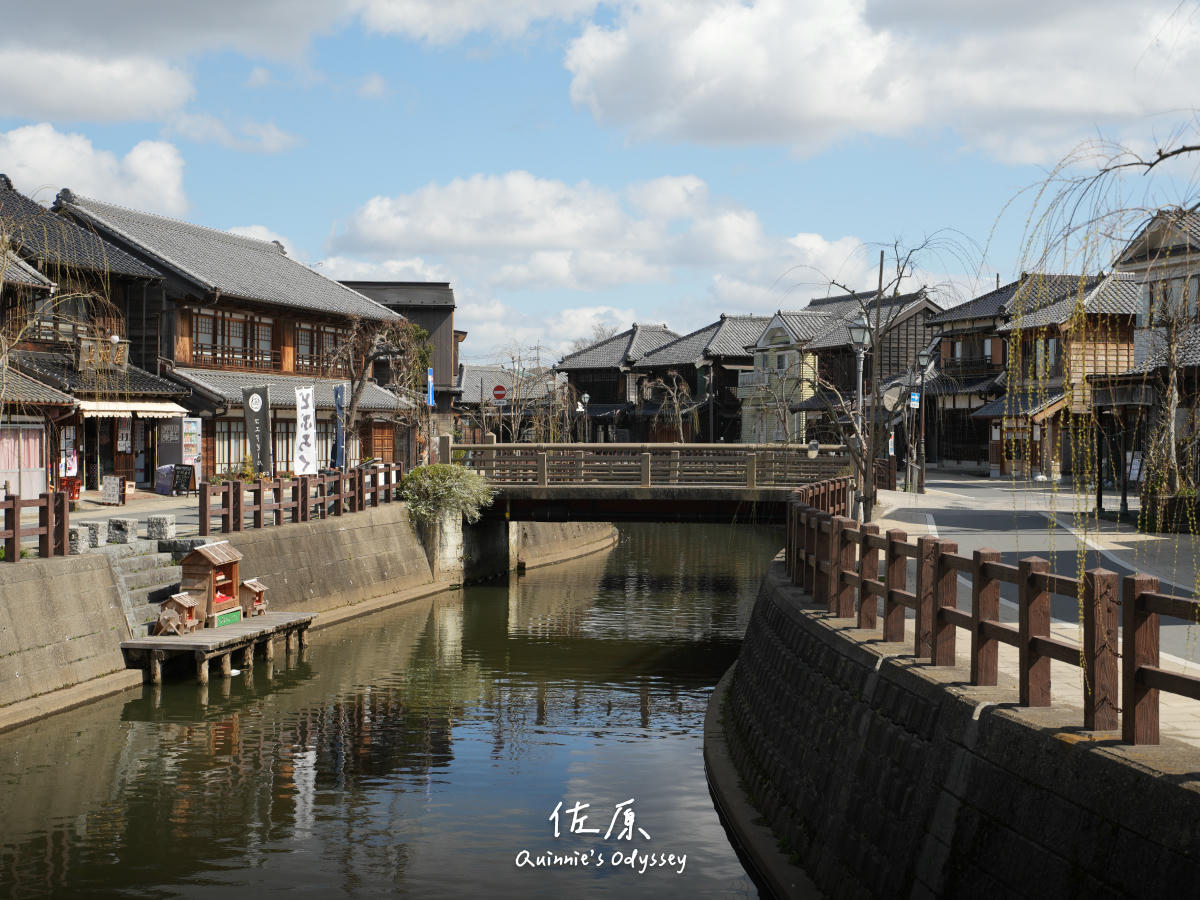
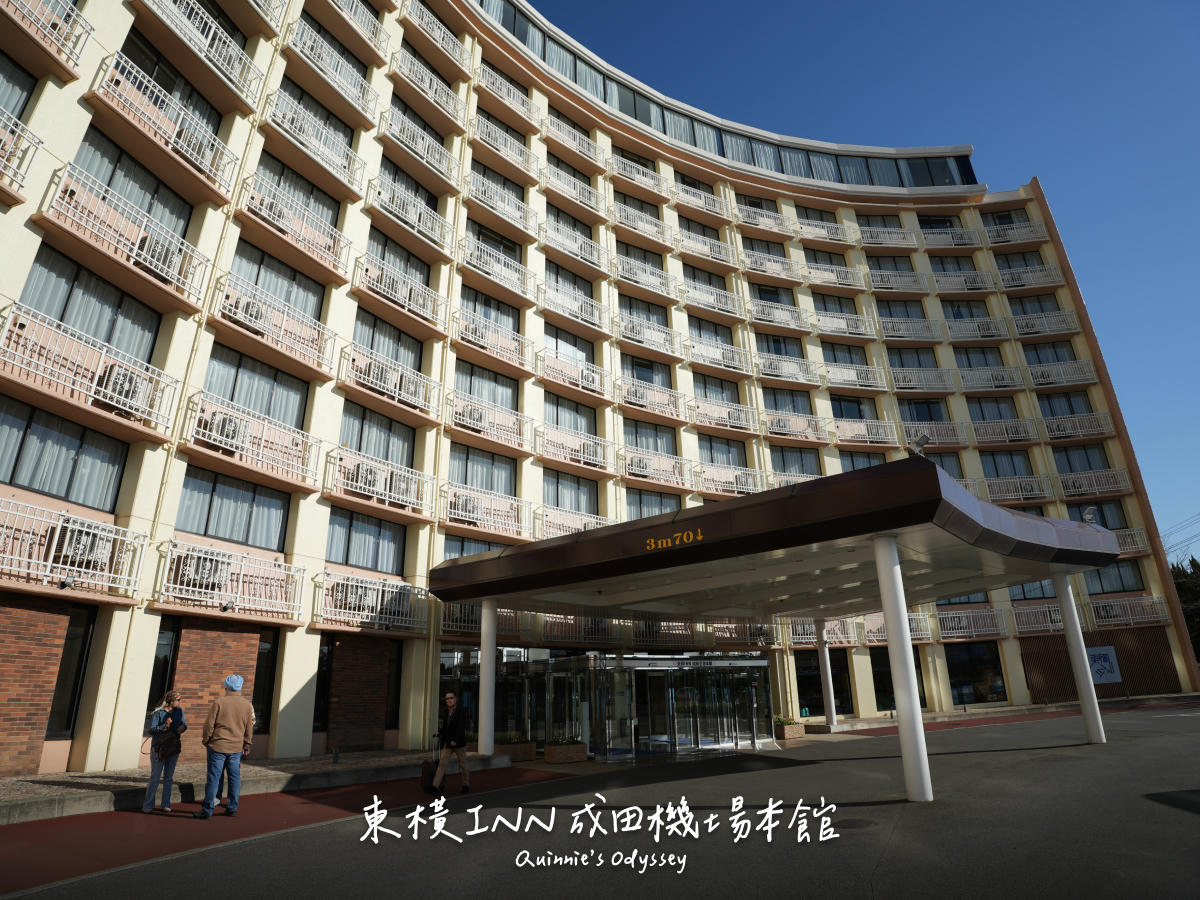
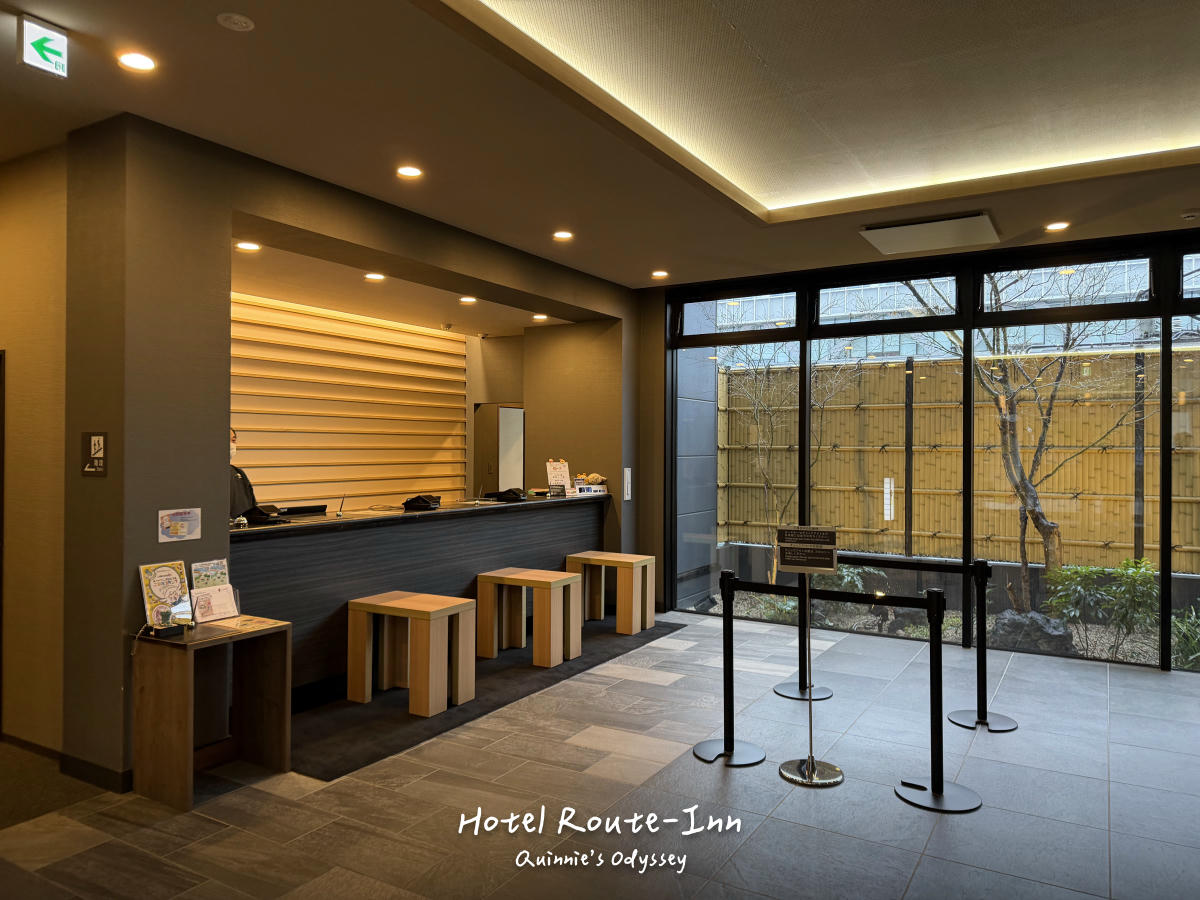
Accommodation here is quite affordable. We stayed at Hotel Route Inn near Sawara Station, which was super convenient, less than a 1-minute walk to the station.
From Sawara, take the JR Kashima Line to Kashima Jingu Station, it’s only about 20 minutes.
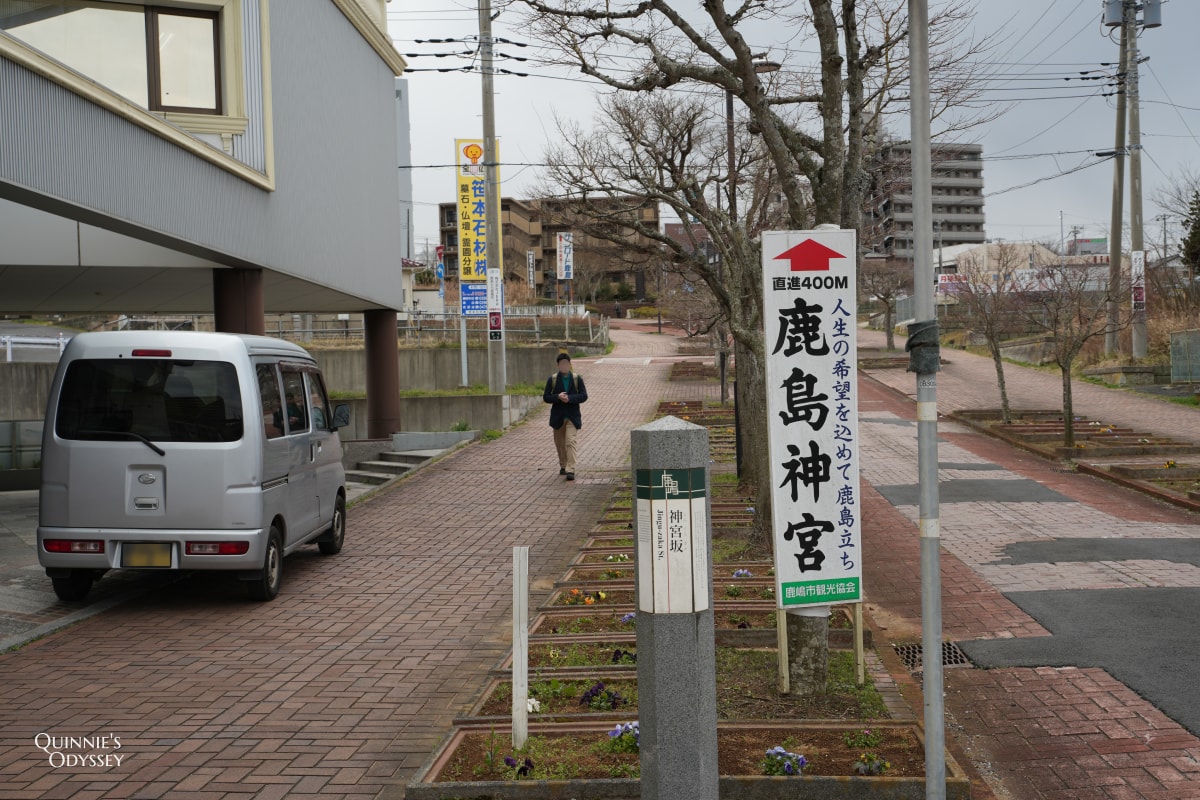
After getting off at Kashima Jingu Station, just follow the signs, it’s about a 10-minute walk.
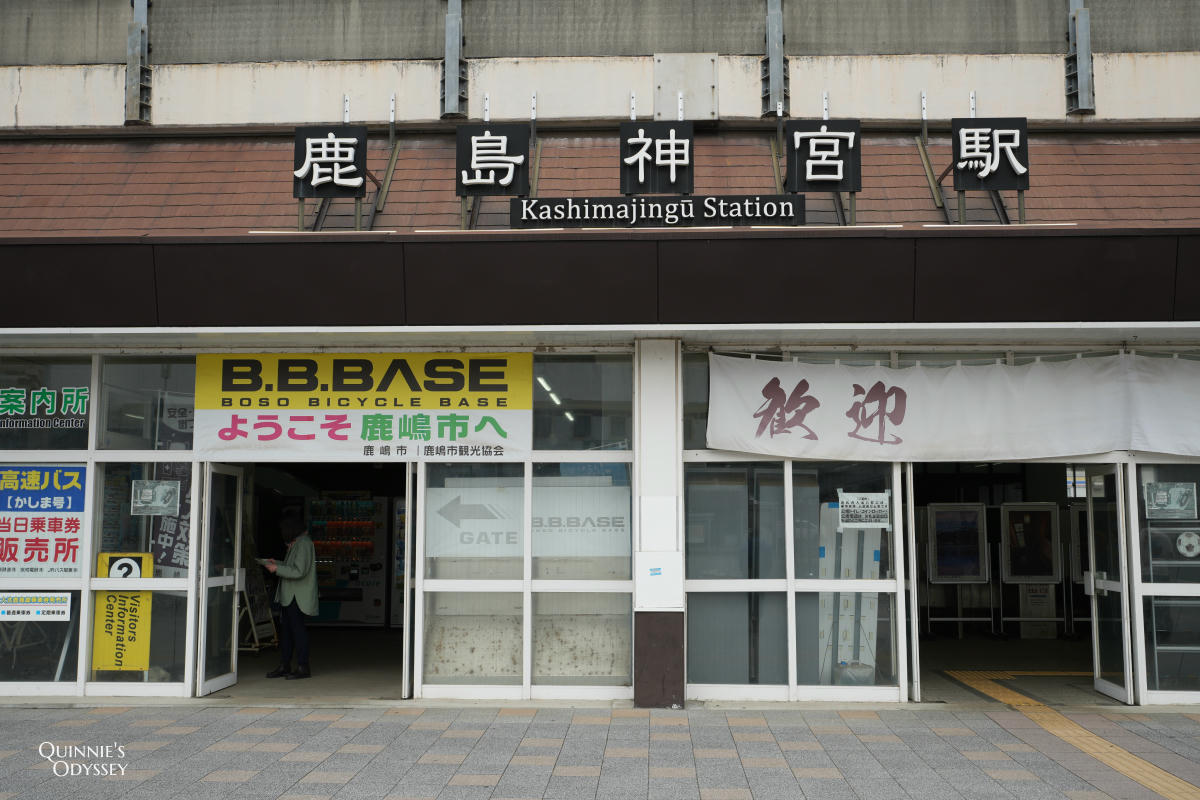
The area around the station feels surprisingly quiet, almost a bit remote. As you walk uphill toward the shrine, there are a couple of interesting spots along the way.
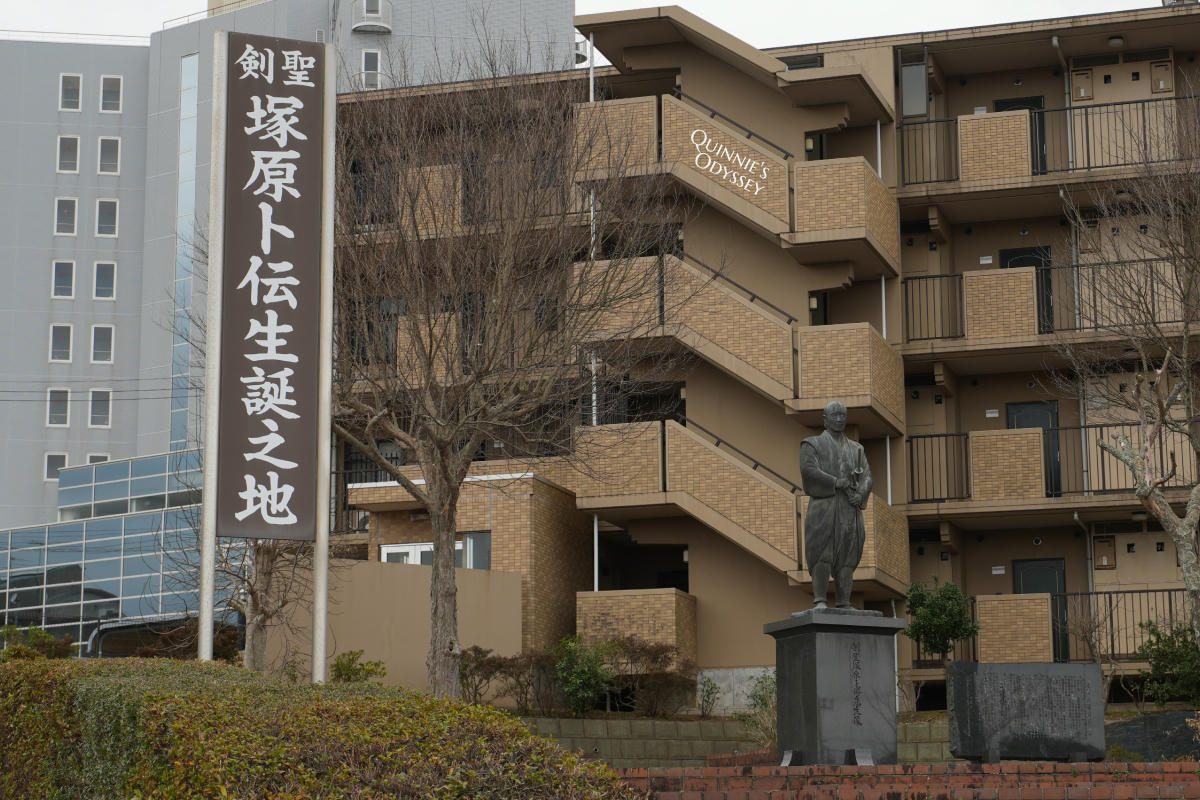
You’ll pass a bronze statue of Tsukahara Bokuden, a legendary Japanese swordsman.
He was the founder of the Kashima Shinto-ryu school and is highly respected in the world of martial arts. There are even stories linking him to Miyamoto Musashi.
This statue was built to commemorate the 500th anniversary of his birth.
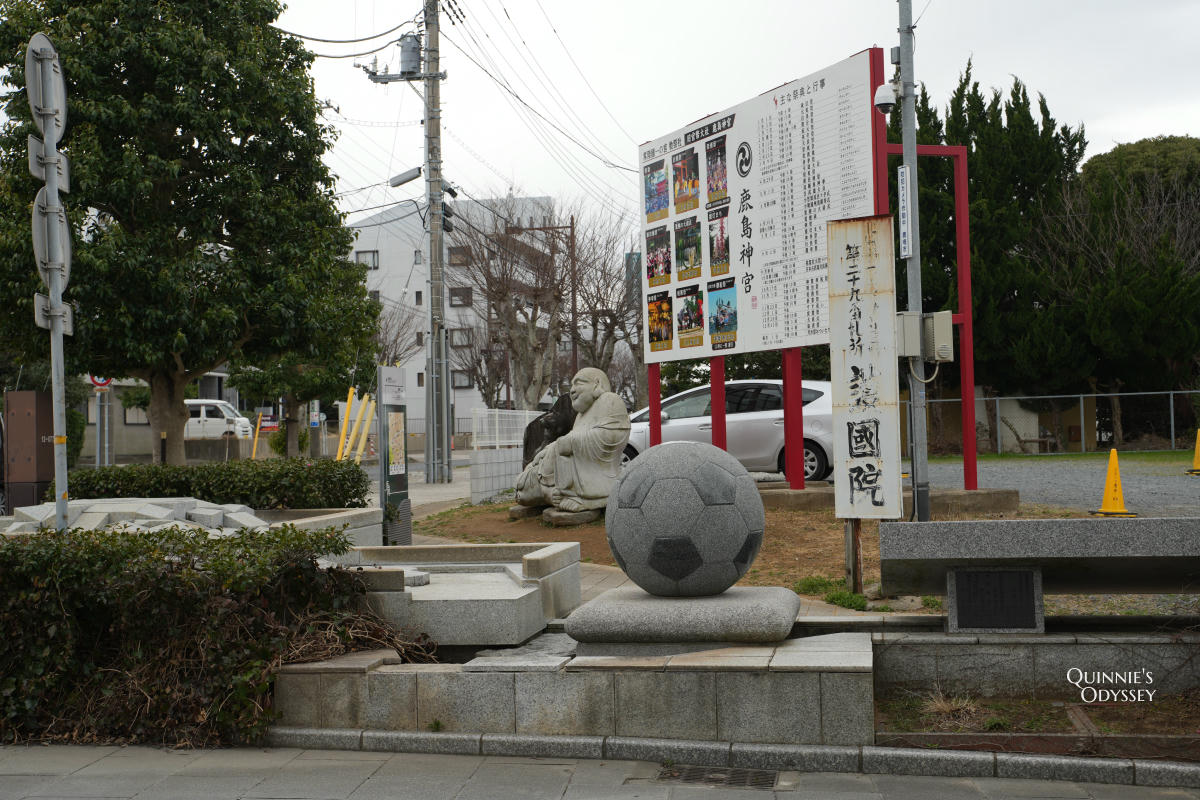
As you continue walking, you might notice soccer-related sculptures along the road.
That’s because Kashima is known as the “home of Japanese football.”
The famous Kashima Antlers football club is based here and is one of the most successful teams in Japan’s professional league.
Even Zico, often called the “god of football,” played a major role in shaping the team and local football culture.
Interestingly, the shrine’s main deity is also associated with victory, so it’s not just ancient warriors who come here to pray. Even modern-day athletes visit before the season to pray for success.
This blend of ancient belief and modern sports culture gives Kashima Jingu a really unique atmosphere.
▼ Exclusive Deal for Sika Readers ▼
Use code【DNBDRT】👉👉 Save ¥3,000on your TOCOO! car rental(view guide)
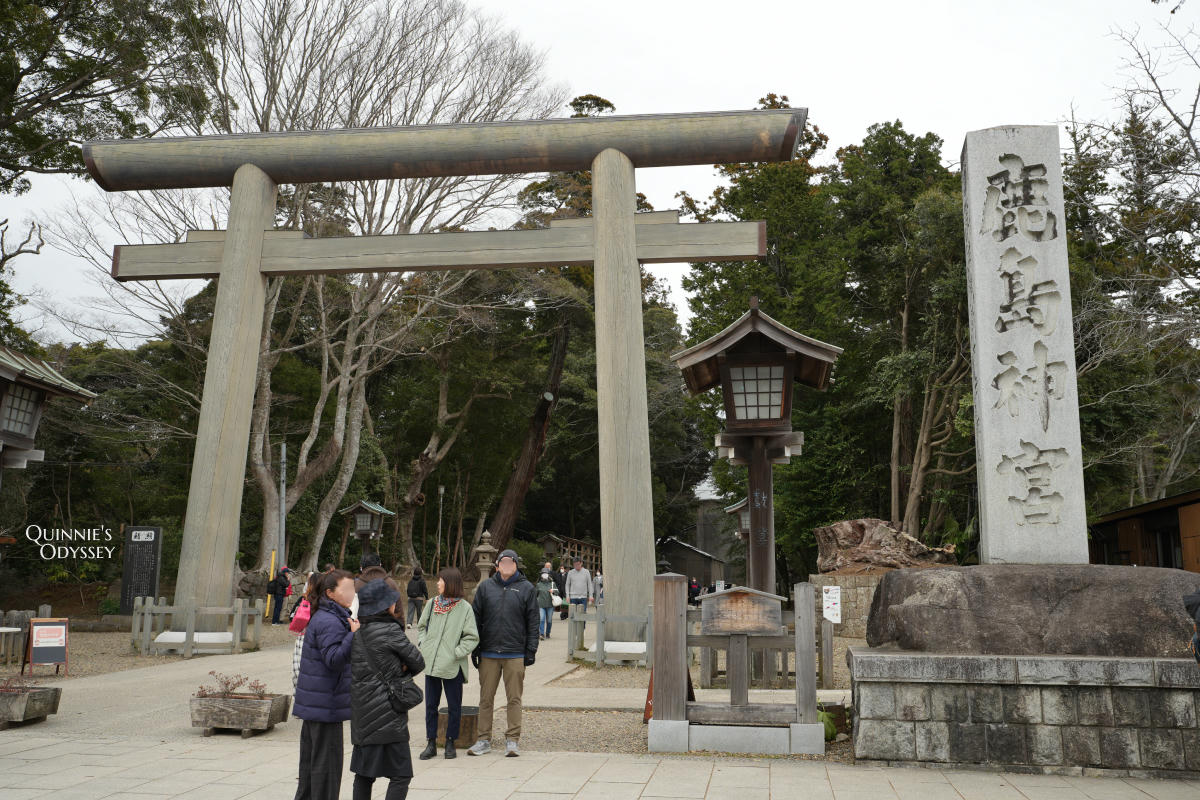
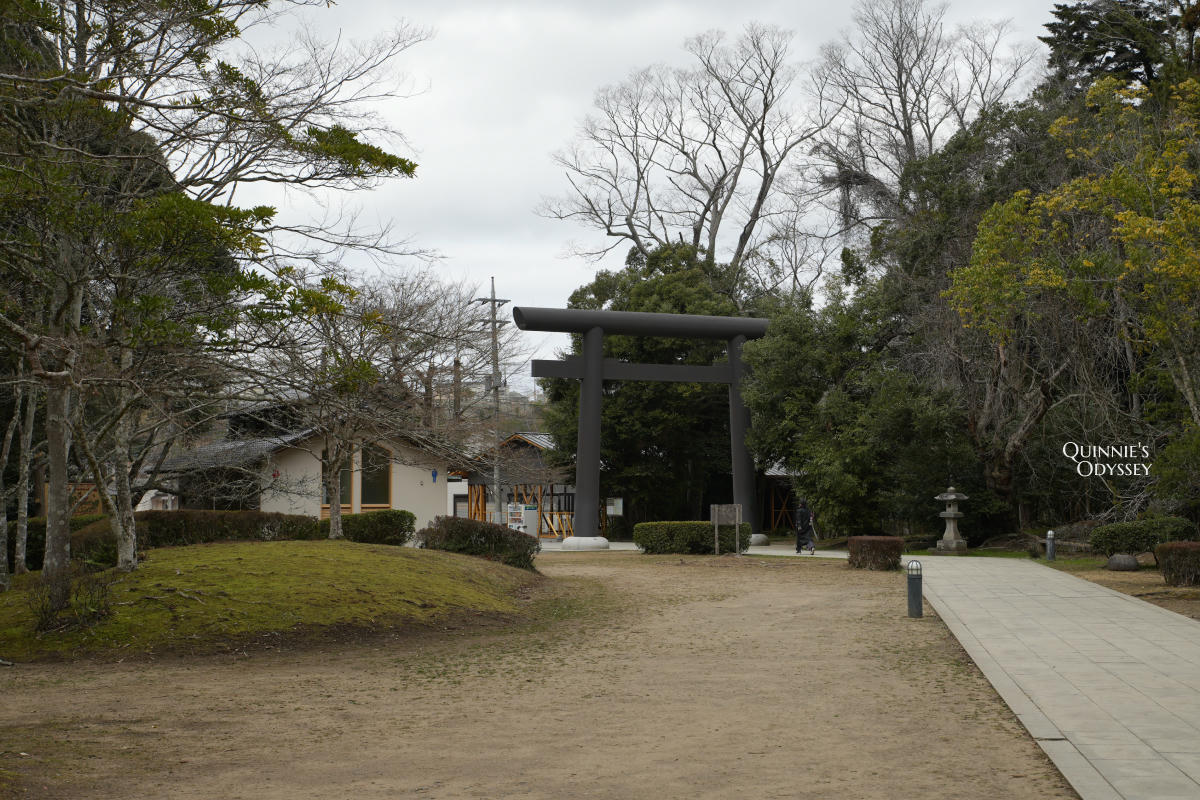
The first thing you’ll see upon entering Kashima Jingu is the impressive grand torii gate.
The current structure was rebuilt in 2014 after the original collapsed during the 2011 earthquake. It’s made from centuries-old cedar trees from the shrine’s own forest.
It may look simple, but standing beneath it, you can really feel its quiet strength and sacred presence. Today, it also symbolizes recovery after the disaster.
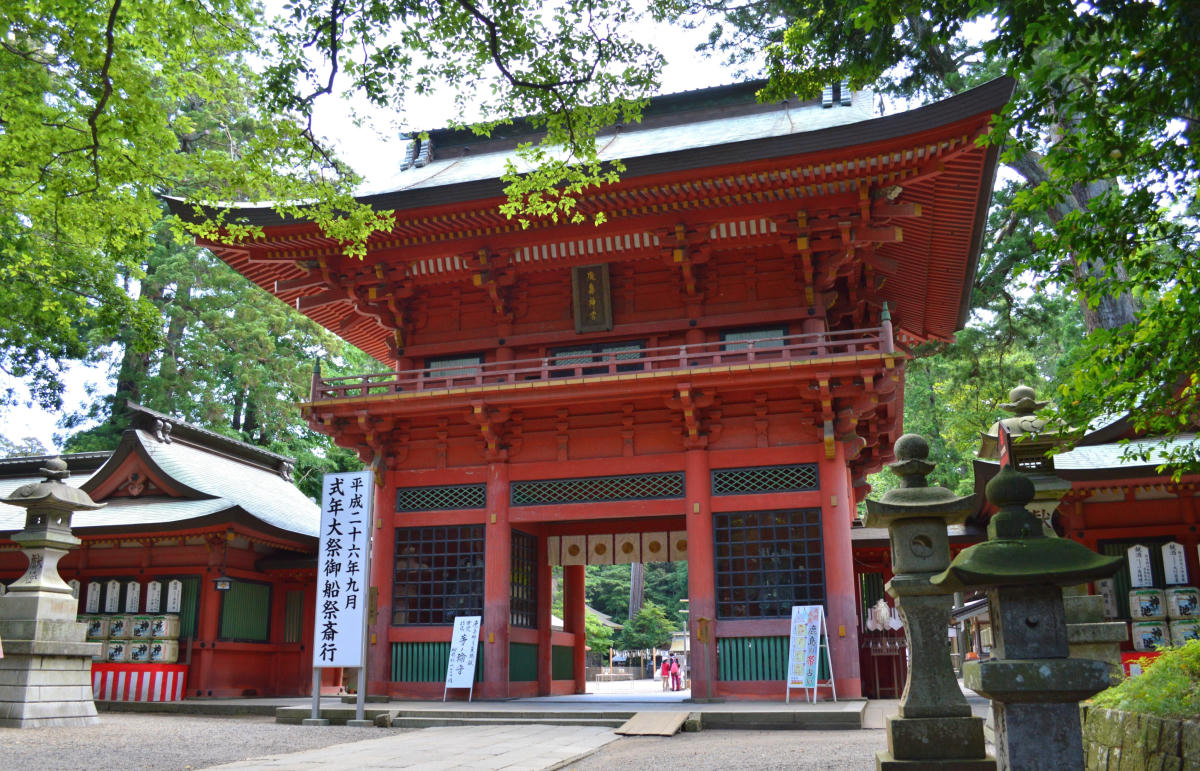
Further inside, you’ll come across a striking vermilion gate.
Built in 1634 and donated by Tokugawa Yorifusa, it’s considered one of Japan’s three great tower gates. The plaque reading “Kashima Jingu” was written by Admiral Togo Heihachiro.
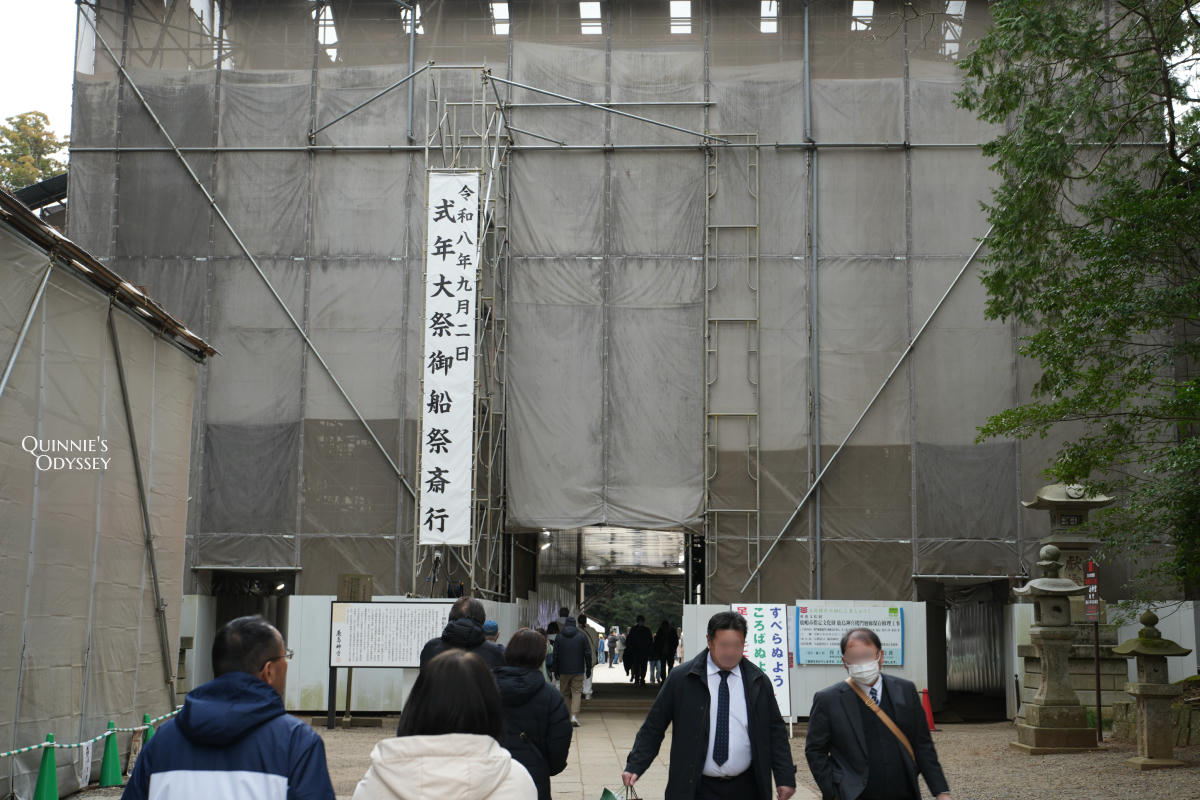
Unfortunately, when I visited, it was under renovation and completely covered with gray sheets, so I couldn’t see what it actually looked like at all.
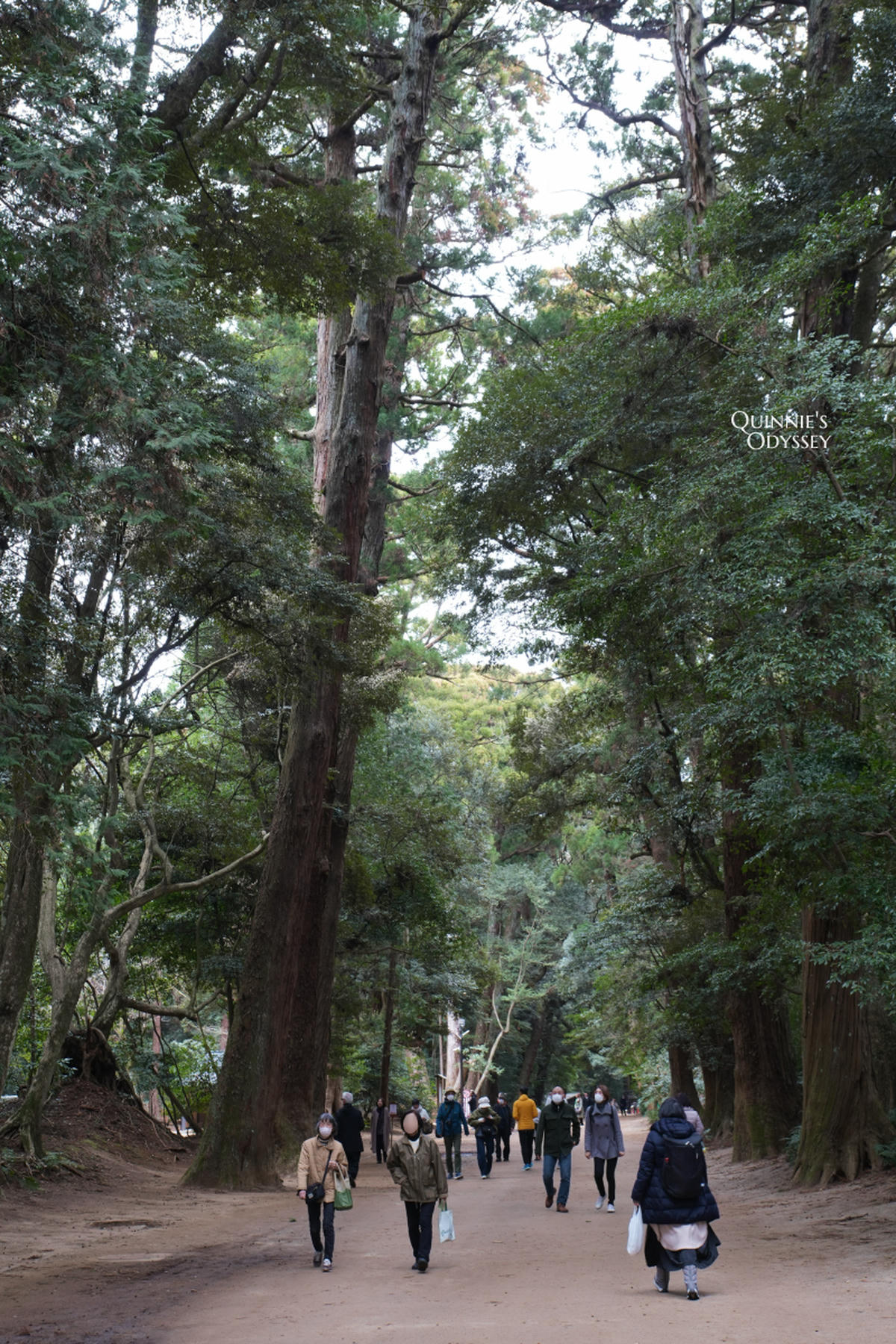
Passing through the gate, you’ll enter a long path surrounded by towering cedar trees, this is the protected “Kashima Jingu Forest.”
Covering about 700,000 square meters (around 15 Tokyo Domes), it’s a rare lowland primeval forest in the Kanto region.
Because it has been preserved as sacred land for centuries, the forest remains incredibly rich, with over 800 plant species and many trees hundreds of years old.
Even in summer, it feels noticeably cooler here. Quiet, calm, and almost otherworldly, it truly feels like stepping into a sacred realm.
At first glance, the Main Hall looks quite understated, but it carries deep historical significance.
The current building was reconstructed in 1619 under Tokugawa Hidetada, as a tribute following Tokugawa Ieyasu’s devotion to the shrine.
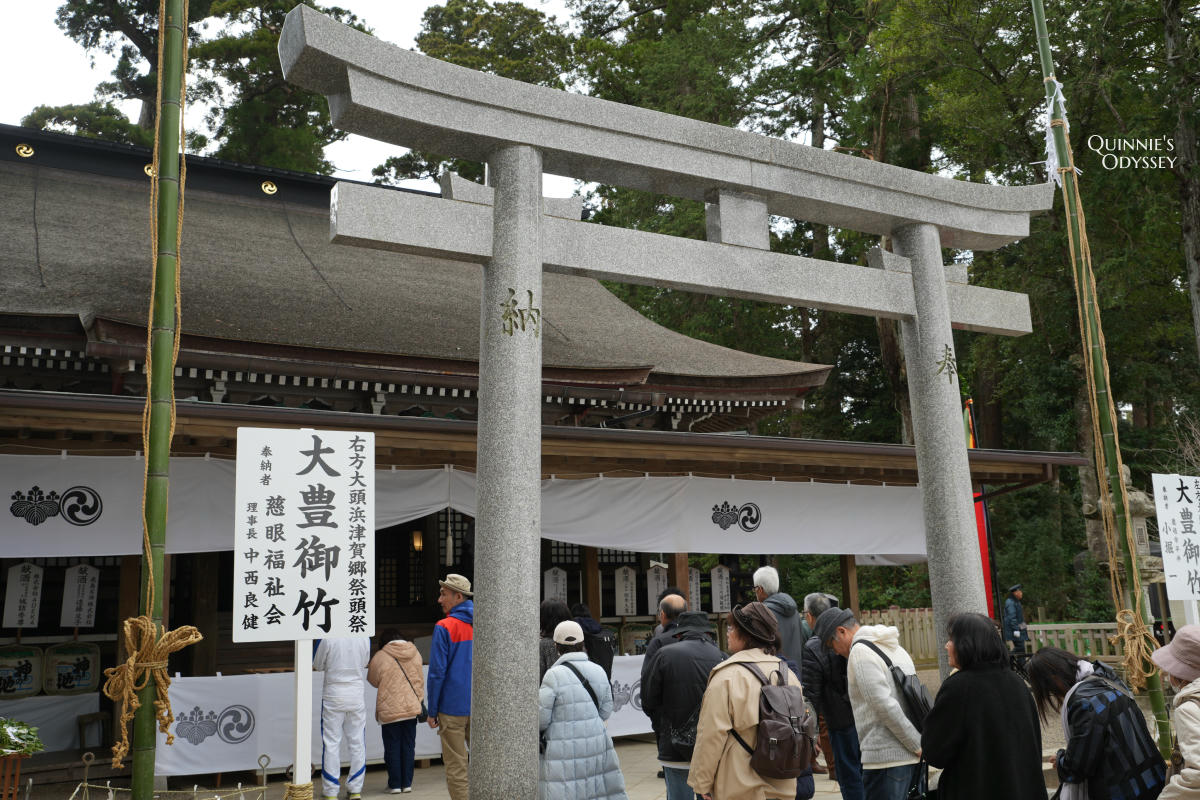
If you look closer, especially from the sides or back, you’ll notice intricate details, gold accents, colorful carvings, and motifs of dragons and lions, reflecting the elegant Momoyama style.
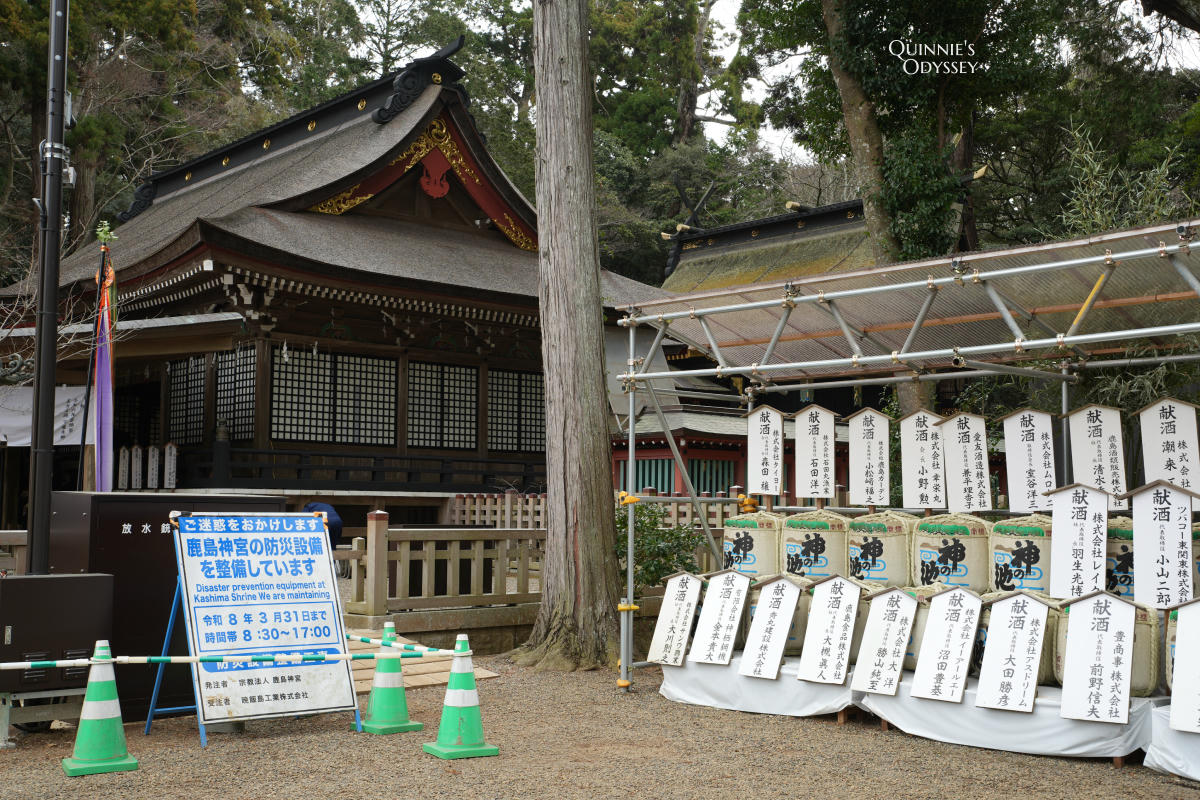
The Main Hall enshrines the gentle spirit (Nigimitama) of the deity, representing protection and harmony.
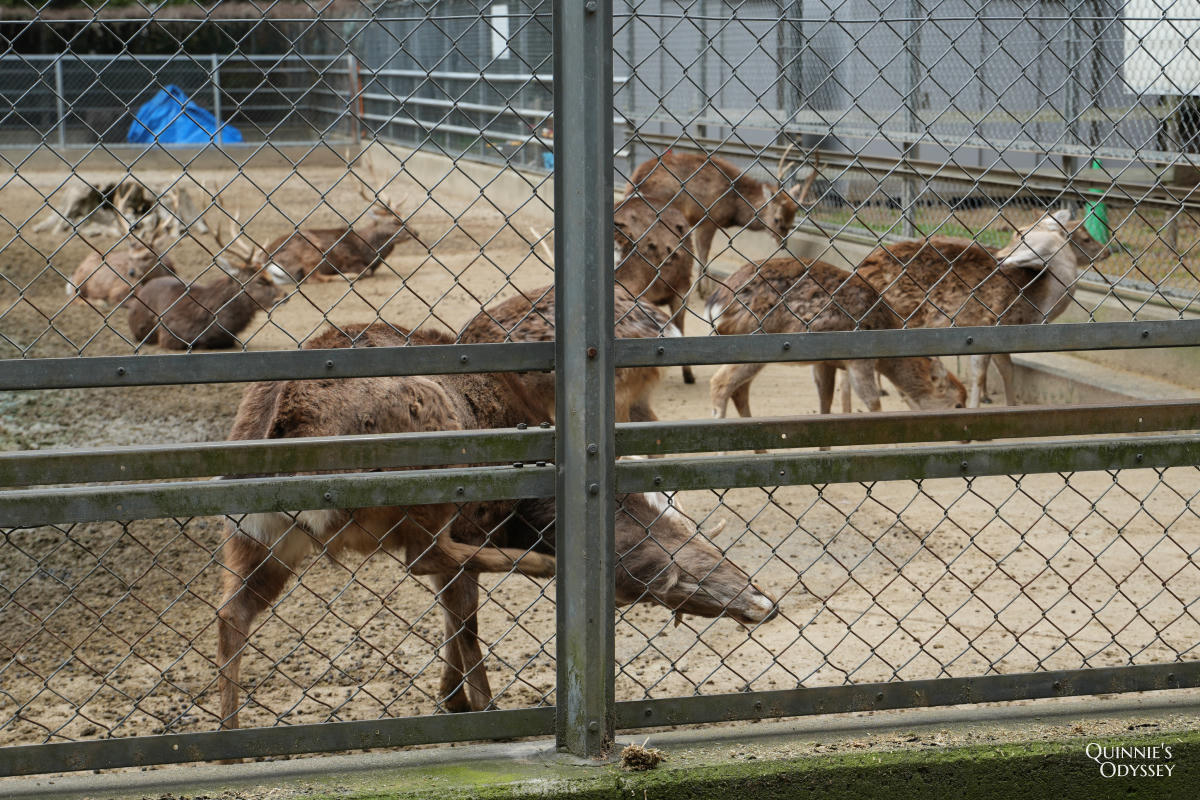
The deer at Kashima Jingu are considered sacred messengers.
According to mythology, when a divine messenger came to visit the shrine’s main deity, they arrived riding a white deer. Because of this, deer here are seen as servants of the gods.
There’s also a connection to Nara. Legend says that when Kasuga Taisha was founded, deer traveled all the way from Kashima to Nara over the course of a year.
Today, the deer live in a designated park. You can buy carrots to feed them and get up close.
Deep within the forest lies Okunomiya, built by Tokugawa Ieyasu in 1605 as an offering after his victory.
It was originally the main hall before being relocated here, giving it an even older and more solemn atmosphere.
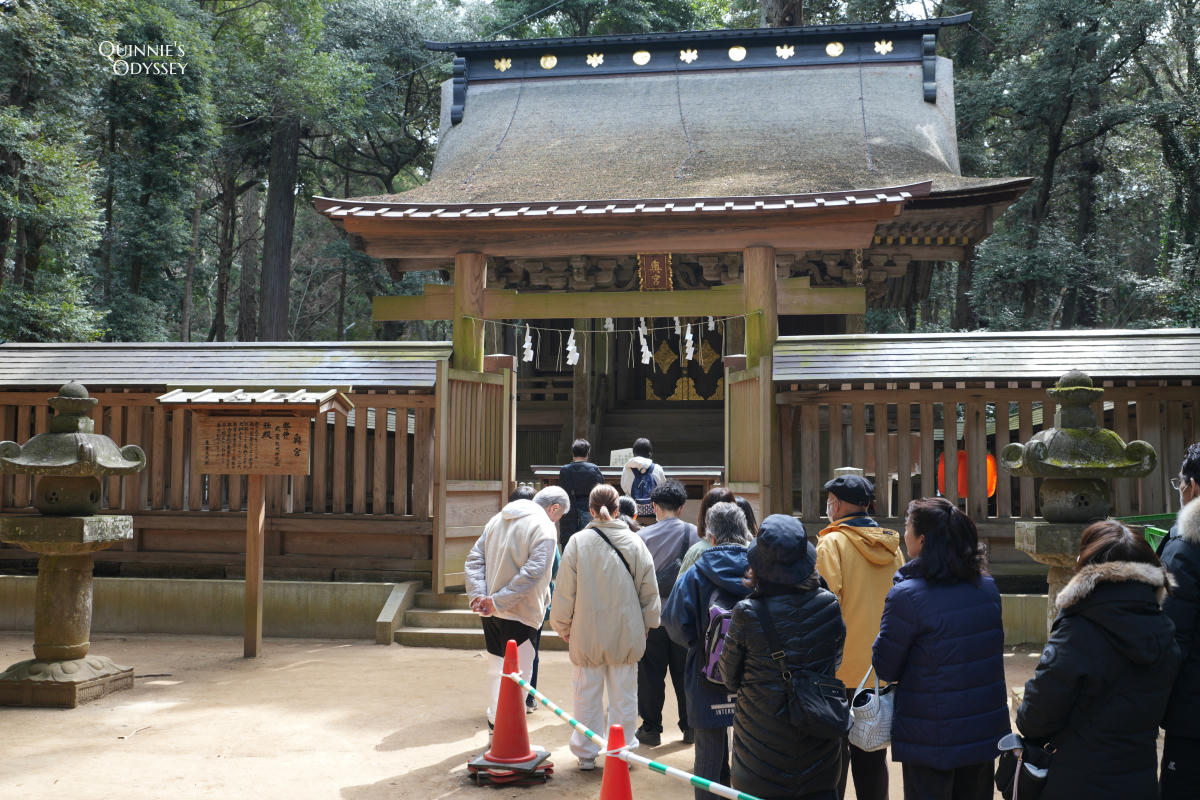
Unlike the Main Hall, which enshrines the gentle aspect of the deity, Okunomiya represents the powerful spirit (Aramitama), associated with strength and transformation.
Many people visit this spot when facing major life challenges or seeking a breakthrough.
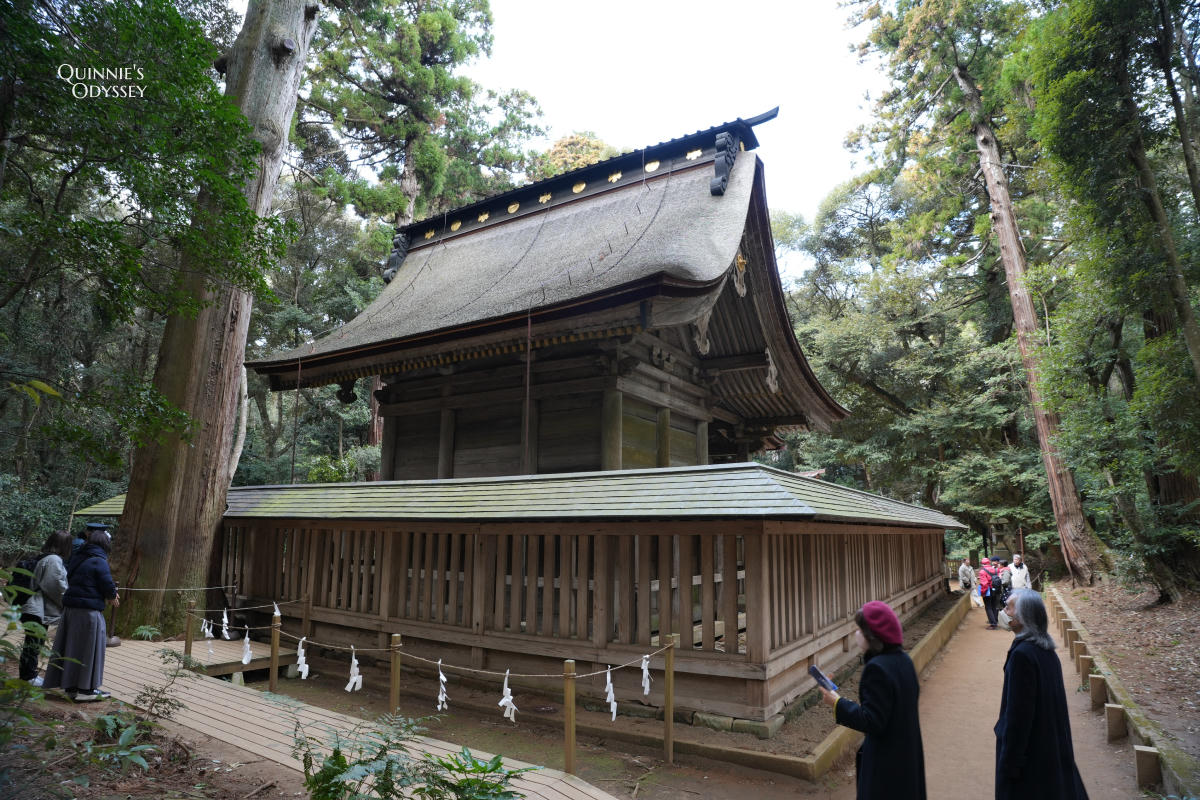
After visiting Okunomiya, the path splits:
These are the two most important spots among the “Seven Mysteries.”
A good route is to visit the Kaname Stone first, then head down to Mitarashi Pond, perfect for ending your walk.
The Kaname Stone is one of the most famous legends at Kashima Jingu.
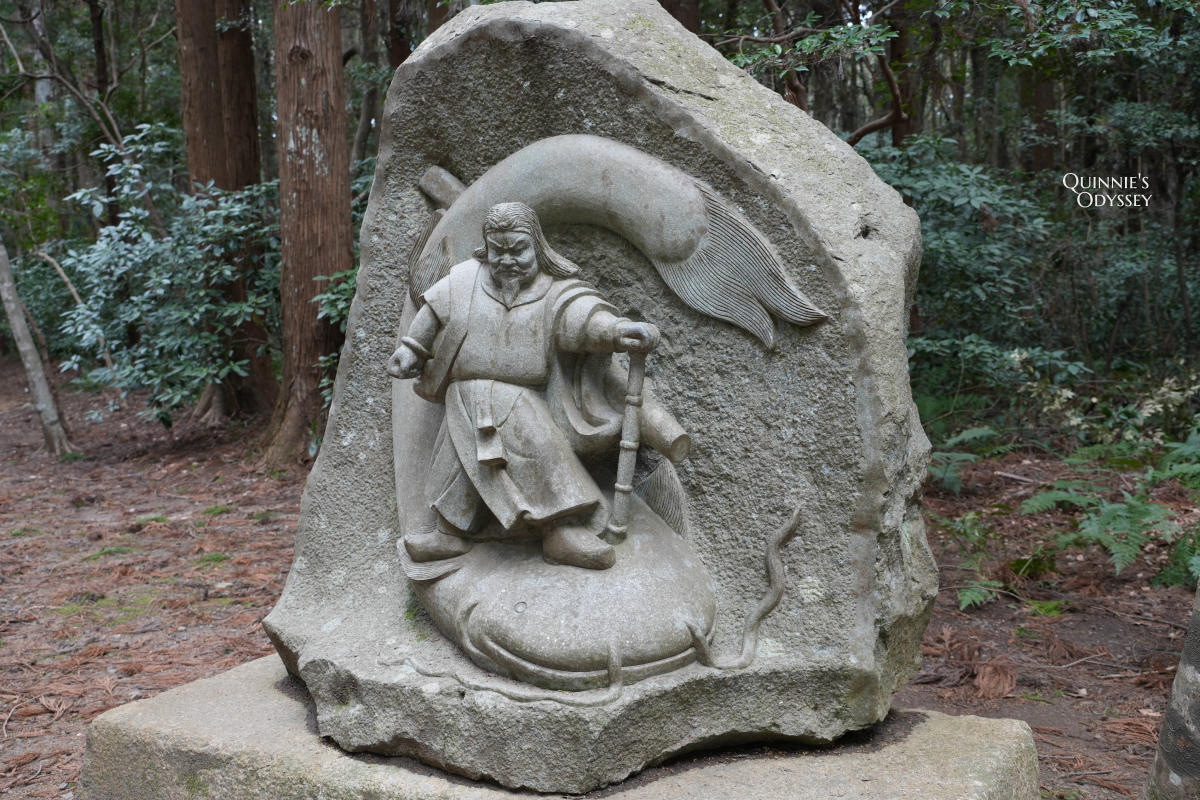
It’s said to pin down a giant underground catfish believed to cause earthquakes. No matter how deep people tried to dig, they could never find its end.
Even historical figures attempted it, Tokugawa Mitsukuni reportedly had people dig for days, but they failed to uncover its full form, adding to its mystery.
On the way to the Kaname Stone, you’ll also come across a statue said to represent the catfish spirit being subdued.
When you reach the site, you’ll see the Kaname Stone enclosed within a small fenced area, with a torii gate above it. Many people line up here to pay their respects.
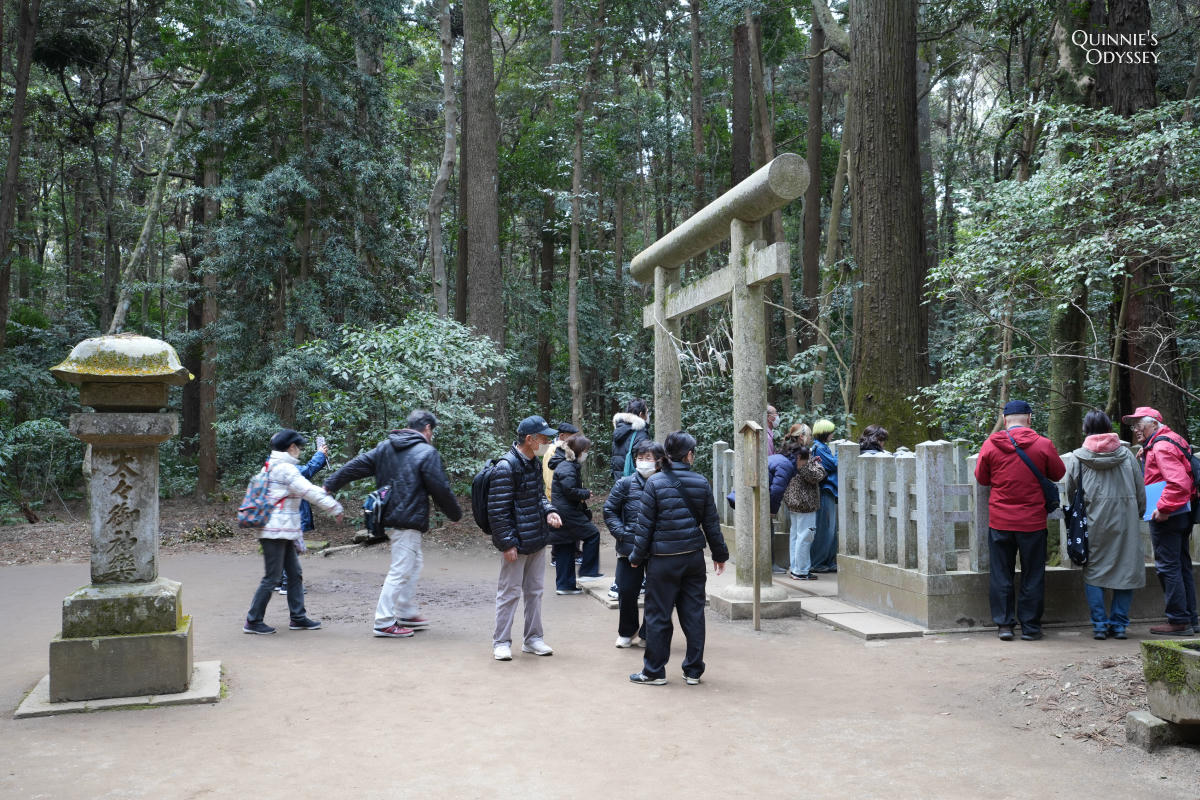
Visually, it’s actually very understated, only a small part of the stone is visible above the ground, and it might even seem a bit unremarkable at first. If you didn’t know the story behind it, it would be easy to walk right past.
But maybe that’s what makes it so intriguing, the sense of something vast and unseen beneath the surface leaves a lot to the imagination.
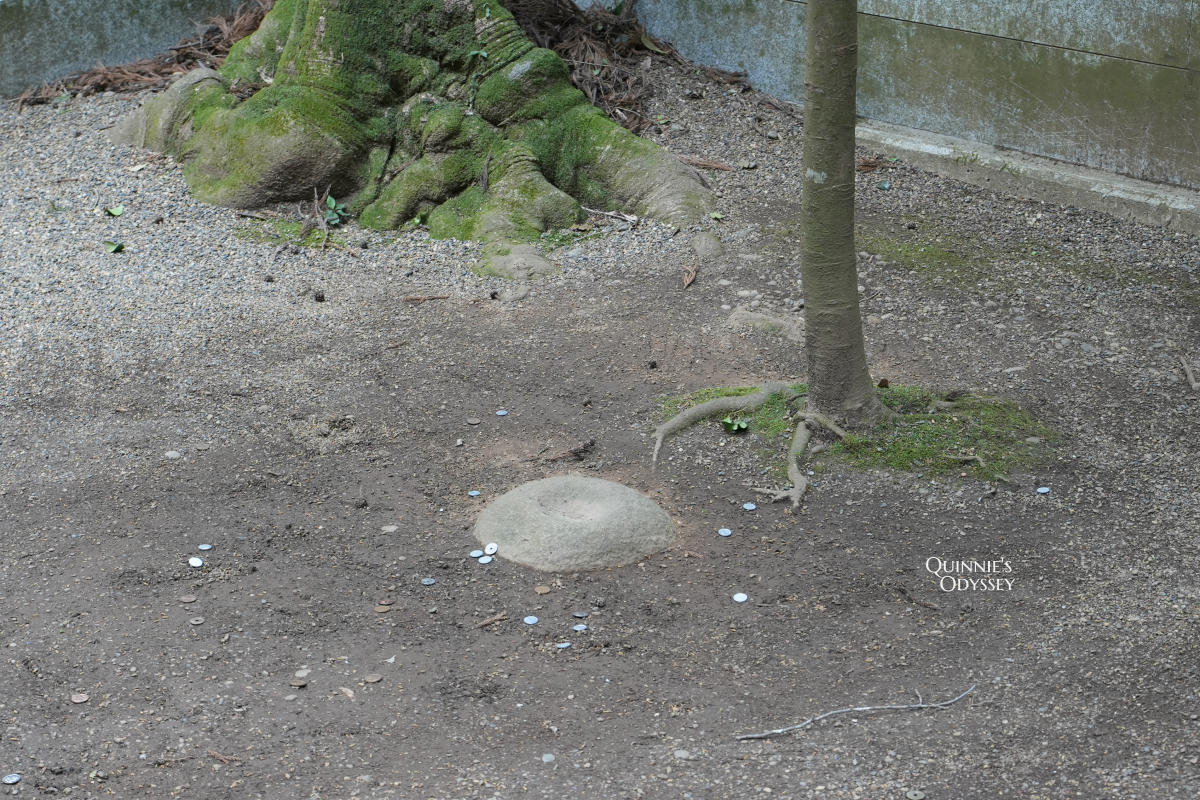
Interestingly, there’s another Kaname Stone at Katori Jingu, also said to suppress the same catfish spirit.
The one at Kashima Jingu is considered “concave,” while the one at Katori Jingu is more exposed and visibly larger.
So if you happen to visit both, the contrast makes the legend feel even more real.
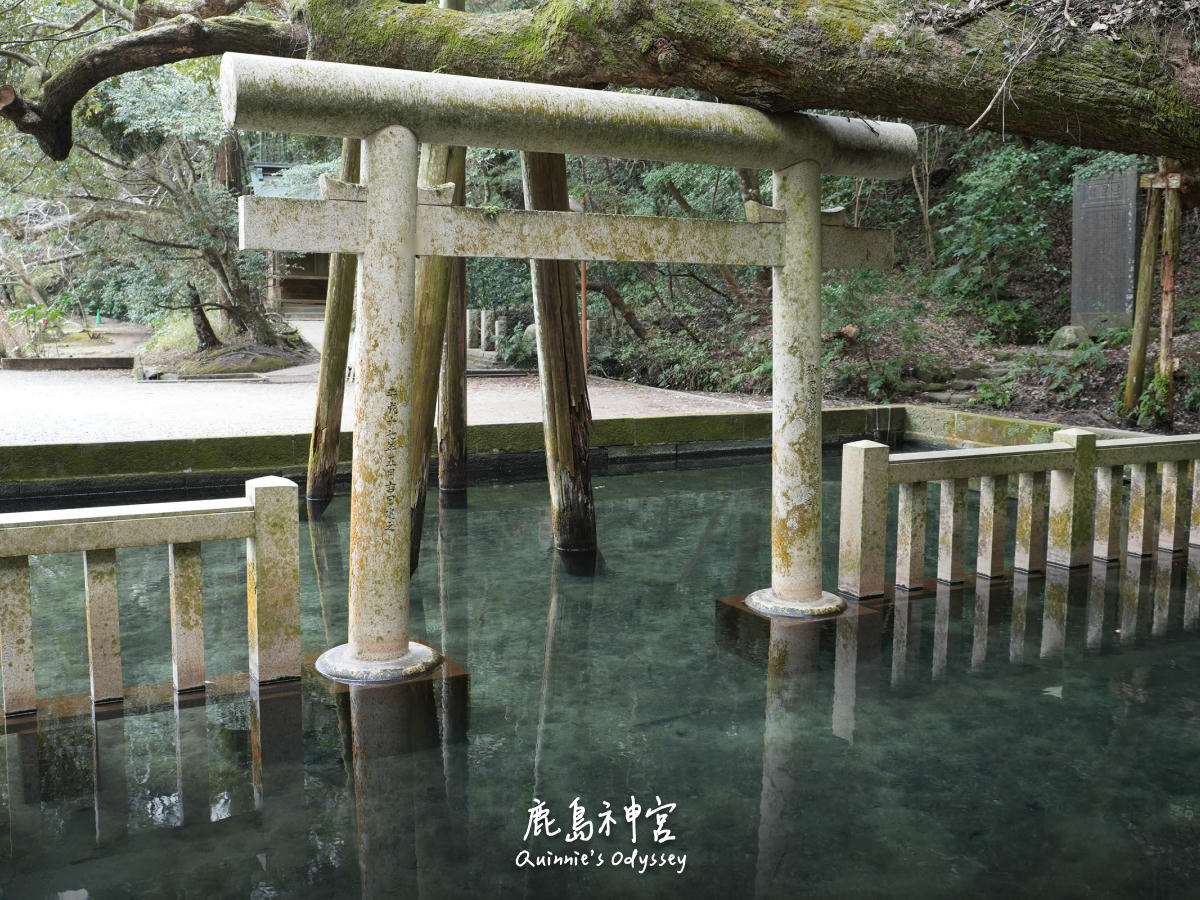
Mitarashi Pond is the perfect, calming finale to your visit.
It’s famous for the legend that no matter who enters the water, it always reaches chest level.
In the past, this was a purification site where worshippers performed ritual cleansing before visiting the shrine. Even today, winter ascetic practices are still held here.
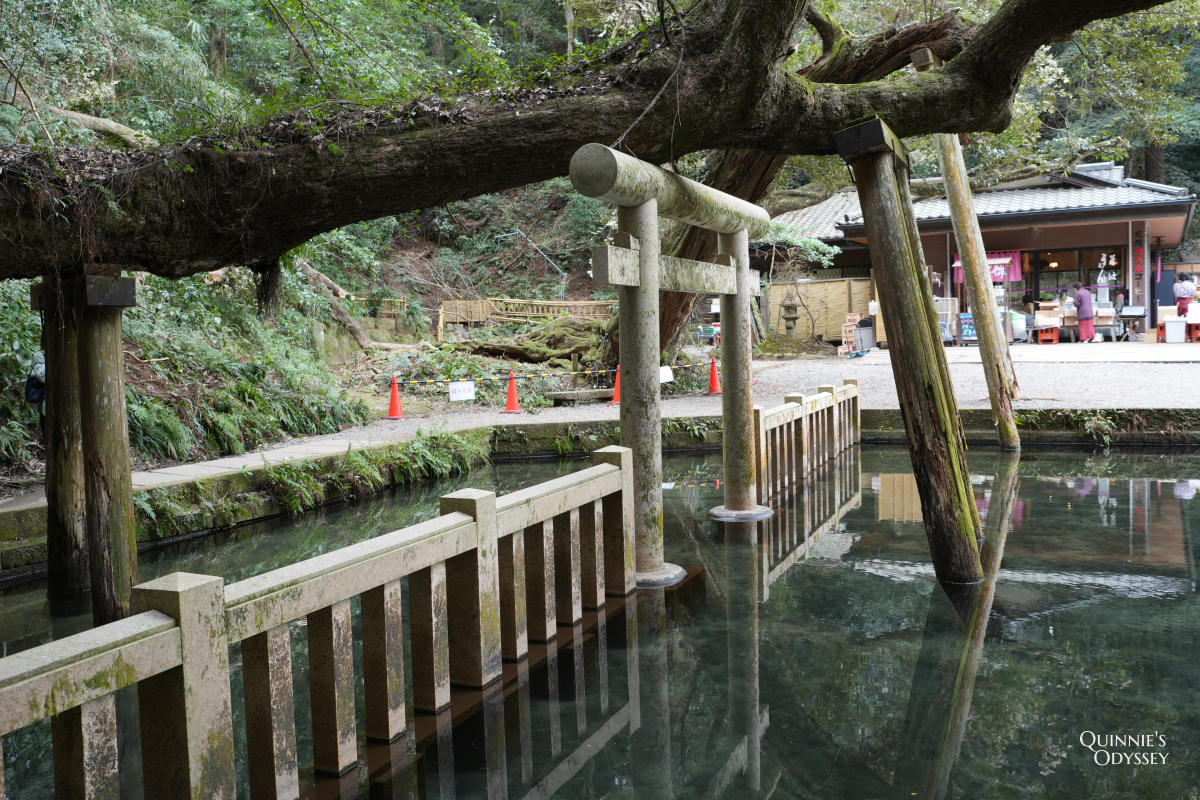
The pond is fed by natural spring water, incredibly clear with a deep blue-green color. In the center stands a small torii gate, reflected beautifully on the surface, often with koi swimming by, a peaceful and almost spiritual scene.
You can also collect sacred spring water here (though it should be boiled before drinking).
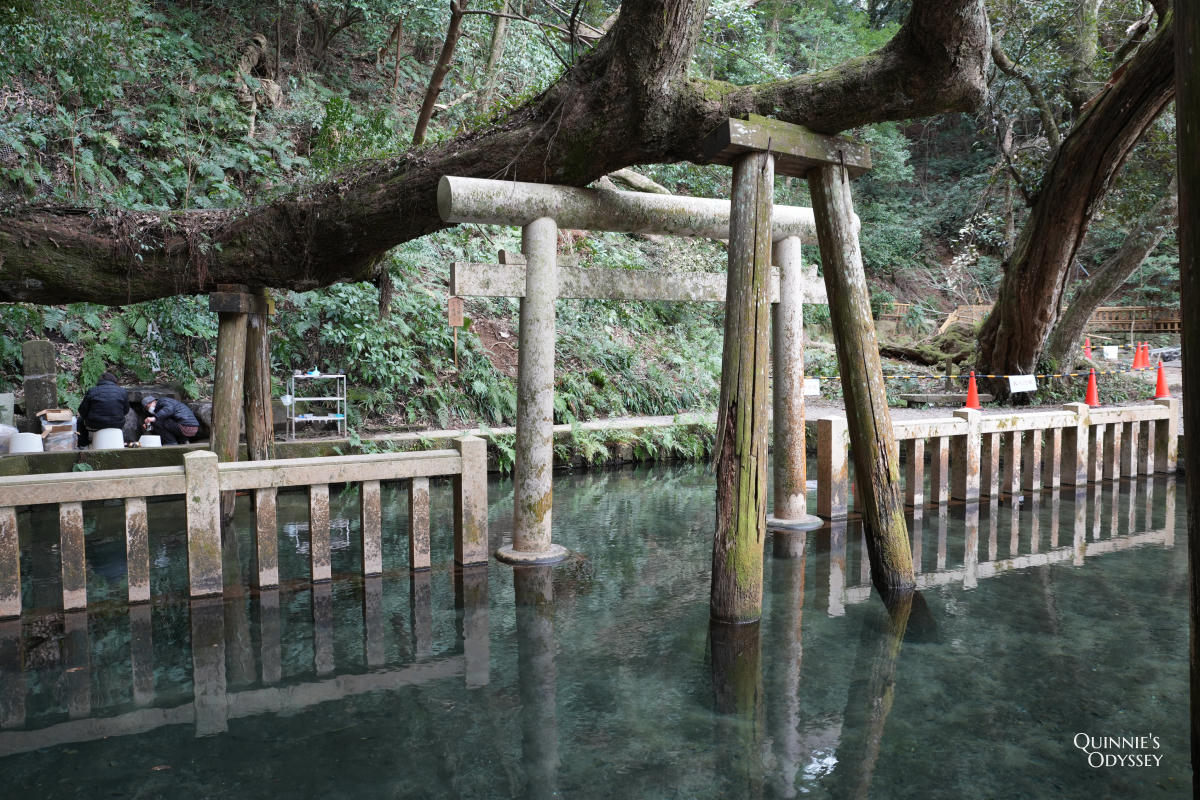
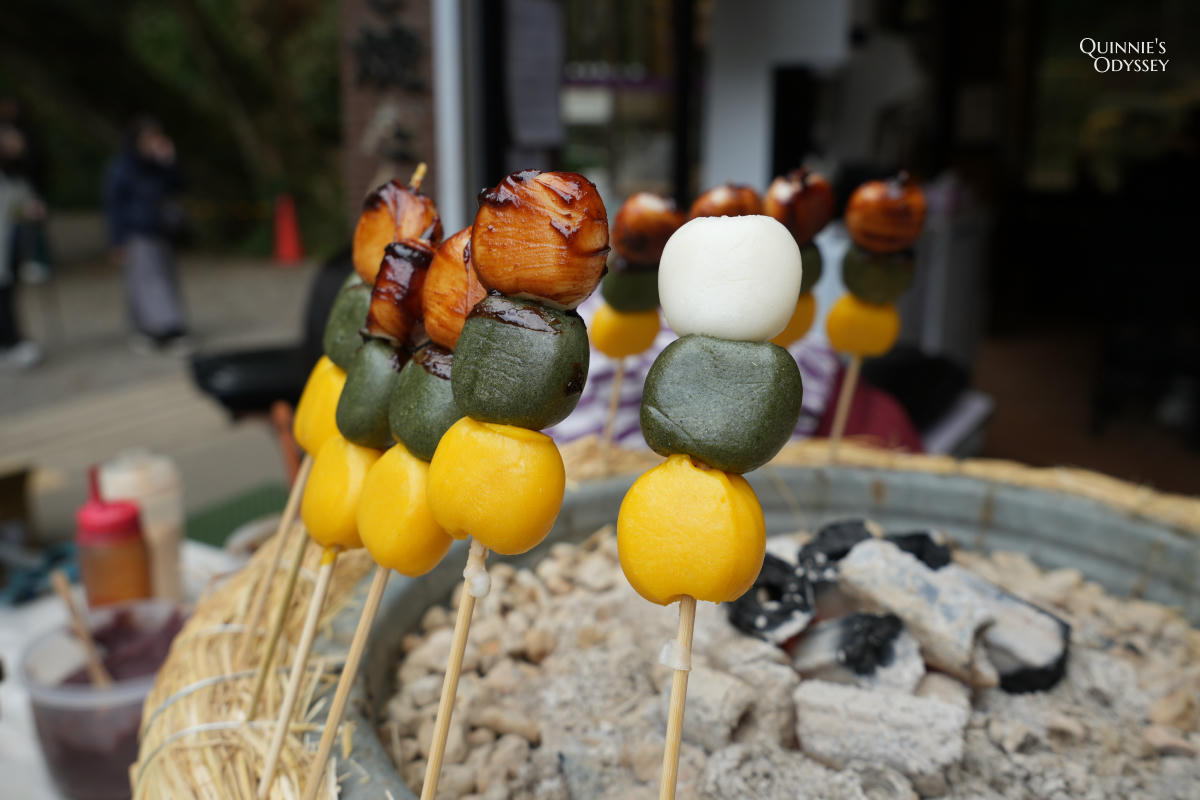
Before leaving, it’s nice to stop by a nearby teahouse for a break, enjoying dumplings or soba made with spring water while taking in the view.
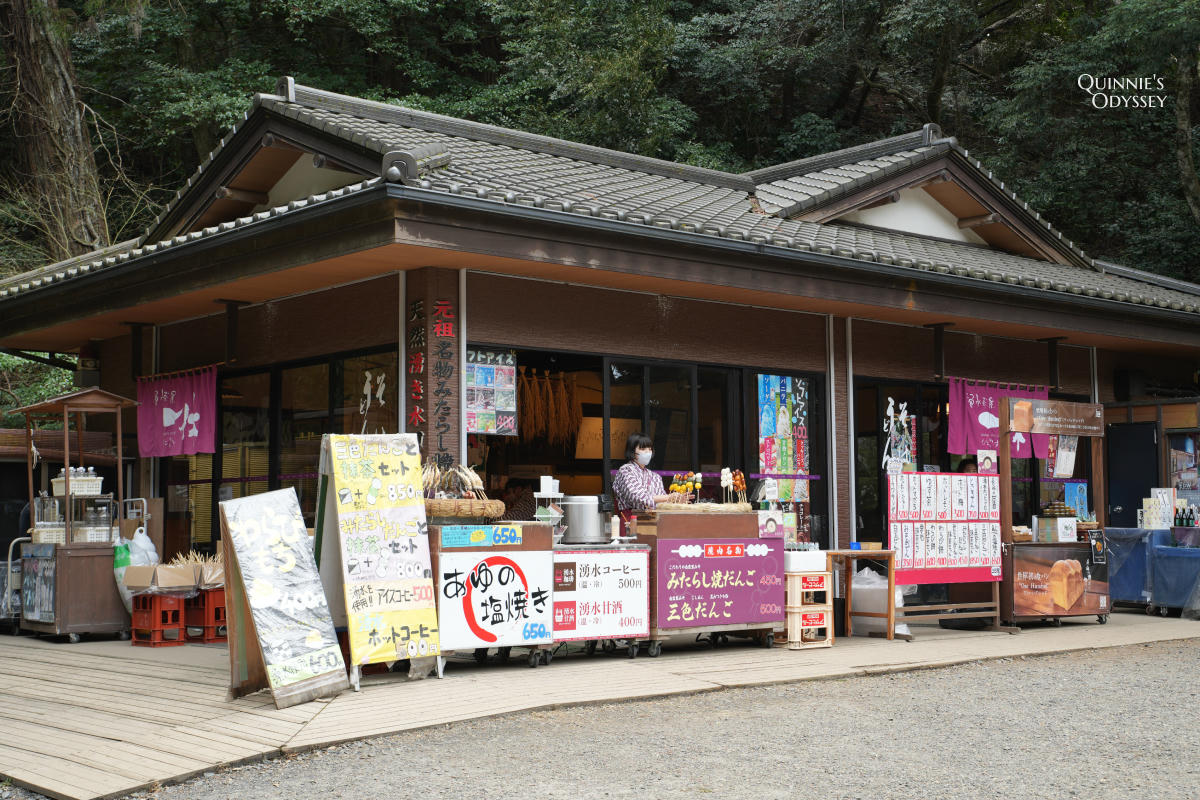
From here, the path leads directly back to the main road and the station.
If you still have energy, you can continue on to Ikisu Shrine and complete the “Three Great Eastern Shrines” pilgrimage.
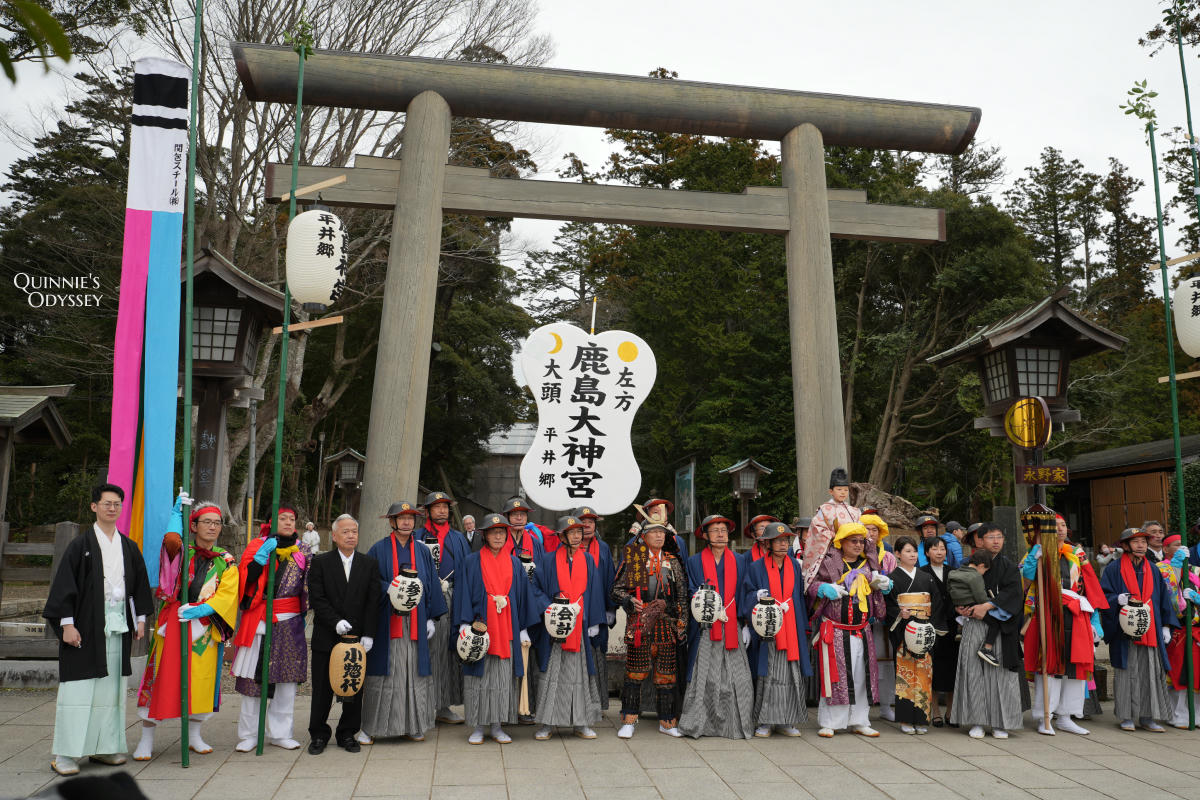
I visited Kashima Jingu on March 9 and happened to catch the annual Saito Festival.
This is one of Kashima’s most important and visually striking festivals, with a history of around 1,300 years. It originally began as a ritual to pray for the safety of frontier guards, and later evolved into a ceremony for peace and a good harvest. Today, it’s recognized as an Important Intangible Folk Cultural Property of Japan.
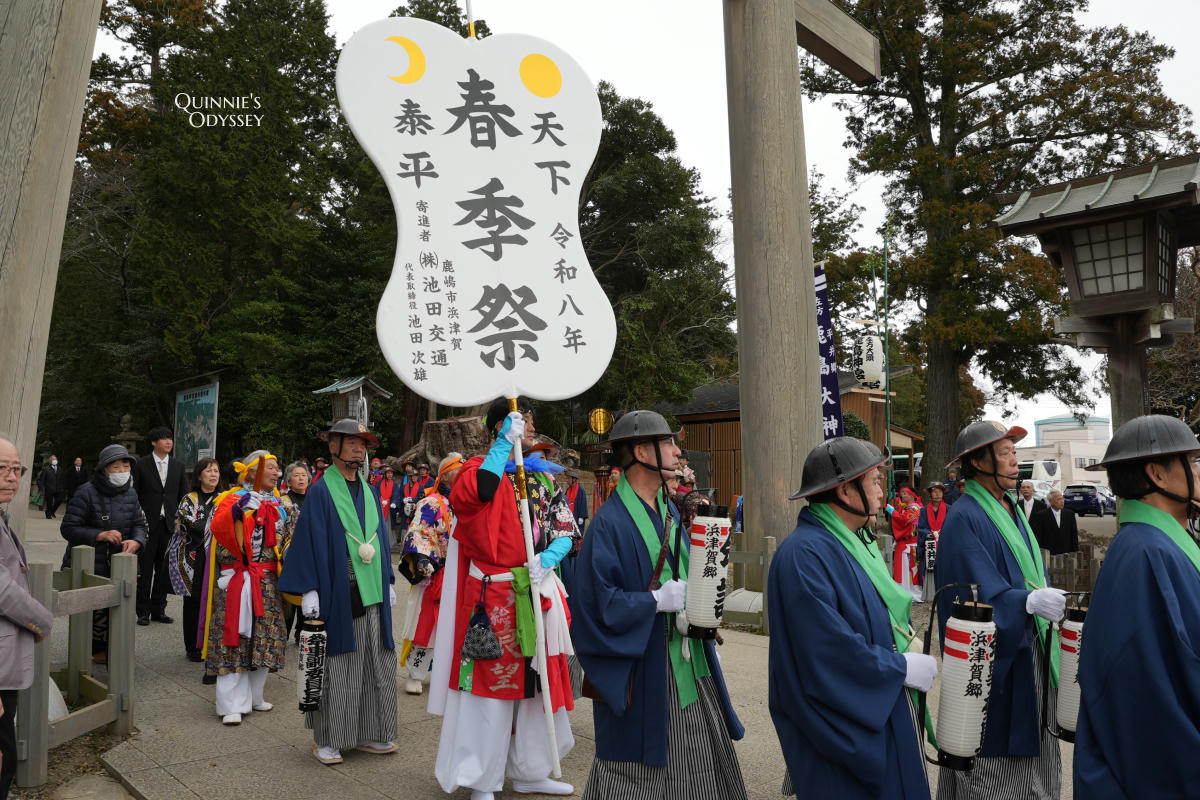
Participants wear colorful traditional costumes and helmet-like headpieces, creating a vibrant and powerful scene that also symbolizes the arrival of spring and new life.
The highlight of the festival is the “Kashiki Ranbu” performed along the forest path.
Groups of men clash long wooden staffs together in rhythmic movements, accompanied by loud chants. The sound of wood striking echoes through the forest, along with traditional songs and drums, it’s both intense and deeply atmospheric.
Also, Kashima Jingu hosts different festivals and events every month that you can check out.
👇
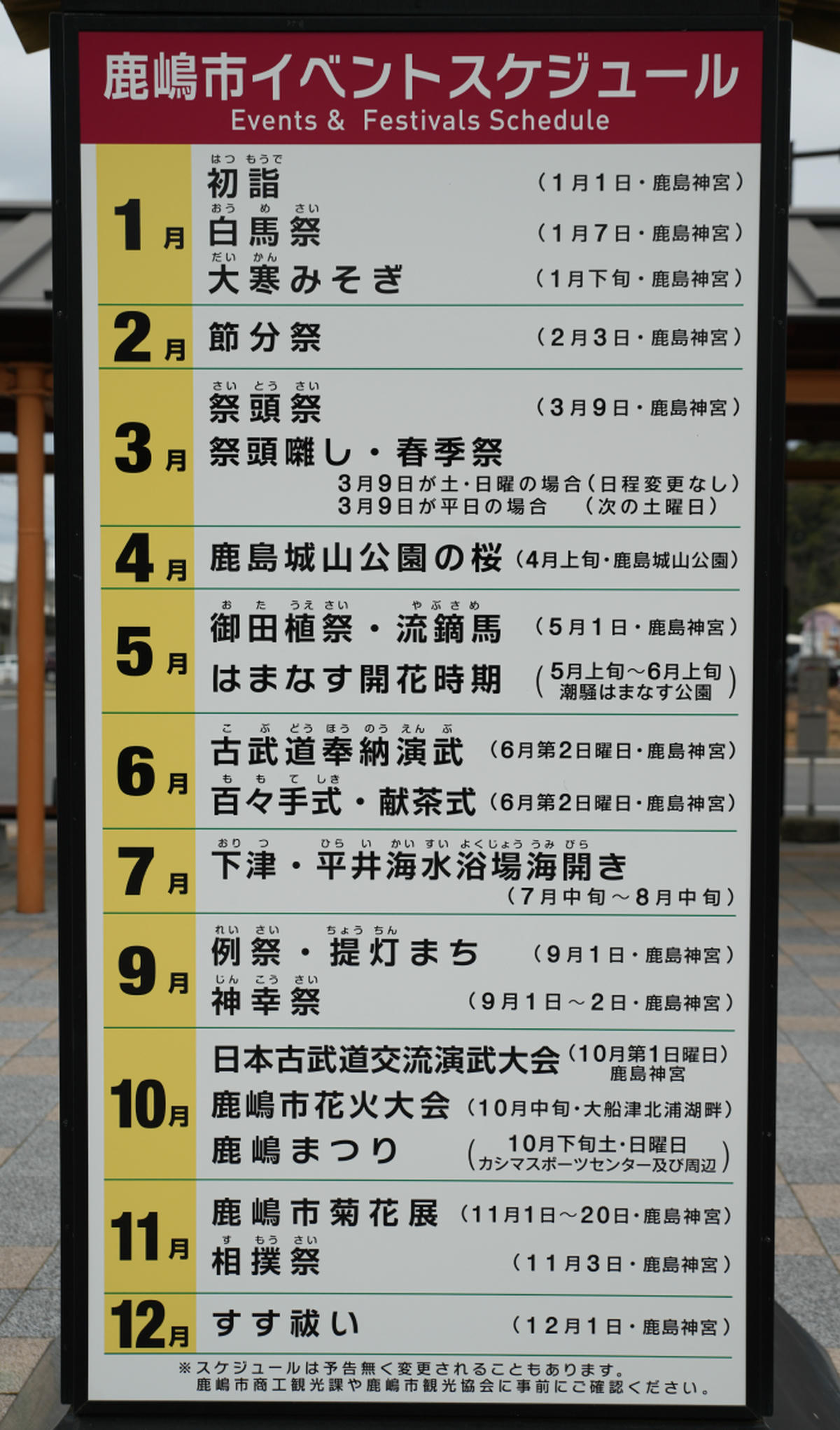
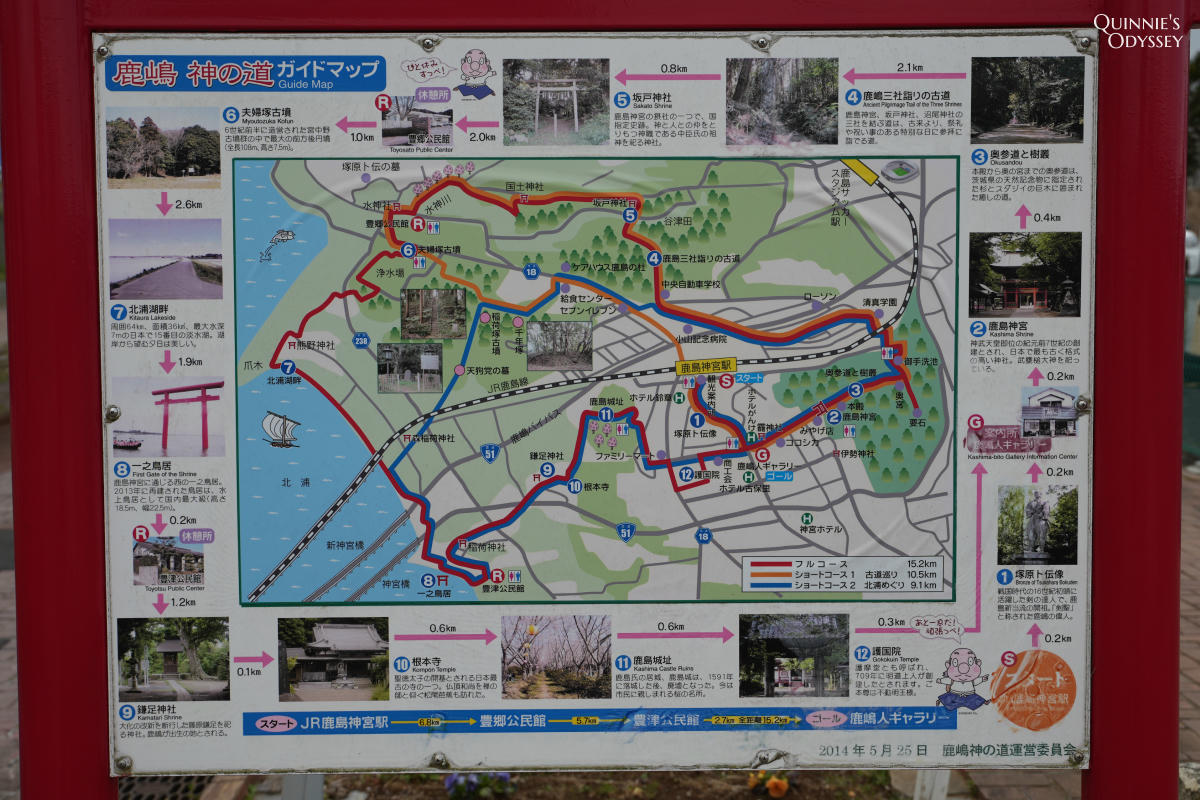
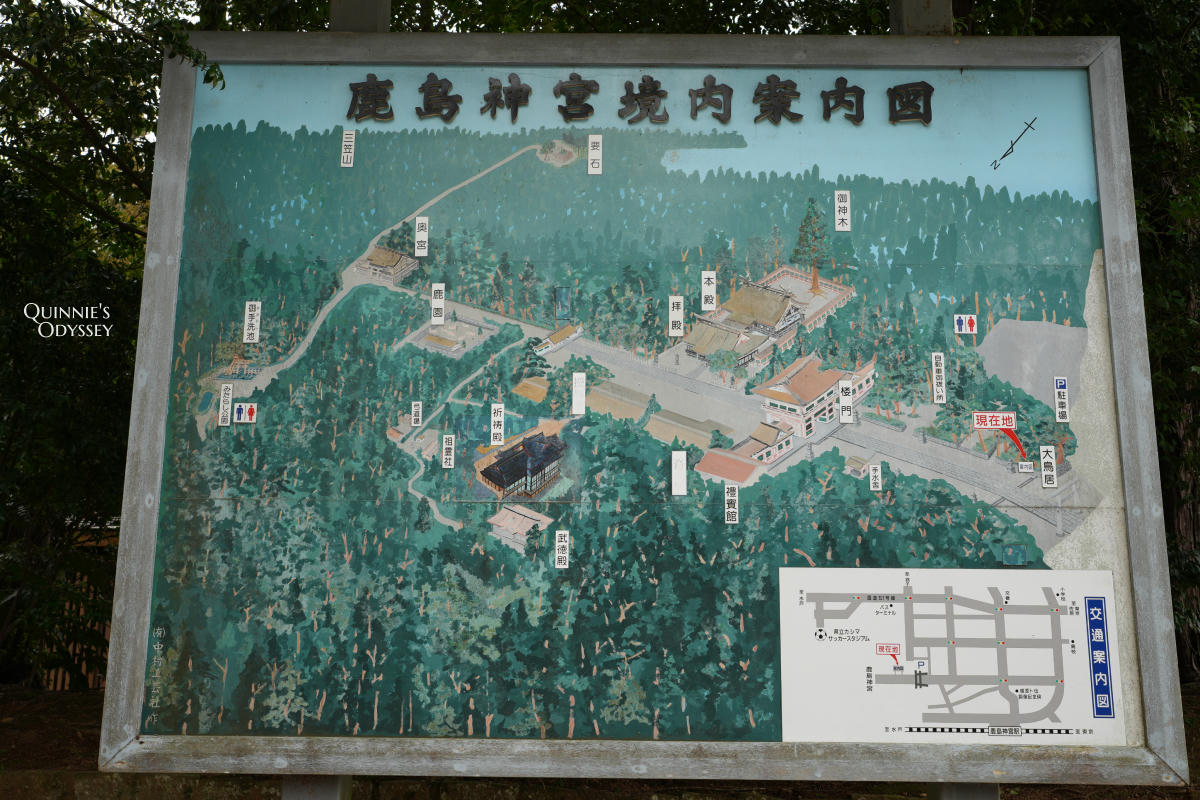
Near the station, you’ll find a guide map called “Kashima: Path of the Gods.”
Besides the main shrine highlights (Main Hall, Okunomiya, Kaname Stone, Mitarashi Pond), there are many nearby spots worth exploring.
Here’s a simple breakdown by theme:
Tsukahara Bokuden Statue (1)
Located along the path from the station. He was a legendary swordsman and founder of Kashima Shinto-ryu.
Konponji Temple (10)
Said to have been founded by Prince Shotoku, and later visited by Zen monks and even the poet Matsuo Basho.
Kashima Castle Ruins (11)
Abandoned in 1591, now a popular cherry blossom spot in spring.
Gokokuin Temple (12)
Enshrines Fudo Myoo and is believed to protect the nation.
Kamatari Shrine (9)
Dedicated to Fujiwara no Kamatari, a key figure in Japanese history.
Kashima Three-Shrine Pilgrimage Trail (4)
A scenic route connecting Kashima Jingu, Sakado Shrine, and Numao Shrine.
Sakado Shrine (5)
An important affiliated shrine, designated as a historic site.
Meotozuka Burial Mound (6)
A large 6th-century kofun (ancient tomb), over 100 meters long.
Ichino Torii Gate (8)
One of Japan’s largest torii gates standing in water, about 18.5 meters tall, located by Lake Kitaura.
Lake Kitaura (7)
A peaceful spot to enjoy lake views and sunset, perfect for ending your day.
If you want to explore beyond the main shrine, you can follow these routes from the map:
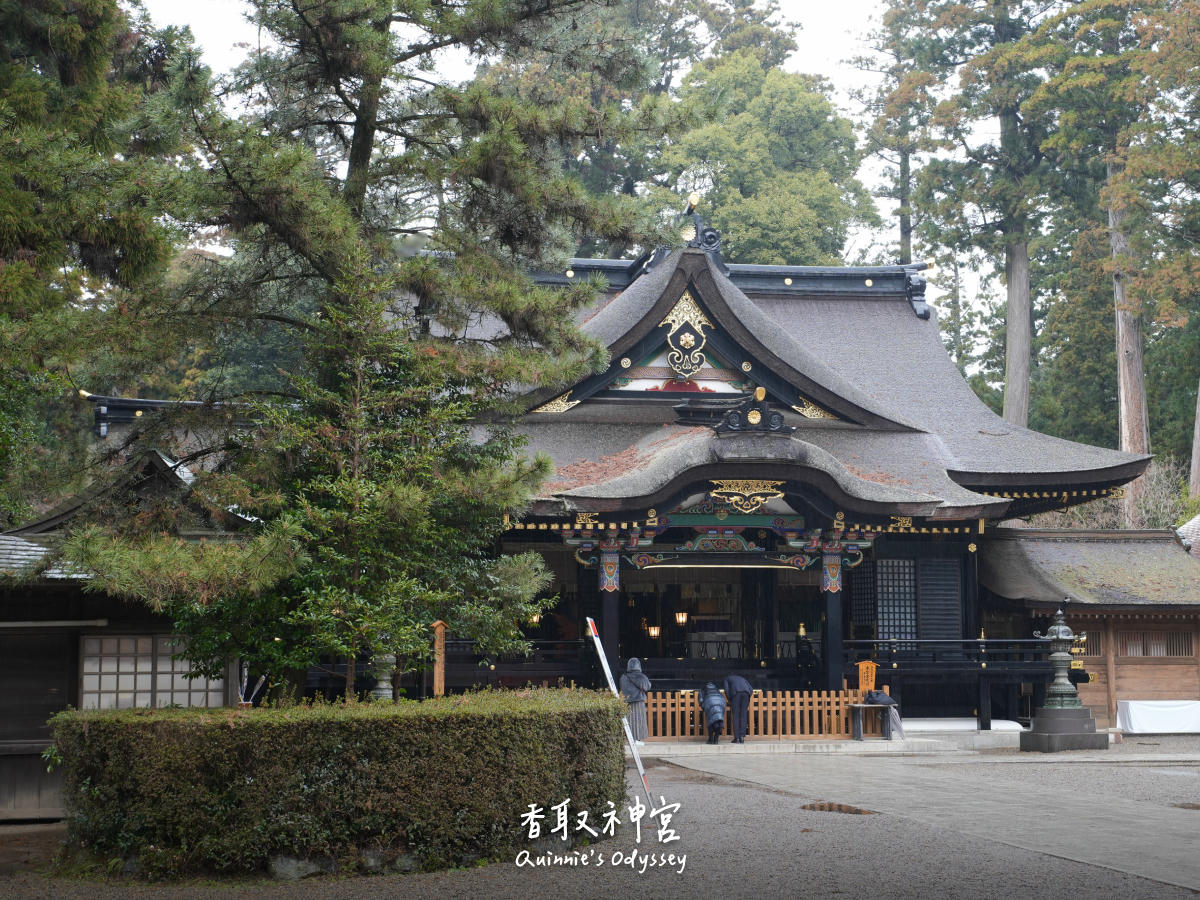
Katori Jingu
Walk among elegant black-lacquered buildings with gold details, and experience Edo-period aesthetics along with stories of the god of order and legendary swordsmen.
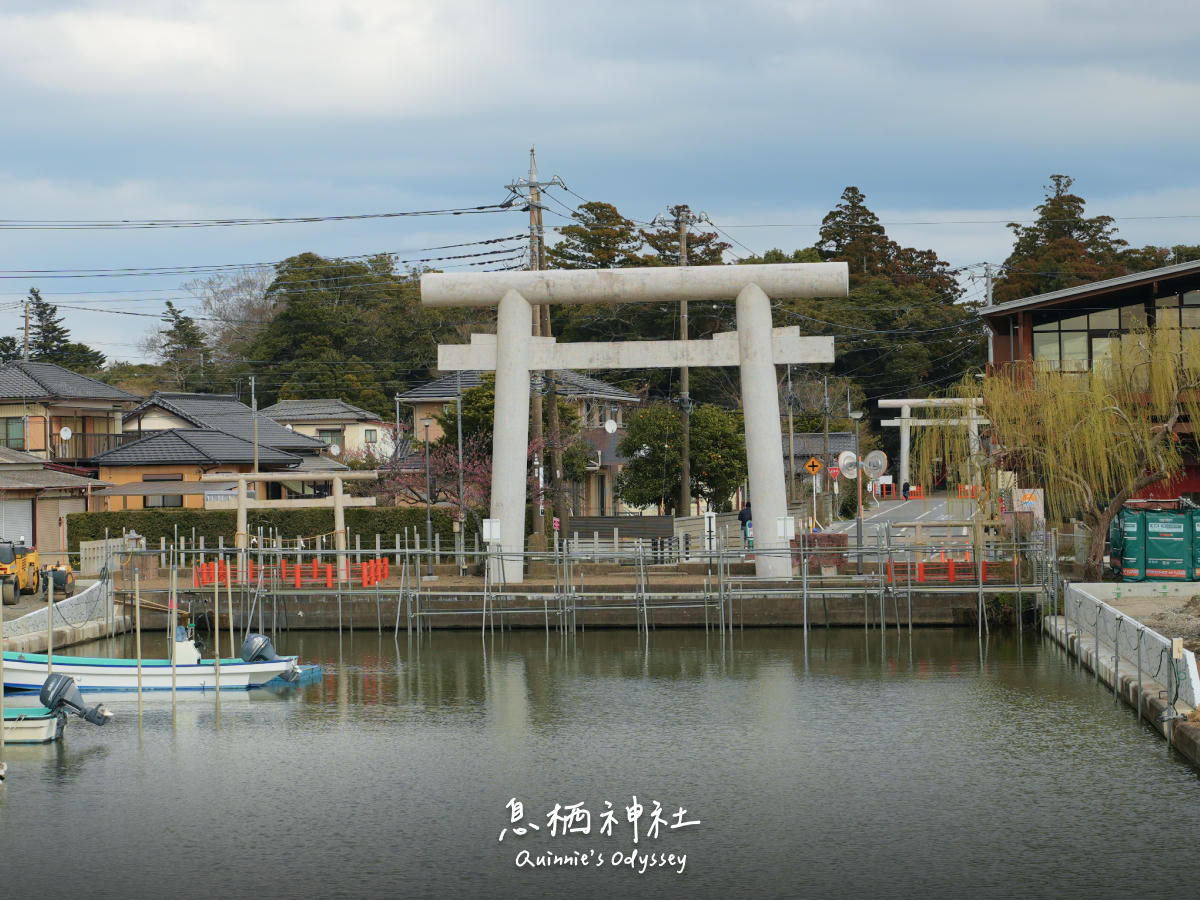
Ikisu Shrine
Discover a sacred spring hidden in the water, believed to wash away fatigue and negativity through the power of the god of guidance. It’s the most peaceful stop of the pilgrimage.
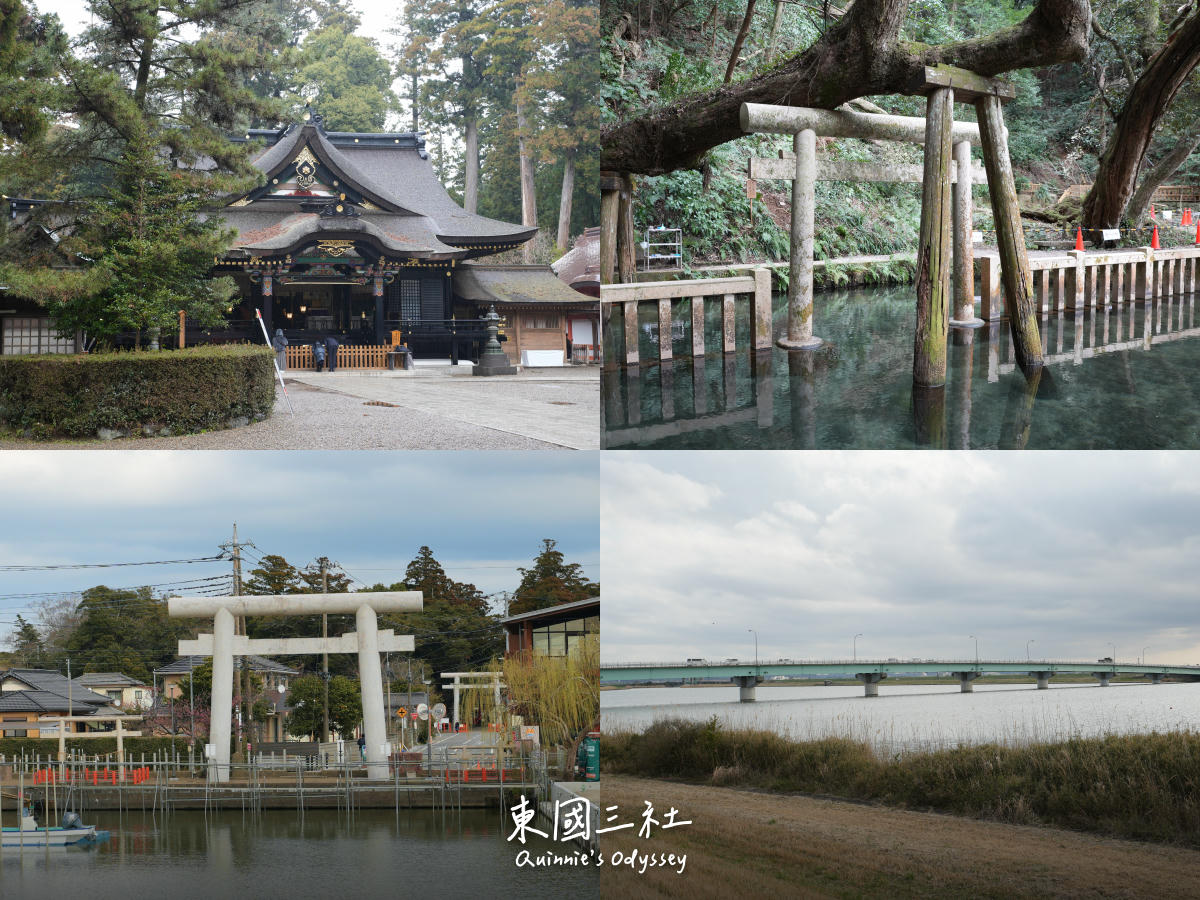
Togoku Sansha Pilgrimage
Follow the traditional Edo-era pilgrimage route, visiting the warrior god, the god of order, and the god of guidance in a journey that helps you reset and realign yourself.
▼ Exclusive Deal for Sika Readers ▼
Use code【DNBDRT】👉👉 Save ¥3,000on your TOCOO! car rental(view guide)
▼ Tokyo Travel Essentials ▼

Thanks for reading!
If you’re interested in my stories, feel free to follow me on Instagram.
👉👉 IG: @sika_artist 👈👈