Physical Address
304 North Cardinal St.
Dorchester Center, MA 02124
Physical Address
304 North Cardinal St.
Dorchester Center, MA 02124

Sugawara-in Tenmangu Shrine is located in Kyoto’s Kamigyo Ward and is considered the spiritual origin of around 12,000 Tenmangu shrines across Japan.
When people think of Tenmangu shrines in Kyoto, the famous Kitano Tenmangu Shrine usually comes to mind first. In contrast, Sugawara-in Tenmangu isn’t a typical tourist hotspot, but for history lovers and slow travelers, it’s a hidden gem that’s absolutely worth visiting.
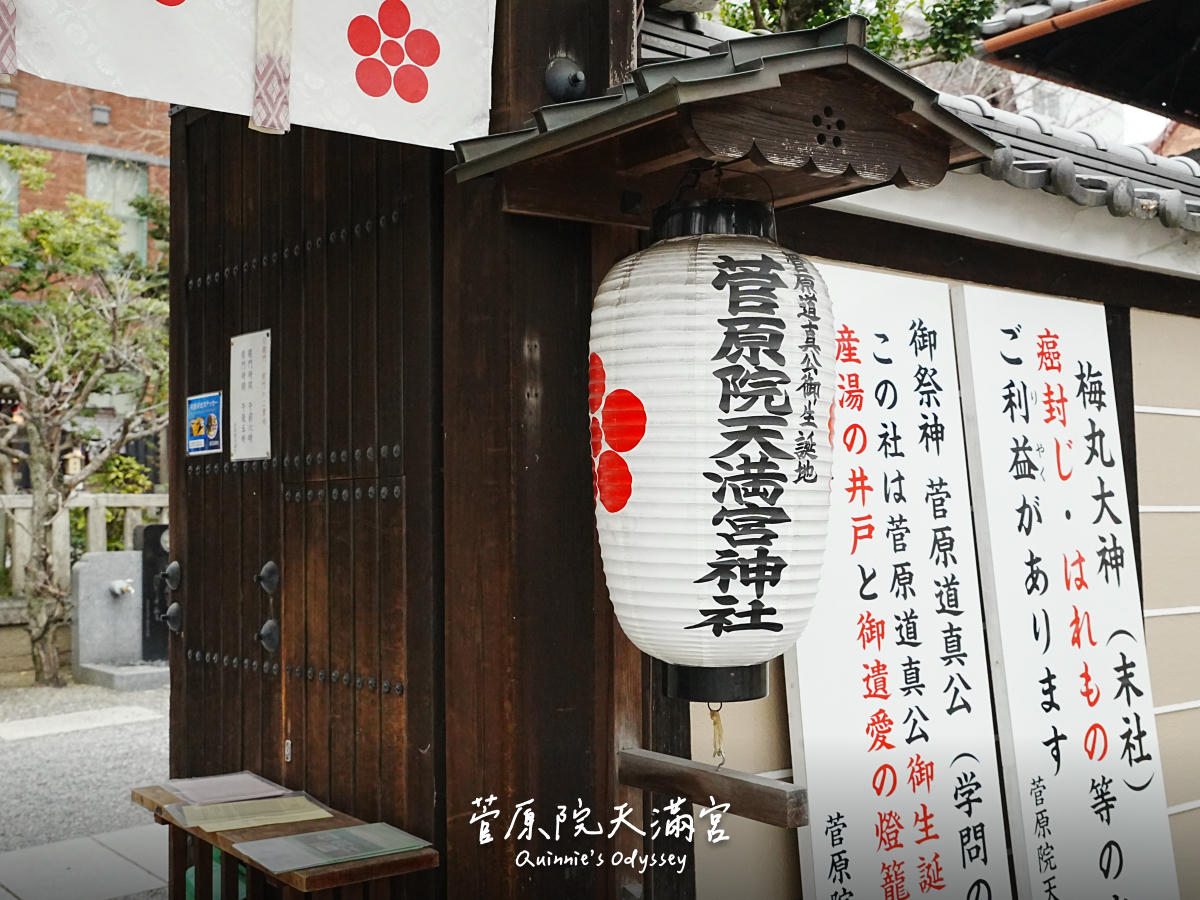
What makes this shrine truly special is the land itself.
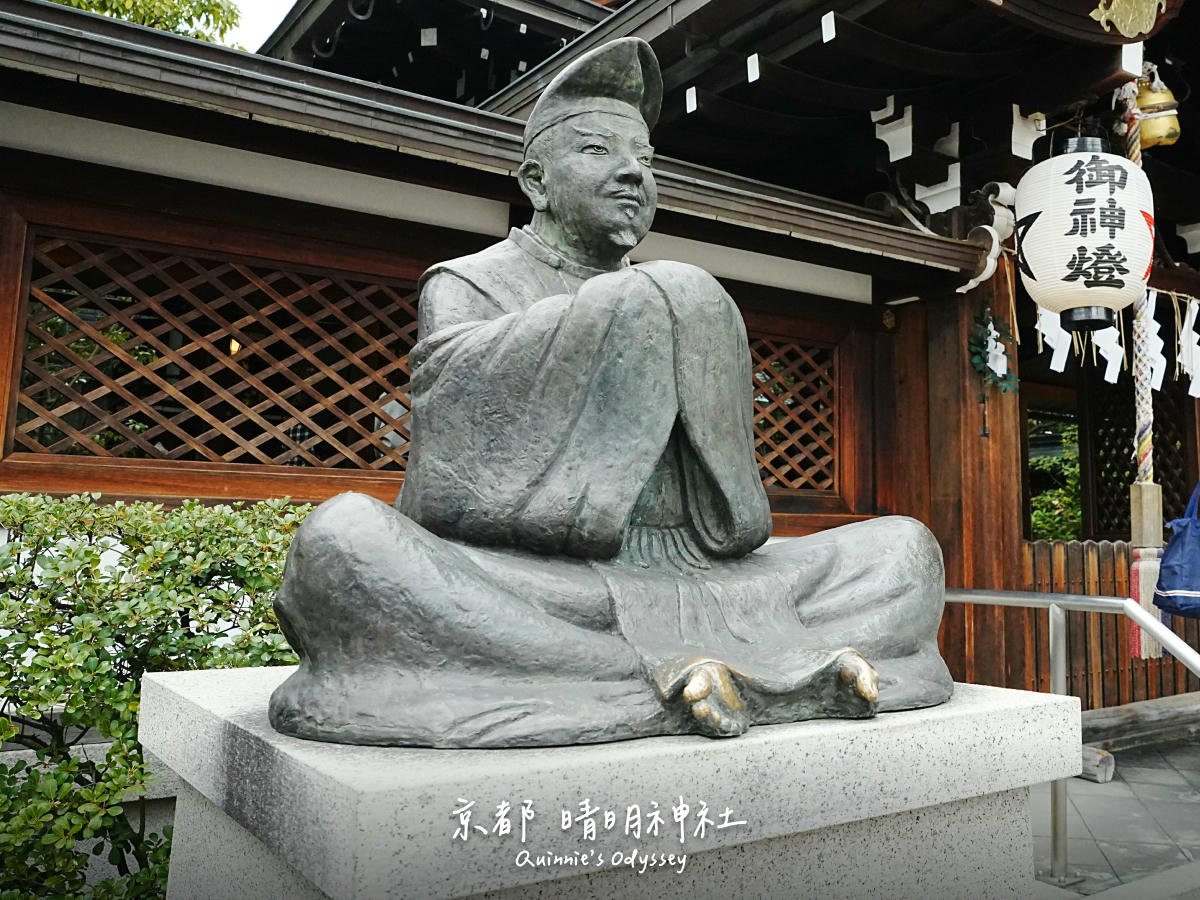
This is believed to be the birthplace and childhood home of Sugawara no Michizane, a renowned scholar, poet, and politician of the Heian period, now worshipped as the god of learning. Because of this, the shrine holds a unique and irreplaceable position among all Tenmangu shrines.
The shrine is small and refined, without grand architecture or heavy crowds. Instead, it offers a quiet, local neighborhood feel.
It’s tucked away near Karasuma Street, hidden among residential buildings and small shops, so it’s easy to miss if you’re not looking for it.
I actually came across this shrine on my way to Goō Shrine. If you’re interested in Sugawara no Michizane’s story, it’s definitely worth stopping by, especially since you can easily combine it with a visit to Goō Shrine and Kyoto Imperial Palace, which are all nearby.
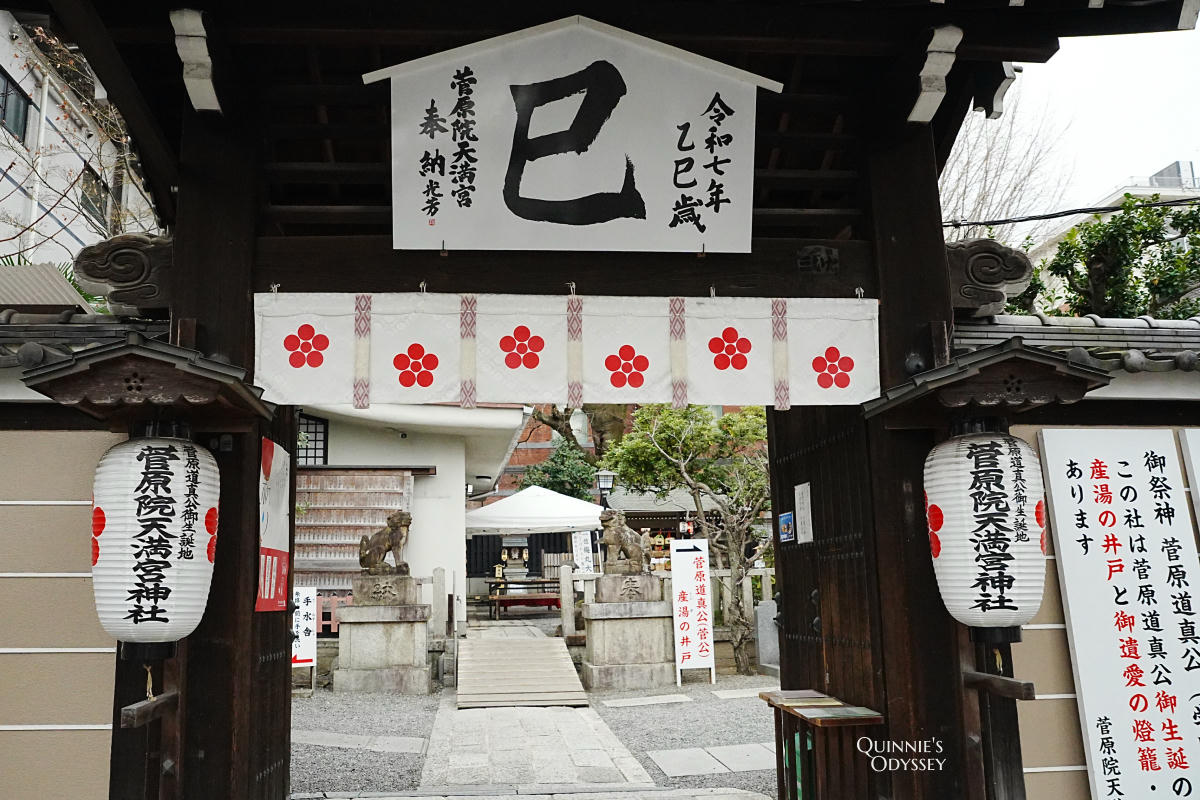
There’s a simple, down-to-earth charm here.
Without the usual crowds, it’s much easier to slow down and really take in the history.
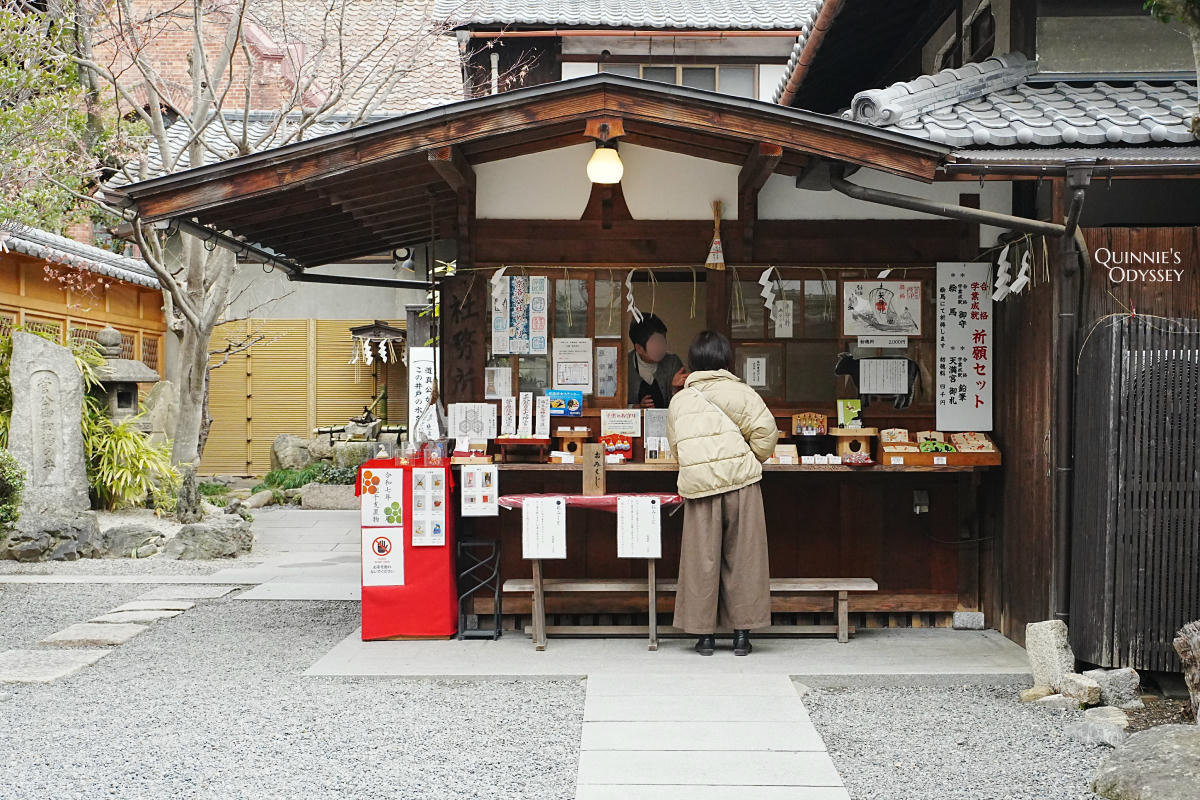
The shrine also offers academic-themed charms and ema (wooden plaques). During exam season, students, from middle schoolers to university applicants, come here to pray for success.
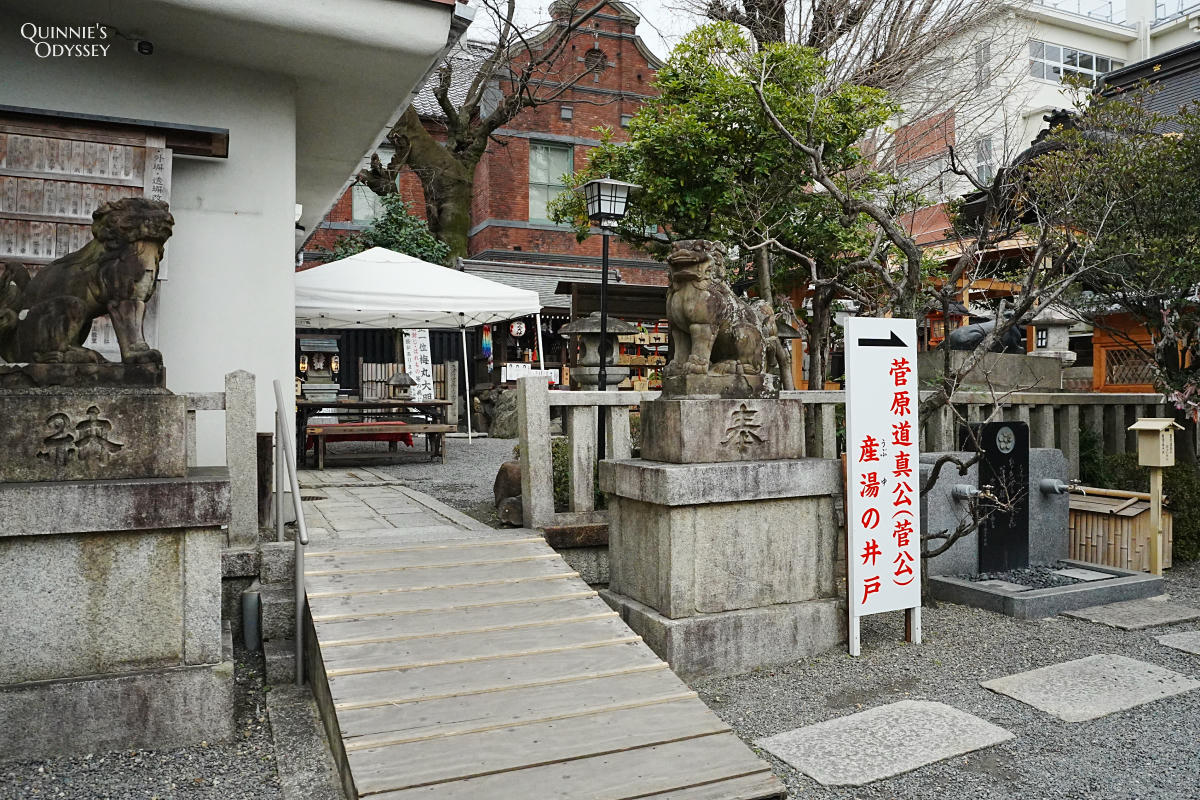
One of the most meaningful spots in the shrine is the Sacred Birth Well, a well believed to have been used for Sugawara no Michizane’s first bath after birth, and later during his childhood.
Remarkably, the well has remained almost unchanged since the year 845. The location and structure are largely intact, and the seemingly simple stones around it are actually original materials dating back to the Heian period.
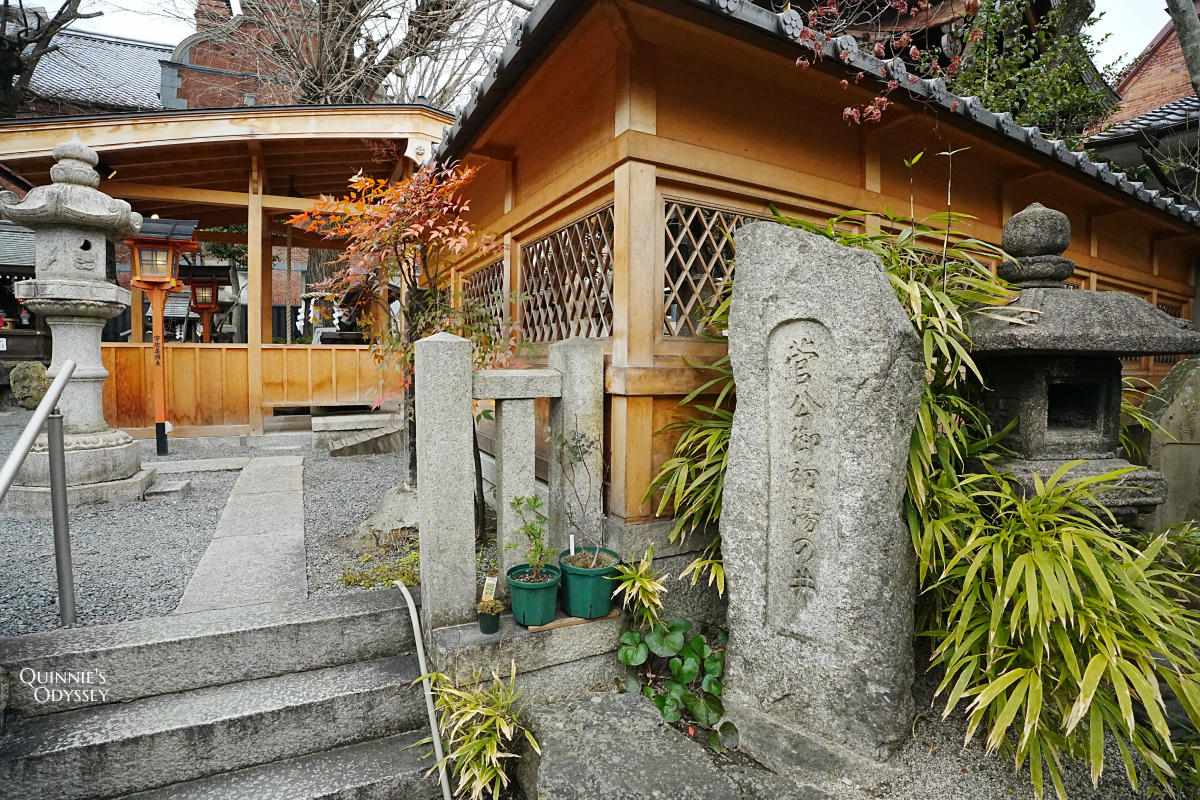
Originally about 8 to 9 meters deep, the well now draws clear spring water from around 25 meters underground to maintain its quality and supply.
Even after more than a thousand years, it continues to flow, and is often seen as a symbol of wisdom, sometimes even called the “water of learning.”
It’s said that the water is rich in minerals and has a smooth, mellow taste.
Many students, as well as visitors praying for recovery from illness, come here to drink it in hopes of receiving Michizane’s blessings.
The shrine kindly allows visitors to take some water home.
So if you happen to pass by, consider bringing a clean bottle and carrying a bit of this thousand-year-old blessing with you.
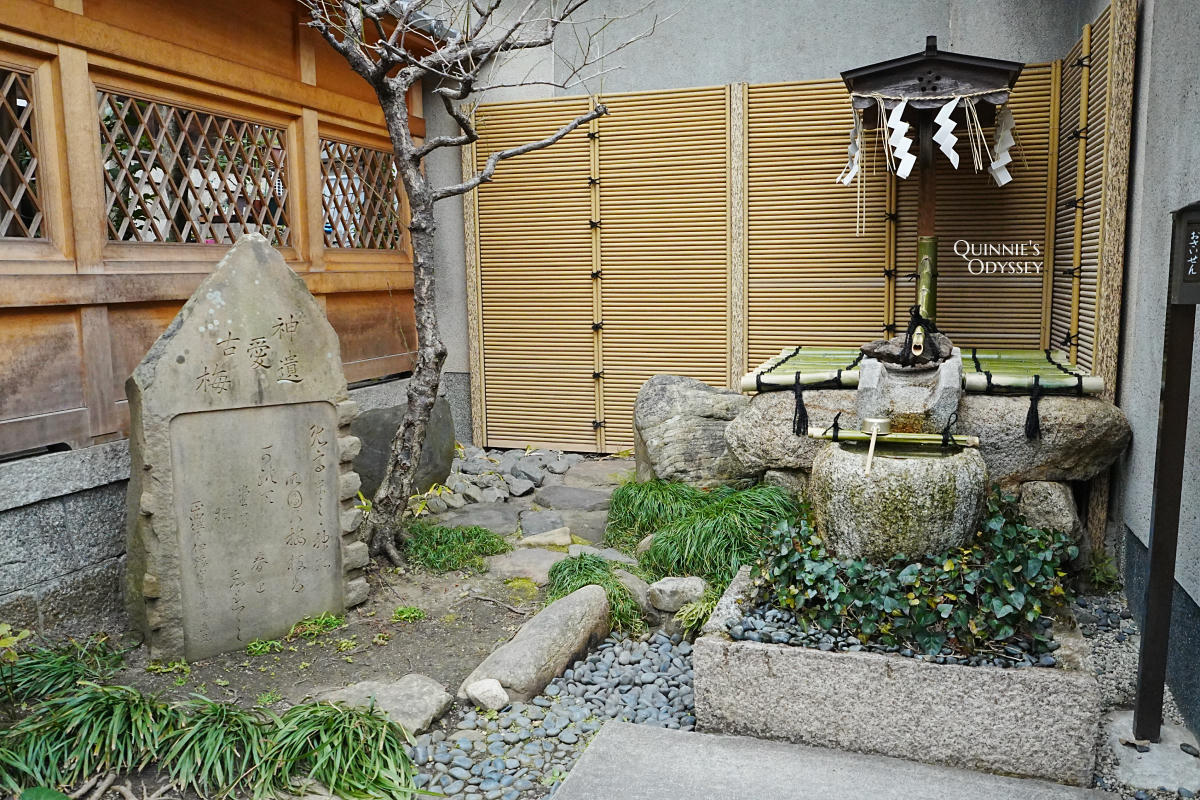
The main hall at Sugawara-in Tenmangu Shrine is a little different from most Tenmangu shrines.
Instead of worshipping only Sugawara no Michizane, this shrine enshrines the three generations of the Sugawara family – Michizane himself, his father Sugawara no Koreyoshi, and his grandfather Sugawara no Kiyokimi.
Koreyoshi was a well-known Confucian scholar, while Kiyokimi served as an envoy to Tang China, laying the foundation for the family’s strong academic and cultural legacy.
Because of this, the shrine feels less like a place dedicated to a single deity and more like a space that honors an entire family lineage and its intellectual roots.
Within the shrine, you’ll also find a unique guardian deity known as Umemaru Okami.
This deity has long been associated with protection of skin health, and many people visit to pray for relief from skin conditions, swelling, or other physical discomforts.
In modern times, Umemaru Okami is especially known for legends related to cancer healing and protection against illness.
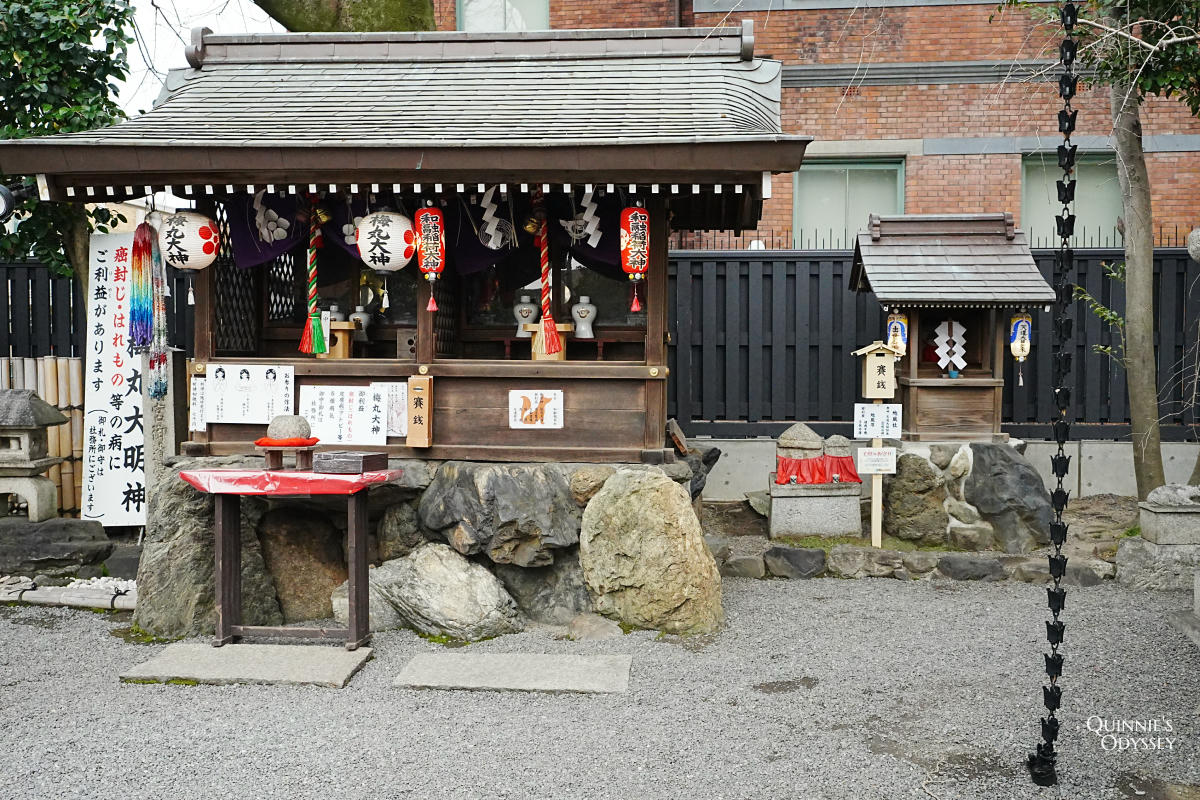
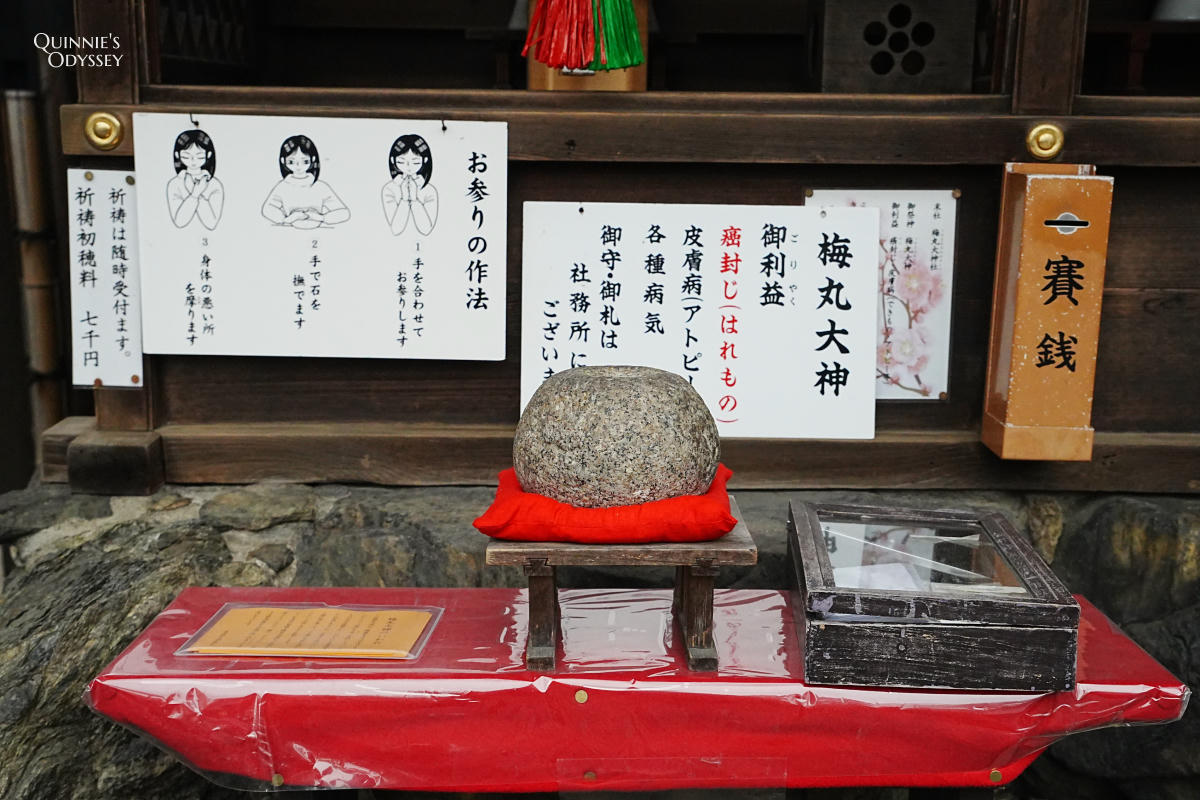
There’s also a special ritual you can try here. First, you receive a white cloth from the shrine office. Then, at the worship hall, you gently press the cloth onto the “healing stone,” symbolizing the transfer of divine power. After that, you take the cloth home and place it on the affected area, praying for recovery.
The shrine is said to receive many letters of gratitude from across Japan, sharing stories of recovery or successful surgeries, something you can really feel when you see people returning to give thanks.
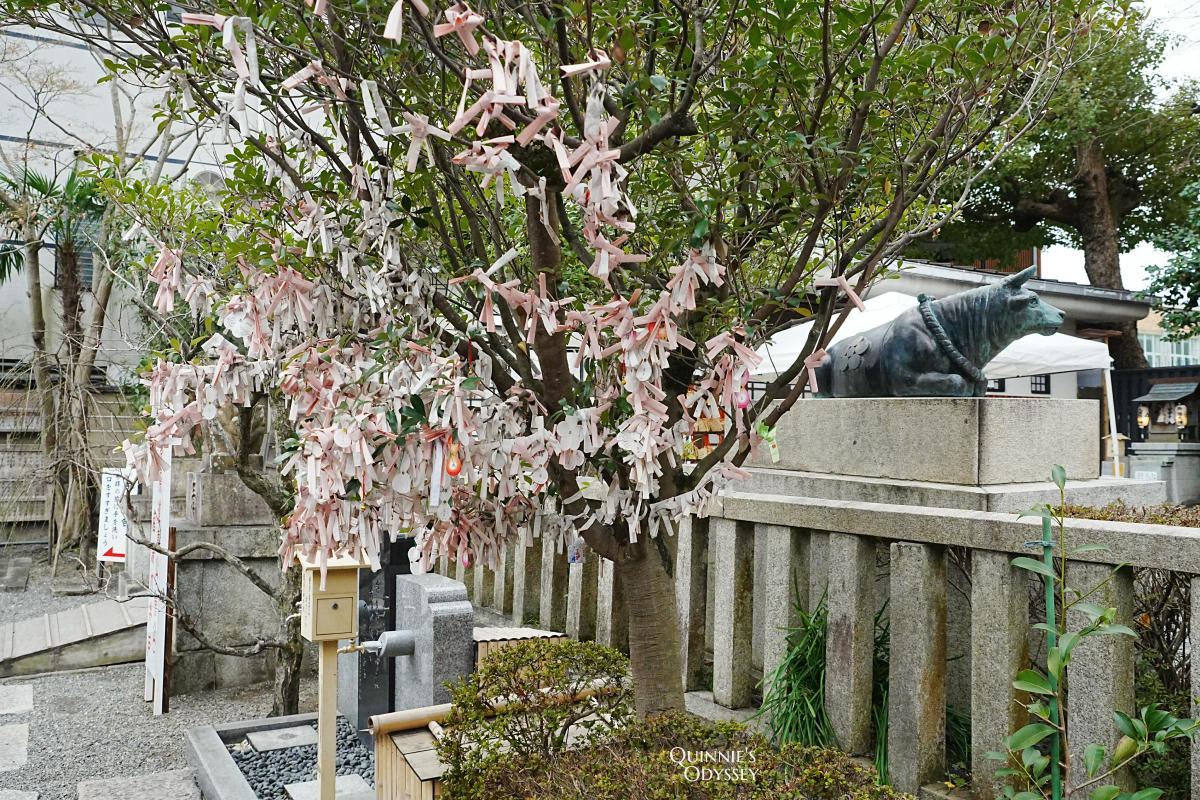
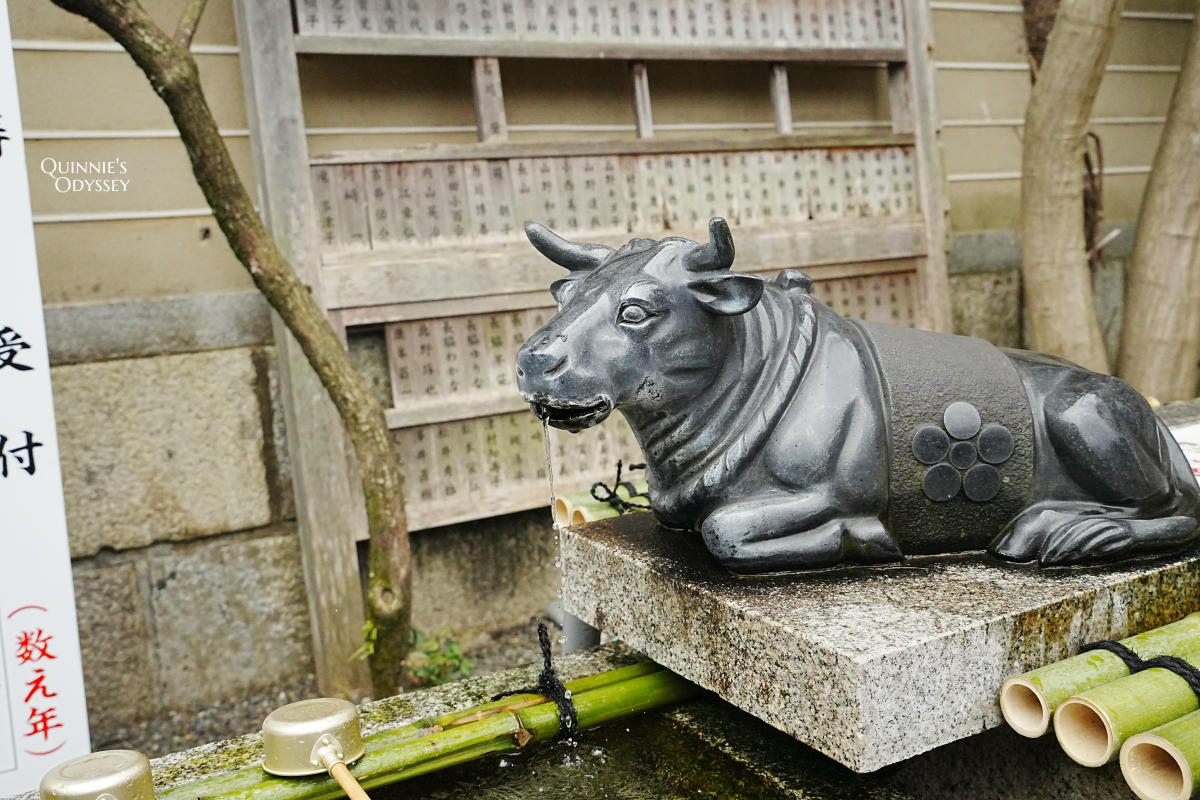
In Tenmangu belief, oxen are considered the messengers of Sugawara no Michizane. According to legend, when his body was being transported by ox cart after his death, the ox suddenly refused to move. The site where it stopped later became Dazaifu Tenmangu Shrine, and since then, oxen have become an important symbol of Tenjin worship.
Because of this story, most Tenmangu shrines feature reclining ox statues.
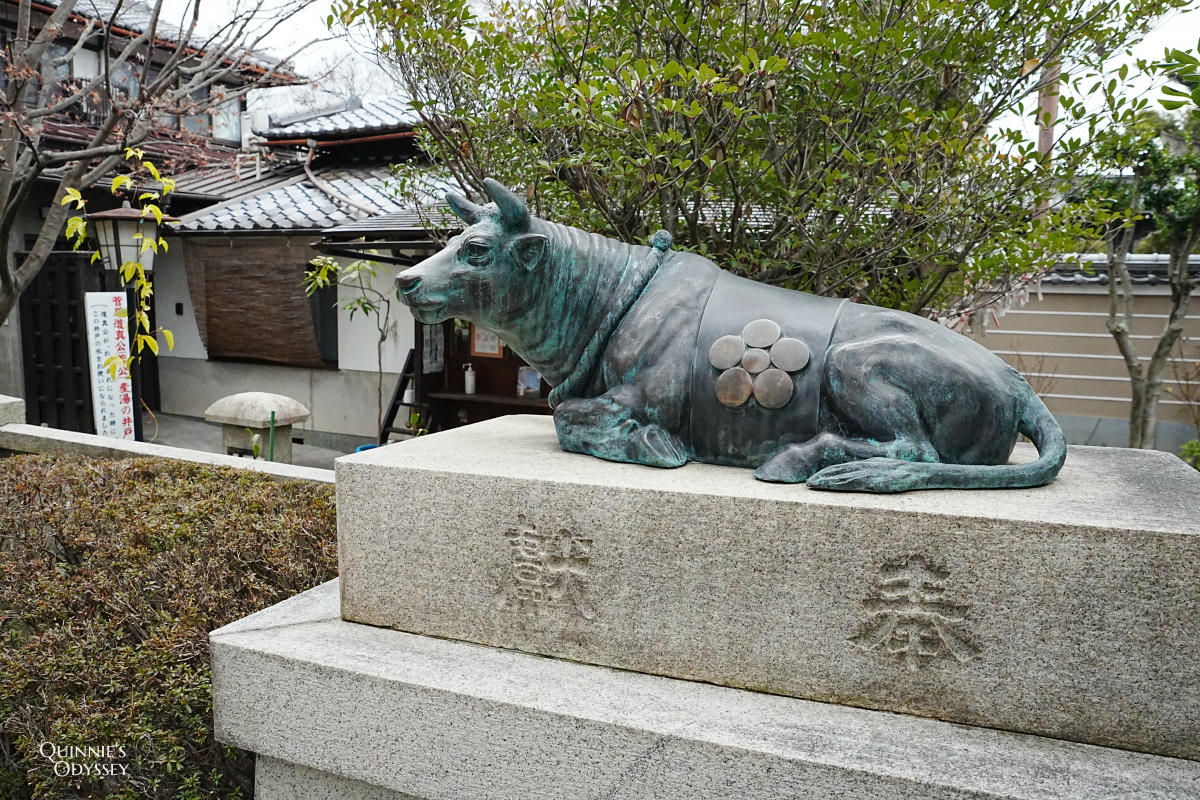
At Sugawara-in Tenmangu, you’ll find several of these ox statues scattered around the grounds. They’re not particularly large, but the shrine’s compact size makes it easy to get close and take a good look.
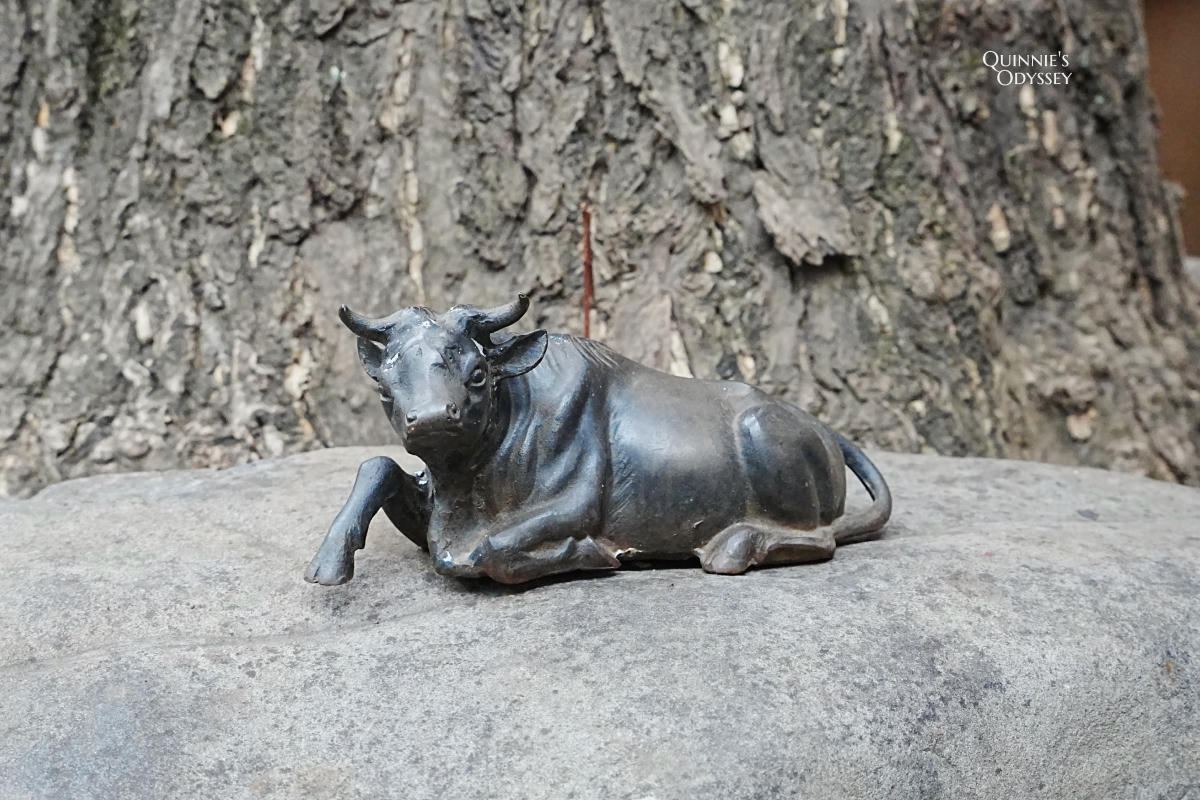
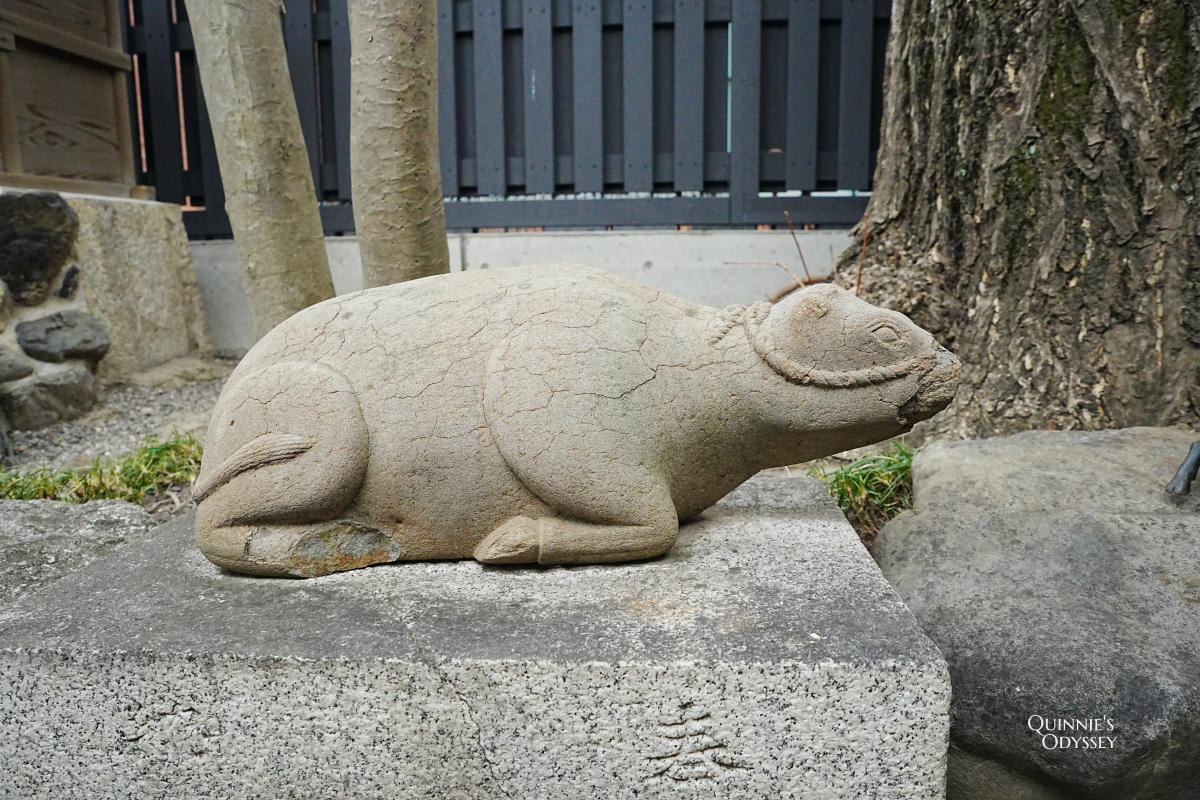
According to tradition, touching the ox’s head or body is believed to bring wisdom and help heal illnesses. Over time, the statues have developed a soft shine from countless visitors touching them, quietly preserving the wishes and prayers of those who came before.
The omikuji here come in the form of adorable ceramic ox figurines.
Since oxen are Michizane’s sacred messengers, these omikuji are designed as small, colorful ox figures. You pull the fortune slip out using a red string from the bottom.
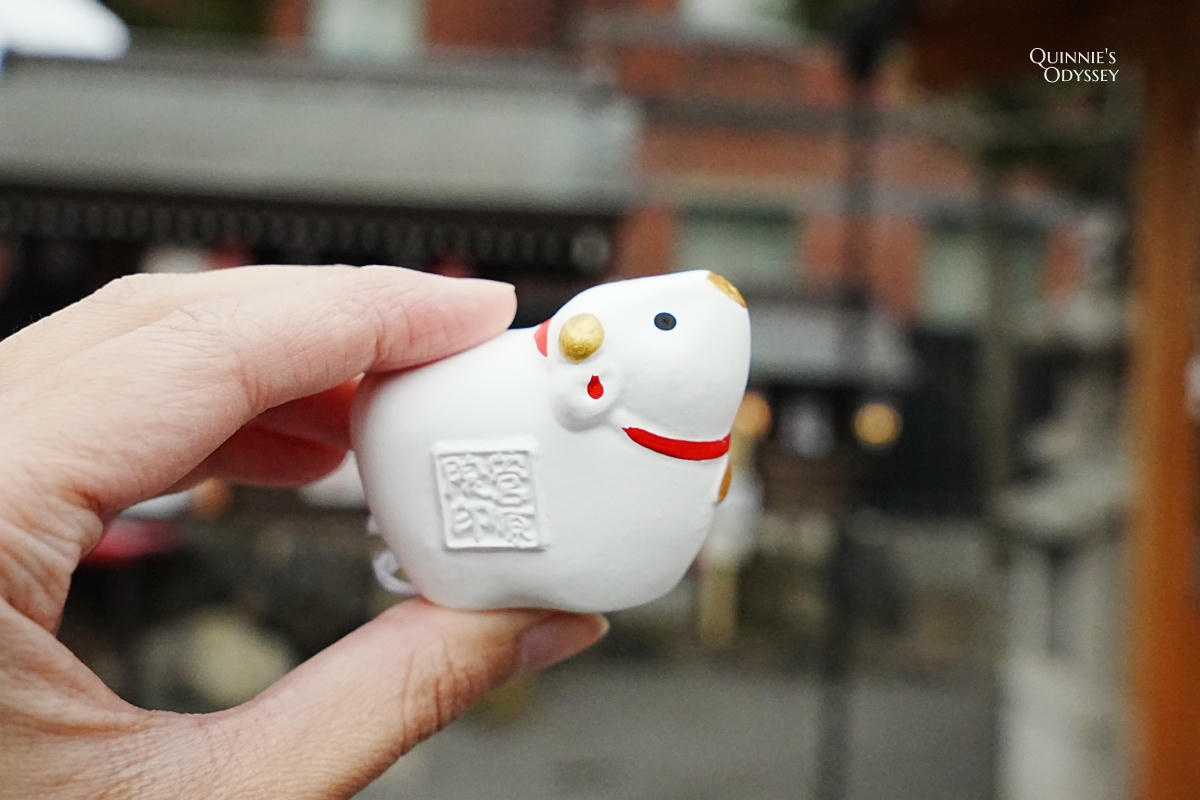
After drawing their fortune, many visitors keep the figurine as a souvenir, placing it at home as a lucky charm, like bringing a piece of the god of learning’s blessing back with them. It’s both meaningful and irresistibly cute.
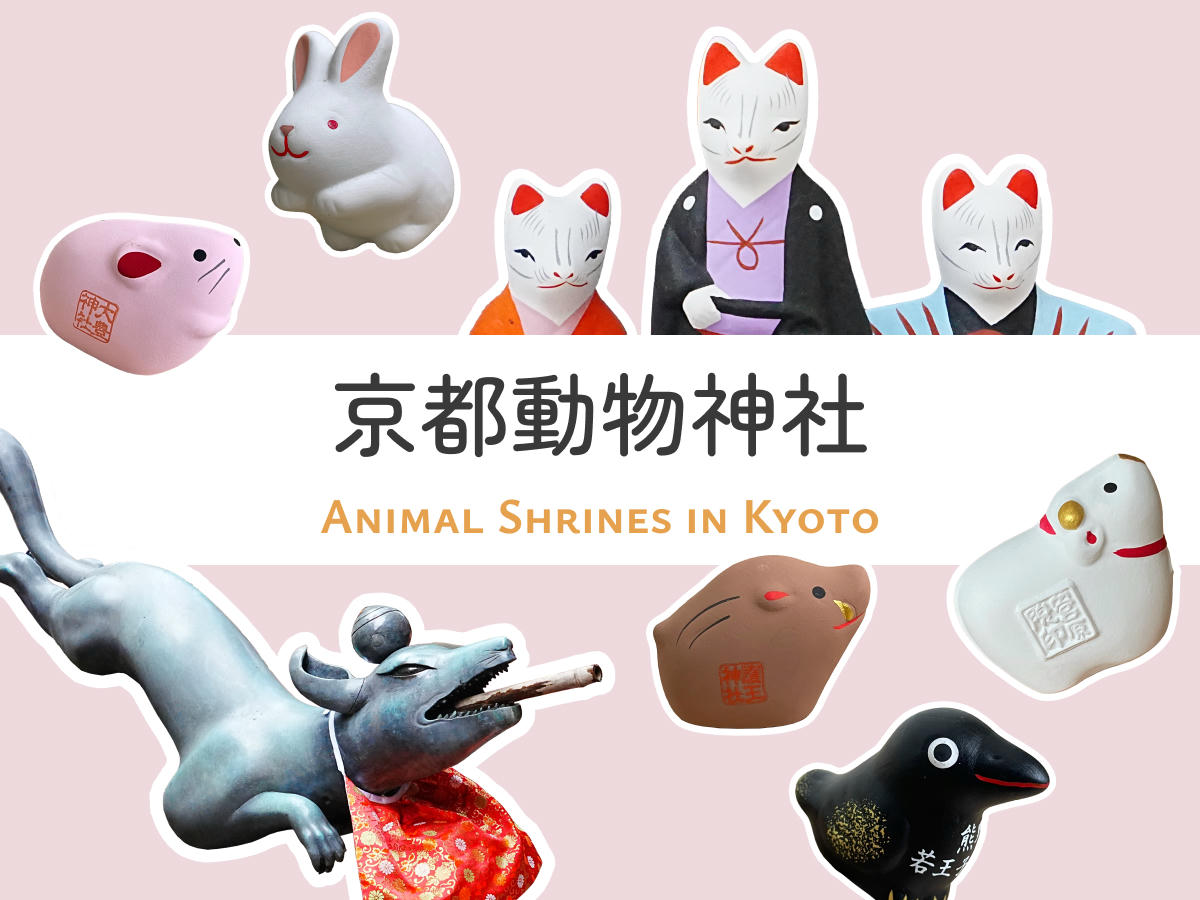
If you love collecting animal omikuji, don’t miss this guide 👉👉 Kyoto Animal Shrine Guide
Take the Kyoto Subway Karasuma Line to Marutamachi Station. From there, it’s about a 3-minute walk to the shrine.
▼ Kyoto Travel Essentials ▼

Thanks for reading!
If you’re interested in my stories, feel free to follow me on Instagram.
👉👉 IG: @sika_artist 👈👈