Physical Address
304 North Cardinal St.
Dorchester Center, MA 02124
Physical Address
304 North Cardinal St.
Dorchester Center, MA 02124

In Japan, there’s a fascinating pilgrimage tradition.
If visiting Ise Jingu in western Japan marks the beginning of a spiritual journey, then the true ending happens in the east.
Since the Edo period, people from eastern Japan would travel long distances to Ise Jingu. But instead of going straight home, they had one final step: visiting three shrines in the Kanto region to perform a ritual purification – cleansing away fatigue, misfortune, and spiritual impurities gathered along the journey.
This custom is known as “Misogi Pilgrimage after Ise”.
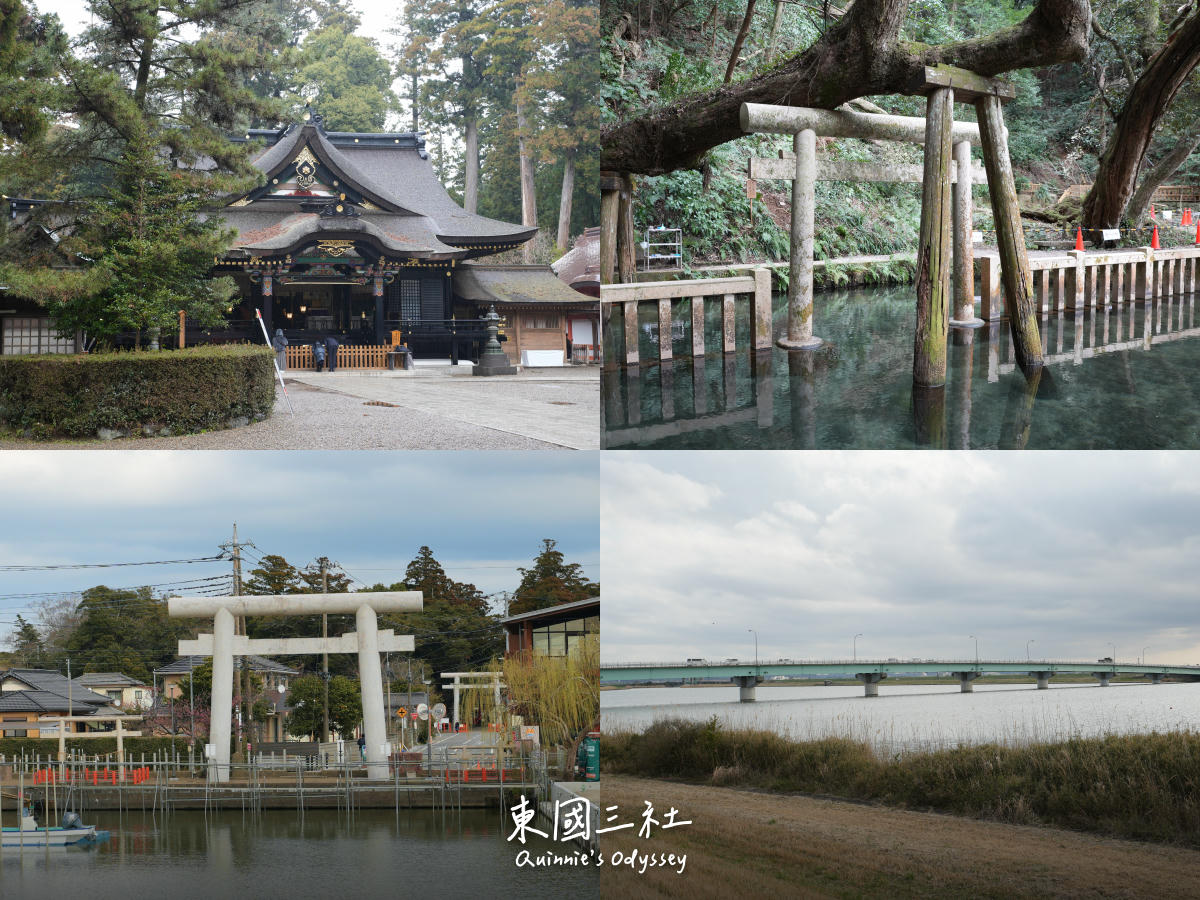
The three shrines are known as the Togoku Sansha: Kashima Jingu, Katori Jingu, and Ikisu Shrine.
Only after visiting all three was the journey considered truly complete, from making wishes to fully resetting the spirit.
The connection between these shrines comes from a core myth in Japan’s creation stories.
According to the Kojiki and Nihon Shoki, when the sun goddess Amaterasu decided to pass control of the land to her descendants, the earthly realm was still ruled by Okuninushi.
To resolve this, she sent two powerful deities: Takemikazuchi-no-Okami (enshrined at Kashima Jingu) and Futsunushi-no-Okami (enshrined at Katori Jingu) to carry out the mission known as Kuniyuzuri, the “Transfer of the Land.”
But before they arrived, two other deities were sent ahead to prepare the way, these are the gods enshrined at Ikisu Shrine.
Only after this preparation could the two warrior deities descend and complete their mission, marking a turning point in Japanese mythology.
From this perspective, the three shrines represent different roles in the same story:
Kashima and Katori carry out the mission, while Ikisu makes it possible.
Visiting all three feels like following the story step by step – from departure, to guidance, to completion – which is why the journey feels so fulfilling.
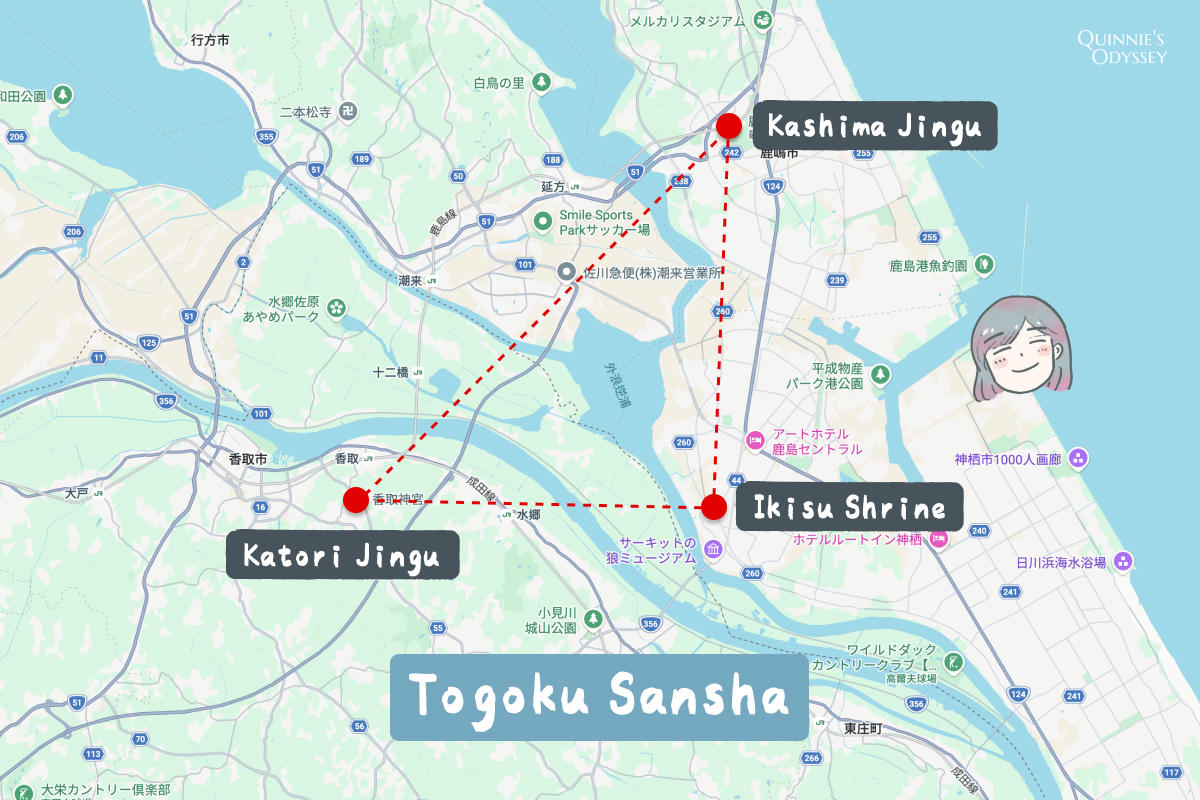
If you plot Kashima Jingu, Katori Jingu, and Ikisu Shrine on a map, you’ll notice something intriguing – they form an almost perfect right isosceles triangle, with Ikisu at the key corner.
Whether this layout was intentional or purely coincidental remains unknown.
But this geometric alignment has sparked endless curiosity, with some even linking it to the idea of ley lines – the belief that sacred sites around the world are connected by invisible lines of energy.
This “mysterious triangle” remains one of the most fascinating aspects of the Togoku Three Shrines.
During the Edo period, visiting Ise Jingu was a once-in-a-lifetime journey for many.
For travelers from eastern Japan, the trip could take weeks or even months. On their way back, they would visit Kashima, Katori, and Ikisu, completing what was known as the Shimo-Sangu-Mairi (the pilgrimage to the three great shrines of the eastern region).
Why go the extra distance?
Because people believed that long journeys accumulated spiritual “impurities.”
Ise Jingu was a place for prayer and gratitude, but before returning to daily life, one needed to cleanse away that unseen fatigue to fully receive the blessings.
Each shrine played a role in this process:
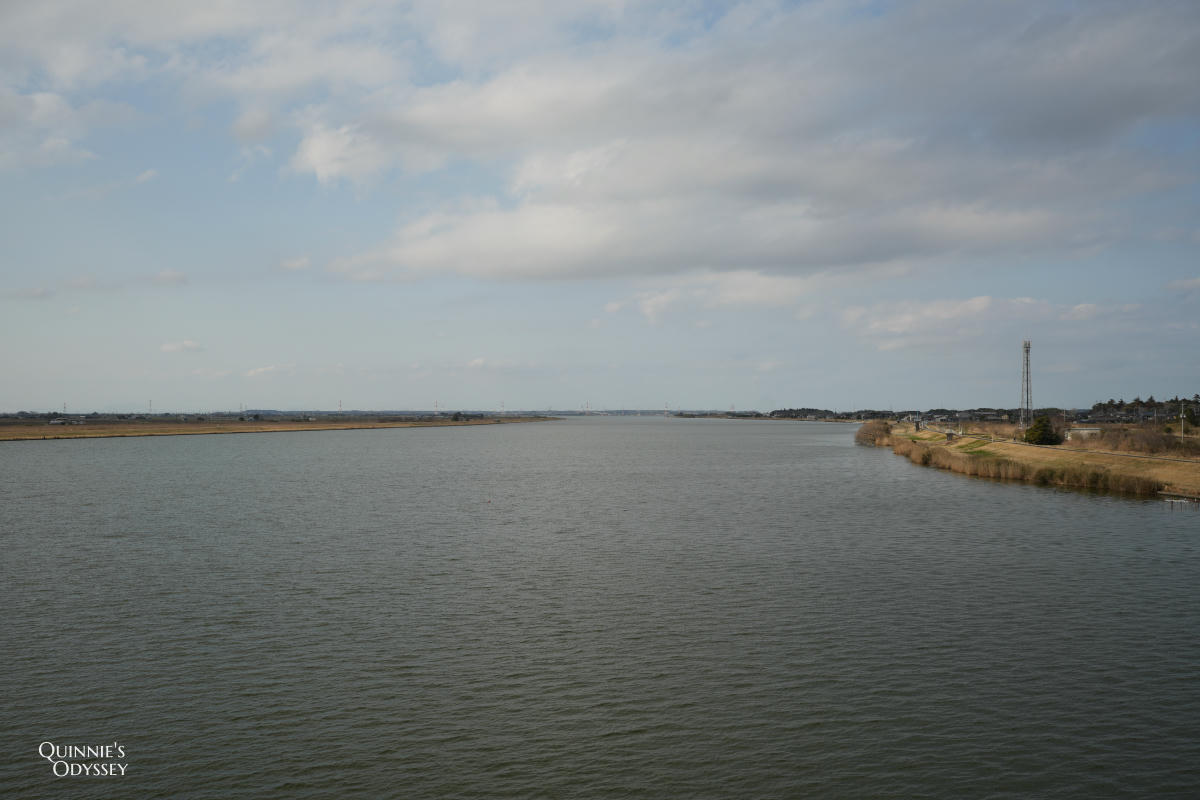
Travelers often moved by boat along the Tone River, stopping along the way before finally arriving at a riverside torii gate, the symbolic end of their journey.
In many ways, it was like a deeply ritualized “reset” before returning to everyday life.
In Japan, most shrines are simply called “jinja,” but only a very small number are called “jingu.”
Before the Meiji era, only three shrines in the entire country were officially granted this title: Ise Jingu, Kashima Jingu, and Katori Jingu.
In other words, Kashima and Katori were considered to be on the same level as Ise.
The title “jingu” was reserved for shrines with strong ties to the imperial family or significant national importance.
After the Meiji Restoration, more shrines were given this title (such as Meiji Jingu), bringing the total to around 20.
But even today, out of roughly 80,000 shrines in Japan, only about 20-25 are called “jingu”, roughly 0.03%.
So when you visit Kashima Jingu or Katori Jingu, you’re stepping into some of the most prestigious and rare sacred sites in all of Japan.
Kashima Jingu is the most prominent of the Togoku Three Shrines. As soon as you step onto the approach path, you can feel its powerful, sacred atmosphere.
Along with Ise Jingu and Katori Jingu, it was one of the only three shrines in ancient Japan granted the prestigious title of “Jingu,” placing it among the highest-ranking shrines in the country.
The main deity here is Takemikazuchi-no-Okami, one of the most powerful warrior gods in Japanese mythology.
In the past, samurai would pray here before battle. Today, it’s known as a place to pray for success, career growth, and decisive action.
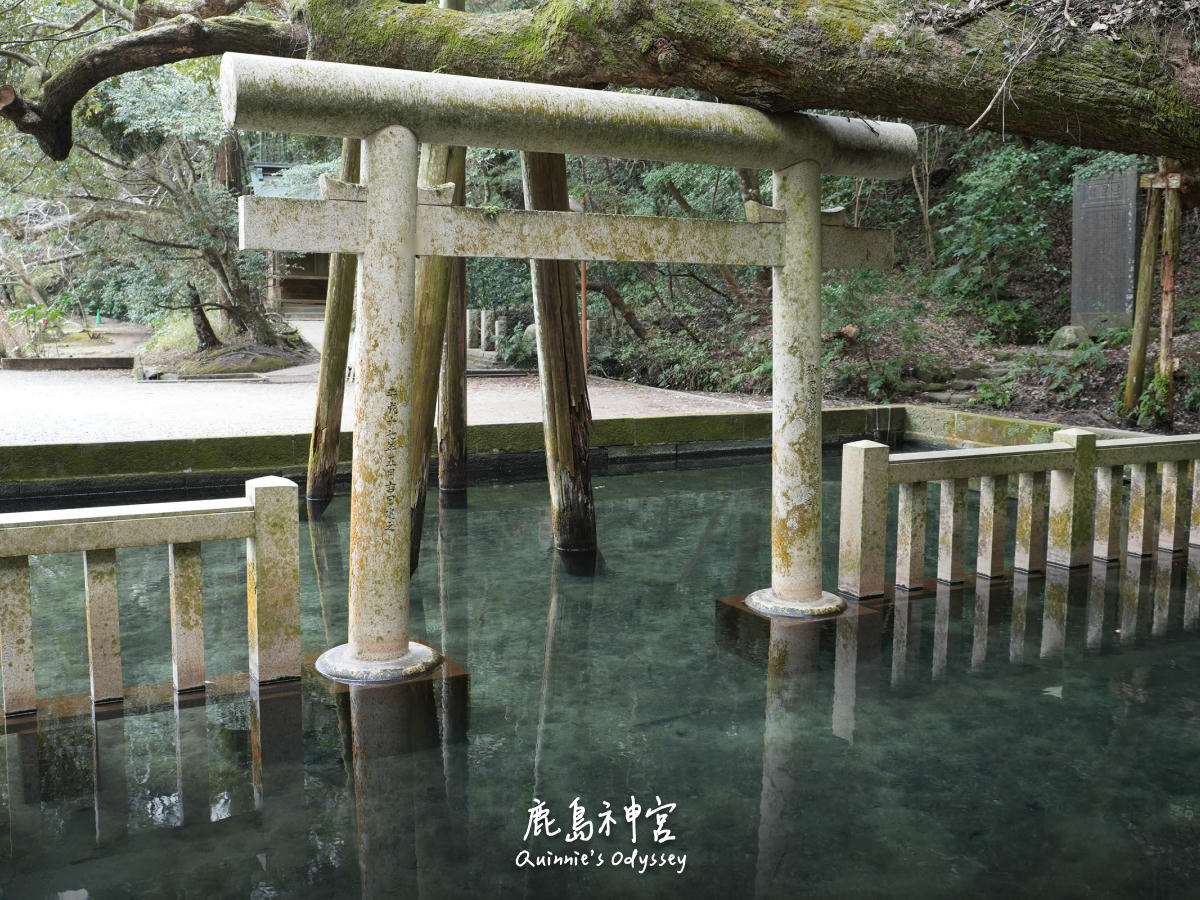
Highlights include the striking vermilion Romon Gate, said to be one of Japan’s three great shrine gates, the legendary Kaname Stone that is believed to pin down a giant catfish and prevent earthquakes, and the crystal-clear Mitarashi Pond, once used for purification rituals.
Deer are considered the shrine’s sacred messengers. According to legend, Takemikazuchi-no-Okami arrived riding a deer, which is why the famous deer of Nara are said to have a connection to this place.
Kashima Jingu carries a strong, ancient energy, one that feels deeply rooted in myth.
👉👉 Kashima Jingu: Japan’s Most Powerful Warrior Shrine, Full Travel Guide
If Kashima represents raw power, then Katori Jingu feels like that power refined into discipline and elegance.
Like Kashima and Ise, it was one of the only three “Jingu” in ancient Japan and serves as the head shrine of around 400 Katori shrines nationwide.
Its main deity, Futsunushi-no-Okami, represents order, strategy, and wisdom in battle.
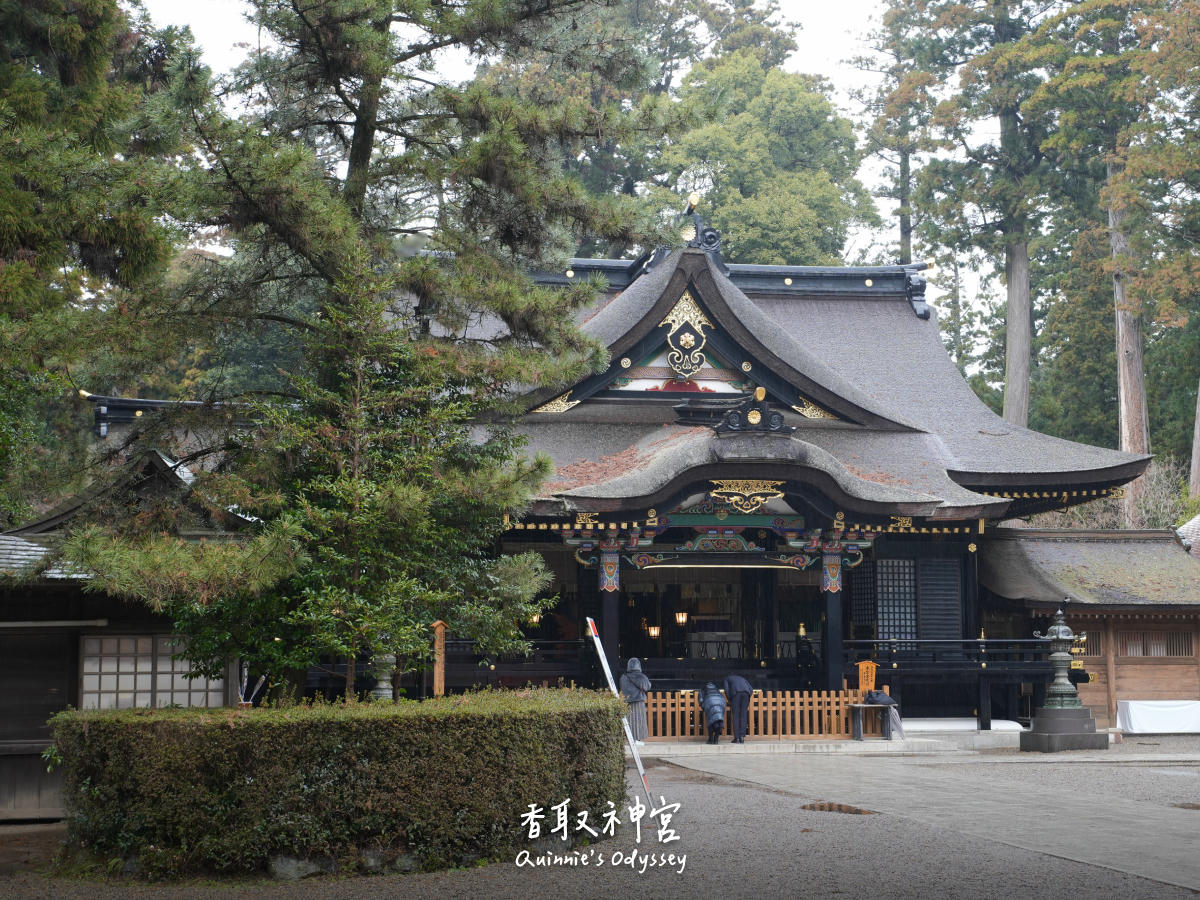
The main hall, rebuilt in 1700 by Tokugawa Tsunayoshi, features a striking black-and-gold design, elegant yet powerful against the surrounding forest.
The vermilion gate along the approach is equally impressive, and the plaque bearing the shrine’s name was written by Admiral Togo Heihachiro.
You’ll also find subtle but meaningful details throughout the grounds, such as the paired Kaname Stone, said to work with Kashima’s stone to restrain the mythical catfish, and a thousand-year-old cedar tree that has quietly witnessed centuries of history.
For martial arts practitioners, this shrine holds special significance. The legendary swordsman Iizasa Choisai Ienao, founder of one of Japan’s oldest sword schools, is enshrined here.
Every detail of Katori Jingu reflects a deep, structured sense of power.
👉👉 Katori Shrine Chiba Guide: A Sacred Forest Shrine of Japan’s Warrior Deity
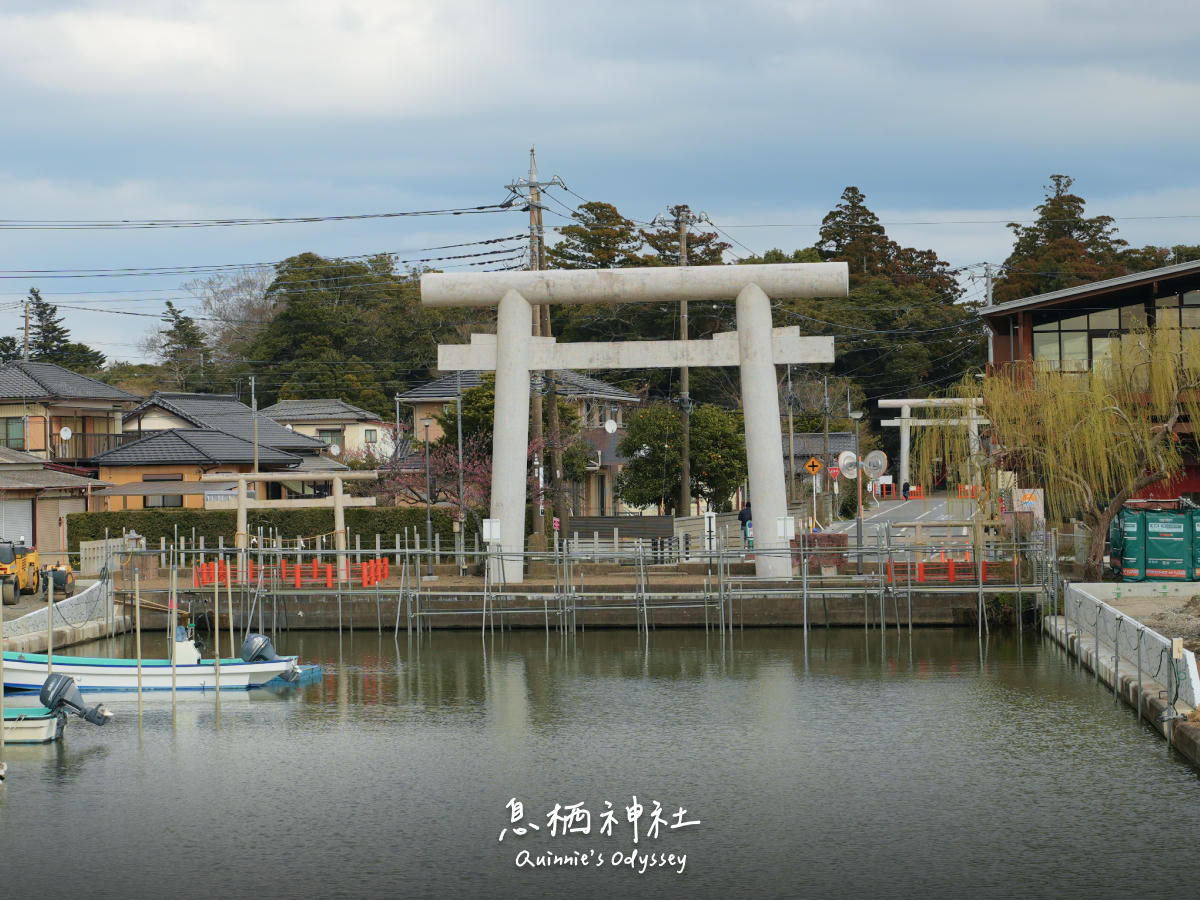
If Kashima is the beginning of strength and Katori is the continuation of order, then Ikisu Shrine is the final, essential piece of the journey.
It may feel simpler and more understated at first, but that’s exactly what gives it a quiet, pure kind of presence.
The highlights here are the First Torii Gate by the river and the Shinshio Wells. Despite being located where saltwater and freshwater meet, these wells have long produced clear freshwater and are considered one of Japan’s sacred springs.
Legend says that if you happen to glimpse the submerged “male” and “female” jars within the wells, you’ll receive special good luck.
The enshrined deities, Kunado-no-Kami and Ame-no-torifune, are known in mythology as the guides who prepared the way for the gods of Kashima and Katori, protecting the journey from beginning to end.
You’ll also find small but interesting details around the grounds, such as an Edo-period gate that survived a fire, a sacred tree said to resemble the one on the 1-yen coin, and even a haiku monument left by Matsuo Basho.
👉👉 Ikisu Shrine Travel Guide: A Quiet Power Spot of the Togoku Three Shrines
The three shrines are spread across Ibaraki and Chiba, and public transportation between them is quite limited.
Here’s a quick breakdown to help you plan:
|
Driving |
Public Transport |
|
|
Time needed |
1 day is enough |
2 days recommended (1 day is possible but rushed) |
|
Flexibility |
High |
Limited by bus schedules |
|
Cost |
Car rental + gas |
Train + bus fares |
Driving is highly recommended.
The total travel time between the three shrines is about 1 hour, making it easy to visit all of them in a single day. Public transport, especially to Ikisu Shrine, is limited and can involve long waiting times.
▼ Exclusive Deal for Sika Readers ▼
Use code【DNBDRT】👉👉 Save ¥3,000on your TOCOO! car rental(view guide)
If you’re wondering whether it’s possible to visit all three shrines from Tokyo in one trip, the answer is yes. Driving is easy, but with public transport, it’s doable… just pretty hardcore.
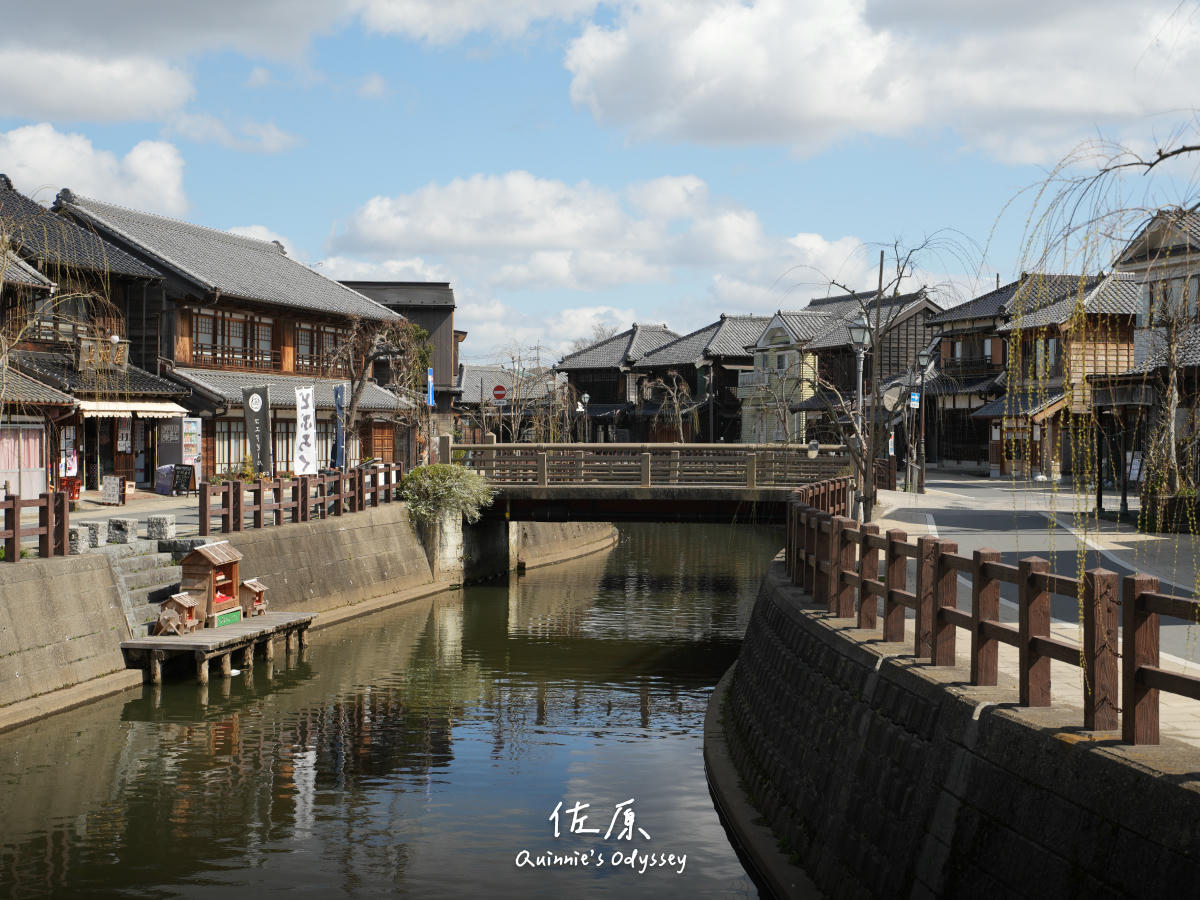
Staying in Sawara would be a great choice.
Located in Katori City, Chiba, Sawara offers easy access to all three shrines:
It’s also a beautifully preserved historic town with Edo-period charm. After visiting the shrines, a walk along the Ono River makes for a perfect, relaxing ending to your trip.
Driving is the easiest and most flexible way to visit all three shrines.
Route Option 1: Katori Jingu → Ikisu Shrine → Kashima Jingu
Best if starting from Chiba or Sawara (south to north)
Route Option 2: Kashima Jingu → Ikisu Shrine → Katori Jingu
Works well if driving from Tokyo (northbound first, then south)
Both routes work well, it mostly depends on where you’re coming from and where you’re heading next.
All three shrines offer free parking.
Out of the three shrines, Ikisu Shrine is by far the hardest to reach.
There’s no nearby train station, so the only option is the Kamisu City Community Bus, and it only runs three times a day. Miss one, and you could be waiting 2-3 hours.
This bus basically determines your entire itinerary, so you’ll need to plan your route around its schedule.
|
Direction |
Departure Times |
|
Omigawa Station → (via Ikisu Shrine) → Kashima Jingu Station |
08:22 / 10:45 / 14:28 |
|
Kashima Jingu Station → (via Ikisu Shrine) → Omigawa Station |
09:35 / 13:10 / 15:40 |
⚠️ Times are for reference only, please check the official schedule before your trip.
JR Narita Line to Omigawa Station → Bus to Ikisu → Bus to Kashima → JR to Katori
🔸 Step 1:JR to Omigawa Station
Take the JR Narita Line and get off at Omigawa Station.
The first bus departs at 08:22.
🔸 Step 2:Bus to Ikisu Shrine (08:22 → ~08:42)
Take the community bus toward Kashima Jingu and get off at Ikisu Shrine (about 20 minutes).
The shrine itself is small, about 30-40 minutes is enough to explore.
The next bus doesn’t arrive until around 11:05, so you’ll have a 2+ hour gap.
There’s not much nearby, but you can take a walk along the river or find a simple breakfast spot.
🔸 Step 3:Bus to Kashima Jingu (~11:05 → ~11:45)
Catch the next bus to Kashima Jingu (about 40 minutes).
Plan to spend around 1.5-2 hours there.
🔸 Step 4:JR to Katori Jingu
From Kashima Jingu Station, take the JR Kashima Line.
Trains are infrequent, so check the timetable in advance.
You have two options:
Option A: Via Katori Station (Shorter train, longer walk)
Take the JR train from Kashima Jingu Station to Katori Station (about 16 minutes), then walk 30 minutes to Katori Jingu.
Option B: Via Sawara Station (more flexible)
Take the JR train from Kashima Jingu Station to Sawara Station (about 20 minutes). From there, you can either rent a bicycle or take a loop bus to Katori Jingu.
From Sawara, it takes about 15–20 minutes to reach Katori Jingu by bike or bus.
Sawara Loop Bus Weekday Schedule
|
Sawara→Katori Jingu |
Katori Jingu→Sawara |
|
|
Departure Times |
9:25 / 10:20 / 11:25 / 13:05 / 14:15 / 15:00 / 16:15 |
9:40 / 10:35 / 11:40 / 13:20 / 14:30 / 15:25 / 16:40 |
Sawara Loop Bus Weekend Schedule
|
Sawara→Katori Jingu |
Katori Jingu→Sawara |
|
|
Departure Times |
8:10 / 8:55 / 9:20 / 9:55 / 10:20 / 11:00 / 11:25 / 12:05 / 12:30 / 13:00 / 13:30 / 14:25 / 15:00 / 15:45 / 16:15 / 17:05 |
8:25 / 9:10 / 9:35 / 10:10 / 10:35 / 11:15 / 11:40 / 12:20 / 14:40 / 15:15 / 16:00 / 16:30 / 17:20 |
⚠️ Timetables may change, check in advance.
⚠️ The amulet office at Katori Jingu closes at 5:00 PM, so plan accordingly if you want goshuin or charms.
JR Kashima Line to Kashima Jingu Station → Community Bus to Ikisu Shrine → Community Bus to Omigawa → JR Narita Line to Katori / Sawara → Katori Jingu
This route requires an early start and careful timing. After visiting Kashima Jingu, you’ll need to match the limited bus schedule toward Omigawa, which makes the day tighter and less flexible.
🔸 Step 1: Start Early (Arrive around 7:30 AM at Kashima Jingu)
Take the earliest train or transport available and aim to arrive near Kashima Jingu Station by 7:30 AM. Spend about 2 hours exploring the shrine.
🔸 Step 2:Bus to Ikisu Shrine (09:35 → ~10:15)
From near Kashima Jingu Station, take the 09:35 community bus toward Omigawa.
Get off at Ikisu Shrine (about 40 minutes). You’ll only need about 30 minutes to explore Ikisu Shrine.
Next: Two Options
🔸 Step 3:Bus to Omigawa Station (~13:50 → ~14:10)
🔸 Step 4:JR to Katori / Sawara
Option A: Via Katori Station (Shorter train, longer walk)
Take the JR Narita Line to Katori Station (about 10 minutes), then walk 30 minutes to Katori Jingu.
Option B: Via Sawara Station (More convenient overall)
Take the JR Narita Line to Sawara Station (about 15 minutes).
From Sawara, getting to Katori Jingu is easy and takes about 15-20 minutes by bike or bus.
For detailed options, refer to Route 1 – Option B above.
⚠️ Train schedules are for reference only. Be sure to check the latest timetables on official websites before your trip.
A one-day trip is possible, but quite rushed. A two-day itinerary is much more relaxed, and much more enjoyable. This is the approach I personally took.
Day 1: Kashima Jingu + Ikisu Shrine
Start at Kashima Jingu, then take the community bus to Ikisu Shrine.
Since the bus route connects these two directly, it’s efficient to visit them on the same day.
In the afternoon, head to Sawara.
Take a walk along the historic streets, stroll by the Ono River, and enjoy dinner at a local restaurant.
Day 2: Katori Jingu + Sawara Old Town
In the morning, take a loop bus or rent a bike to visit Katori Jingu.
After your visit, return to Sawara and spend a relaxed afternoon exploring the old town.
|
Shrine |
Estimated time |
|
Kashima Jingu |
1.5 – 2hr |
|
Katori Jingu |
1 – 1.5hr |
|
Ikisu Shrine |
30 – 40min |
▼ Exclusive Deal for Sika Readers ▼
Use code【DNBDRT】👉👉 Save ¥3,000on your TOCOO! car rental(view guide)
▼ Tokyo Travel Essentials ▼

Thanks for reading!
If you’re interested in my stories, feel free to follow me on Instagram.
👉👉 IG: @sika_artist 👈👈