Physical Address
304 North Cardinal St.
Dorchester Center, MA 02124
Physical Address
304 North Cardinal St.
Dorchester Center, MA 02124

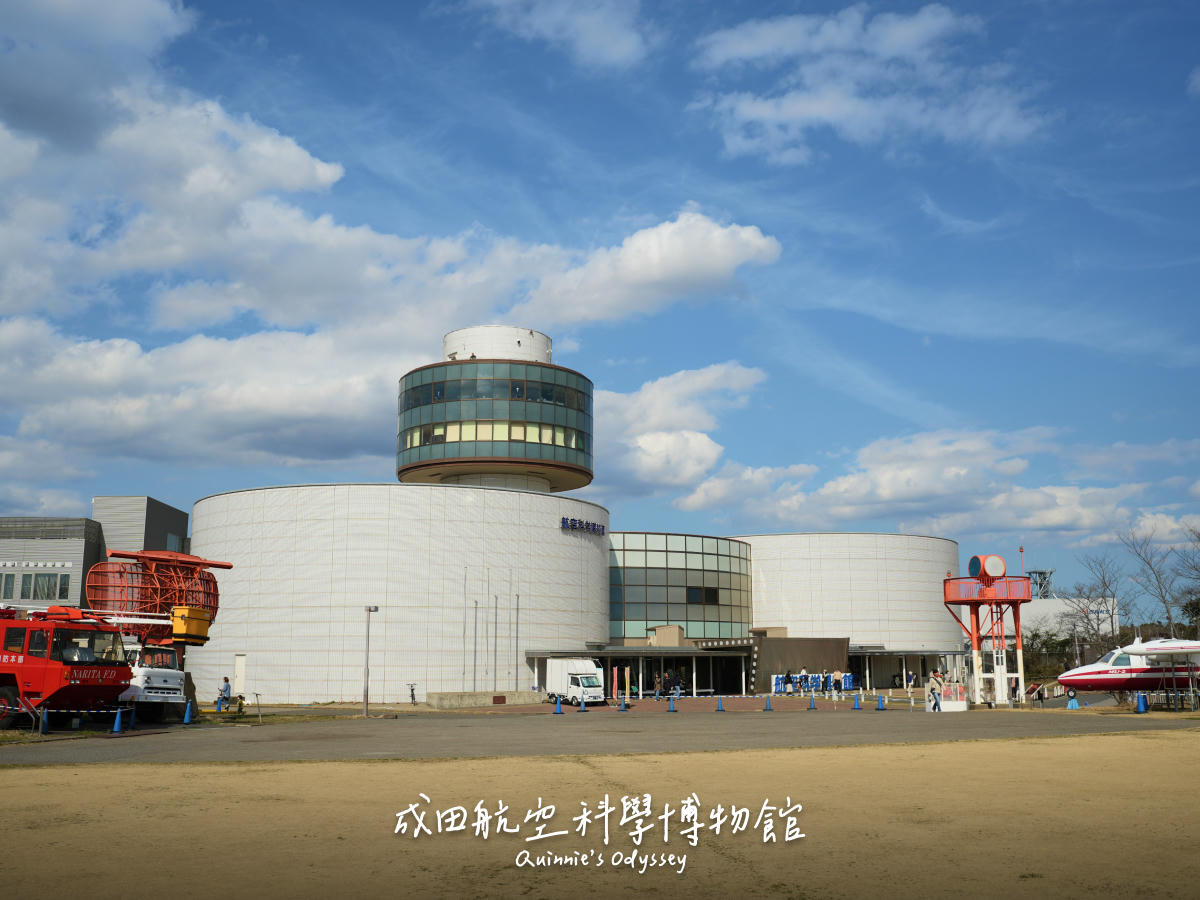
Did you know there’s a surprisingly interesting spot near Narita International Airport? It’s the Museum of Aeronautical Sciences.
Located just south of the airport, this is one of the few museums in Japan dedicated specifically to civil aviation. Inside, you’ll find retired aircraft on display, along with interactive experiences like cockpit simulators and exhibits explaining how planes actually work. Whether you’re an adult or visiting with kids, there’s a lot to learn and explore.
The museum has five floors, each with its own theme.
I got there because there were a few hours to kill before a flight, about 5-6 hours, and wanted something close to the airport that wasn’t too time-consuming. And it turned out to be a great choice.
From Terminal 2 at Narita International Airport, head out from North Exit 3, then walk to Bus Stop No. 2.
Take the bus bound for:
“Nanbu Industrial Complex / Sanrizuka / Museum of Aeronautical Sciences / Satellite Narita” (南部工業団地・三里塚・航空科学博物館・サテライト成田)
The ride takes about 12 minutes.
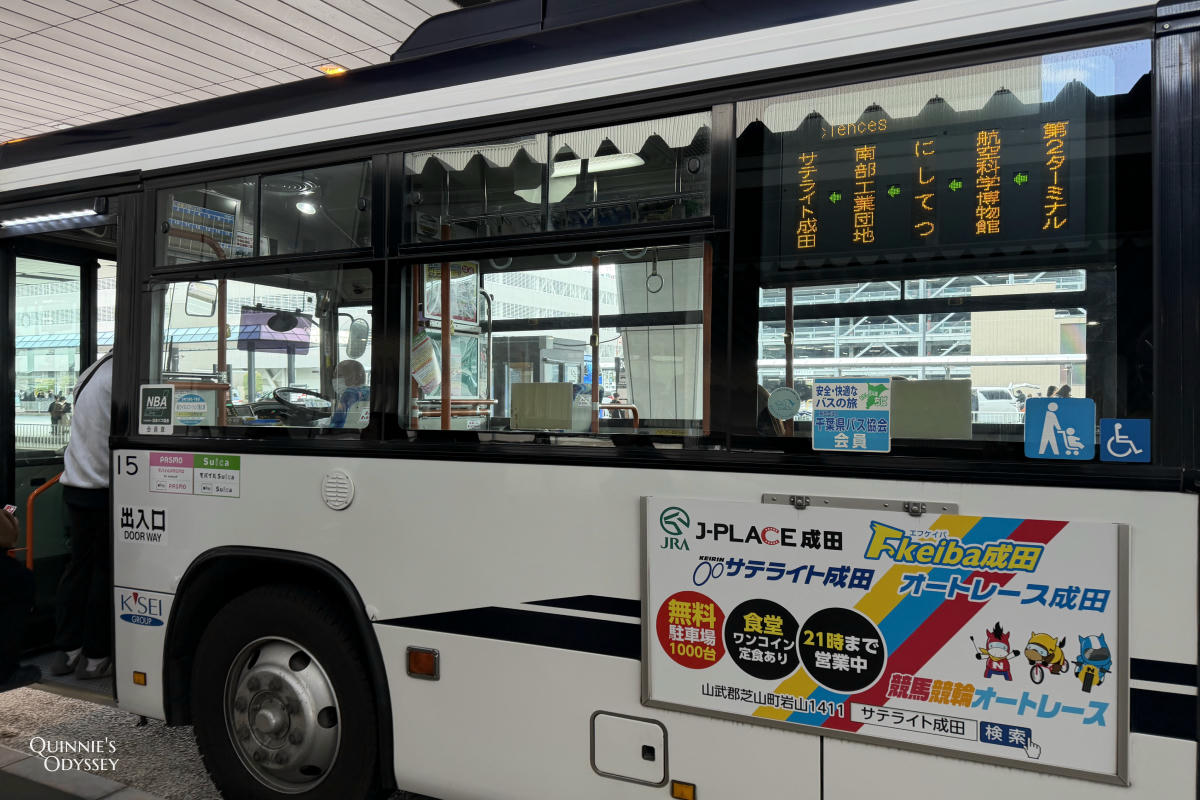
Some buses stop directly inside the museum, while others stop nearby, you’ll just need to walk a short distance. Either way, the difference is minimal.
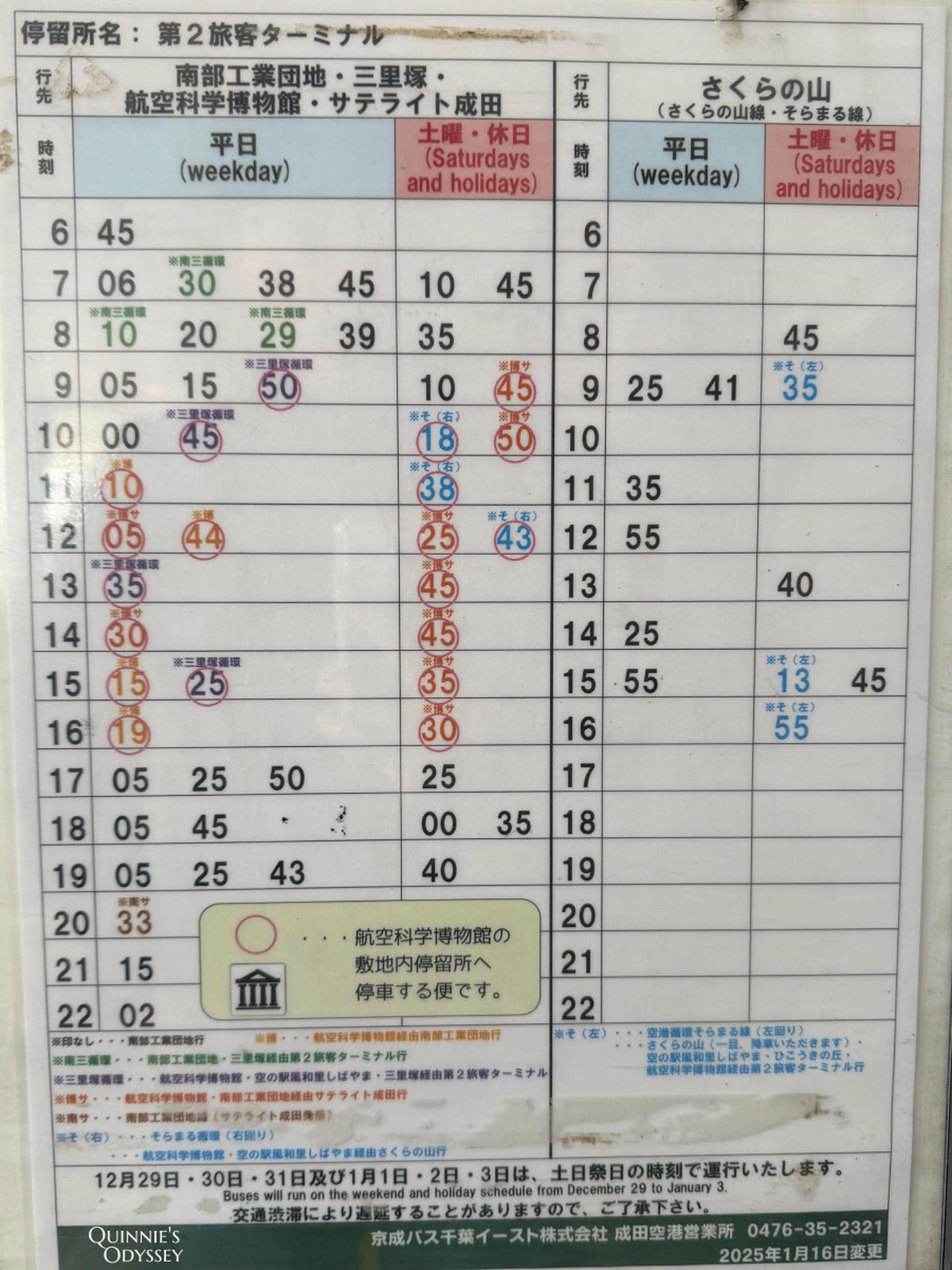
There’s a bus stop right outside the museum exit.
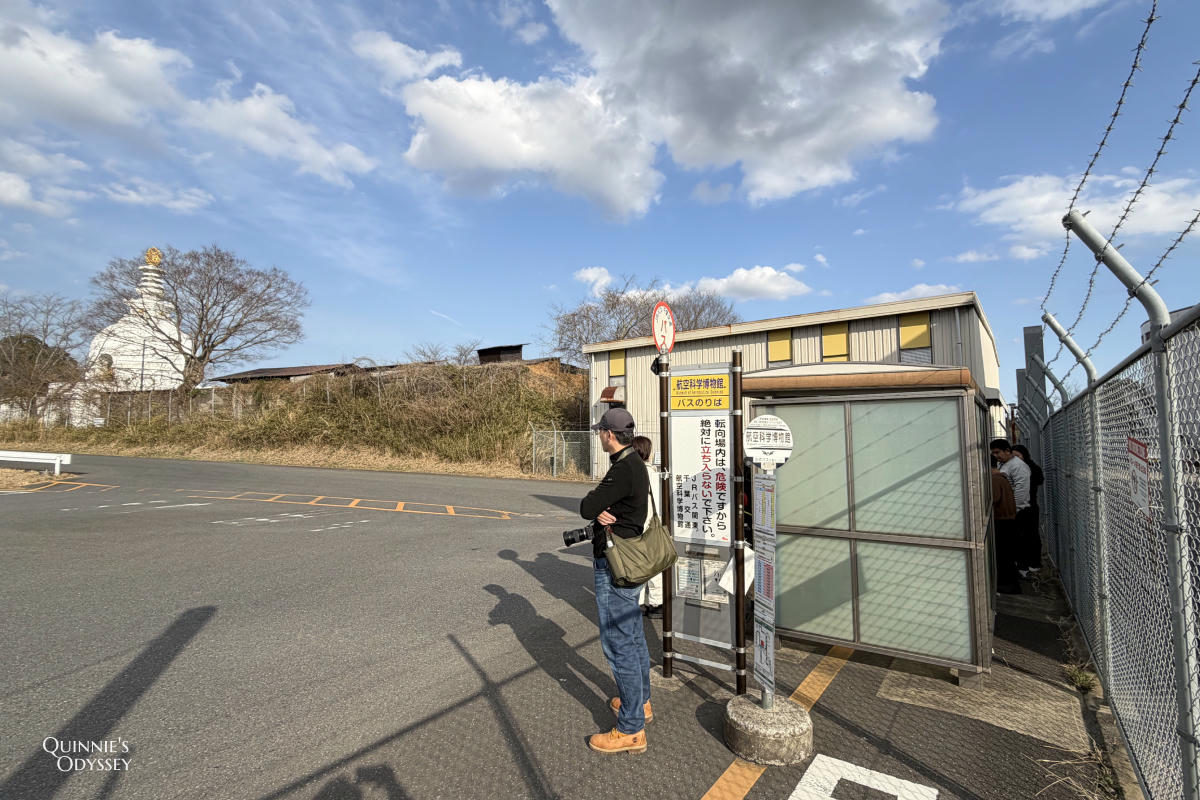
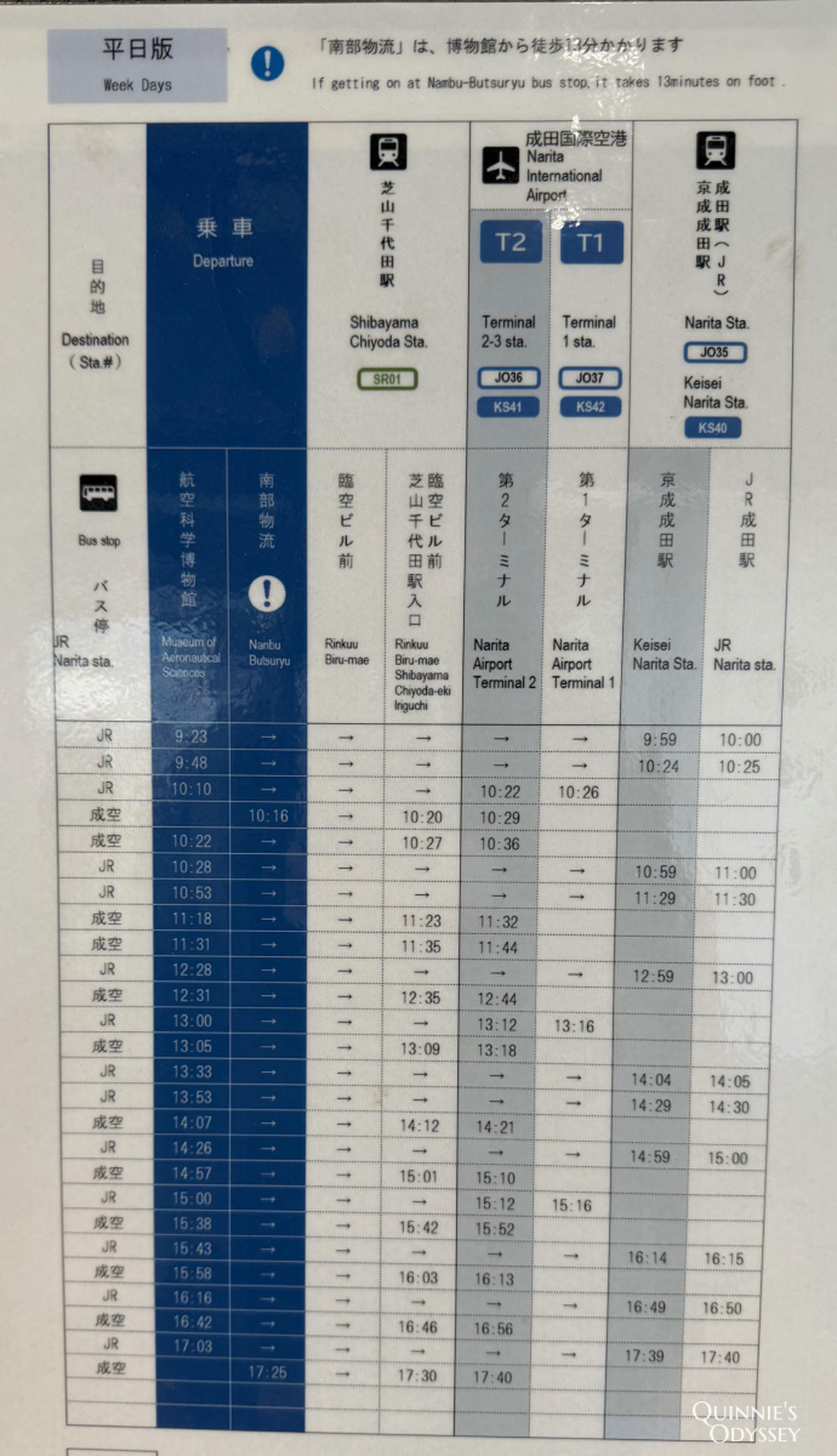
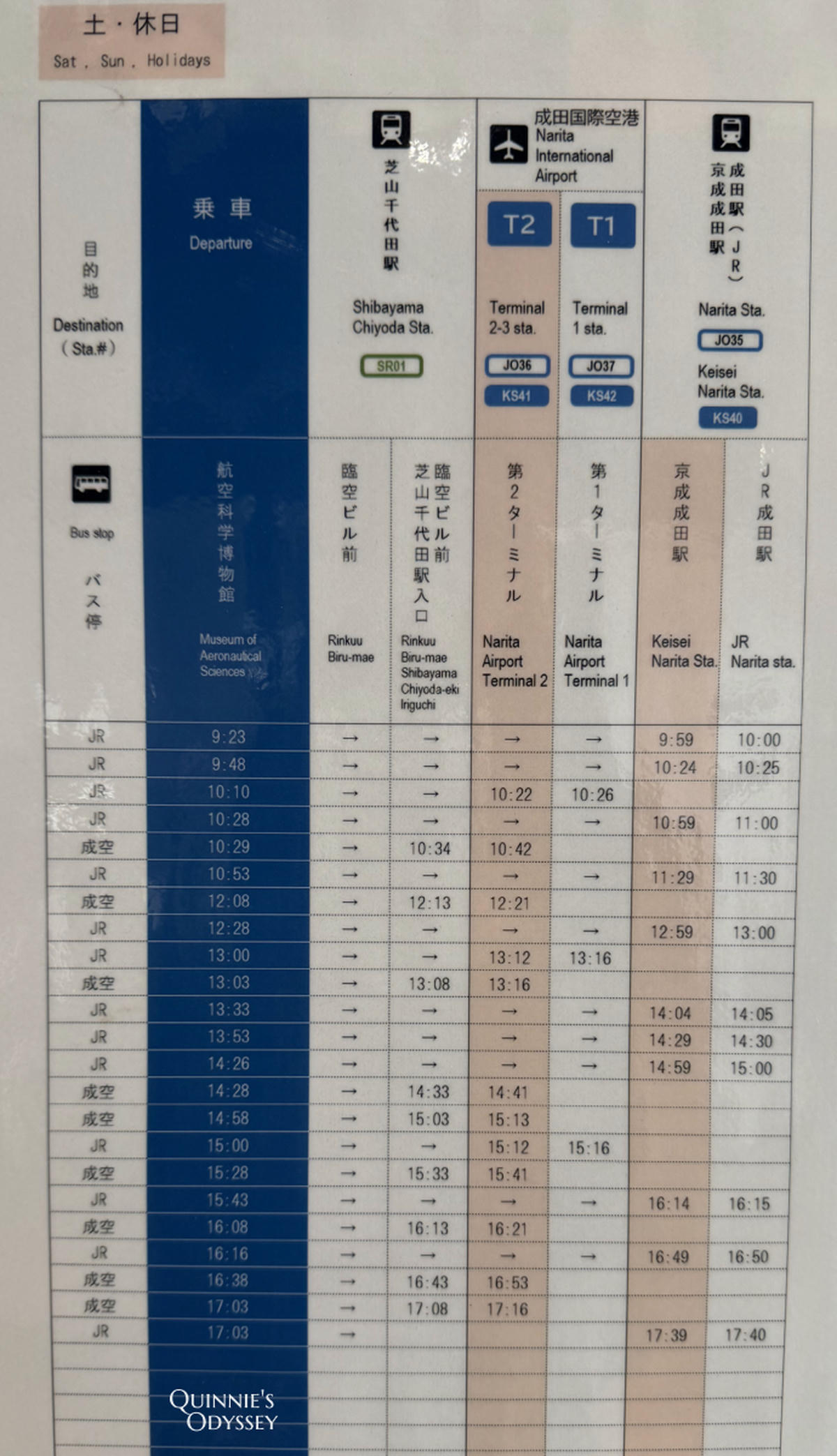
From here, you can take buses back to Narita Airport, Keisei Narita Station, JR Narita Station.
Buses run about 2–3 times per hour, depending on the day.
Weekday schedule👇
Weekend schedule👇
Before entering the museum, you’ll pass an open outdoor exhibition area.
This is a large grassy space with around 20 real aircraft from the 1950s to 1980s, including classic models like the YS-11, as well as small planes and helicopters.
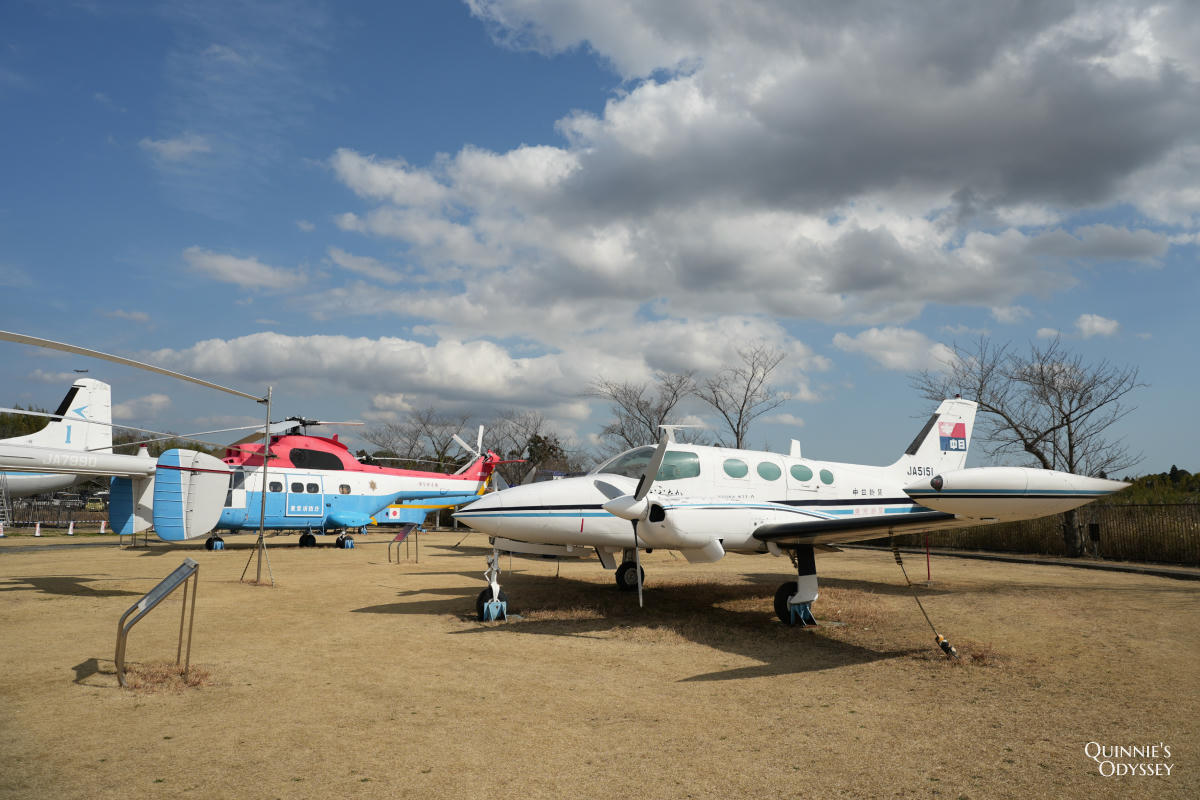
You can walk right up to them, even stand under the wings, and take a close look at the structure, which feels incredibly real.
At the same time, planes from Narita International Airport frequently fly overhead. Seeing retired aircraft on the ground and active planes in the sky at once is pretty impressive.
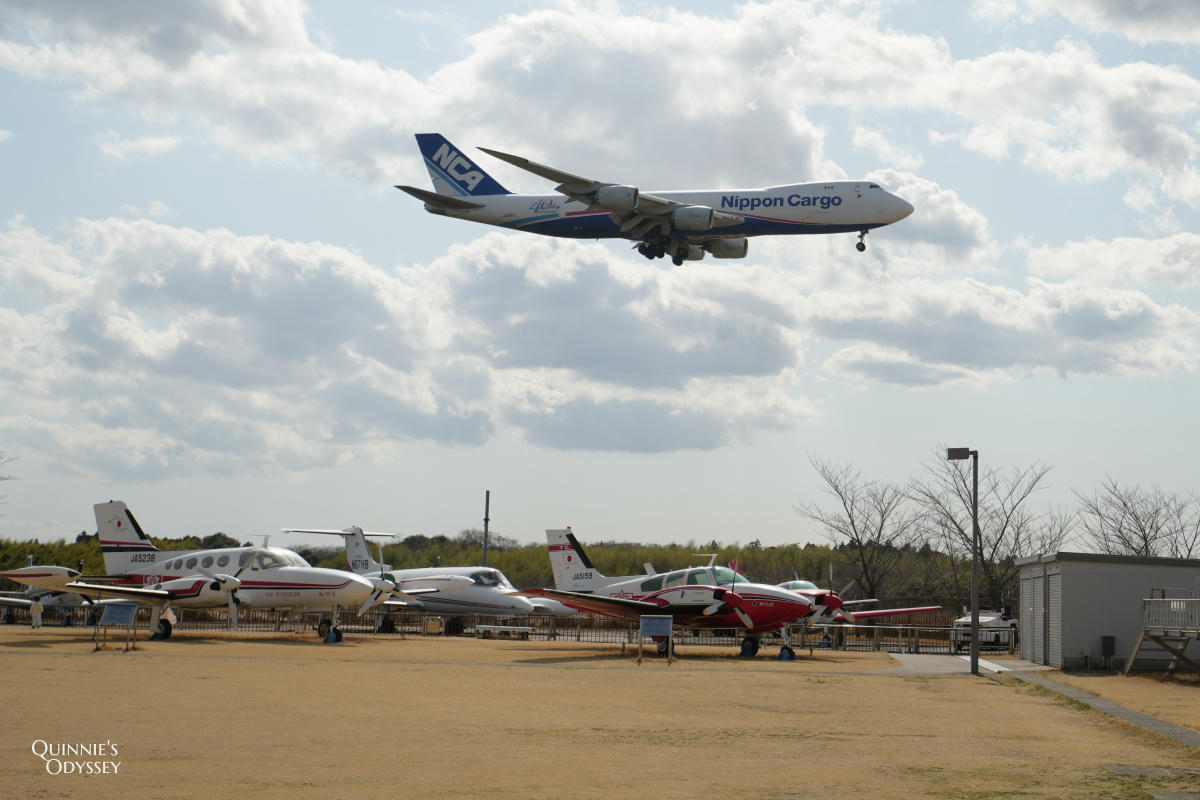
Some aircraft can even be entered for an extra fee (a few hundred yen), which is worth it if you have time.
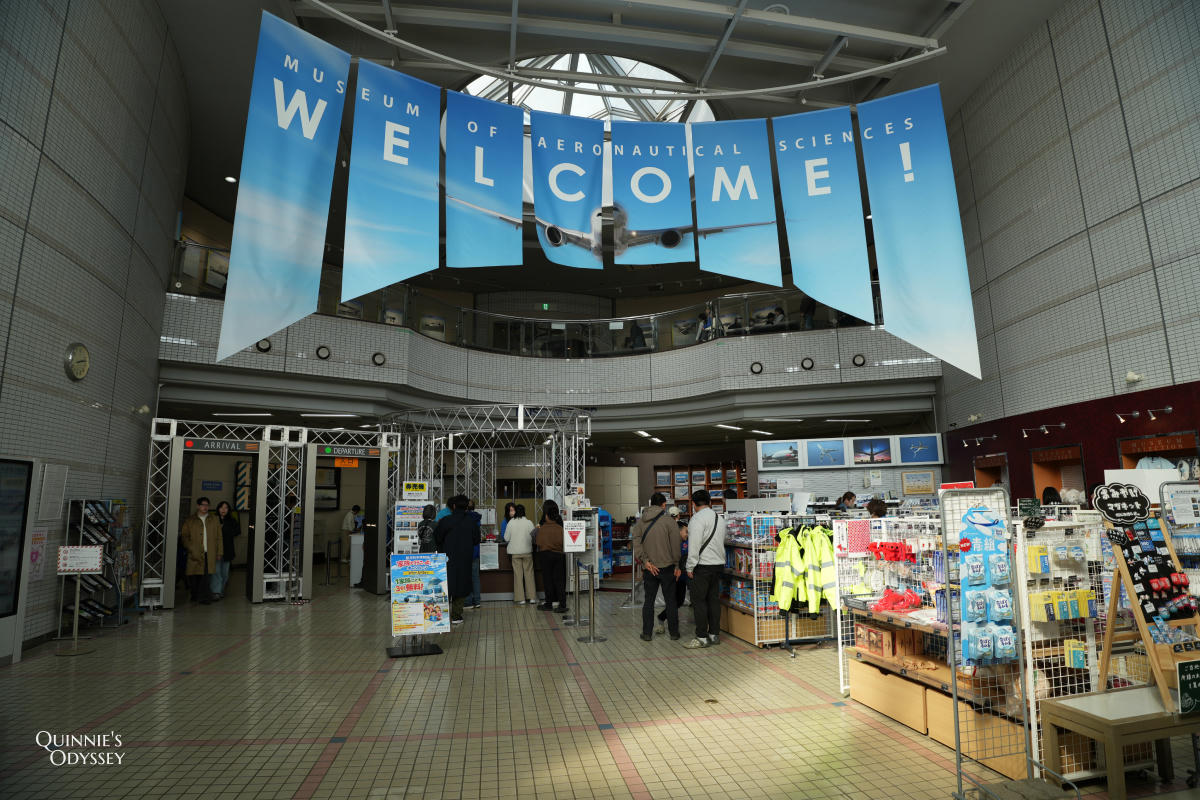
The entrance hallway is designed to resemble Narita Airport’s runway, which is a fun touch.
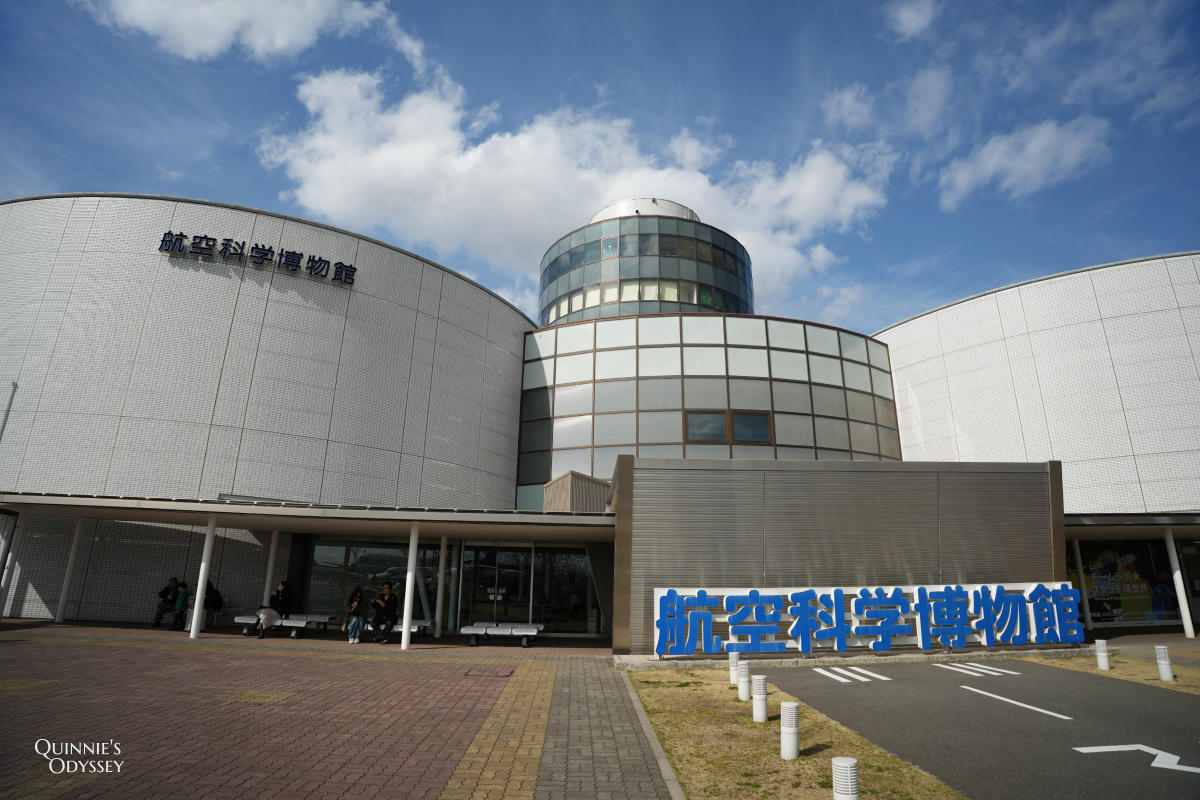
Right next to the entrance is the ticket counter, followed by a souvenir shop selling model planes, aviation-themed stationery, and pilot-related items.
One of the highlights here is the aircraft structure exhibit, where you can see things like engine cross-sections and aircraft materials explained in an easy-to-understand way.
There’s also a cross-section of a Boeing 747, showing the interior layout, from seating to cargo space, like slicing a plane open.
Another standout is a real jet engine display, paired with projections showing how it works. Seeing it up close really puts its massive size into perspective.
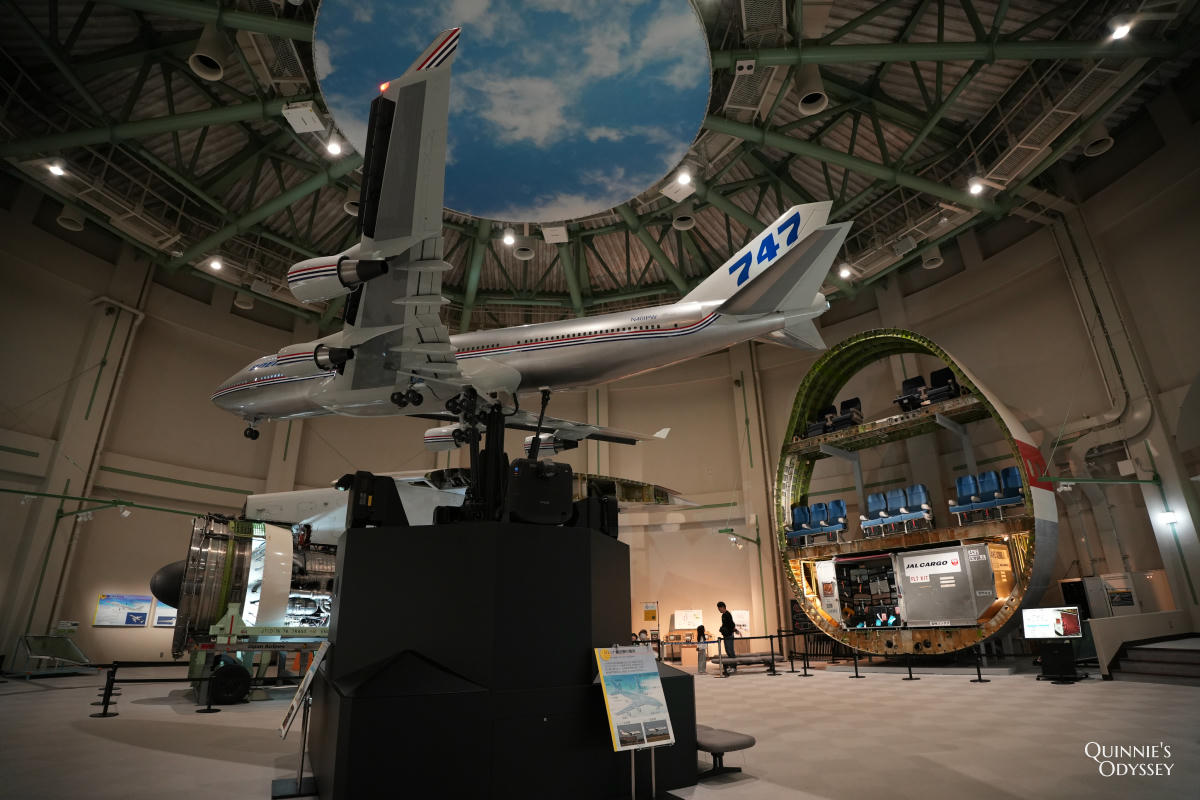
There are also scaled-down cross-section models of airplanes, showing how the interior space is divided and organized.
Some aircraft even have double-deck layouts, and the upper level looks surprisingly spacious, almost luxurious. It was something I had never really imagined before seeing it in person.
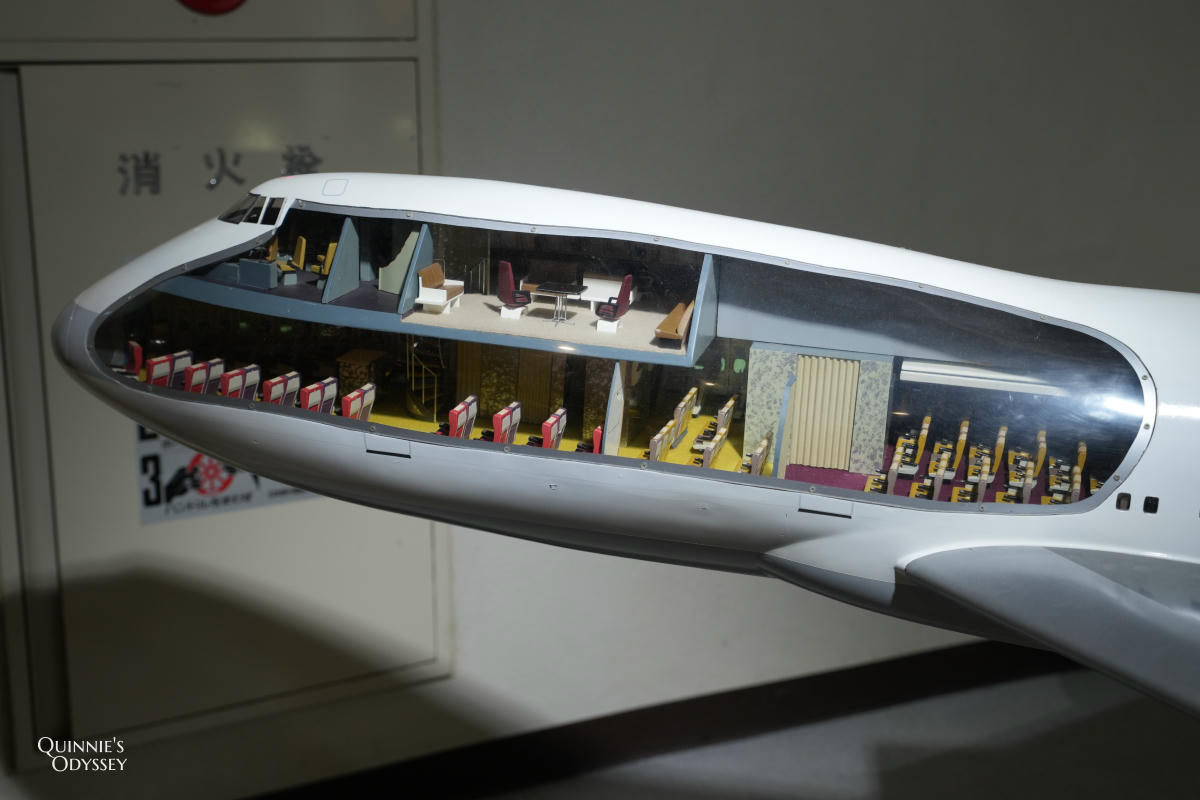
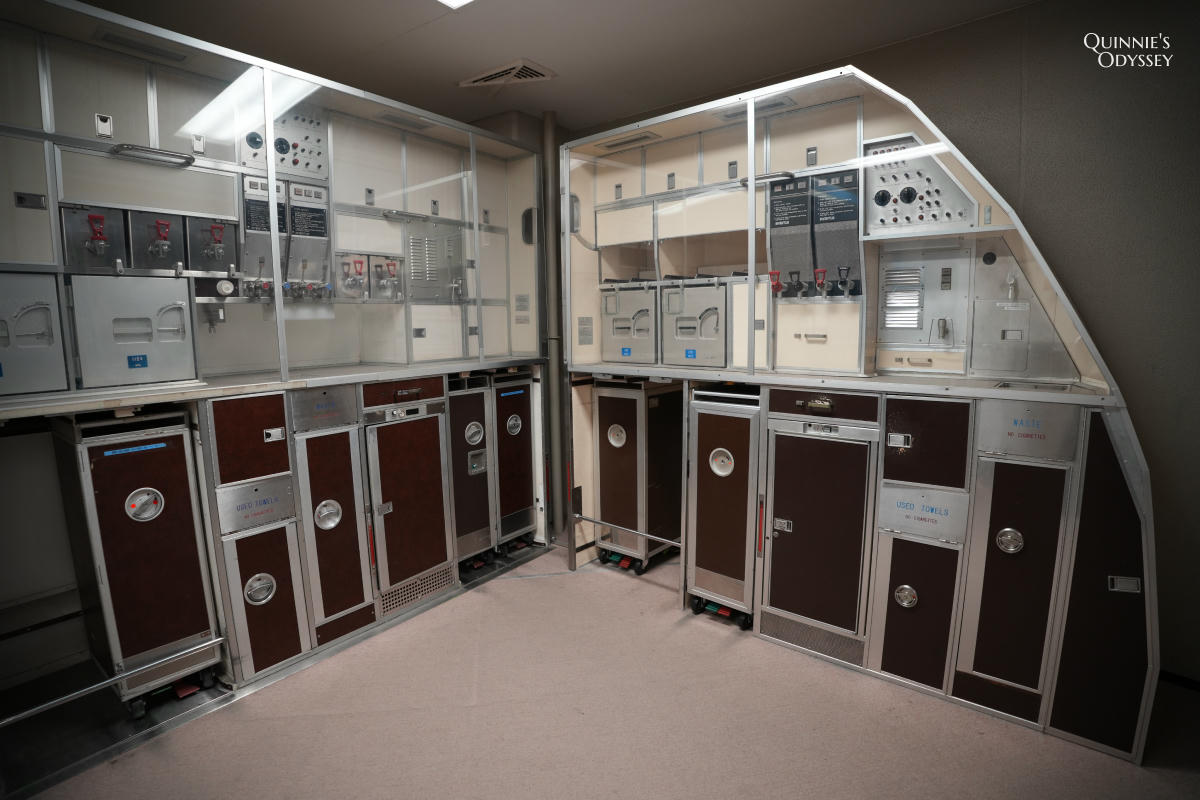
There are also scaled models and even a full-size cabin mockup you can walk into. You can explore areas you normally wouldn’t see, like business class seats and the galley (airplane kitchen).
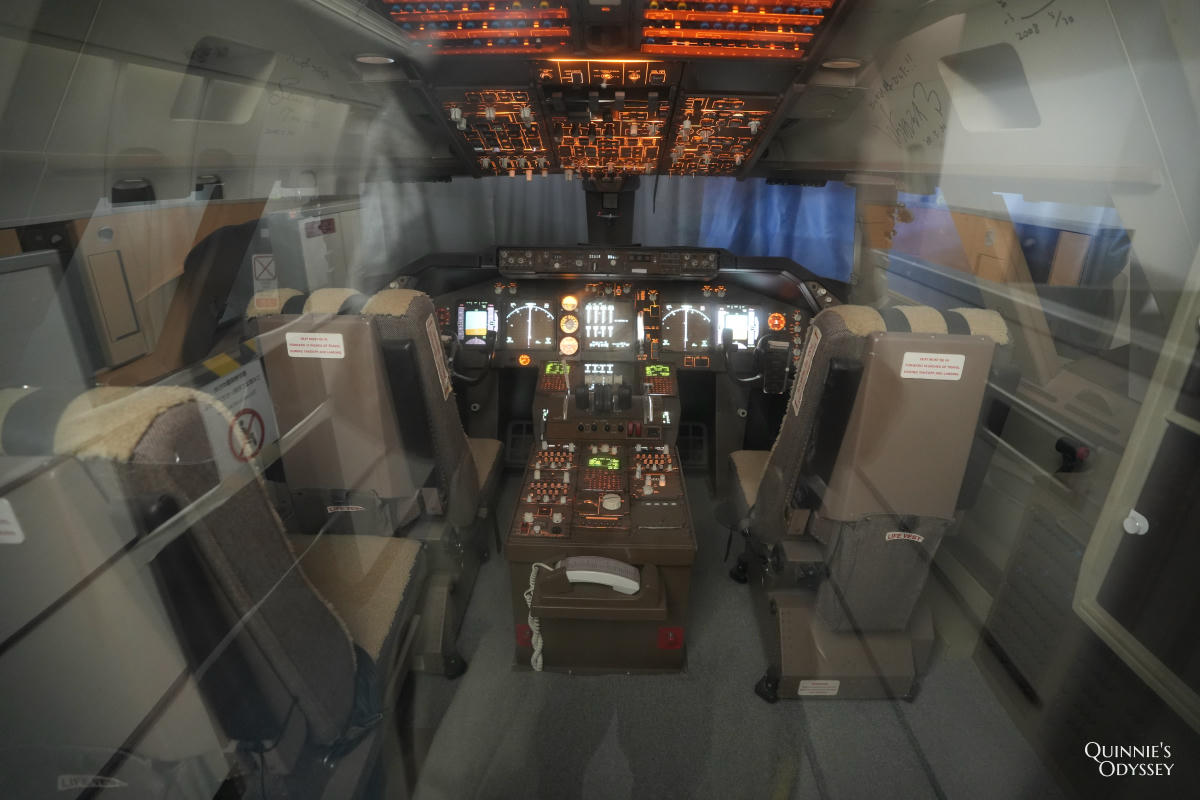
You can even get a glimpse of the cockpit.
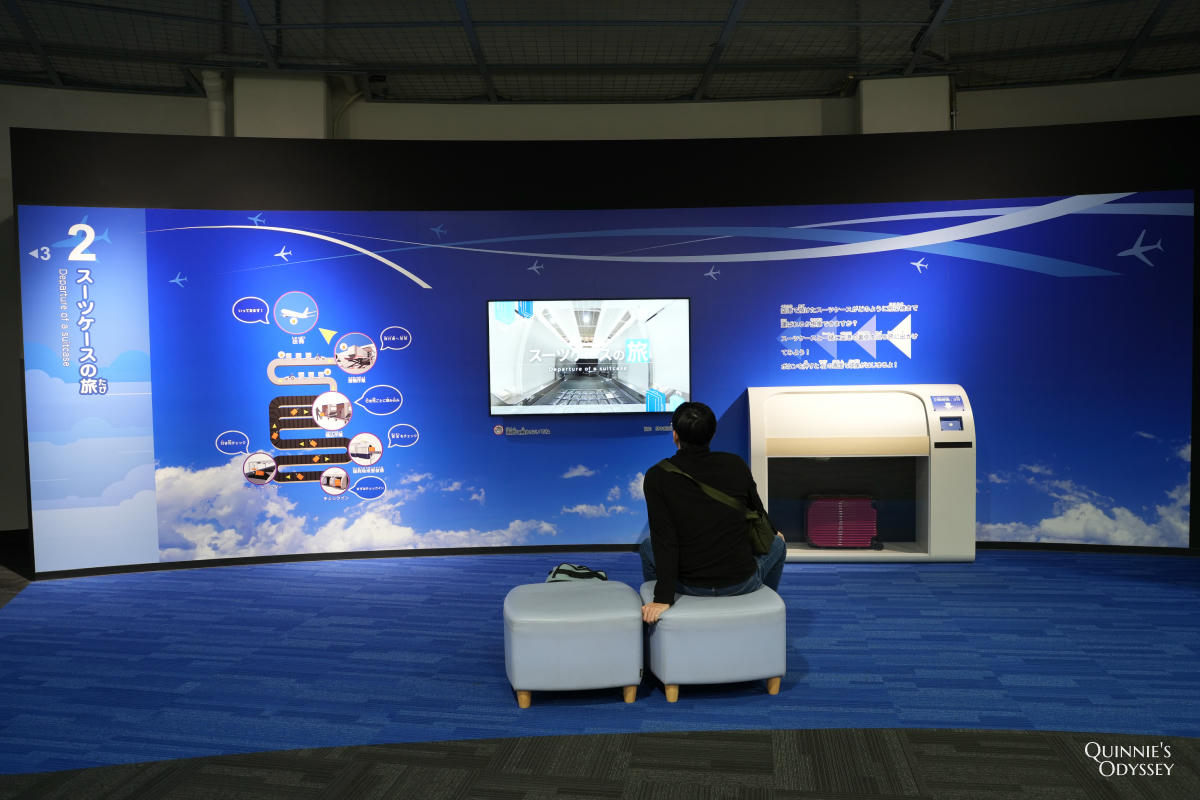
The second floor focuses on hands-on learning.
Through large screens and interactive panels, you can explore different airport jobs and how everything works behind the scenes.
One particularly interesting section explains how checked luggage is handled – from check-in to sorting and finally being loaded onto the plane. Watching the full process makes you realize what happens after your suitcase disappears at the counter.
If you want a deeper experience, there’s also a separate area with paid flight simulators, where you can try flying aircraft like a Boeing 737 or 777. Same-day reservations are required, and popular time slots fill up quickly.
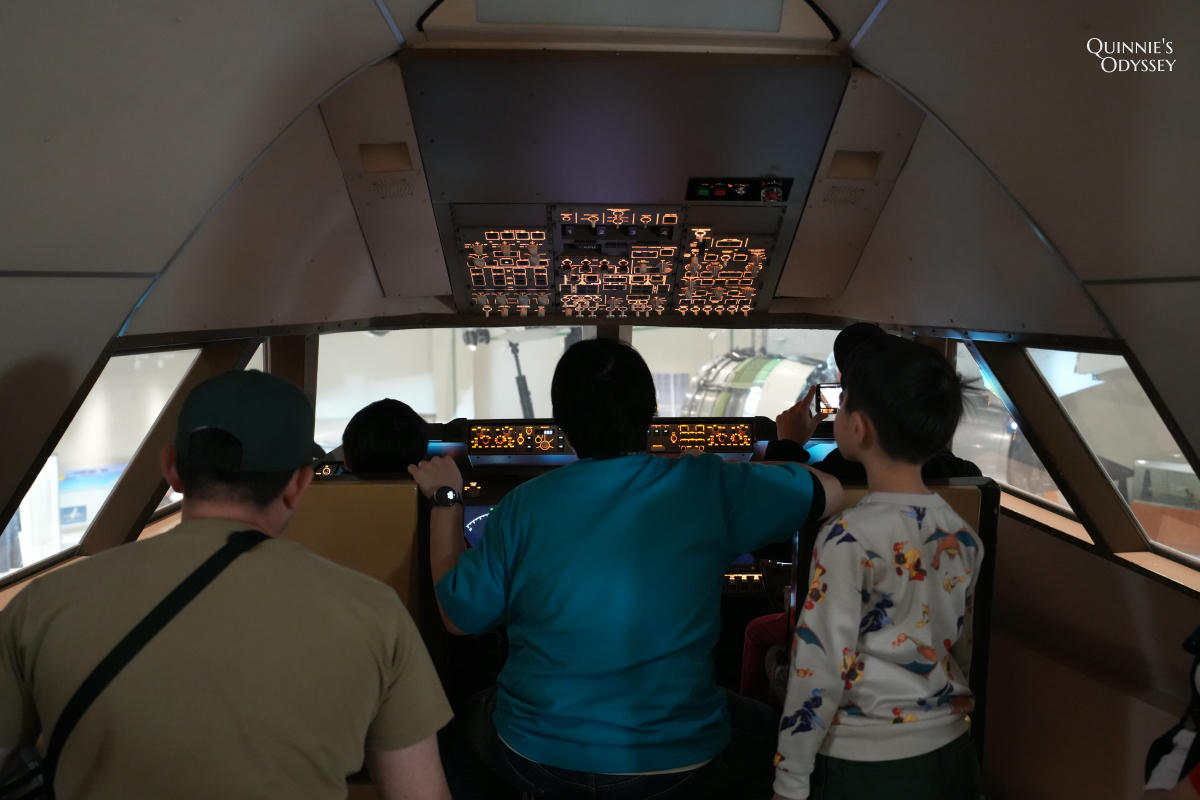
There’s also a small aircraft cabin you can step into, it’s surprisingly cramped!
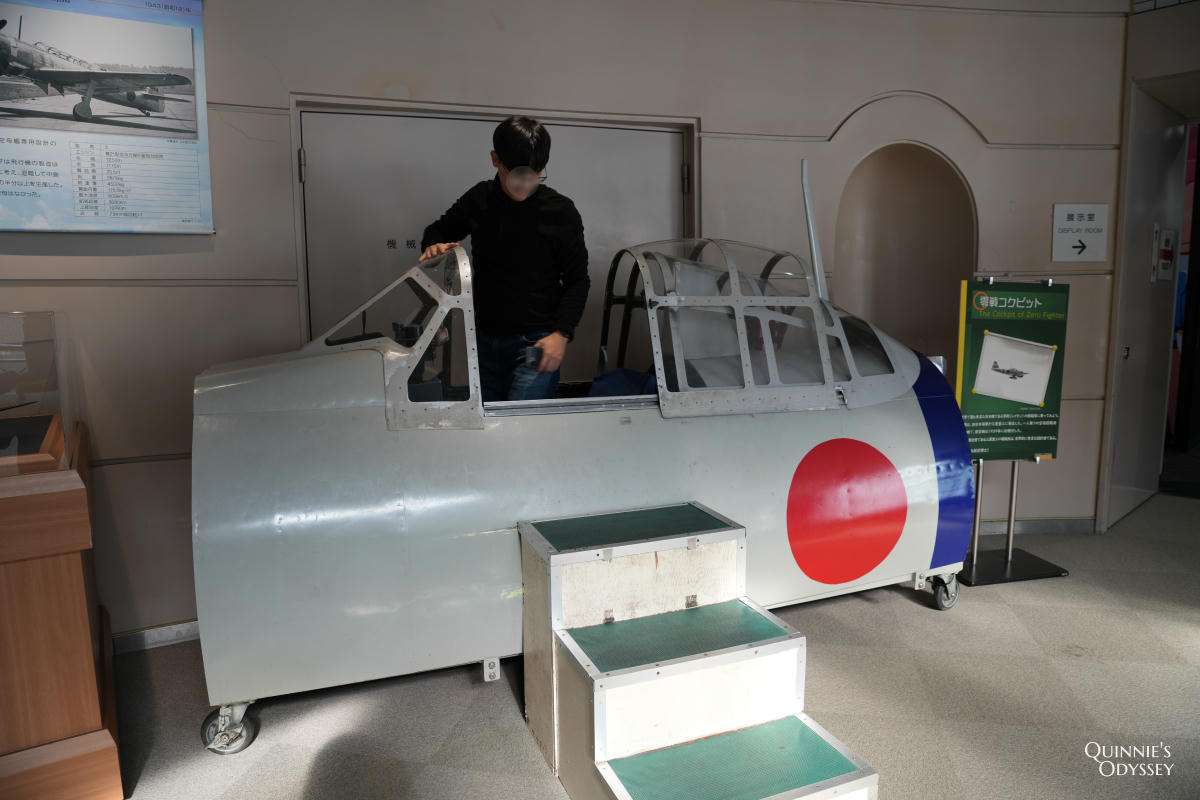
From the third-floor observation deck, you can watch planes take off and land.
The viewpoint is close to runway level, which sounds great. But in reality, the planes are still a bit far away, so it’s not the best spot for dramatic close-up shots.
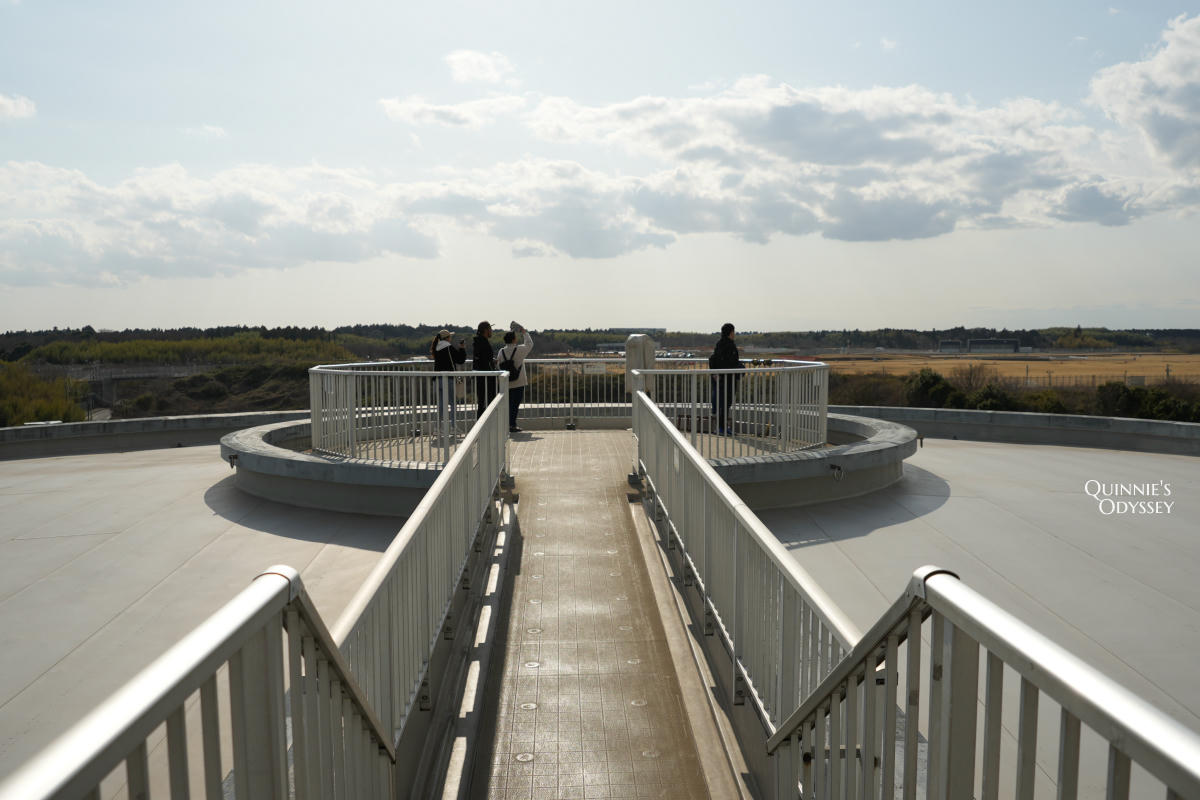
The fourth floor has a restaurant called Balloon, where you can dine while watching planes outside.
It has around 56 seats and is open:
The menu is inspired by airplane meals, which adds a fun theme to the experience.
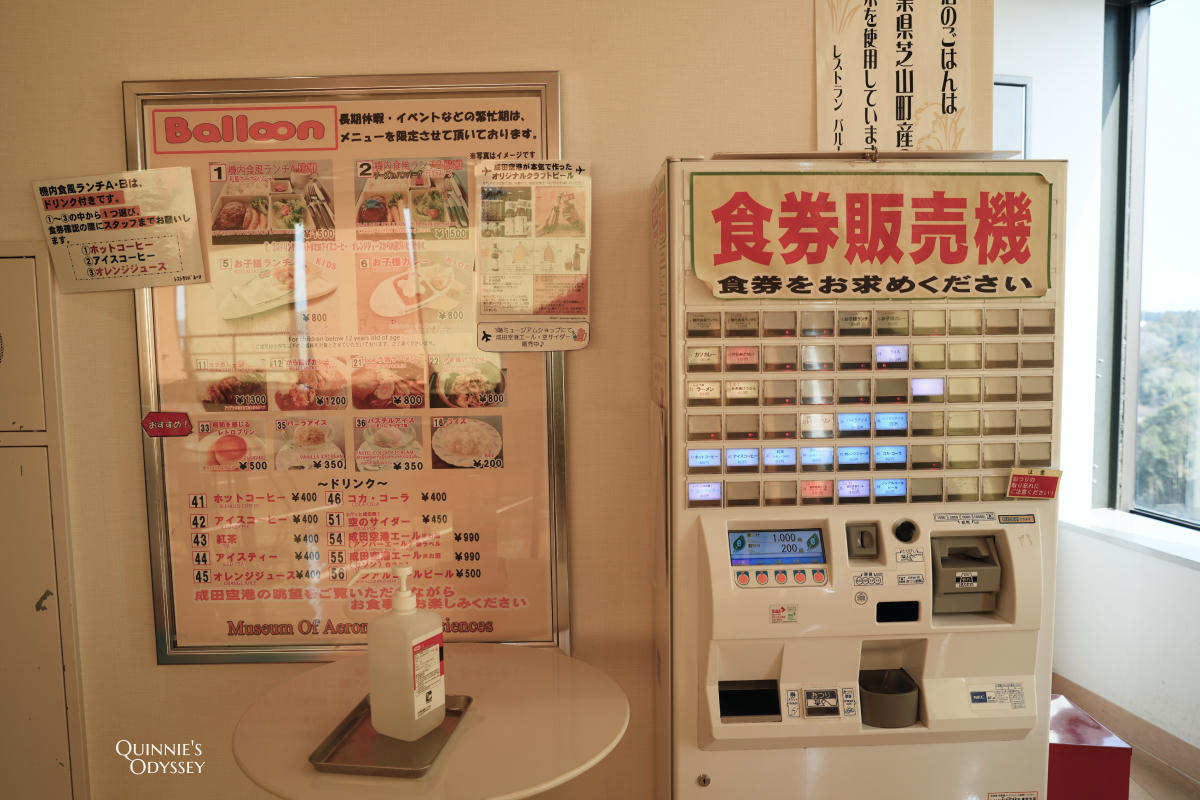
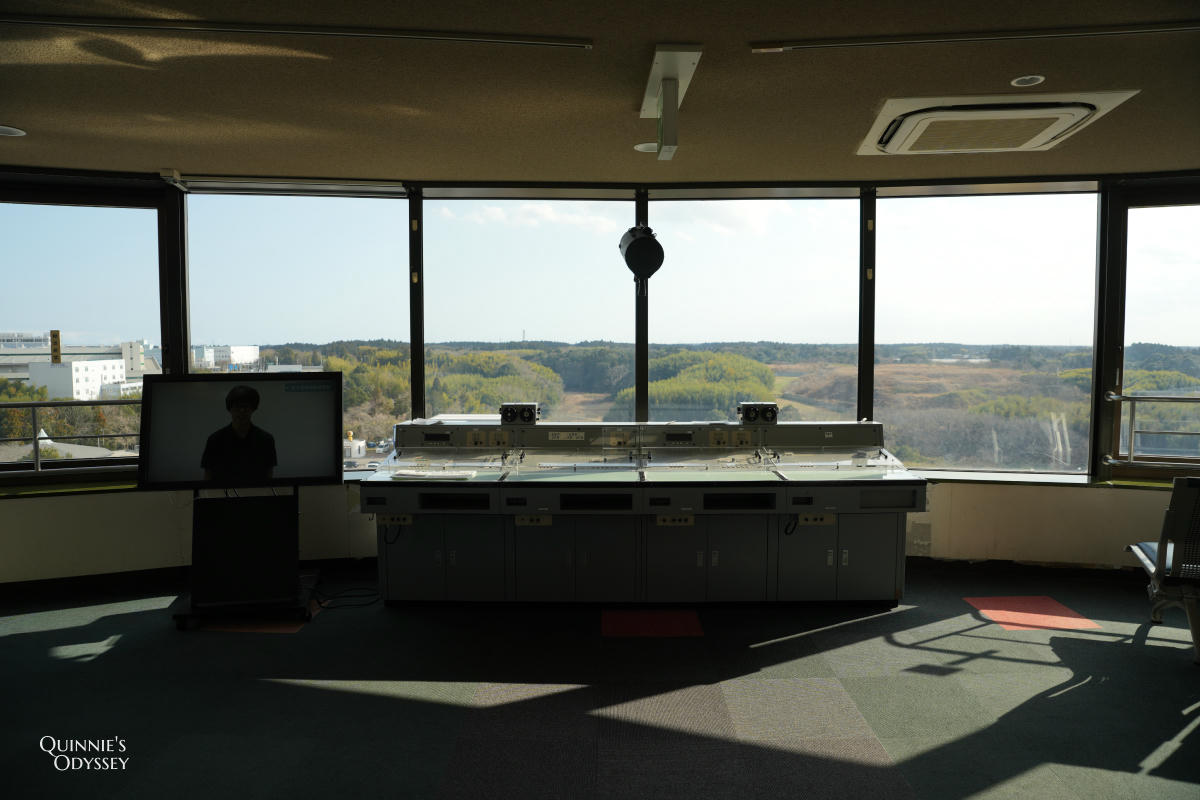
The fifth floor recreates a control tower environment, featuring real retired air traffic control equipment.
You can stand at the control panel and imagine what it’s like to work in a tower, with a wide, immersive view around you.
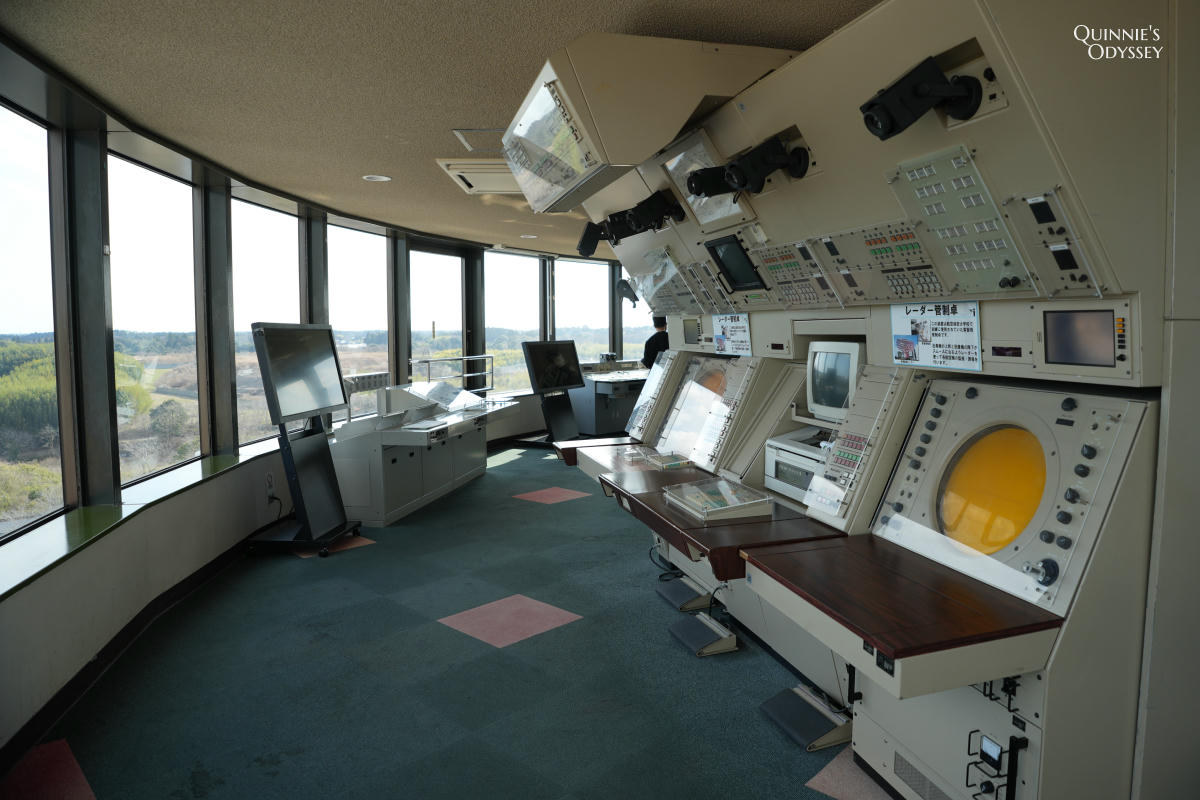
This is the highest point in the museum, offering a 360-degree open view with no glass barriers.
You can clearly see the runways at Narita International Airport and watch planes take off and land at frequent intervals.
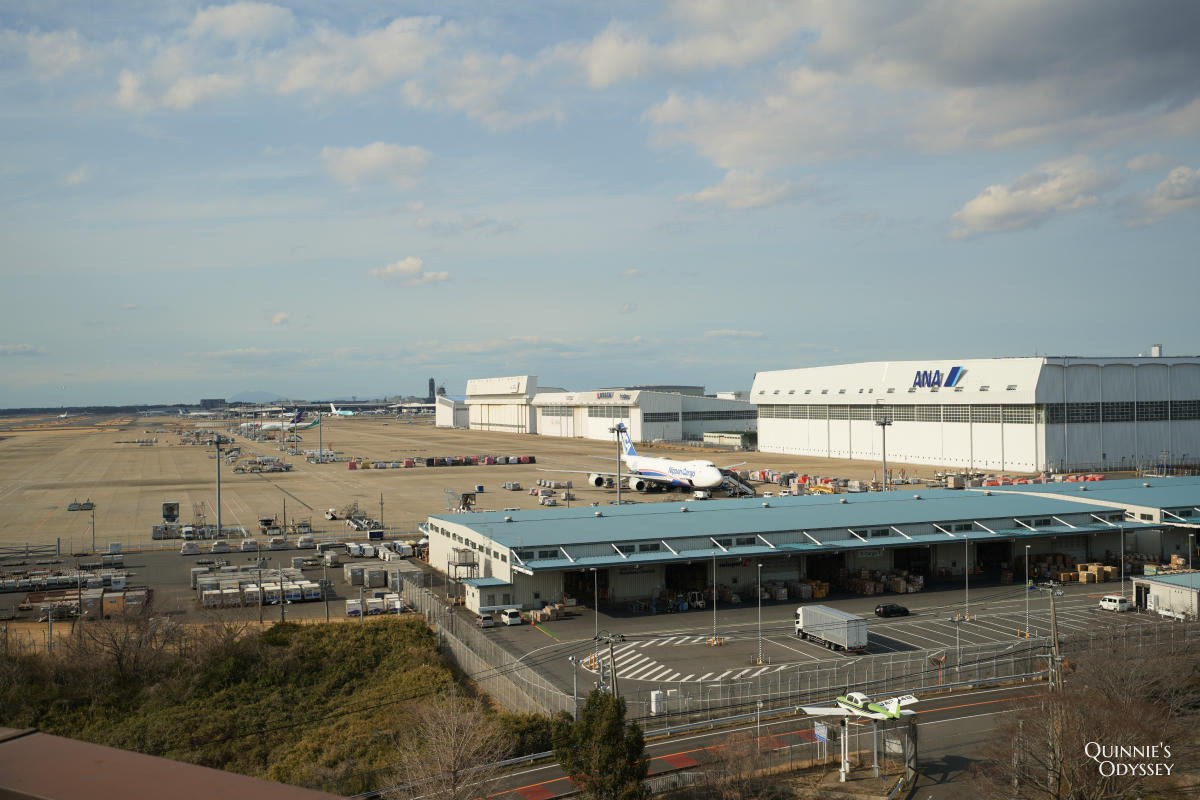
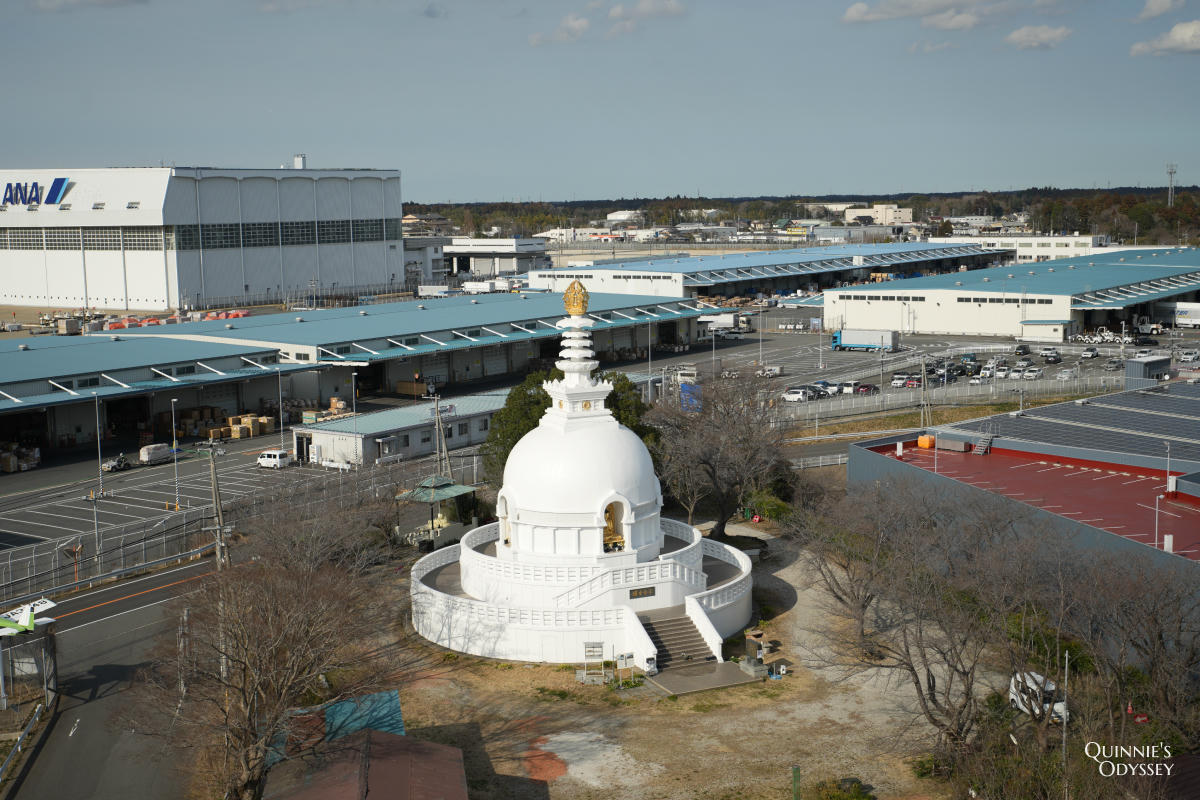
From here, you can also spot Myohoji Temple Narita Dojo nearby, a temple standing quietly among airport facilities, which feels like a surprisingly unique contrast.
▼ Exclusive Deal for Sika Readers ▼
Use code【DNBDRT】👉👉 Save ¥3,000on your TOCOO! car rental(view guide)
▼ Tokyo Travel Essentials ▼

Thanks for reading!
If you’re interested in my stories, feel free to follow me on Instagram.
👉👉 IG: @sika_artist 👈👈