Physical Address
304 North Cardinal St.
Dorchester Center, MA 02124
Physical Address
304 North Cardinal St.
Dorchester Center, MA 02124

Visiting Kurama-dera feels very different from most temples and shrines in Kyoto.
You actually have to hike your way up the mountain. Step by step, you climb stone paths, pass through towering cedar forests, and slowly make your way into this mysterious, almost otherworldly space.
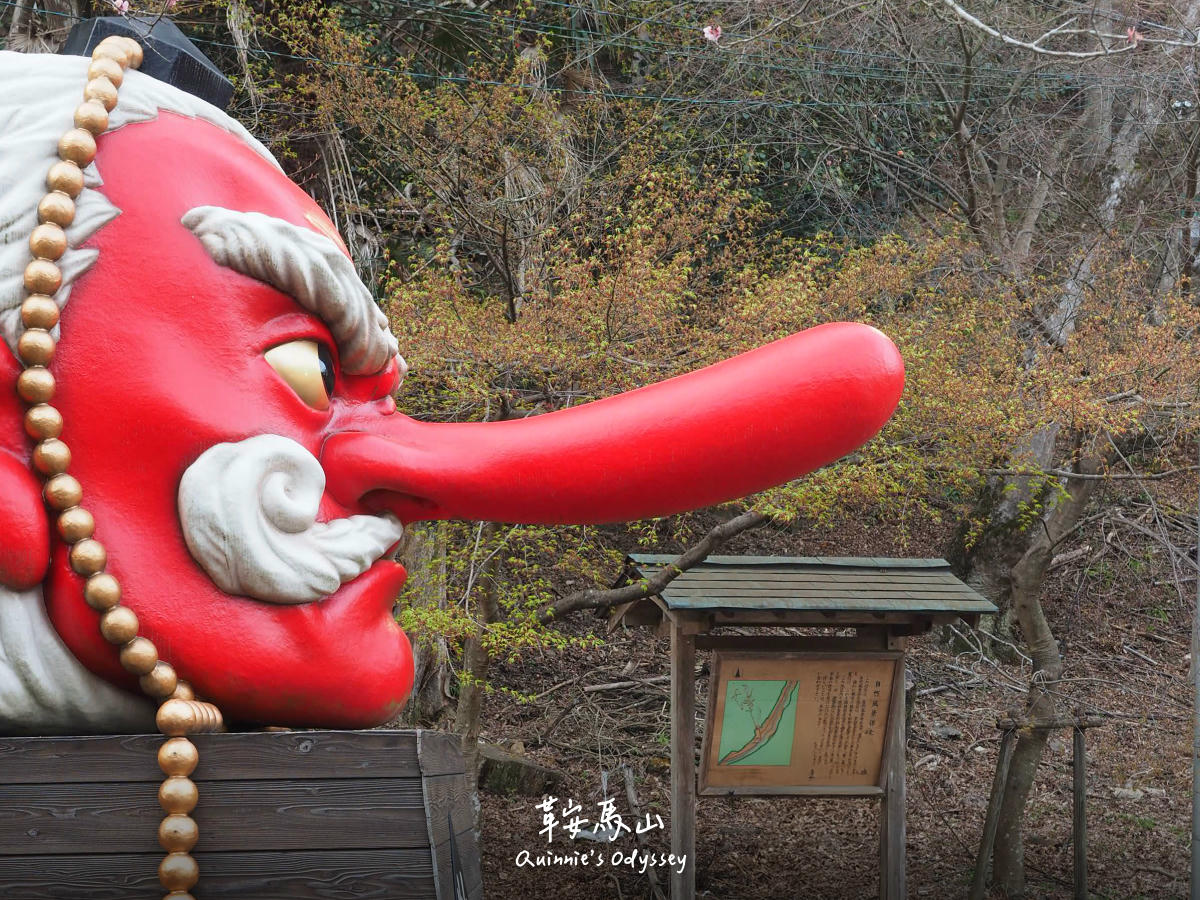
Mount Kurama has a long history and is deeply connected to legends of the tengu. Over time, it’s also become known as one of Kyoto’s most famous “power spots.”
Many travelers pair Kurama-dera with Kifune Shrine in the same trip, hiking from one side of the mountain to the other. It’s not the easiest walk, but that’s exactly what makes it so memorable.
Mount Kurama is known as one of Japan’s most mystical mountains and home to Kurama-dera, founded in 770 during the late Nara period.
One of its most famous legends is tied to Minamoto no Yoshitsune (Ushiwakamaru) and the Tengu. After his father was killed during the Heiji Rebellion, Yoshitsune was sent to Kurama Temple at a young age. It’s said that he secretly ventured into the mountains at night, where he met the Tengu of Kurama and trained in martial arts.
Later, upon learning his true identity, Yoshitsune joined his brother Minamoto no Yoritomo to defeat the Taira clan and restore the Minamoto family, though his life ultimately ended in tragedy.
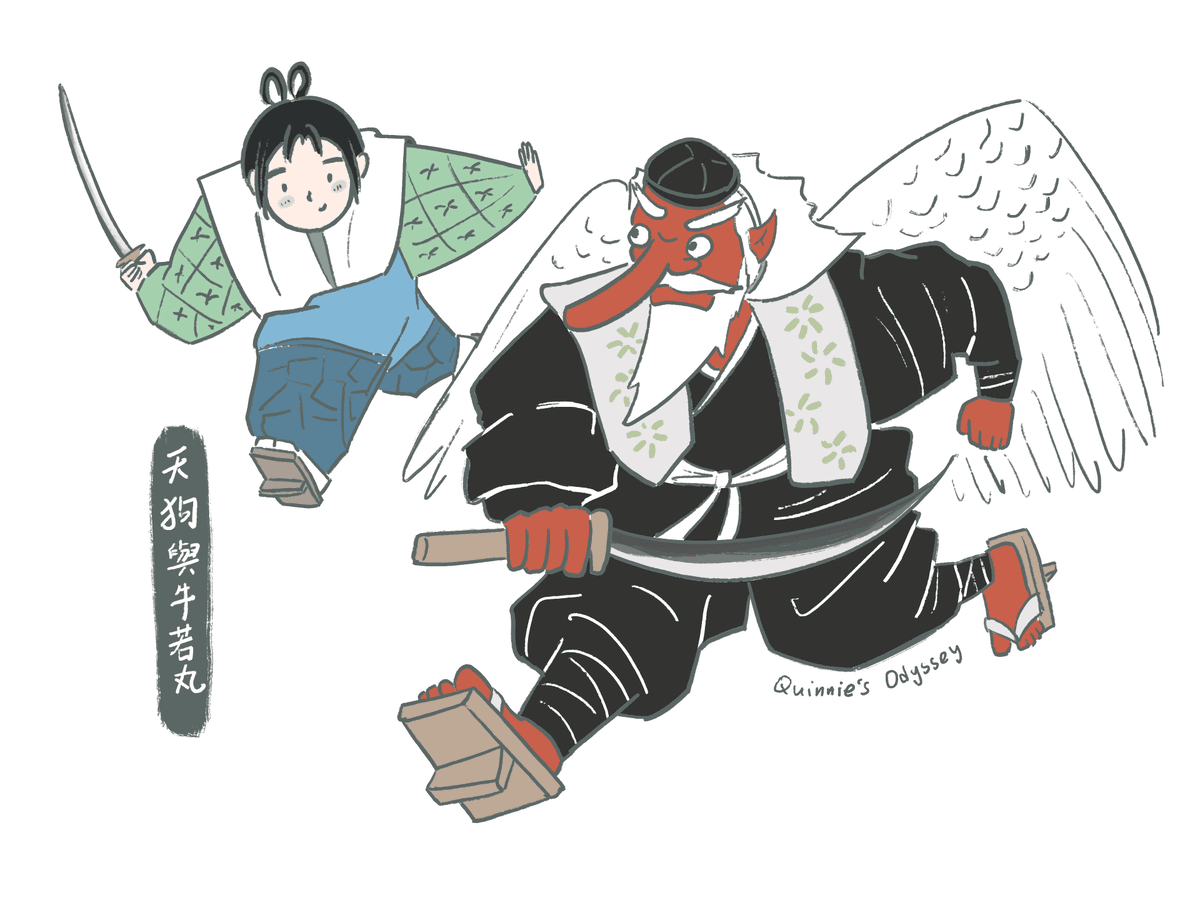
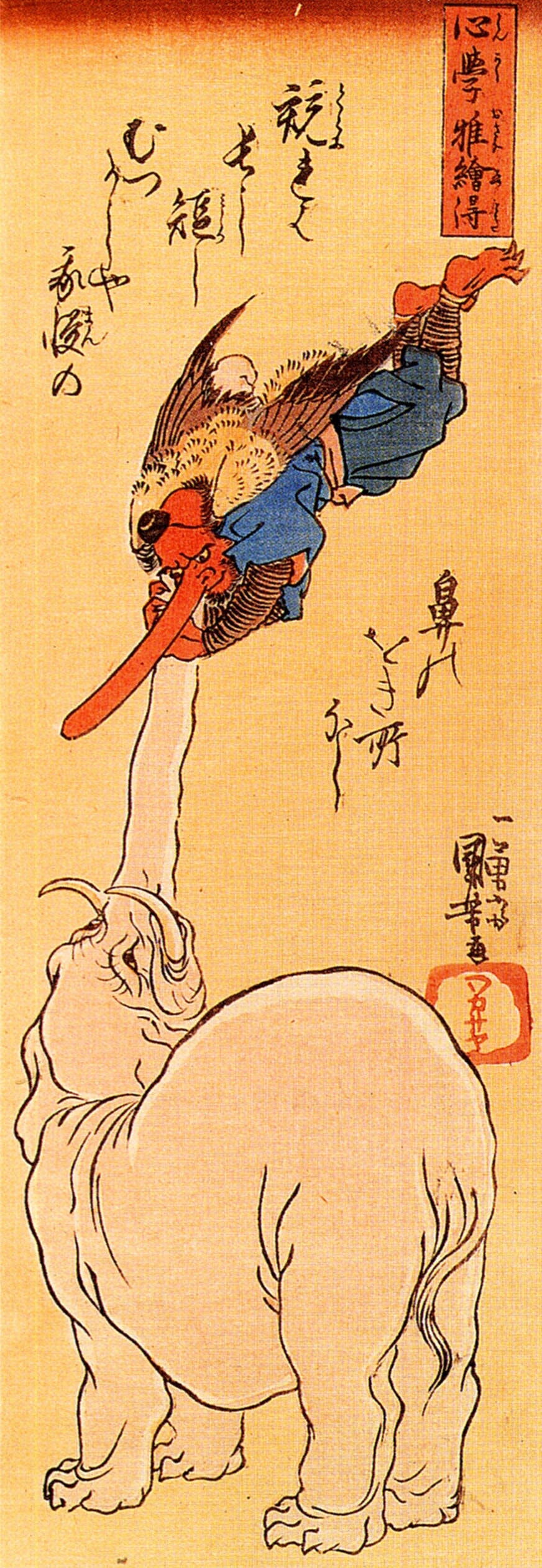
According to legend, Mount Kurama, located in northern Kyoto, is home to the mythical Tengu, supernatural beings believed to be protectors of the forests and mountains.
In the Nihon Shoki, it is written that in the 9th year of Emperor Kōtoku’s reign (A.D. 637), on a February night, a huge star moved rapidly from east to west, followed by a thunder-like sound. Some believed it was the sound of a meteor, while others called it an earthquake. However, the monk Min claimed it was not a meteor, but a Tengu, whose barking sound resembled thunder.
Tengu are mysterious shape-shifting creatures. The Daitengu have red faces and long noses, while the Karasu Tengu have the beaks of crows. They are said to live in the giant sugi (Japanese cedar trees), whose twisted roots symbolize the Tengu’s mysterious domain on Mount Kurama.
Today, let’s explore the legendary home of the Tengu, Mount Kurama!

If you don’t hike often or just want a relaxed visit, this is the most common route.
Starting from Kurama Station, it takes over an hour one way to reach the main hall of Kurama-dera. It can be a bit challenging if you’re not used to uphill walking.
Route 👉 Kurama Station → Niomon Gate → Yuki Shrine → Kurama-dera Main Hall
If you want to save energy, a great option is to take the cable car up and walk down.
With the cable car, it takes about 45 minutes (including waiting time) to reach the main hall.
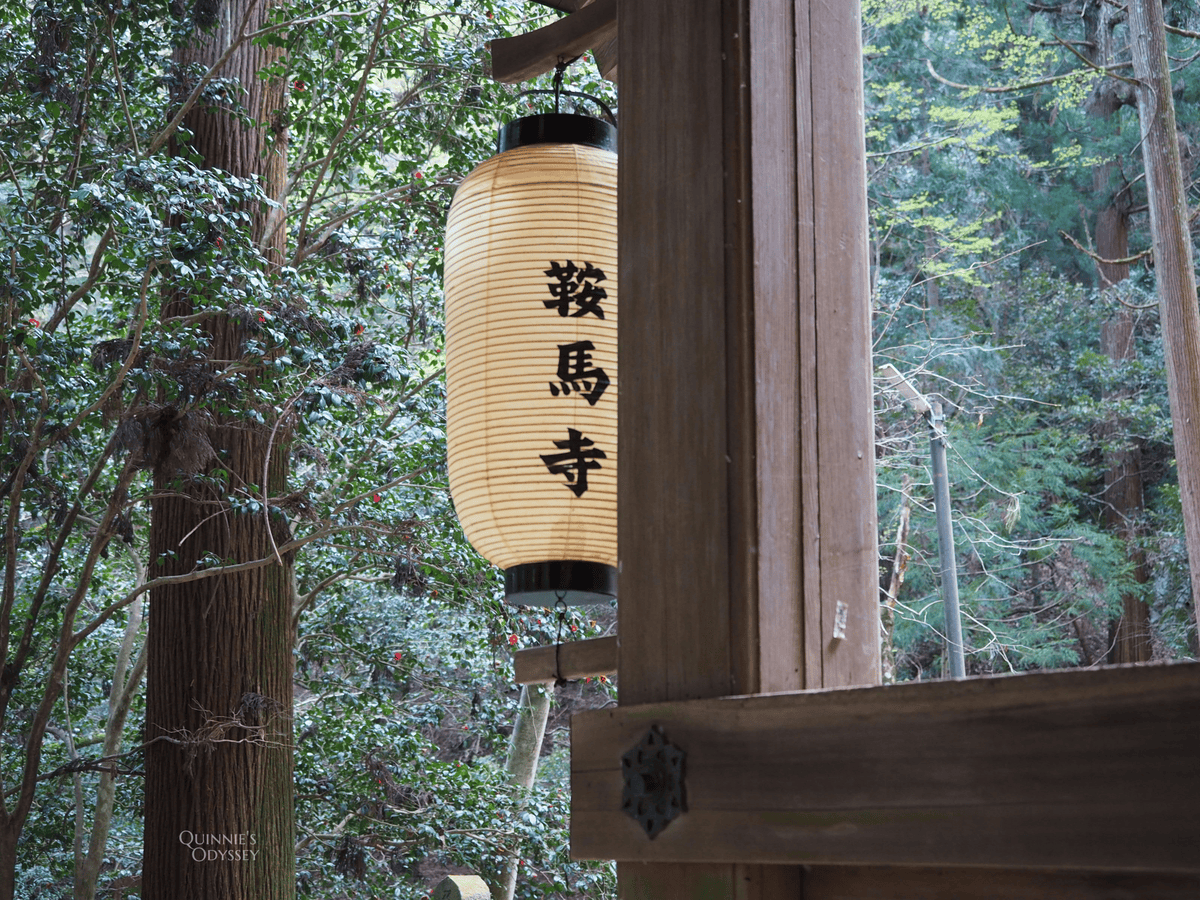
If you have the energy, I highly recommend hiking all the way across the mountain to Kifune Shrine.
Route 👉 Kurama-dera → Okunoin Trail → Mao-den Hall → Kifune Shrine
This hike takes about 1 to 1.5 hours. The trail runs through quiet forest paths with a slightly mystical atmosphere, it’s the most “spiritual” part of the journey.
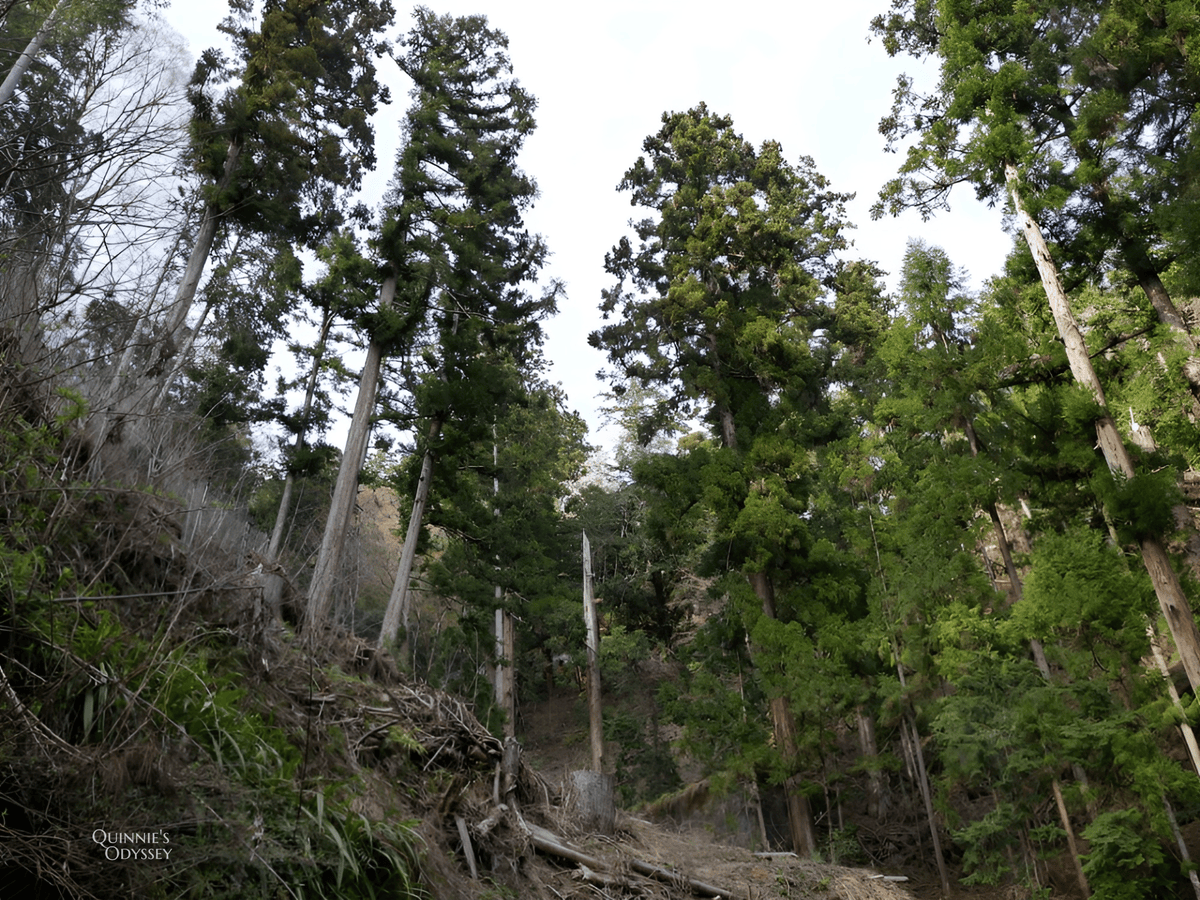
Route 👉 Kifune Shrine → Mao-den Hall → Okunoin Trail → Kurama-dera Main Hall → Yuki Shrine → Niomon Gate → Kurama Station
This was actually the route I took on my first visit.
I originally planned to just visit Kifune Shrine, but since it didn’t take long to explore, I decided on a whim to hike over to Kurama-dera.
When I checked Google Maps, it said it would take… 1 minute (?!)
Well, technically it’s about one minute to reach the west gate of Kurama-dera, but getting to the main hall means hiking over an entire mountain, which takes at least 1 to 1.5 hours.
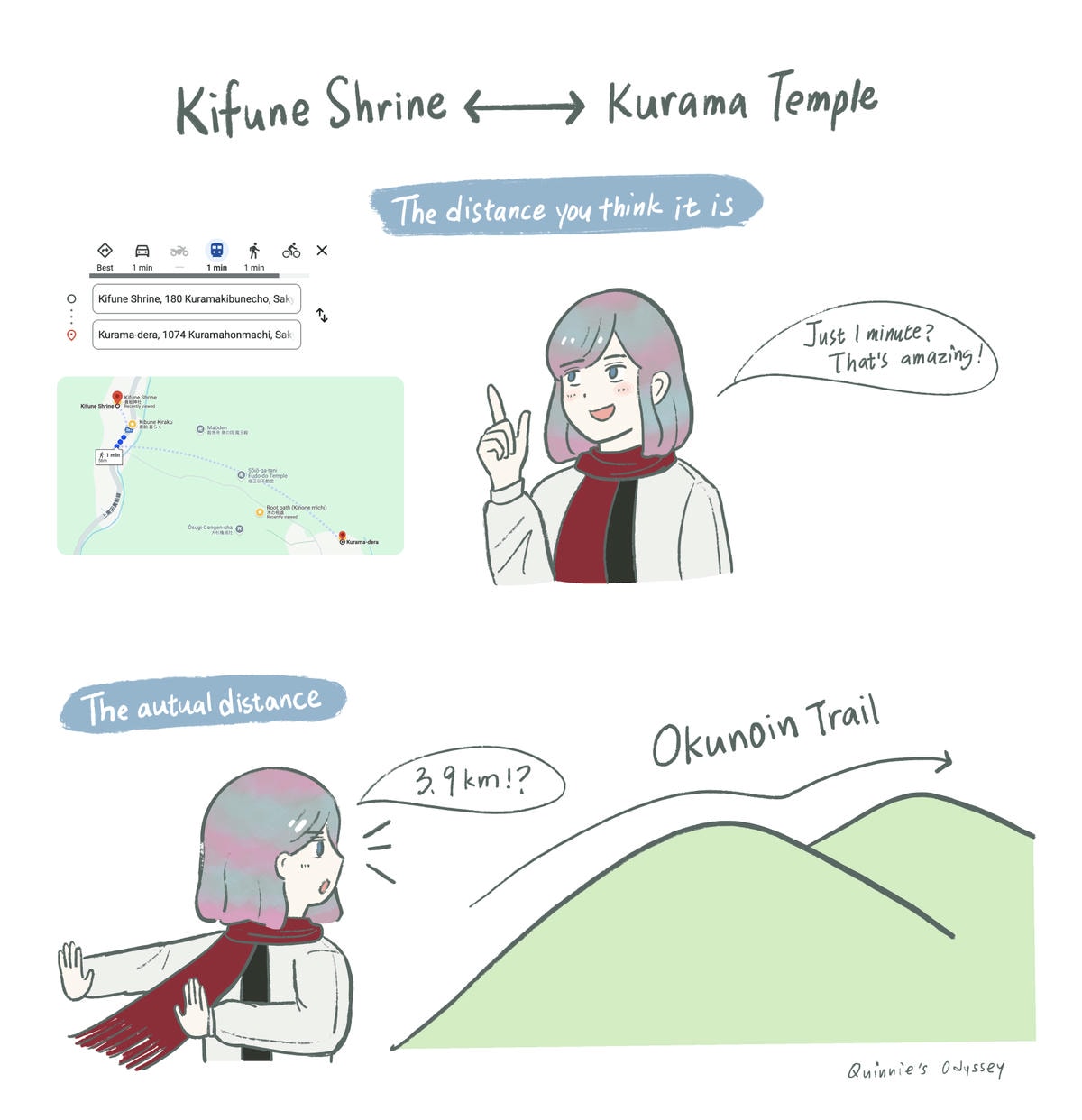
So without much planning, we unexpectedly started this hike, and it turned out to be one of the most memorable experiences of my Kyoto trip.
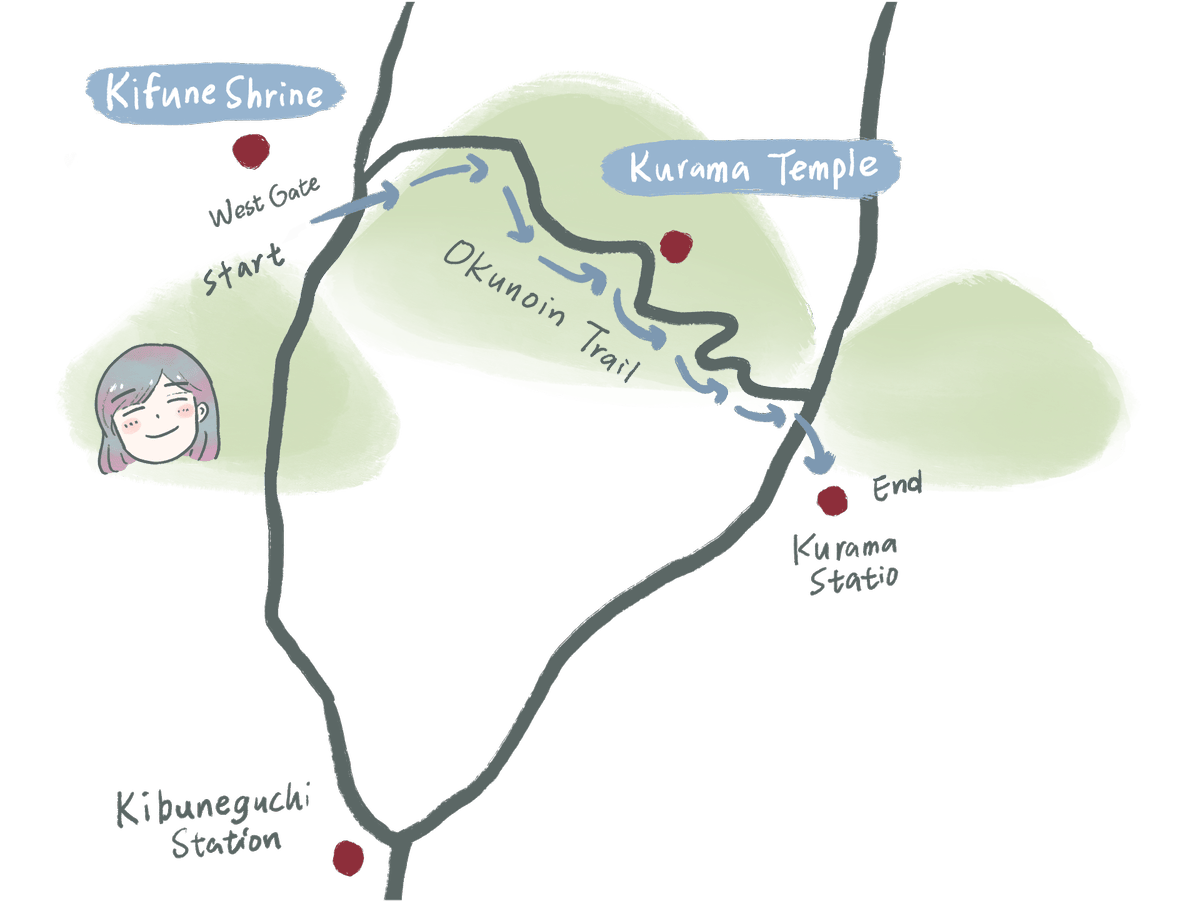
If you enter from the west side (near Kifune), you’ll start at the Okunoin trail and pay a 500 yen mountain entrance fee there. If you enter from the main gate, the fee is collected at Niomon Gate instead.
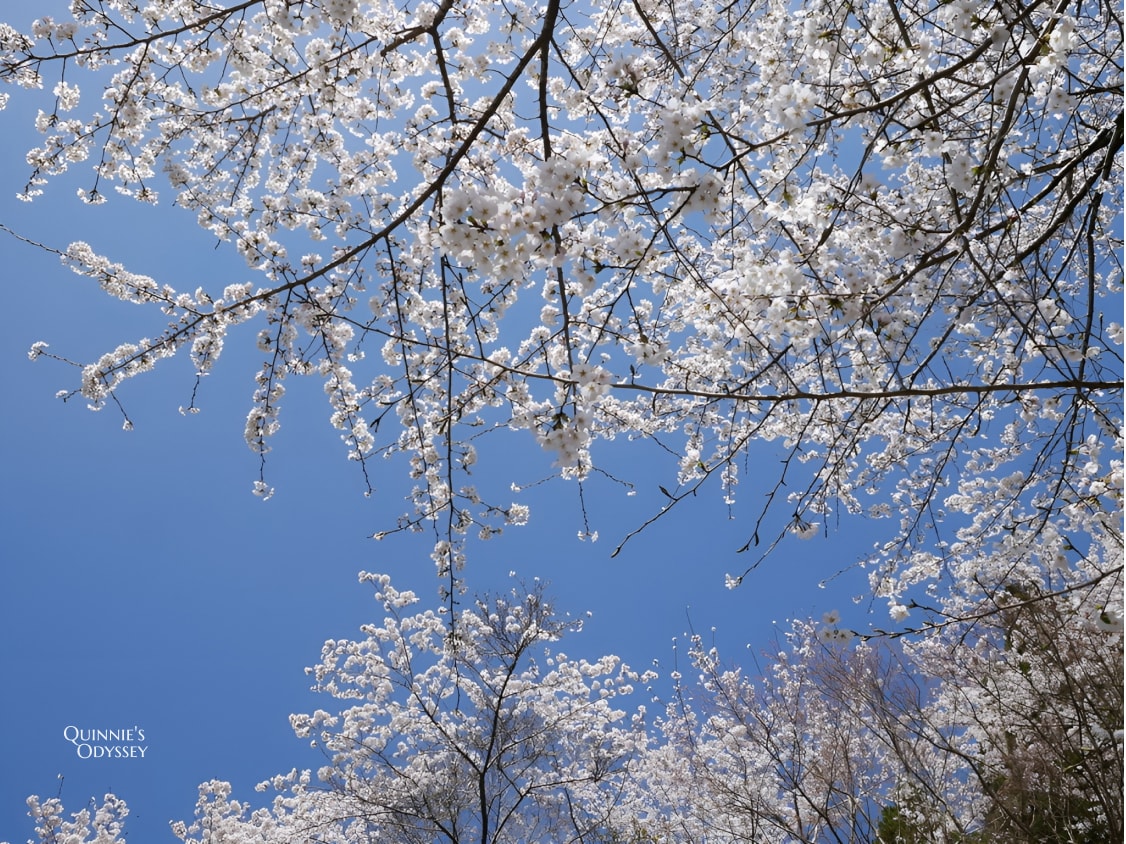
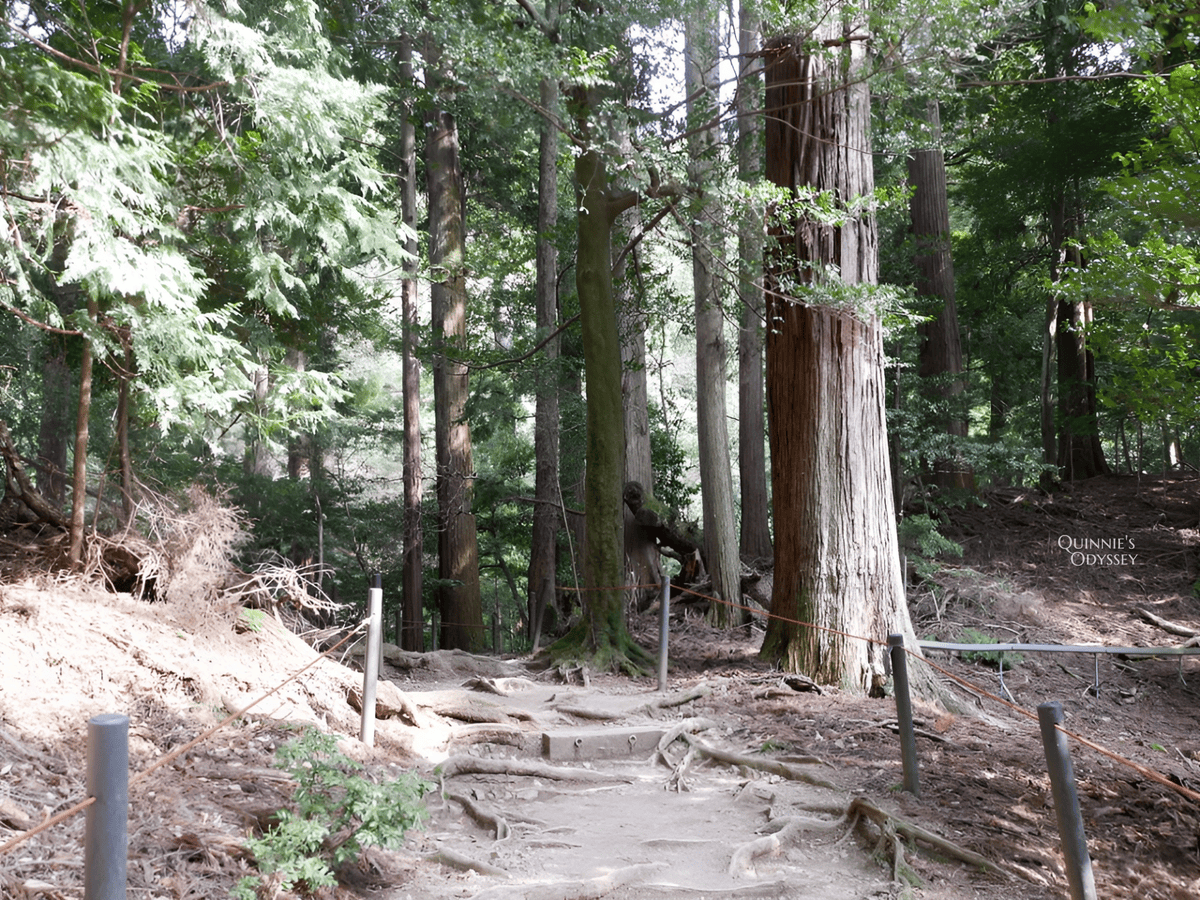
We visited during cherry blossom season in early April. Once we entered the mountain, there was almost no wind. Even wearing a thick sweater, it felt warm under the sunlight. Surrounded by tall cedar trees and silence, we occasionally passed by a few hikers who would greet us with a friendly “konnichiwa.”
▼ Kyoto Travel Essentials ▼
If you don’t feel like hiking all the way up, you can take the cable car.
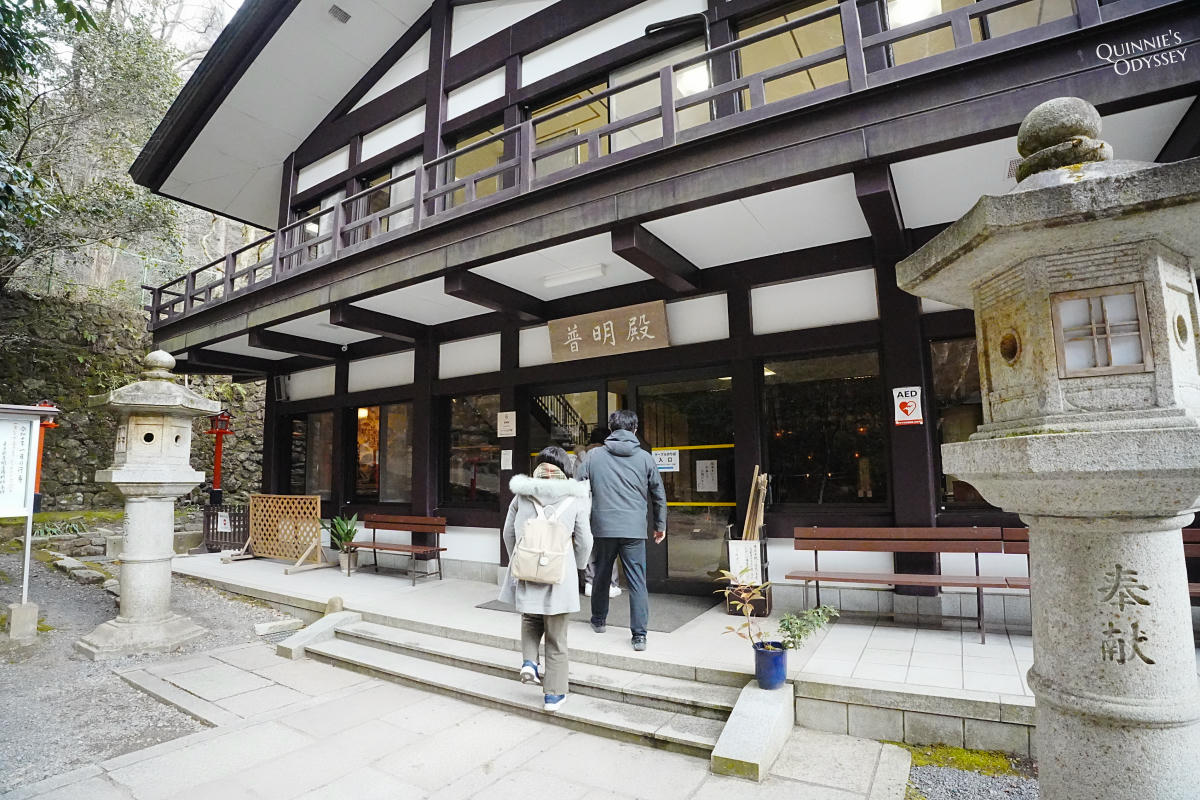
The lower station is located at Fumonden Hall, about a 10-minute walk from Kurama Station.
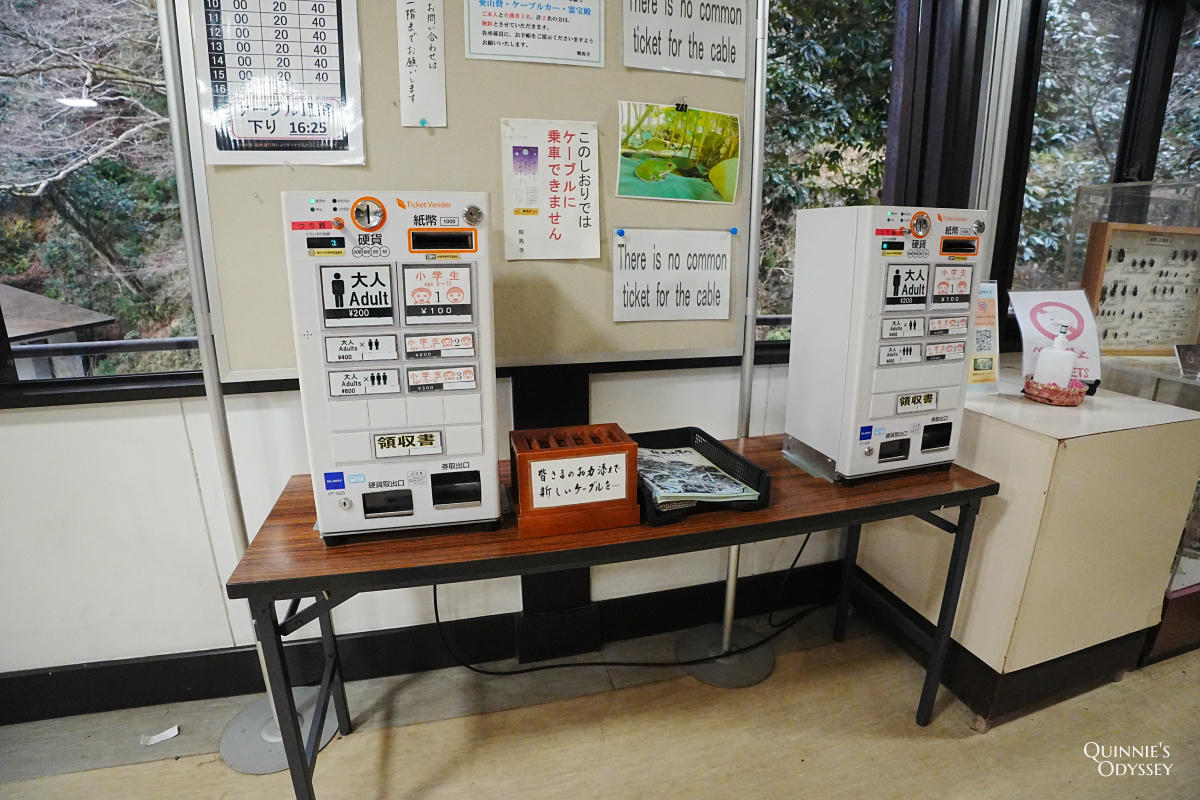
There are automatic ticket machines on site for easy purchase.
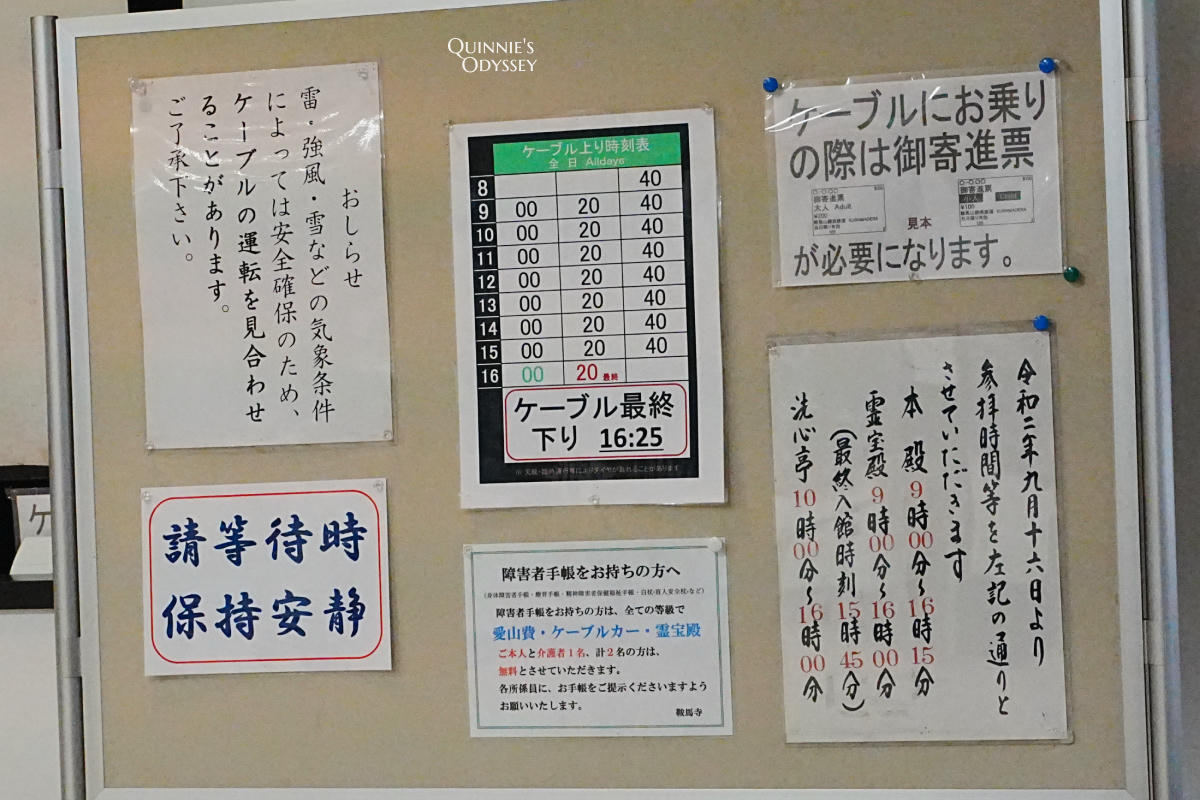
Cable car operating hours 👇
Inside the cable car👇
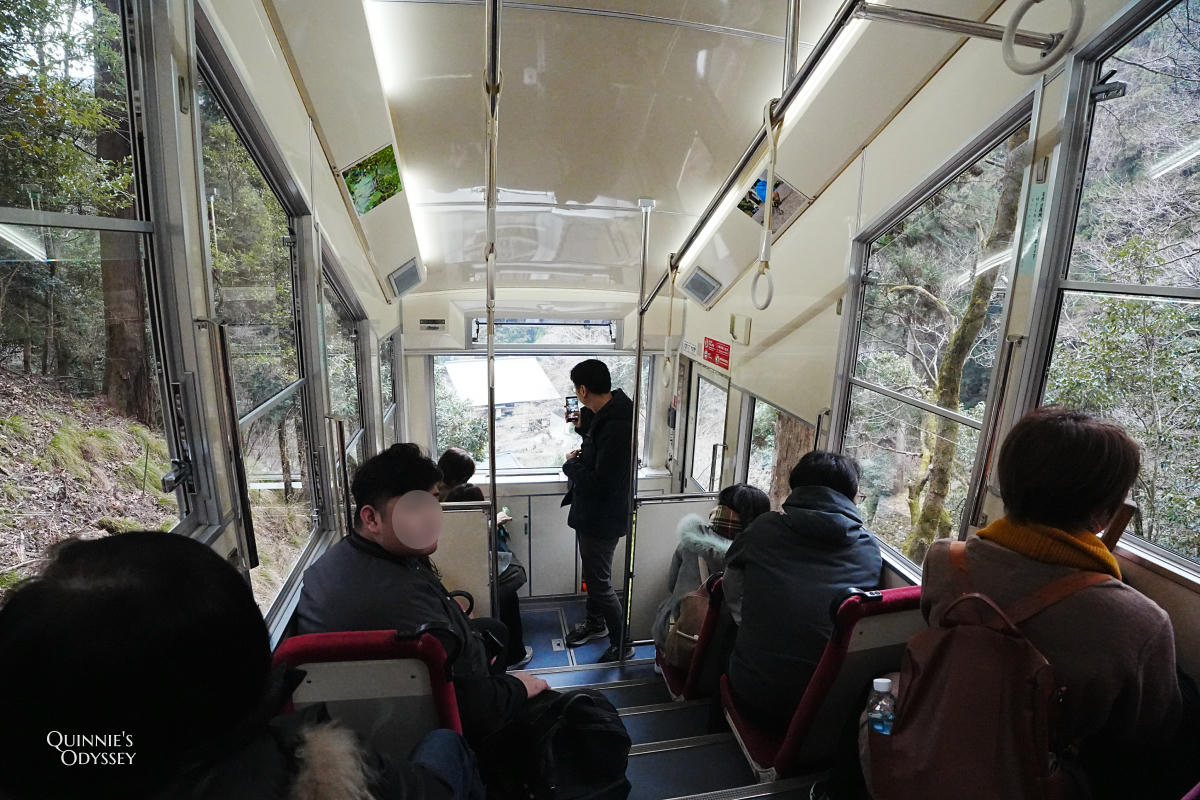
There’s a lot to see on Mount Kurama, so much that it’s impossible to cover everything. Here are the spots that stood out to me the most, following the classic and most popular route:
👉 Kurama Station → Niomon Gate → Yuki Shrine → Kurama-dera Main Hall → Okunoin Trail → Mao-den Hall → Kifune Shrine
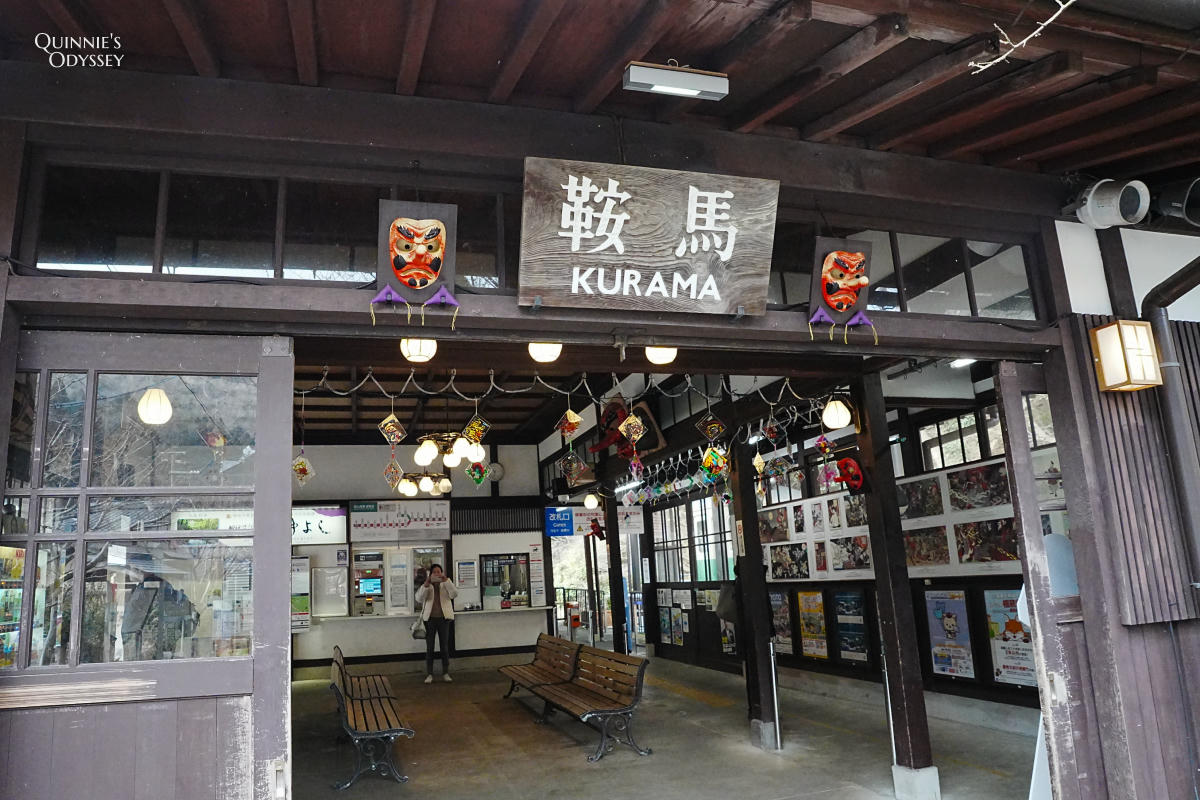
Kurama Station is a charming, old-fashioned wooden station that has kept its original 1929 design. It has a very authentic “mountain railway” vibe that immediately sets the tone for your trip.
Because of its unique character, it was selected as one of the “Top 100 Stations in the Kinki Region,” making it a notable terminal station in the Kansai area.
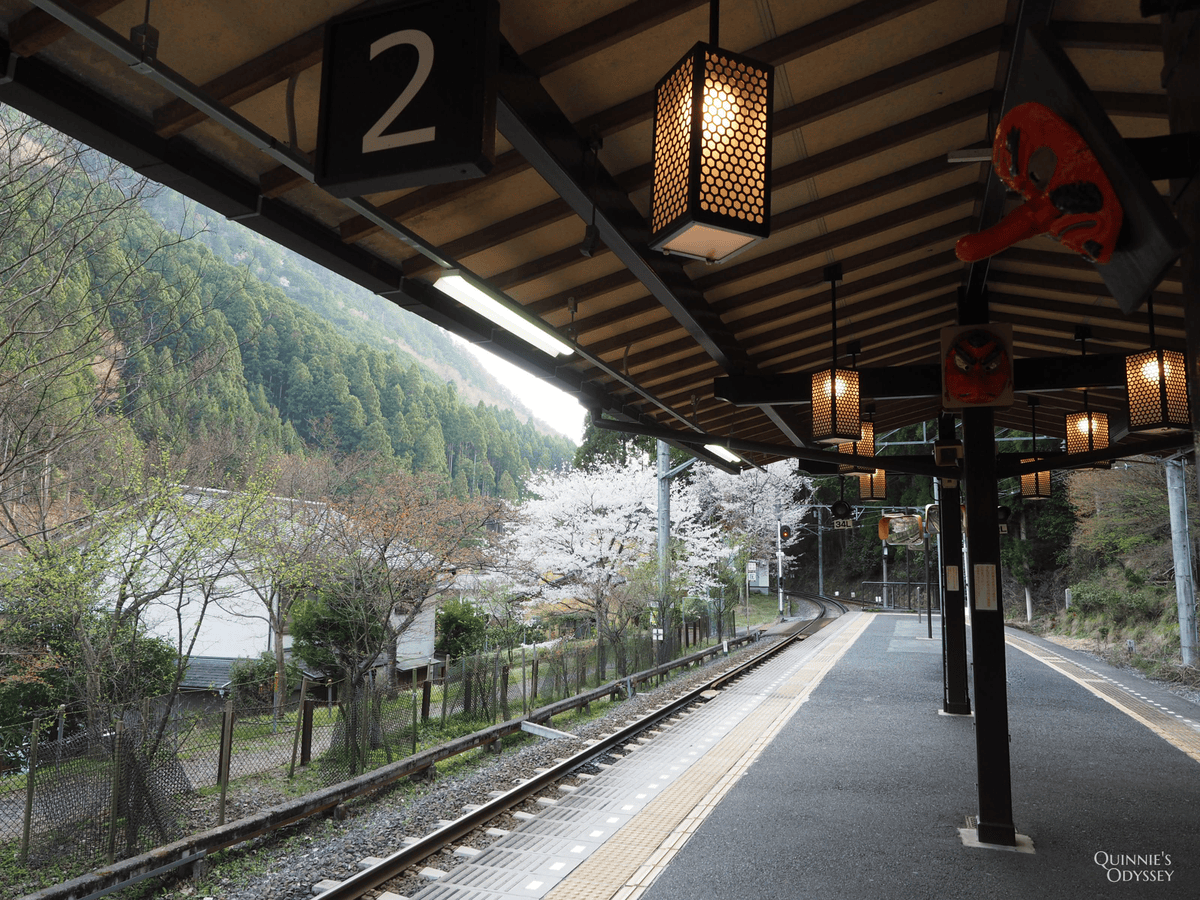
Since Kurama is closely tied to tengu legends, you’ll also notice a lot of tengu-themed elements around the station.
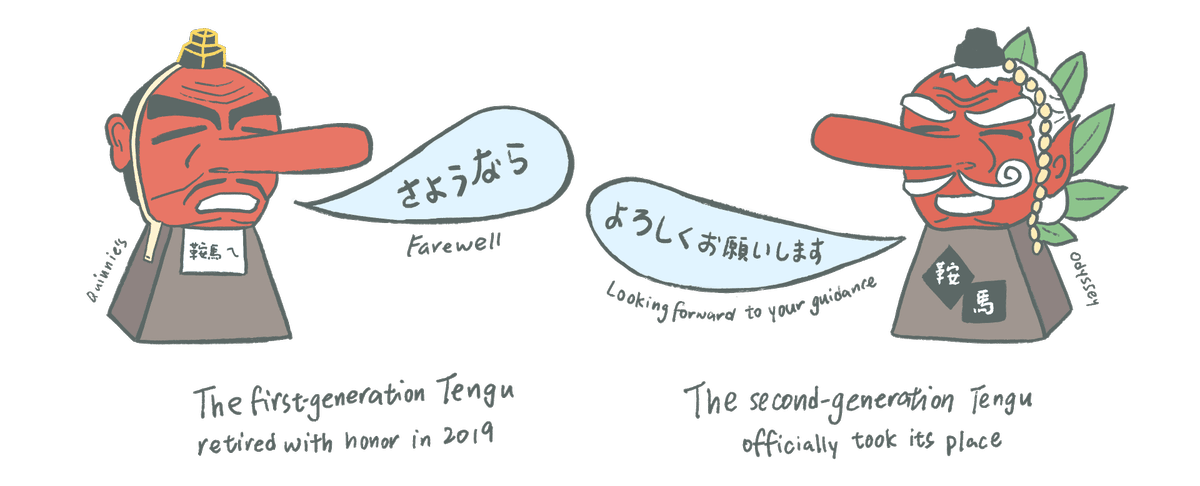
Right outside the station, you’ll find a large tengu statue, one of the most iconic landmarks of Mount Kurama.
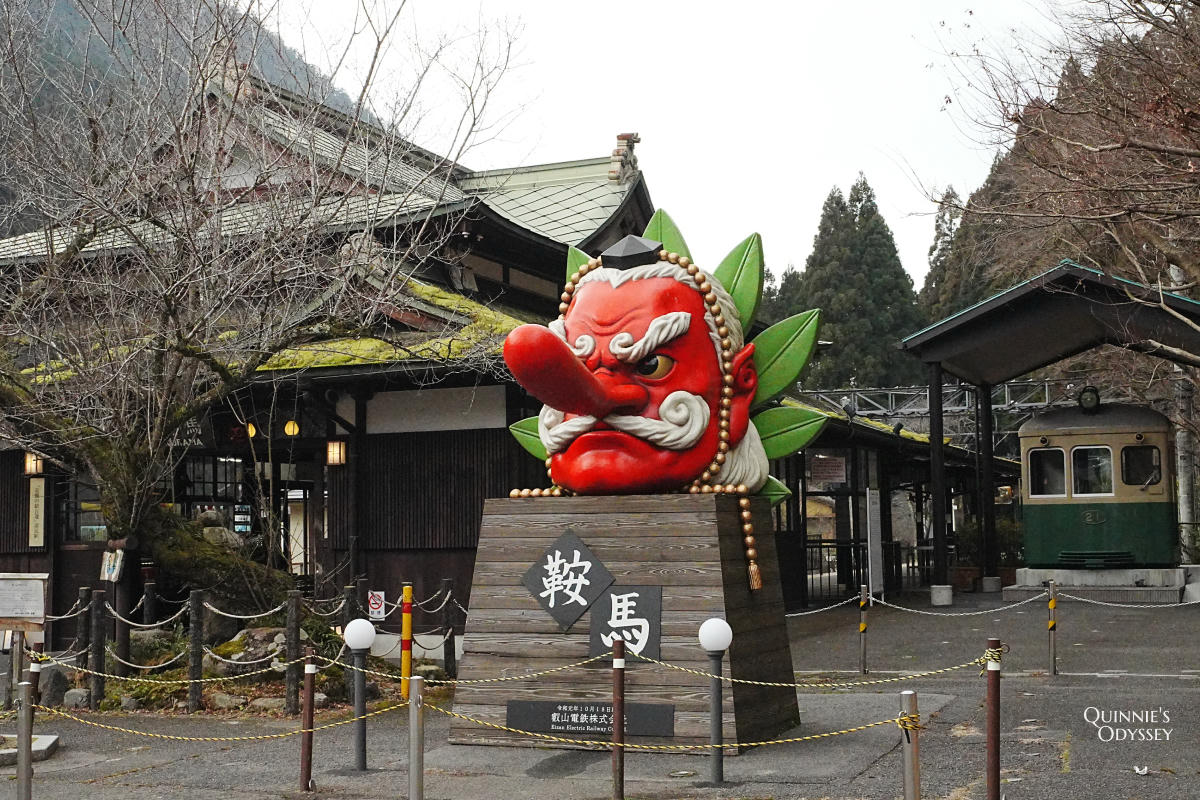
This is the second-generation statue, as the first, built in 1994 to celebrate the 1200th anniversary of Kyoto, was damaged by snow and officially retired in 2019.

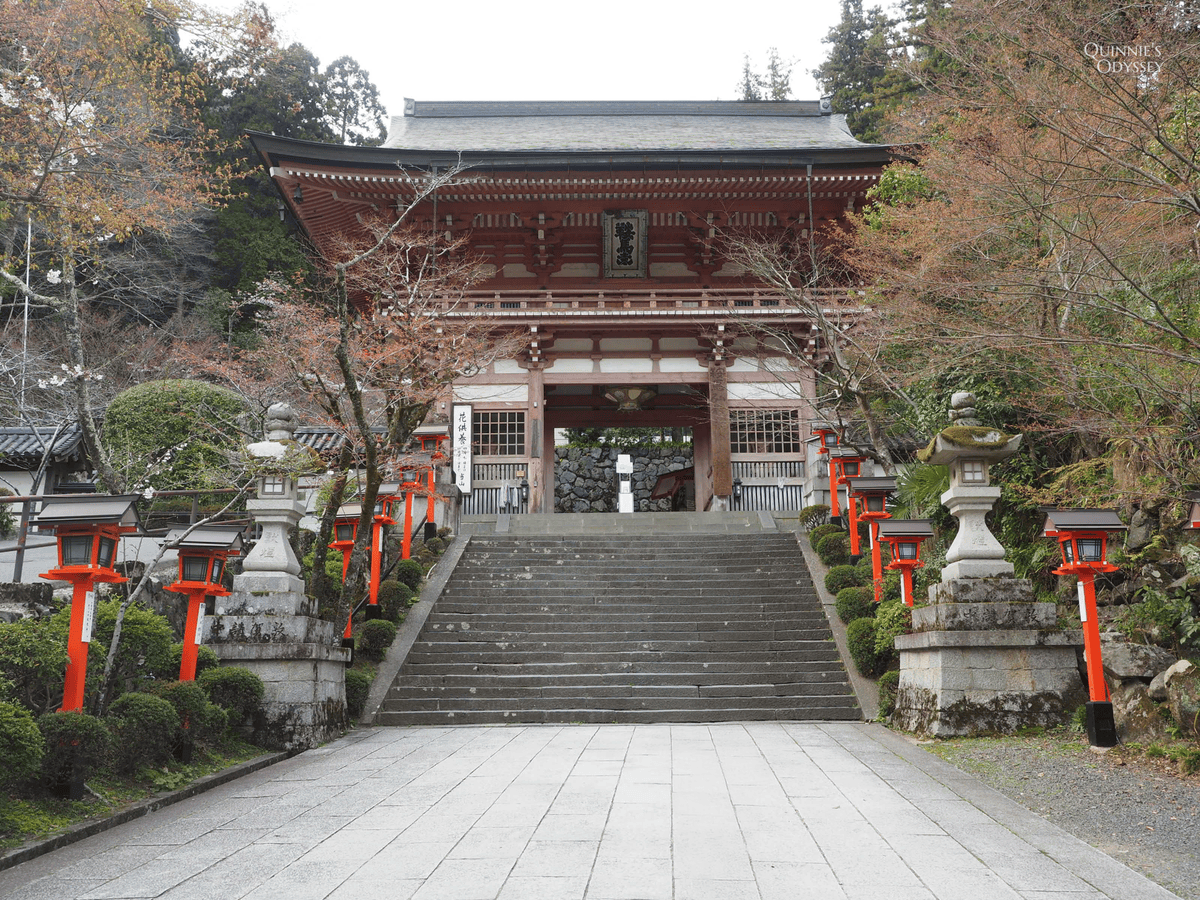
Walking uphill from the station, you’ll soon reach the Kurama-dera Niomon Gate, this is where your journey into the sacred mountain truly begins.
The bright vermilion gate stands out beautifully against the deep green forest and is one of Kurama’s most iconic sights.
This is also where you’ll pay the 500 yen “mountain entrance fee” (Aizan fee).
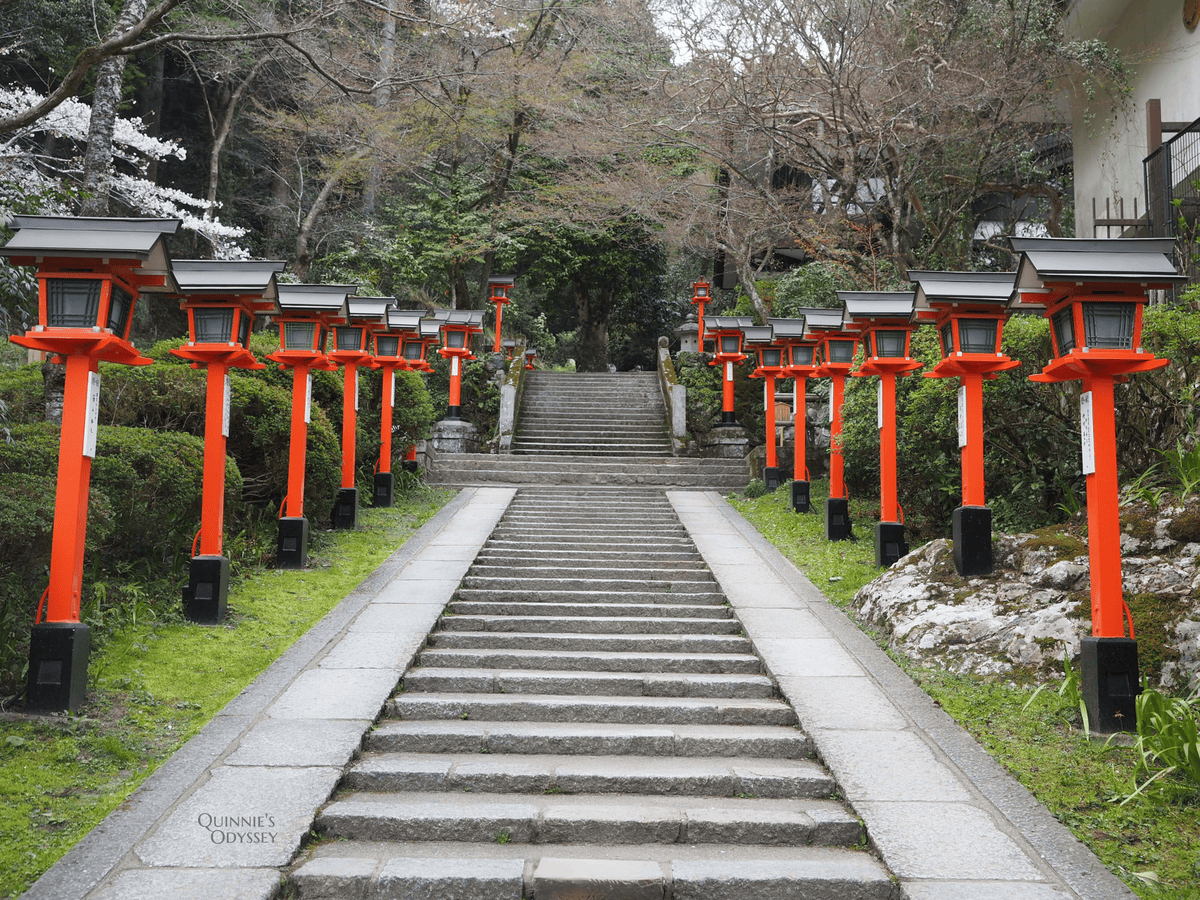
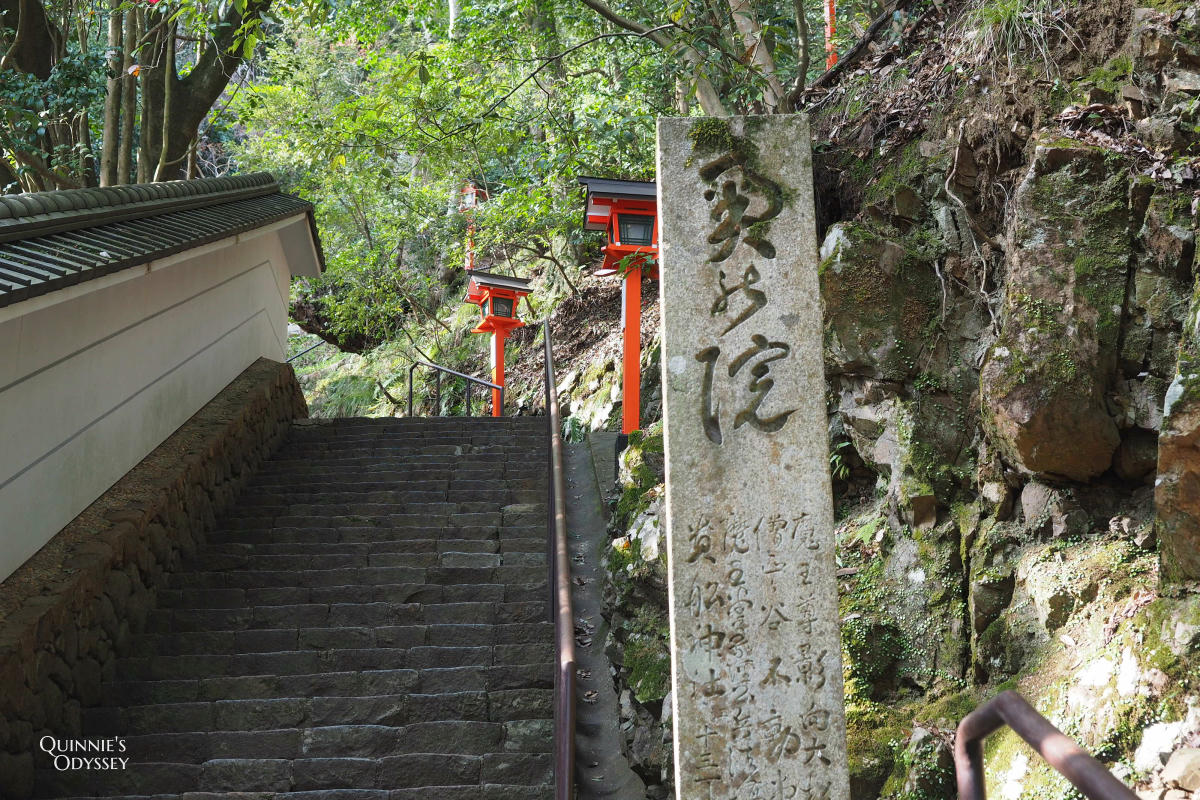
Once you pass through the gate, you’ll find a stone stairway lined with red lanterns on both sides, leading you deeper into the forest. Surrounded by towering cedar trees, it really feels like stepping into another world.
As I entered through the Niomon Gate, I expected a quiet and solemn atmosphere, but instead, I was greeted by the sound of children laughing.
It turns out there’s actually a kindergarten here called Kurama Kindergarten.
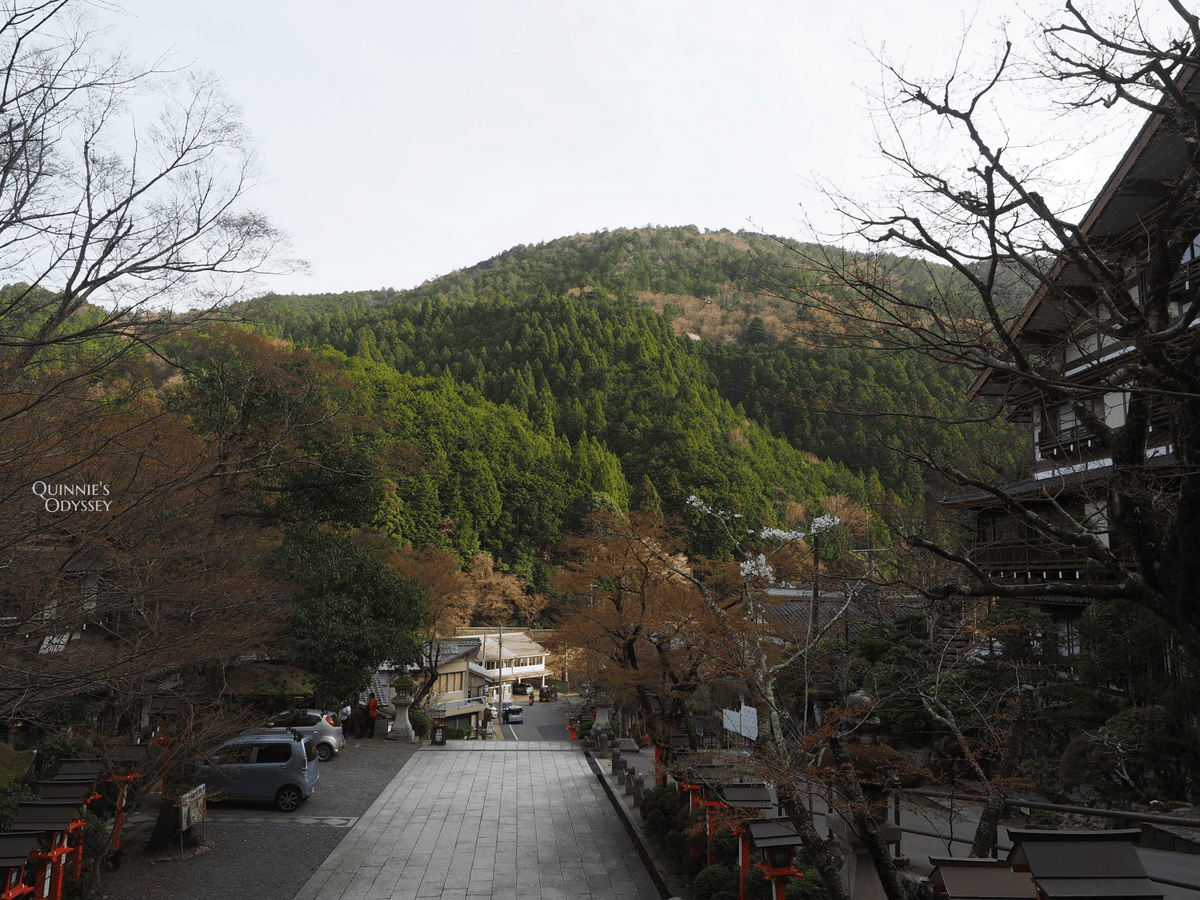
Run by Kurama-dera, this kindergarten has over 70 years of history and was established after World War II to provide children with a place to grow up close to nature.
Its philosophy is based on the temple’s teaching of “Sonten,” which emphasizes respect for nature, life, and the energy of all things.
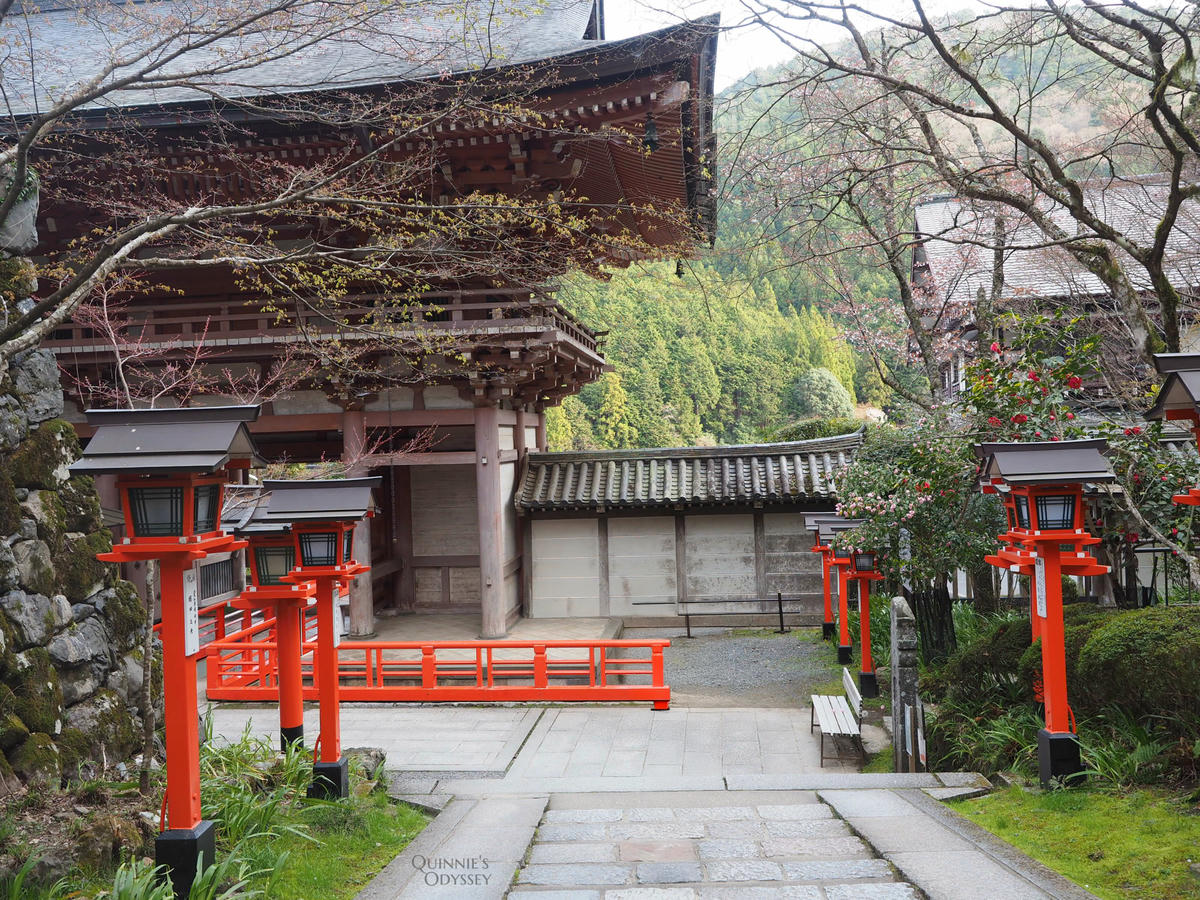
I even saw some international families bringing their kids here.
Growing up in a place like this must create truly unforgettable childhood memories.
Continuing uphill, you’ll be surrounded by tall trees, with sunlight filtering softly through the leaves. The atmosphere becomes quieter and slightly mysterious.
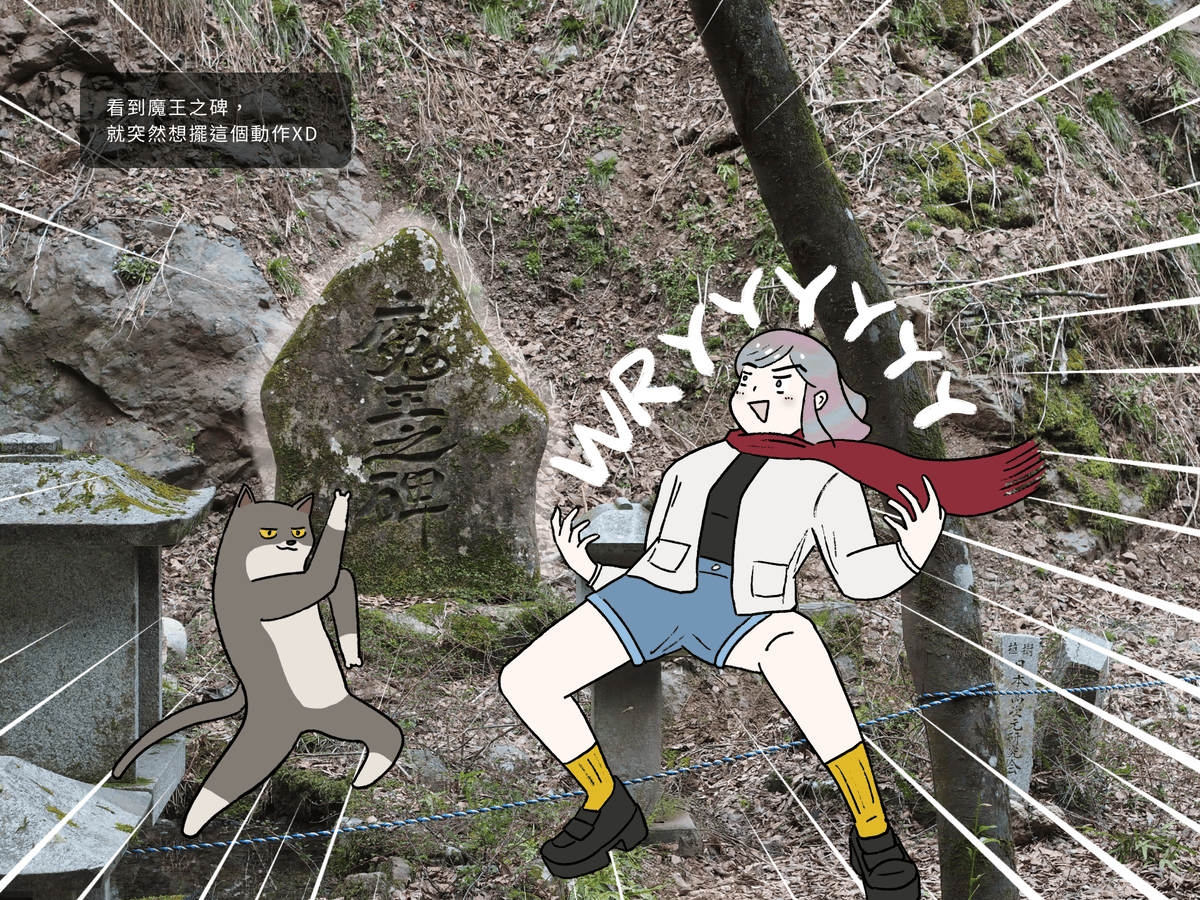
Along the way, you’ll pass a stone monument called the “Mao no Hi” (Demon King Stone), which is quite memorable .
Not long after, you’ll arrive at Yuki Shrine, marked by a distinctive gray-white stone torii gate. Unlike the typical bright red torii, this one feels more subdued and ancient, standing solemnly against the deep green forest.
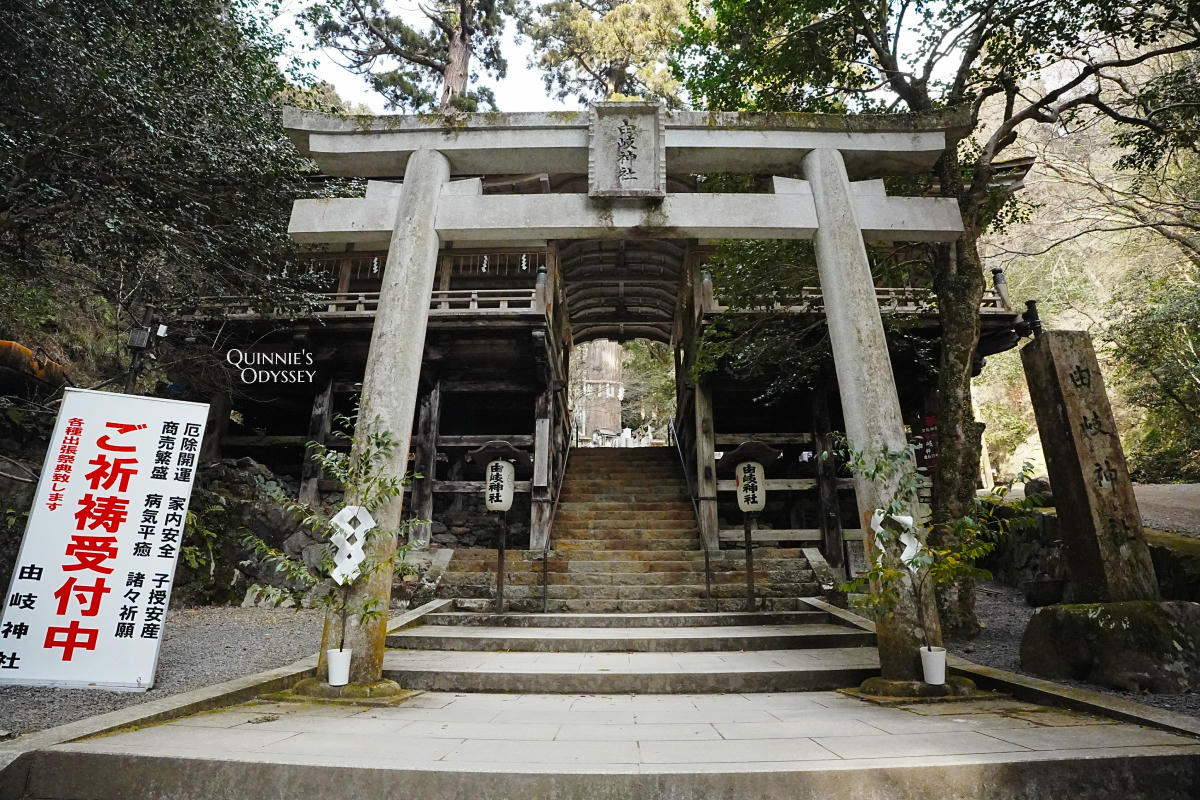
The shrine is surrounded by massive cedar trees so tall they almost block out the sky. Even during the day, sunlight filters down in soft beams, creating a calm and almost magical atmosphere. It’s incredibly quiet, just the sound of wind and birds, which naturally helps you slow down and relax.
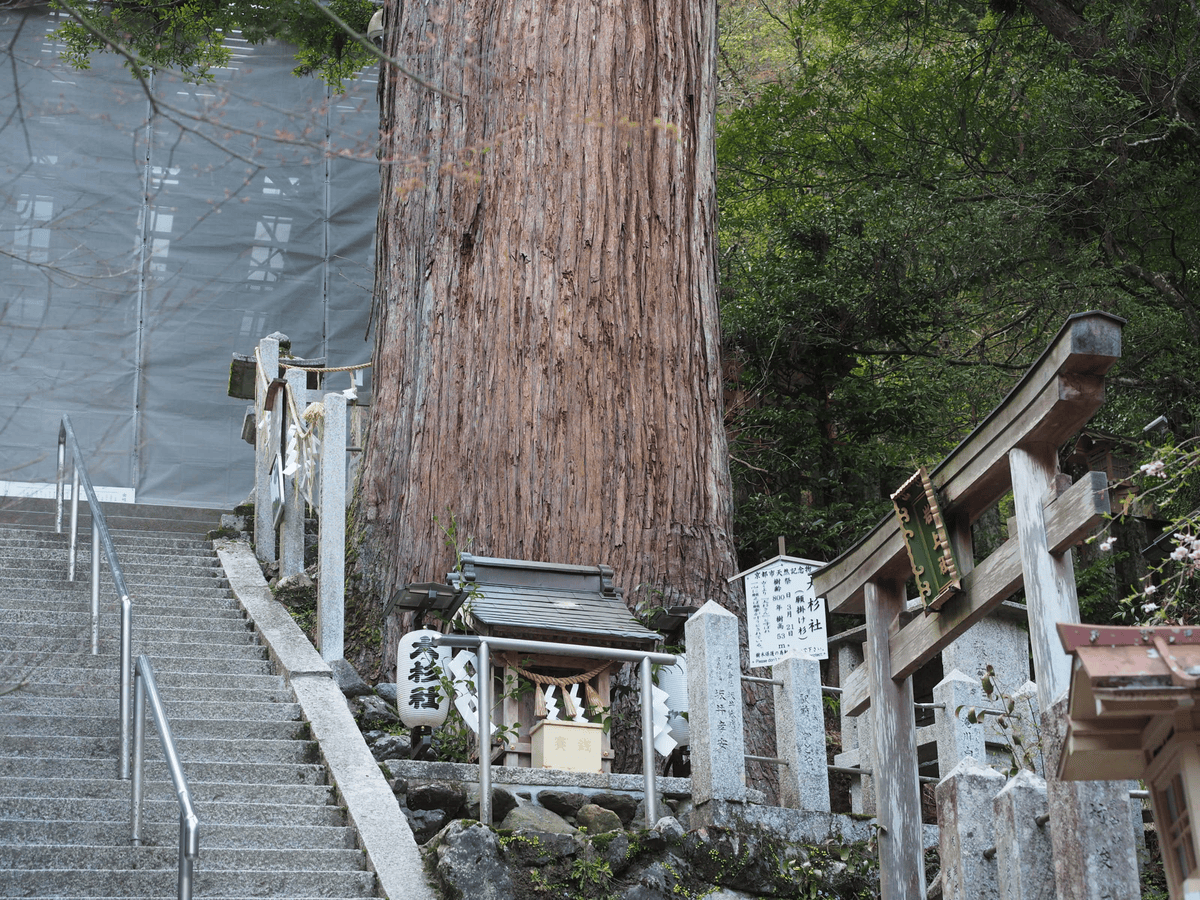
One of the most unique features here is the “Wari-haiden” (split worship hall).
The main hall has a passage running right through its center, allowing the path to pass directly through the building. Walking through it, with wooden pillars on both sides and stone steps ahead, creates a deep and slightly mystical visual perspective.
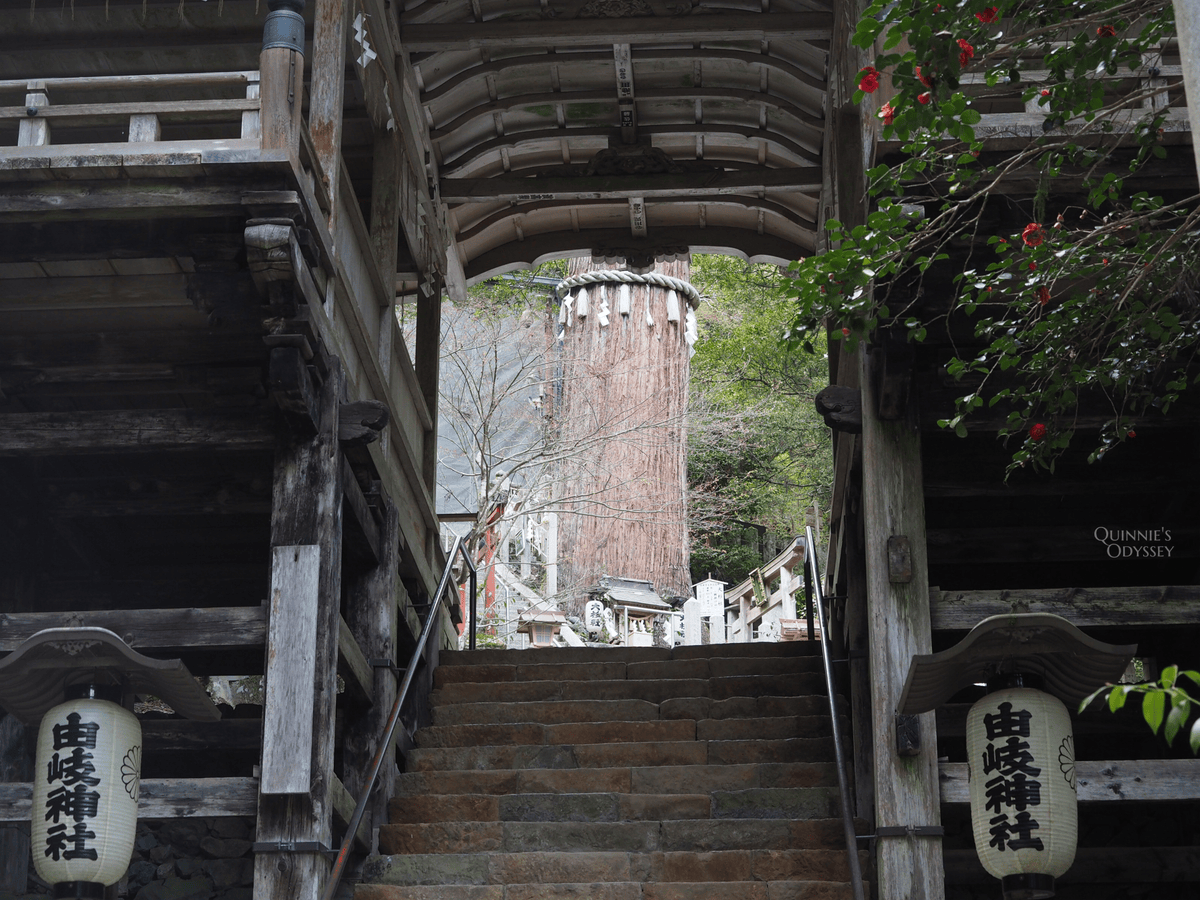
Yuki Shrine was relocated here from central Kyoto in 940 to protect the area from disasters. Every year on October 22, it hosts the famous Kurama Fire Festival, marking the arrival of winter.
The shrine is also known for its massive sacred cedar tree, over 800 years old. It’s said that if you make a sincere wish here, it may come true.
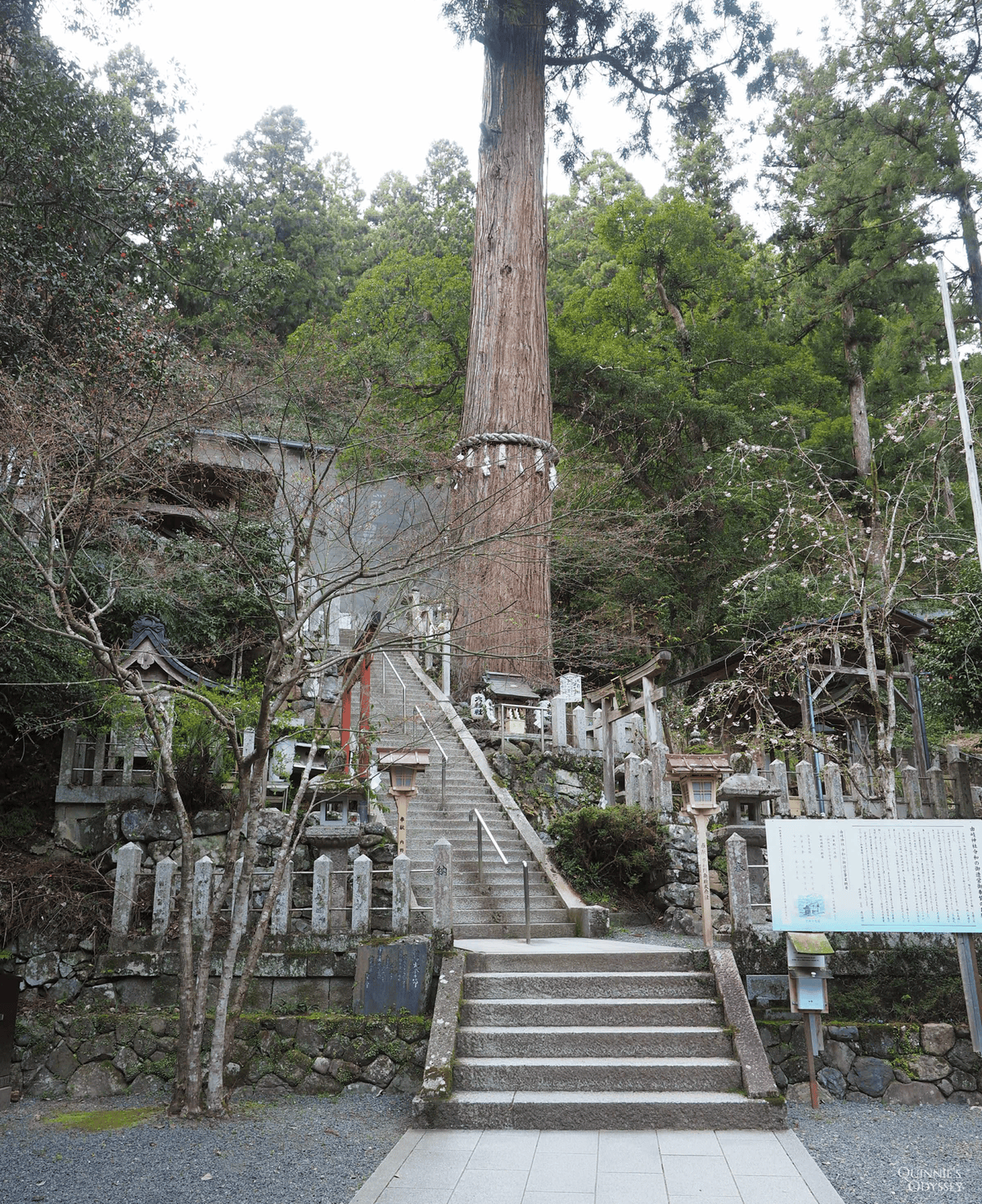
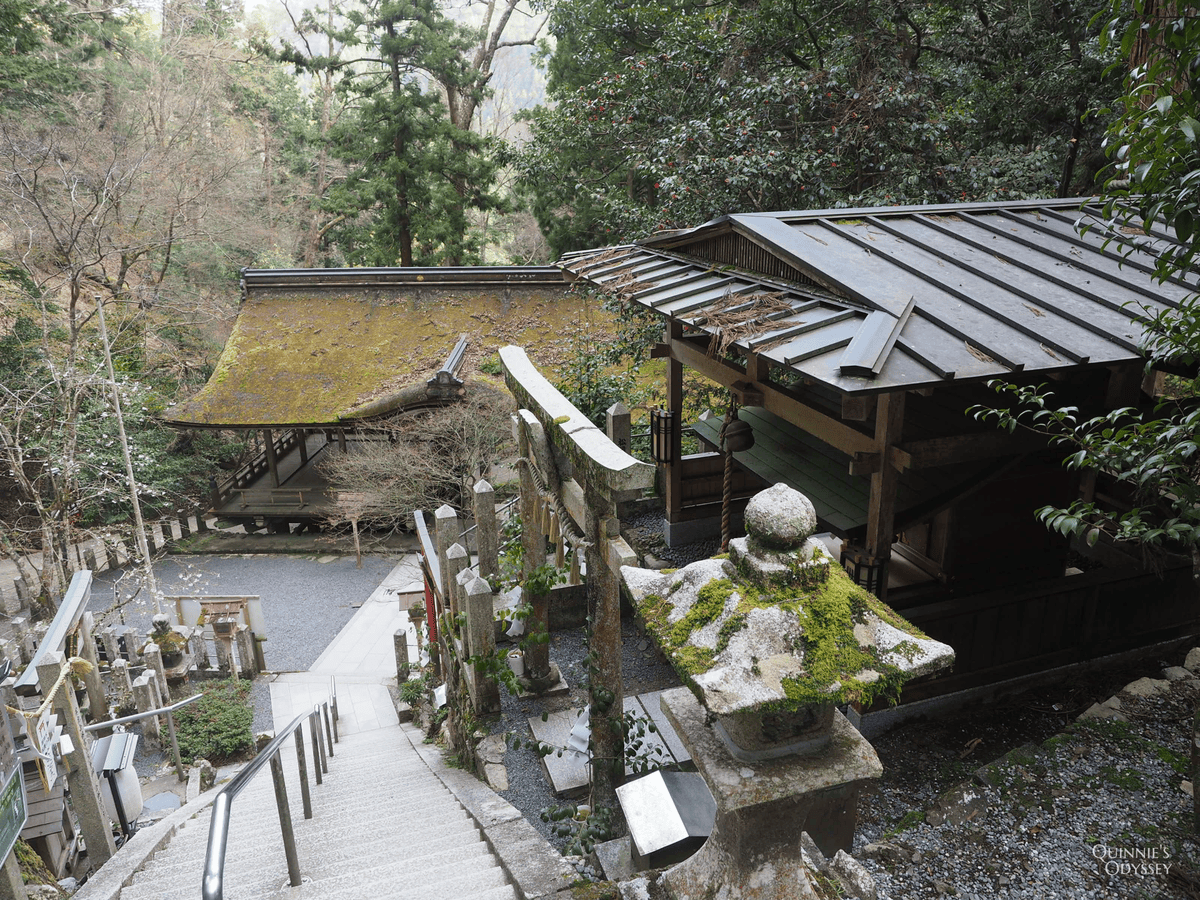
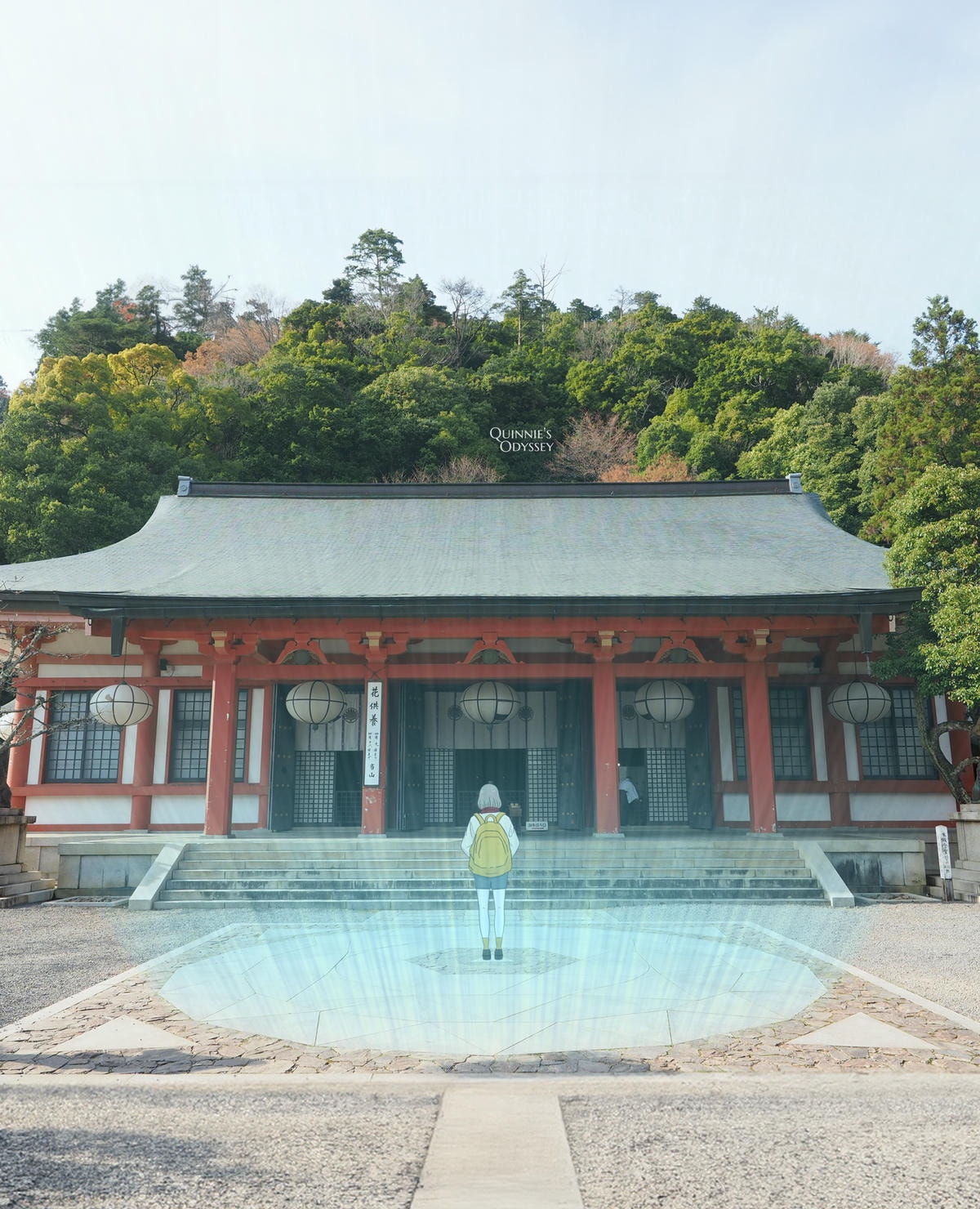
After passing through the impressive cedar forest of Yuki Shrine and pushing through the final stretch of stairs, the view suddenly opens up, and you’ve made it to the heart of Kurama-dera: the Main Hall
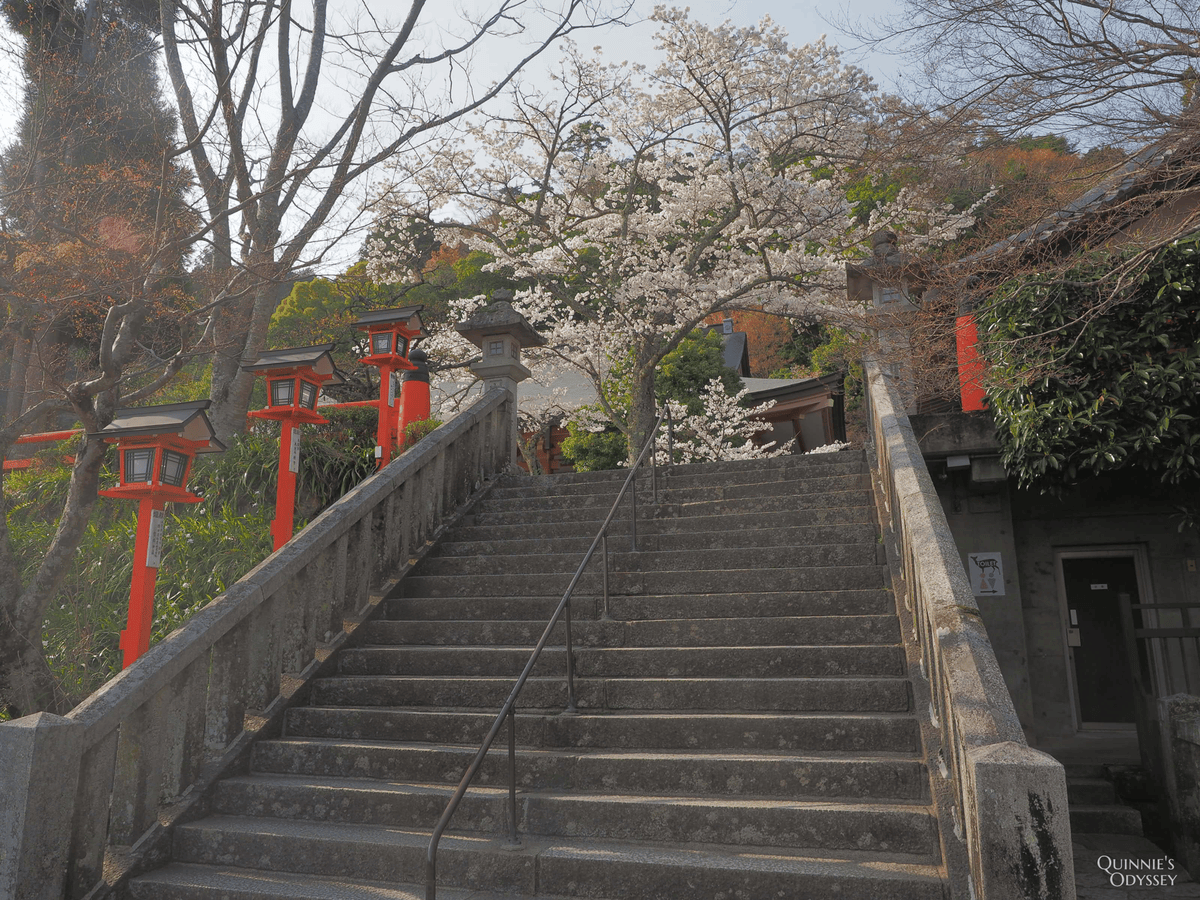
In the plaza in front of the hall, you’ll notice a large hexagram pattern on the stone ground. At the center of it is a triangular stone said to be one of Kyoto’s strongest “power spots,” where cosmic energy is believed to gather.
You might see people standing right in the center of that triangle, eyes closed, hands together, as if trying to connect with something unseen.
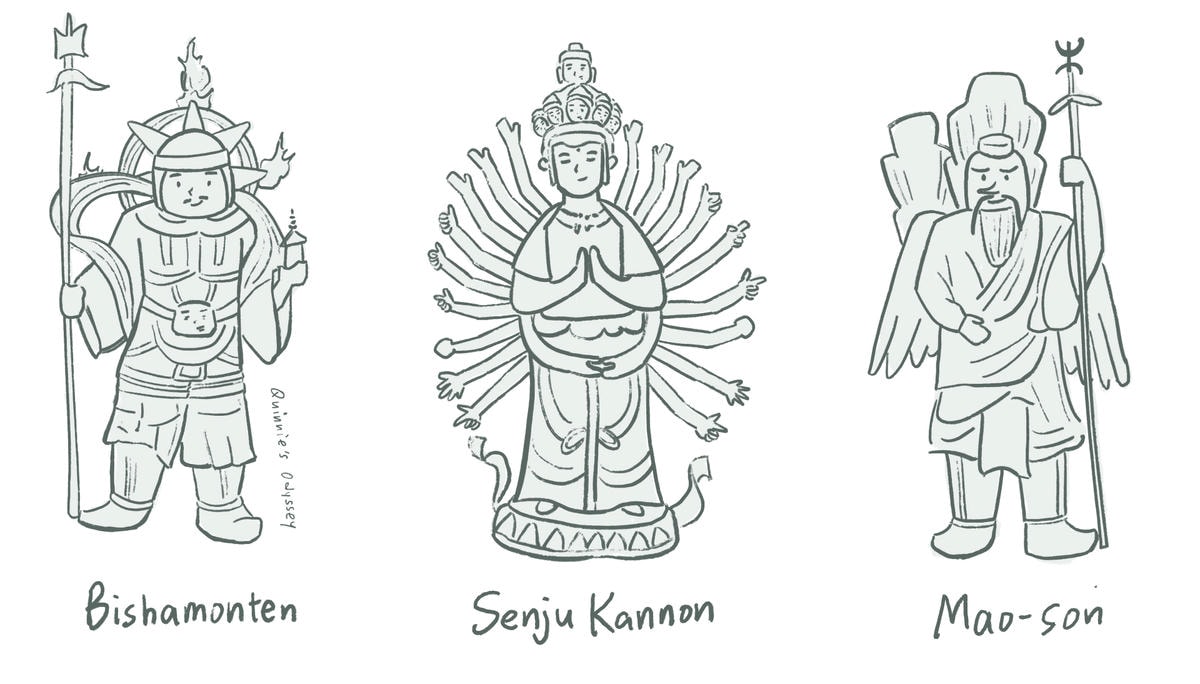
Kurama Temple enshrines the deity Sonten, a combination of Bishamonten, Senju Kannon, and Mao-son, symbolizing protection and salvation.
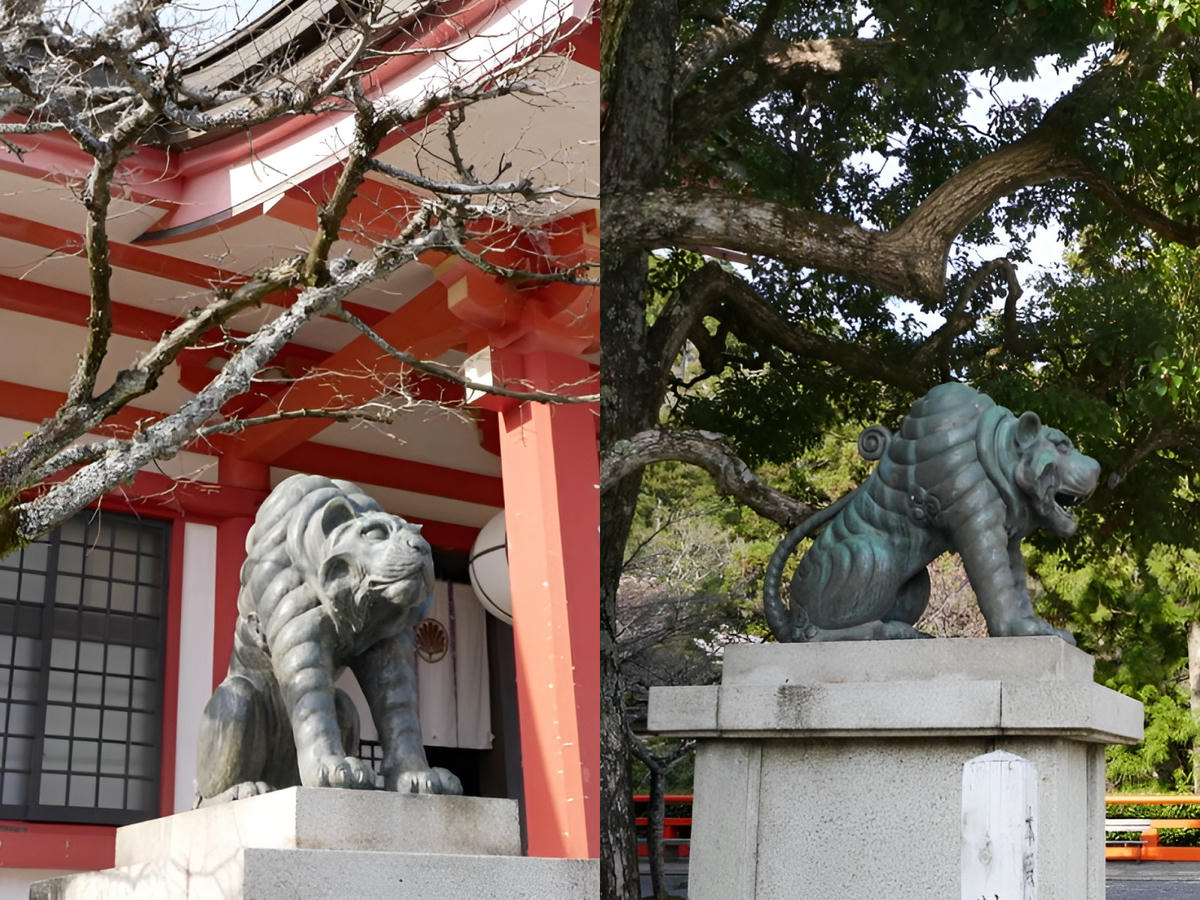
The temple’s entrance and main hall are guarded by two wooden tiger statues, called the A-un tigers. The tiger with an open mouth is named A-tora, while the one with a closed mouth is Un-tora, representing the beginning and end of life.
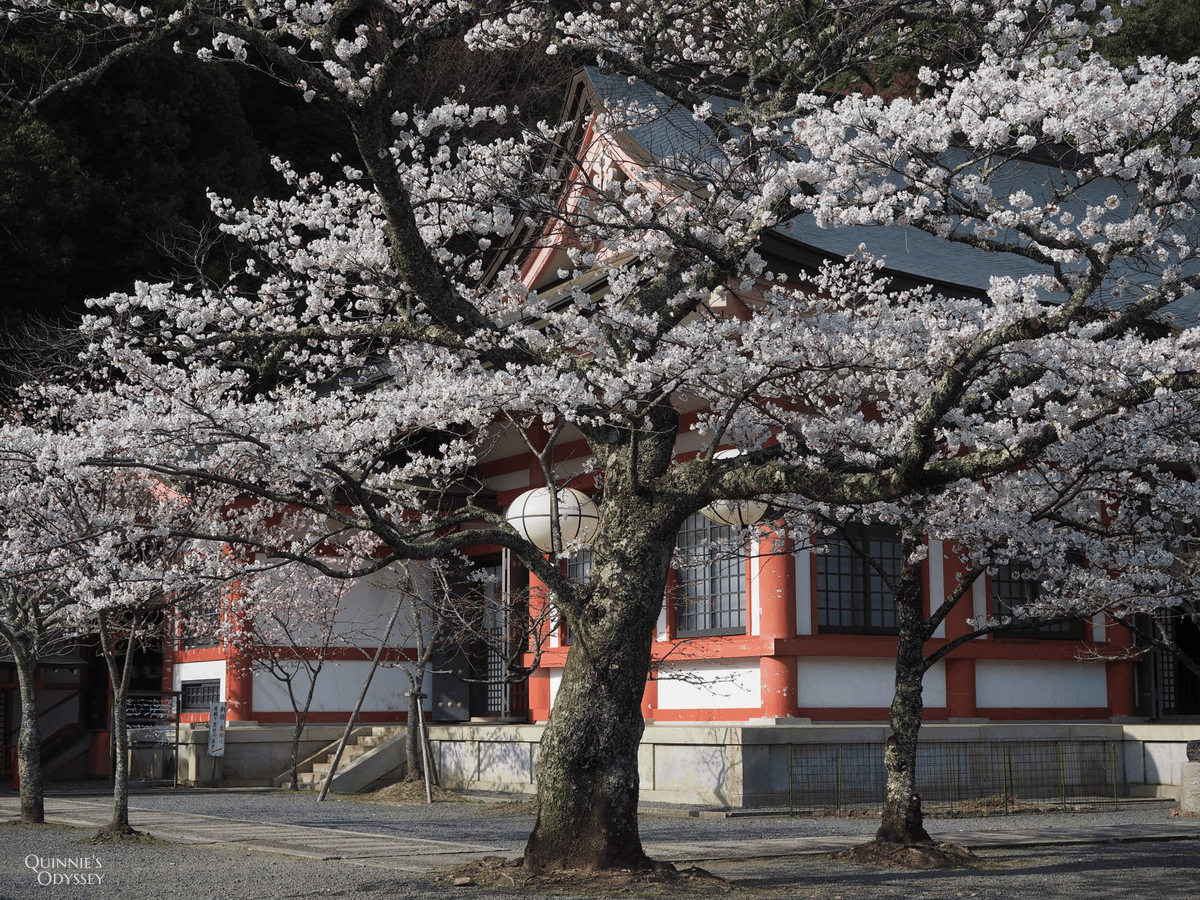
Personally, I loved sitting along the wooden veranda, just looking out at the open plaza, especially with cherry blossom trees in view.
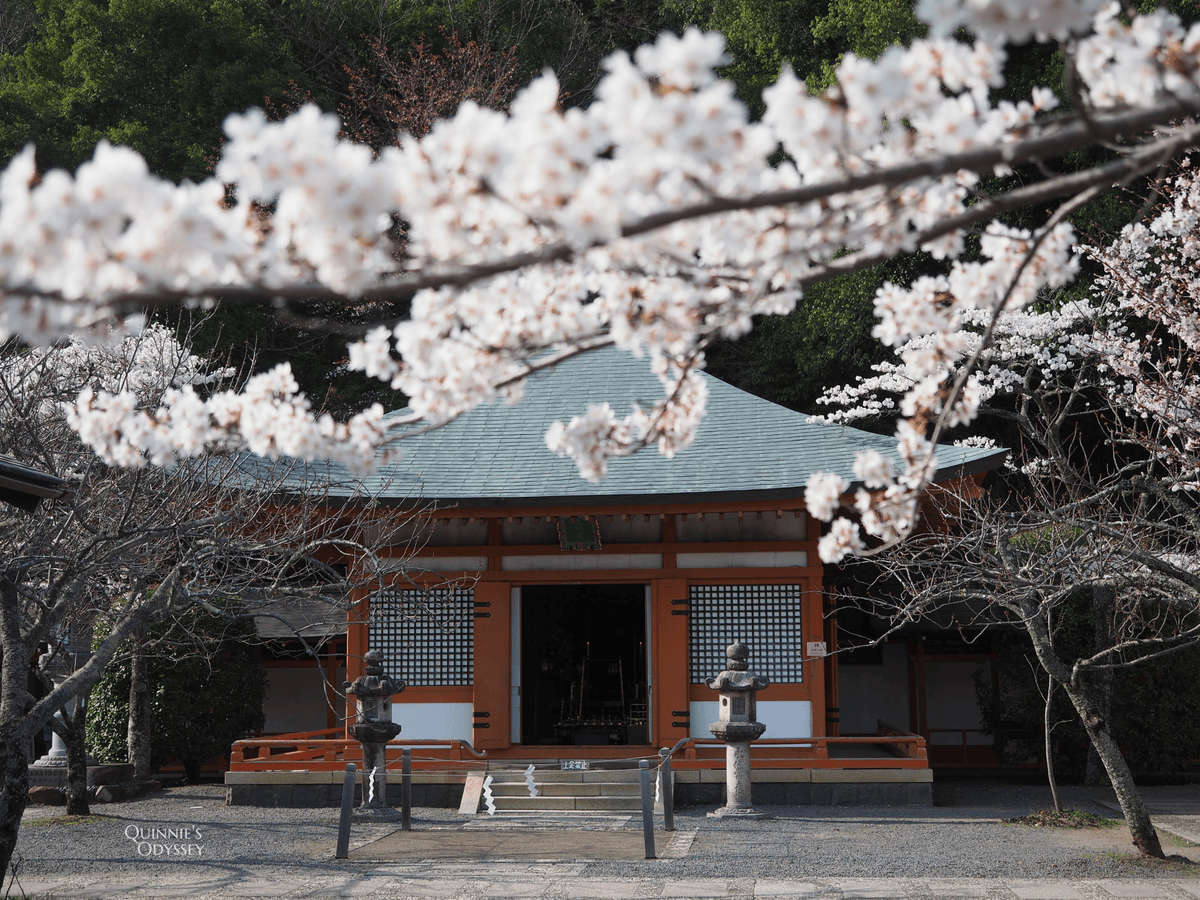
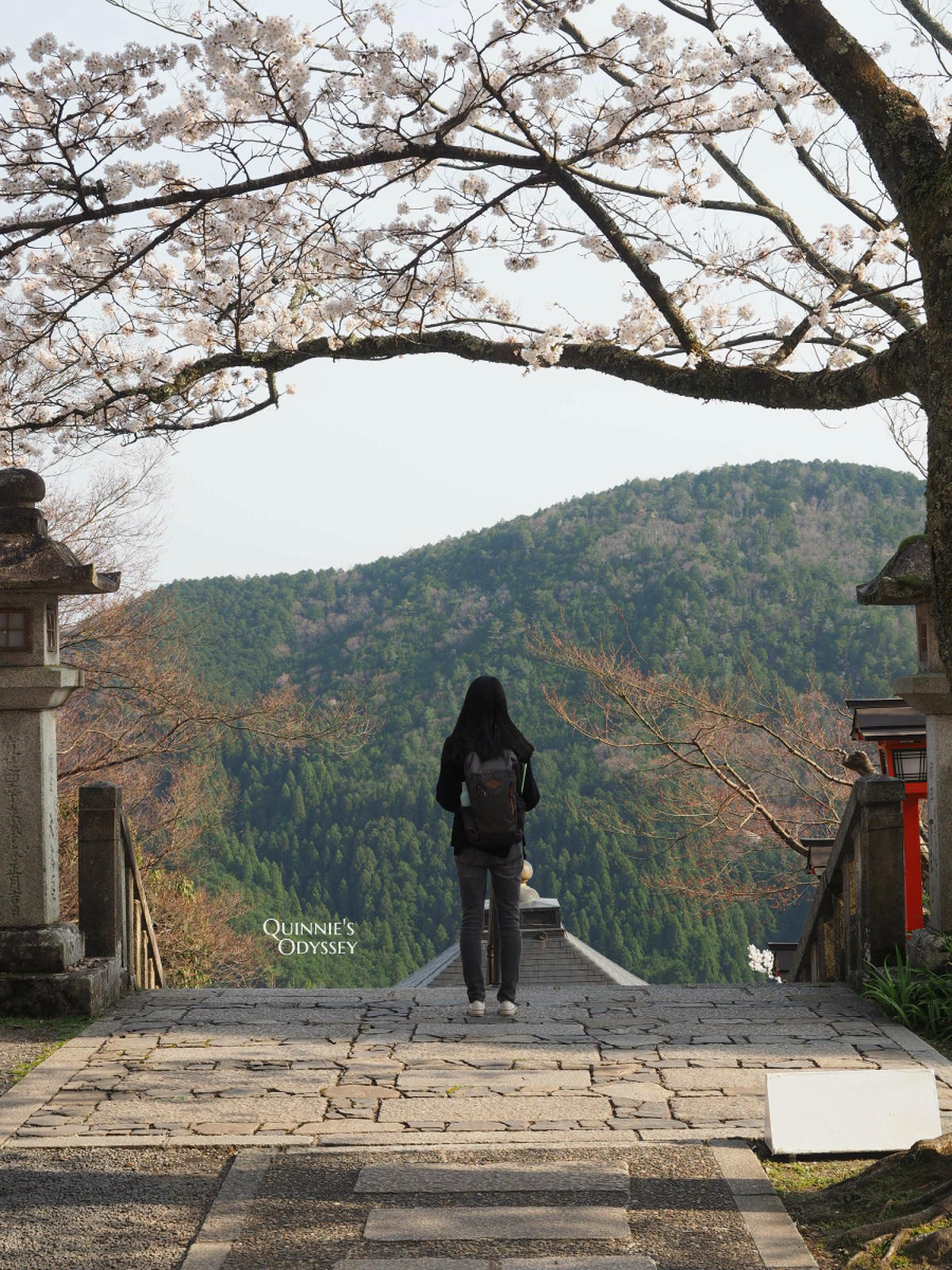
The elevation here is about 410 meters, so the view is amazing.
On a clear day, you can see layers of mountain ridges stretching into the distance. And if you’re lucky enough to catch mist rolling through the hills, it really does feel like a tengu might appear at any moment.
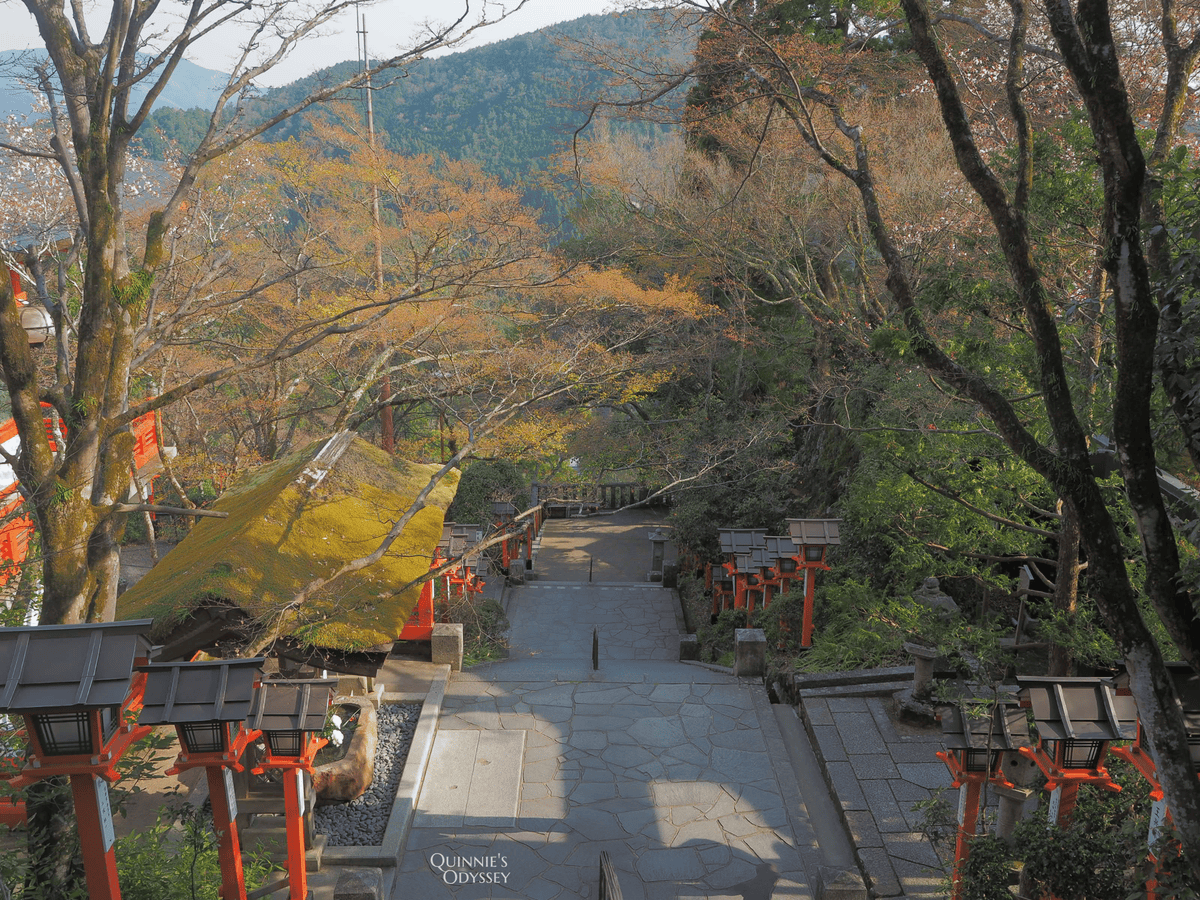
From the back of the main hall, you can continue on to the Okunoin Trail.
This section is often considered the most spiritually intense part of Mount Kurama, and it’s also said to be where Minamoto no Yoshitsune once trained.
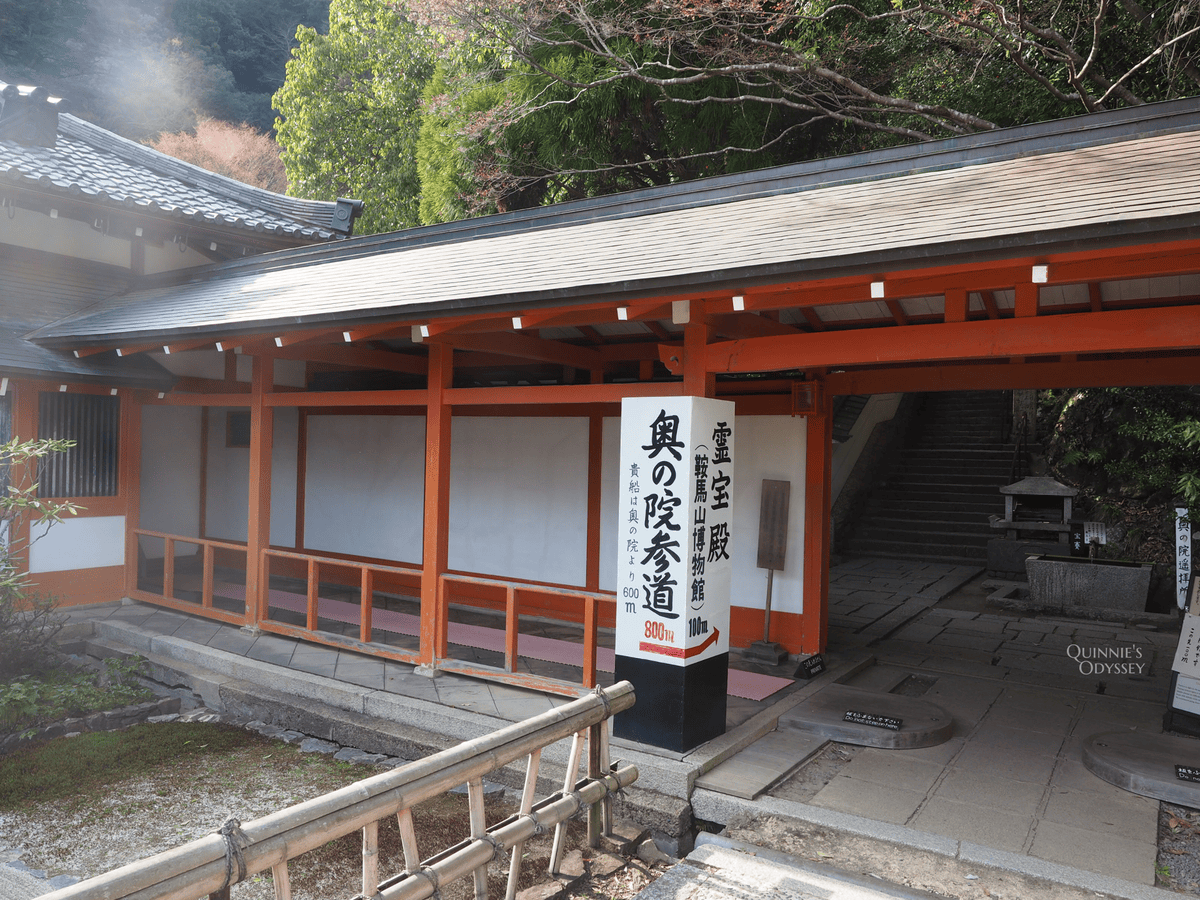
The path becomes more winding and more immersed in nature, with denser forest all around. You’ll quickly notice that the number of visitors drops, and the atmosphere becomes incredibly quiet, just the sound of your footsteps on leaves and soil.
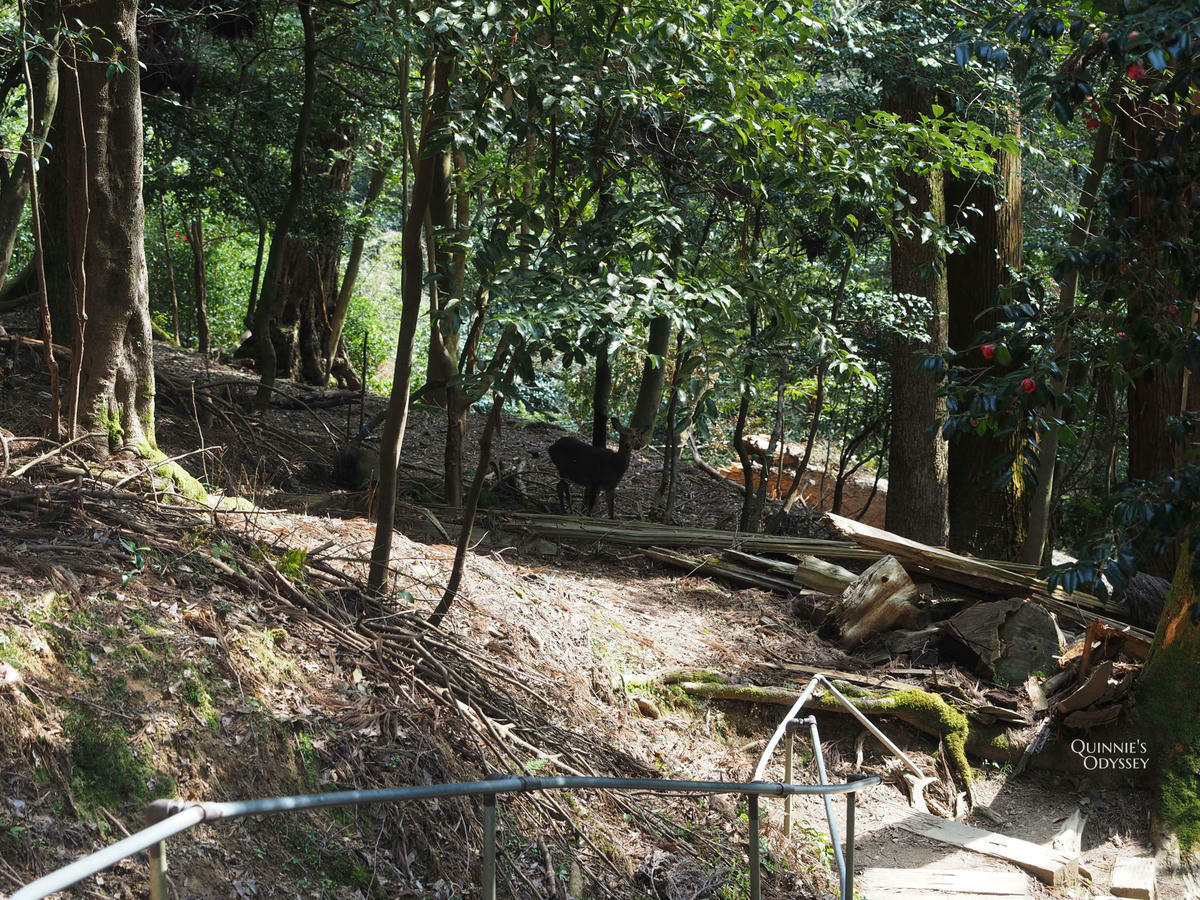
As we followed the path once walked by Yoshitsune (also known as Ushiwakamaru), we didn’t see any legendary tengu, but we did catch a glimpse of a few deer darting through the trees.👇
Kinone-michi is one of the most iconic spots along the Okunoin Trail.
The ground here is covered with an intricate web of exposed tree roots, almost like a giant natural network spreading across the forest floor.
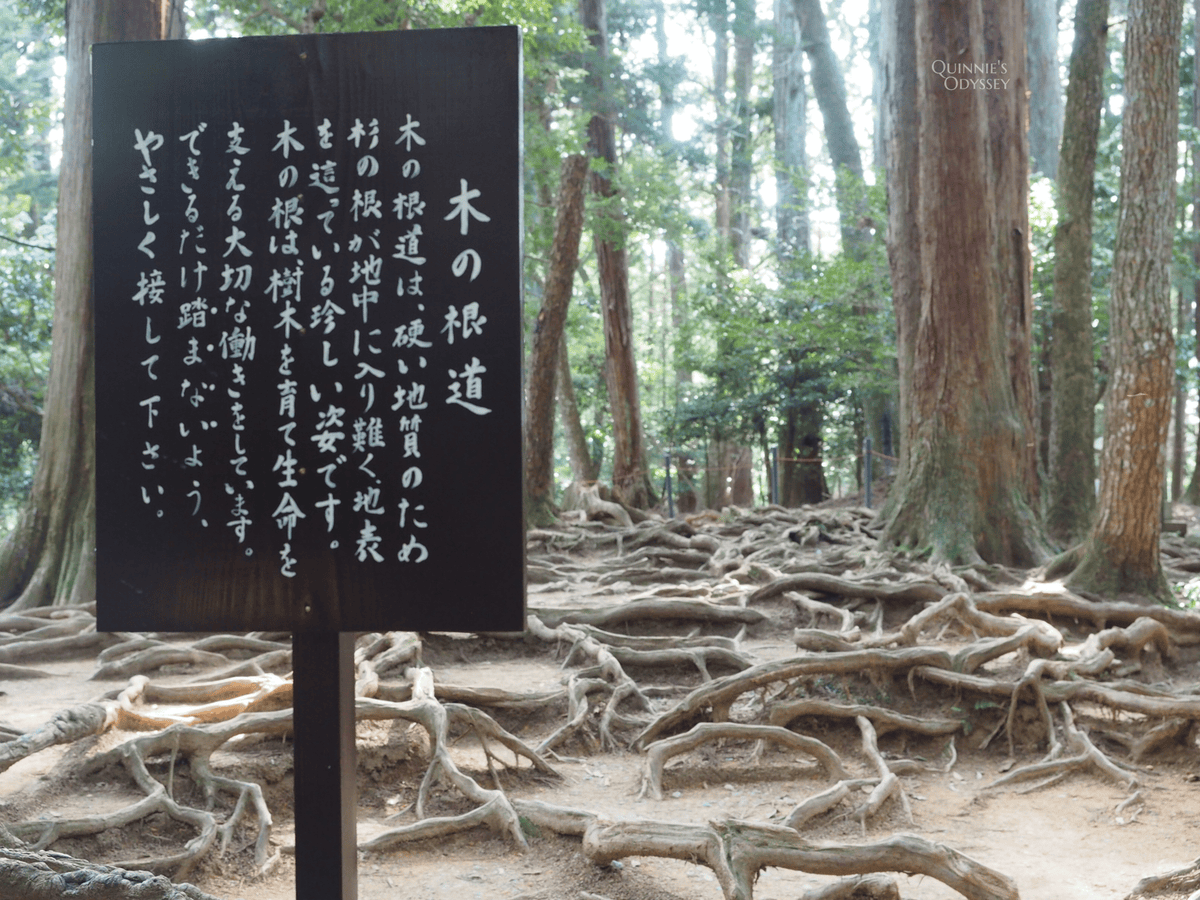
This unusual landscape is due to the hard bedrock in the area, which prevents roots from growing underground, so instead, they spread across the surface.
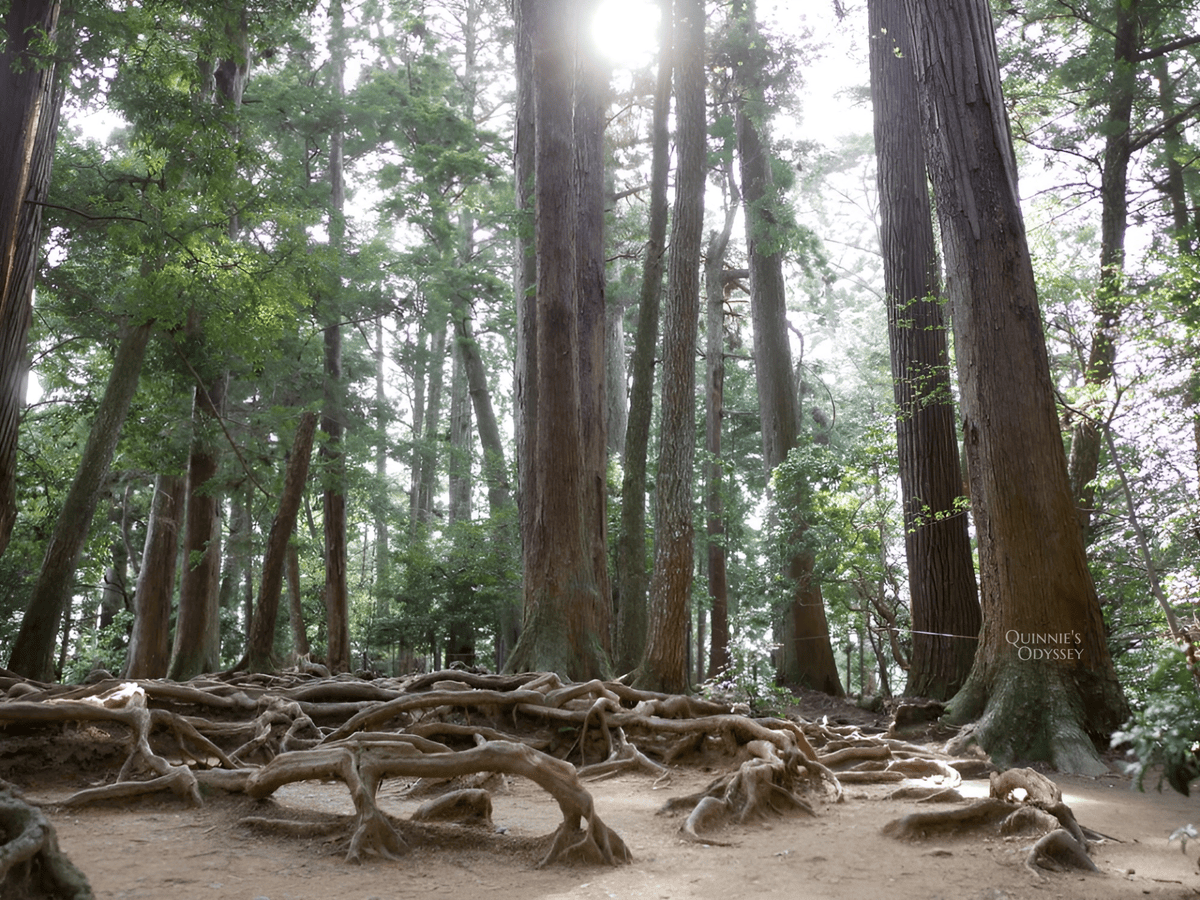
It’s also tied to a famous legend. It’s said that Yoshitsune trained here as a child, leaping over and weaving through the roots while learning swordsmanship and agility from the tengu.
Just a small reminder, try not to step directly on the roots when taking photos. It helps protect these ancient trees and keeps the trail safer for everyone.
After walking through this almost otherworldly forest, you’ll reach the deepest part of the mountain: Mao-den Hall.
This is considered the spiritual core of Mount Kurama, a kind of sacred boundary or energy center.
According to temple belief, about 6.5 million years ago, a being known as Mao-son descended here from Venus and brought spiritual energy to Earth.
It sounds like a blend of mythology and sci-fi, but that’s exactly what gives this place its unique, mysterious feel.
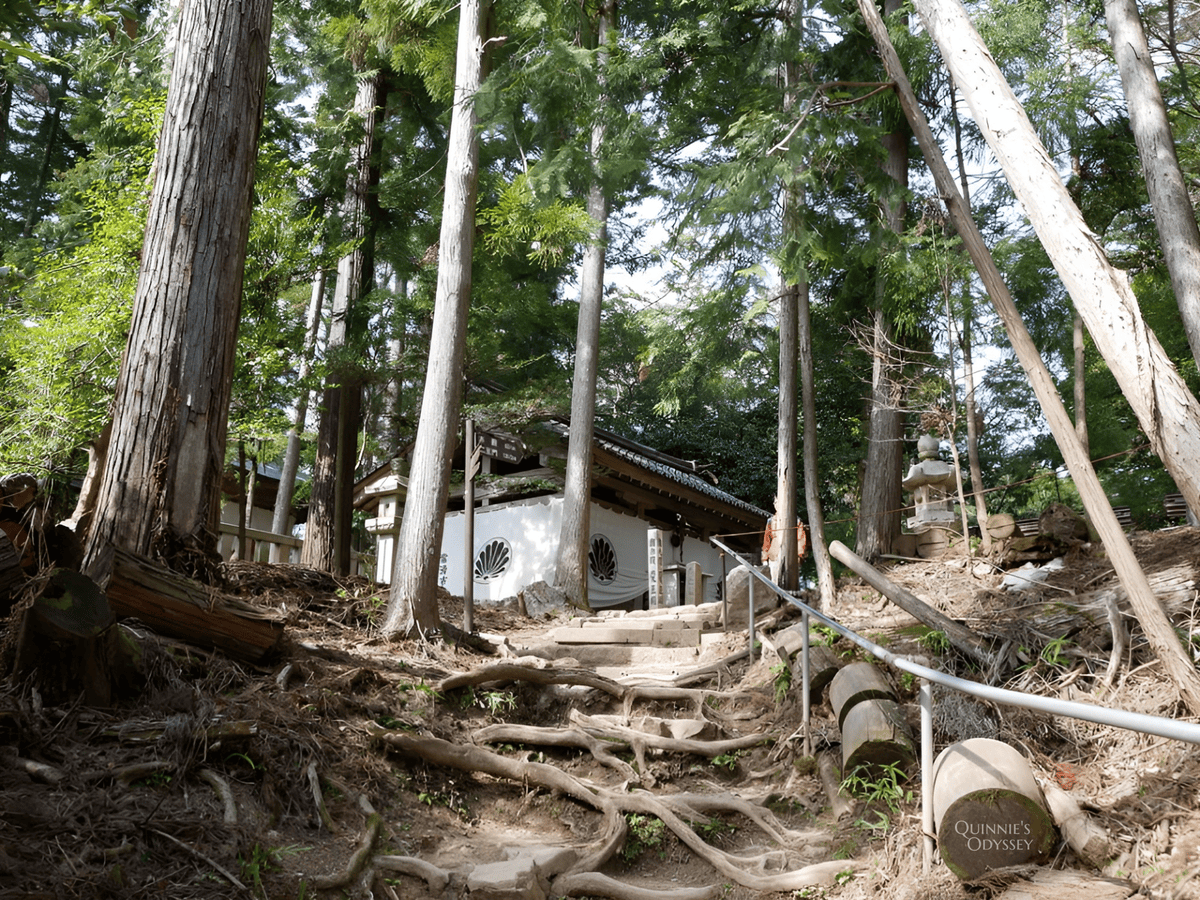
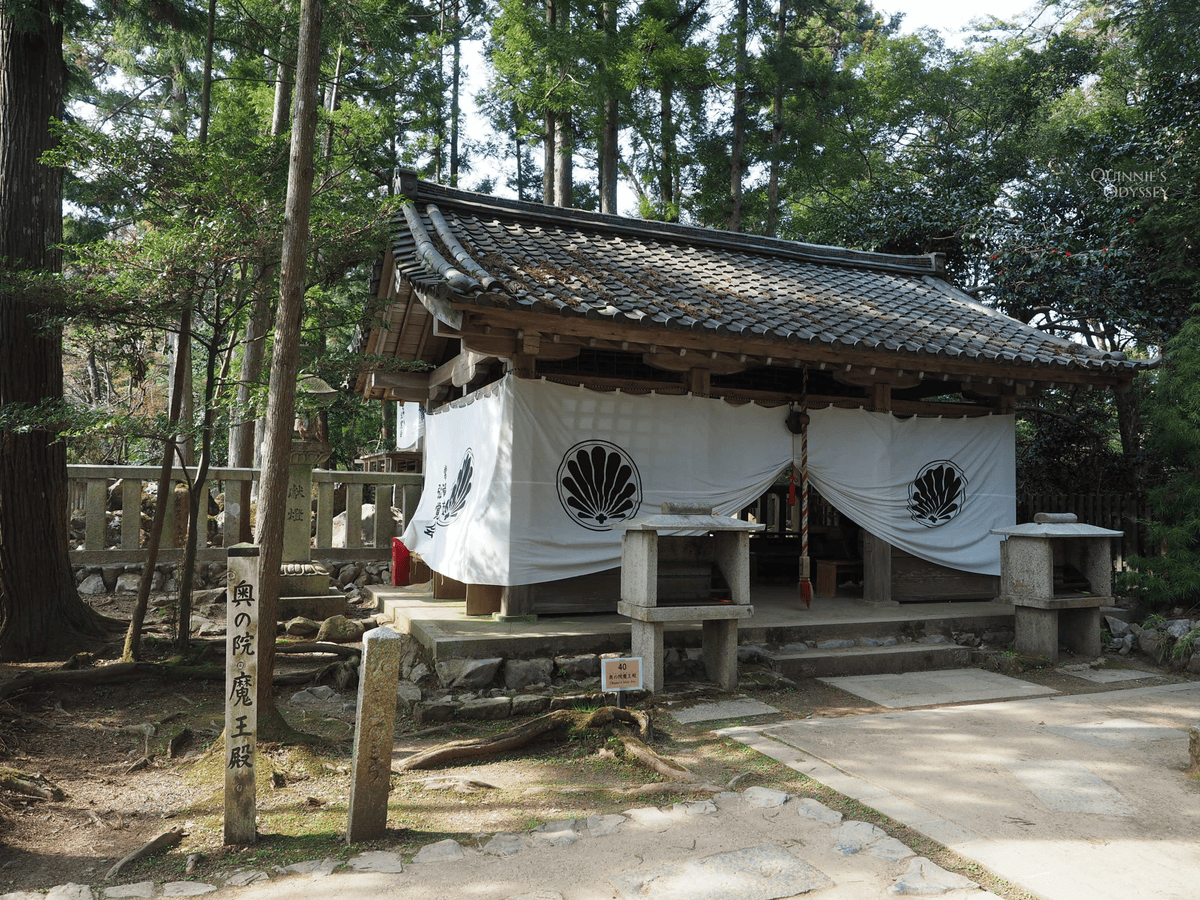
The hall itself is surprisingly simple, a small wooden structure quietly tucked into the forest.
Surrounded by unusual rock formations and deep woodland, the atmosphere here feels a bit cool and solemn, yet undeniably sacred.
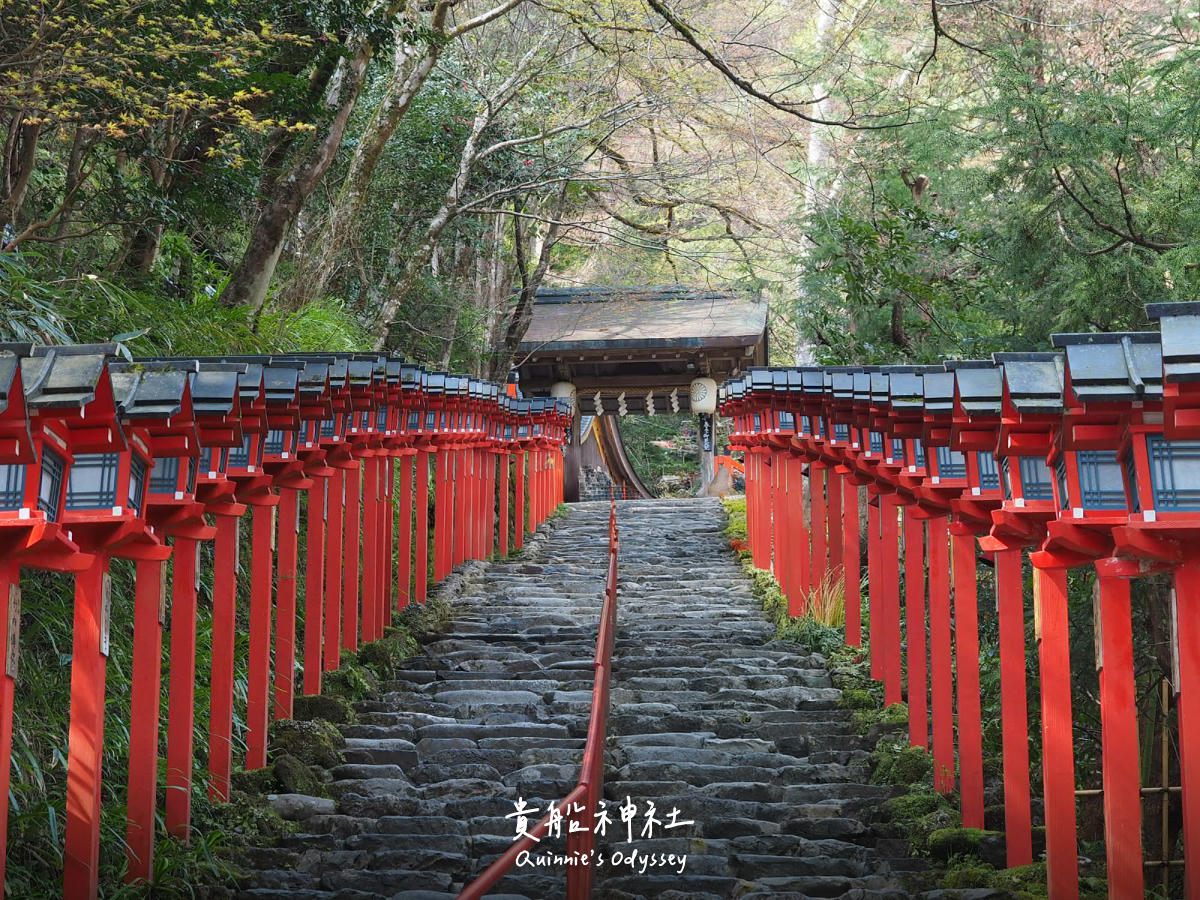
After exiting the west side of Kurama-dera, you’ll arrive at Kifune Shrine, the perfect final stop of the journey.
Compared to the wild, mystical feel of Mount Kurama, Kifune Shrine has a more elegant and serene atmosphere. It’s surrounded by a flowing stream and lush greenery, with its iconic stone steps lined by red lanterns, especially beautiful during evening illuminations or in winter snow.
The shrine is dedicated to the water deity Takaokami-no-Kami, and was once visited by the imperial court to pray for rain. It’s also known as a popular spot for love and relationship blessings.
Since Kurama and Kifune are connected by the same trail, it’s highly recommended to visit both in one trip, hike through Kurama in the morning, then unwind at Kifune in the afternoon for a completely different Kyoto experience.
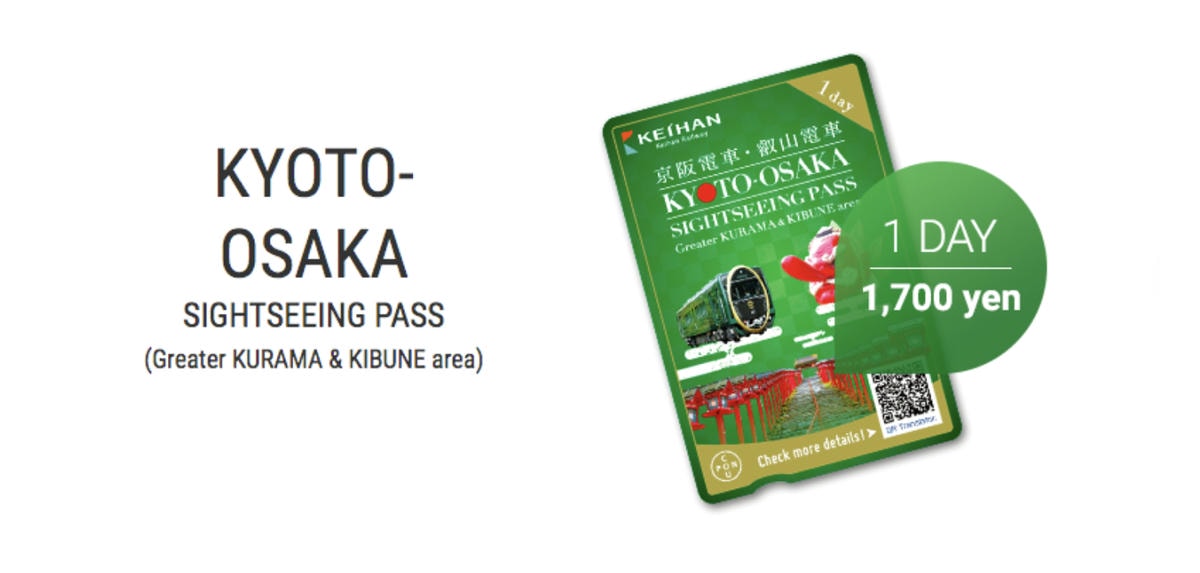
▼ Kyoto Travel Essentials ▼

Thanks for reading!
If you’re interested in my stories, feel free to follow me on Instagram.
👉👉 IG: @sika_artist 👈👈