Physical Address
304 North Cardinal St.
Dorchester Center, MA 02124
Physical Address
304 North Cardinal St.
Dorchester Center, MA 02124

Kifune Shrine is a sacred mountain shrine in northern Kyoto dedicated to Takaokami-no-Kami, the deity of water and rain, and one of the most genuinely atmospheric places I’ve visited in the city.
The complex is made up of three separate sections: the Main Shrine with its iconic red lantern stairway, Okunomiya where a dragon deity is said to reside beneath the earth, and Yui no Yashiro, considered one of Japan’s most powerful love shrines.
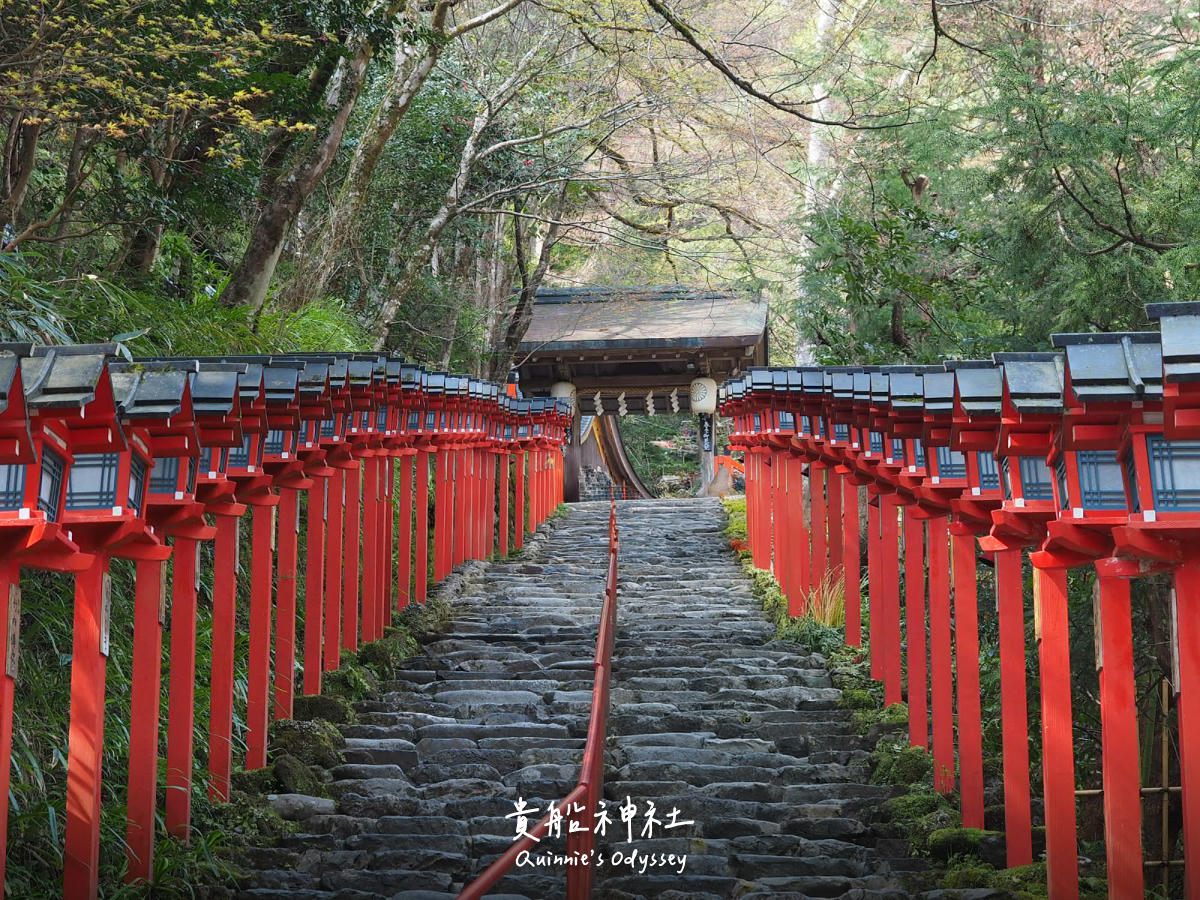
I visited on an early April morning and was surprised by how different it felt from Kyoto’s busier shrines, cooler, quieter, and genuinely mystical.
Getting there takes about 1 hour from Kyoto Station via the Eizan Railway and a 4-minute bus ride. Admission is free.
This article covers the visiting order, the water fortune ritual, the cursed Ushi-no-Toki legend, summer kawadoko dining, seasonal events, and how to combine Kifune with a hike to Kurama-dera.
Kifune Shrine is a Shinto shrine complex in the Kibune valley of Kyoto’s Sakyo Ward, about 1 hour north of the city center. It enshrines Takaokami-no-Kami, the deity of water and rainfall, and serves as the head shrine for around 450 Kifune Shrines across Japan.
Its documented history stretches back over 1,600 years, with records of a reconstruction in 677 AD during the reign of Emperor Tenmu.
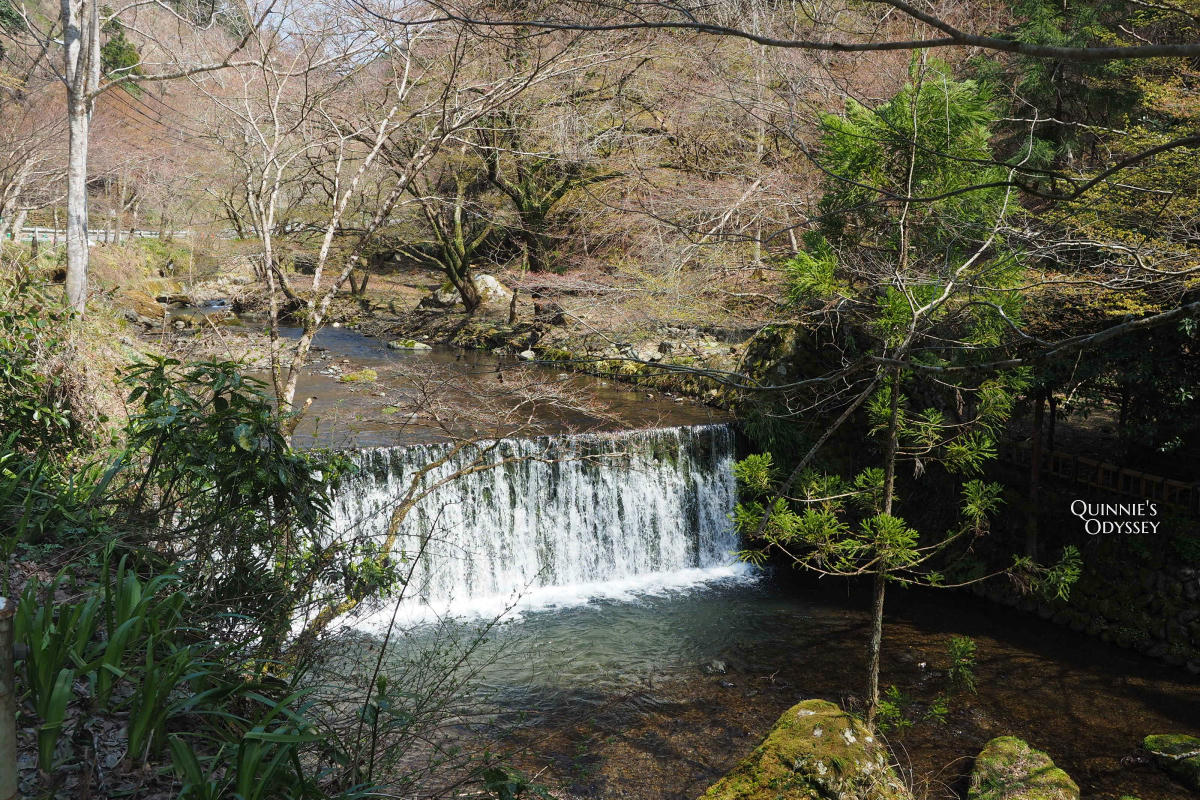
What sets it apart from Kyoto’s other famous shrines is the setting itself: deep mountain forest, the sound of the Kifune River running alongside the path, and air that stays noticeably cooler than the city, sometimes as much as 10°C lower, even in midsummer.
The name “Kifune” (貴船) is said to derive from “precious boat,” commemorating the legendary journey of Tamayorihime-no-Mikoto, who sailed upstream from Osaka Bay guided by a divine vision and eventually reached this valley and founded the shrine.
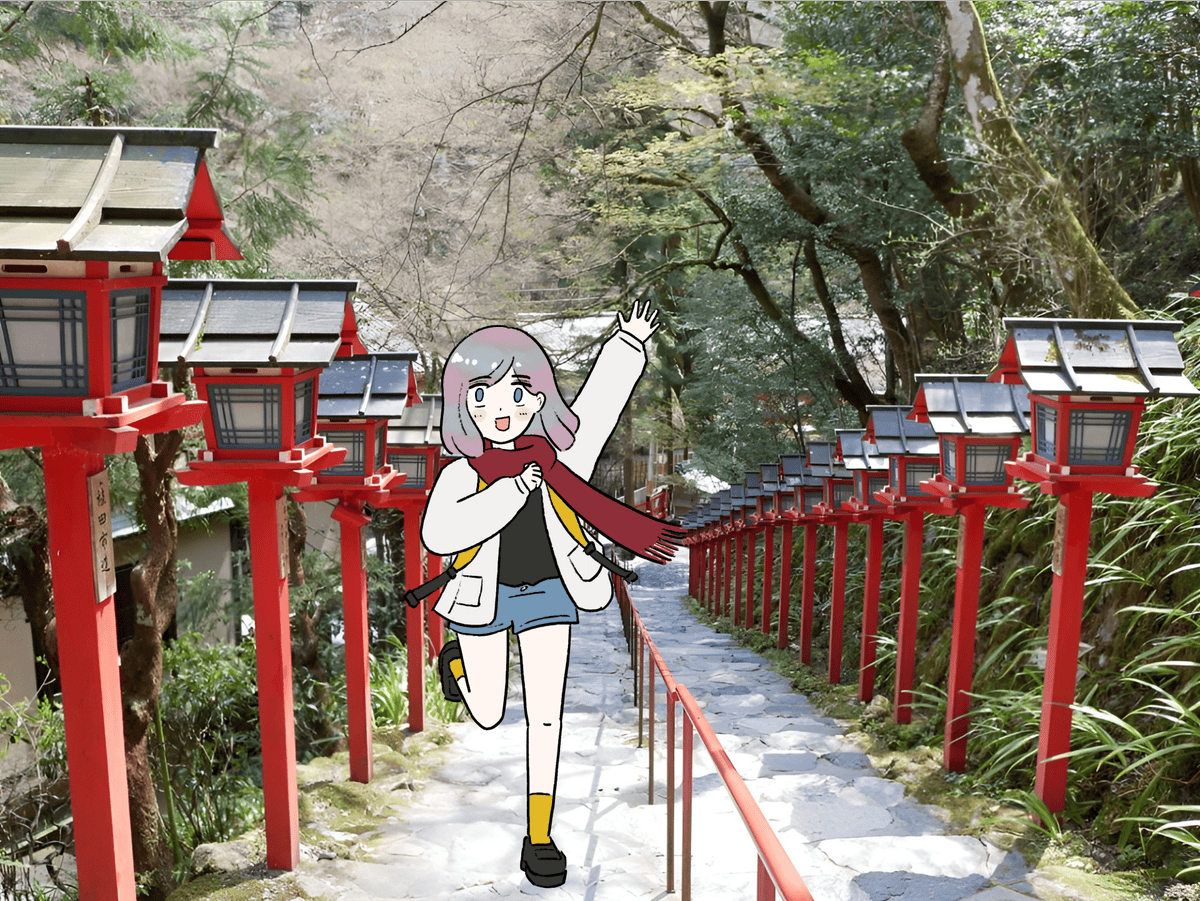
Reaching Kifune Shrine requires two steps: the Eizan Railway to Kibuneguchi Station, then a short bus ride. Total travel time from Kyoto Station is about 1 hour; from Demachiyanagi, around 40 minutes.
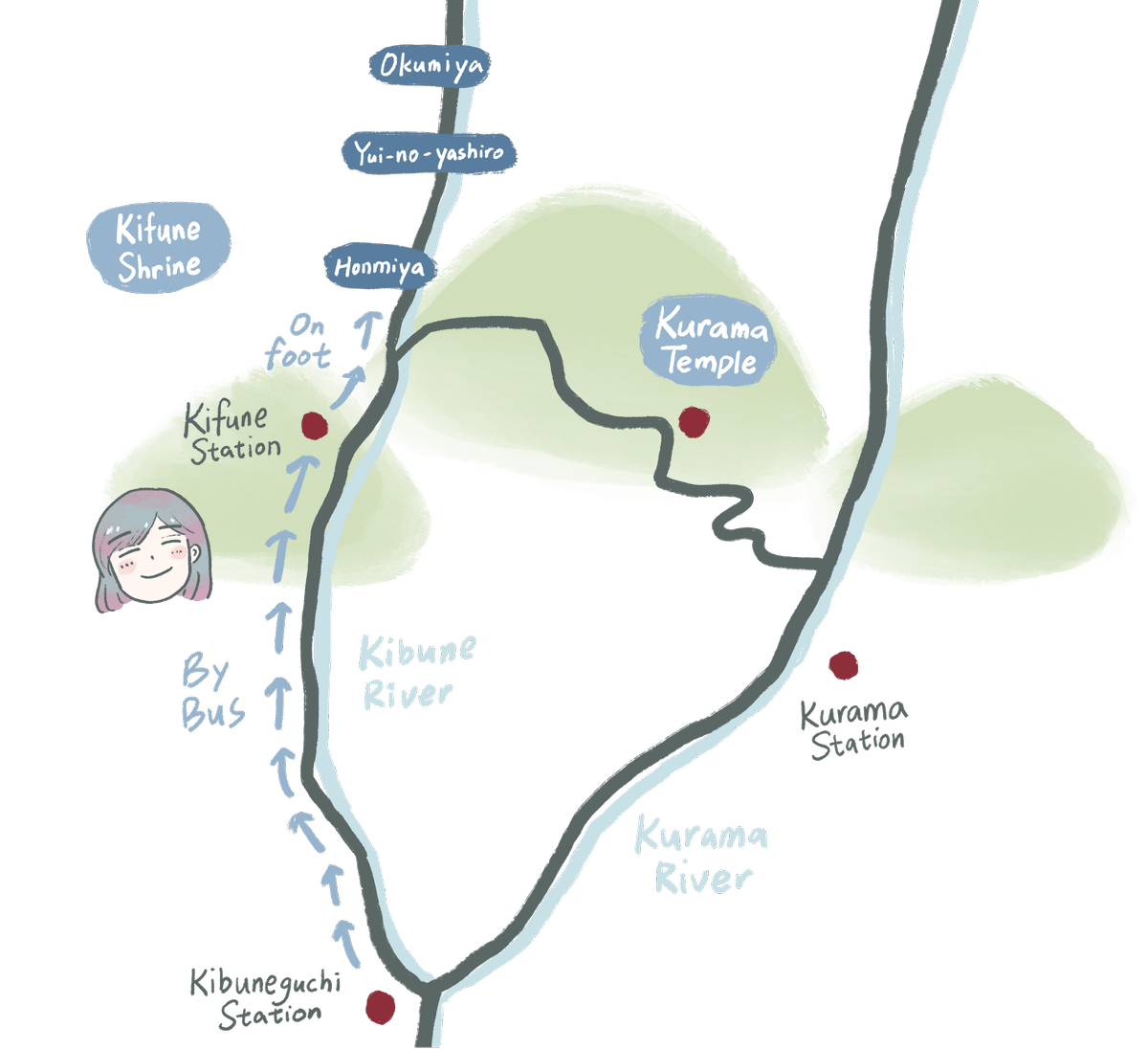
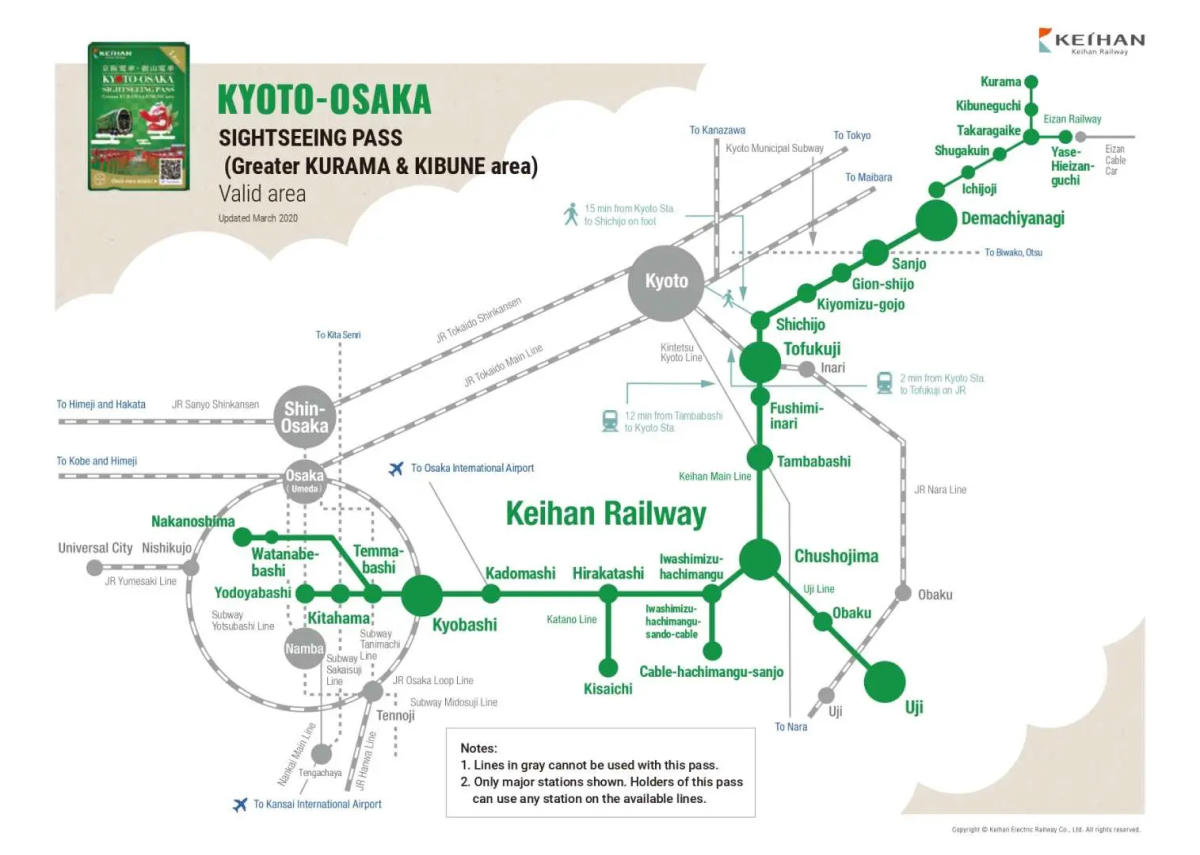
From Demachiyanagi Station, take the Eizan Railway’s Kurama Line toward Kurama and get off at Kibuneguchi Station (about 30 minutes).
The ride itself is worth doing in autumn, the train passes through the famous Maple Tunnel, one of Kyoto’s most beautiful fall foliage spots.
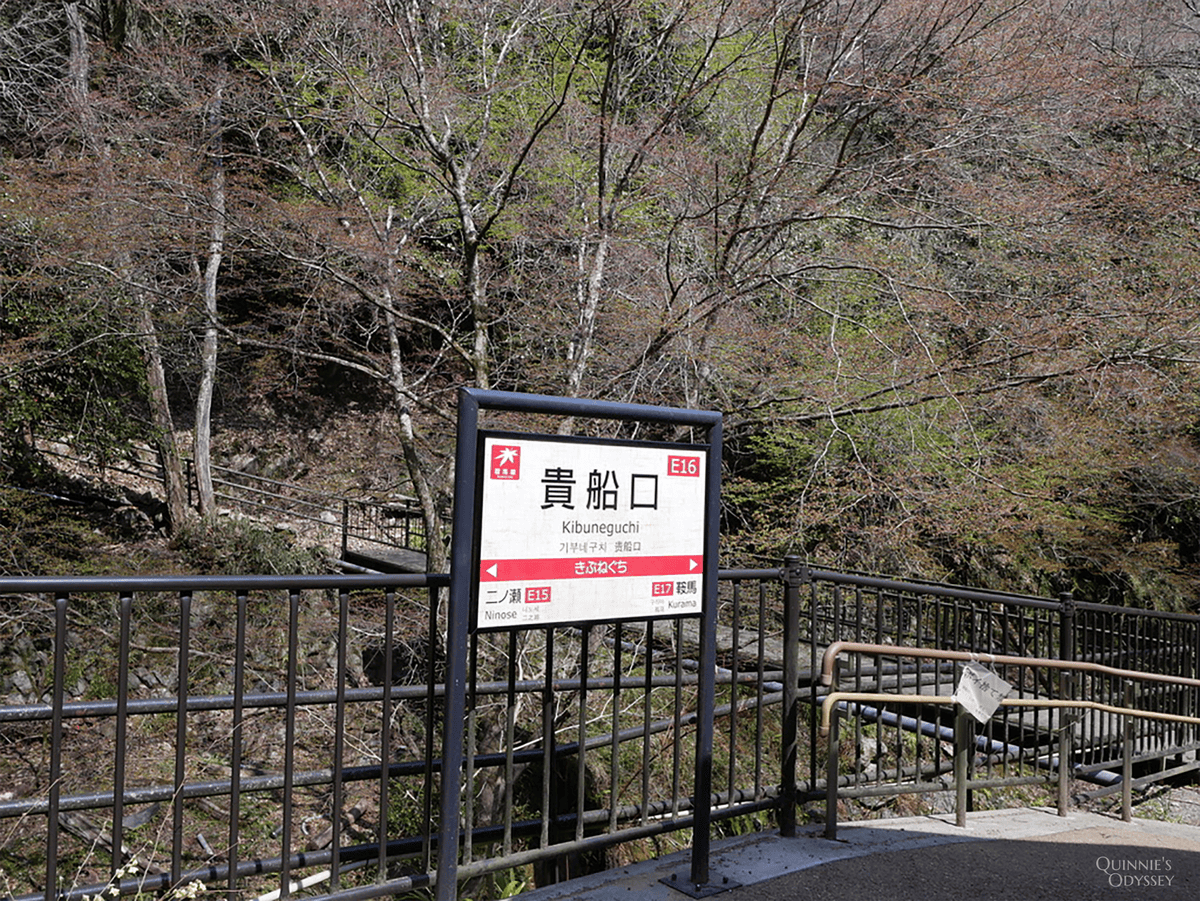
From Kibuneguchi Station, board Eizan Bus Route 33 to the final stop, Kifune. The ride takes about 4 minutes, with buses running every 10 minutes or so in the morning. One-way fare is 200 yen.
If you’d rather walk from Kibuneguchi, the path to the shrine takes about 30 minutes along the river road.
If you’re combining Kifune with Kurama-dera Temple, or traveling from Osaka, the Kyoto-Osaka Sightseeing Pass (Eizan Railway Edition) covers unlimited rides on both the Keihan and Eizan networks, useful for the day.
Just note it doesn’t cover the bus fare.
👉👉 Kyoto Osaka Sightseeing One-Day Pass + Eizan Electric Railway
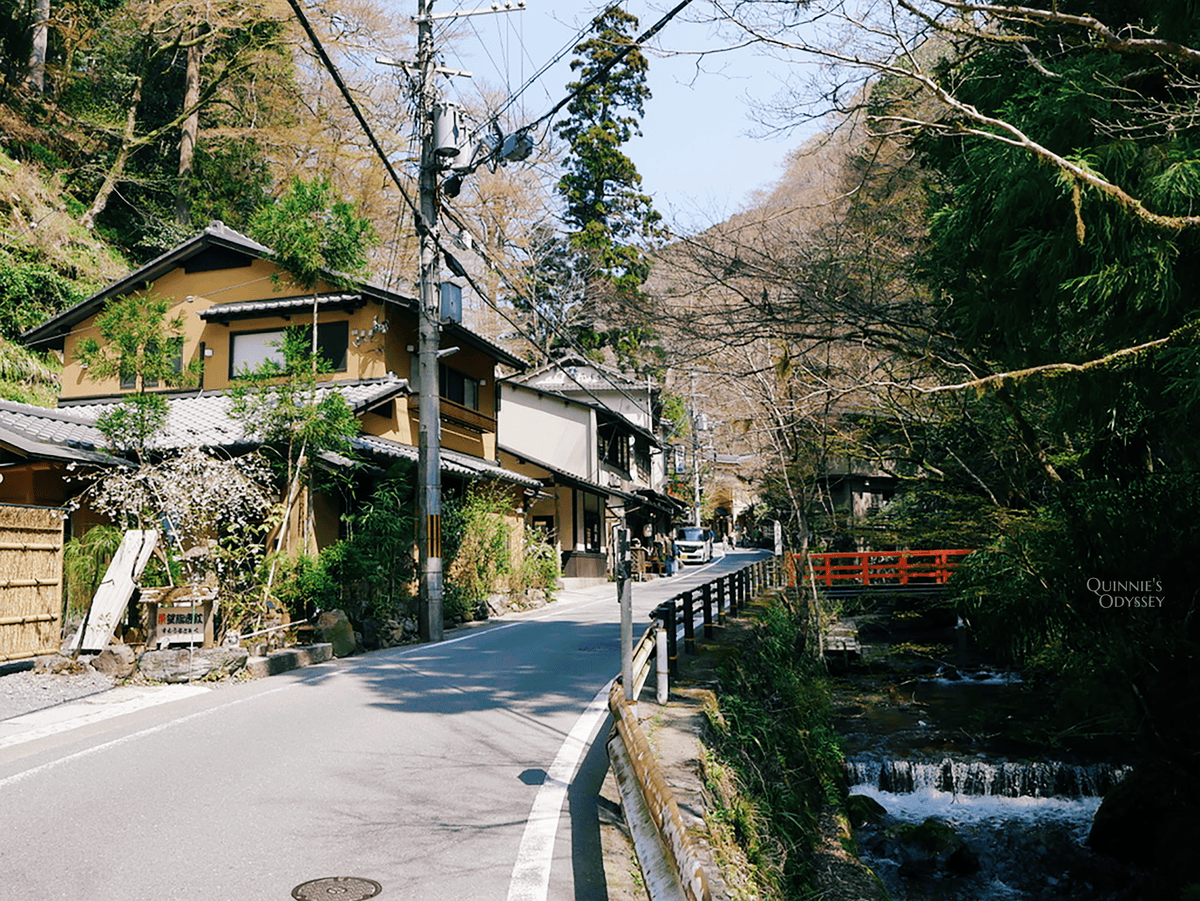
Once you get off the bus, you’ll follow a scenic path alongside the river toward the shrine. The gentle sound of flowing water and the cool mountain air make the approach feel peaceful and refreshing.
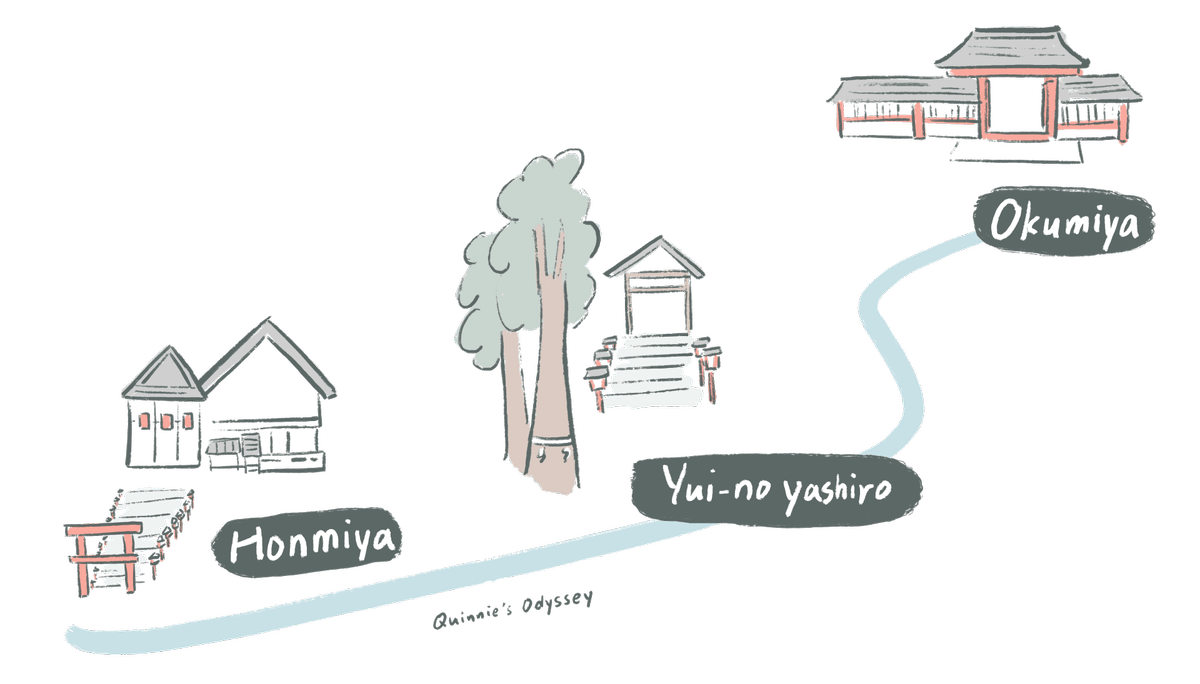
Kifune Shrine isn’t a single structure, it’s three separate shrines spread along the valley road.
Walking from the bus stop, you’ll encounter them in this order: Main Shrine → Yui no Yashiro → Okunomiya. But the traditional pilgrimage route goes: Main Shrine → Okunomiya → Yui no Yashiro (on the way back).
Follow the traditional order if you can. Visit the Main Shrine first, continue upstream past Yui no Yashiro to Okunomiya, then stop at Yui no Yashiro on your return walk. The full circuit takes about 1 hour at a relaxed pace, not including dining.
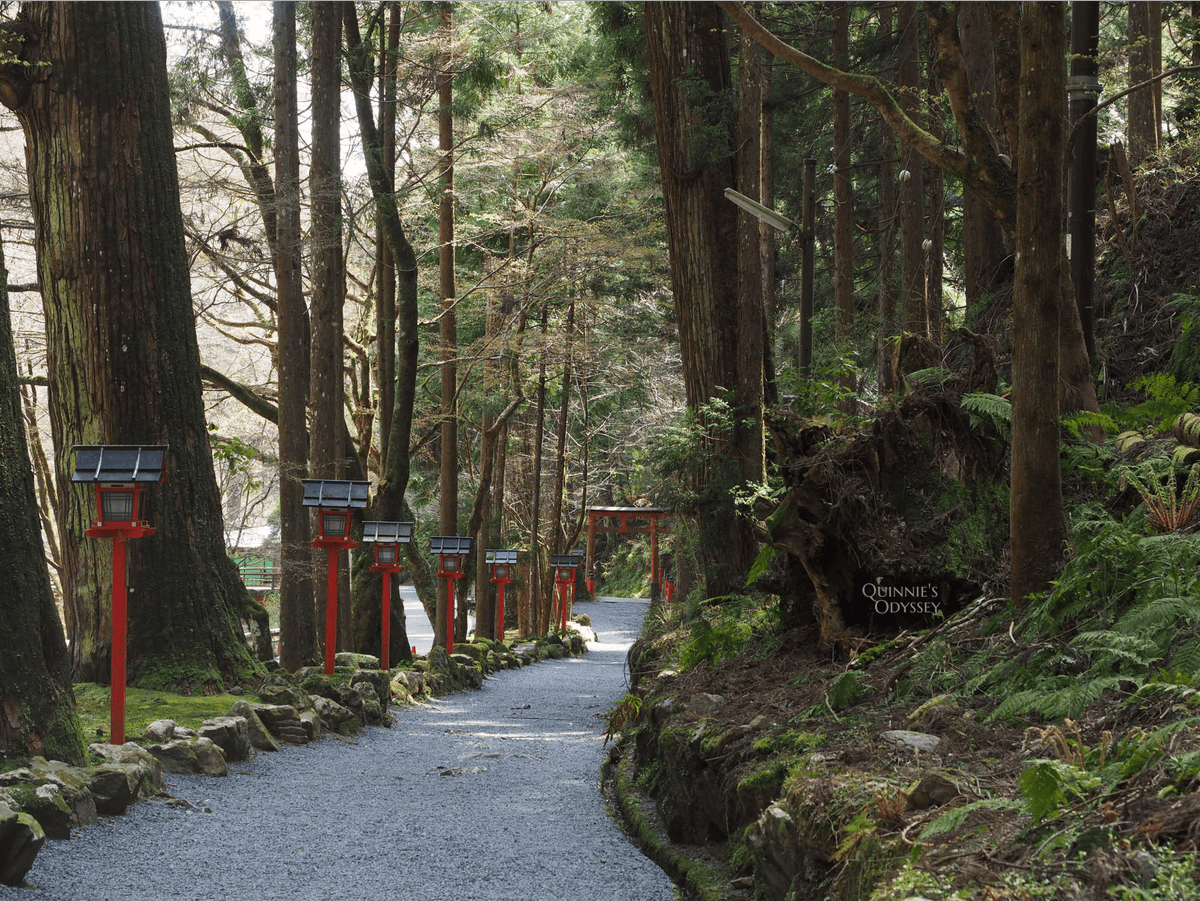
The first thing you see at the Main Shrine is the stone stairway lined with rows of bright red lanterns, surrounded by forest on both sides, it’s one of the most striking shrine entrances in Kyoto.
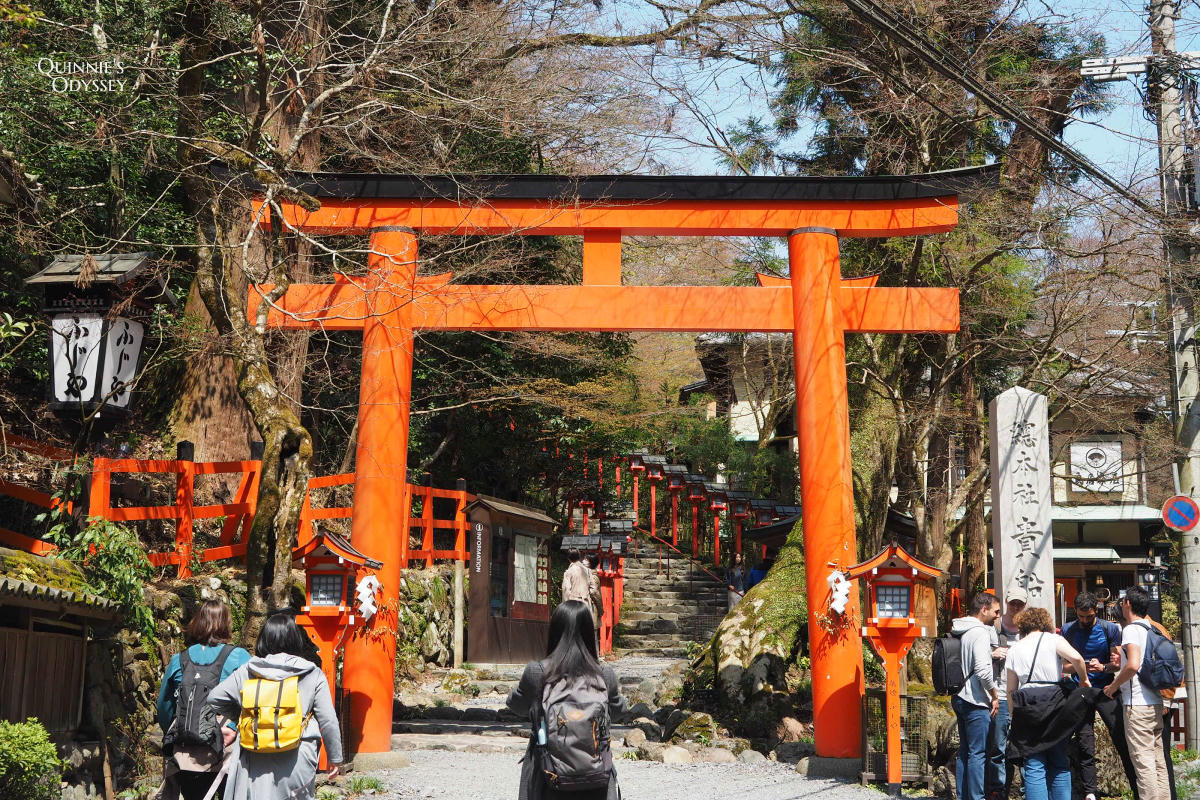
I arrived on an early April morning. Kifune itself has very few cherry trees, so the crowds were lighter than I expected; getting a clear shot of the staircase without anyone in frame was easy.
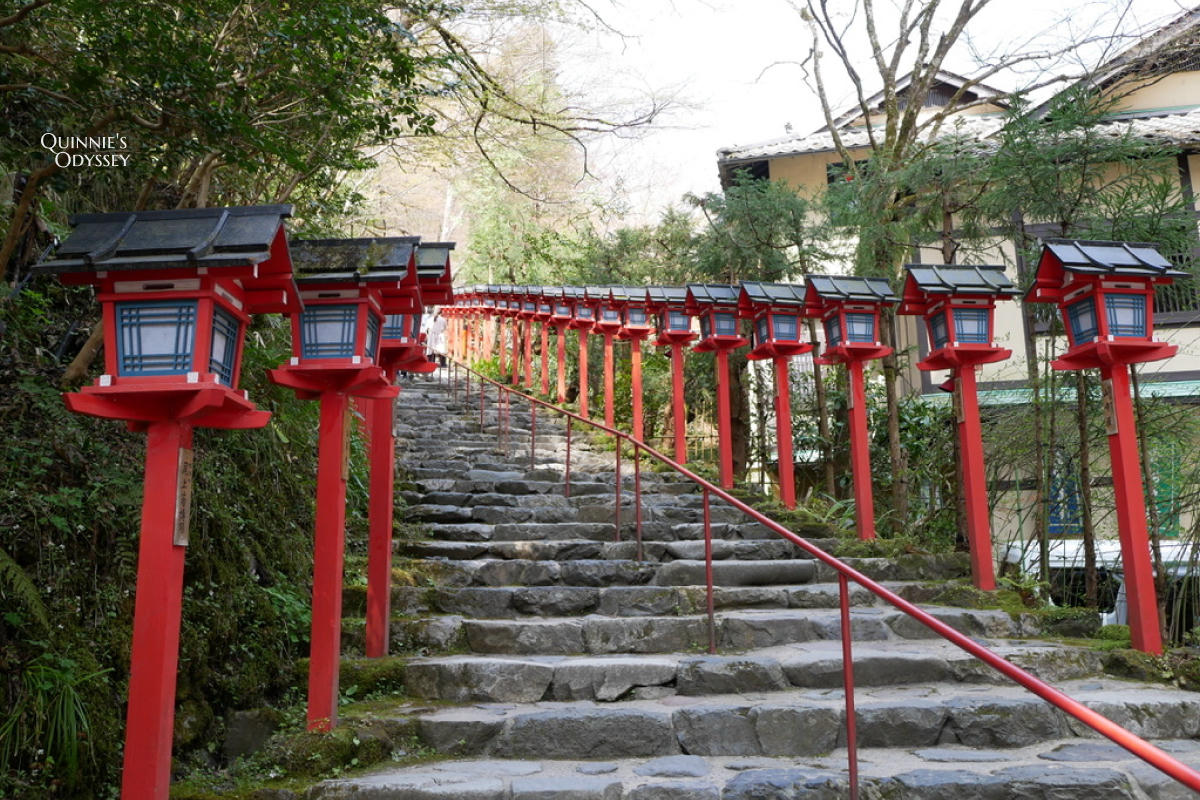
Autumn is a different story, peak foliage season brings noticeably larger crowds, and crowd-free photos usually mean arriving before 8:00 AM.
Kifune Shrine is also considered the birthplace of ema, the wooden prayer plaques found at shrines across Japan. In ancient times, worshippers offered real horses to the water deity: black horses to pray for rain, white horses for clear skies.
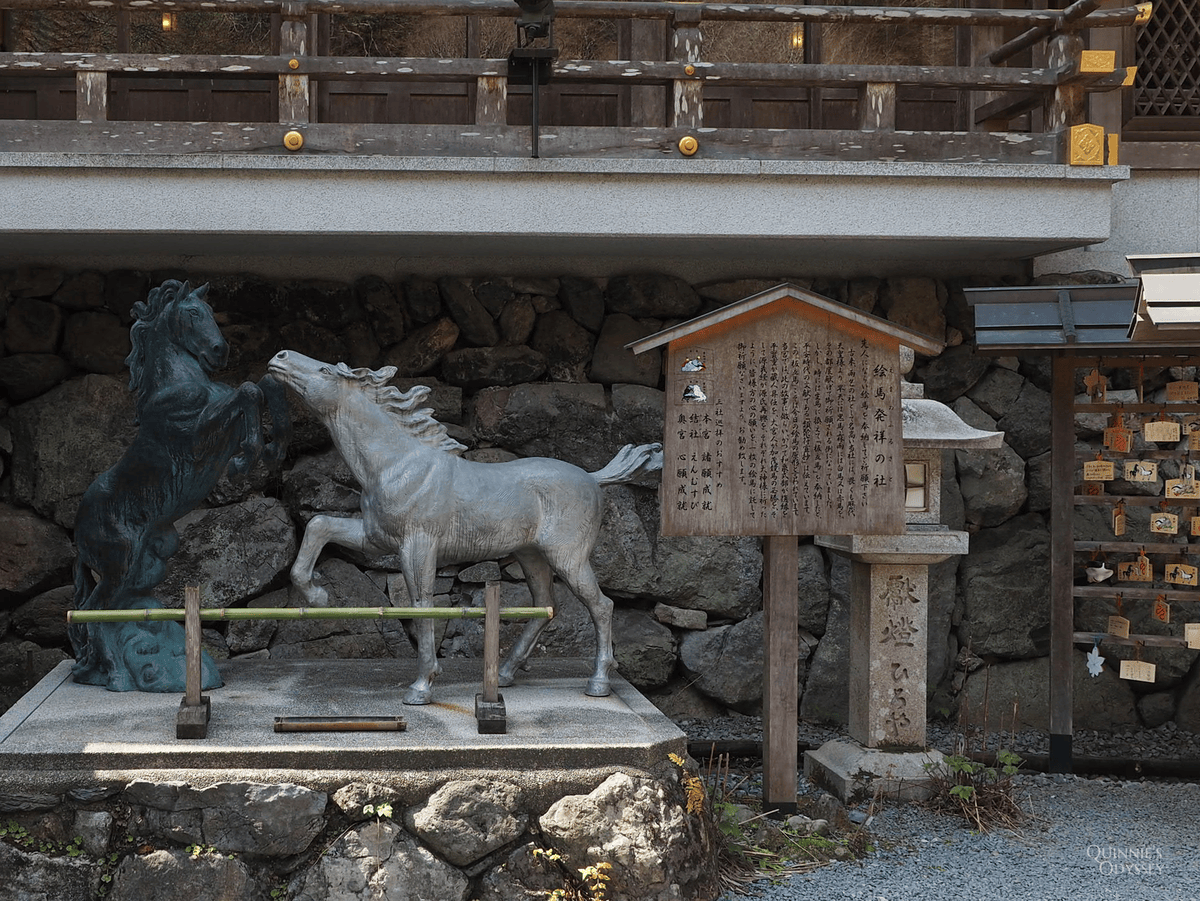
Since live horses were expensive to keep, wooden plaques painted with horses gradually replaced them, and that’s the origin of the ema tradition.
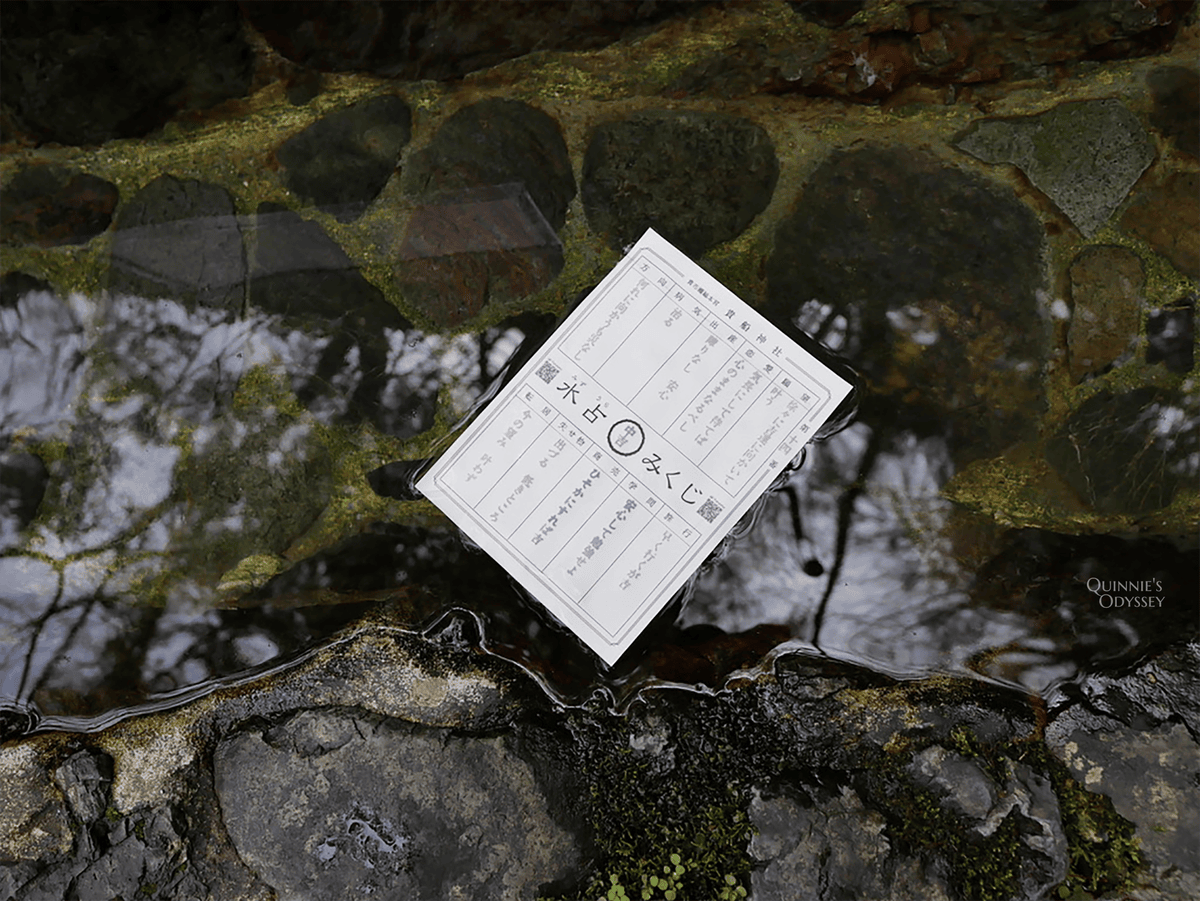
One of the shrine’s most popular rituals is the Water Fortune Slip (Mizu-ura Mikuji), costing 300 yen. The paper looks completely blank at first.
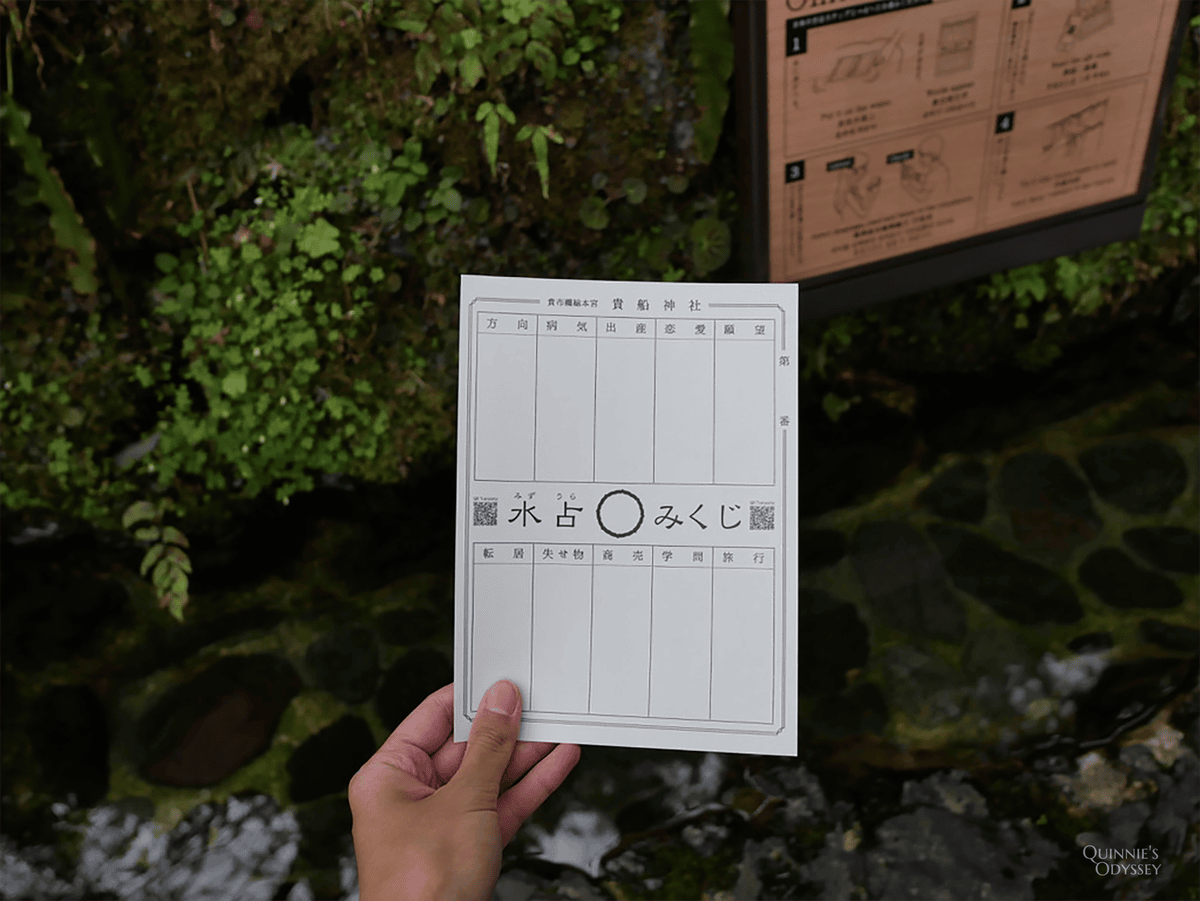
When you place it on the surface of the sacred water basin, text slowly appears, fortunes covering love, work, health, and travel. Modern versions include a QR code for reading in multiple languages. As the paper dries, the writing fades back to white.
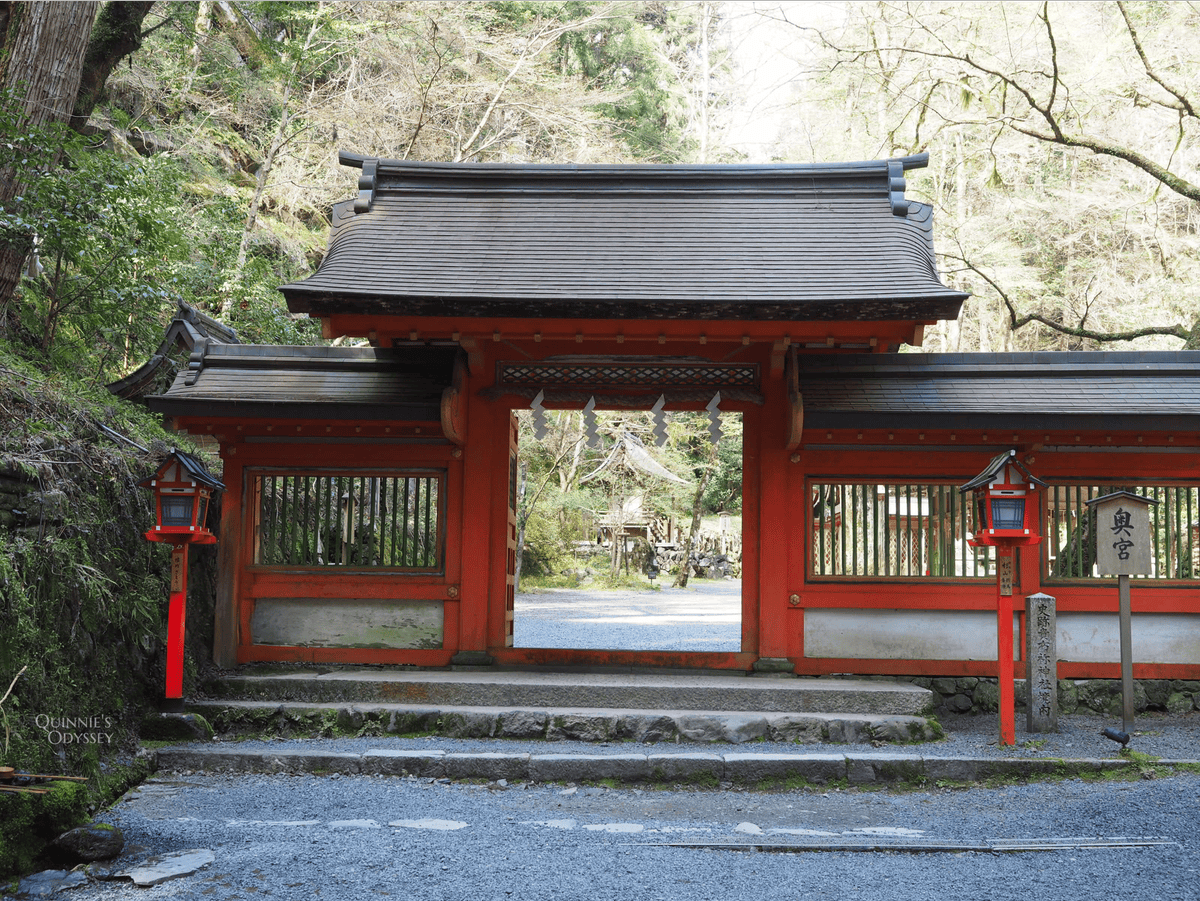
Walking upstream past Yui no Yashiro, you’ll reach Okunomiya, the most secluded section and the shrine’s original sacred site. Even after the Main Shrine was relocated in 1055, Okunomiya remained in place.
The atmosphere here is noticeably different: ancient trees, cool air, and a deep forest silence that feels genuinely old and undisturbed.
The shrine is said to sit above a Dragon Hole (Ryūketsu), where a dragon deity resides beneath the earth, channeling powerful spiritual energy upward.
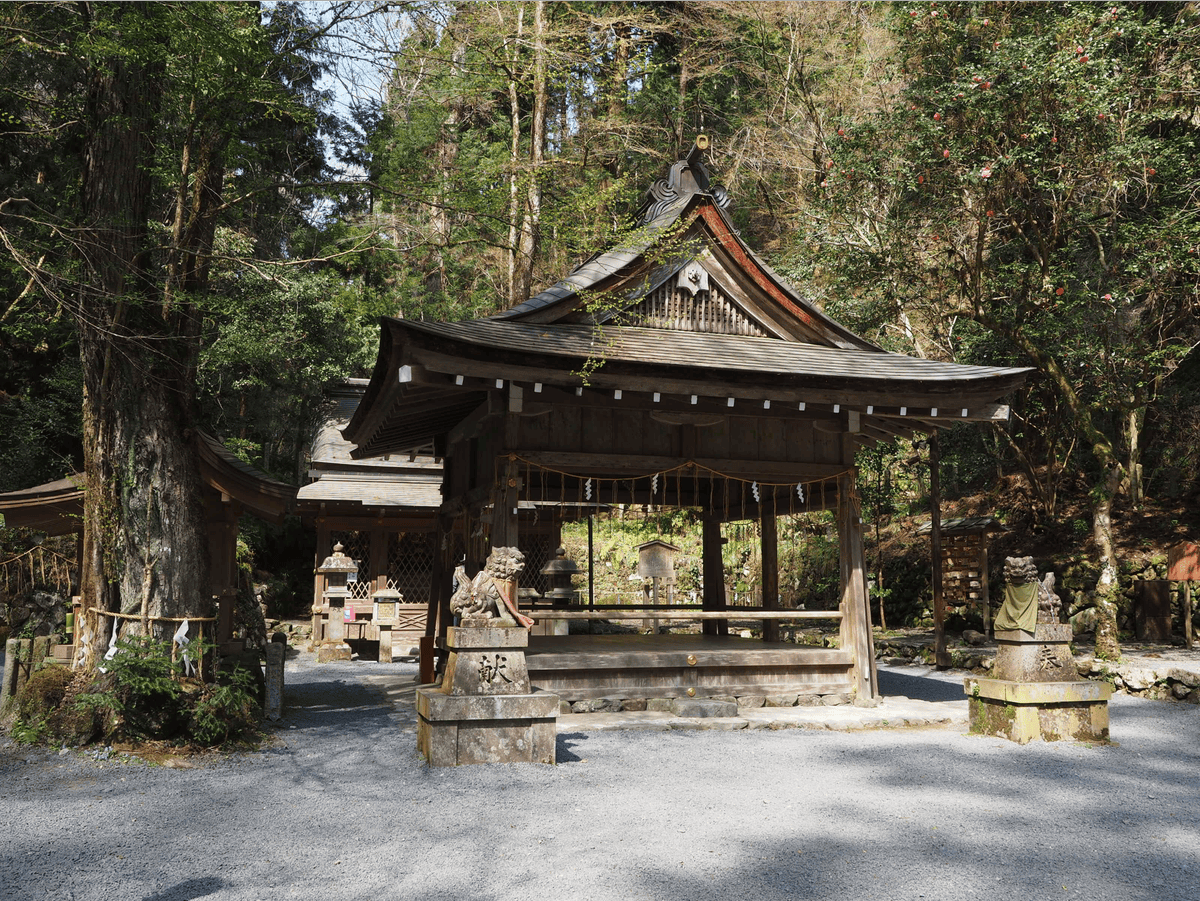
Okunomiya is also where the haunting Ushi-no-Toki Pilgrimage legend is set. According to the story, a woman betrayed by her husband came to Kifune between 1:00 and 3:00 AM, the Hour of the Ox, dressed in white, carrying a straw doll, iron nails, and candles.
She hammered the nails into sacred trees, channeling her resentment into the ritual. Repeating this for seven nights was said to make the curse come true.
This legend also connects Kifune to the famous onmyoji Abe no Seimei, who is said to have witnessed and intervened in the ritual. If you’ve been to Seimei Shrine in central Kyoto, you’ll immediately recognize the name.

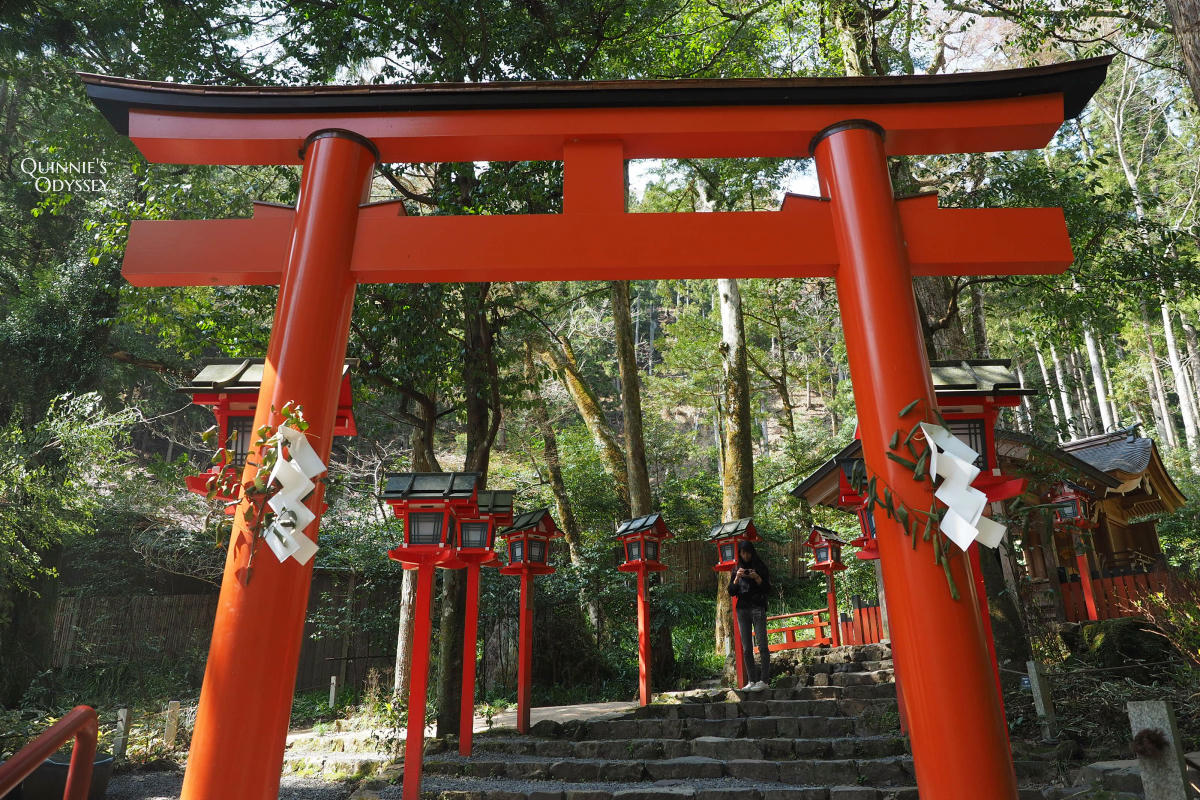
Yui no Yashiro is dedicated to Iwanagahime, a goddess from Japanese mythology, and has been known as a love and relationship shrine since the Heian period.
The myth: Ninigi-no-Mikoto, grandson of the sun goddess Amaterasu, was offered two sisters in marriage. He chose the beautiful Konohanasakuya-hime, who represents the fleeting beauty of cherry blossoms, and rejected her sister Iwanagahime, who symbolizes the eternal strength of stone, based on her appearance.
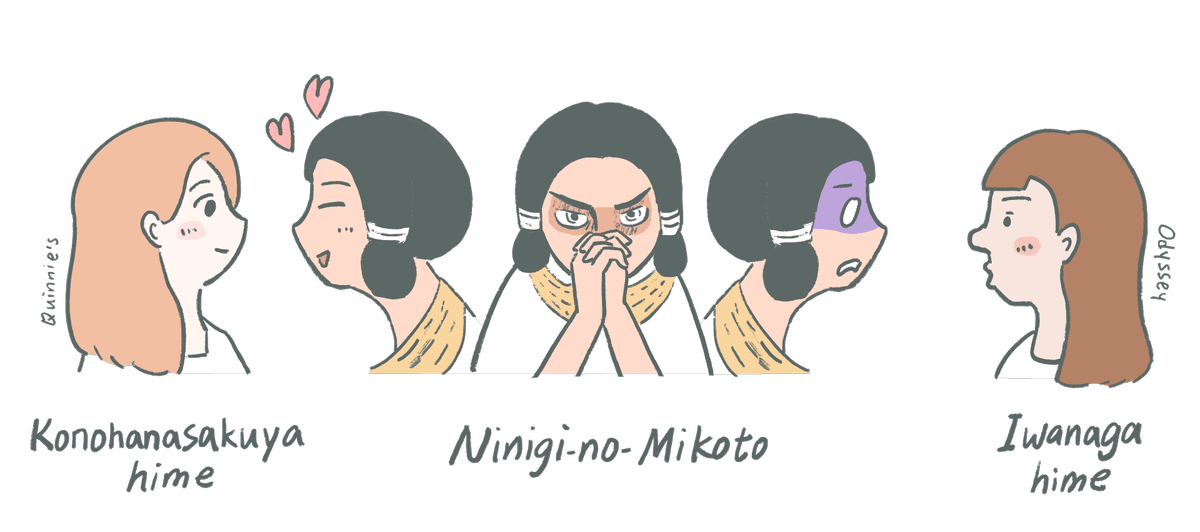
Their father cursed this decision, declaring that humans would no longer live long, unchanging lives like stone, but instead short, fragile ones like cherry blossoms. Iwanagahime eventually came to Kifune, and rather than holding resentment, became a goddess of lasting bonds.
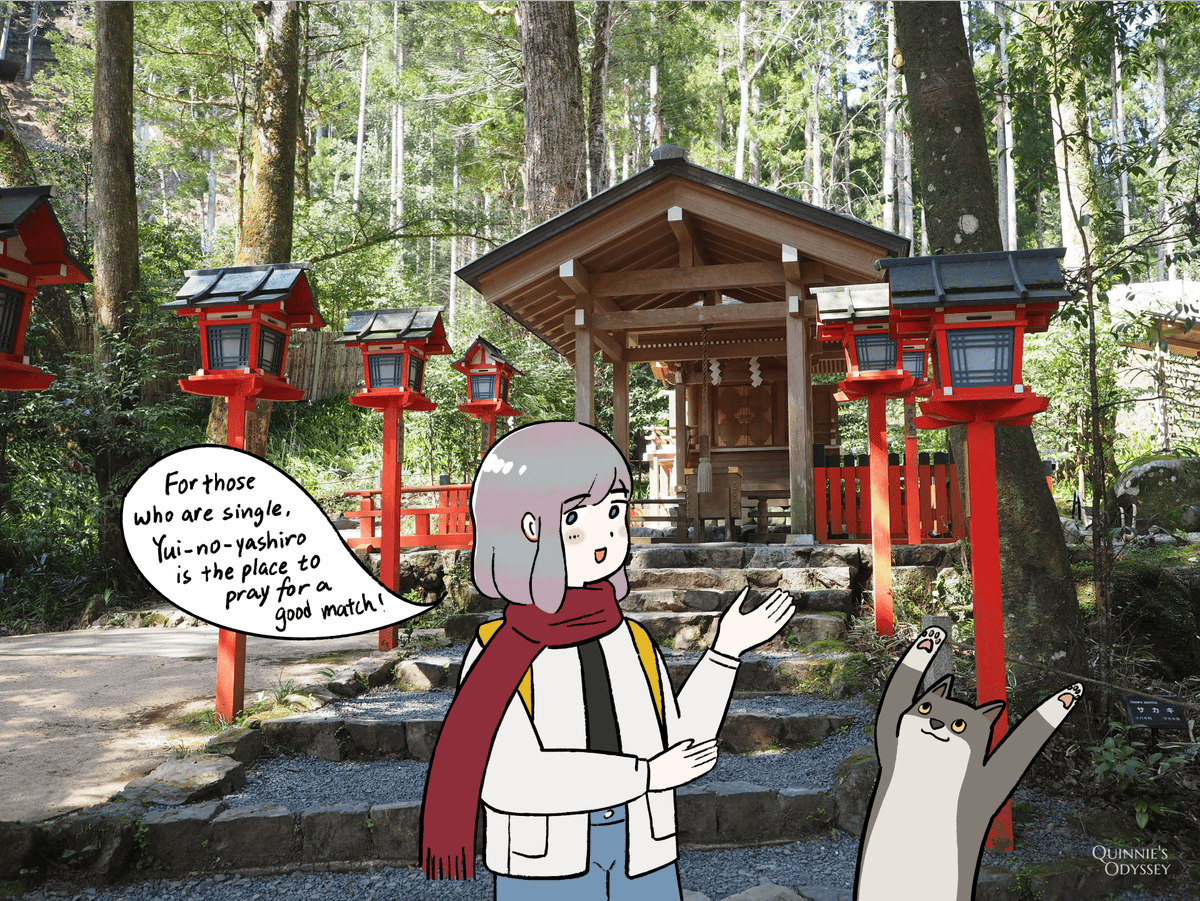
The shrine’s reputation grew further through the story of the Heian-era poet Izumi Shikibu. Emotionally neglected by her husband, she came to Yui no Yashiro and prayed. Watching fireflies drift over the river, she composed a poem comparing them to her own drifting soul.
Her devotion moved the gods, and her husband returned. That story spread widely, and Yui no Yashiro became one of Japan’s most famous shrines for love, reconciliation, and long-lasting relationships.
On the path to the shrine, look for the Aioi no Sugi, two cedar trees growing from the same root, a natural symbol of two people bound together for life.
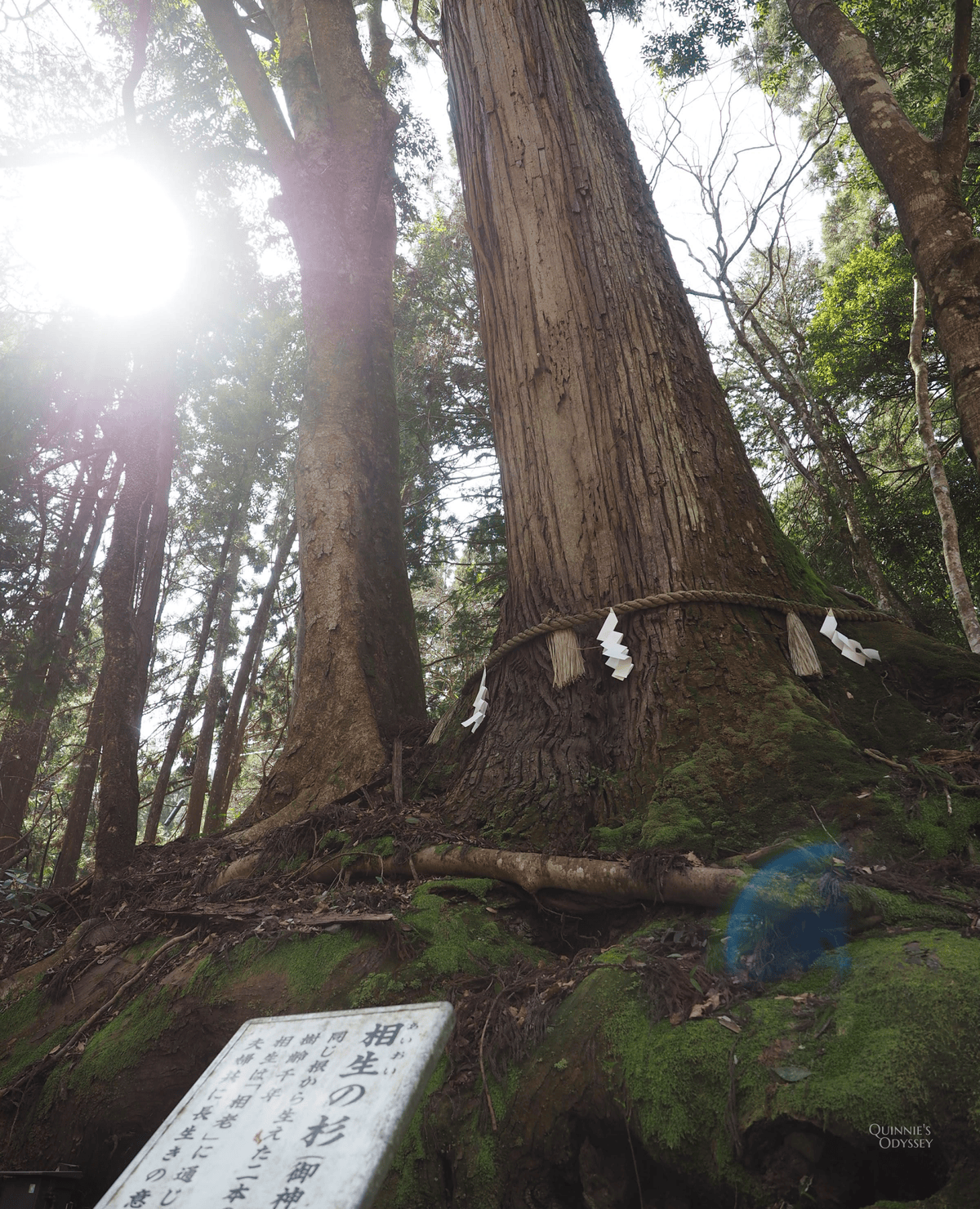
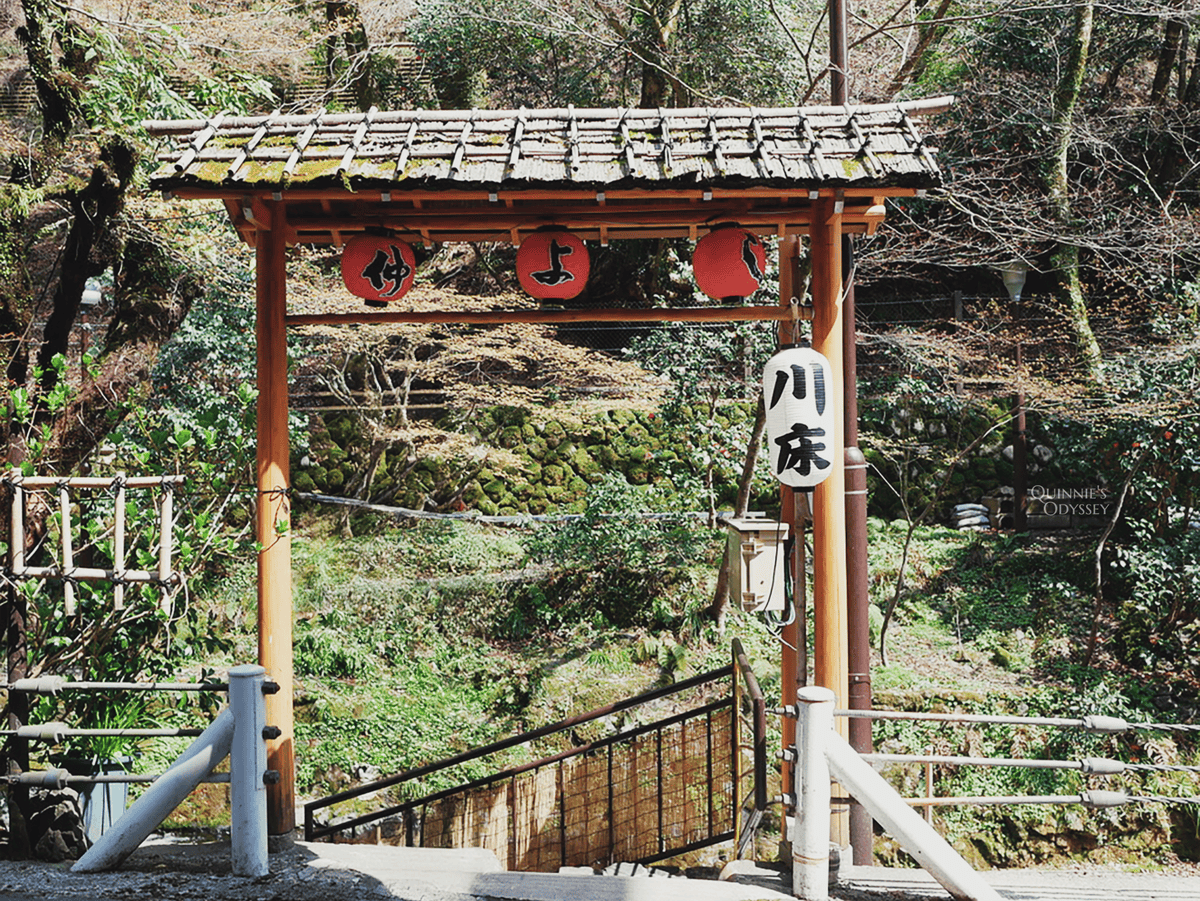
Every summer, the Kifune valley becomes one of Kyoto’s most unique dining experiences: kawadoko platforms built directly above the Kifune River.
“Kawadoko” refers to wooden terraces constructed so close to the flowing water that you can hear the current rushing beneath your feet. The cool mountain air drops the temperature noticeably, even in Kyoto’s hottest months, Kifune feels like a natural escape, sometimes 10°C cooler than the city. Most restaurants serve refined kaiseki-style meals, and the combination of flowing water, mountain forest, and Kyoto cuisine is genuinely hard to find anywhere else.
Unlike similar river dining in central Kyoto, Kifune’s kawadoko is built much closer to the actual water, sometimes close enough that you could almost touch it.
Reservations are essential, especially in July and August. I’d recommend booking at least 2 to 3 weeks in advance for summer weekends. In autumn, the scenery shifts completely, red maple leaves above, flowing water below.
| Season | What to See |
|---|---|
| Spring | Fresh green foliage; lighter crowds than central Kyoto |
| Summer | Kawadoko riverside dining; Tanabata lantern and wish festival |
| Autumn | Maple Tunnel on Eizan Railway; Maple Lantern Festival at Okunomiya |
| Winter | Rare snow illuminations, red torii gates against white snow |
The autumn Maple Lantern Festival is especially worth planning around.
After dark, the shrine grounds and the path to Okunomiya light up with glowing red and orange maple leaves, creating a scene that’s hard to describe without seeing it in person.
A visit to Kifune takes about 1 hour if you’re not dining, which is why many travelers combine it with Kurama-dera Temple for a full-day trip.
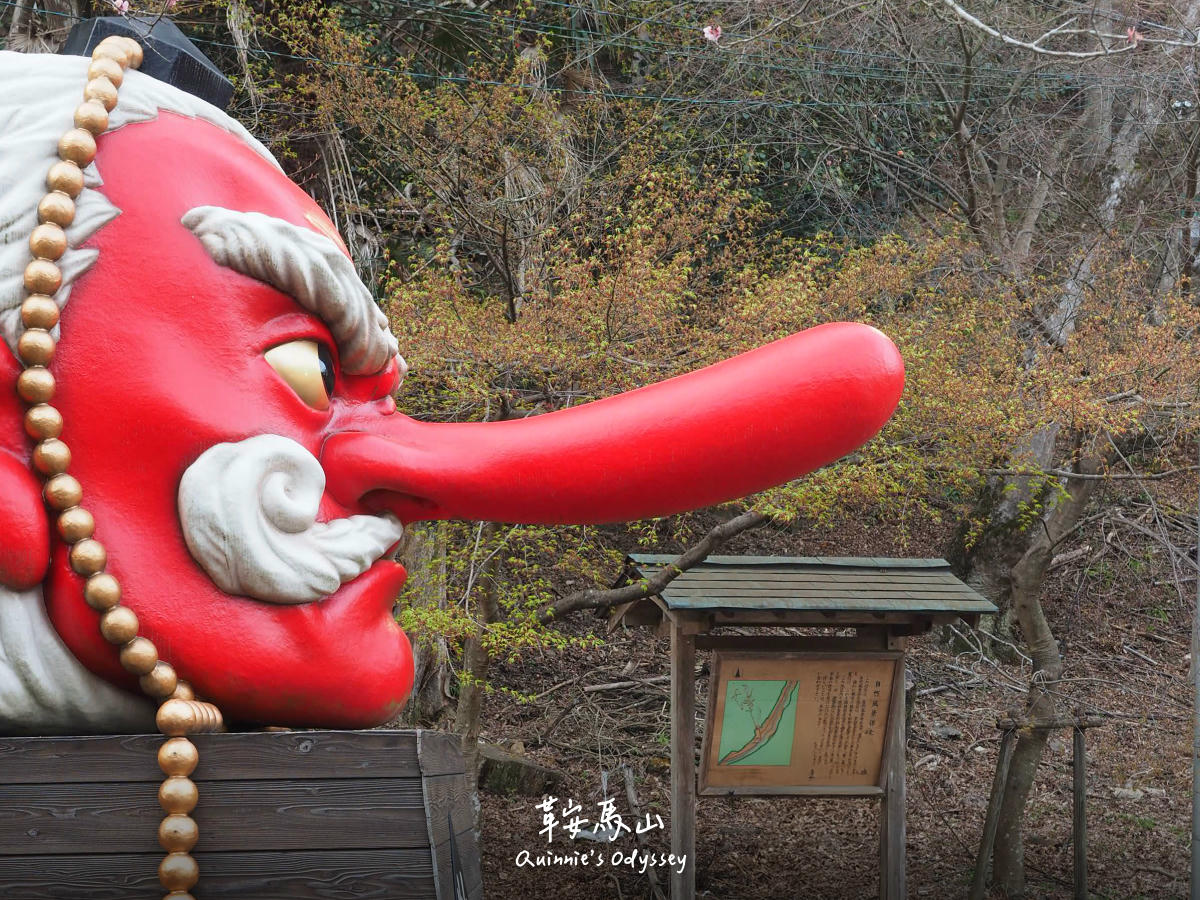
Kurama feels completely different: more adventurous, strongly associated with the tengu (mountain spirits) and the legend of Minamoto no Yoshitsune, who is said to have trained there as a child.
The easy option is to take the Eizan Railway one stop from Kibuneguchi to Kurama Station. But if you enjoy hiking, the mountain trail between Kifune and Kurama is one of the best half-day walks I’ve done in Kyoto. The trail from Kurama-dera’s west gate to the main hall takes about 1 to 1.5 hours, followed by a downhill walk through the temple grounds.
Typical route: Kifune Shrine → Okunoin Mao-den → Okunoin Trail → Kurama-dera Main Hall → Yuki Shrine → Niomon Gate → Kurama Station
If you enjoy that kind of mountain adventure, don’t skip it.
▼ Kyoto Travel Essentials ▼

Thanks for reading!
If you’re interested in my stories, feel free to follow me on Instagram.
👉👉 IG: @sika_artist 👈👈
Yes, admission to all three sections of Kifune Shrine - the Main Shrine, Okunomiya, and Yui no Yashiro - is completely free. The Water Fortune Slip (Mizu-ura Mikuji) costs 300 yen separately.
Plan for about 1 hour to visit all three sections at a relaxed pace. If you're having kawadoko lunch along the river, add another 1.5 to 2 hours. Combining Kifune with a hike to Kurama-dera takes around 4 to 5 hours total.
Autumn ( late November to mid-December) is the most popular for maple foliage and the Maple Lantern Festival. Summer is ideal if you want to try kawadoko riverside dining. Spring (April to May) tends to be the least crowded of the peak seasons, since Kifune has very few cherry trees.
Yes, and it's one of the most popular day-trip combinations from central Kyoto. The easiest option is to take the Eizan Railway one stop from Kibuneguchi to Kurama Station after finishing at Kifune. If you enjoy hiking, the mountain trail between the two sites takes about 1.5 to 2 hours and is highly recommended.