Physical Address
304 North Cardinal St.
Dorchester Center, MA 02124
Physical Address
304 North Cardinal St.
Dorchester Center, MA 02124

Many first-time visitors to Ginkaku-ji often ask the same question: “If there is a Golden Pavilion, is the Silver Pavilion actually silver?”
The answer is no. Ginkaku-ji is not covered in silver foil. Instead, its exterior is made of simple natural wood, giving it a quiet, understated appearance. This simplicity is exactly what makes it so special.
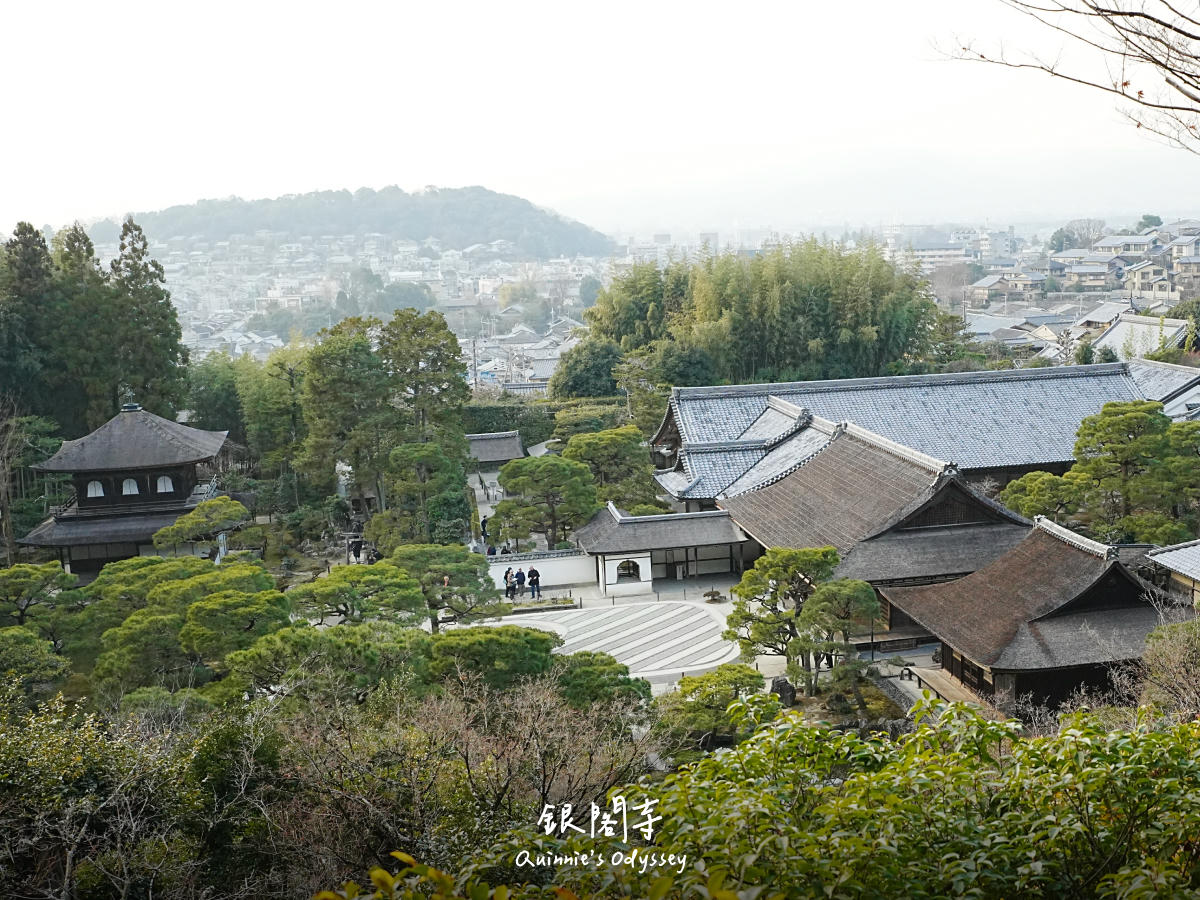
While Kinkaku-ji impresses with its dazzling gold exterior, Ginkaku-ji captivates through calmness and restraint. Together, they represent two very different aesthetic ideals of the Muromachi period, each with its own depth and meaning.
Ginkaku-ji, officially known as Jishō-ji, is a Zen Buddhist temple of the Rinzai school. It was originally built based on the villa of the 8th Muromachi shogun, Ashikaga Yoshimasa.
Yoshimasa was the grandson of Ashikaga Yoshimitsu, the shogun who built Kinkaku-ji.
Unlike his grandfather’s luxurious and outwardly impressive style, Yoshimasa deliberately chose a more restrained direction. Instead of gold decoration or displays of wealth, he embraced simplicity and developed what became known as Higashiyama culture, centered on ink painting, tea ceremony, and the aesthetics of wabi-sabi.
This cultural movement deeply influenced traditional Japanese arts such as tea ceremony, flower arrangement, and Noh theatre, and remains one of the foundations of Japanese aesthetics today.
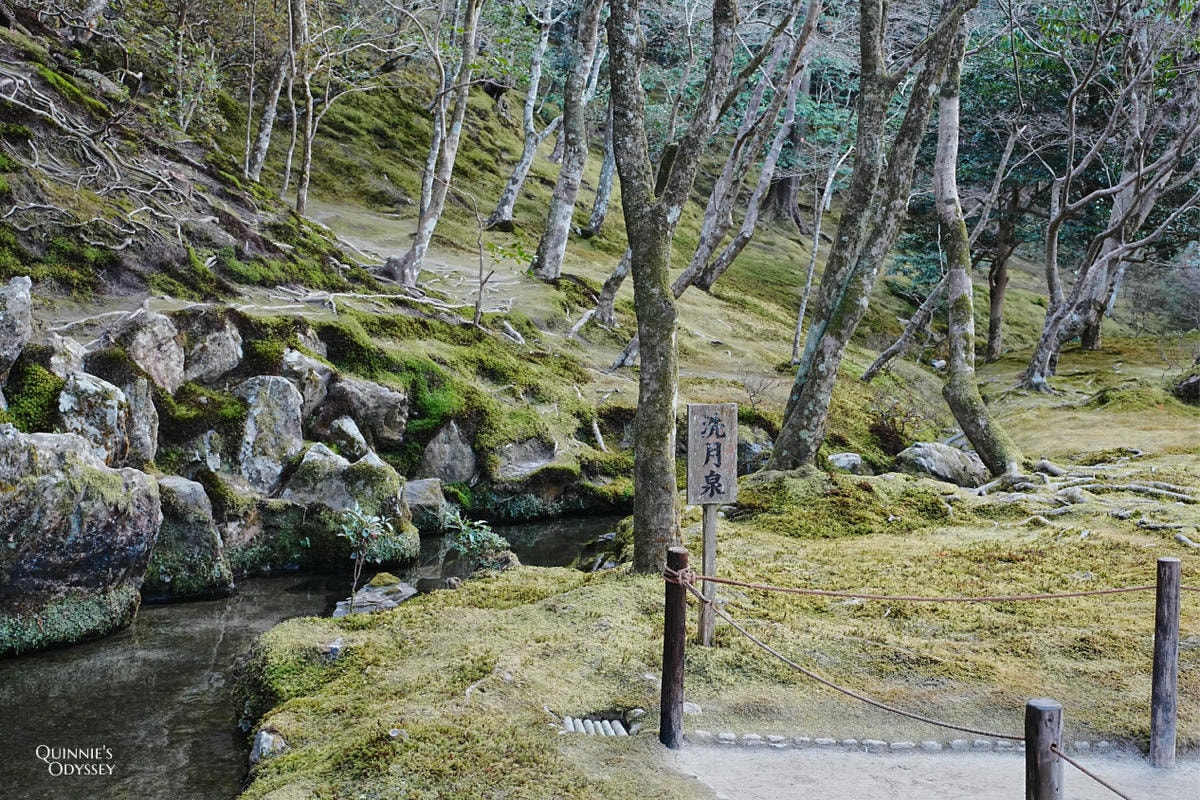
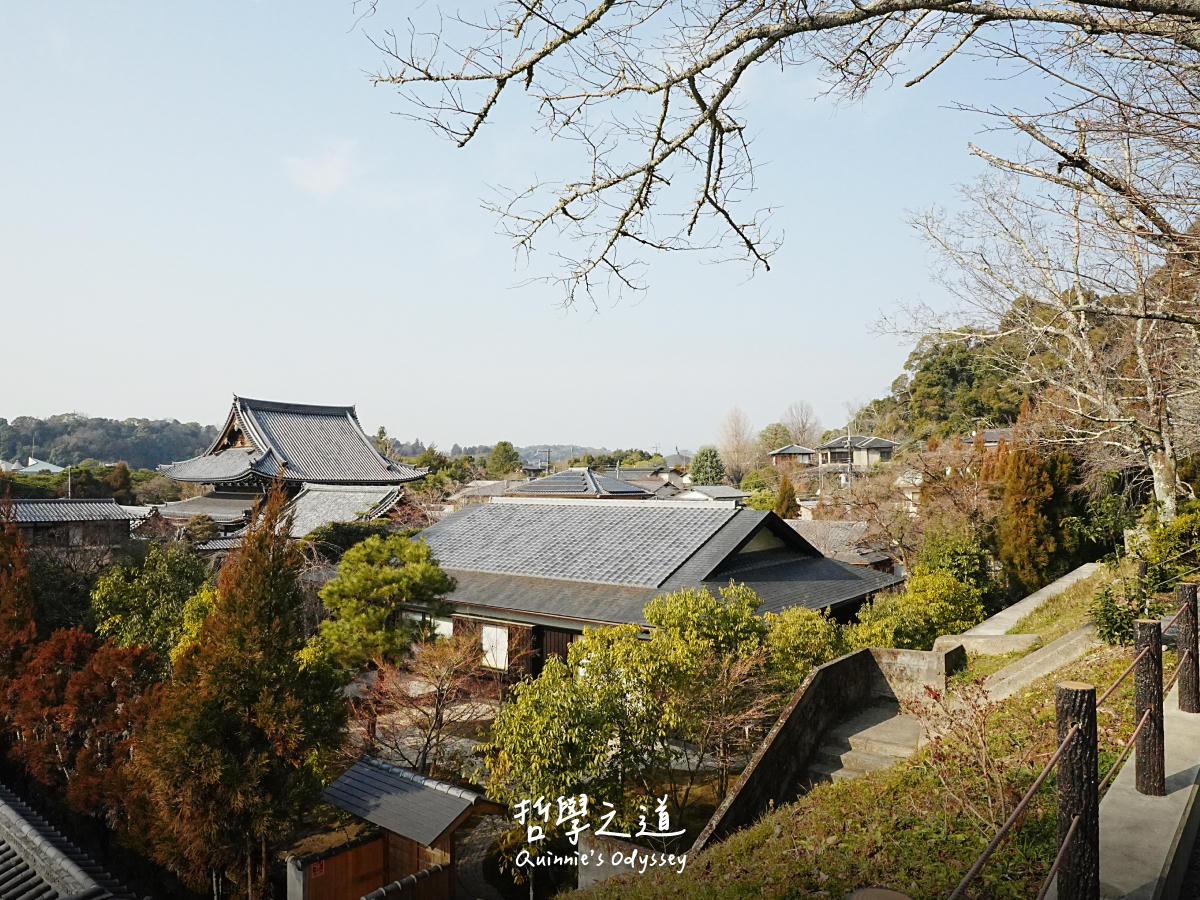
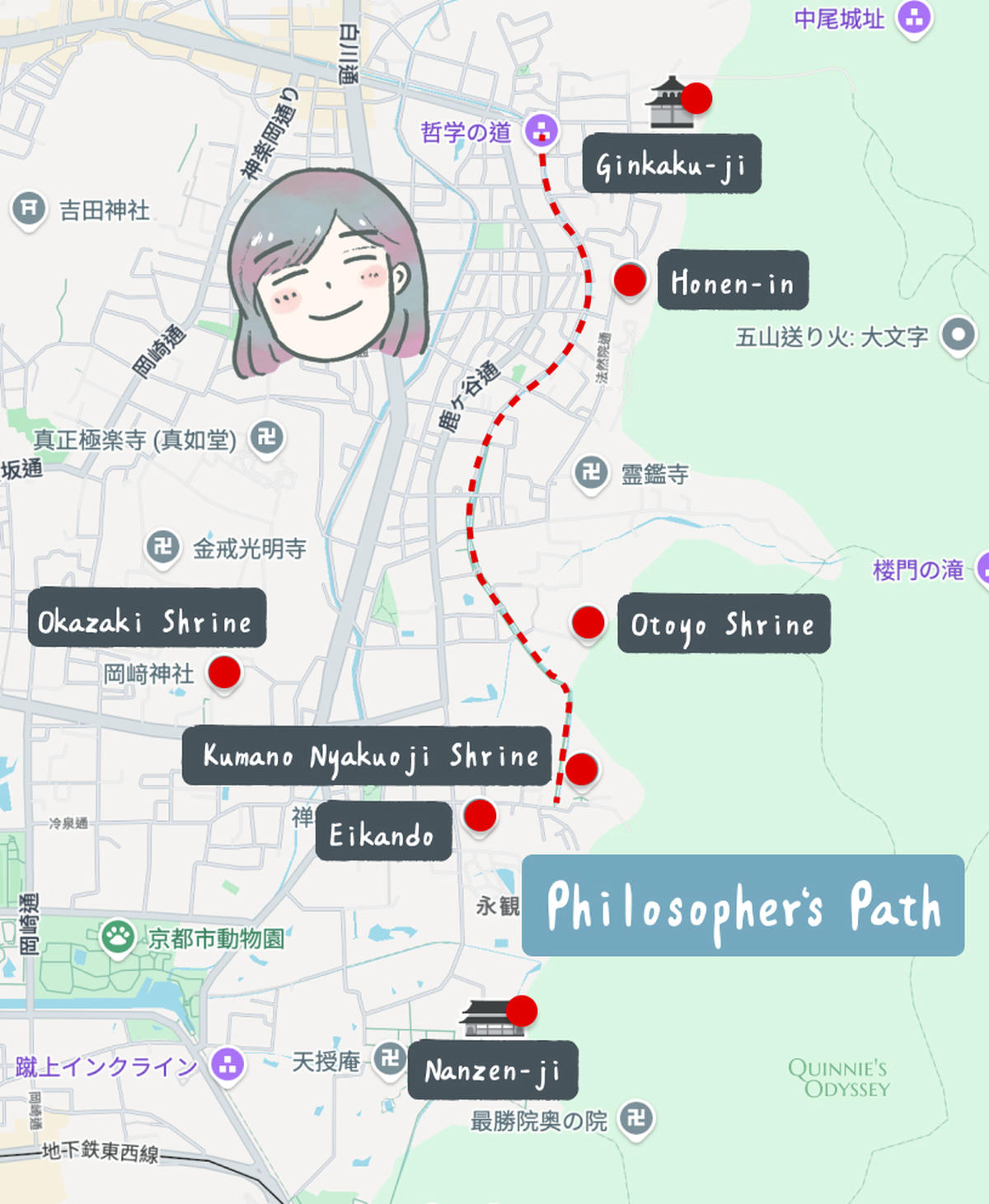
Ginkaku-ji is located in Sakyo Ward, at the foot of Kyoto’s eastern hills and at the northern end of the famous Philosopher’s Path.
This area is one of Kyoto’s best walking routes, connecting temples such as Eikan-do, Nanzen-ji, and Honen-in through a scenic canal-lined path. Ginkaku-ji naturally serves as either the starting or ending point of this eastern Kyoto cultural walk.
There are several ways to reach Ginkaku-ji:
Take the Kyoto Subway Karasuma Line to Imadegawa Station, then transfer to bus routes 201, 203, or 204. Get off at Ginkaku-ji-michi, then walk about 10 minutes.
Take the Keihan Main Line to Demachiyanagi Station, then transfer to bus 203 or 17. Get off at Ginkaku-ji-michi, then walk about 10 minutes.
From Kyoto Station, take bus 5, 204, or 205 to Ginkaku-ji-michi, then walk about 10 minutes.
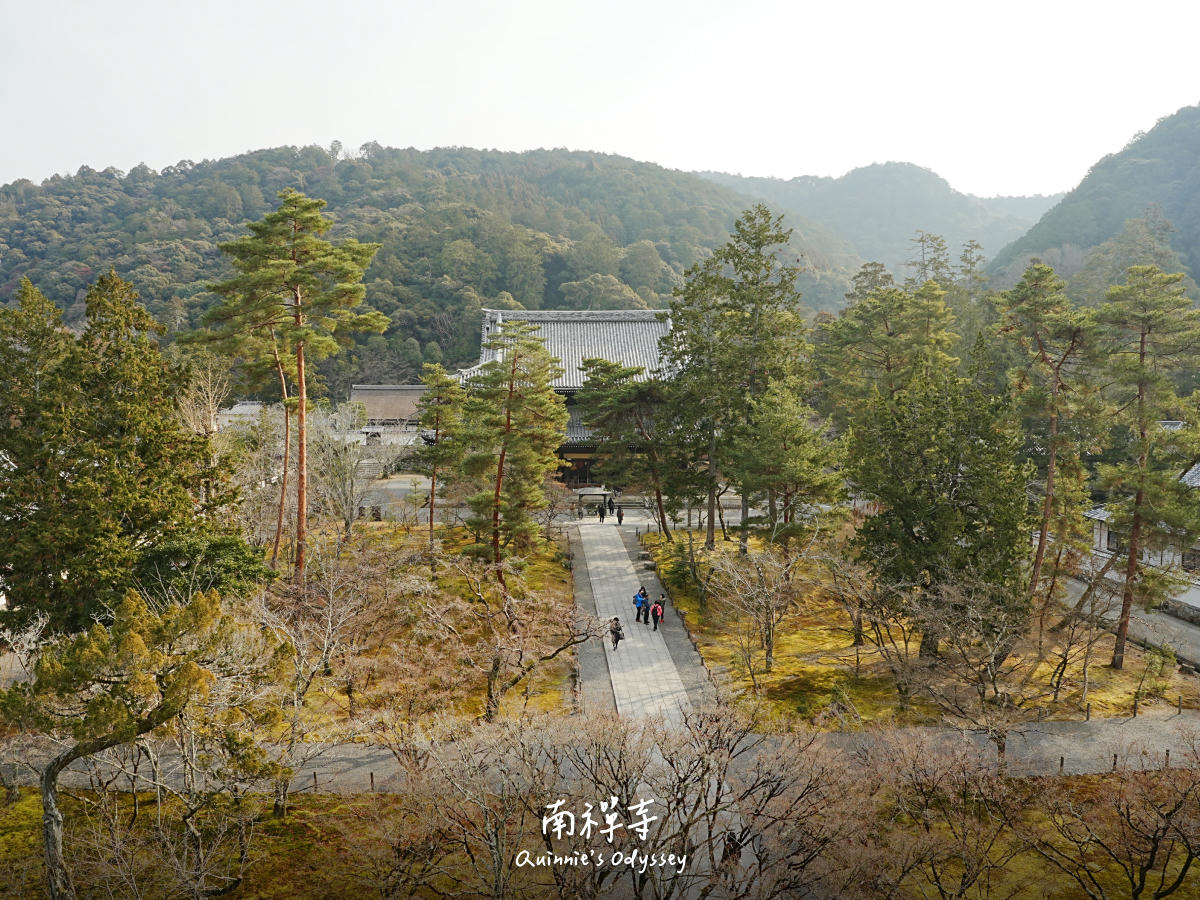
You can also enjoy a walking route: take the Kyoto Subway Tozai Line to Keage Station, walk about 13 minutes to Nanzen-ji, then continue along the Philosopher’s Path all the way to Ginkaku-ji.
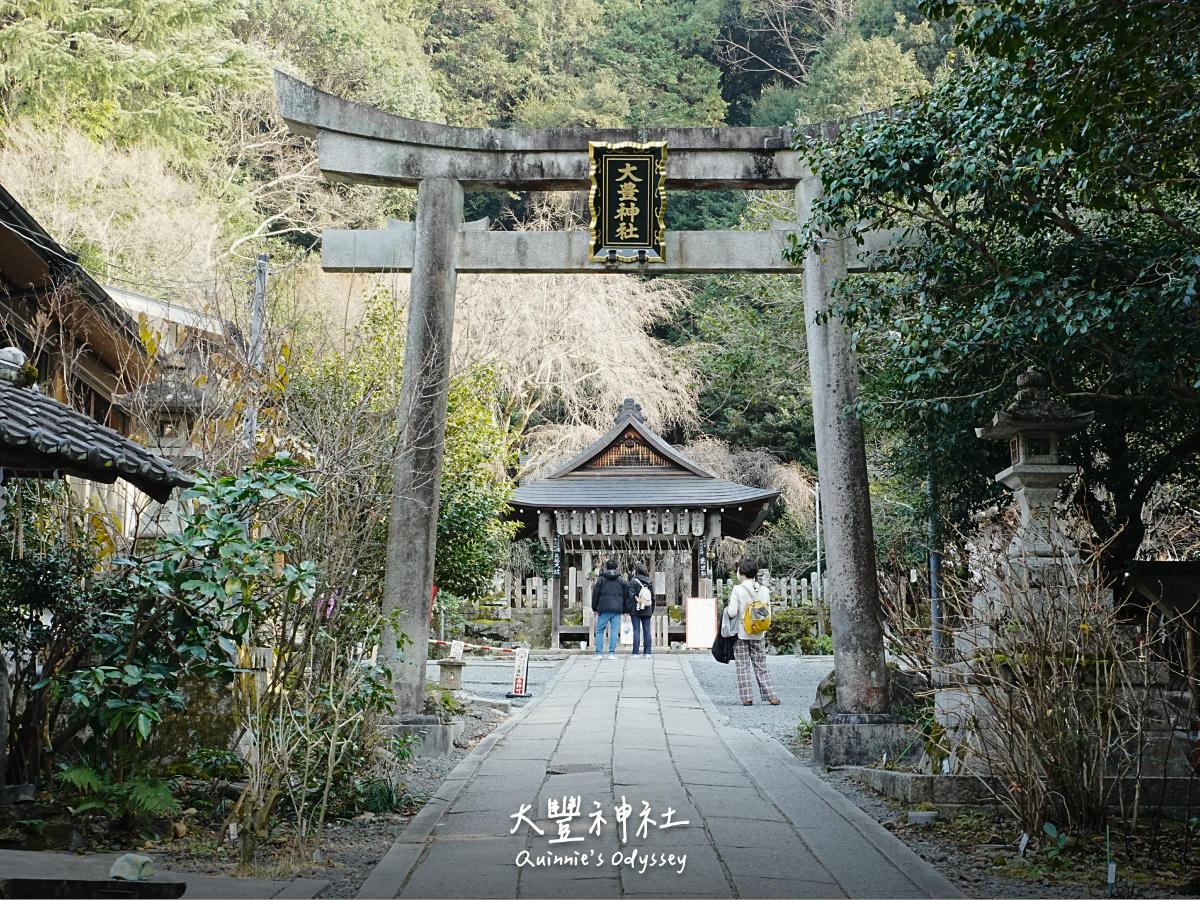
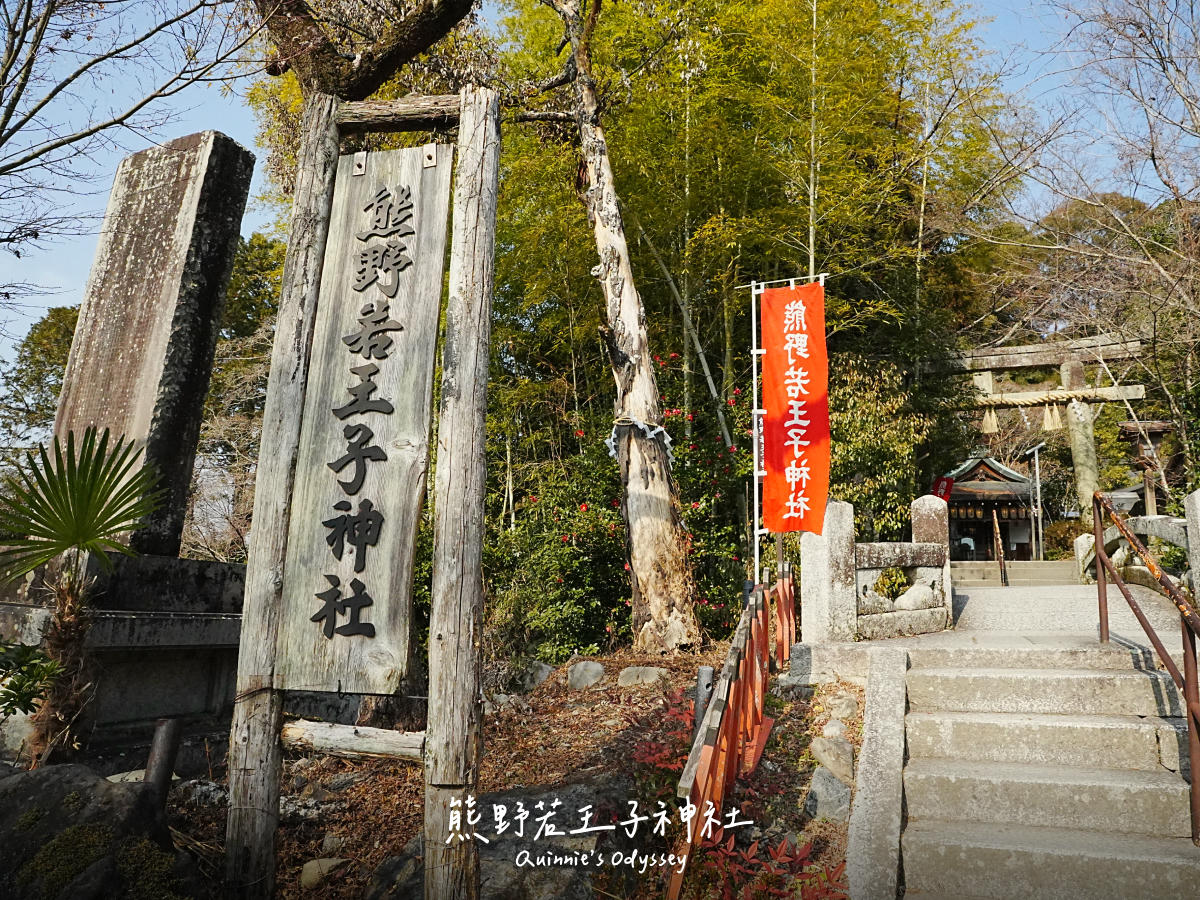
On my trip, I started from Nanzen-ji, walked along the Philosopher’s Path, visited small shrines along the way, and finally arrived at Ginkaku-ji. The whole journey took more than half a day, but it was a very rewarding and peaceful experience.
If you enjoy walking, this is a highly recommended way to reach the temple.
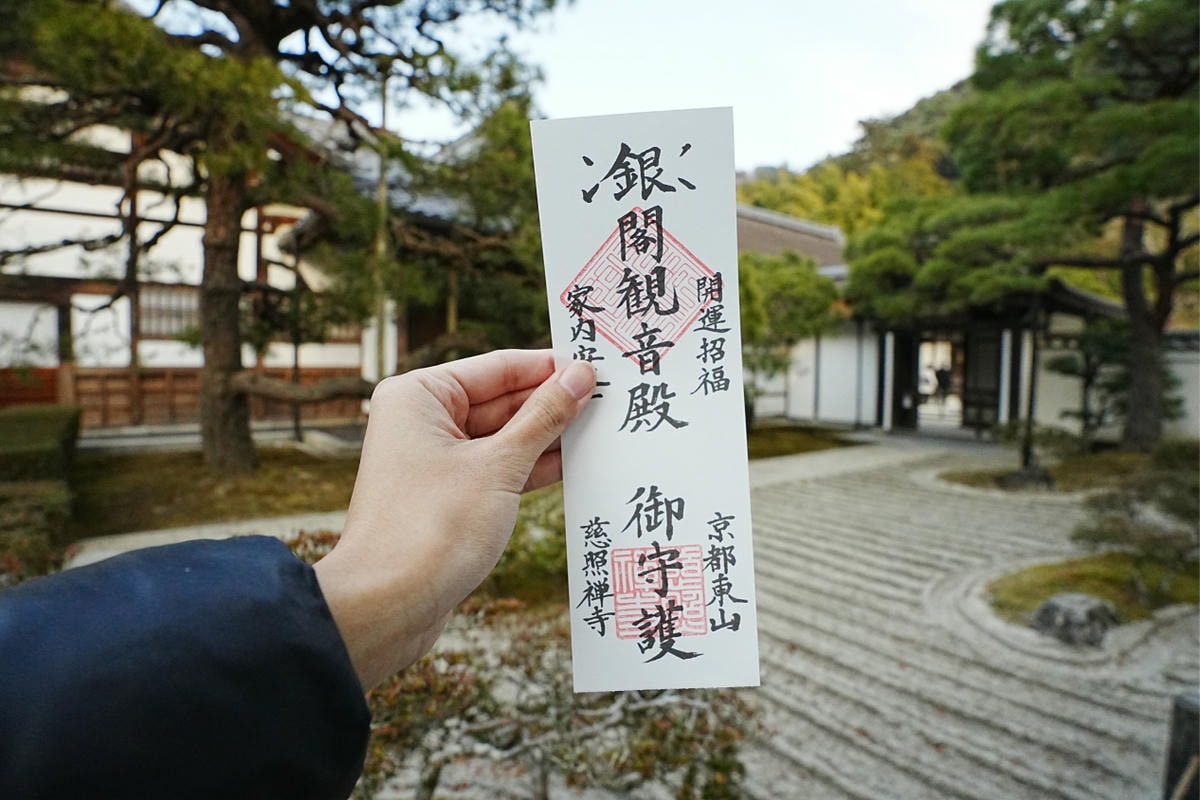
Admission costs 500 yen for adults and high school students, and 300 yen for elementary and junior high school students.
One of the most unique features is the ticket design – it looks like an ofuda (amulet) and is printed with blessings such as “family safety” and “good fortune,” making it a popular souvenir to keep.
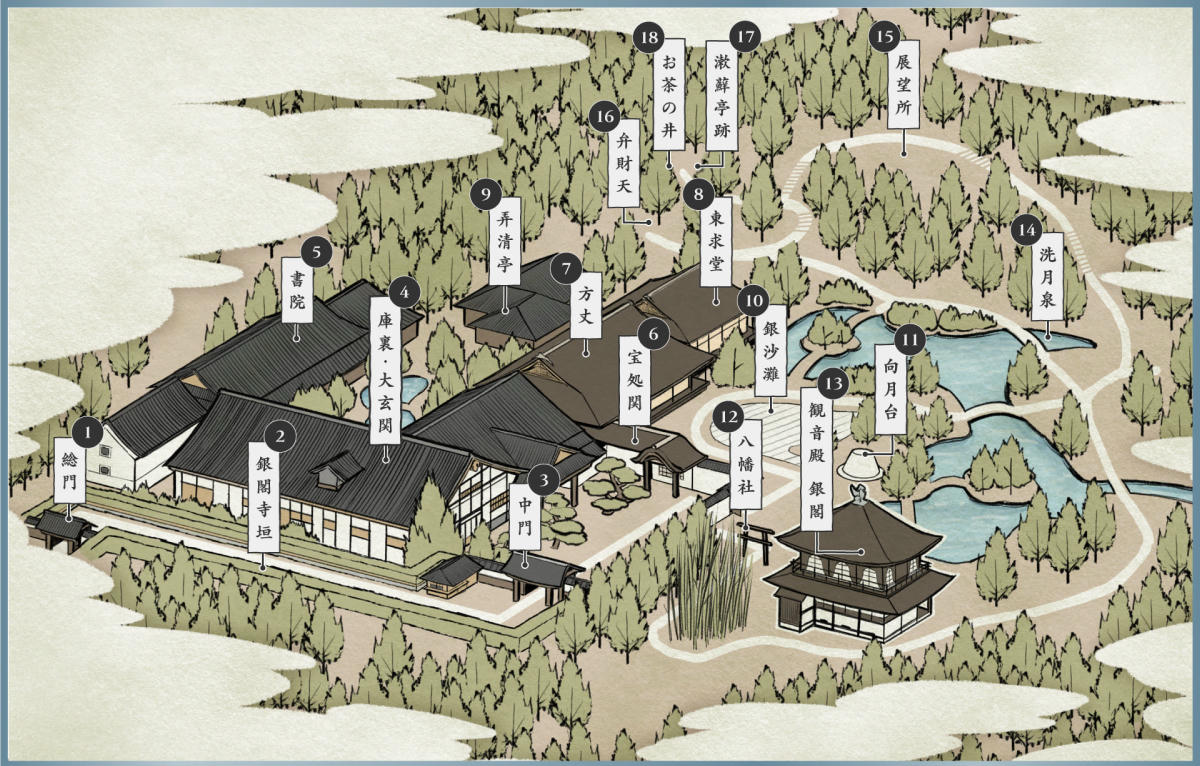
The walking route inside Ginkaku-ji is designed around the slopes of Higashiyama. Visitors follow a one-way path that gradually goes uphill and then loops back down. The full visit usually takes about 30-40 minutes, and the flow is very intuitive, just follow the crowd.
From the entrance, the route passes through Ginkaku-ji Sand Garden, Togetsudai platform, the pond area, the Kannon Hall (Ginkaku), and then continues up the hillside to the observation point before descending back to the exit.
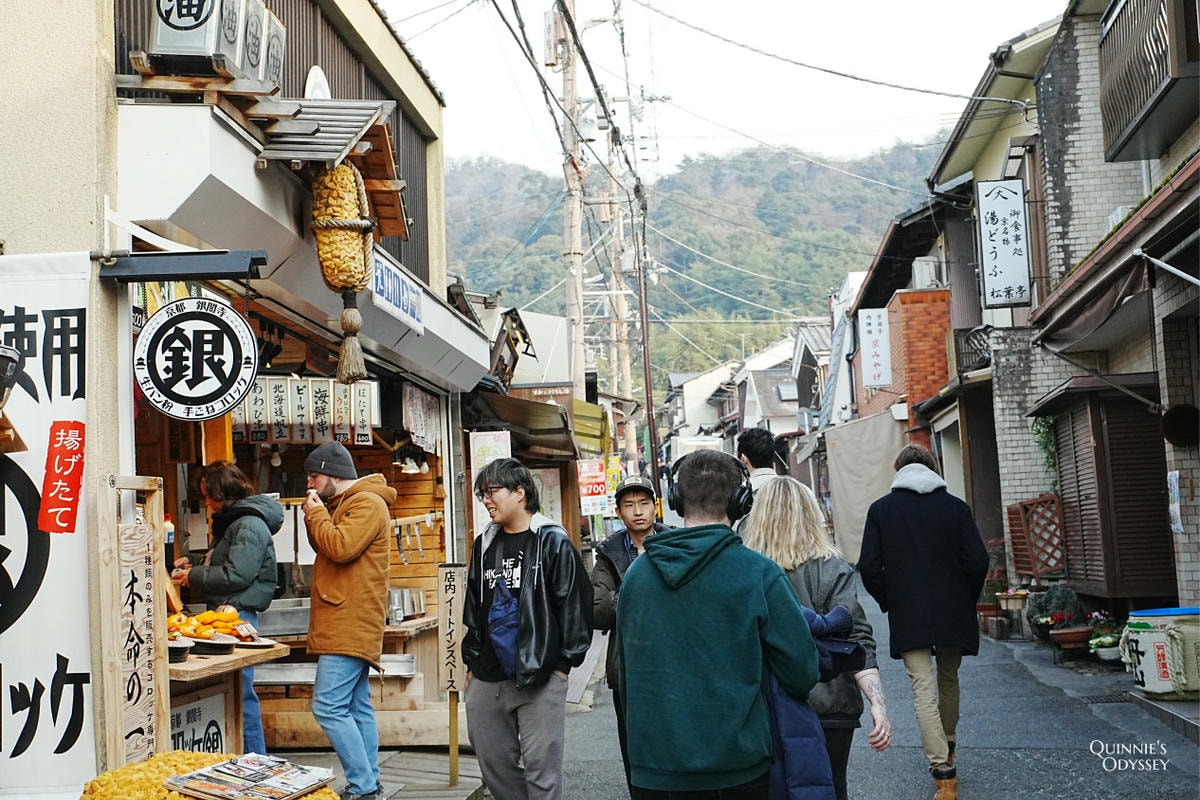
On the way from the Philosopher’s Path, you’ll first pass the Ginkaku-ji approach street. This area is lined with souvenir shops and snack stalls, offering treats like Japanese rice crackers and matcha desserts. Compared to the calm Philosopher’s Path, this area is noticeably more lively and crowded.
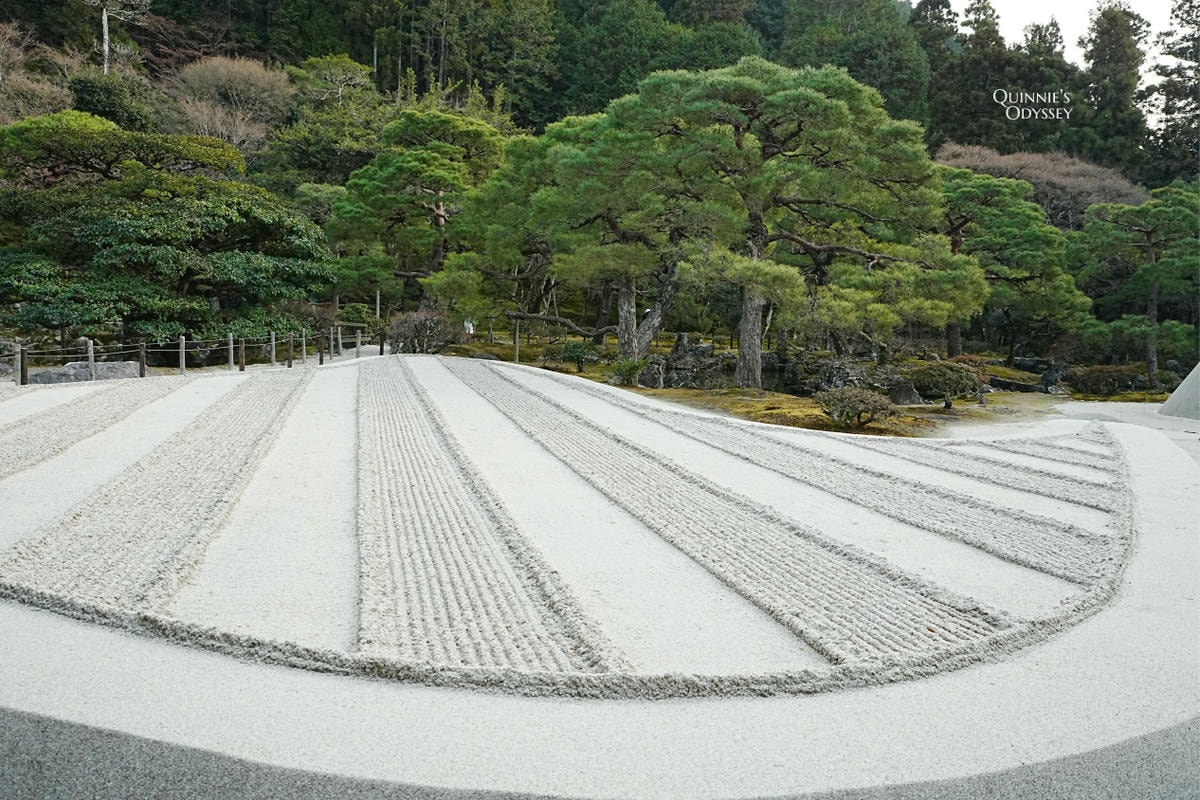
In front of the main hall is a carefully shaped white sand garden with wave-like patterns, known as Ginshadan. It stands about 66 cm high.
Its purpose is still debated, some say it reflects moonlight, others that it represents the sea, while some believe it is purely decorative.
Next to the sand garden is a striking cone-shaped white sand mound about 180 cm tall, called the Kōgetsudai, meaning “platform for viewing the moon.”
Its unique shape is one of the most iconic features of Japanese garden design and a popular photo spot within the temple.
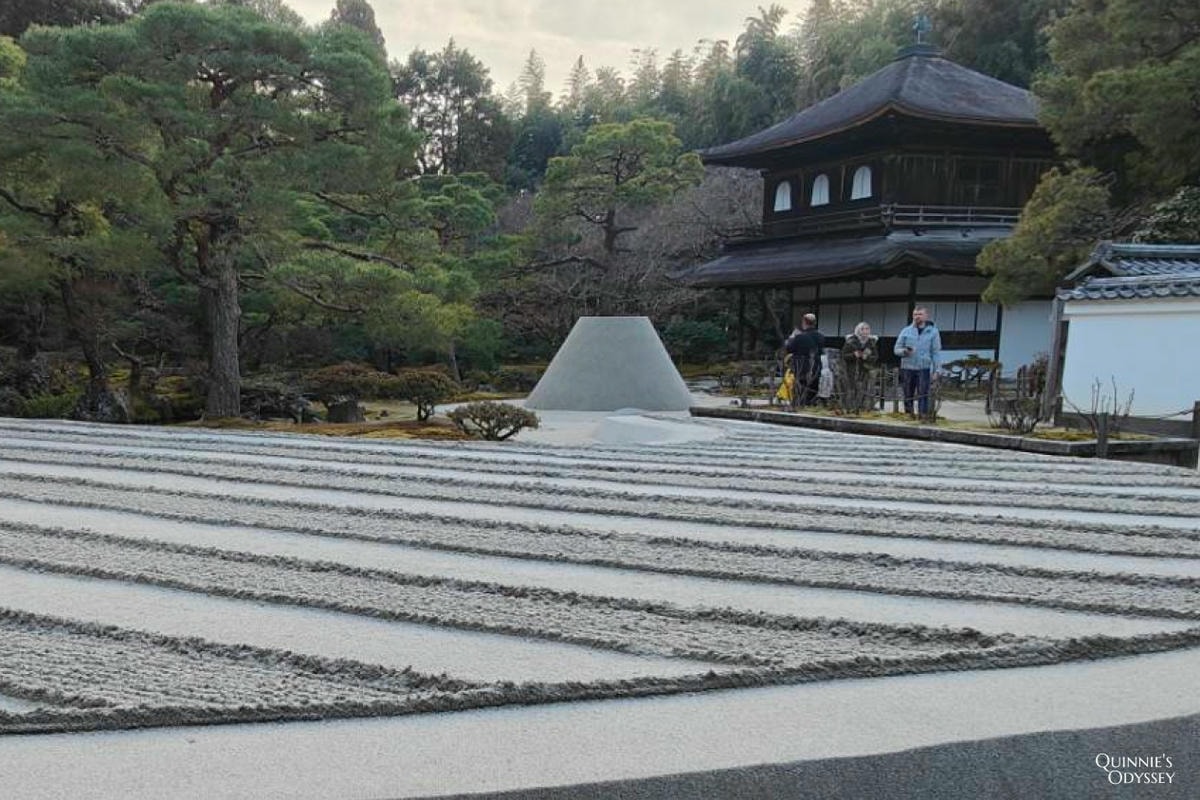
The Kannon Hall, commonly known as the “Silver Pavilion,” is a two-story wooden structure. The first floor is called Shinkū-den, and the second floor is Chōon-kaku. It is one of the most important surviving buildings from the Muromachi period and is designated as a National Treasure.
Unlike the shining gold of Kinkaku-ji, Ginkaku-ji’s natural wood exterior, combined with moss and the reflection of the surrounding garden, creates a quiet and refined beauty.
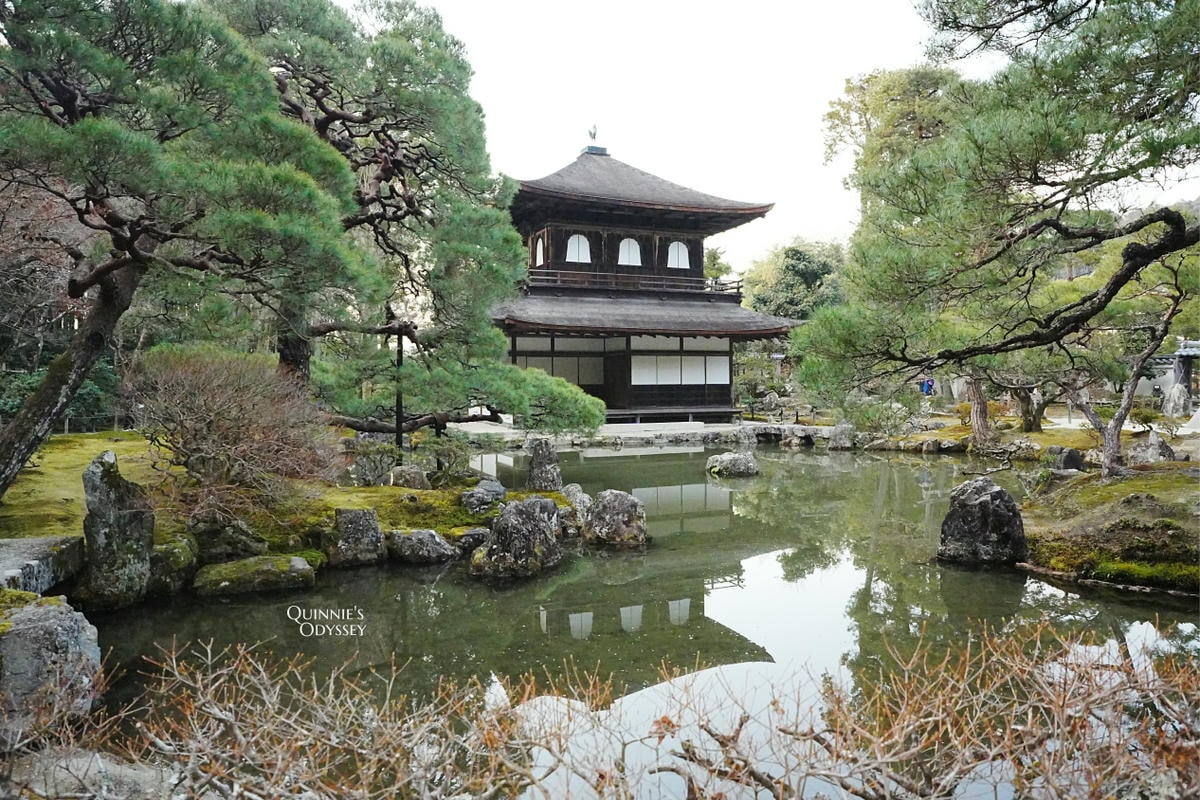
At the center of the garden lies Nishiki-kyo Pond, designed in the traditional Japanese pond strolling garden style. The walking paths circle the water, allowing visitors to view the scenery from different angles.
One of the most beautiful views is the reflection on the still surface of the pond, where the Kannon Hall and surrounding trees appear mirrored like another world. This is one of the most iconic and peaceful scenes in Ginkaku-ji.
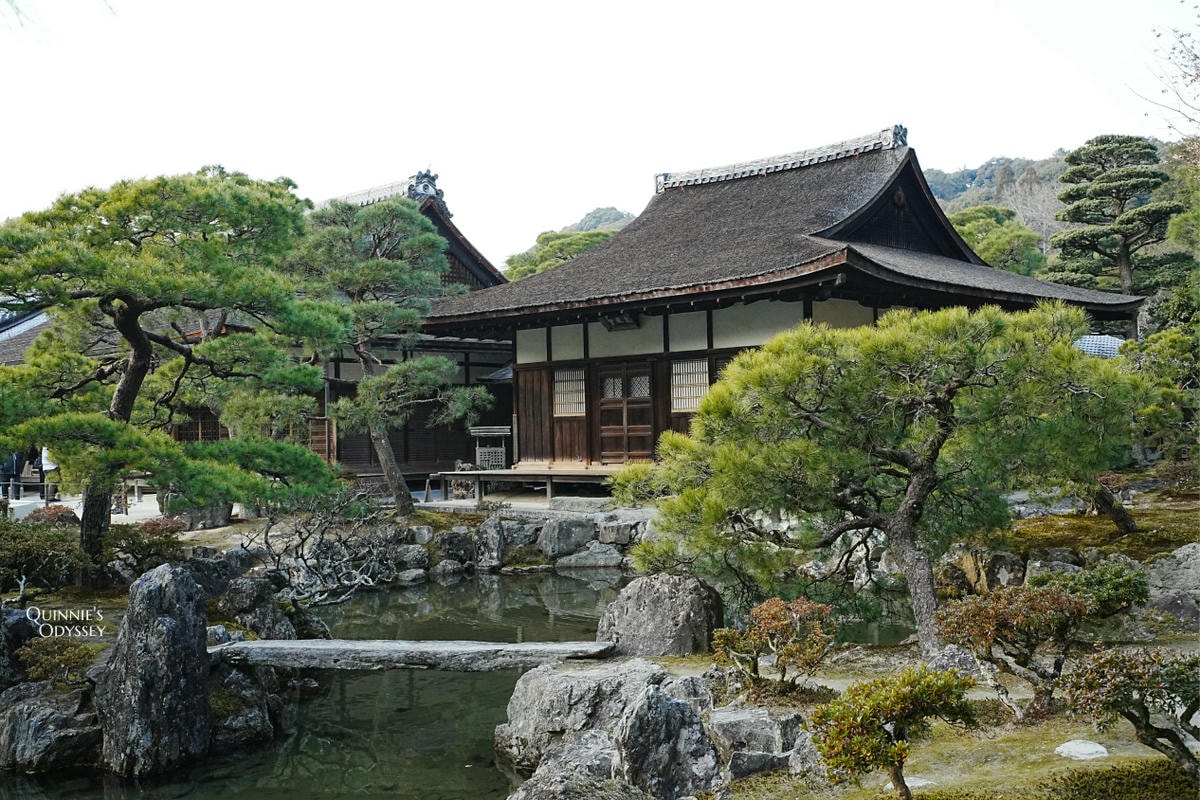
The garden design is strongly influenced by Zen Buddhism, created as a space for meditation and contemplation.
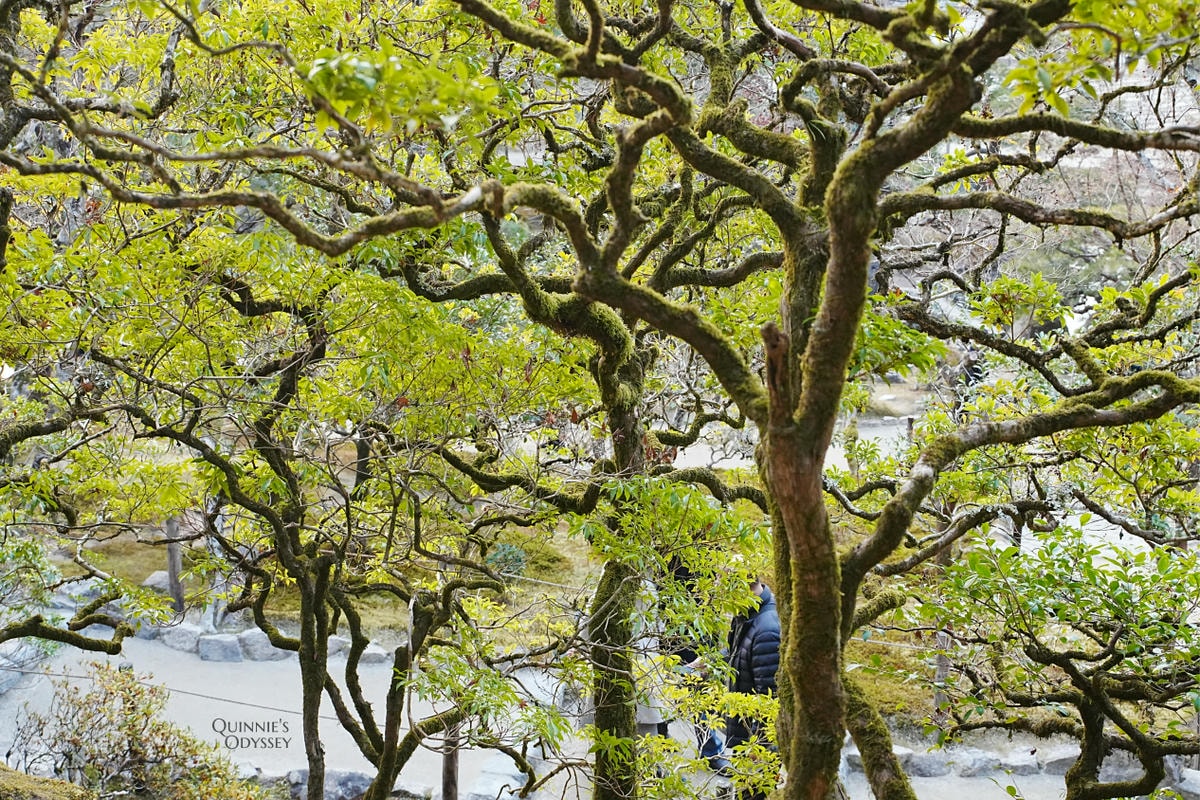
The curved tree branches throughout the garden also add a strong sense of artistic elegance.
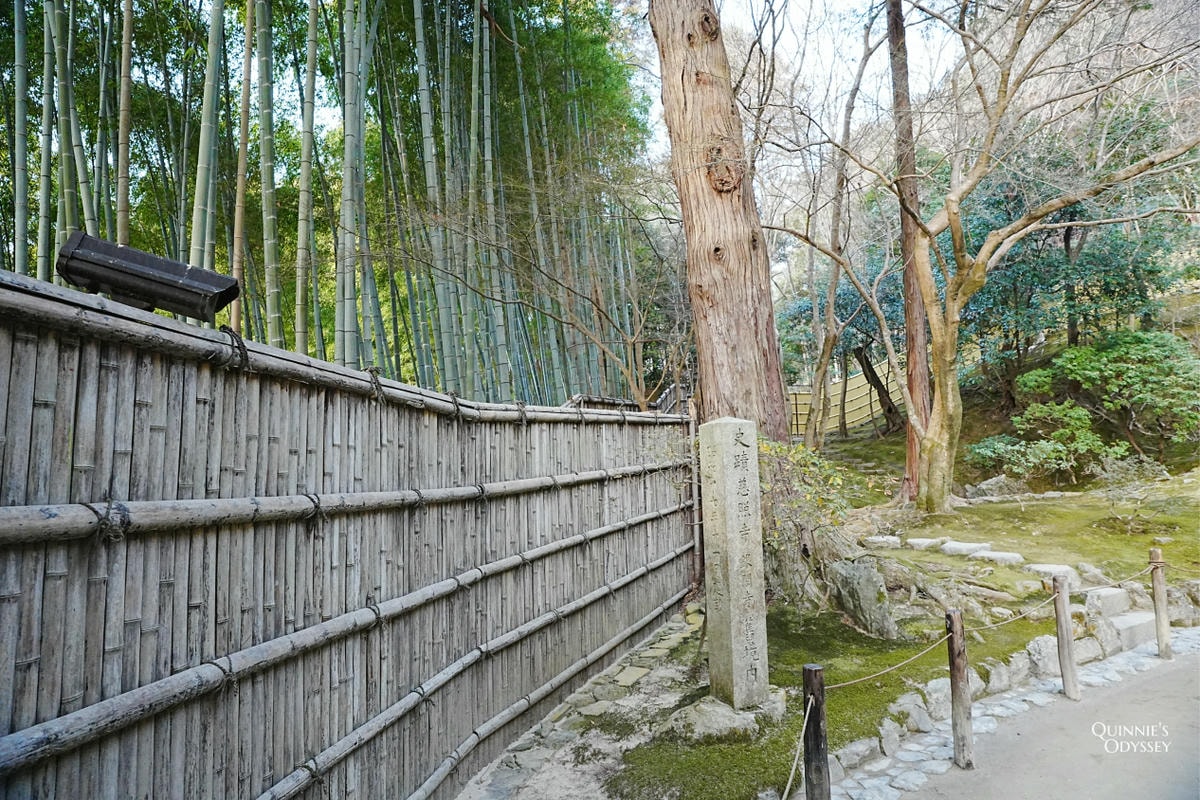
At the top of the hillside trail is the observation deck, the best viewpoint in the entire temple. From here, you can overlook the Kannon Hall, Silver Sand Garden, pond, and even parts of Kyoto city in the distance.
This is personally my favorite photo spot in Ginkaku-ji. While the temple looks beautiful from ground level, the hilltop view reveals the full layout of the garden. On clear days, you may even see Mount Daimonji.
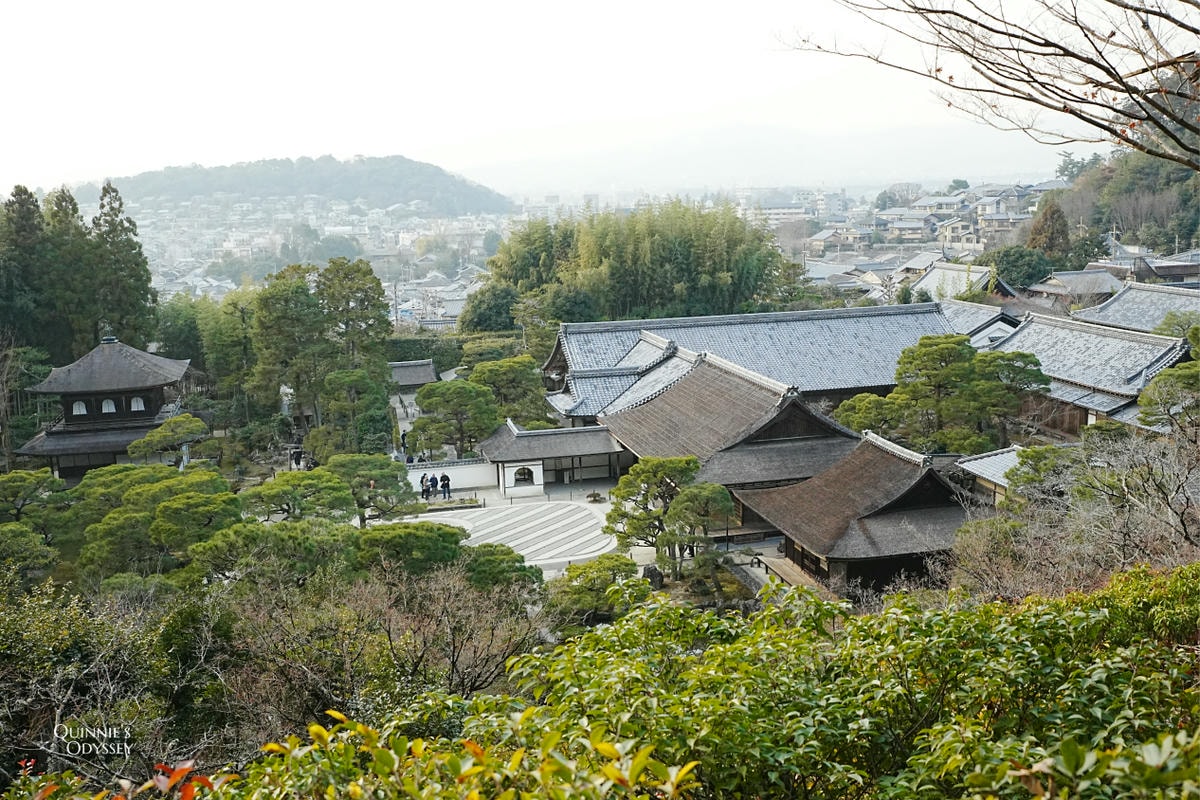
Walking the full loop takes about 30 minutes. Although the area is not large, every corner is filled with a sense of Zen and quiet beauty.
▼ Kyoto Travel Essentials ▼

Thanks for reading!
If you’re interested in my stories, feel free to follow me on Instagram.
👉👉 IG: @sika_artist 👈👈