Physical Address
304 North Cardinal St.
Dorchester Center, MA 02124
Physical Address
304 North Cardinal St.
Dorchester Center, MA 02124

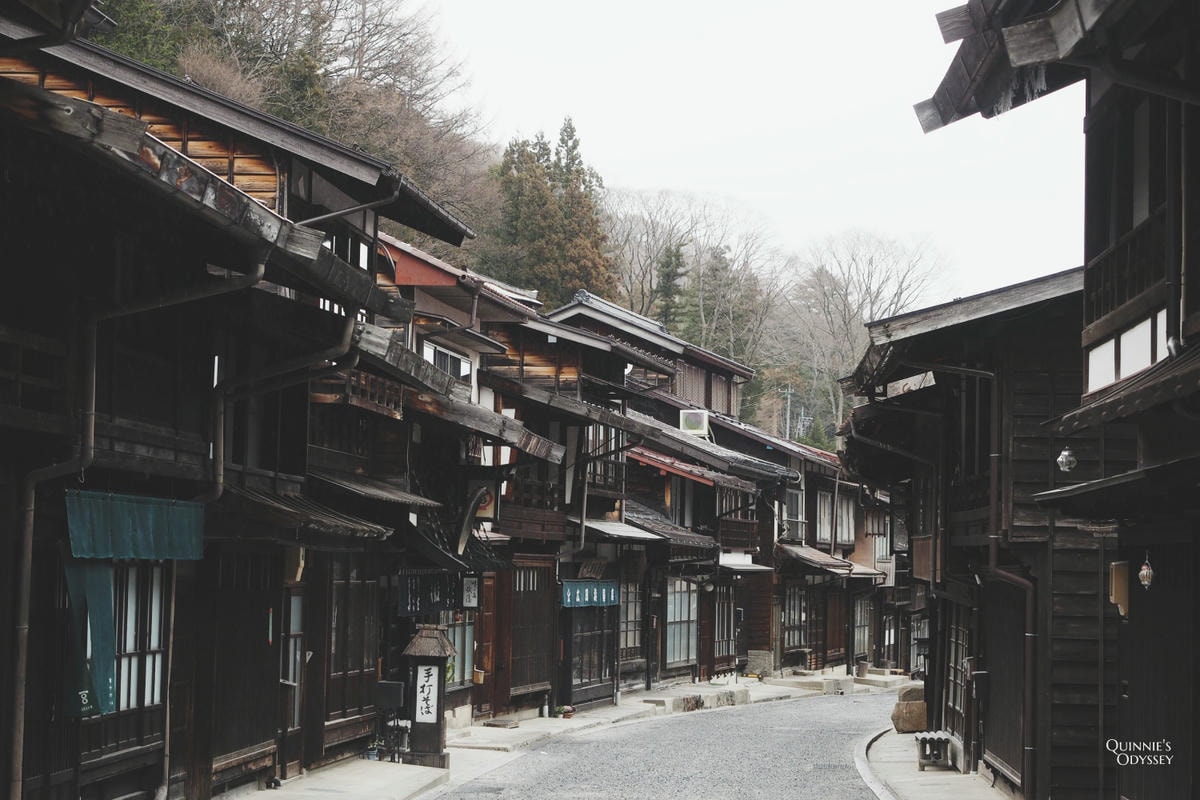
I think many people want to visit Narai-juku because they’ve been drawn in by photos like this one.
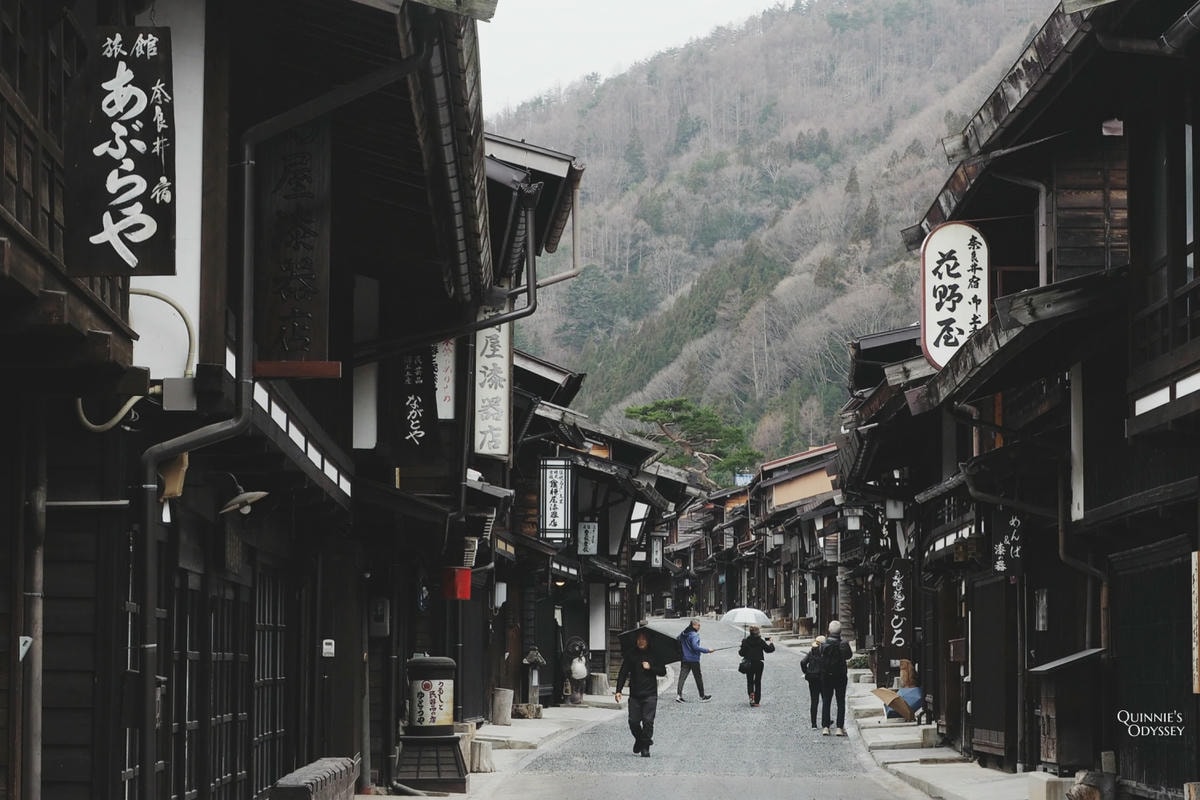
Narai-juku was once a post town along the historic Nakasendo Trail, one of Japan’s old highways.
Traditional wooden houses line both sides of the street, creating a nostalgic atmosphere that makes you feel as if you’ve stepped back into the Edo period.
It’s a place far removed from modern city life, where you can slow down and immerse yourself in history.
To get to Narai-juku, you can take a direct train from Matsumoto Station to Narai Station. The train stops briefly at Shiojiri Station along the way, then continues on to Narai.
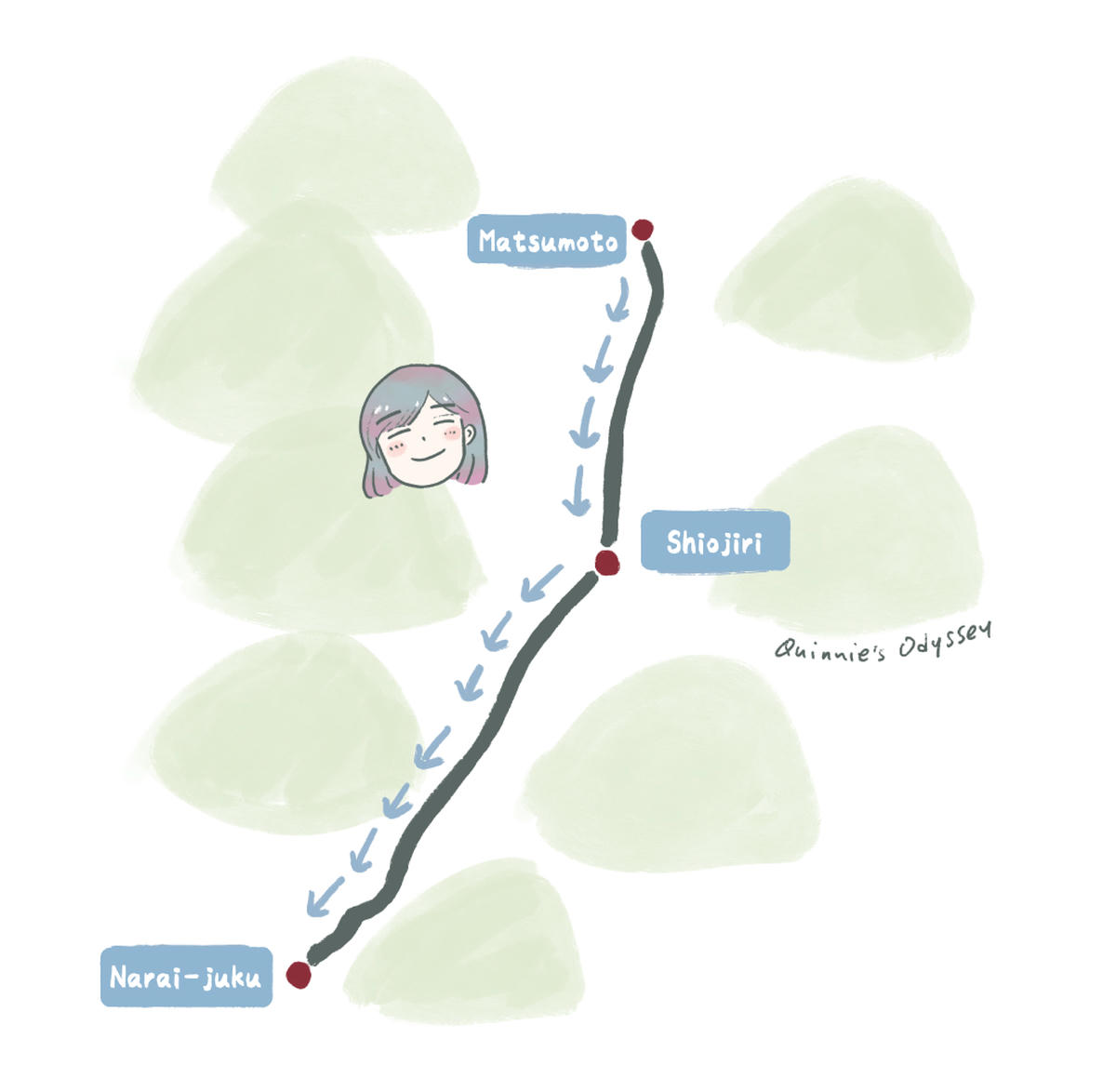
Here’s the most important thing to remember:
❌ Narai Station does NOT have IC card gates ❌
So don’t tap in with an IC card like Suica, ICOCA, or PASMO at Matsumoto Station.
Instead, make sure you buy a paper ticket at the station before boarding.
If you accidentally tap your IC card like I did, don’t panic.

When the conductor checks tickets on the train, they’ll ask you to pay cash and give you a paper ticket.
After you finish exploring Narai-juku, you’ll need to visit the ticket office at a station with IC card machines (such as Matsumoto Station) and ask the staff to cancel your entry record.
I’ve heard it’s safer to ask the conductor for a proof slip showing that your IC card record needs to be cleared.
I didn’t know about this at the time, but luckily the station staff helped me cancel it anyway without asking for proof 🥳
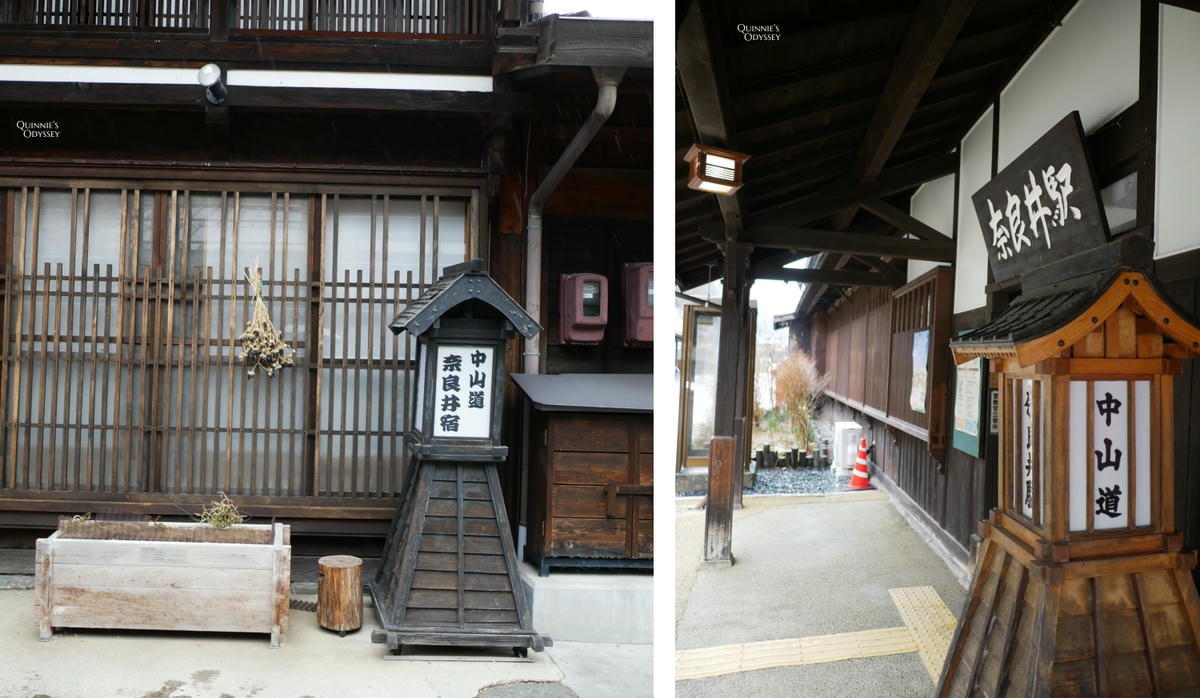
The train ride from Matsumoto to Narai-juku takes about 45 to 60 minutes.
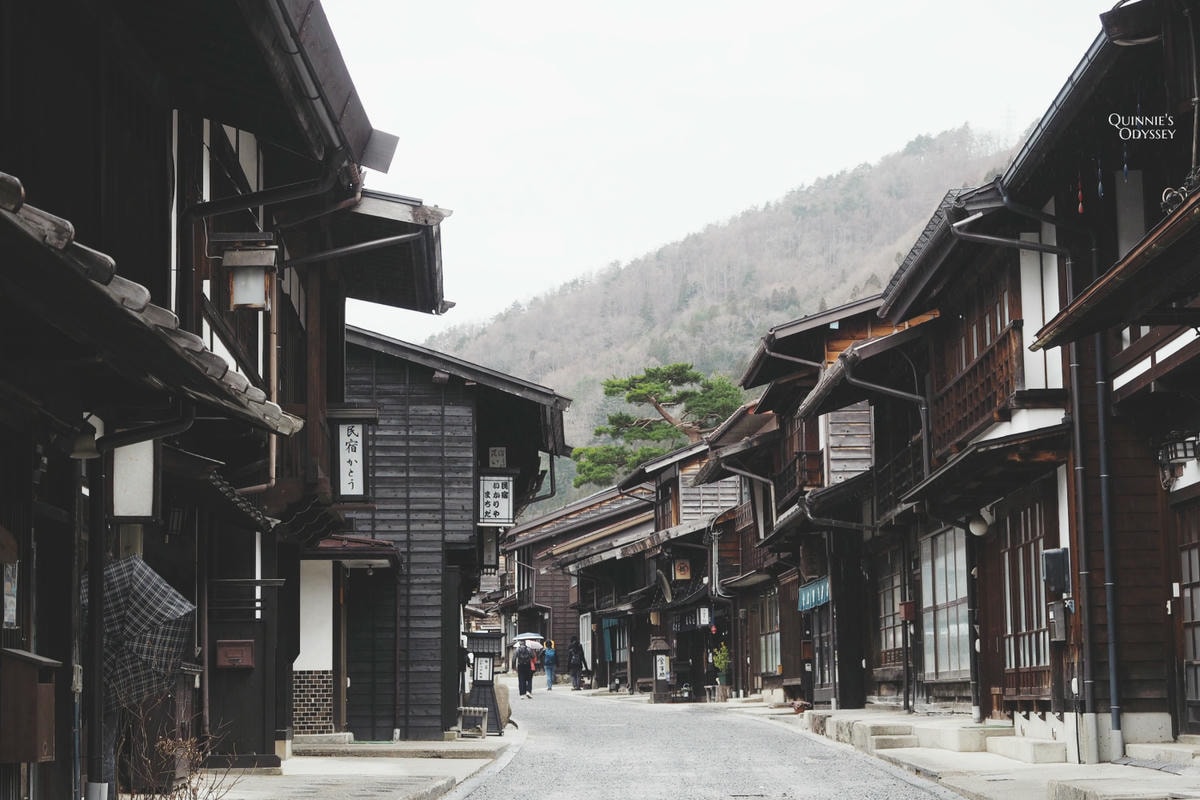
I arrived in this historic village on a gloomy, rainy day.
Light rain fell gently from the sky, and the stone-paved street shimmered with reflections from the wet surface.
As I walked into the town, it felt like traveling through time, as if I had stepped into a scene from the Edo period, imagining the footsteps of travelers who once passed through here centuries ago.
During the Edo period, Japan developed a transportation network centered around five major highways:
Tokaido, Nakasendo, Oshu Kaido, Koshu Kaido, and Nikko Kaido.
Among them, the Nakasendo was one of the main routes connecting Kyoto and Edo (modern-day Tokyo).
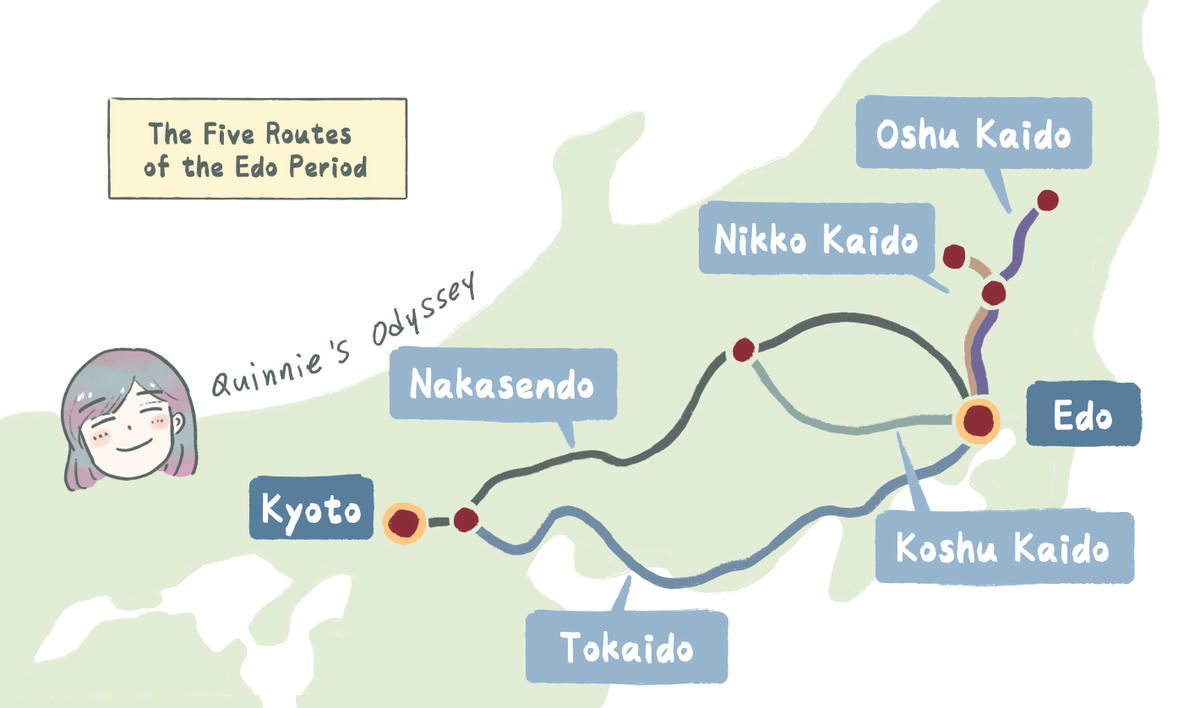
The road began at Nihonbashi in Tokyo and ended at Sanjo Ohashi Bridge in Kyoto, with 69 post towns along the way that provided travelers with places to rest, eat, and stay overnight.
Some of the most well-known post towns include Magome-juku, Tsumago-juku, and Narai-juku.
Narai-juku dates back to the Sengoku period, when a village already existed in this area.
However, it wasn’t until the Edo period that it developed into an important post town.
In 1602, the Tokugawa shogunate established the official post station system and improved the Nakasendo route. Narai-juku became the 67th post town along this highway.
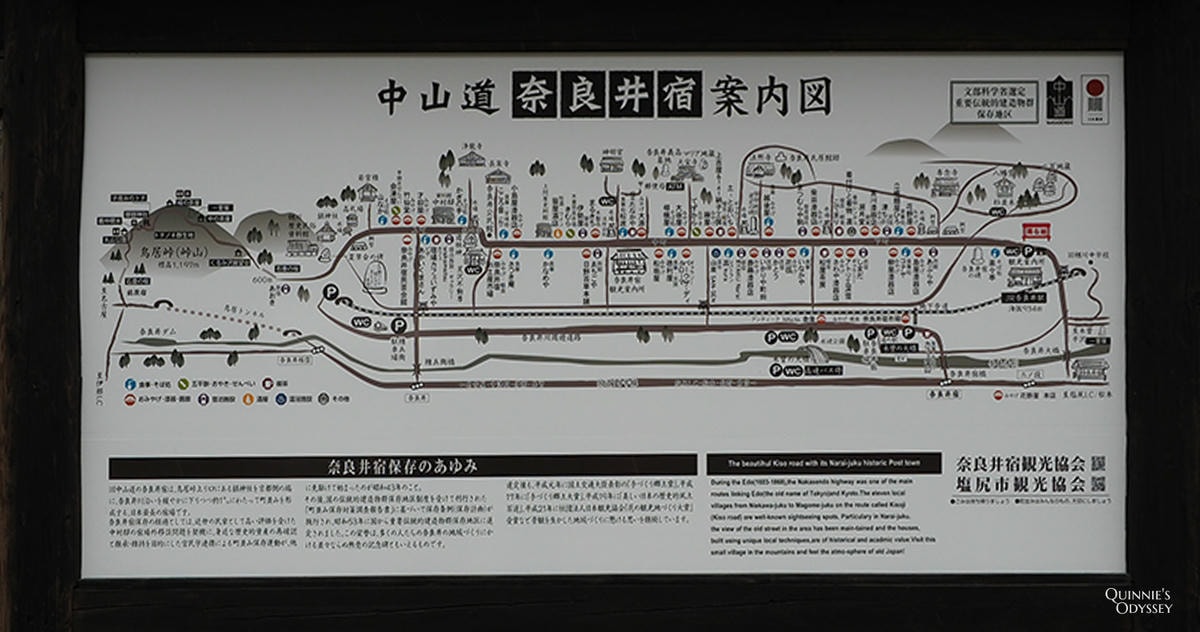
Narai-juku is the longest post town on the Nakasendo, stretching about one kilometer in length.
Shrines stand at both the northern and southern ends of the town, and five temples are scattered behind the main street.
In the past, many travelers chose to stay overnight here, which led to Narai-juku being nicknamed “Narai of a Thousand Houses,” a phrase that reflects how lively and prosperous it once was.
Today, Narai-juku still preserves its traditional appearance, and in 1978, it was officially designated as an Important Preservation District for Groups of Traditional Buildings by the Japanese government.
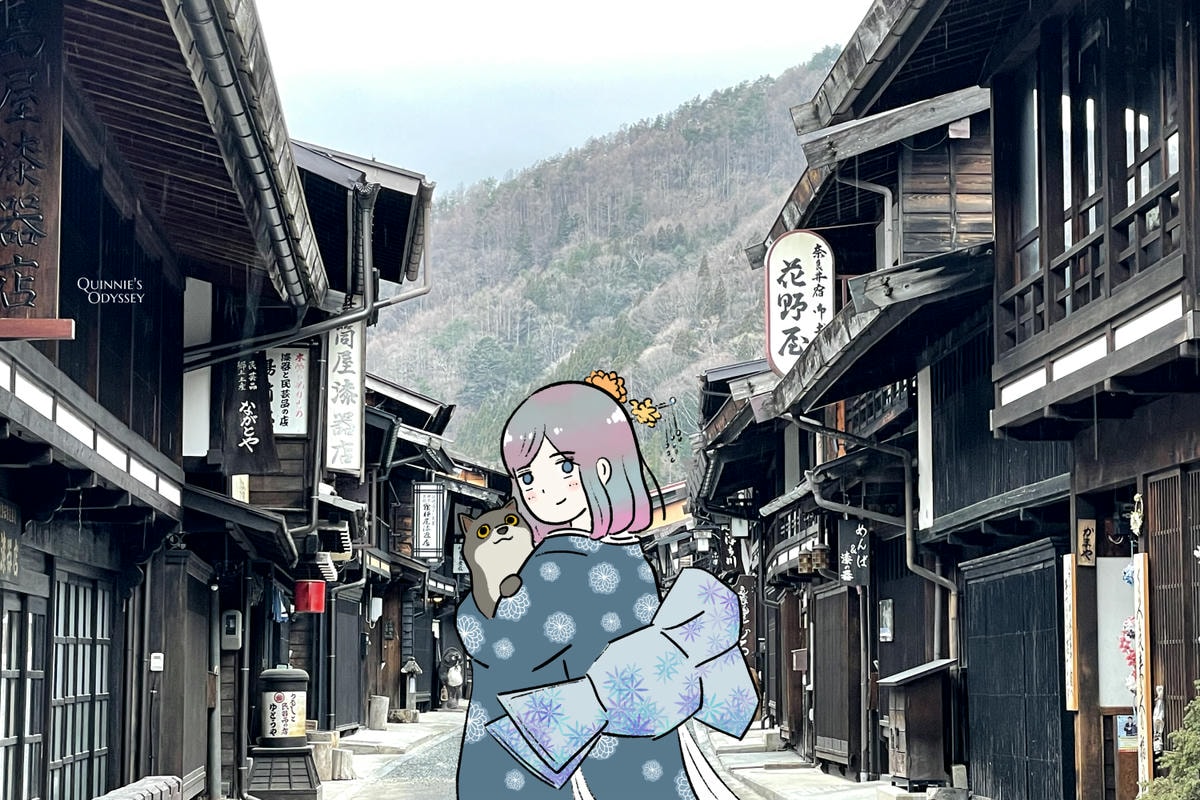
Narai-juku has kept the same appearance it had back in its days as a post town.
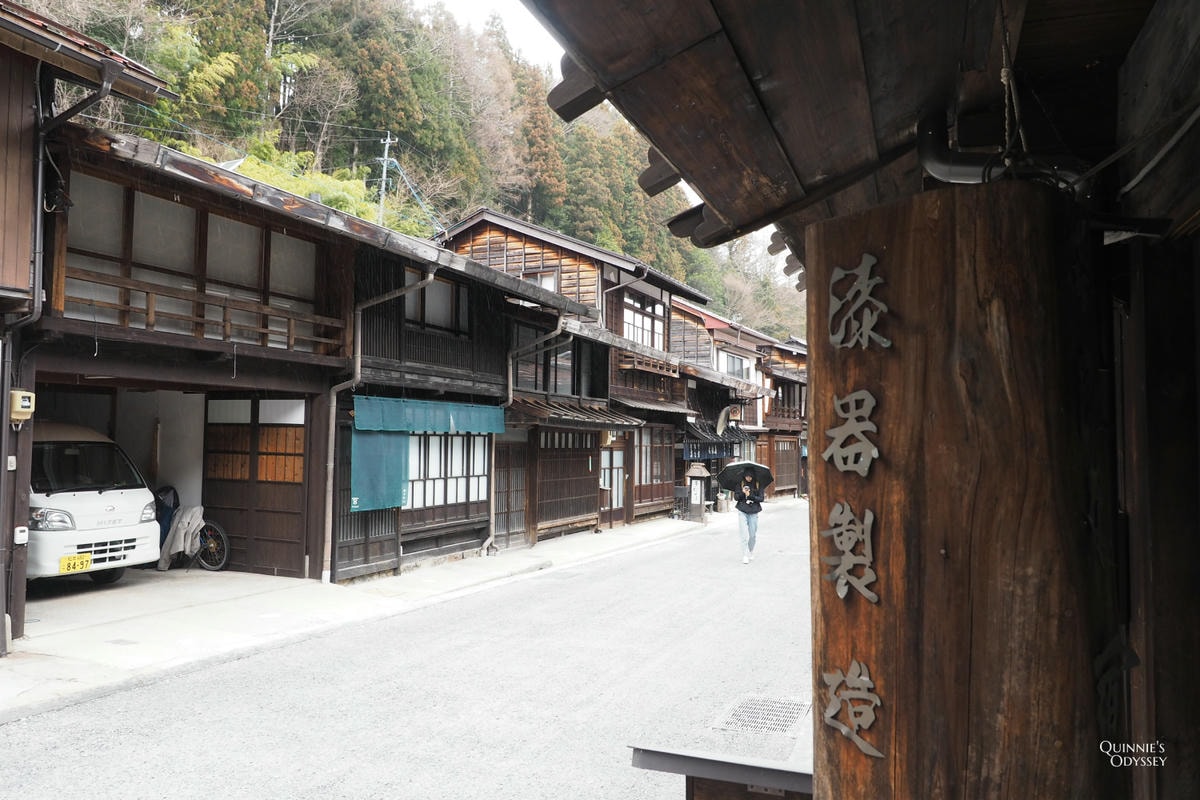
Low, two-story wooden buildings line both sides of the street, creating a classic and nostalgic streetscape.
Most of these buildings are now small shops, cafés, restaurants, and traditional inns. Many feature wooden lattice windows and deep eaves that extend from the second floor, giving the street a very old-town feel.
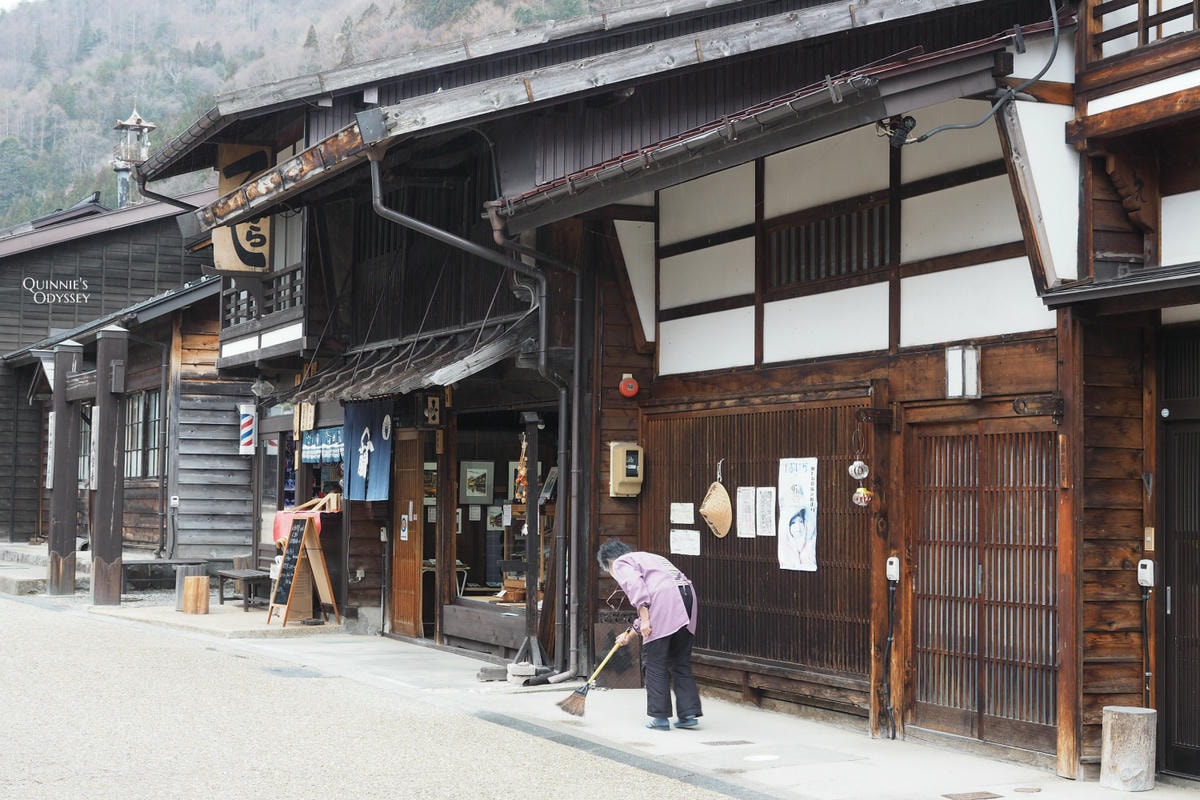
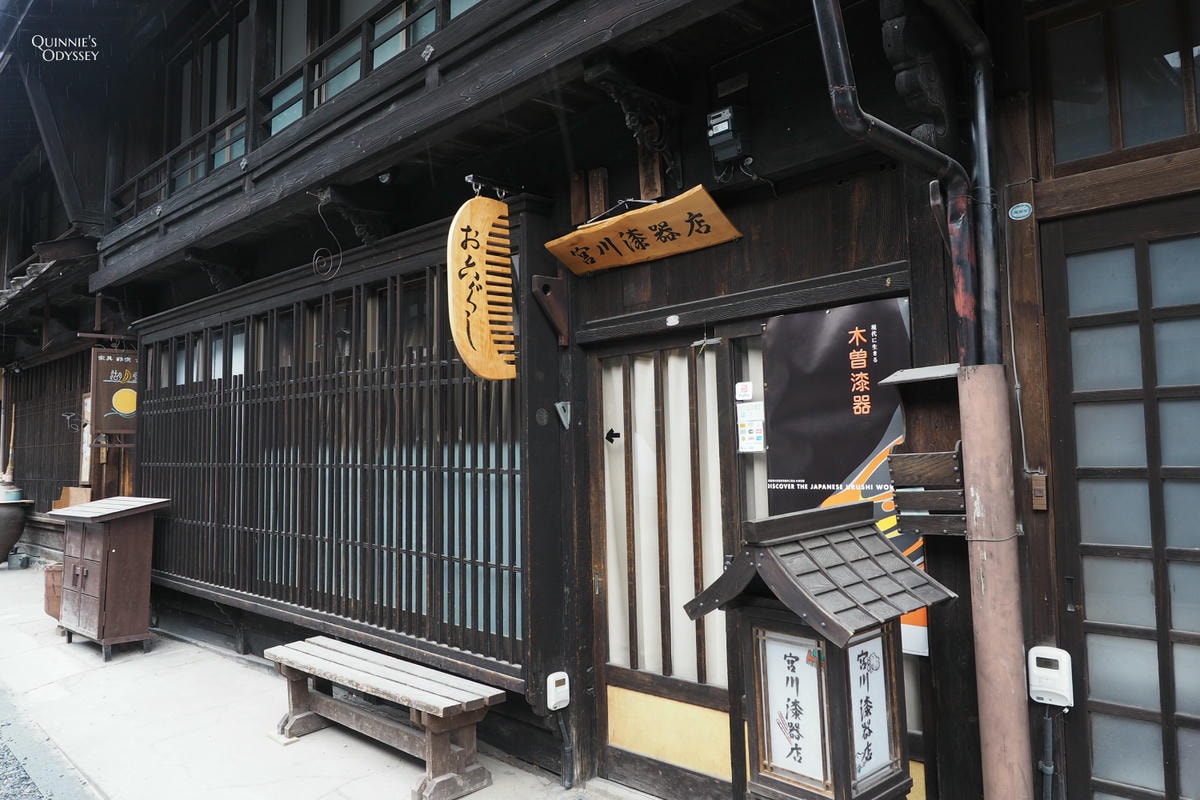
Narai-juku is famous for Kiso lacquerware, a traditional craft that dates all the way back to the Edo period.
The town is surrounded by high-quality hinoki cypress forests, and the cool summers and cold winters create ideal natural conditions for making lacquerware.
Combined with techniques passed down through generations of skilled artisans, this area produces a wide variety of beautiful pieces.
You’ll find everything from everyday tableware and bento boxes to elegant sake cups decorated with delicate maki-e patterns.
There are many lacquerware shops along the street 👇
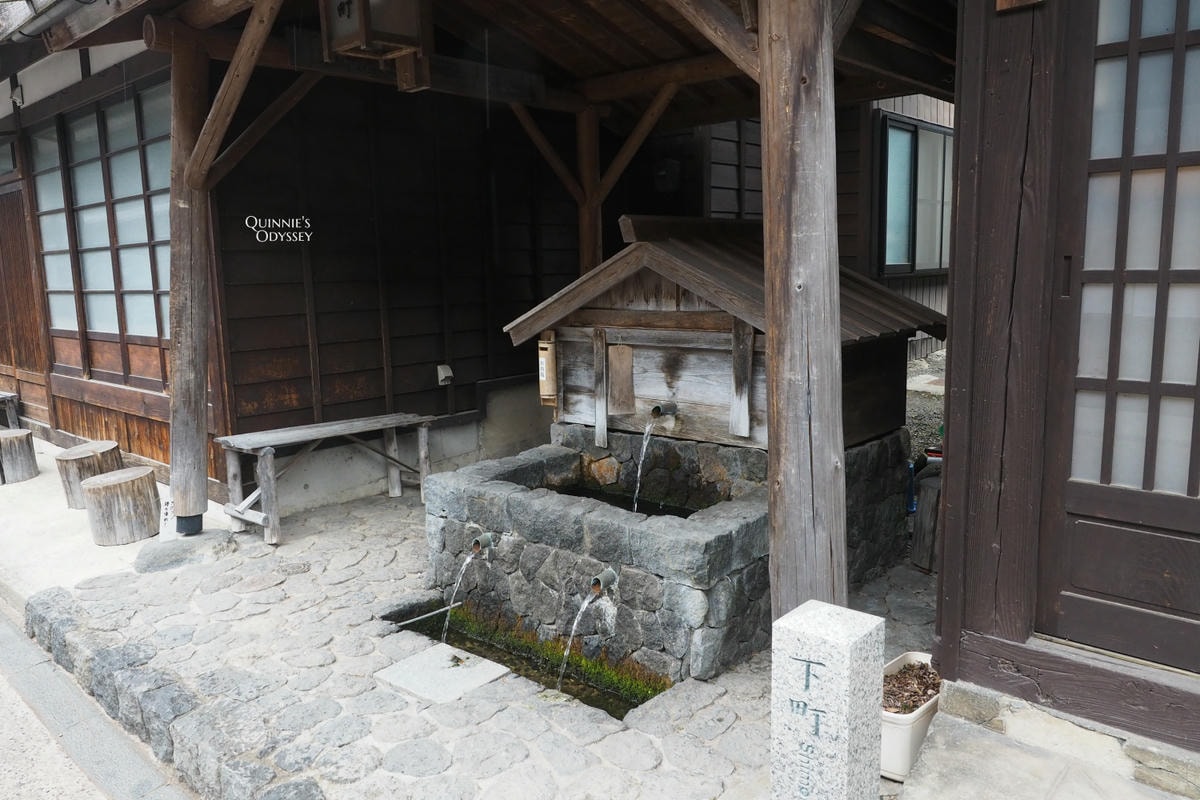
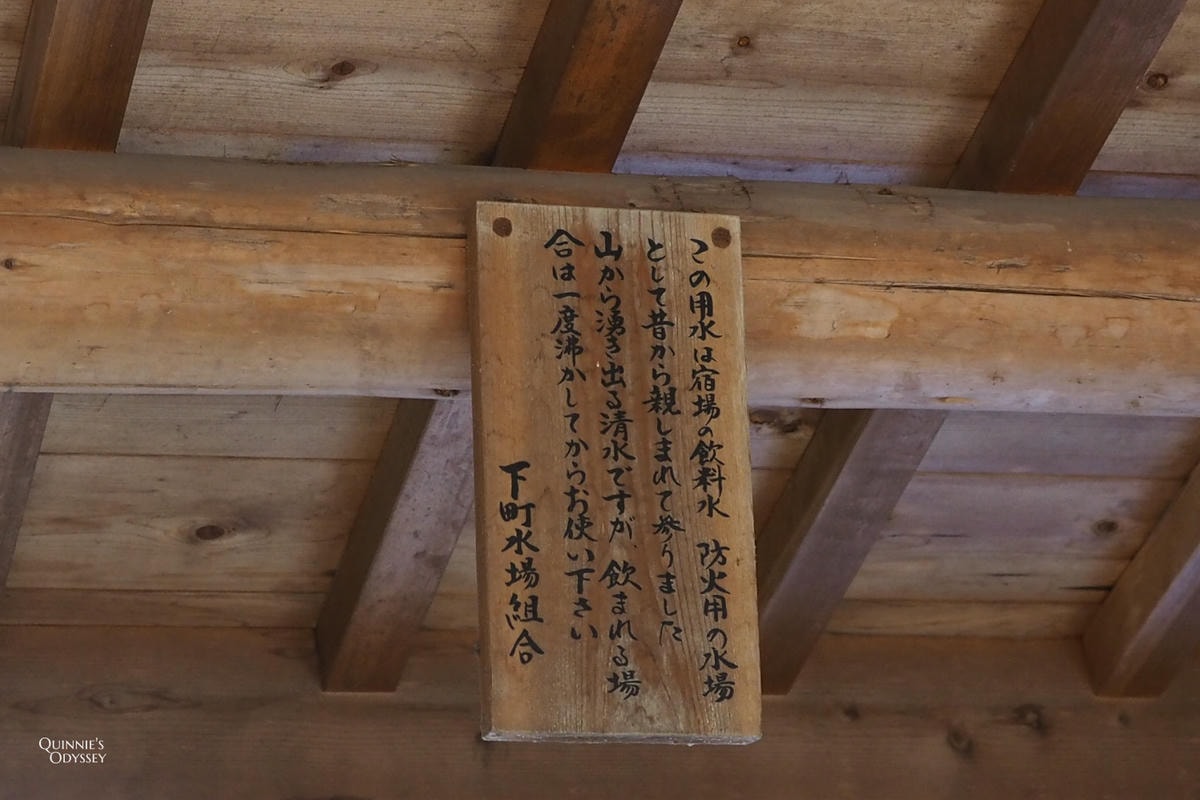
There are about six water wells scattered along the main street of Narai-juku.
The water comes from natural mountain springs and is clear and refreshing. In the past, it was used by travelers to quench their thirst, and by locals as daily drinking water and as a fire-prevention resource.
Even though running water is now common, Narai-juku has preserved these wells as part of the old street, offering a glimpse into everyday life during the Edo period.
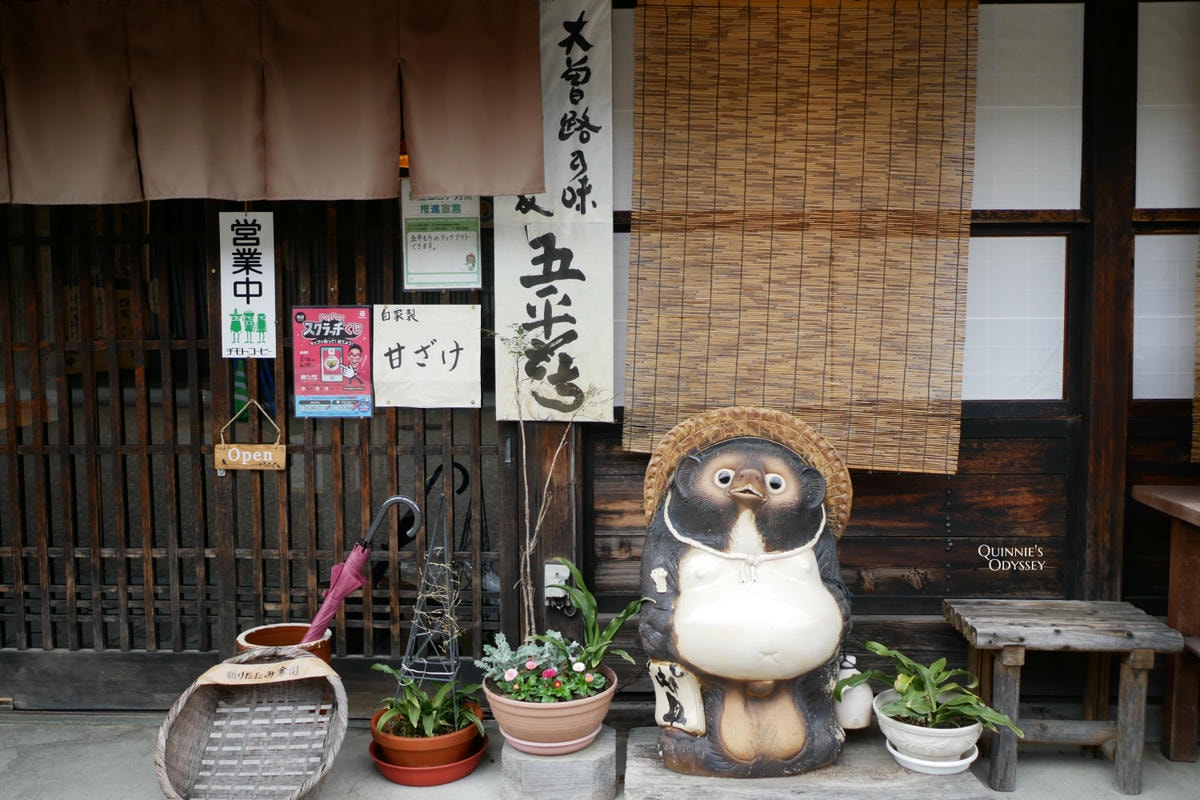
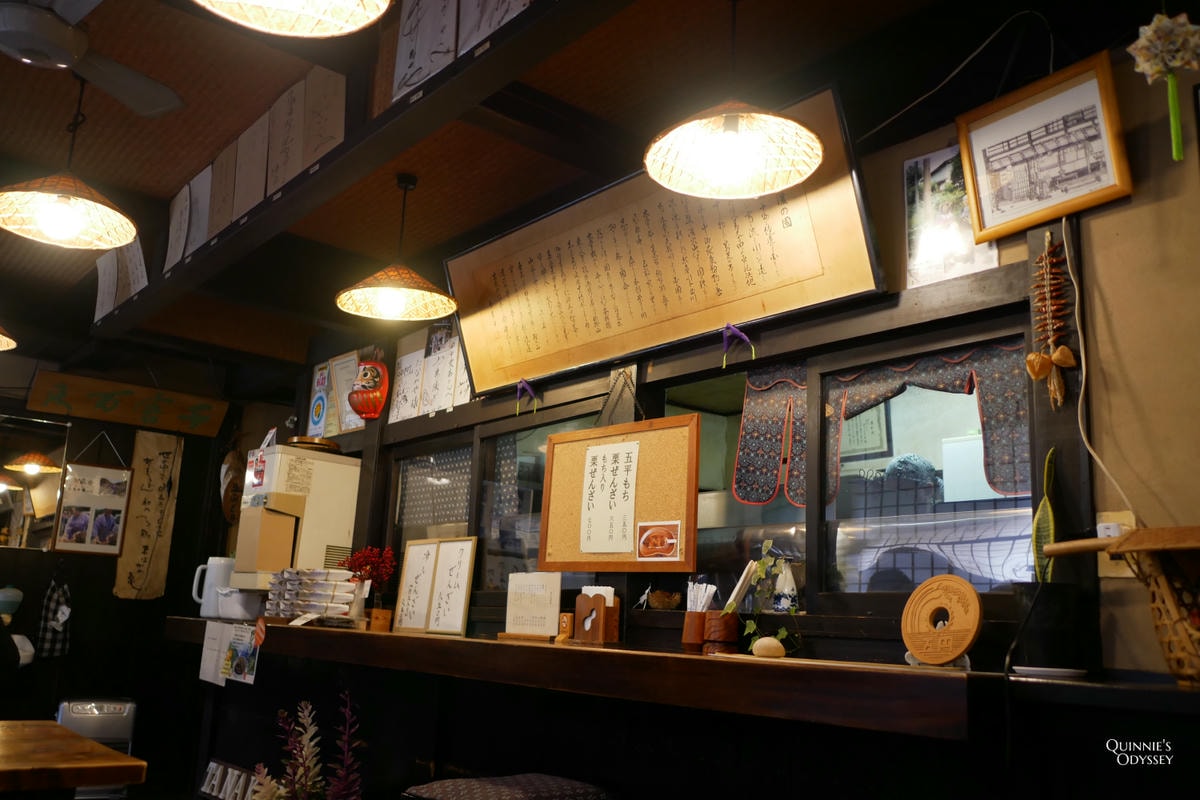
I stopped by a small shop along the way to warm up, as the weather was cold and a light rain was falling.
The shop was dimly lit and small, but it felt cozy and welcoming.
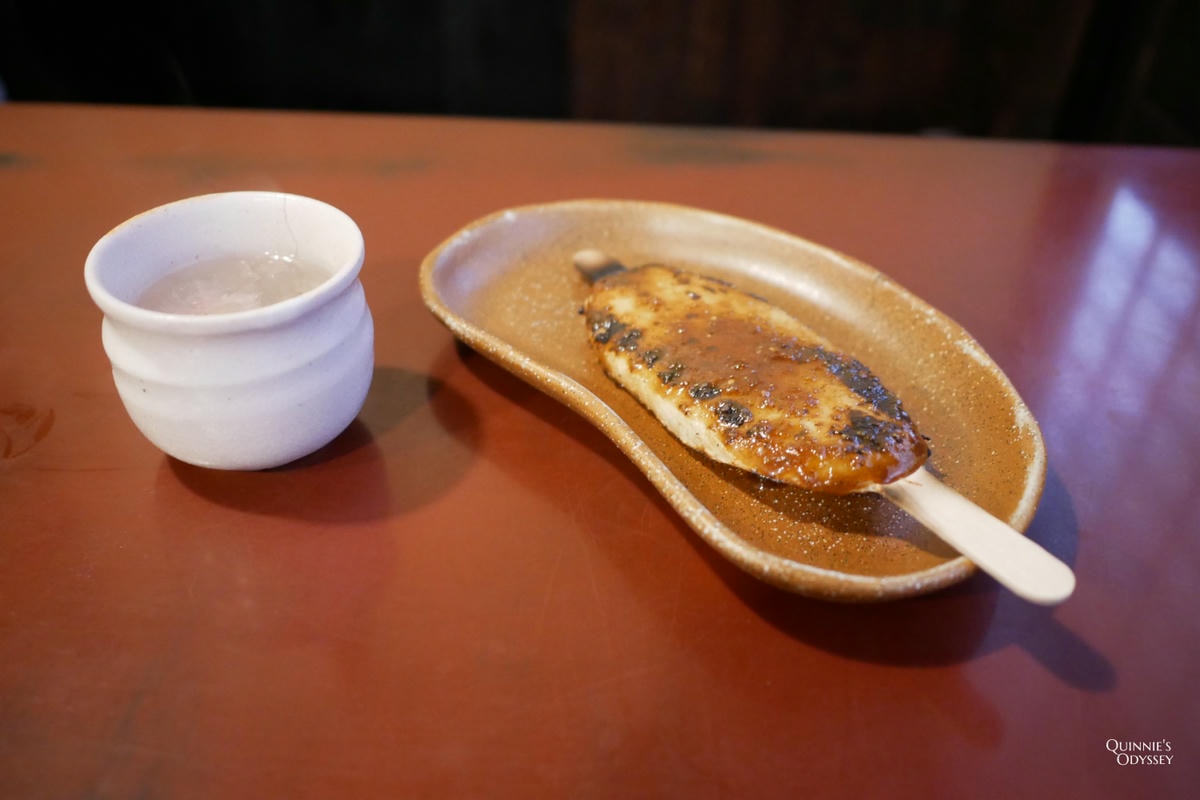
I ordered a gohei mochi and a cup of hot tea, and slowly enjoyed both.
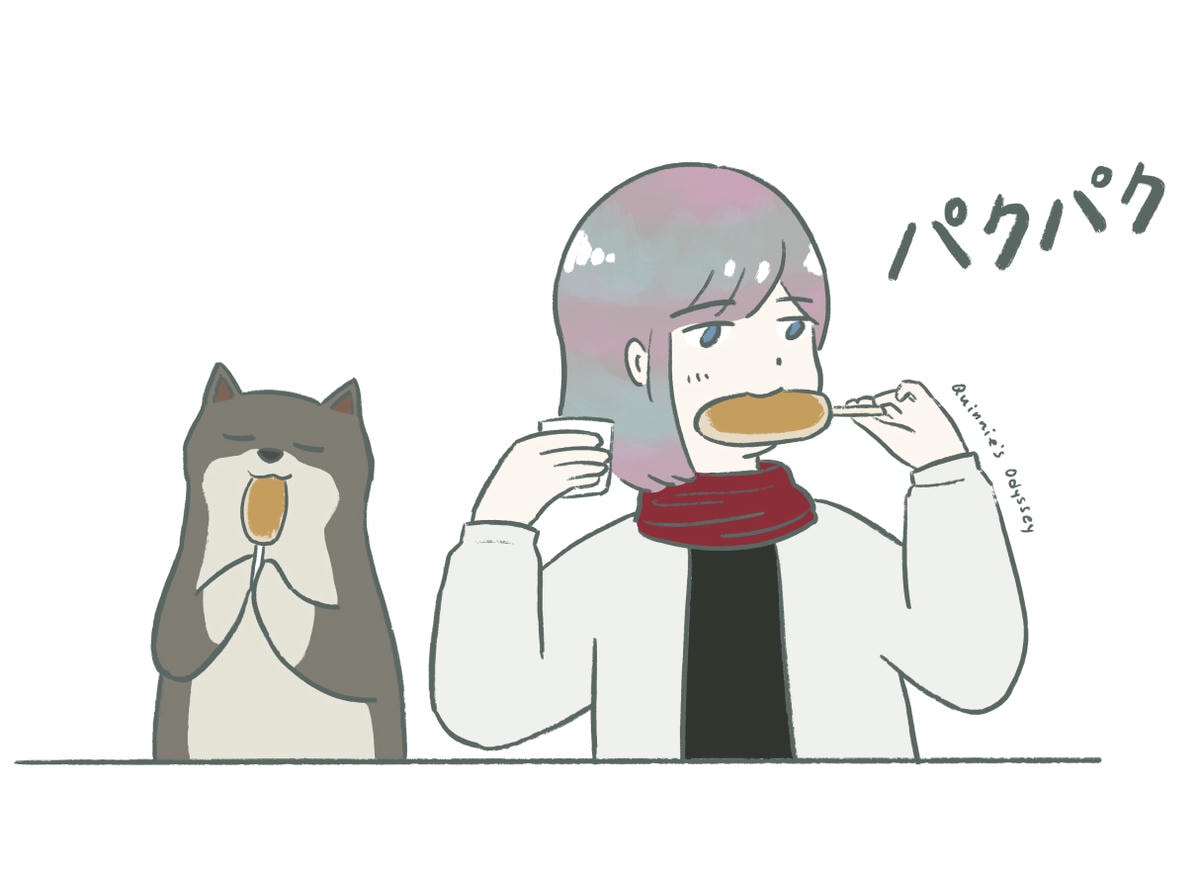
Gohei mochi is a traditional local snack that originated in the Kiso region.
Cooked rice is mashed, shaped into a flat oval, skewered on a stick, brushed with a sweet-and-savory miso sauce, and grilled over charcoal.
The outside is lightly crispy, while the inside stays soft and chewy.
One bite was enough to fill the air with a rich aroma, it was a texture and flavor I’d never experienced before.
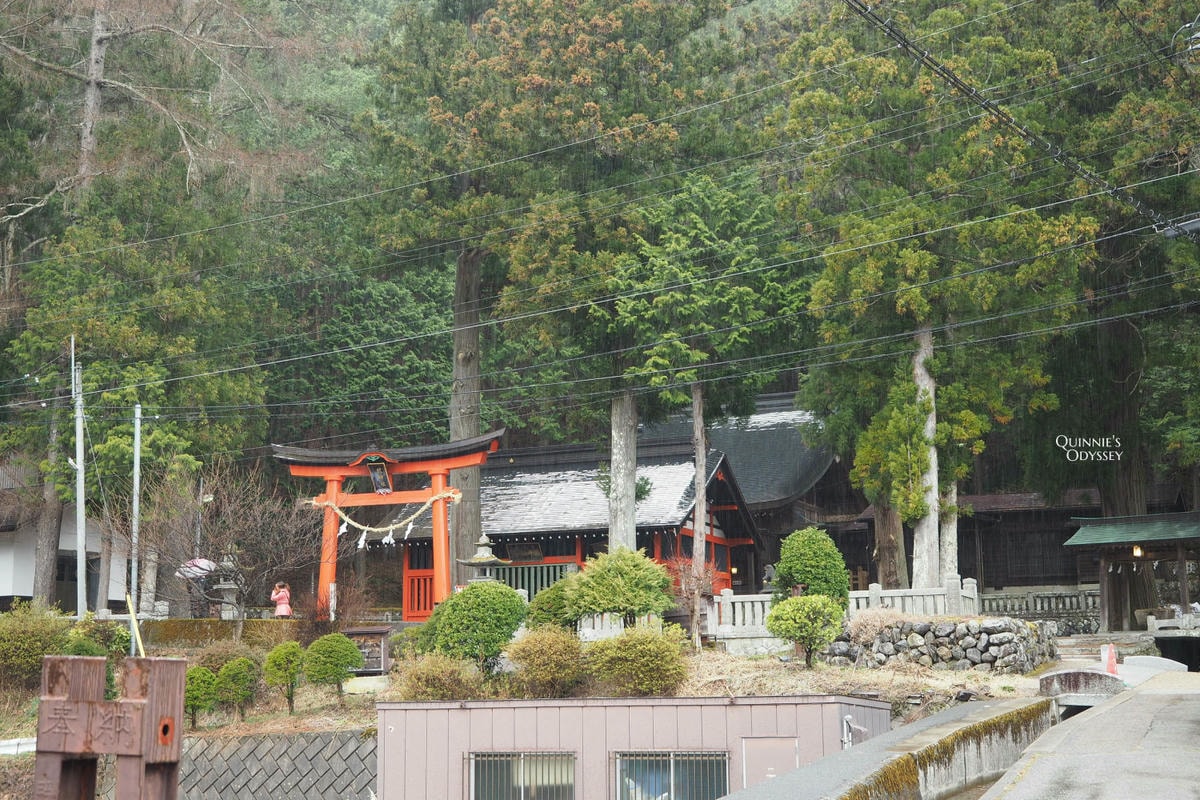
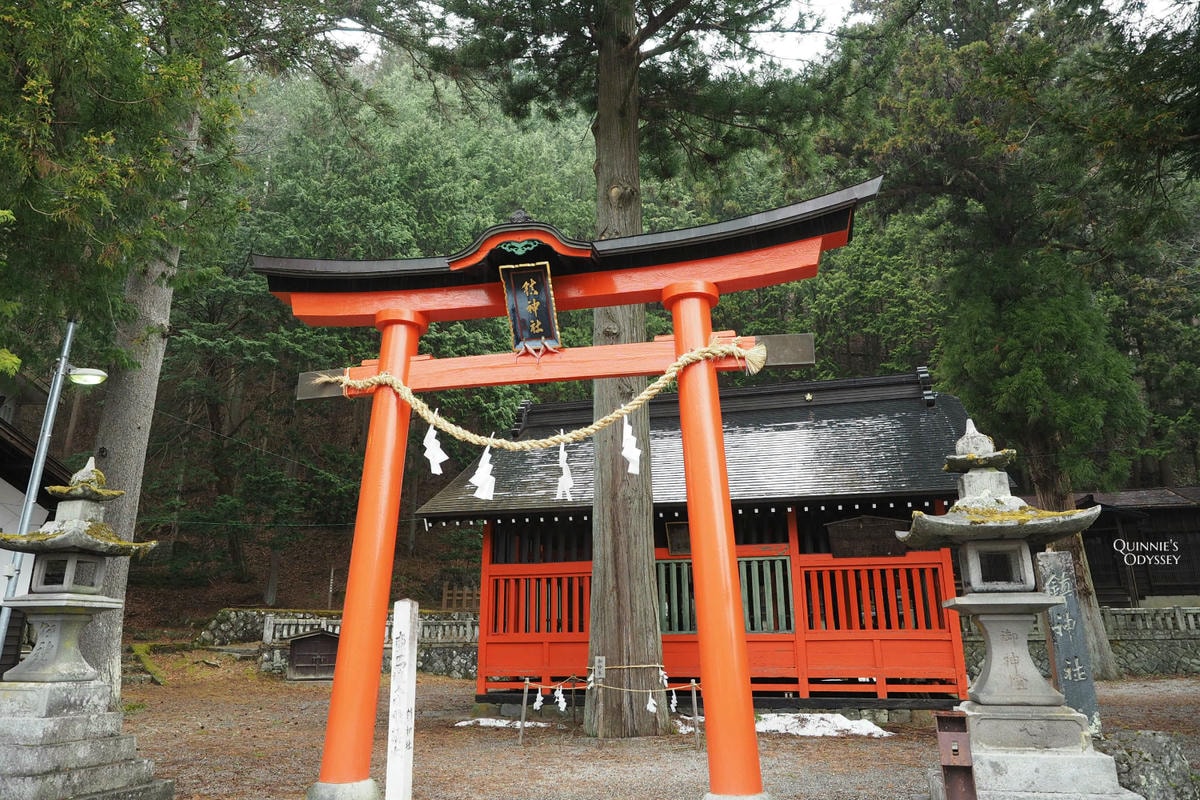
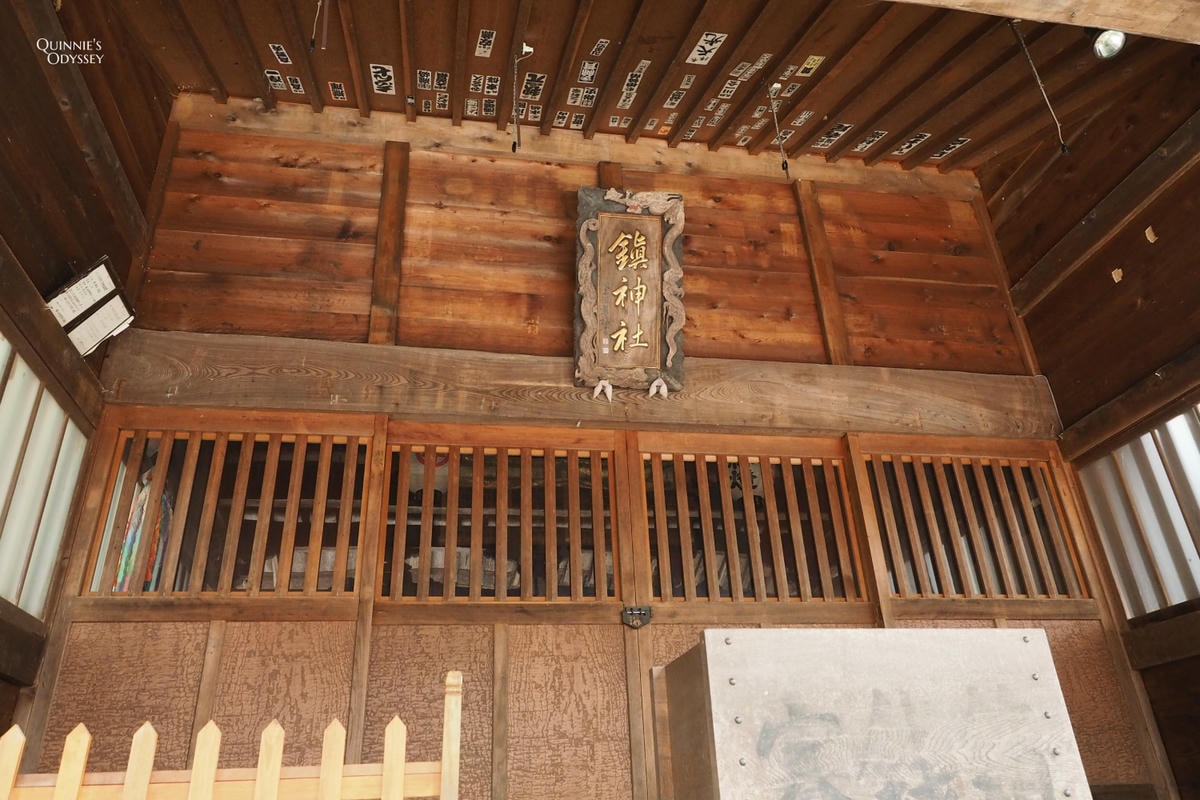
Shizume-jinja Shrine is located near the Torii Pass entrance of Narai-juku and was once an important stop for travelers praying for a safe journey.
Tall, towering trees surround the main gate, creating a quiet and slightly mysterious atmosphere.
The shrine dates back to 1618, when an epidemic spread through the Narai area. Villagers invited a deity from Katori Shrine in Chiba Prefecture, and the disease is said to have miraculously subsided. Since then, the shrine has been worshipped as the guardian of the town.
Every year on August 12, a large festival is held here. The town comes alive with music and parades, as young locals perform with Japanese flutes, taiko drums, and shamisen.
The festival is designated as an intangible folk cultural property, and the shrine’s main hall is recognized as a tangible cultural property, making it an important symbol of Narai-juku’s history.
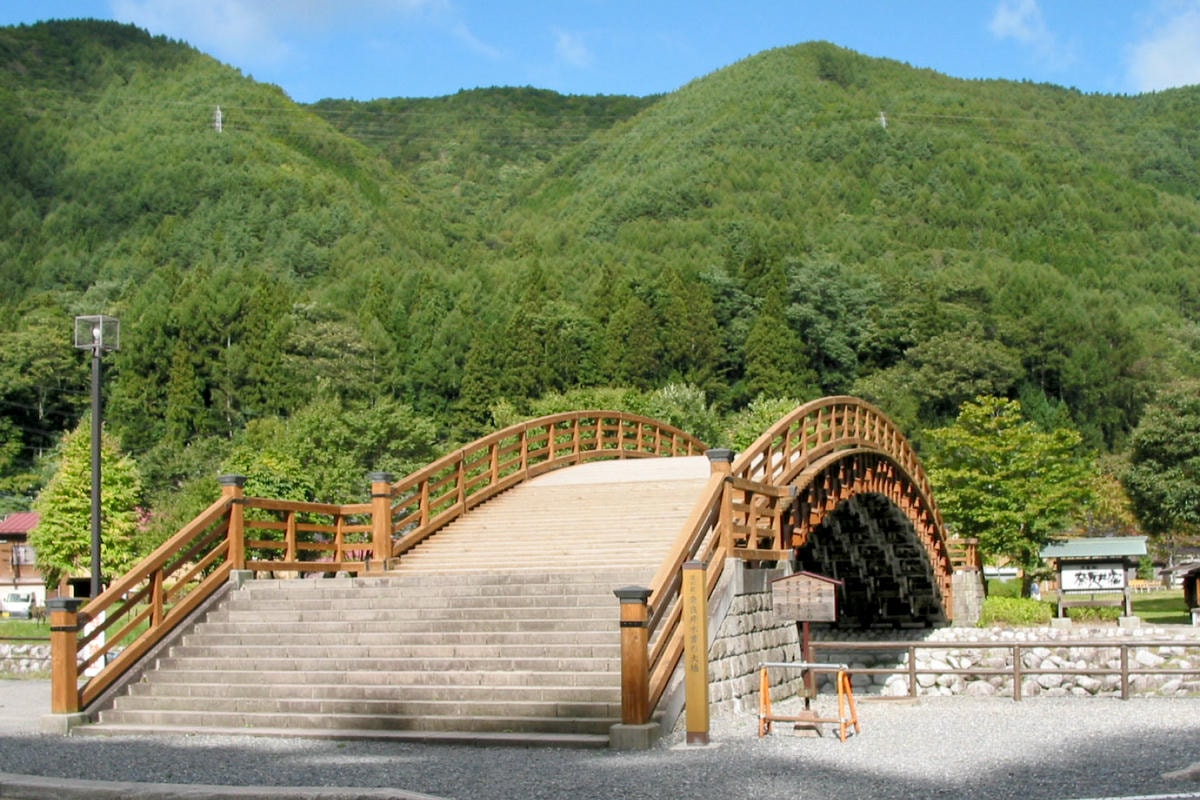
I originally planned to visit Kiso Ohashi Bridge on my way back, but I had to rush to catch my train, so I missed it 😭😭
The bridge is actually very close to the station and is one of Narai-juku’s most famous landmarks.
It spans the clear Narai River and measures 33 meters long and 6.5 meters wide, built entirely from Kiso hinoki cypress trees that are over 300 years old.
What’s especially impressive is that the bridge uses a traditional wooden joinery technique, there are no support pillars underneath the bridge at all.
As mentioned earlier, Narai-juku was once an important post town along the Nakasendo, where countless travelers rested for the night.
If you want to truly experience what it was like, staying overnight is highly recommended.
Accommodation here isn’t cheap, but sleeping in a historic wooden building and experiencing Narai-juku at dusk, at night, and early in the morning is something you won’t forget.
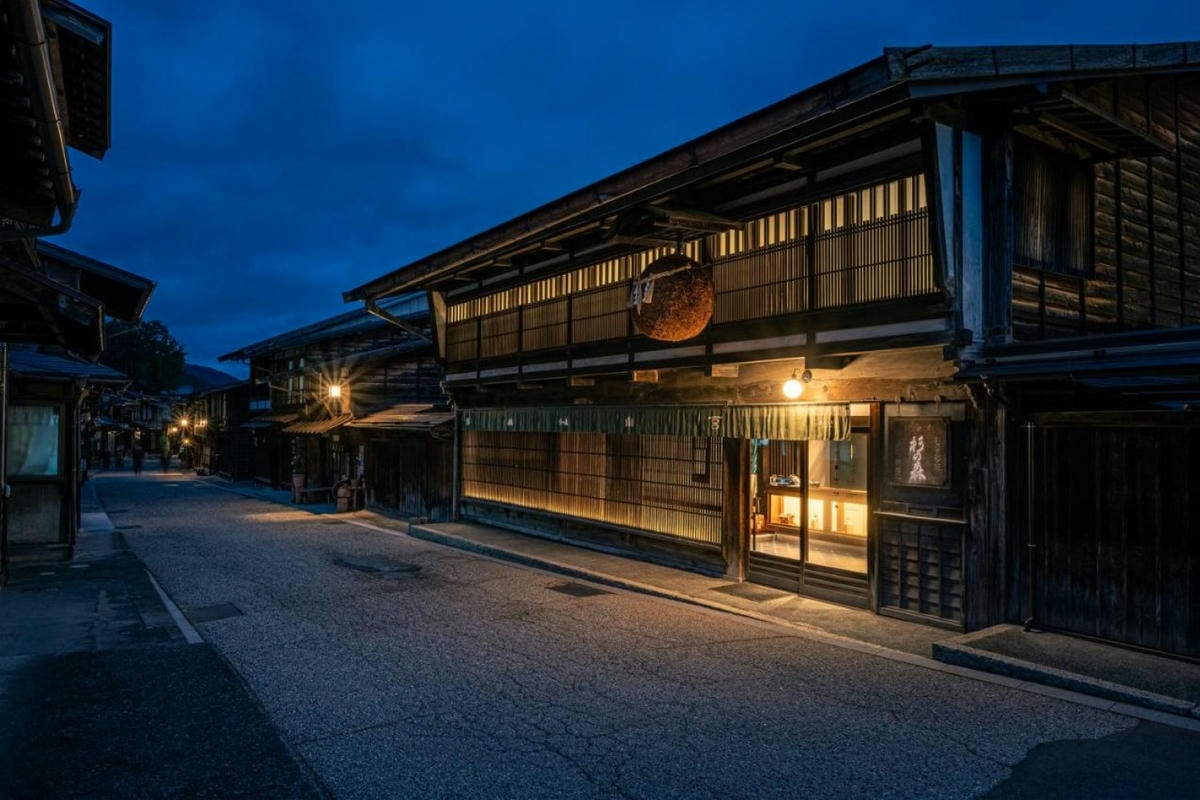
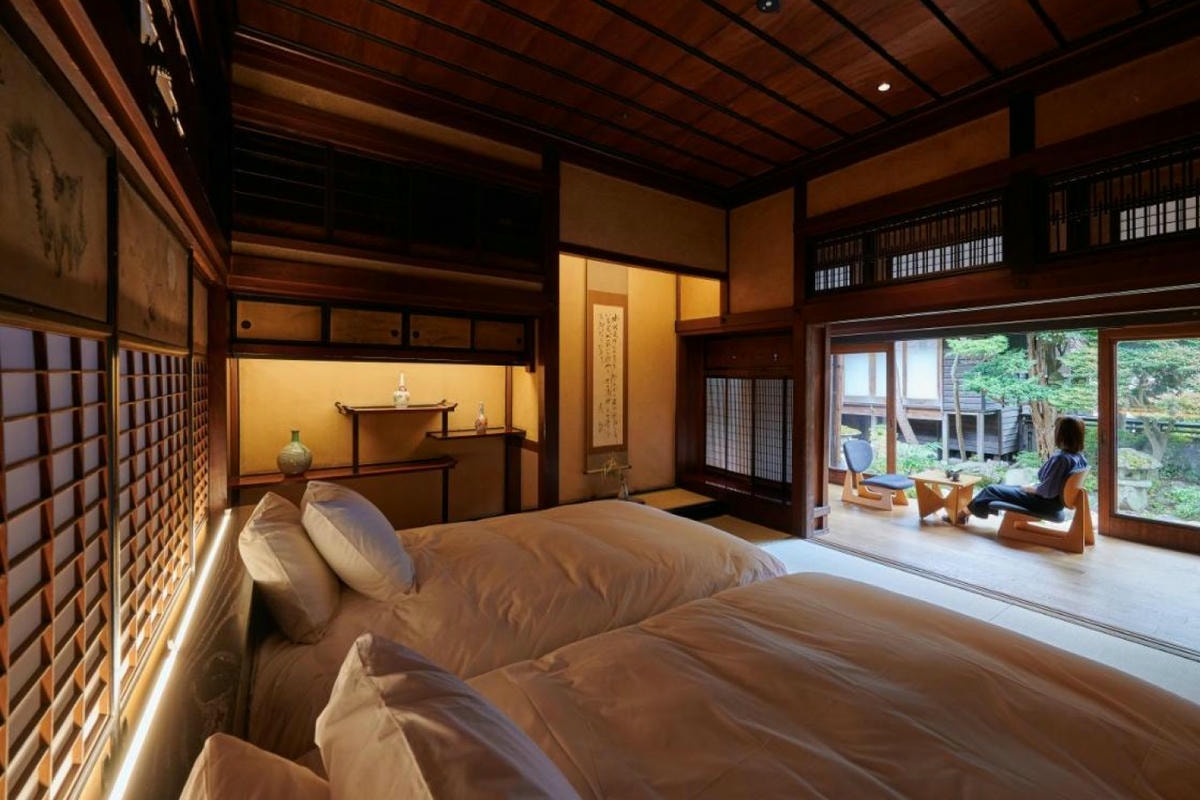
BYAKU NARAI restored and preserved four historic buildings in Narai-juku and turned them into guest accommodations.
One of these buildings was originally a sake brewery founded in 1793, known as Suginomori Brewery.
Together, the buildings now house 16 unique guest rooms, each with a different layout. Be sure to check room details before booking.
The goal is to create a peaceful stay that blends Narai-juku’s natural scenery with its deep historical atmosphere.
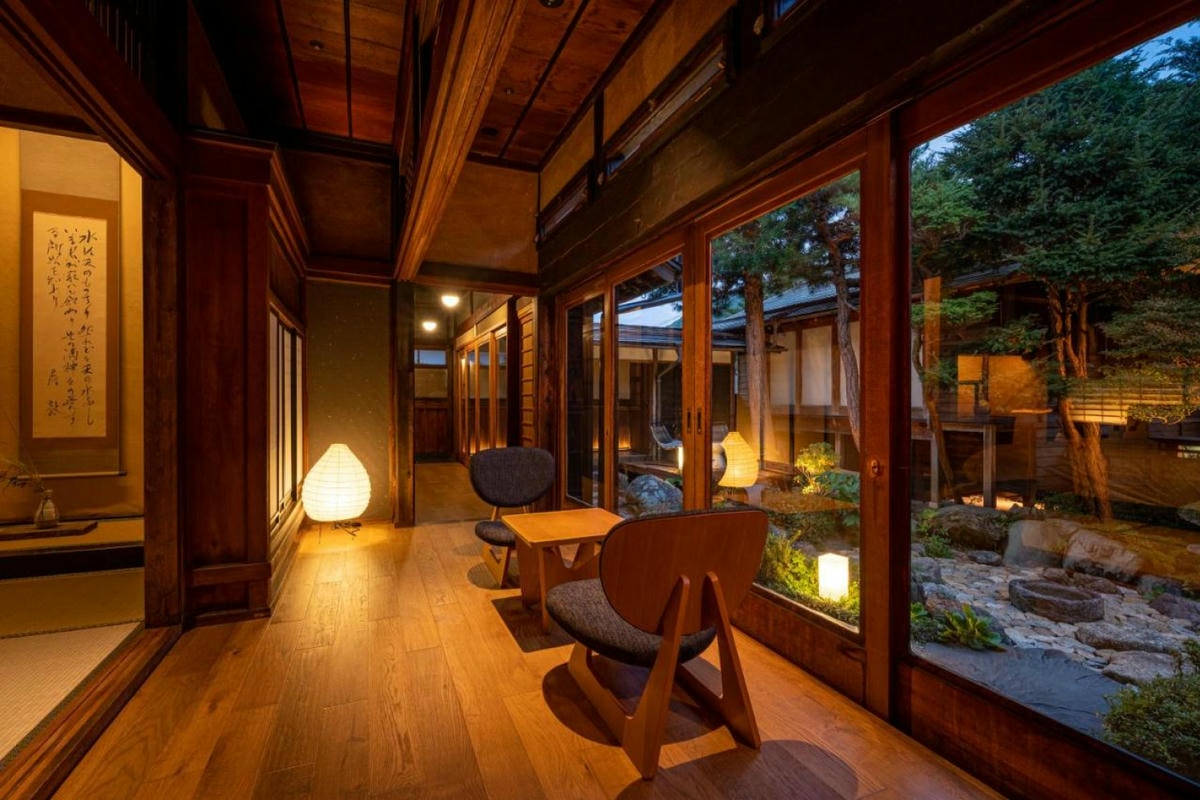
Ikariya Machida Minshuku is located in the center of Narai-juku. It’s a simple, traditional inn with great reviews for its meals and more affordable prices.
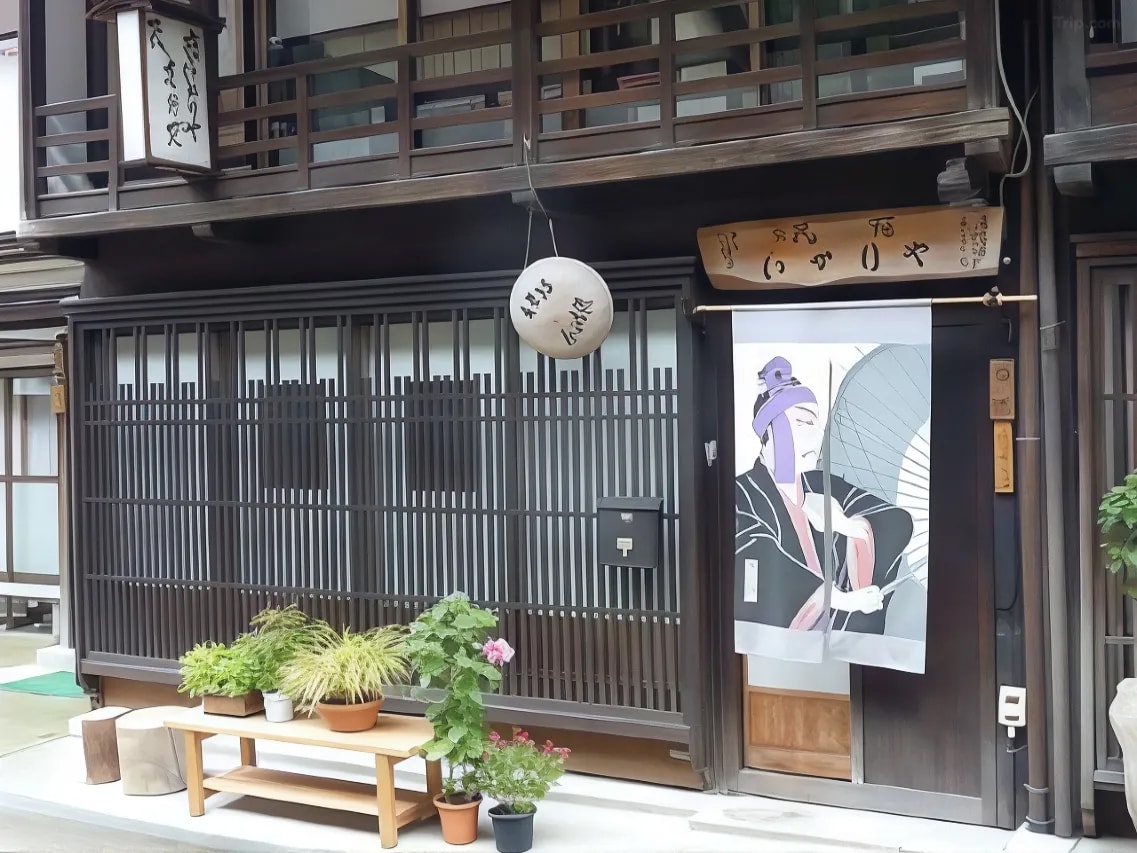
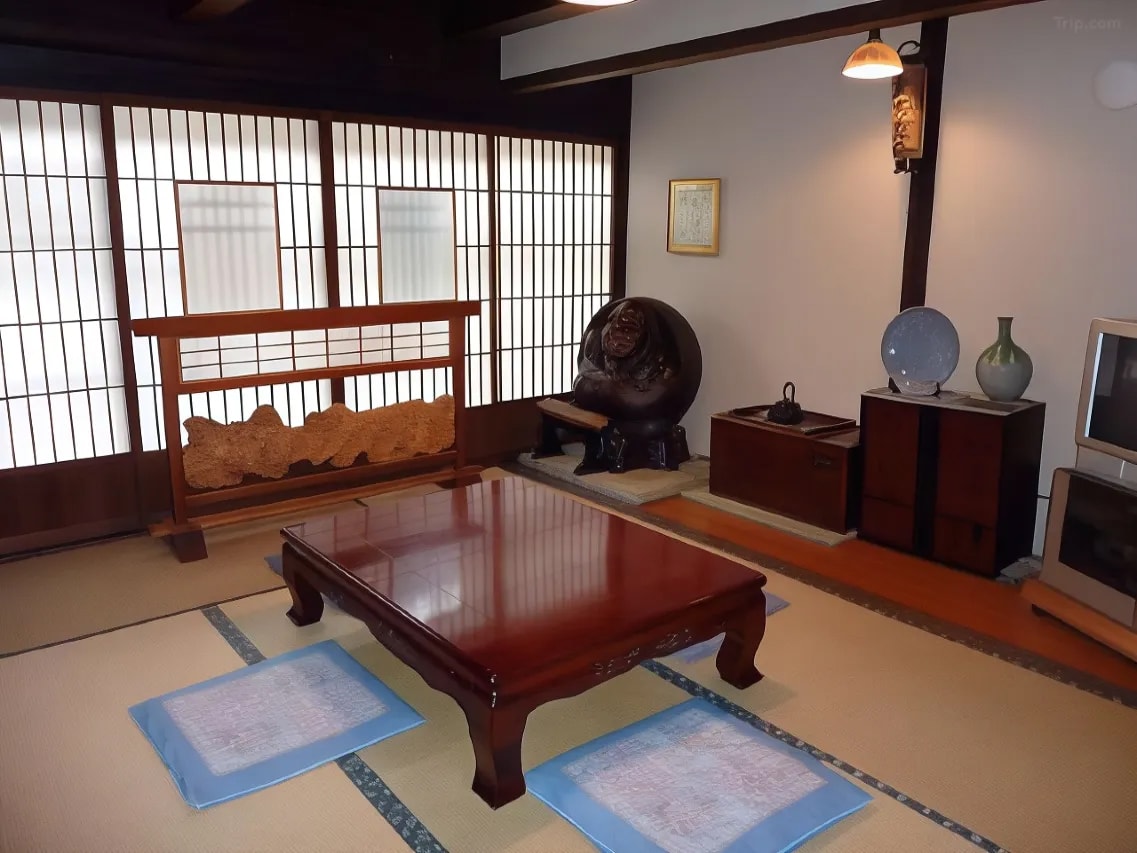
👉👉 [Trip.com] Narai-Juku Ikariya Machida Minshuku
Light rain tapping against old wooden eaves, quiet streets filled with nostalgia, it’s a scene that feels frozen in time.
Hidden deep in the valley, Narai-juku carries a profound sense of history, and walking through the town in the rain adds a subtle touch of romance.
Even though walking and taking photos in the rain was a bit inconvenient that day, the memory of that rainy afternoon has stayed with me. The more I think about it, the more beautiful it feels.

Thanks for reading!
If you’re interested in my stories, feel free to follow me on Instagram.
👉👉 IG: @sika_artist 👈👈