Physical Address
304 North Cardinal St.
Dorchester Center, MA 02124
Physical Address
304 North Cardinal St.
Dorchester Center, MA 02124

Sanzen-in is one of the most well-known temples of the Tendai sect in Kyoto. It’s located in the quiet mountain village of Ohara, in Kyoto’s Sakyo Ward, surrounded by forested hills and nature. From central Kyoto, it takes about one hour to get here, making it a perfect escape from the busy city.
The temple dates back to the Heian Period and was founded by Saicho, the monk who established the Tendai sect in Japan. After being relocated several times over the centuries, Sanzen-in finally settled in its current location in Ohara during the Meiji era.
We took Kyoto City Bus No. 17 from central Kyoto and got off at Ohara Bus Stop. As soon as we stepped off the bus, the scenery completely changed. Open farmland, fresh air, and a calm atmosphere that feels far removed from the crowds of Kyoto city.
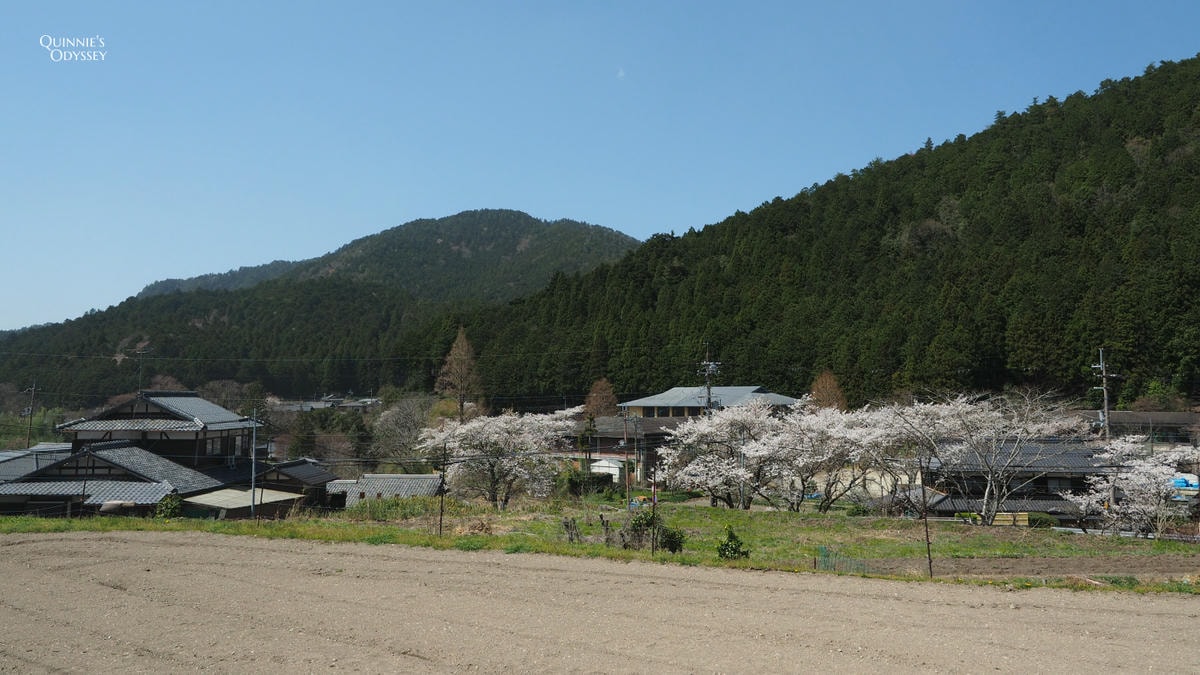
From the bus stop, it’s about a 10–15 minute walk to Sanzen-in.
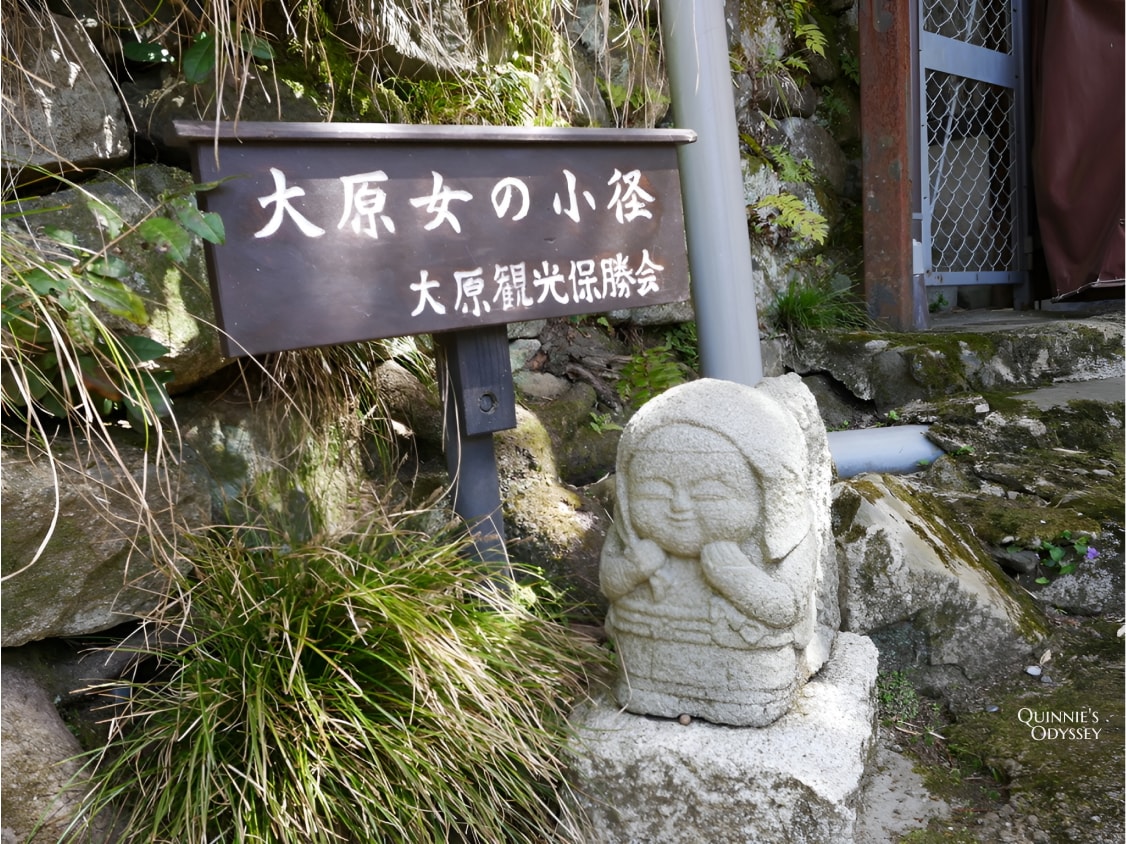
The walking path is called Ohara Women’s Path.
This path connects several famous temples, including Jakko-in, Sanzen-in, and Shorin-in. It’s named after the Oharame, women who used to carry firewood on their heads and walk into Kyoto to sell it.
Along the path, you’ll see 24 stone statues of Ohara women, each with a slightly different expression.
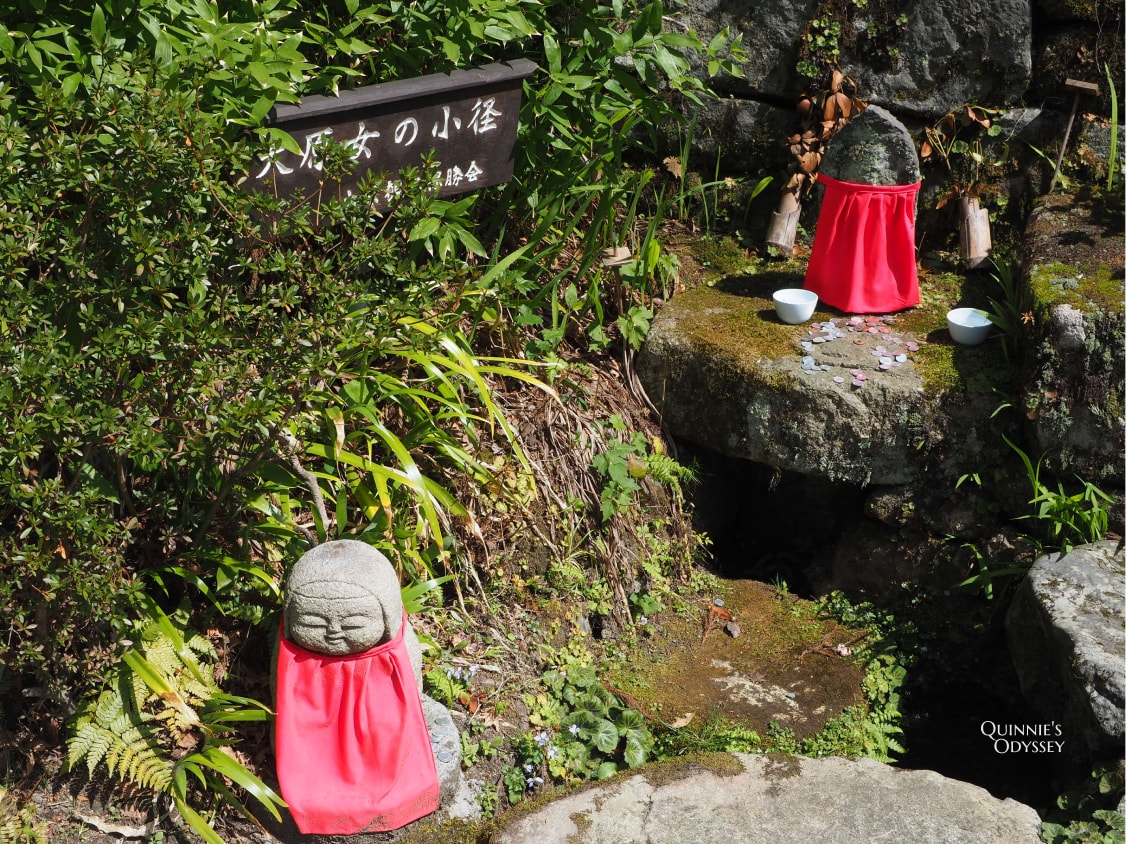
There are also small tea houses, pickle shops, and souvenir stores along the way.
If you visit in autumn, this path becomes especially beautiful, with vibrant red and orange maple leaves lining the road.
Sanzen-in was founded in 804 AD by Saichō, after he returned from studying Buddhism on Mount Tiantai in Tang-dynasty China. He later established the Tendai sect on Mount Hiei, and Sanzen-in became one of its most important temples.
It is also one of the few monzeki temples, meaning it has strong historical ties to the imperial family. With over a thousand years of history, the temple carries deep religious and cultural significance.
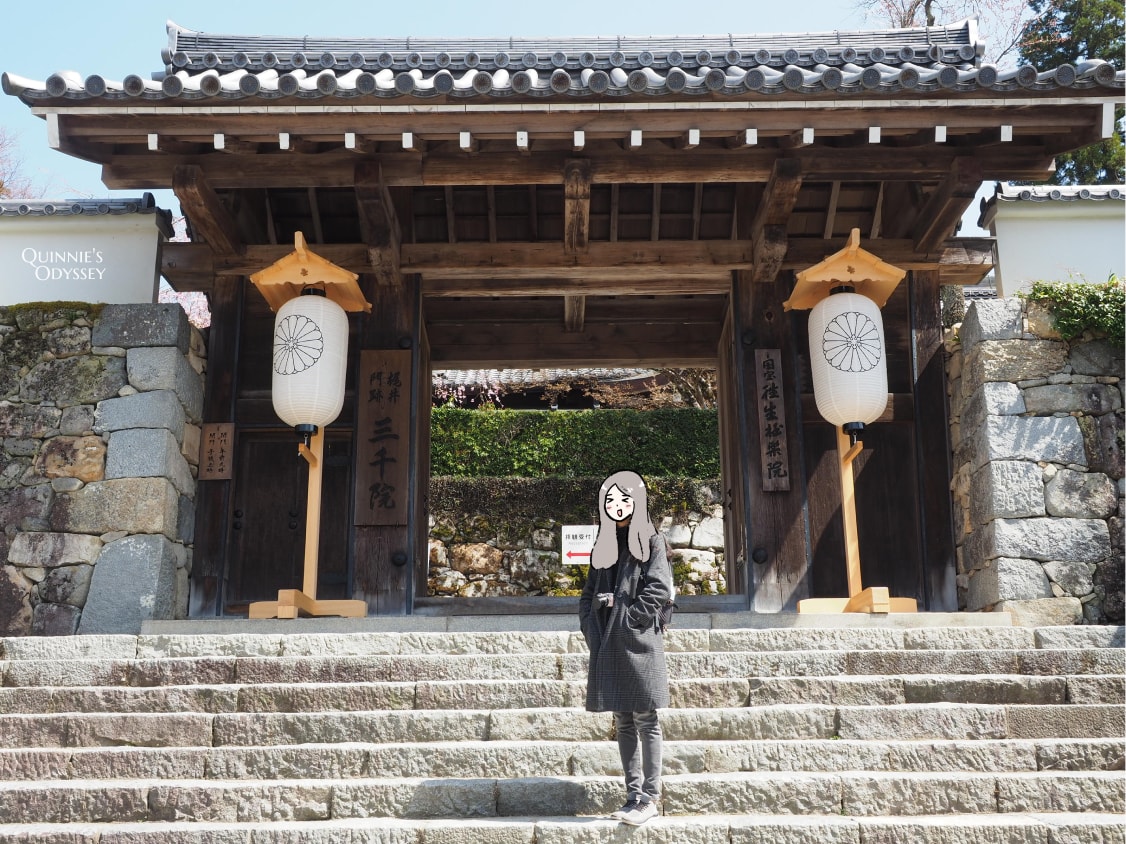
The Goten-mon Gate is the main entrance to Sanzen-in.
After entering through the gate, turn left to reach the ticket office.
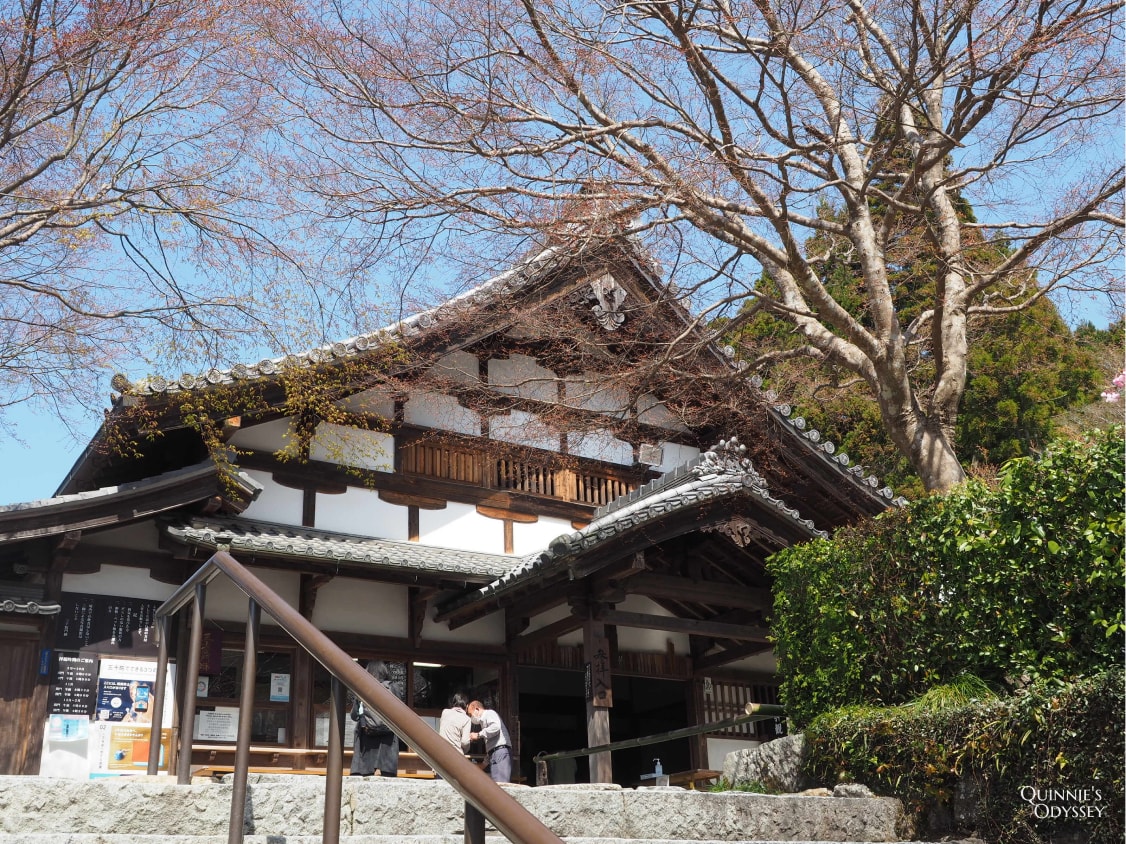
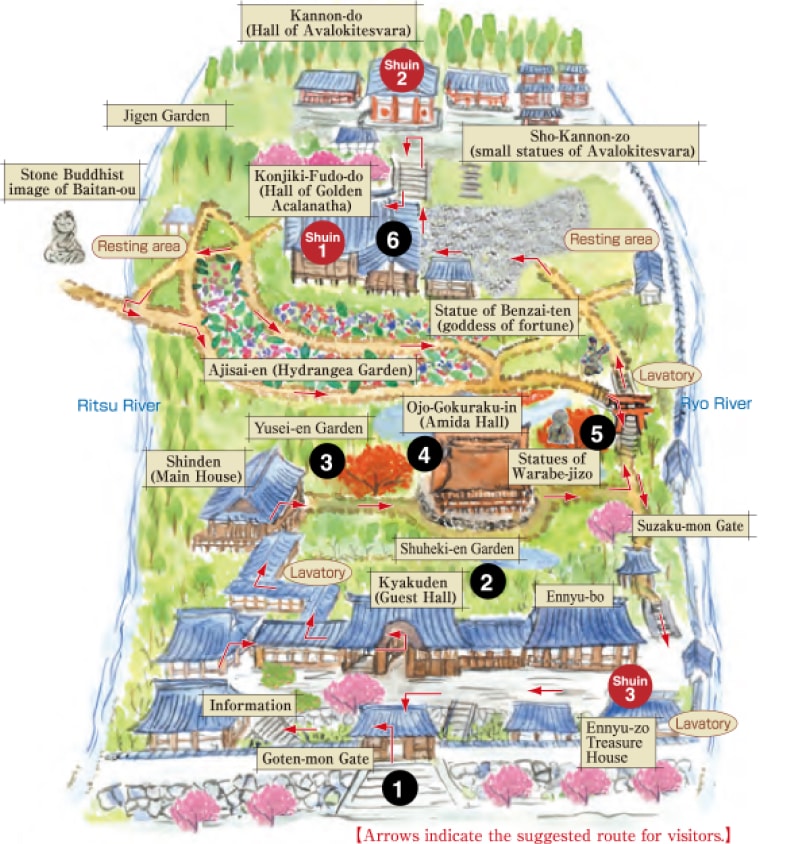
After entering Sanzen-in, the first area you’ll visit is the Guest Hall (Kyakuden). Inside, you’ll find displays of calligraphy and folding screen paintings. Just beyond the windows lies Shuheki-en Garden, a beautifully composed Japanese garden.
The garden is small but refined, designed with a pond-and-hill layout that changes with the seasons. It’s said to be especially stunning during autumn when the maple leaves turn red.
Before entering the Guest Hall, you’ll need to remove your shoes. Walking barefoot on the wooden floors, you can hear the soft creaking sounds echo through the quiet space. Photography is not allowed here, so you’re encouraged to simply sit and take in the calm atmosphere.
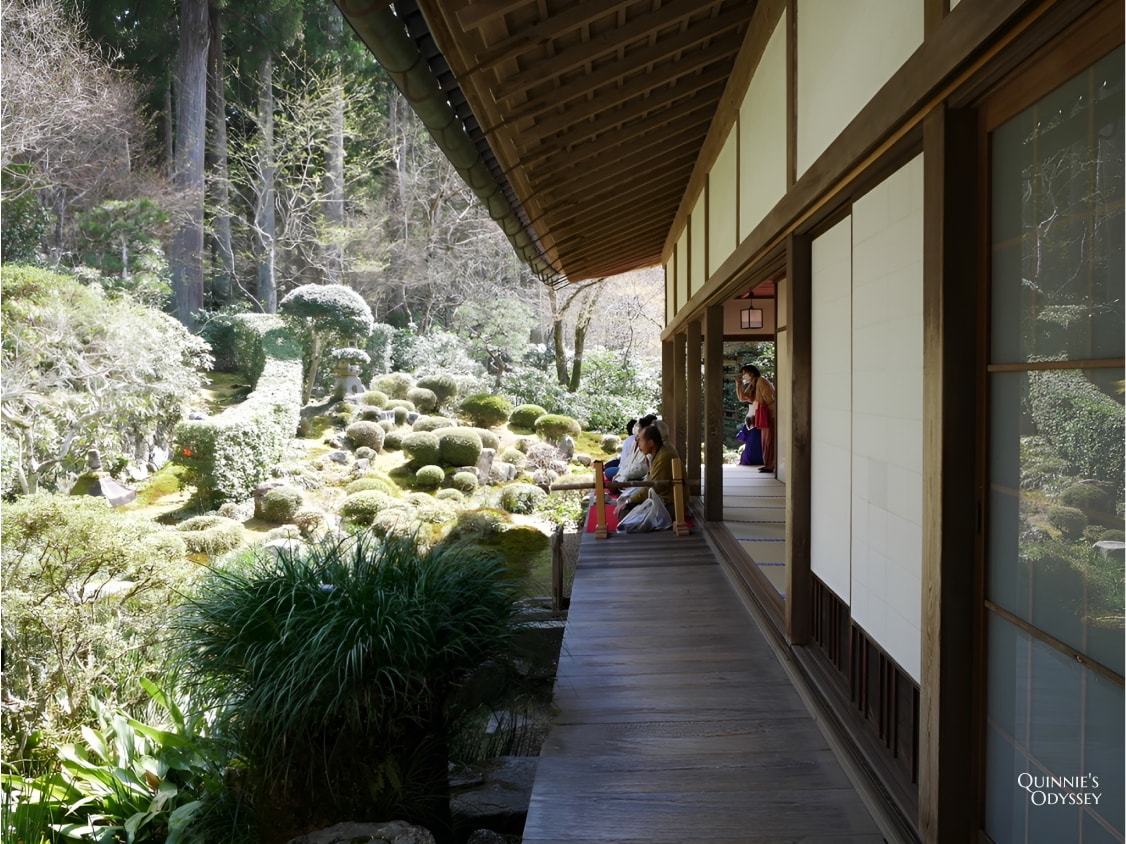
Inside, there’s a place selling matcha tea. Many visitors buy a cup, step outside, and sit on the ground while enjoying the view of the garden, simple, peaceful, and very relaxing.
Shuheki-en Garden is completely covered in lush green moss.👇
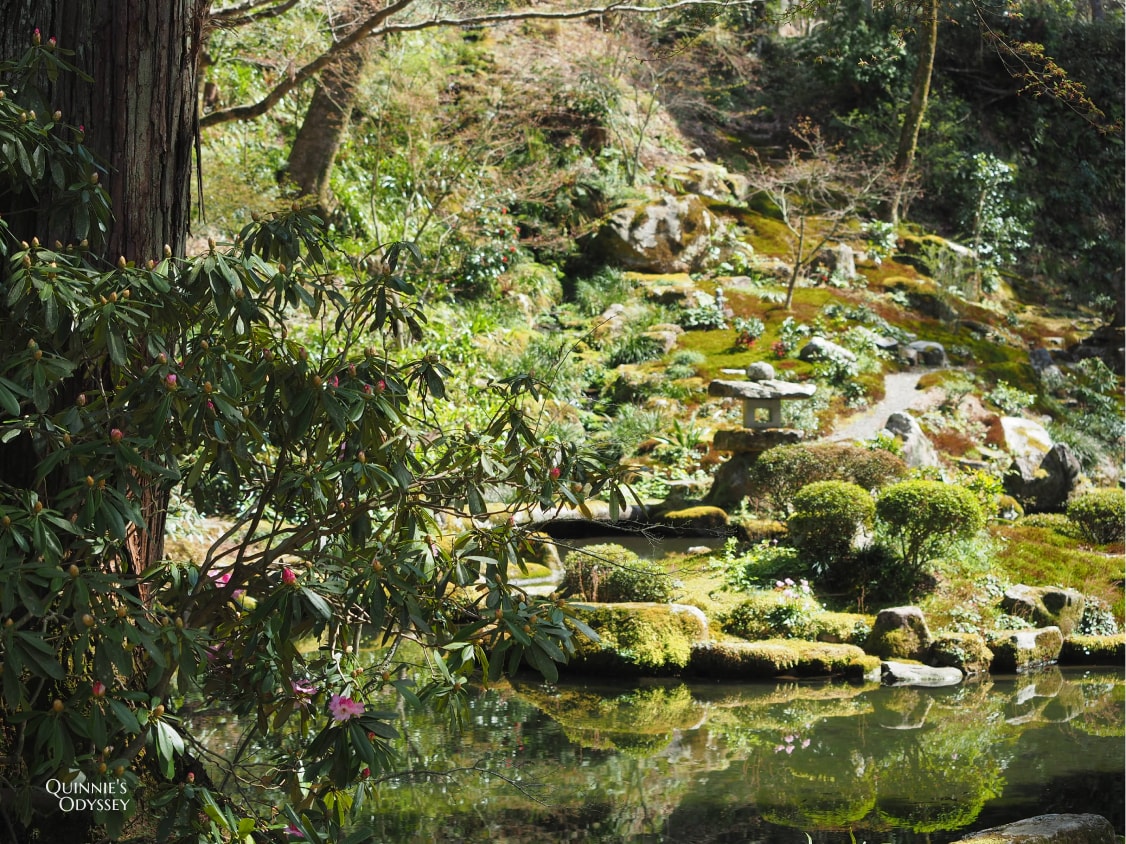
There’s nothing flashy or overly designed here, just nature in its pure, quiet form. It really makes you feel the passage of time and the beauty of impermanence.
Sanzen-in also offers a sutra-copying experience in a separate tatami room. You can choose between a free short copying experience (about 20 minutes) or copying the Heart Sutra for 1,000 yen (about 90 minutes).
The name Yusei-en comes from a classical Chinese poem meaning, “You don’t need silk strings or bamboo flutes; mountains and water have their own pure sound.”
This garden dates back to the Muromachi Period (1336–1573). The ground is covered with thick moss, with tall cedar and maple trees rising above it.
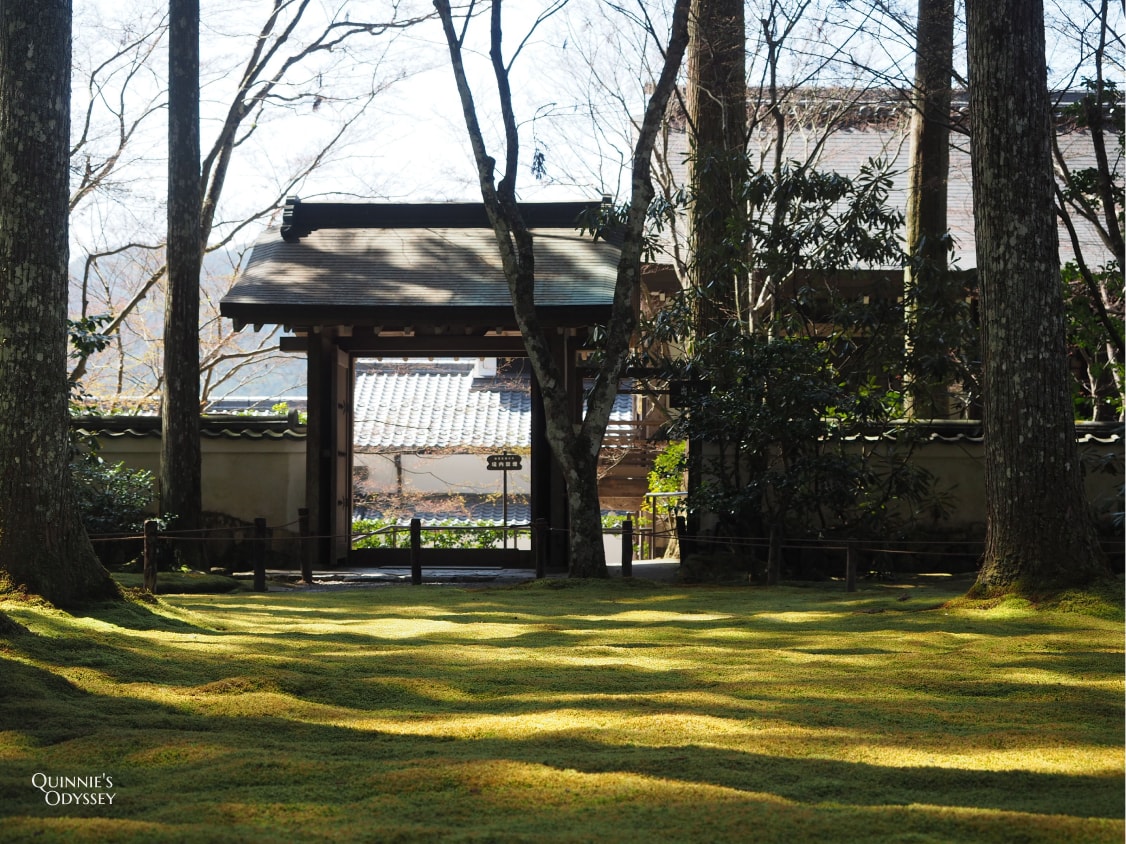
At the center of the garden stands the Ojo-Gokuraku-in, built in 986 AD. Next to it is a clear pond dotted with small islands, connected by stone bridges. The layout creates a peaceful balance between stillness and movement.
The Konjiki-Fudo of Golden Acalanatha is hidden within a quiet hydrangea garden. Inside is a sacred statue of Fudo Myoo, said to have been carved by the monk Chishō Daishi himself.
Fudo Myoo is a protective deity in Japanese Esoteric Buddhism, symbolizing strength and protection.
One popular souvenir here is the Golden Fudo incense, which many visitors buy to pray for the safety and well-being of their families.
Next to the hall is a tea area offering free Golden Fudo Tea. The tea has a light shiso aroma, floating gold leaf, and a slightly salty taste, symbolizing good fortune and longevity.
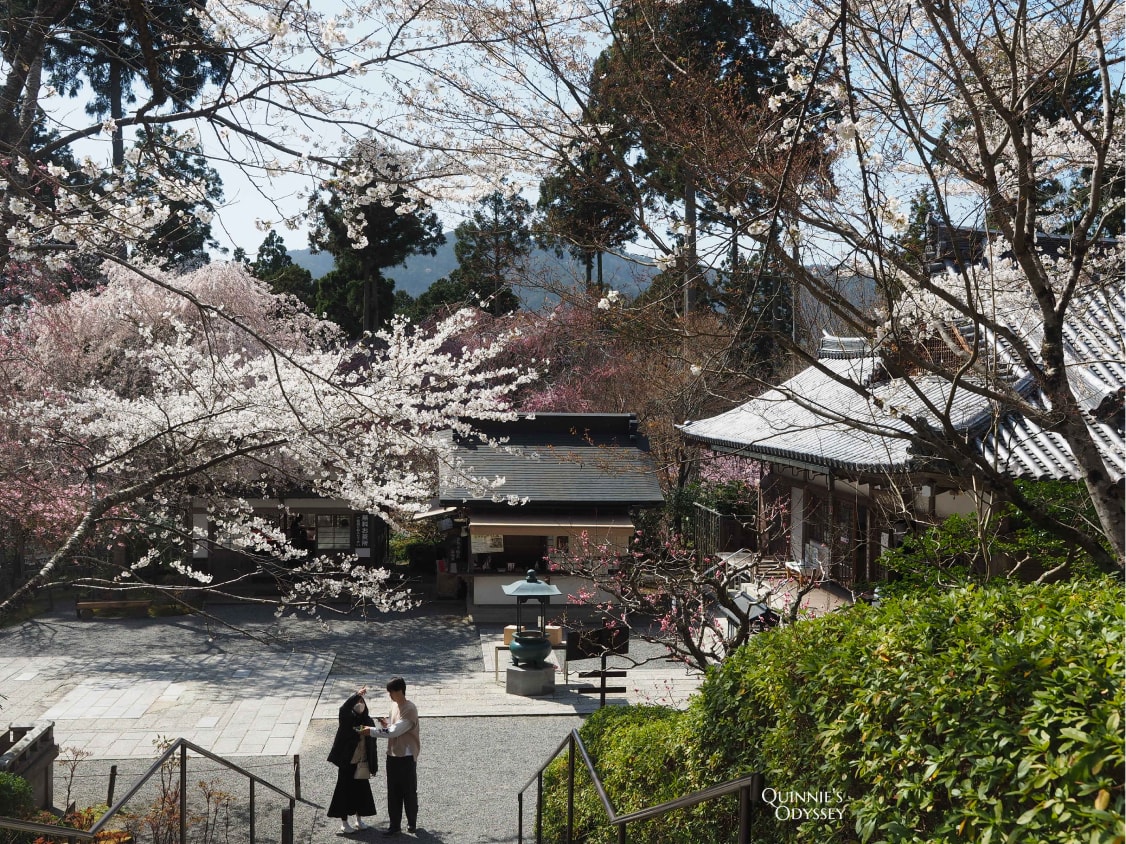
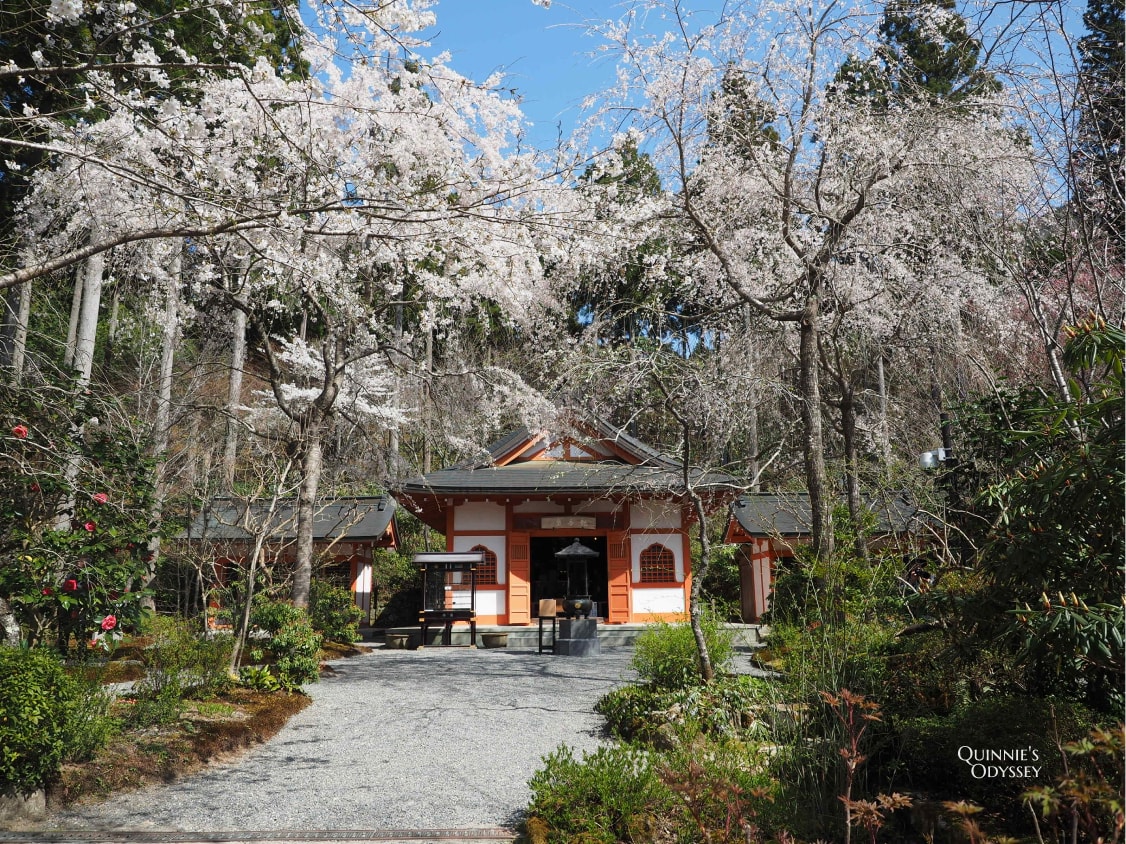
We visited during cherry blossom season, and the hall was surrounded by soft pink and white sakura. It honestly felt like stepping into a dream.
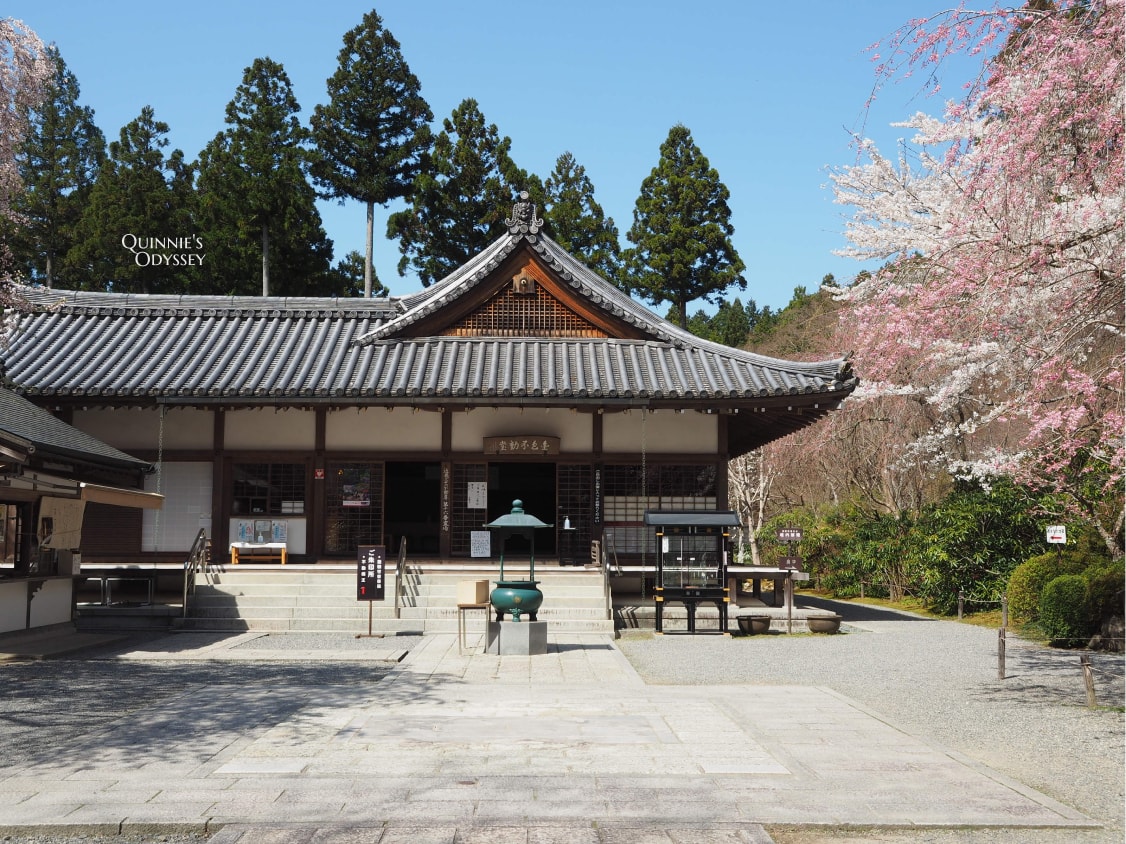
Climb the steps next to Konjiki Fudo Hall and you’ll reach Kannon Hall, built in 1998. Inside stands a three-meter-tall golden statue of Kannon, the Bodhisattva of Compassion.
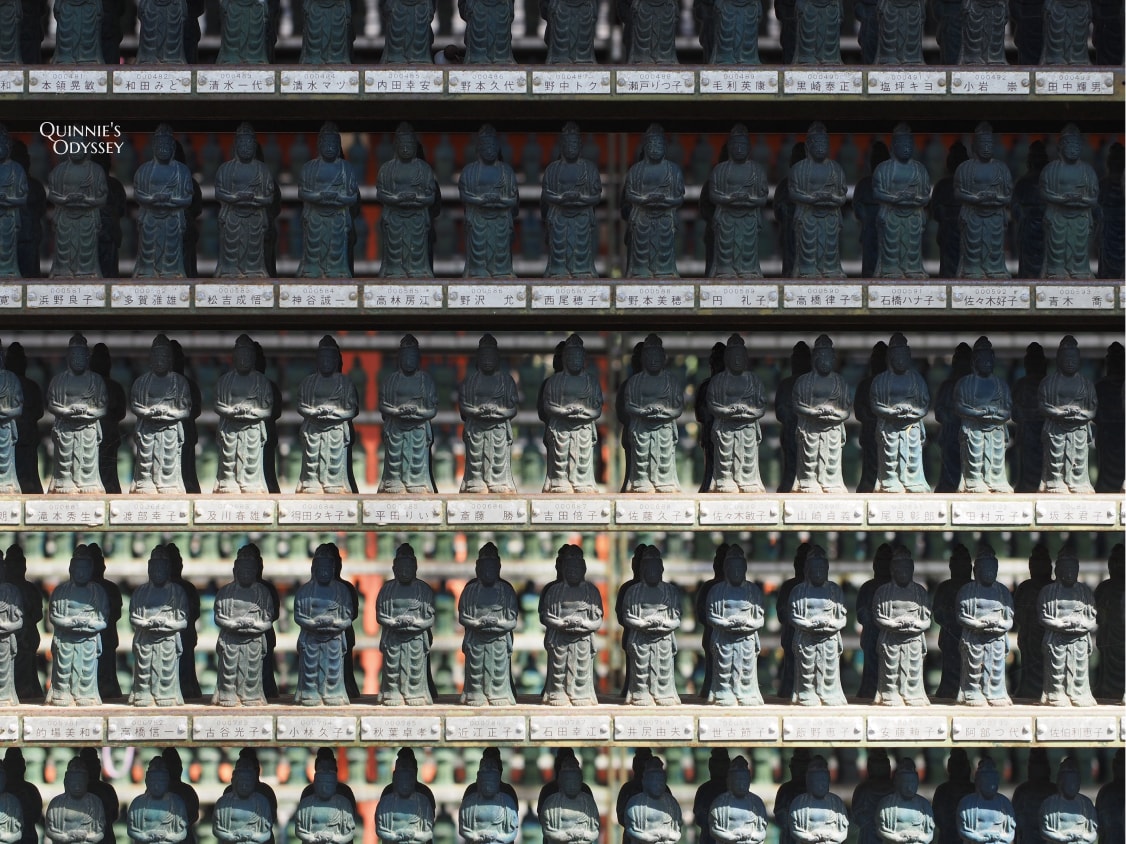
Around the main statue are many smaller Kannon figures, each donated by visitors as offerings.
Beside the hall is the Garden of Compassion, designed to represent Kannon’s Pure Land. Nearby shelves are filled with small Kannon statues, each labeled with a name, similar in concept to memorial niches.
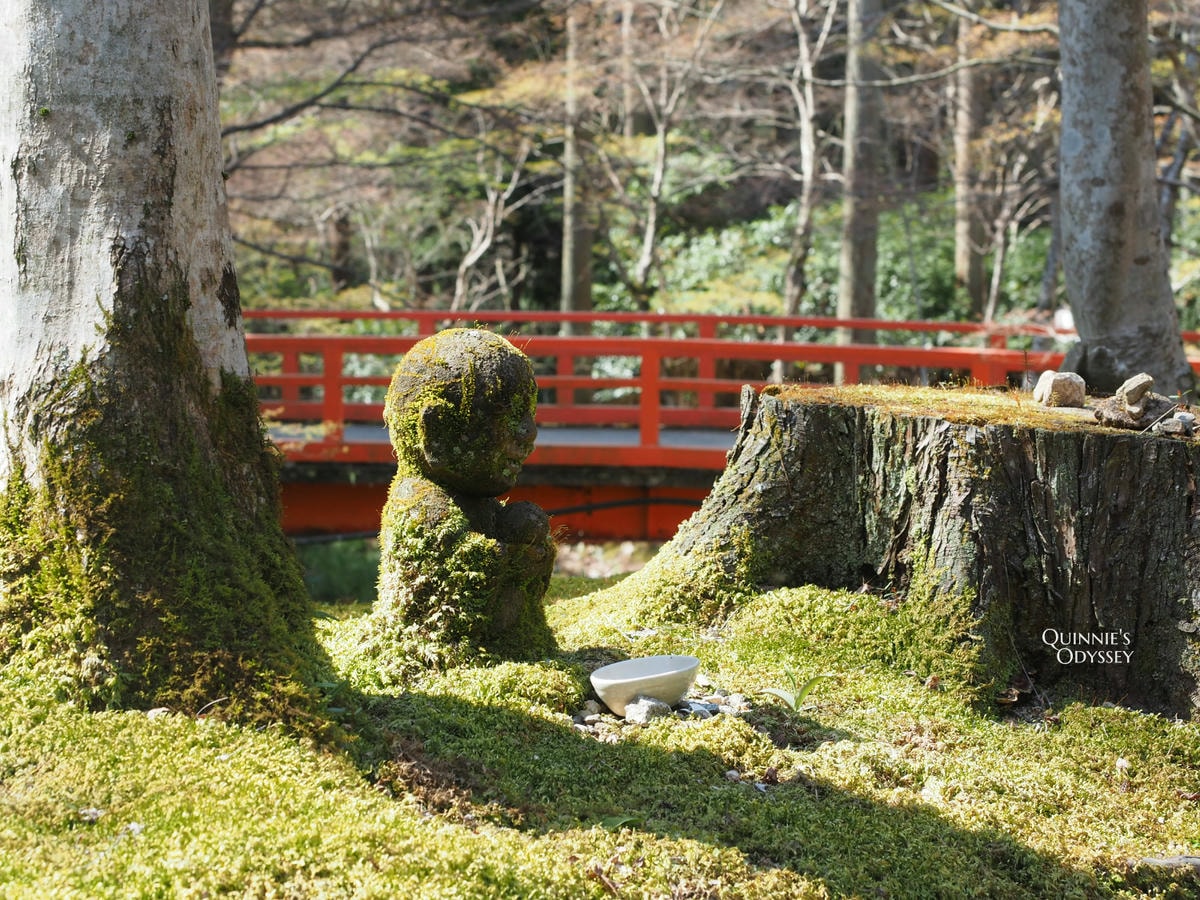
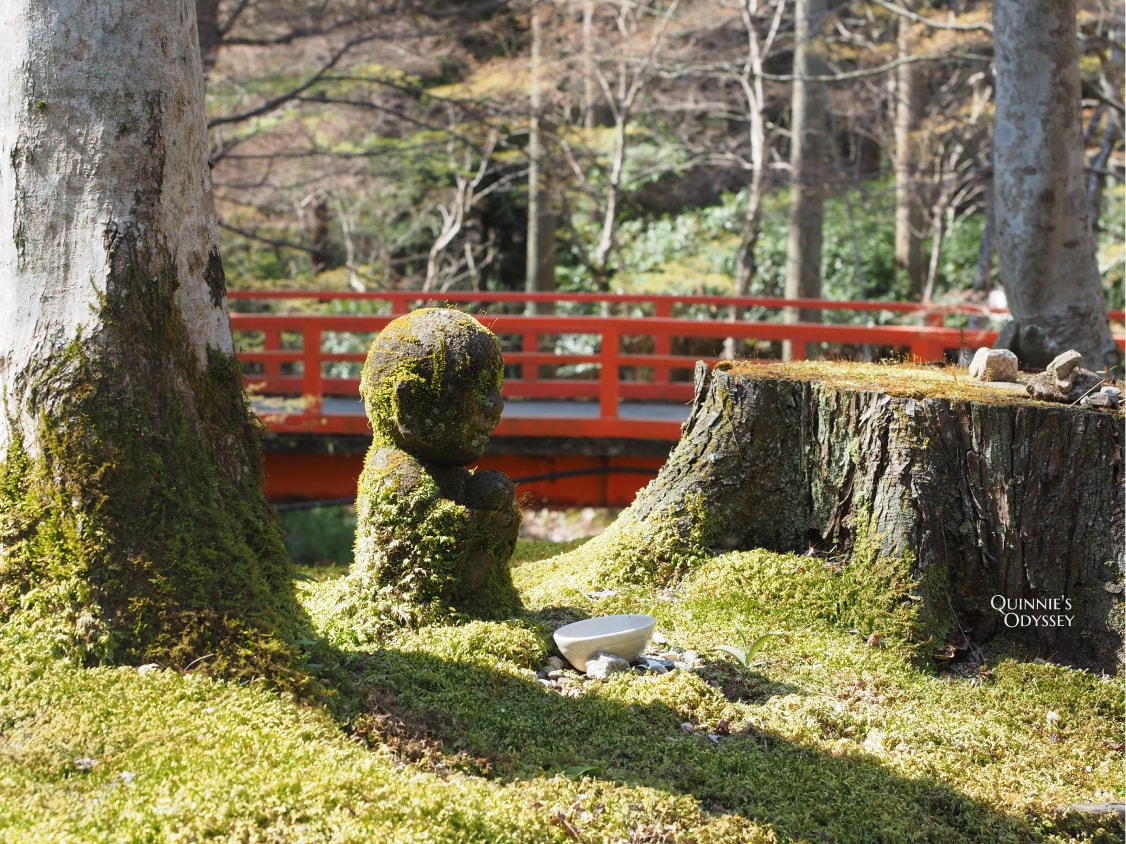
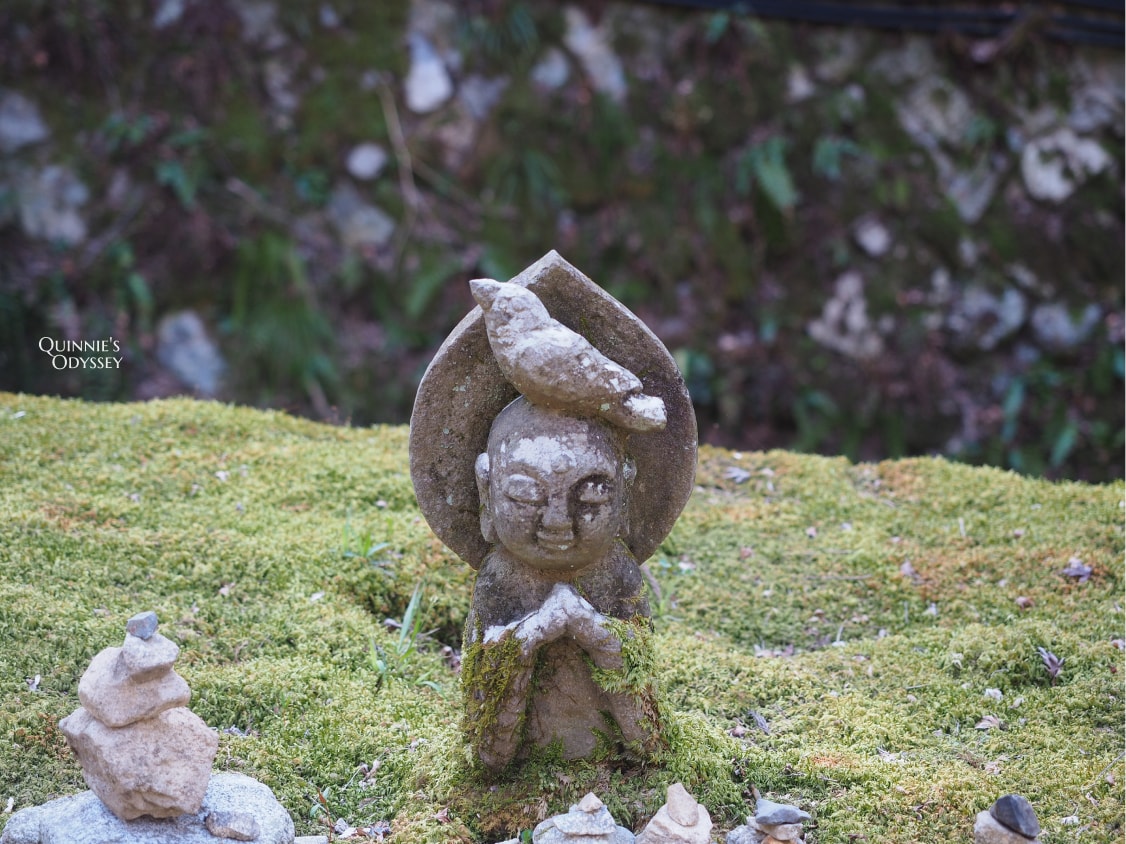
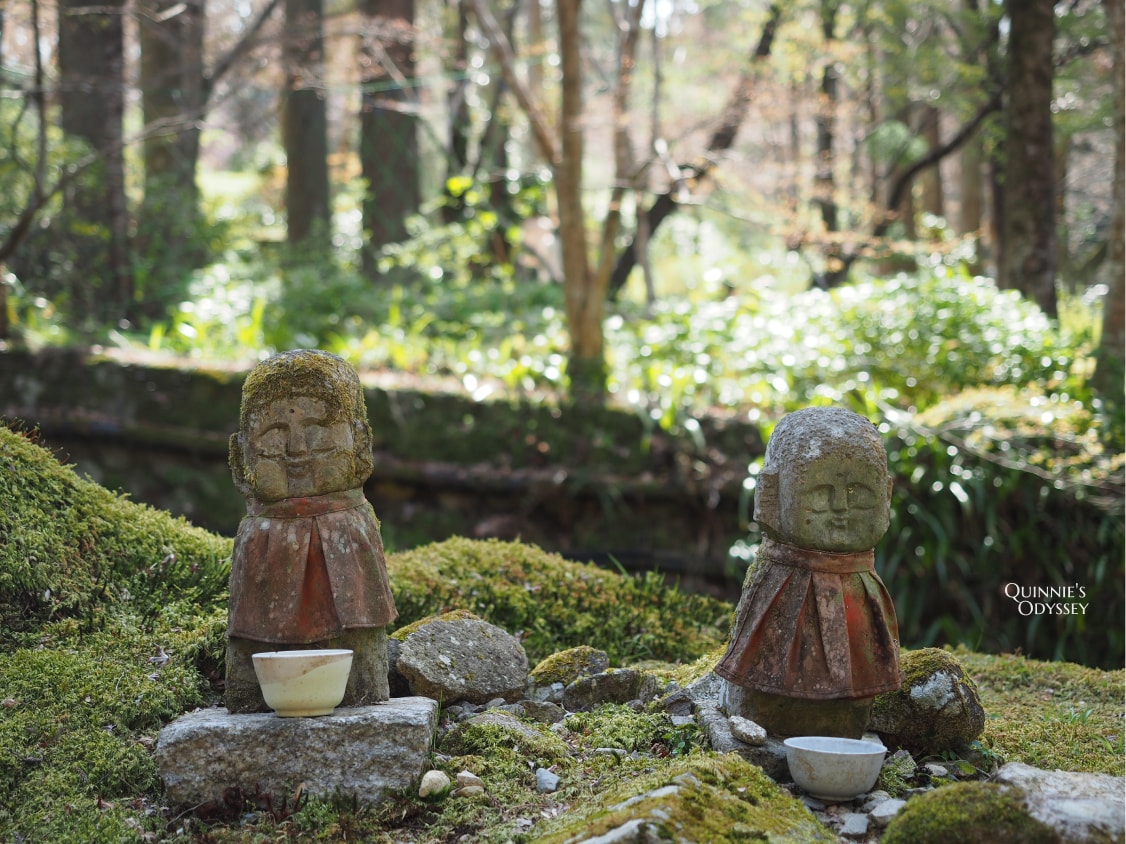
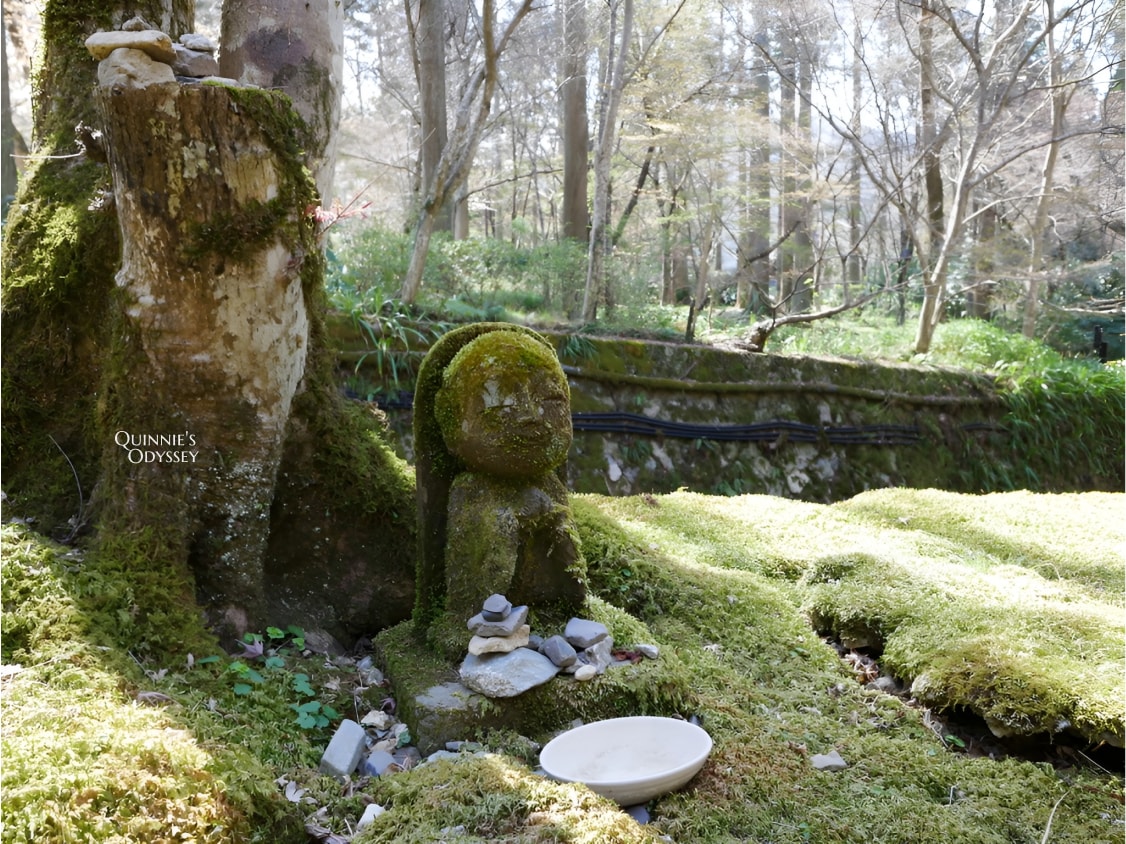
Throughout Sanzen-in’s moss gardens, you’ll spot small Jizo statues scattered everywhere. Each one has a different expression, some smiling gently, others with hands pressed together.
Near the Ojo Gokuraku-in, child-like Jizo statues are said to bring blessings for safe childbirth and healthy children.
Soft sunlight filters through the trees, resting gently on the moss-covered statues, blending them into the landscape and creating a peaceful, timeless scene.
On another side of the temple, you’ll find “Osana Roku Jizo”, six child Jizo statues quietly sitting among the trees.
Sanzen-in is beautiful in every season.
Spring brings cherry blossoms, summer is lush and green, autumn glows with maple leaves, and winter is covered in snow.
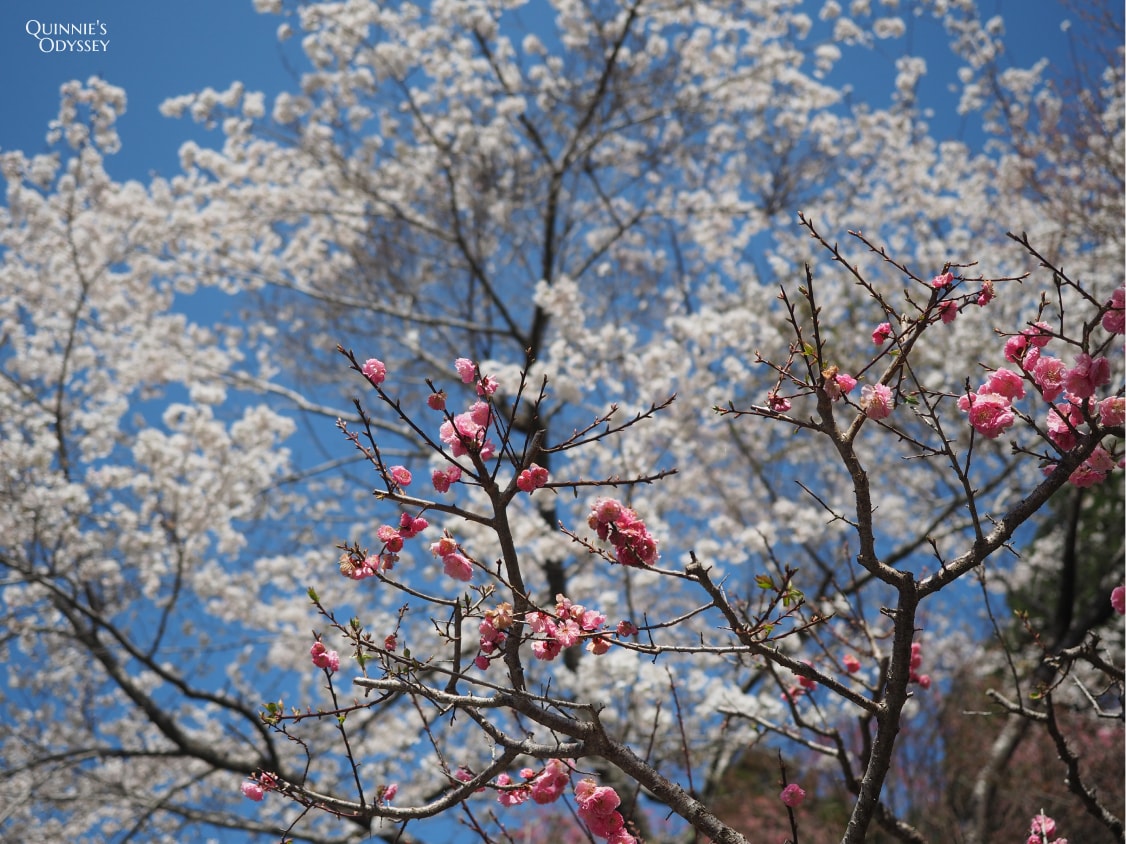
We visited in spring, just as the cherry blossoms were in full bloom. Against the clear blue sky, the white sakura petals looked elegant and refined as they dotted the garden.
Autumn is equally famous here. Layers of red and gold maple leaves cover the temple grounds, creating a stunning contrast against the green moss.
Walking along the stone paths, fallen leaves drift softly around your feet, as if laying down a gentle red carpet. Every step feels like walking through a quiet autumn poem.
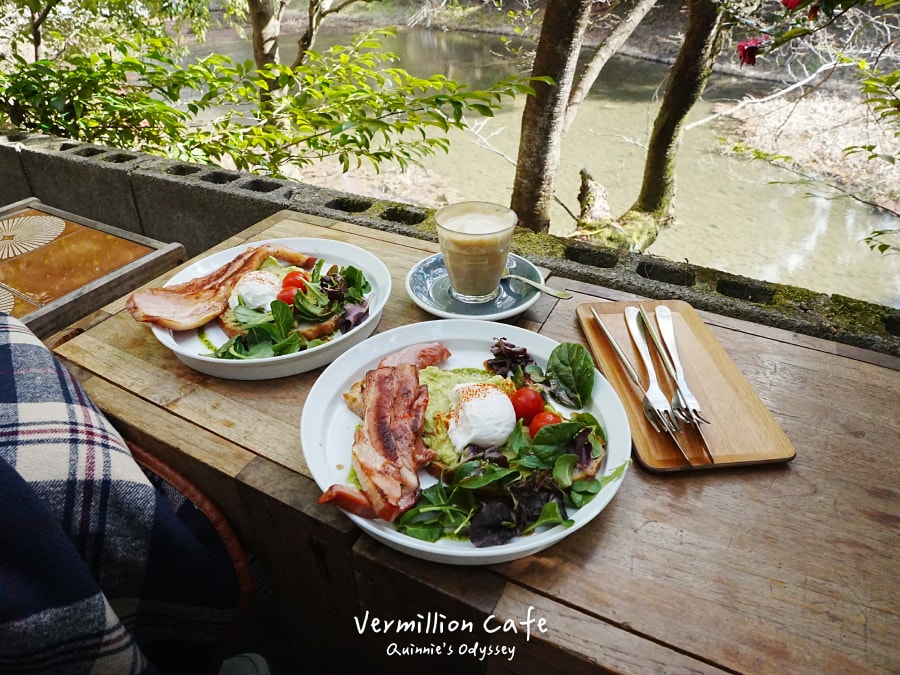
Seryo is a well-known restaurant in Ohara that specializes in seasonal mountain vegetable cuisine, and it also operates as a high-end onsen ryokan. It’s located about a 10-minute walk from Ohara Bus Stop, making it very easy to reach after visiting Sanzen-in.
The ryokan is famous for its attentive service and high-quality hospitality, and it has been recognized by the Michelin Guide for nine consecutive years.
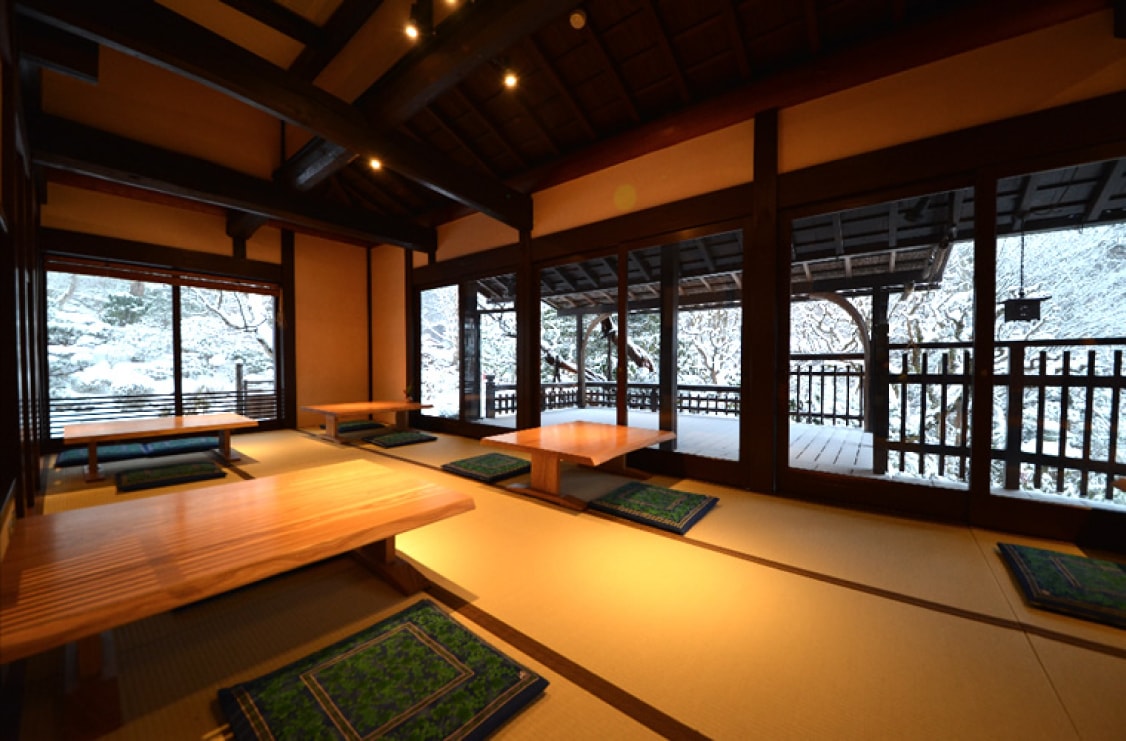
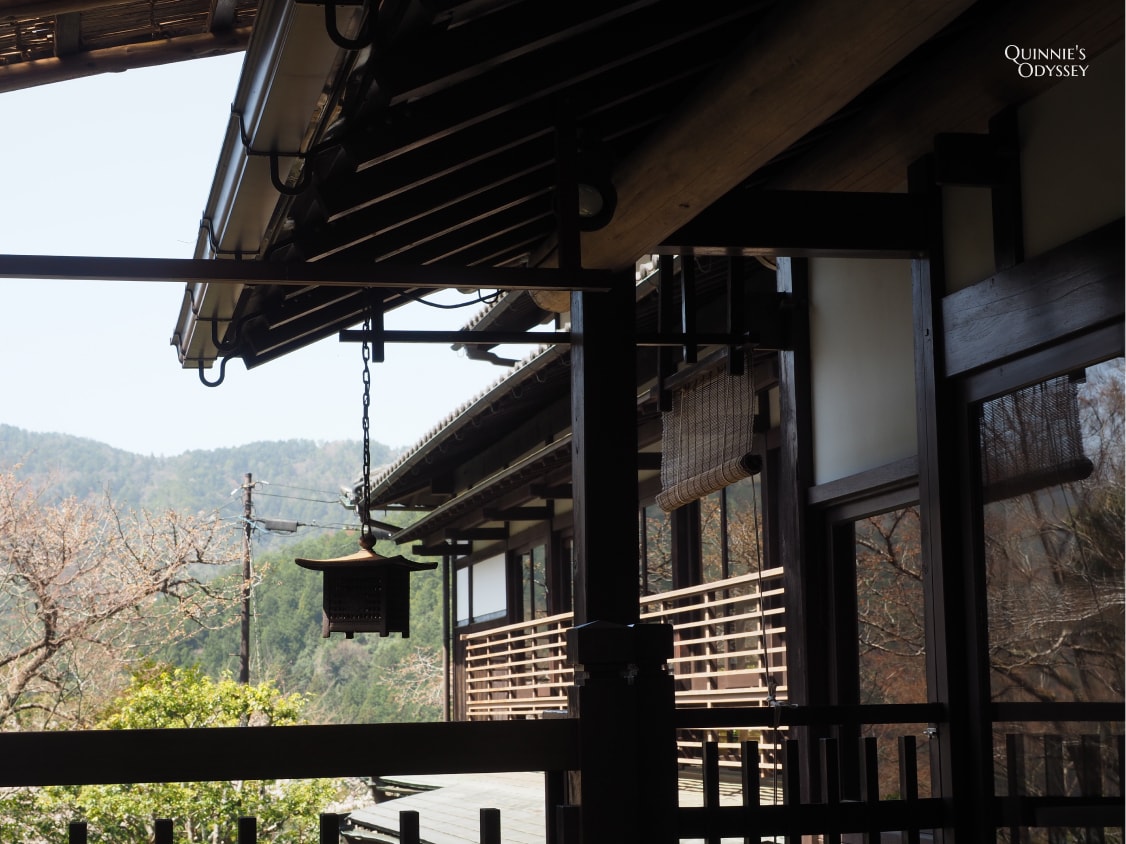
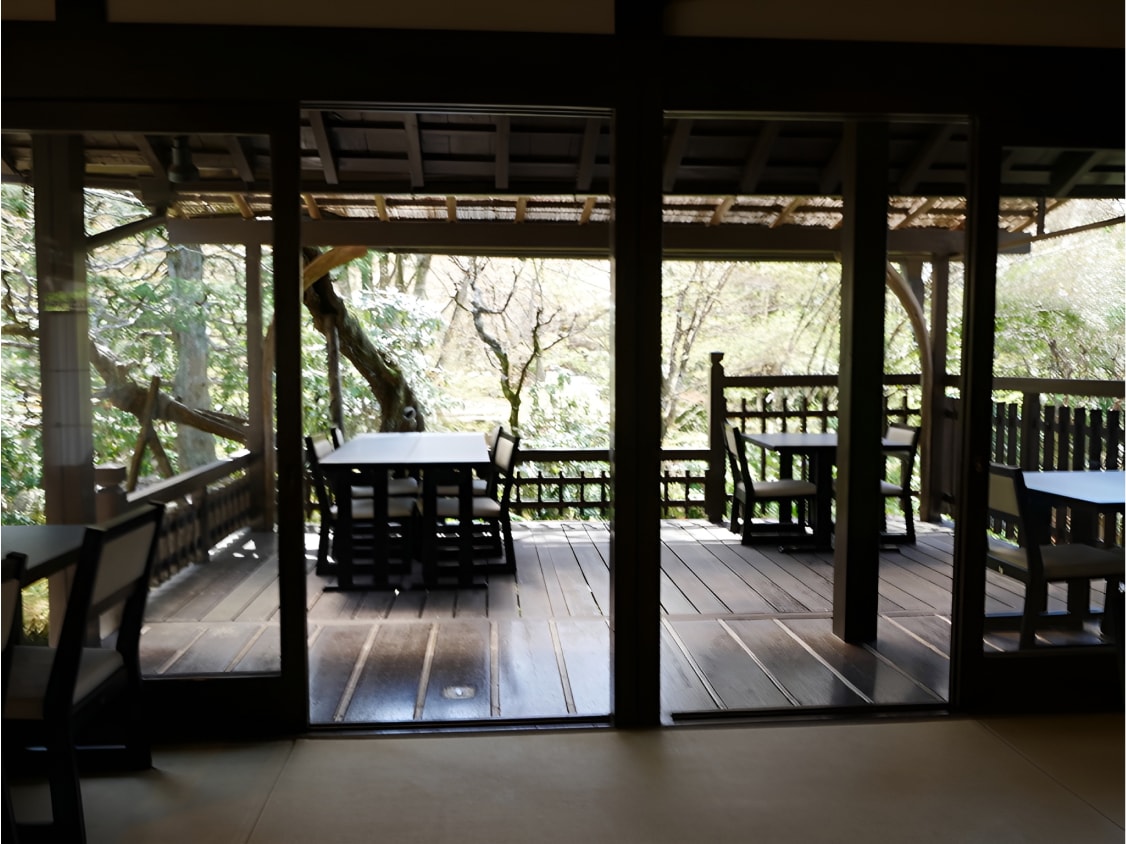
We came to Seryo to enjoy their kaiseki meal, and the moment we stepped inside, we were surrounded by a calm and elegant Japanese atmosphere. The restaurant feels quiet and welcoming, perfect for slowing down after a temple visit.
We chose to sit outdoors, where we could enjoy our meal while looking out over the garden. The setting made the whole experience feel even more special.
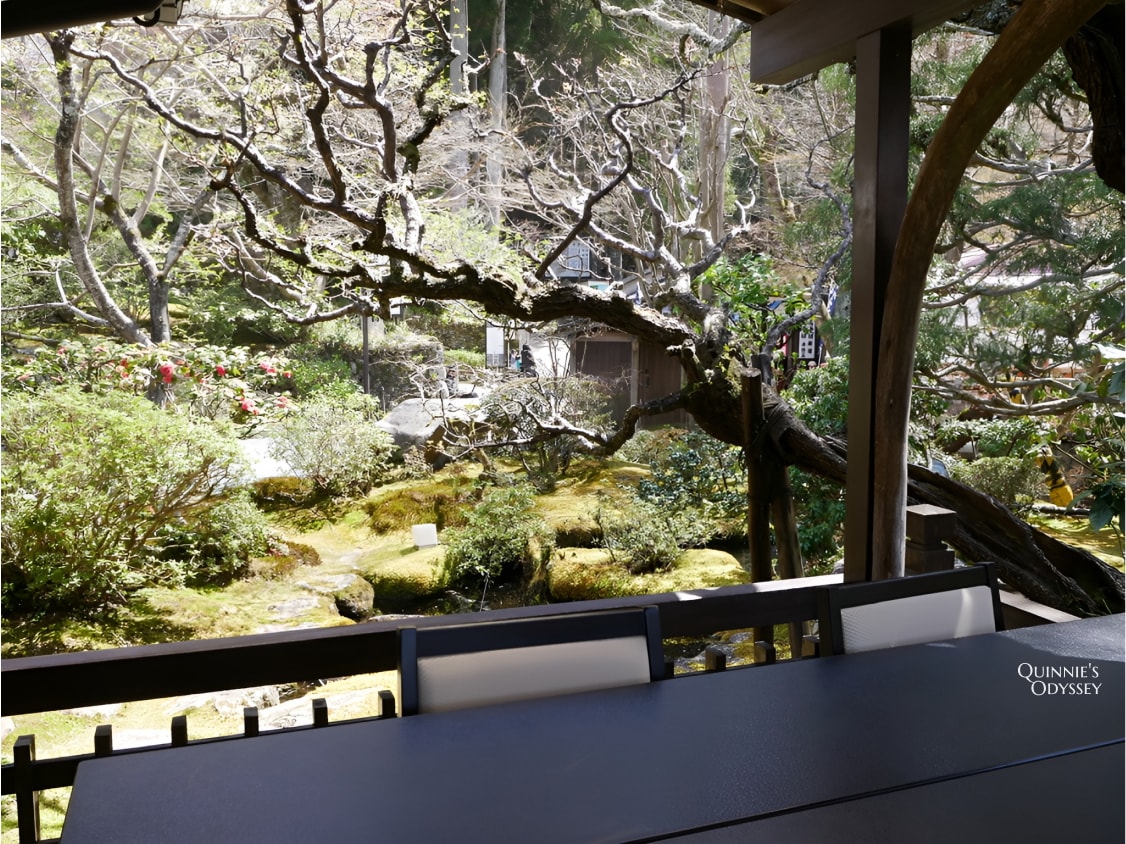
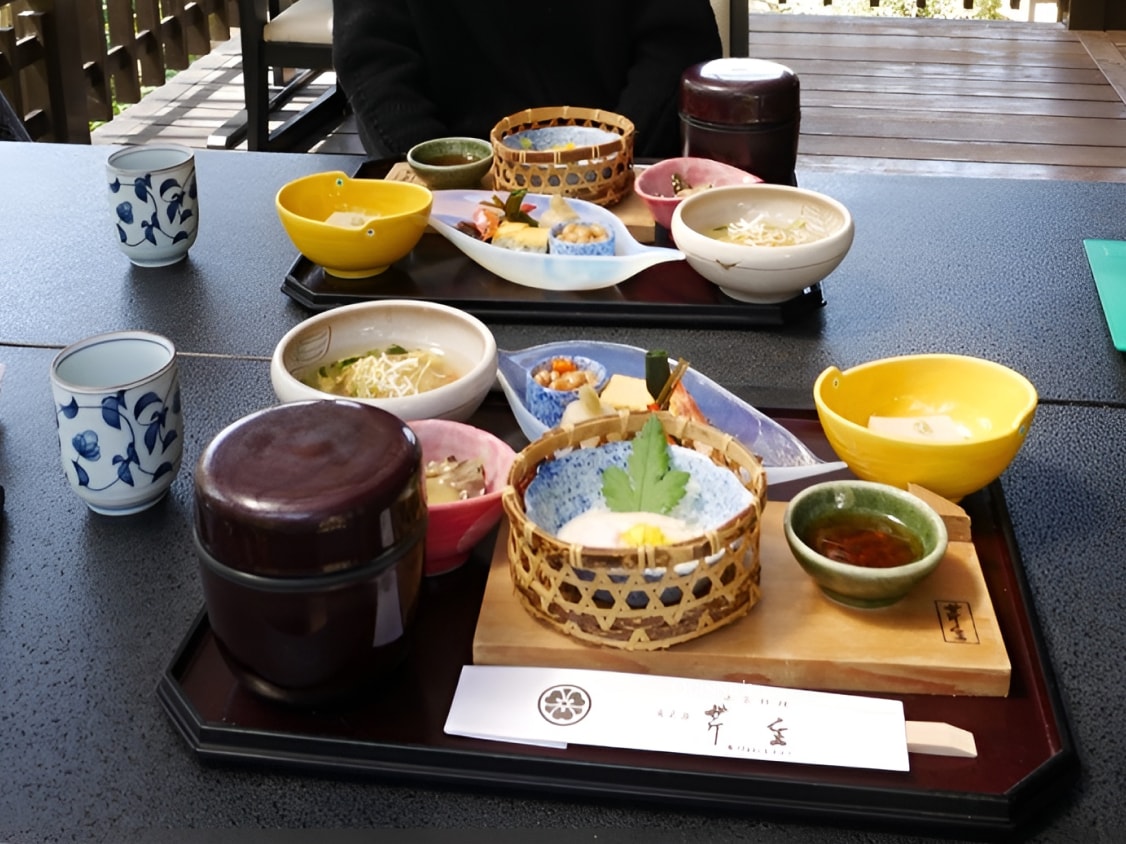
At 3,000 yen per person, the price is a bit on the higher side, but considering the beautifully presented food and the peaceful surroundings, it felt well worth it.
For those staying overnight, Seriyo has nine garden-facing guest rooms, each offering views of the traditional Japanese garden. Guests can also enjoy the shared onsen baths, making it a great option if you want a relaxing stay in Ohara.
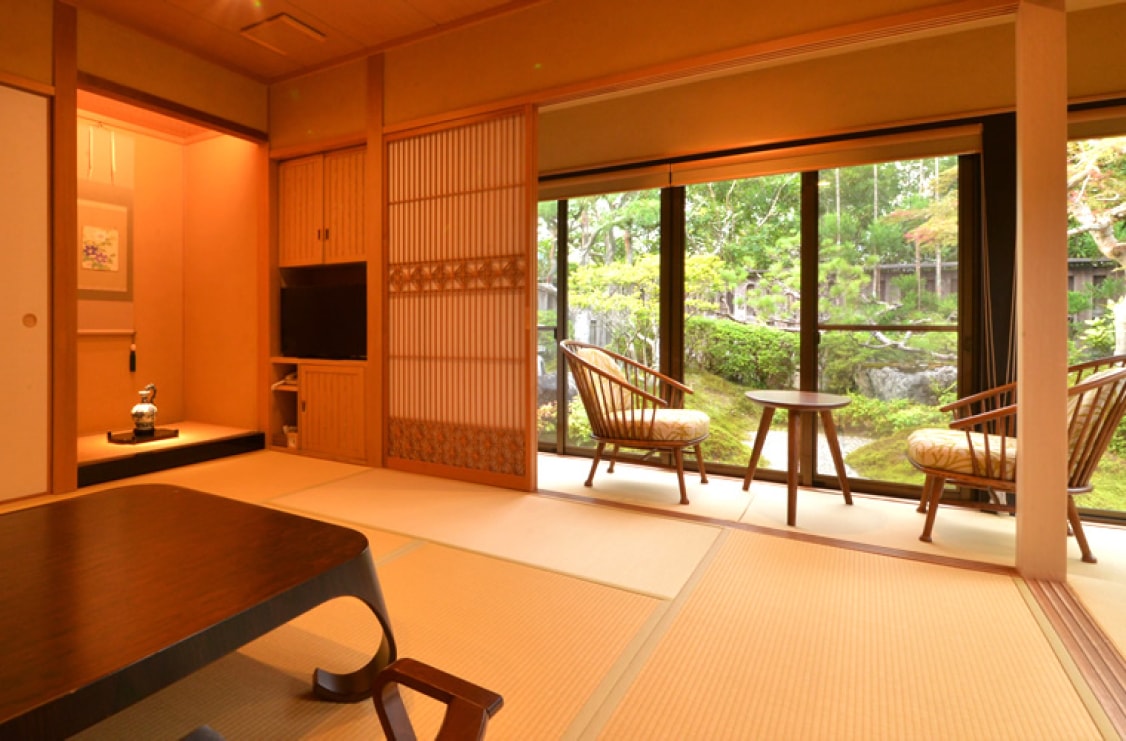
Seryo Accommodation 👉👉 Agoda Seryo |Klook Seryo
Sanzen-in is located in the same area as Jakko-in and Hosen-in, so it’s easy to visit all three in one day.
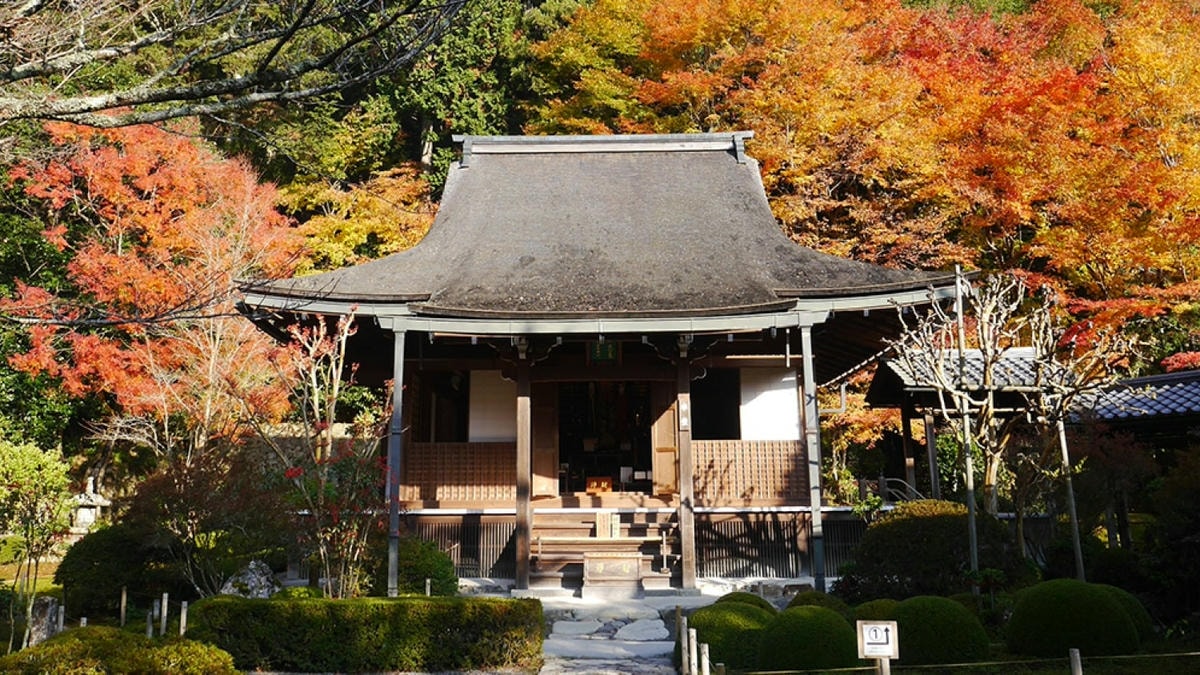
Jakko-in is a Tendai Buddhist temple with a history of over 1,400 years. According to legend, it was founded by Prince Shotoku during the Asuka Period as a place to enshrine Kannon, the Bodhisattva of Compassion.
The temple is also known as the place where Kenreimon-in, the daughter of Taira no Kiyomori, lived in seclusion after the fall of the Taira clan, spending her later years in quiet prayer.
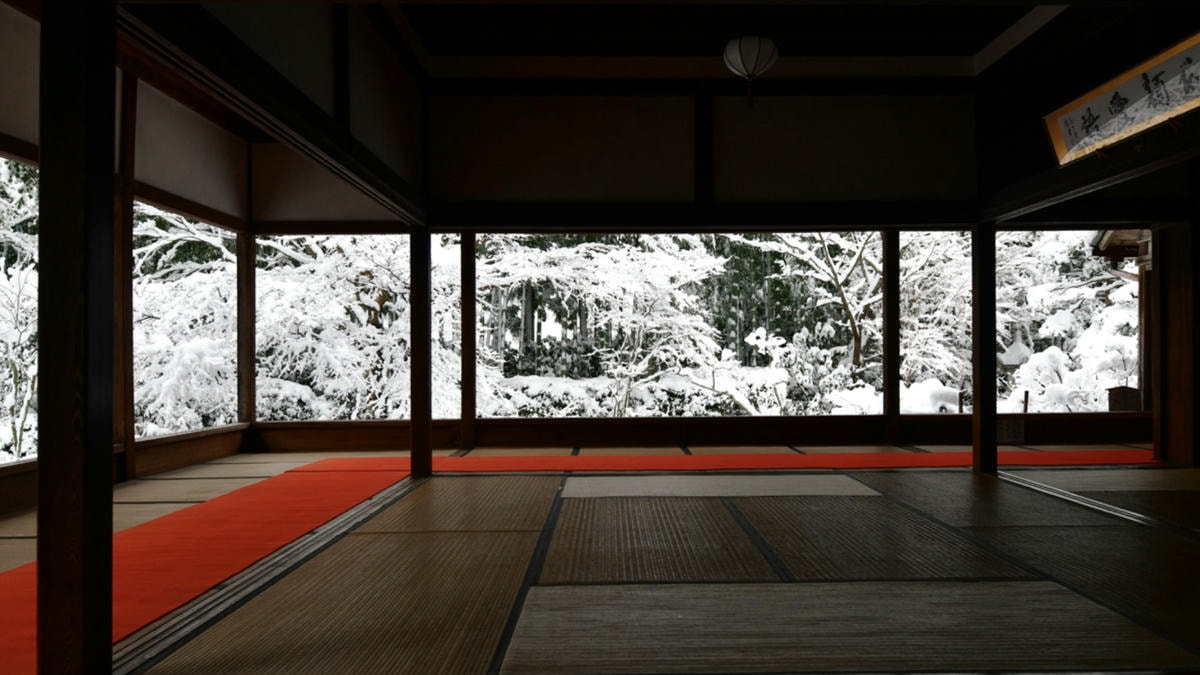
Hosen-in is also part of the Tendai sect and dates back to the Heian Period. It was originally built as a monks’ residence connected to Enryaku-ji on Mount Hiei.
One of its most striking features is the “Blood Ceiling”, made from floorboards of Fushimi Castle where warriors died in battle. The ceiling was created to calm their spirits and offer prayers for peace.
Sanzen-in is fairly large, and if you’re not in a rush and want to enjoy the gardens at a relaxed pace, it’s best to plan for 2 to 3 hours.
▼ Kyoto Travel Essentials ▼

Thanks for reading!
If you’re interested in my stories, feel free to follow me on Instagram.
👉👉 IG: @sika_artist 👈👈