Physical Address
304 North Cardinal St.
Dorchester Center, MA 02124
Physical Address
304 North Cardinal St.
Dorchester Center, MA 02124

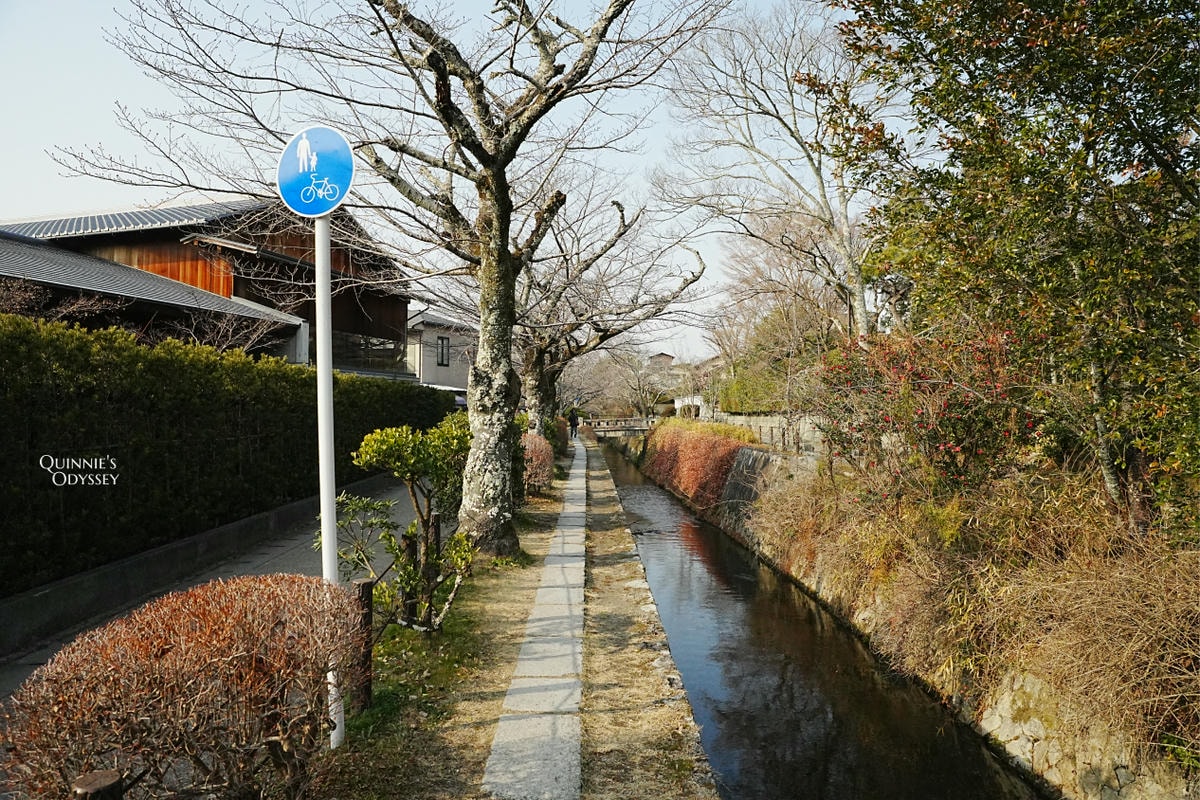
The Philosopher’s Path is a peaceful 2-kilometer walking trail located in Kyoto’s Sakyo Ward.
The path runs along the Lake Biwa Canal and connects Ginkaku-ji (Silver Pavilion) to Kumano Nyakuoji Shrine, passing well-known spots like Honen-in, Anraku-ji, and Eikando. You’ll also find a few quiet cafés along the way, making it a perfect mix of nature, culture, and everyday Kyoto life.
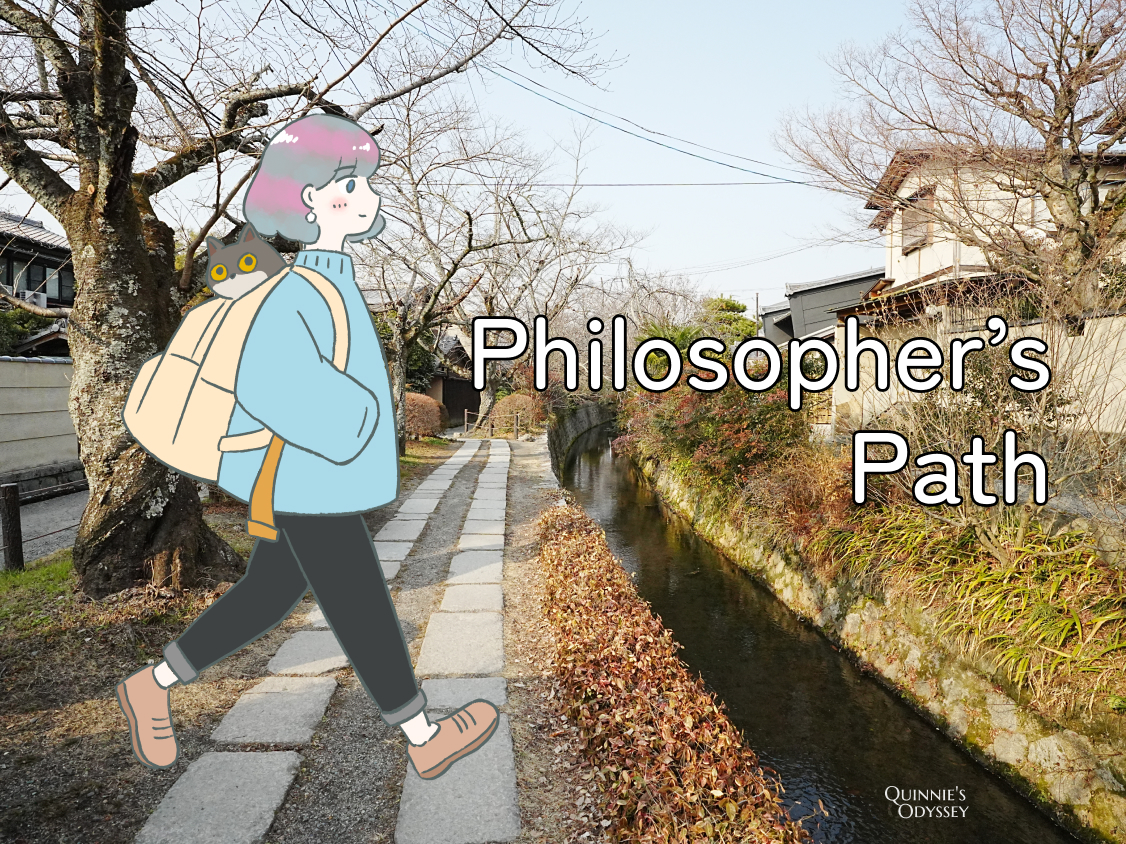
The name of the path comes from Nishida Kitarō, a philosophy professor at Kyoto University who often walked here while reflecting and meditating.
The route officially became known as the Philosopher’s Path in 1972.
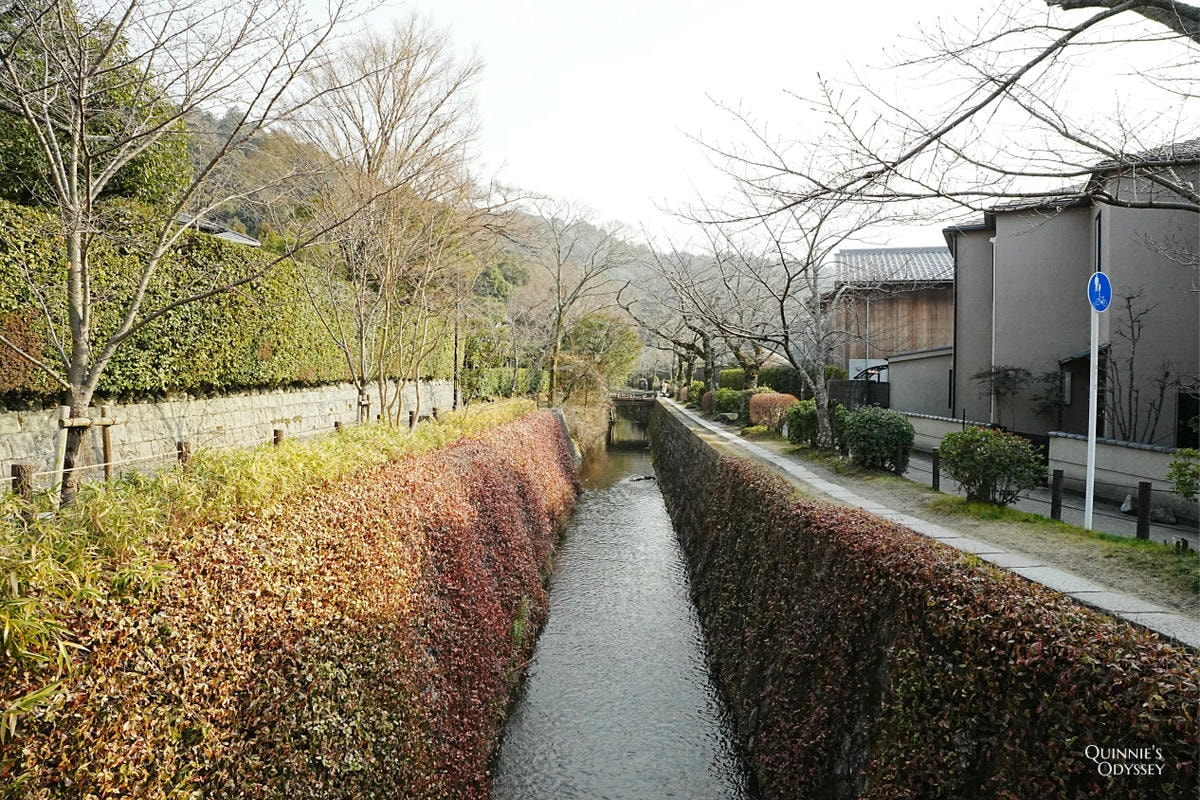
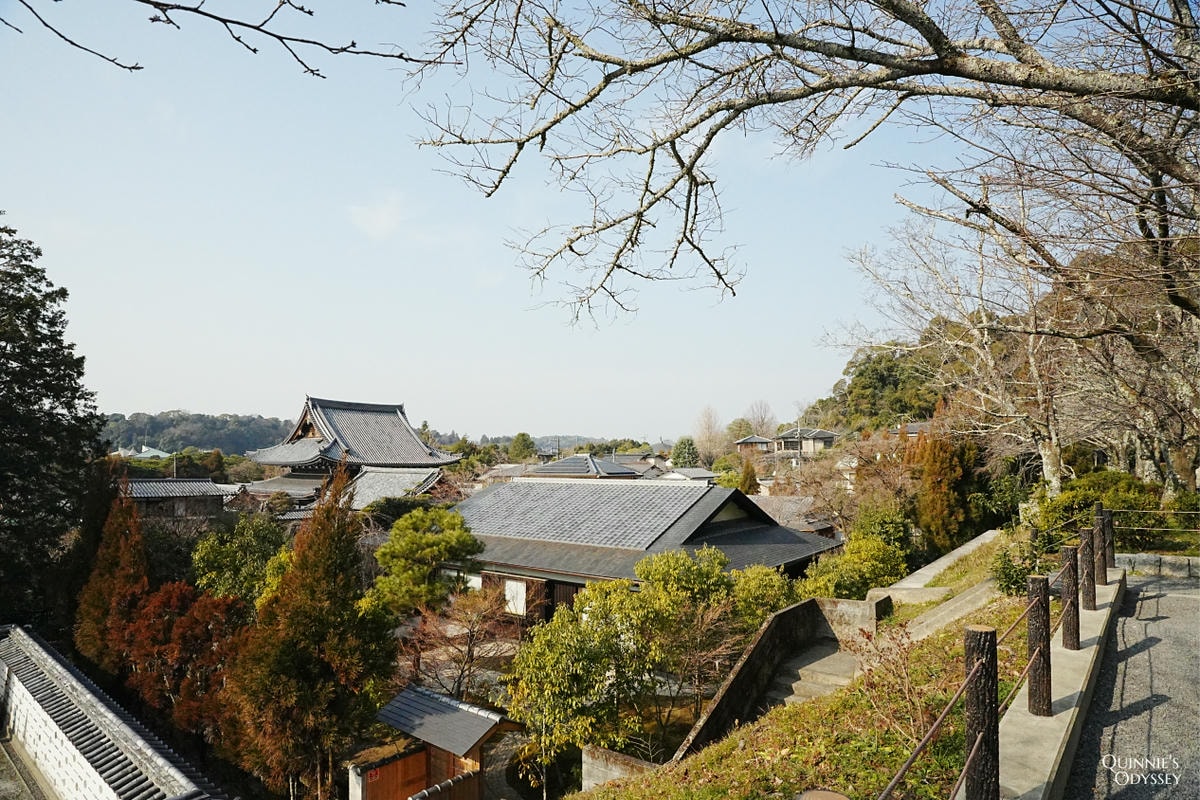
I visited during winter, and the path had a calm, almost melancholic beauty.
The cherry trees lining both sides were bare, creating a quiet, contemplative atmosphere, perfect for slow walking and clearing your mind.
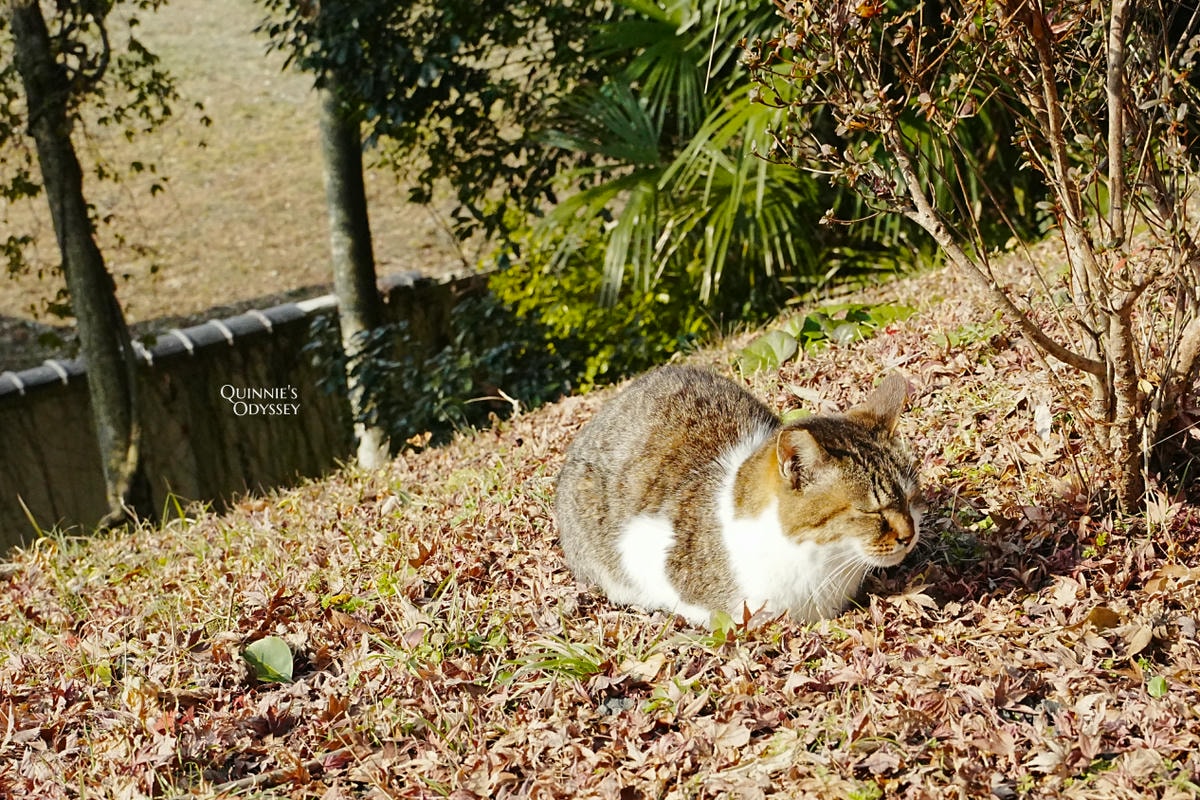
You might also meet a couple of relaxed local cats along the way, as nearby residents sometimes feed them.
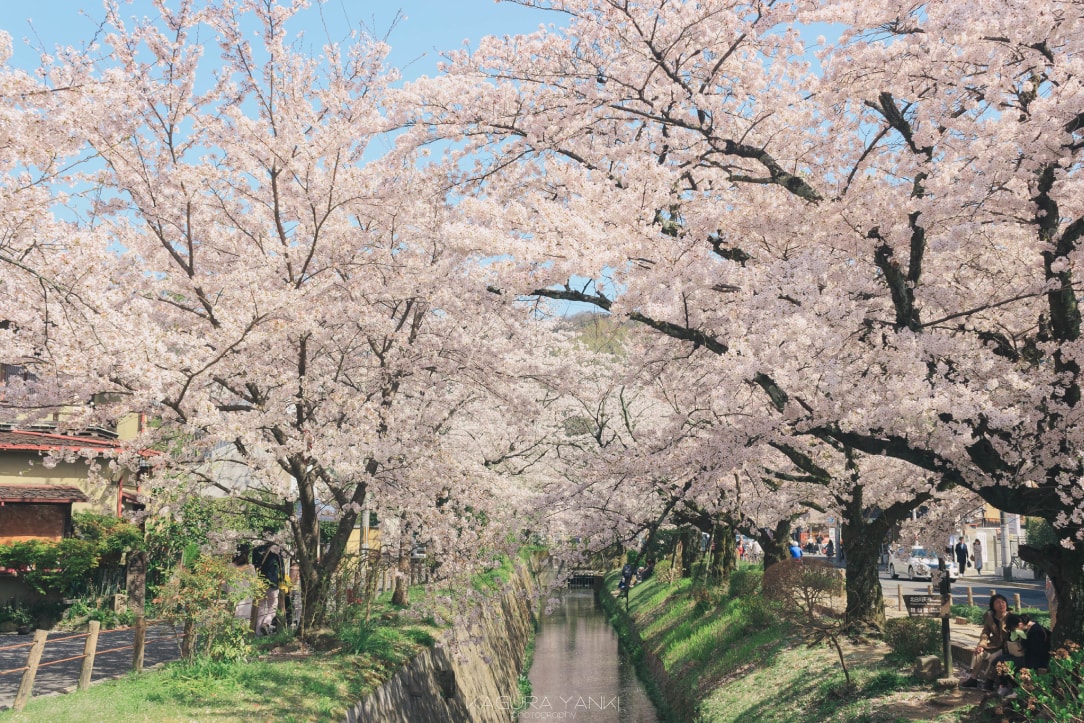
In spring, the entire path transforms into one of Kyoto’s most famous cherry-blossom spots.
Hundreds of Somei-Yoshino sakura trees bloom from late March to early April, creating a dreamy pink tunnel over the walkway.
For this visit, I started at Nanzen-ji and walked all the way up to Ginkaku-ji.
Every stop along the route has its own history and charm, and the combination of temples, shrines, and natural scenery makes the walk both relaxing and fulfilling.
Recommended walking route👇👇
Feel free to skip or add stops depending on your time or energy.
Nanzen-ji → Eikando → (Okazaki Shrine) → Kumano Nyakuoji Shrine → Otoyo Shrine → Honen-in → Ginkaku-ji
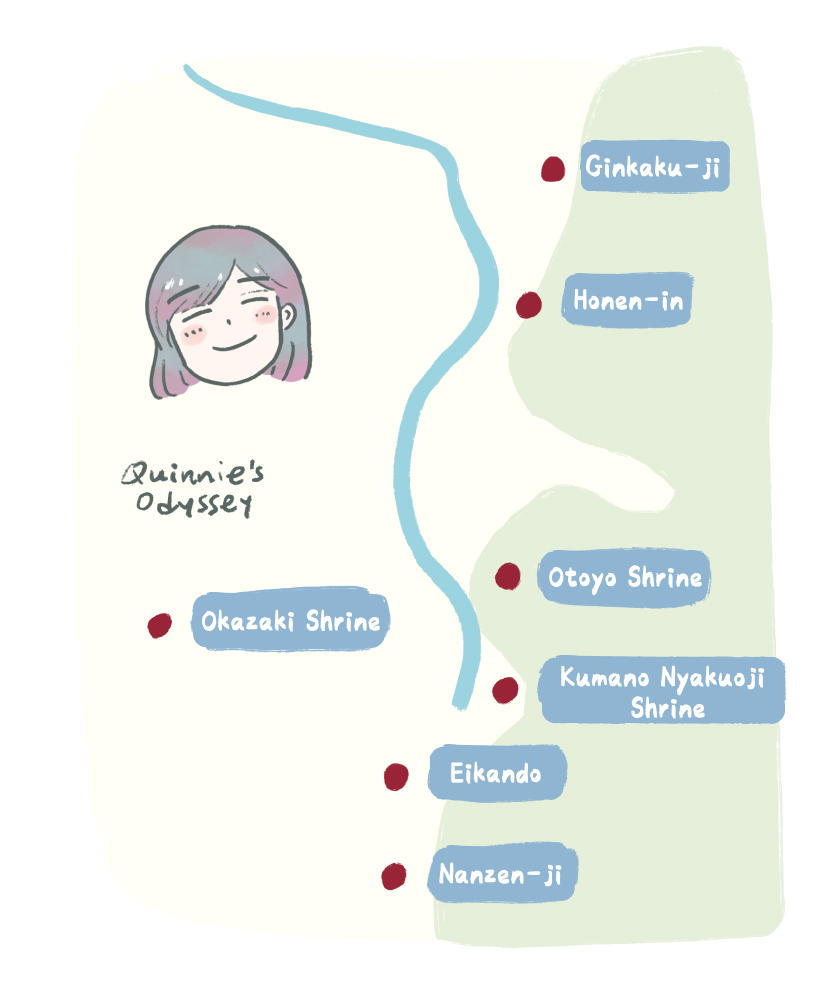
From Nanzen-ji to the southern entrance of the Philosopher’s Path, it’s about a 10-minute walk.
Because of this, many people choose Nanzen-ji as their first stop.
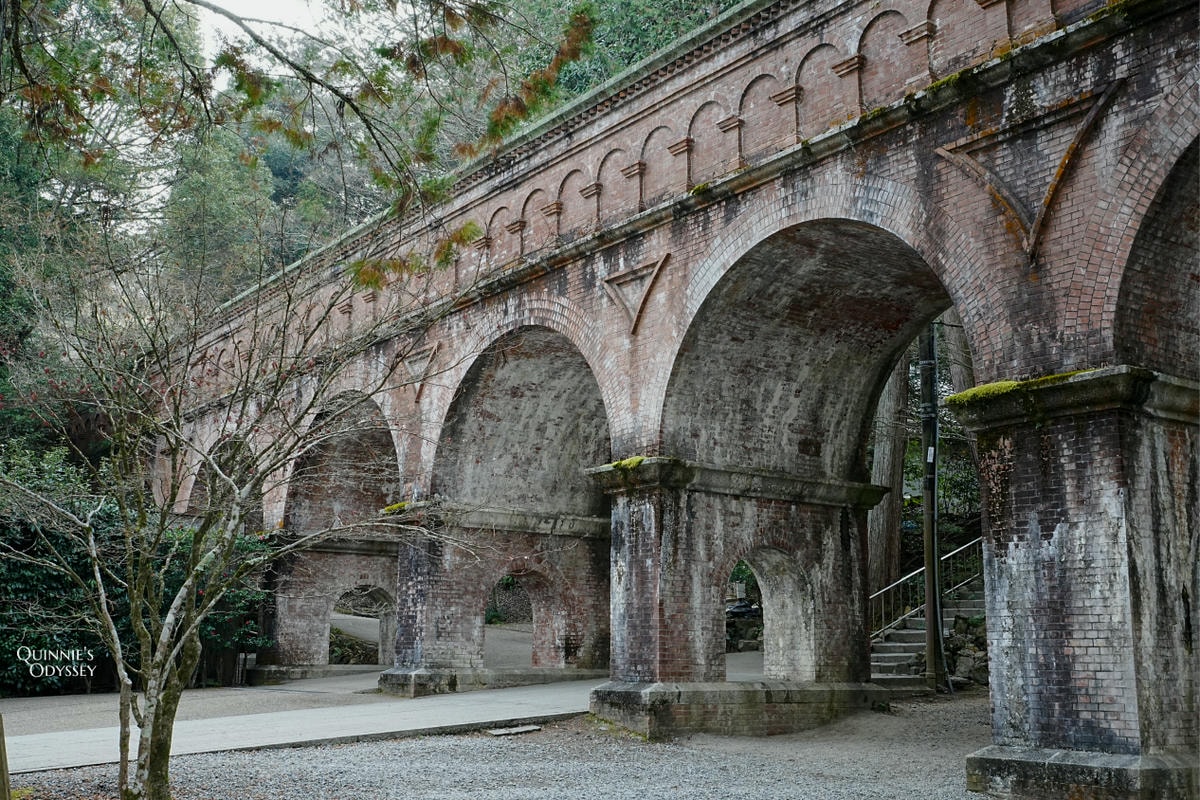
Founded in 1291, Nanzen-ji is one of the most important Zen temples in Japan, known as the head of the “Five Great Zen Temples.”
The temple has several must-see spots:
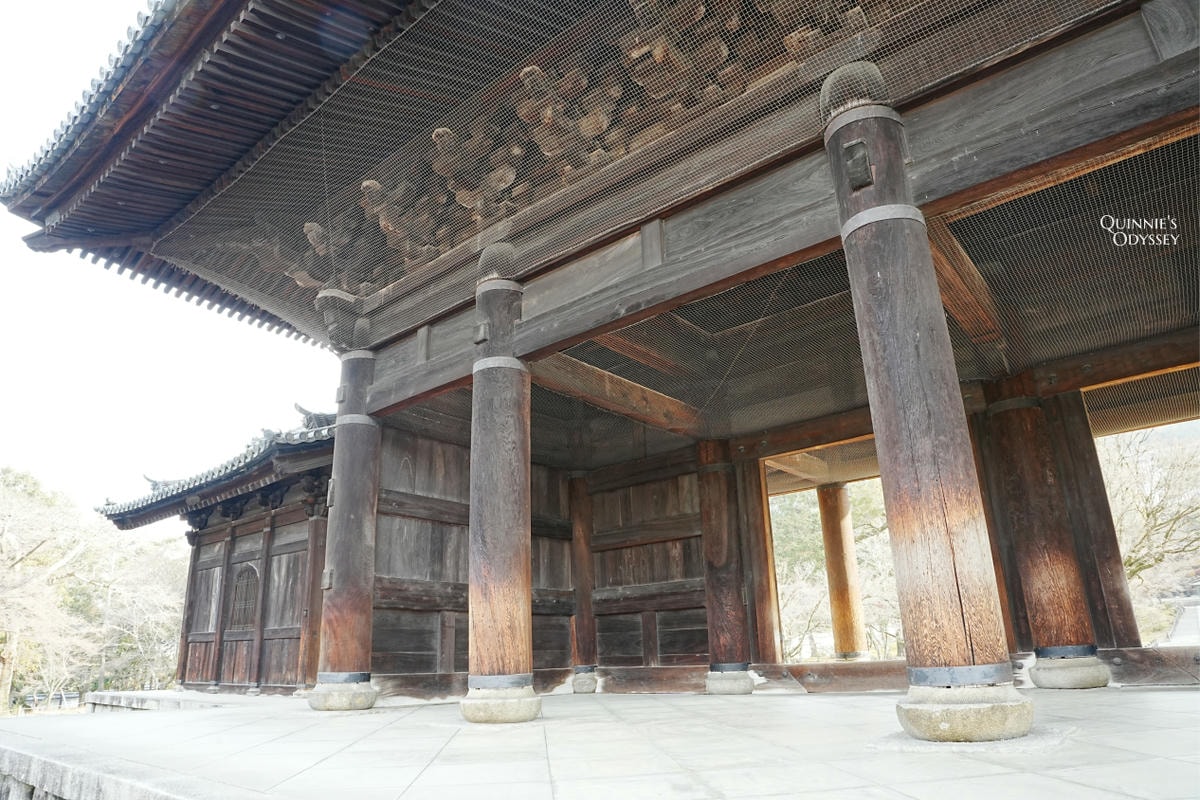
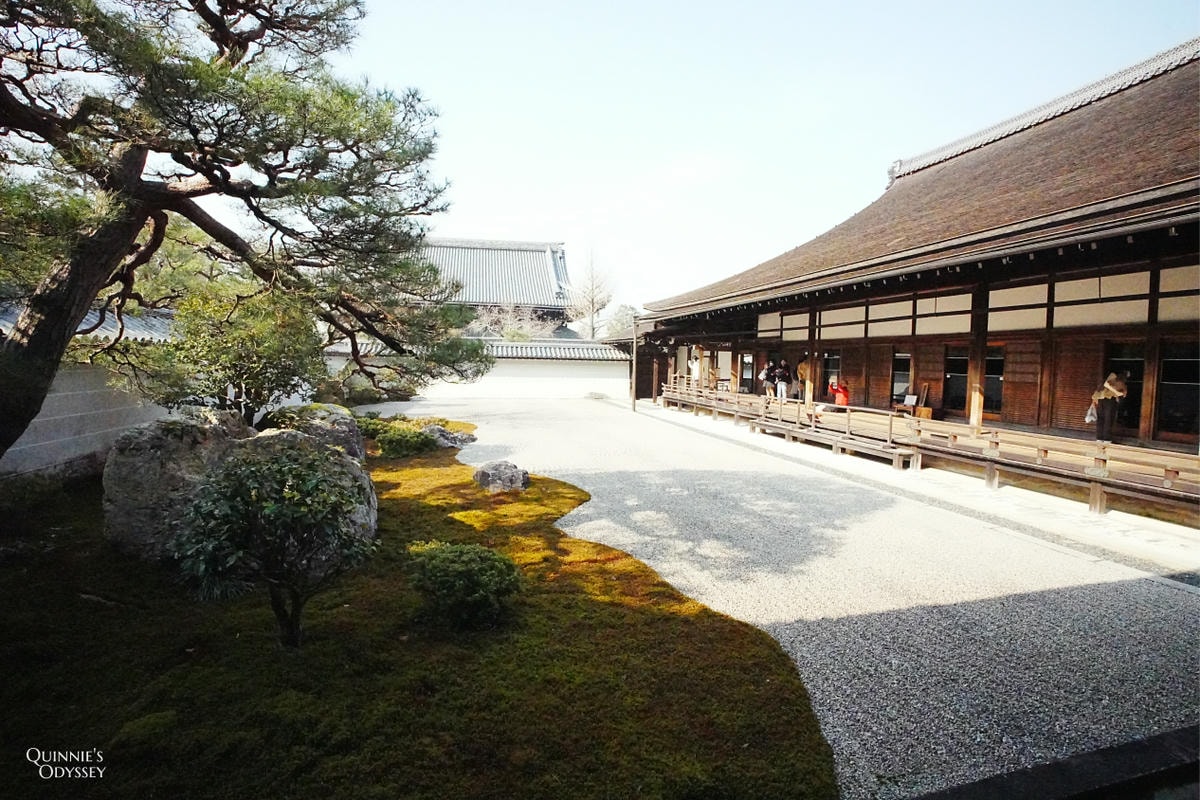
In autumn, Nanzen-ji becomes one of Kyoto’s most popular fall-foliage destinations.
The temple grounds are huge, I spent almost two hours exploring without even realizing it.
If you plan to visit all the major spots, keep an eye on the time.
More info here 👉👉 Nanzen-ji Temple Half-Day Guide: Top Highlights, Access Tips & Food Recommendations
Eikando, officially called Zenrin-ji, is the head temple of the Jodo-shu Seizan Zenrin-ji branch.
It was first established in 853 by the monk Shinshō, and later developed further under the guidance of the famous priest Yōkan (Eikan), whose name eventually became associated with the temple.
Like Nanzen-ji, Eikando is spectacular in autumn.
About 3,000 maple trees cover the entire temple in vibrant red, giving Eikando its nickname: “Eikando of the Autumn Leaves.”
One of its highlights is the pond garden, where maple leaves reflect beautifully on the water.
You can also climb up to the Tahōtō Pagoda, which offers a lovely view over the temple grounds, especially stunning during fall.
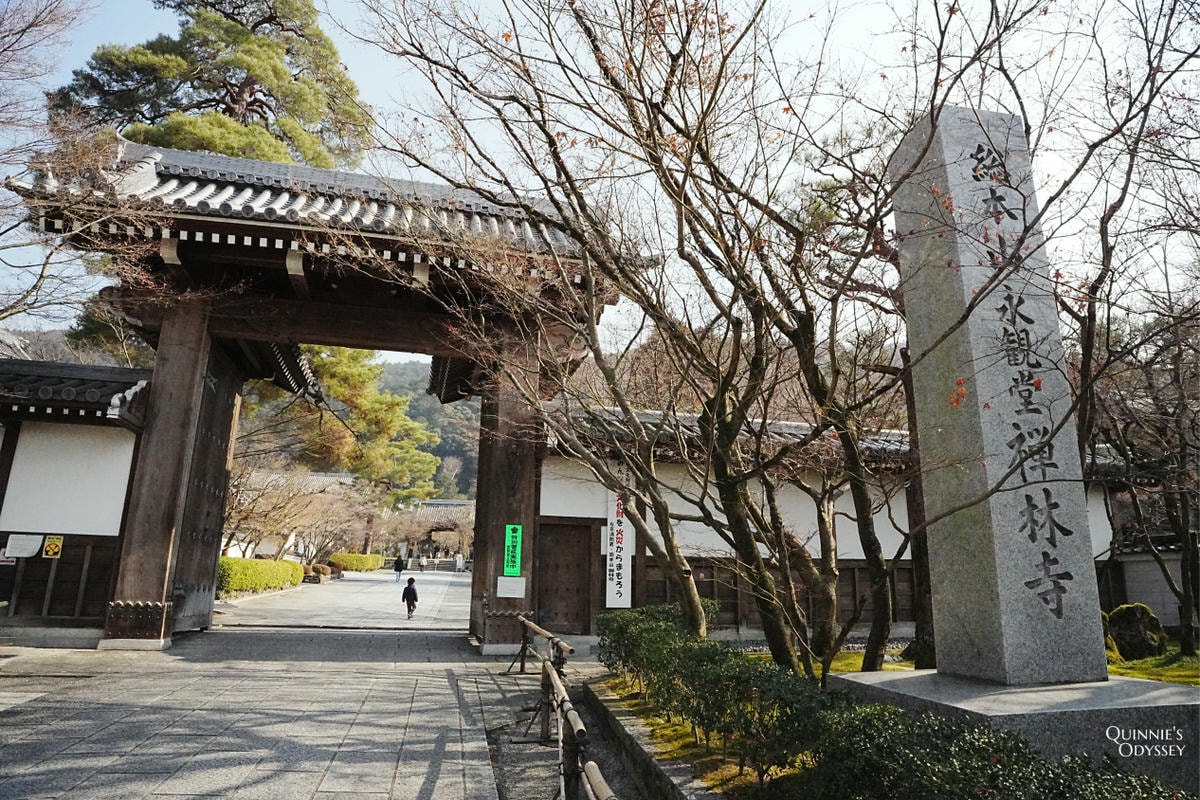
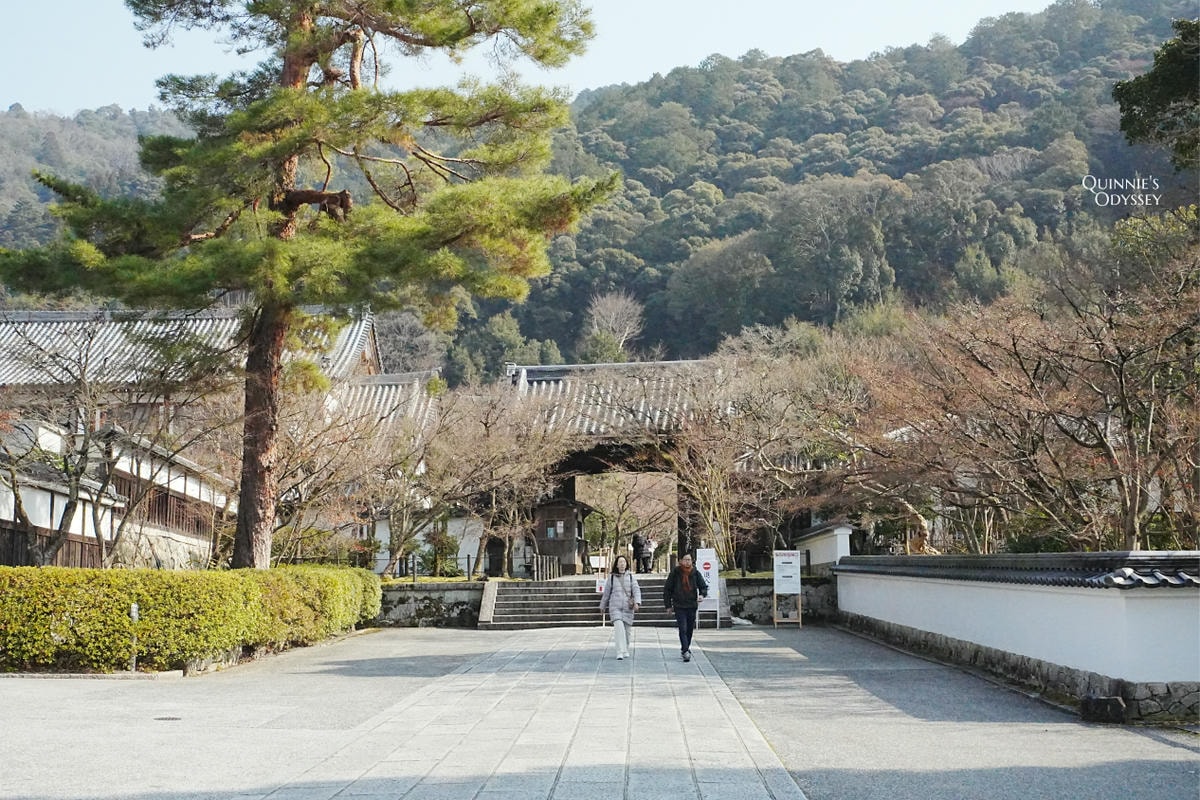
Okazaki Shrine is dedicated to rabbits as its guardian animals and is located not far from the Philosopher’s Path.
In ancient times, this entire area used to be a habitat for wild rabbits, so rabbits came to be seen as sacred symbols of fertility, safe childbirth, and family prosperity.
As you walk into the shrine grounds, you’ll spot adorable rabbit statues and motifs everywhere.
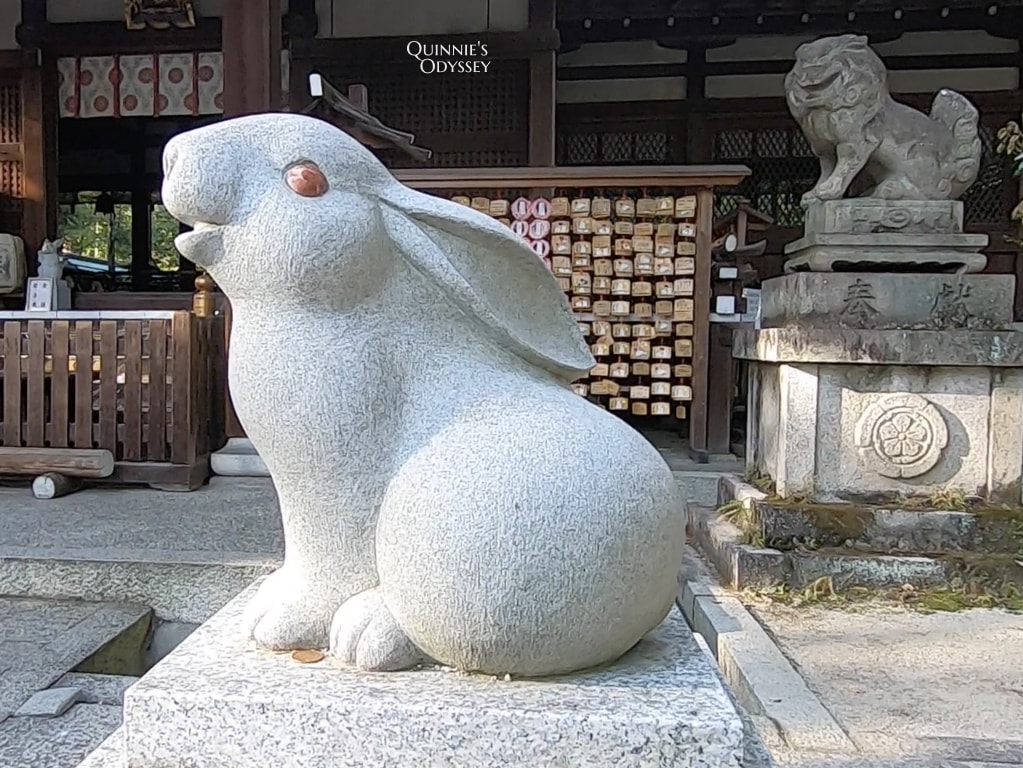
One thing you shouldn’t miss here is the famous rabbit omikuji, a charming fortune slip tucked inside a small rabbit figurine.
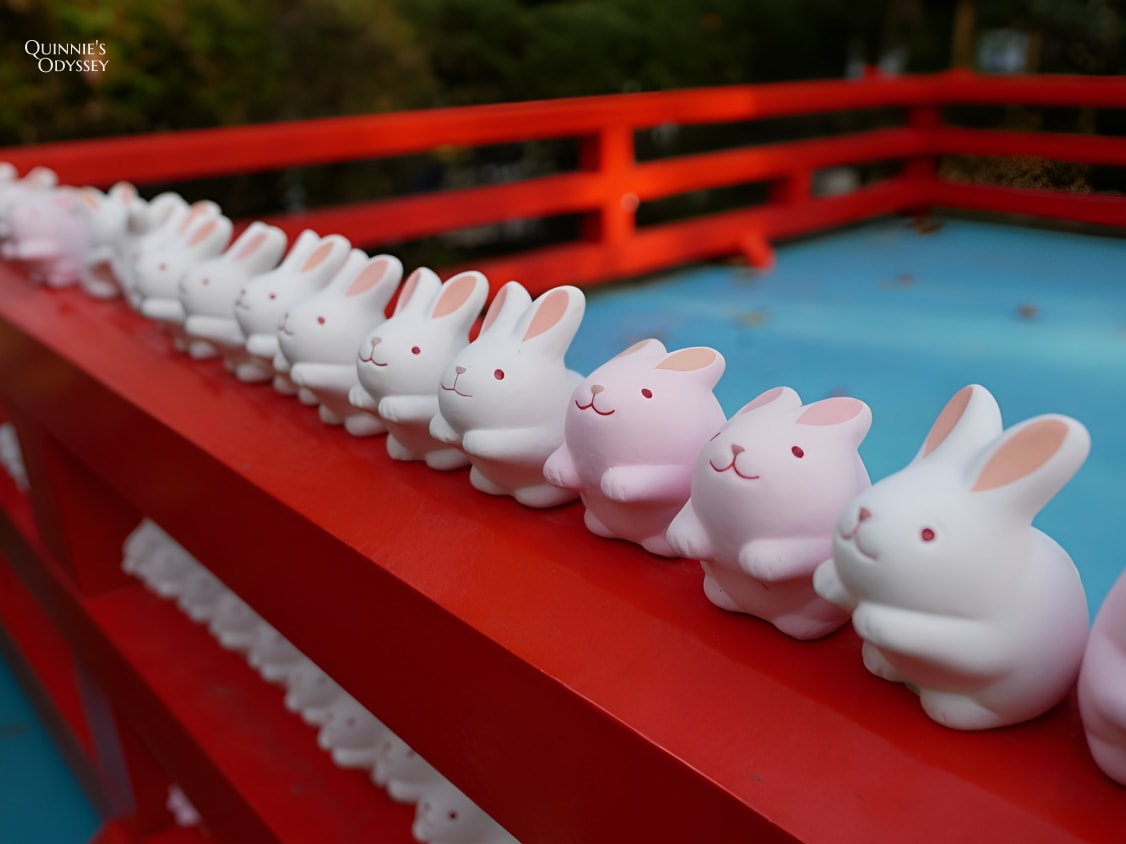
It takes about 10 minutes to walk to Okazaki Shrine from Eikando, though it’s a bit out of the way, you’ll need to detour and come back.
If you love rabbits or enjoy collecting themed omikuji, it’s definitely worth a visit. If not, you can choose to skip it.
More about Okazaki Shrine 👉👉 Okazaki Shrine: Kyoto’s Rabbit Shrine, A Must-Visit Spot for Rabbit Lovers
Kumano Nyakuoji Shrine marks the starting point of the Philosopher’s Path.
It is one of the historic “Three Kumano Shrines of Kyoto,” alongside Kumano Shrine and Shin-Kumano Shrine.
Founded in 1160, the shrine originally served as the guardian shrine of Eikando.
It later fell into decline during the Onin War, but was rebuilt during the era of Toyotomi Hideyoshi.
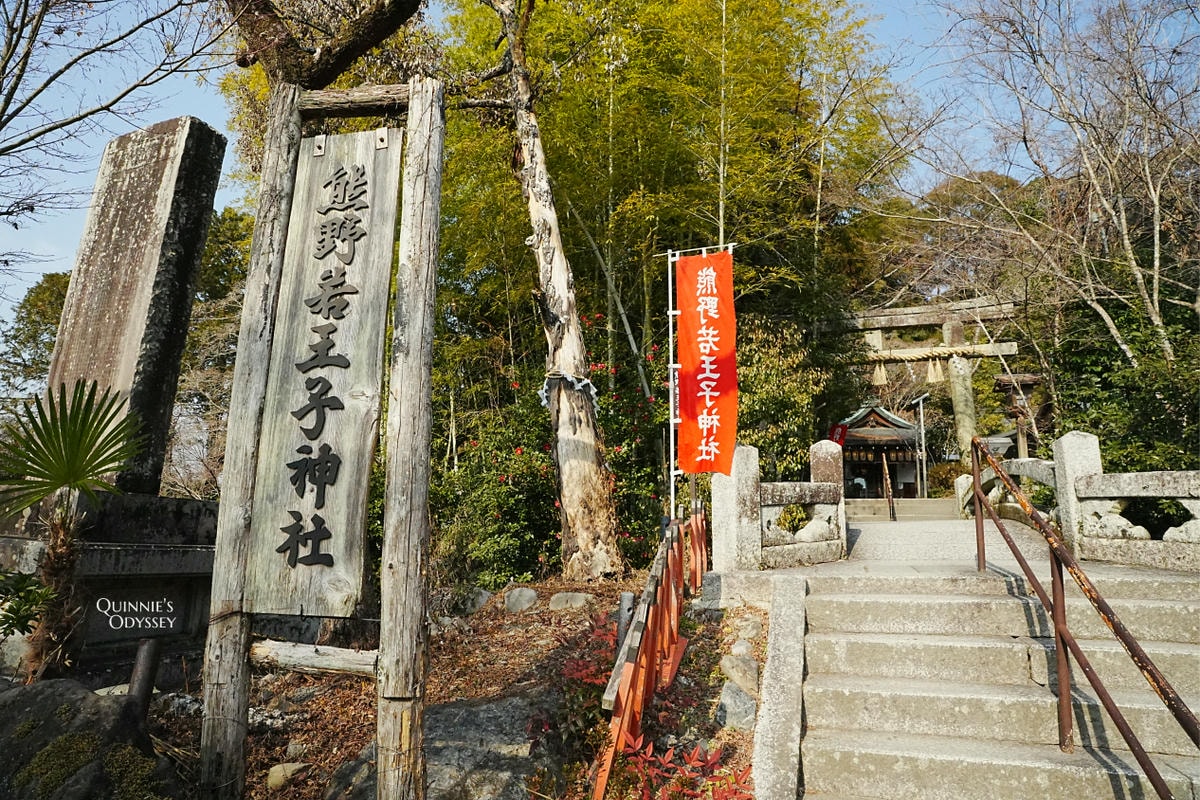
Although the shrine grounds are small and easy to miss, it has a special cultural significance, particularly its strong connection with the Yatagarasu, the mythical three-legged crow of guidance and protection.
If you enjoy collecting animal-themed omikuji, make sure not to miss the Yatagarasu fortune slips available here!
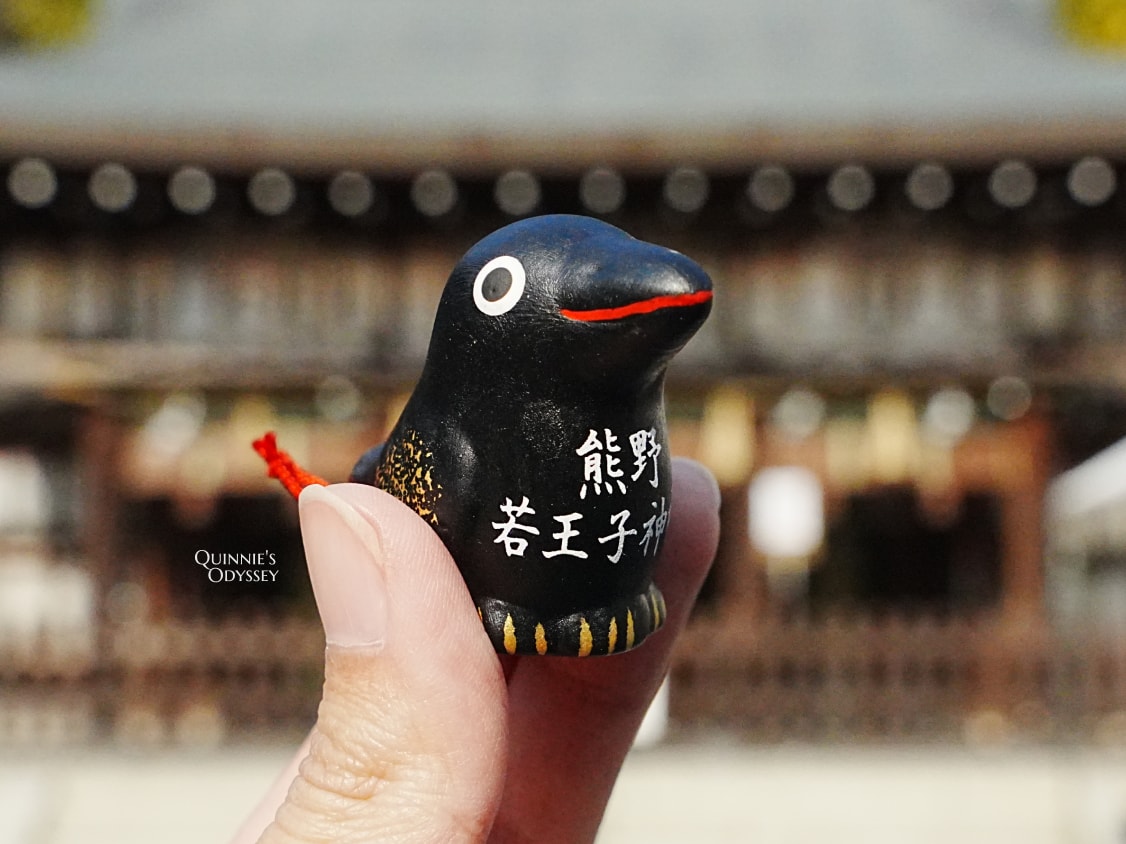
More about Kumano Nyakuoji Shrine 👉👉 Kumano Nyakuoji Shrine in Kyoto: Start of the Philosopher’s Path & the Famous Yatagarasu Omikuji
Located directly along the Philosopher’s Path, Otoyo Shrine sits quietly in a peaceful, secluded corner of the Higashiyama area.
The shrine dates back to 887, built to pray for the recovery of Emperor Uda.
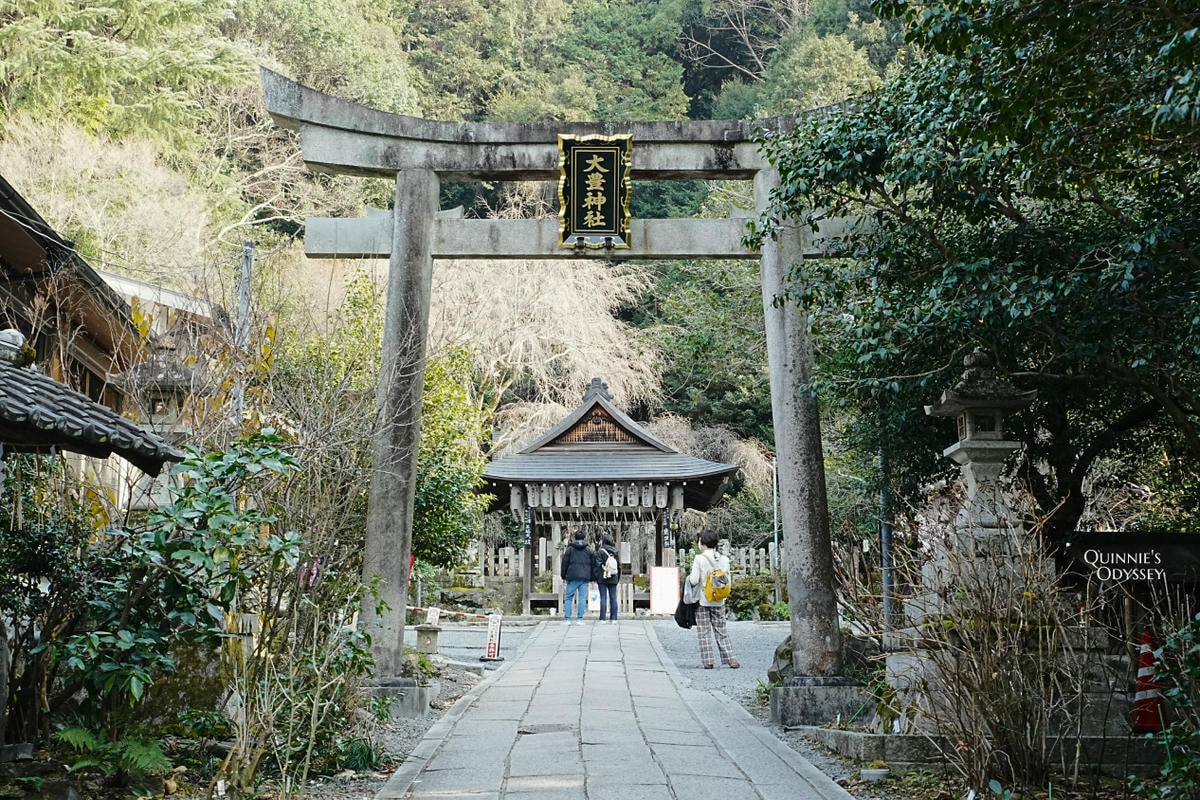
Today, it is a beloved stop for visitors who enjoy collecting animal-themed omikuji, because Otoyo Shrine is the only shrine in all of Japan that enshrines a mouse as its guardian animal. Its most iconic feature is the pair of koma-nezumi (guardian mice) statues.
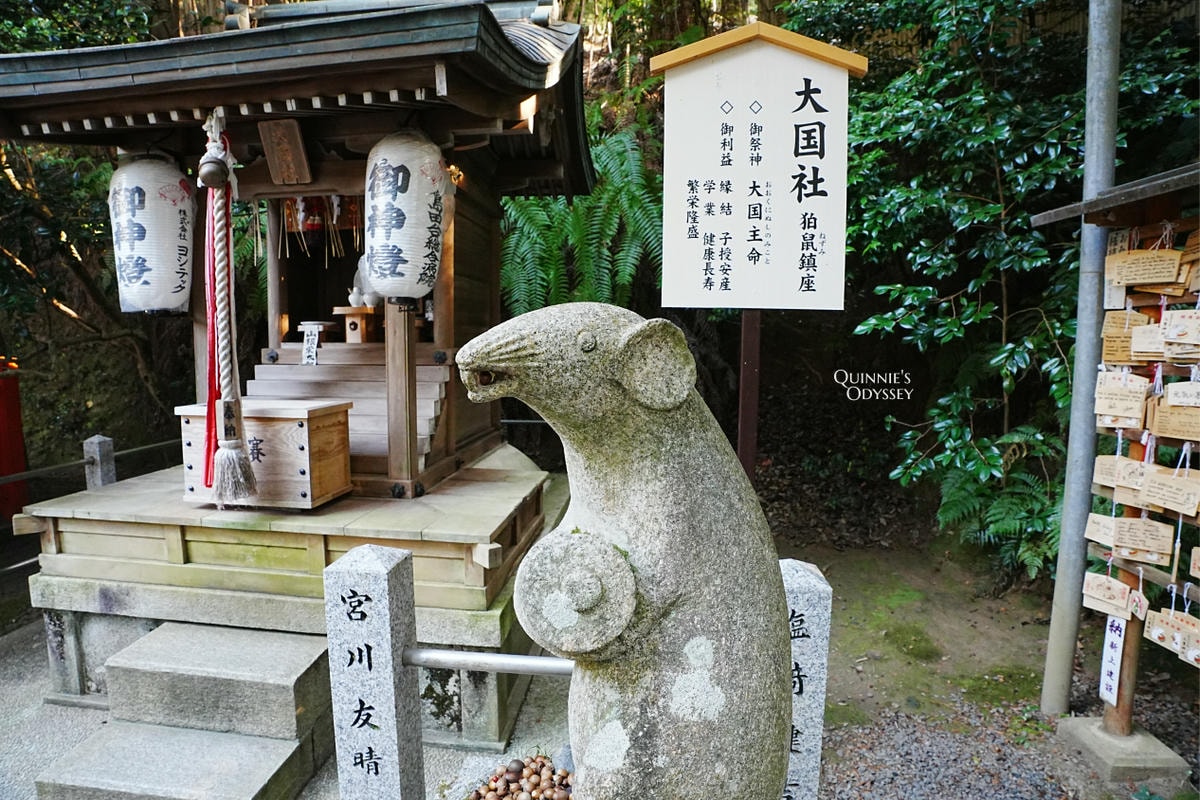
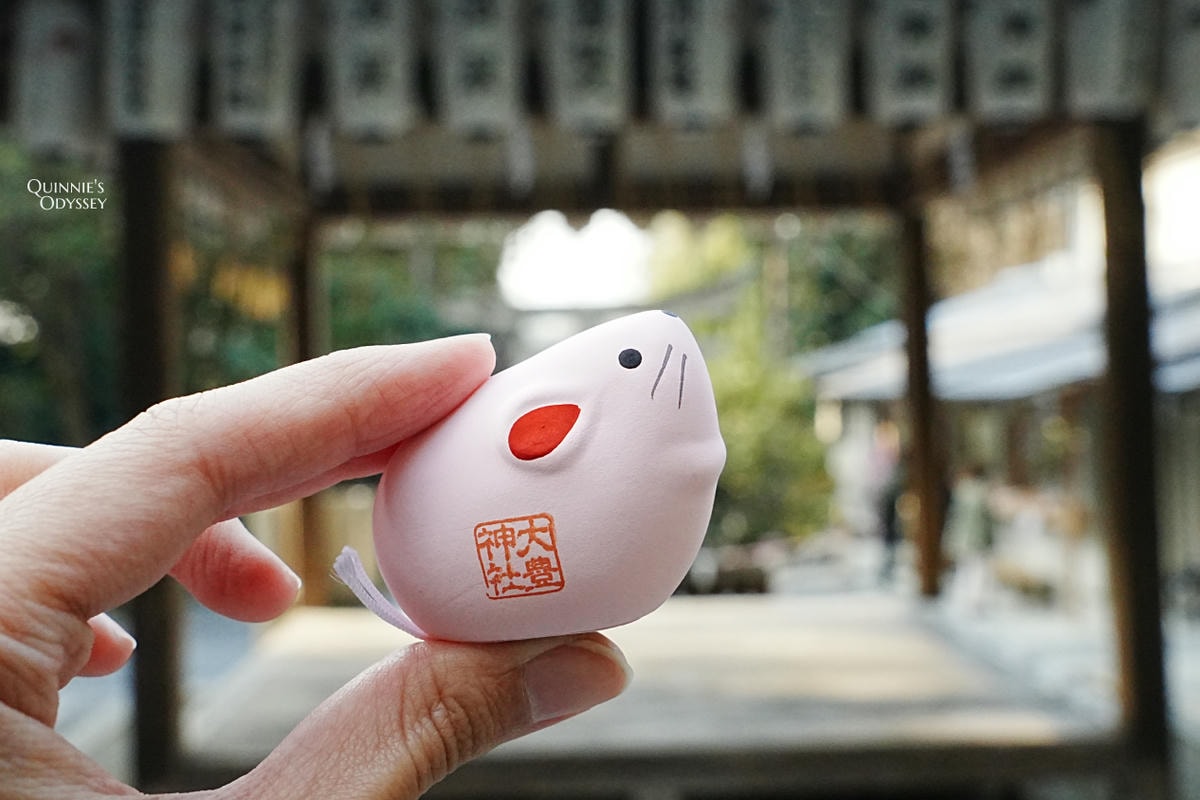
Even more unique, the shrine also features guardian animals beyond mice, each representing different blessings:
In addition to the mouse omikuji, the shrine offers several other animal-themed fortune slips, making it a paradise for collectors.
More about Otoyo Shrine 👉👉 Otoyo Shrine Kyoto: The Only Mouse Shrine in Japan on the Philosopher’s Path
Honen-in Temple lies just a short walk from the Philosopher’s Path.
It was originally founded in the early Kamakura period by Honen, the founder of the Jodo sect, and served as a simple hermitage for his spiritual practice.
One of the temple’s signature features is its thatched gate, which opens to reveal the Byakusadan, beautifully crafted white-sand mounds symbolizing purity of mind.
The designs on the sand change with the seasons, making each visit feel unique.
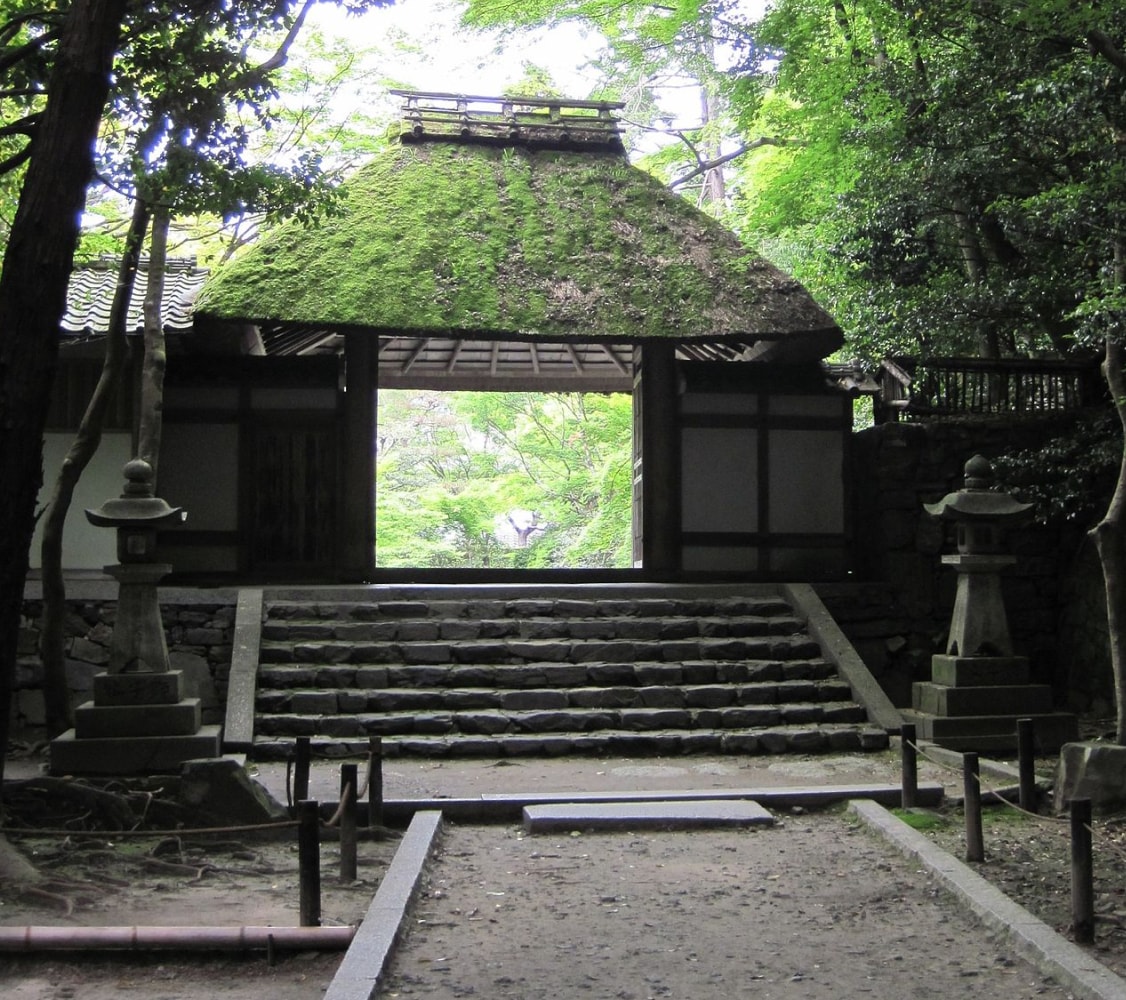
The temple grounds are serene and picturesque year-round, especially during cherry blossom season in spring and the brilliant foliage of autumn.
The temple also houses culturally important treasures, including the fusuma-e (sliding screen paintings) inside the main hall.
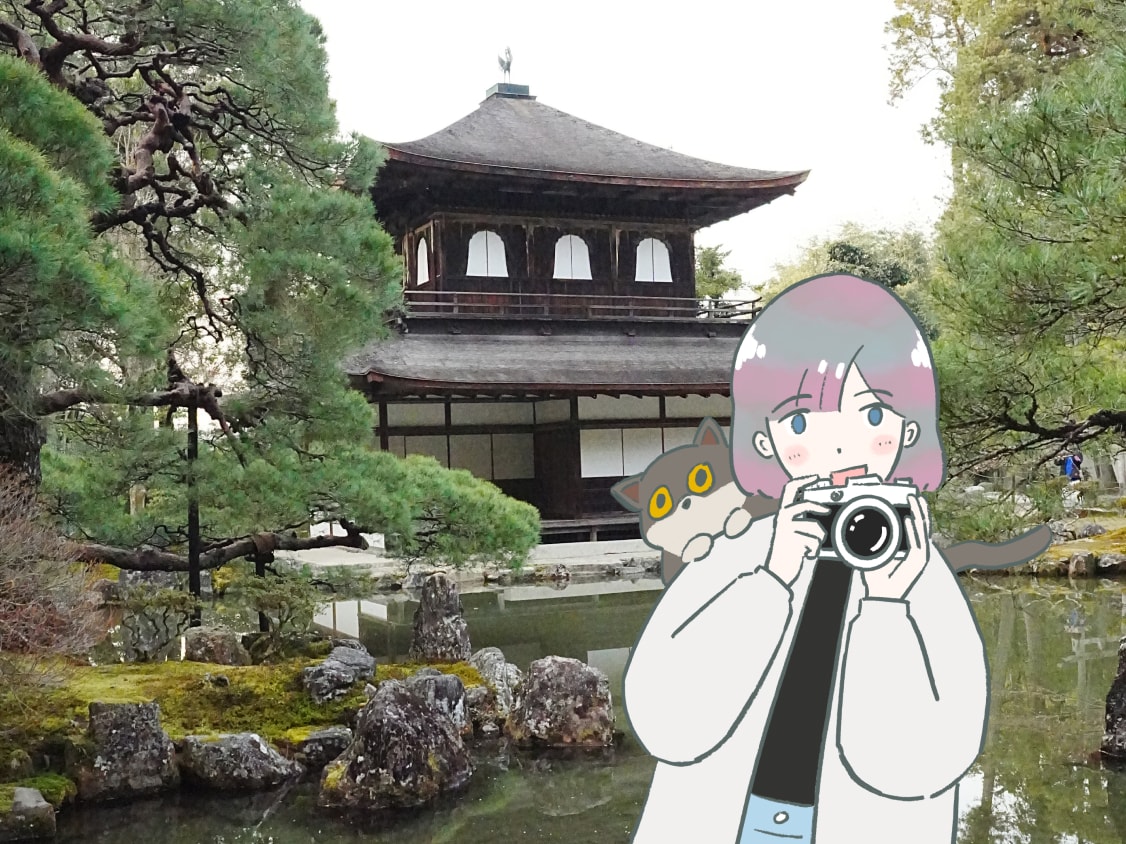
Ginkaku-ji marks the final stop of your Philosopher’s Path journey.
The approach leading to the temple is filled with lively shops selling snacks and souvenirs, a noticeable contrast to the tranquility of the path itself.
Once inside, you’re greeted by its legendary karesansui (dry landscape garden), perfectly arranged with raked white sand and moss.
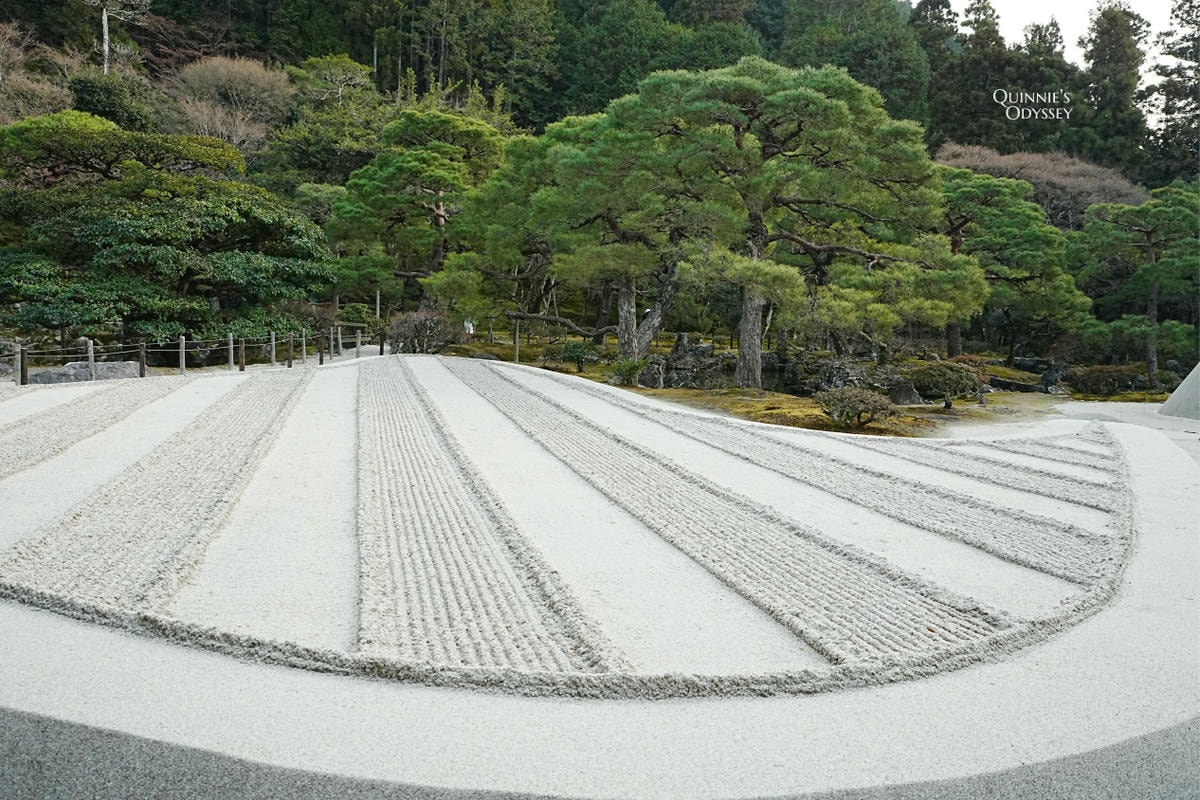
The official name of Ginkaku-ji is Jisho-ji Temple, built in 1482 by Ashikaga Yoshimasa, the eighth shogun of the Muromachi shogunate.
The temple’s most iconic structure, the Kannon-den (Silver Pavilion), was intended to complement the Golden Pavilion (Kinkaku-ji).
Unlike the golden brilliance of Kinkaku-ji, the Silver Pavilion was never covered in silver leaf. Its simple wooden exterior instead embodies the aesthetics of wabi-sabi, a celebration of imperfection, restraint, and the quiet beauty of time.
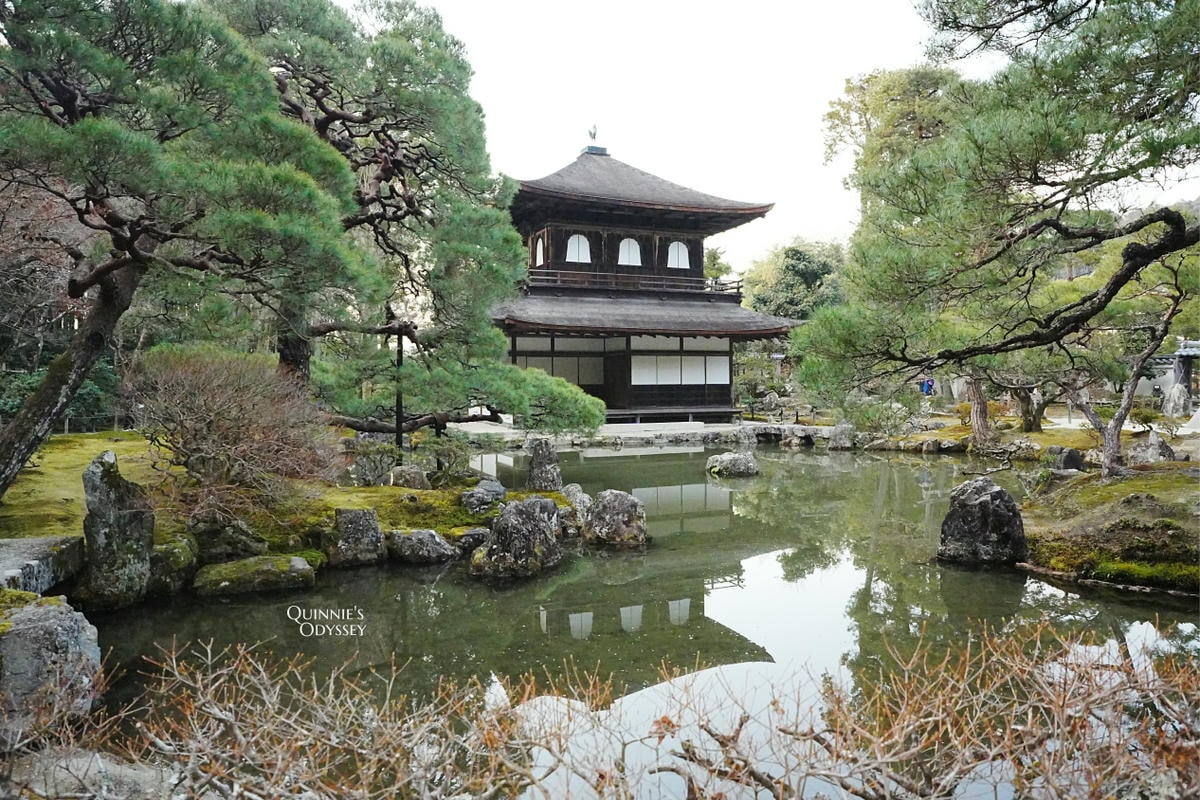
More about Ginkaku-ji 👉👉 Ginkaku-ji Kyoto Travel Guide: Explore the Zen Beauty of the Silver Pavilion
This day trip along the Philosopher’s Path started at Nanzen-ji, passed Kumano Nyakuoji Shrine, Okazaki Shrine, and Otoyo Shrine, and continued through the quiet neighborhoods of Kyoto before ending at Ginkaku-ji.
Along the way, I got to enjoy a mix of nature, history, and the gentle charm of Higashiyama.
Compared to many of Kyoto’s busier sightseeing spots, this path has a peaceful, unhurried atmosphere.
It’s the kind of place where you naturally slow down, take breaks whenever you feel like it, and simply enjoy the scenery around you.
Whether it’s the pink tunnel of cherry blossoms in spring, the deep green of summer, the vibrant red leaves in autumn, or the quiet, bare branches of winter, the path has its own beauty in every season.
And more than just a scenic walkway, the Philosopher’s Path feels like a place where you can clear your mind and reconnect with yourself.
Maybe that’s why philosophers from a century ago chose to walk and meditate here.
And even today, as we follow the same route, we can still find our own moment of calm and clarity.
▼ Kyoto Travel Essentials ▼

Thanks for reading!
If you’re interested in my stories, feel free to follow me on Instagram.
👉👉 IG: @sika_artist 👈👈