Physical Address
304 North Cardinal St.
Dorchester Center, MA 02124
Physical Address
304 North Cardinal St.
Dorchester Center, MA 02124

The Wakakusa Yamayaki Festival is one of the most iconic winter events in Nara.
Held every year on the fourth Saturday of January, it symbolizes welcoming the early spring.
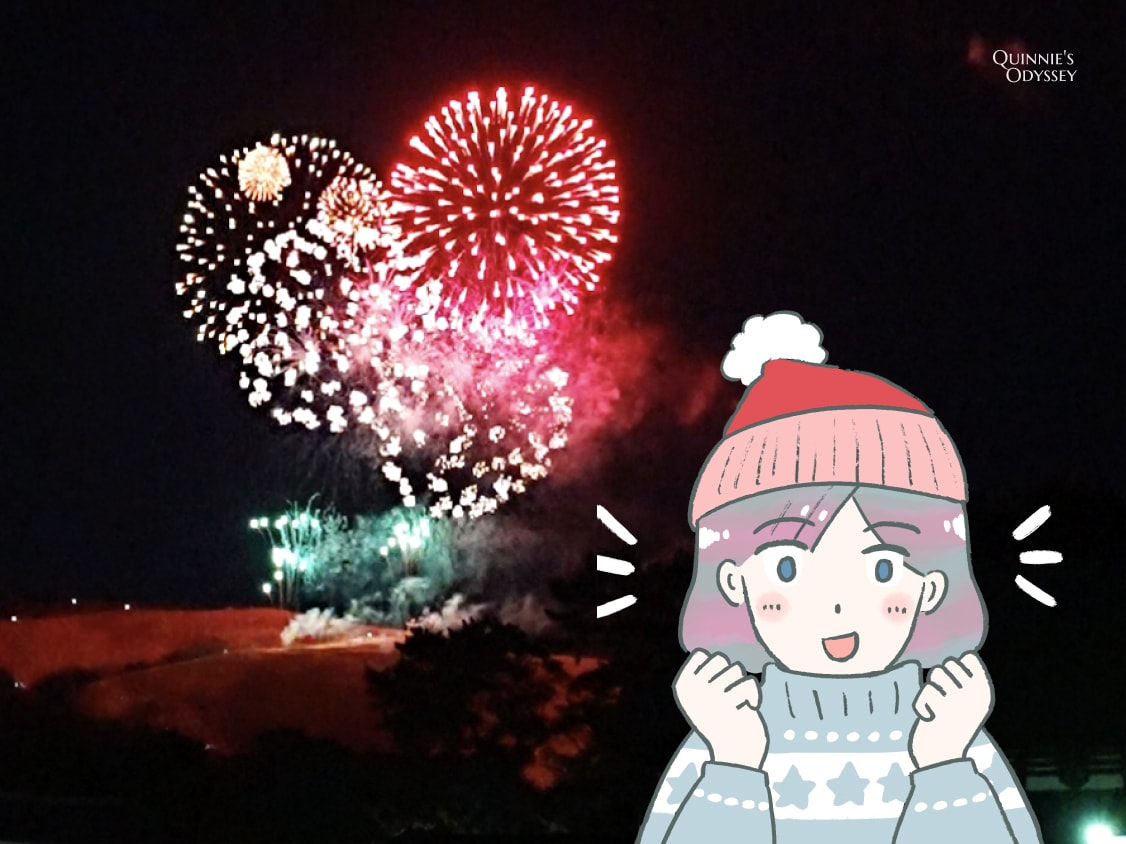
At night, the festival starts with about 600 fireworks, followed by a torch procession that carries sacred fire from Kasuga Taisha. Then hundreds of firefighters line up along the slope and ignite the dried grass.
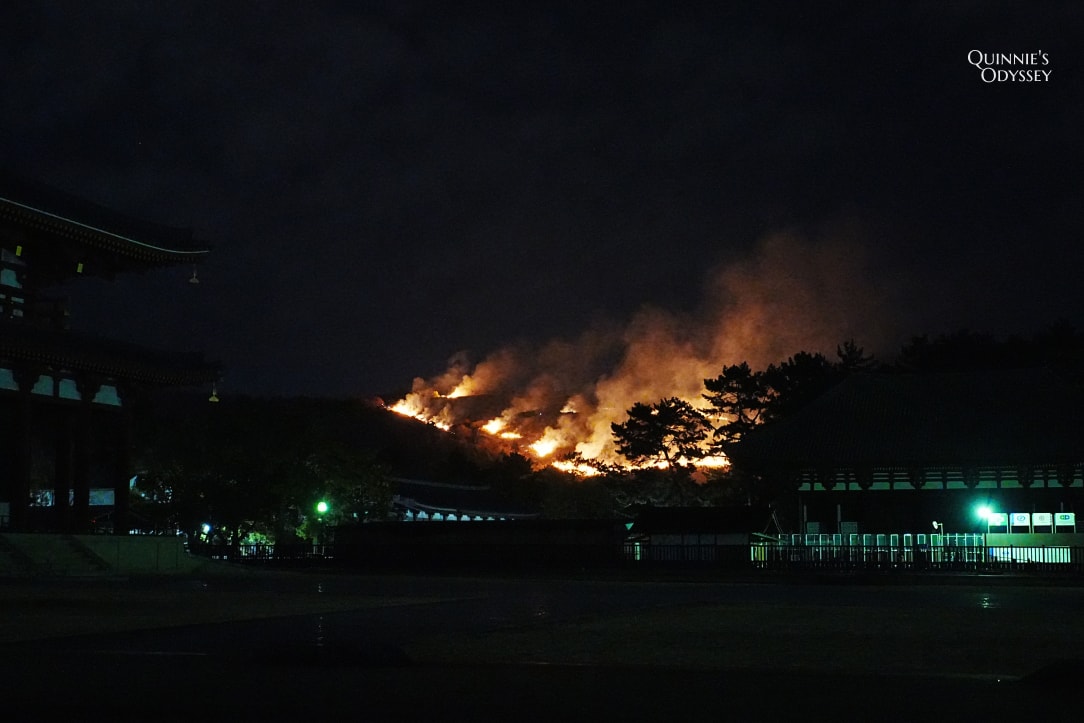
As the flames spread, the entire mountain turns bright red, lighting up the winter night sky. It’s a spectacular scene you won’t forget.
But… to enjoy this amazing moment, you also have to survive the freezing wind, the endless waiting, and the shocking crowds. Let me tell you the full story. XD
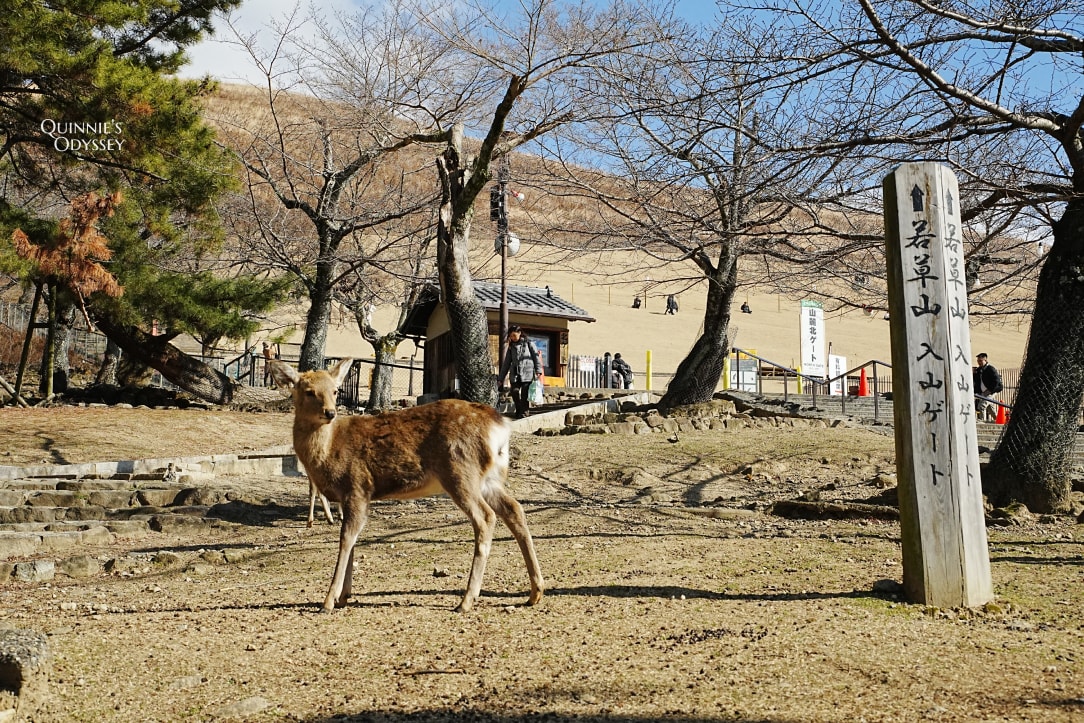
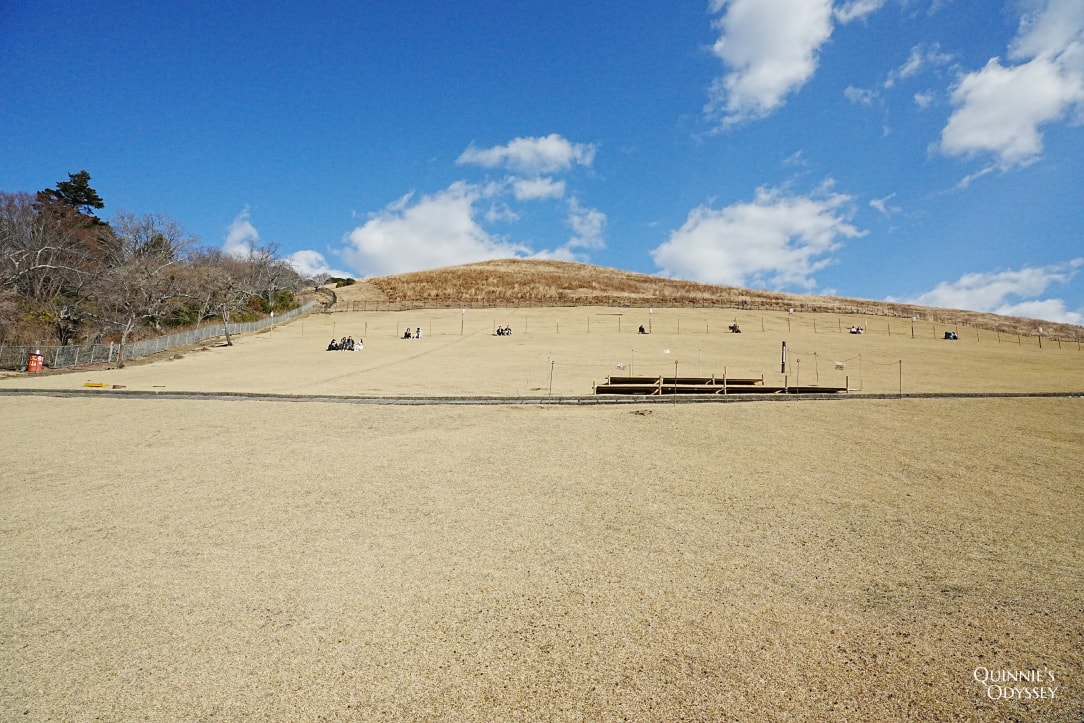
Mount Wakakusa is a small 342-meter hill covered in thick kuzunohara grass.
Because its three layers look like stacked straw hats, it’s also called Mt. Mikasa.
There are several theories about how the burning tradition started.
Here are the three most common ones 👇
There’s an ancient tomb on the mountaintop called the Uguisuzuka Kofun.
Legend says that it contains restless spirits, and burning the hillside was a way to calm them. Some even believed that if Wakakusa weren’t burned, bad luck would strike the town.
In the past, Todai-ji and Kofuku-ji, two powerful temples in Nara, argued over the ownership of Mount Wakakusa. To end the conflict, they burned the slope as a symbolic “reset.”
Another theory is that the burning helped drive away wild boars and eliminate pests, serving as an early form of ecological management.
During the Edo period, things got out of hand.
Because of the superstition “If you don’t burn the mountain, misfortune will come,” people would set fires randomly.
Even though the Nara magistrate banned it in 1738, unauthorized fires continued.
It wasn’t until the late 19th century that Todai-ji, Kofuku-ji, and the Nara magistrate started jointly managing the event.
From then on, Yamayaki officially became a ritual held by Kasuga Taisha, Kofuku-ji, and Todai-ji, symbolizing purification, fire prevention, and prayers for peace.
The festival starts from noon and continues into the night.
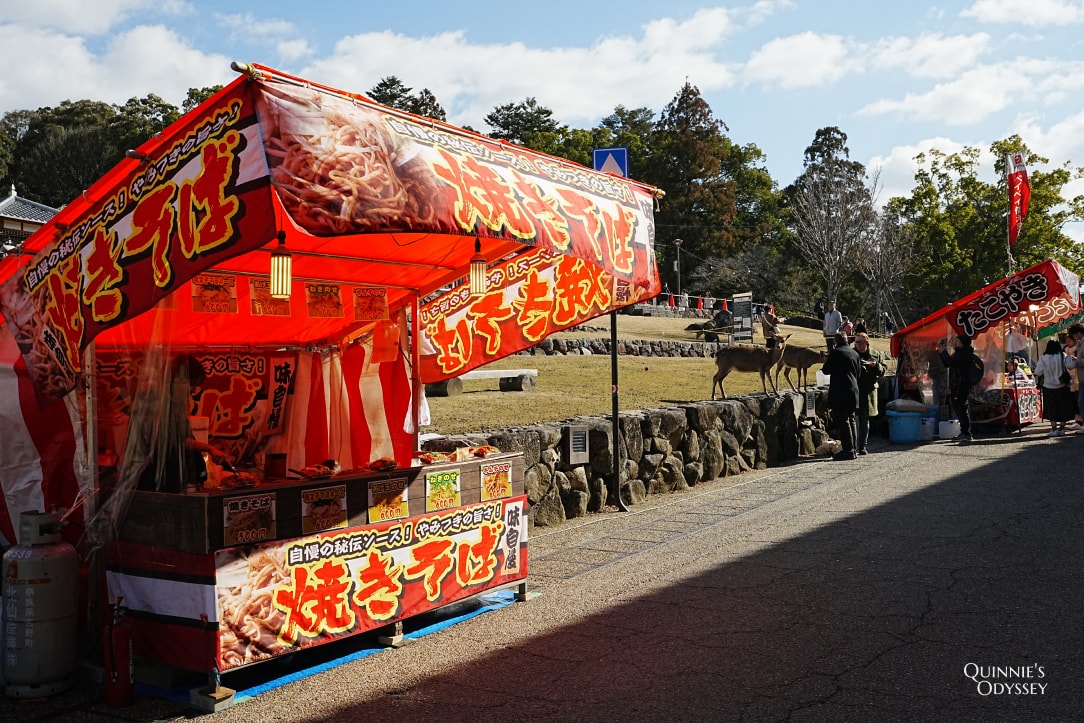
I arrived in Nara early from Kyoto, and the festival atmosphere already filled the streets near Kintetsu Nara Station, food stalls everywhere and lively crowds.
Here’s the full timeline👇
We visited Todai-ji first, wandered around, and watched people lining up to join the deer cracker contest.
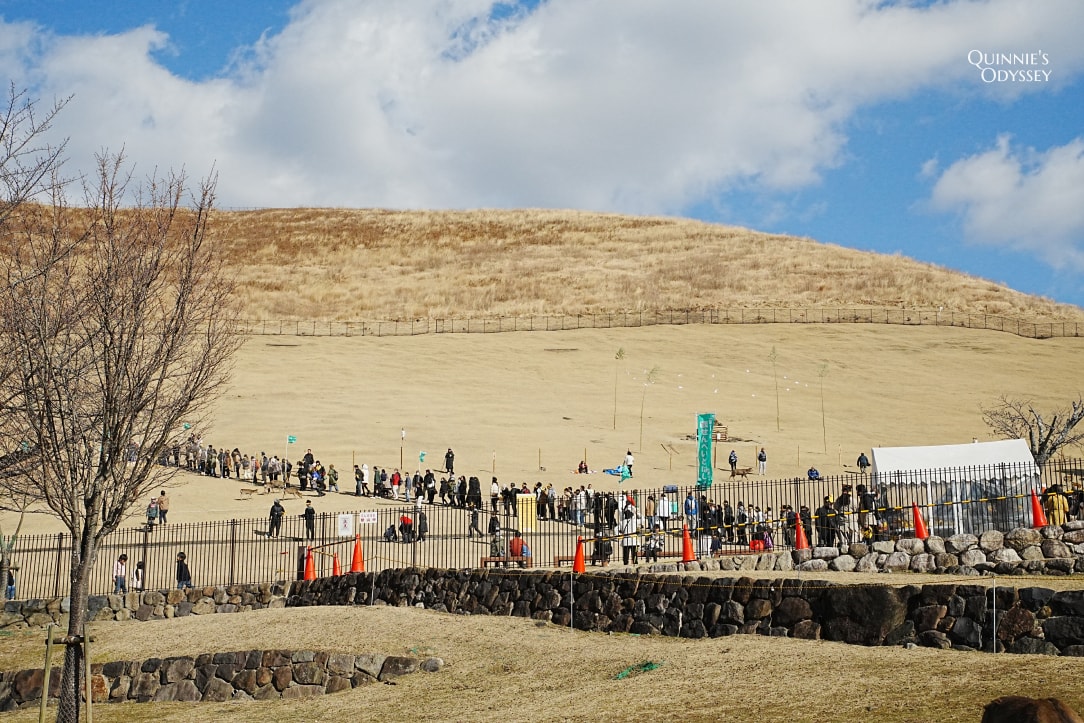
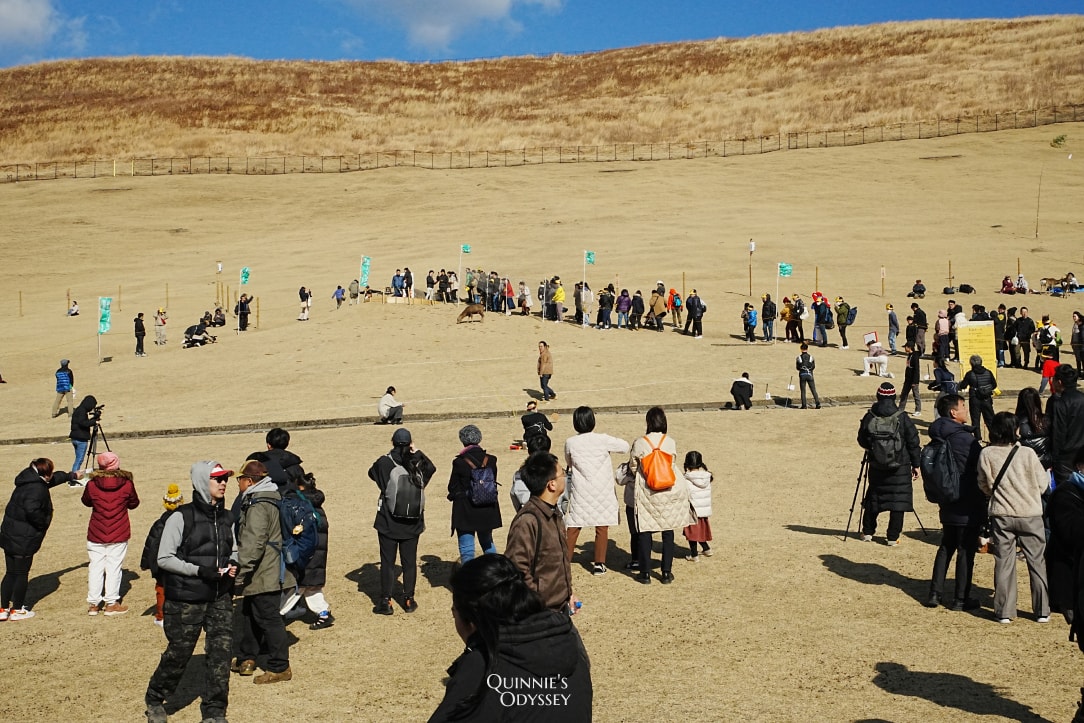
After that, we stopped by Kasuga Taisha and slowly made our way toward the festival area.
As the sun began to set, the atmosphere suddenly became very tense and exciting.
At 16:45, the sacred fire ritual started at Kasuga Taisha, where priests lit the holy flame to pray for protection and peace.
At 17:05, the torch procession began marching toward Mount Wakakusa.
By 17:25, everyone lit their torches near Mizutani Tea House.
At 17:40, the procession reached Nogami Shrine, where a purification ceremony took place.
At 18:15, brilliant fireworks lit up Nara’s winter sky.
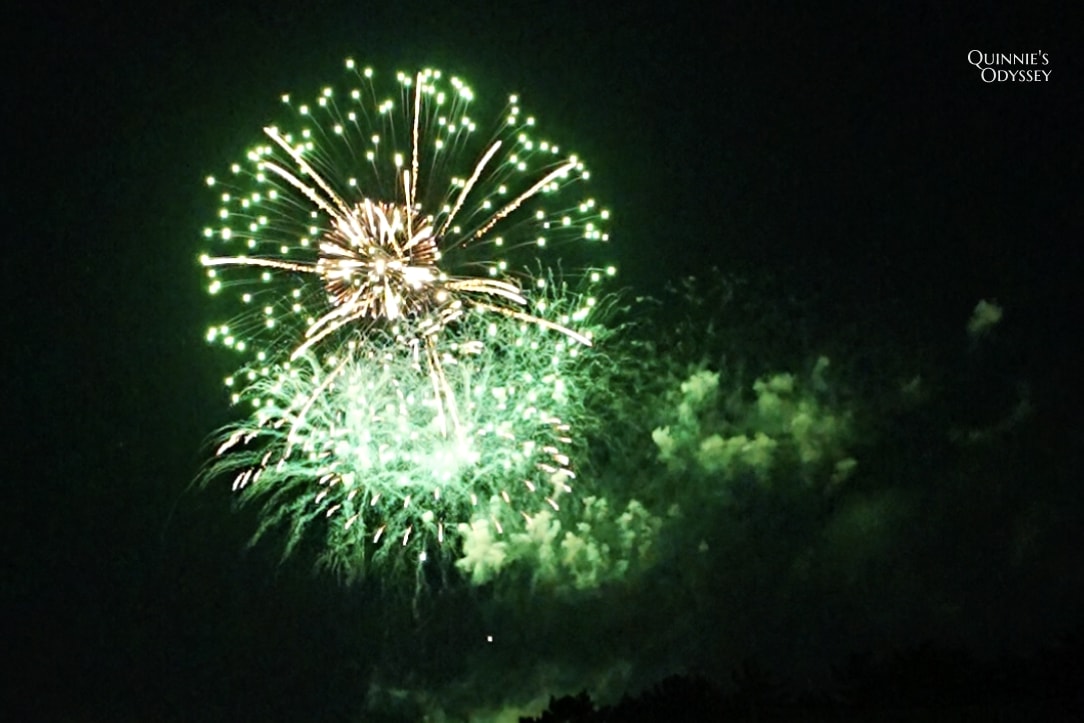
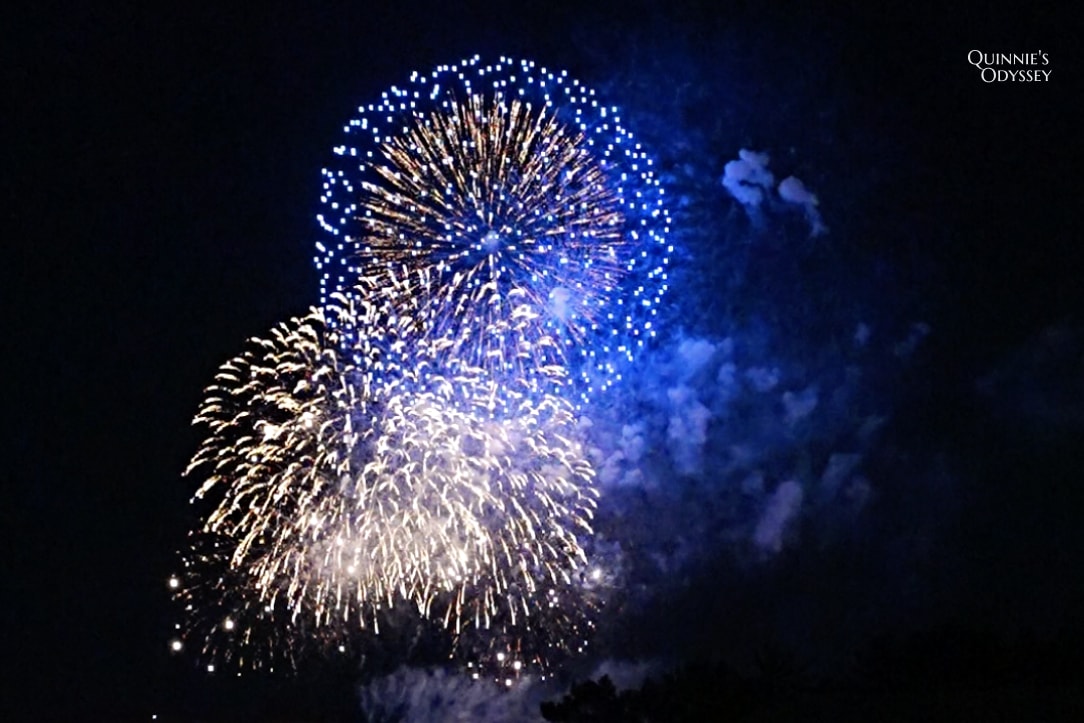
And finally at 18:30, the entire mountain was set ablaze, bright orange flames quickly spreading across the dark hillside.
It’s a powerful and symbolic moment: purification, prayer, and welcoming a new year.
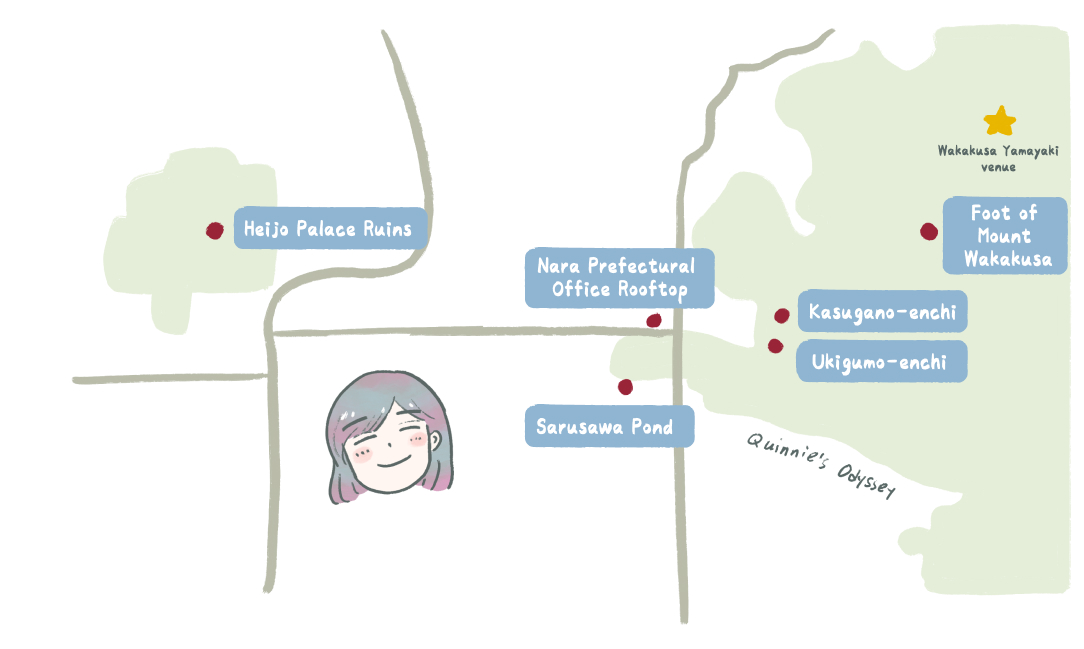
👉 Foot of Mount Wakakusa
The closest and most dramatic view of the burning flames.
👉 Kasugano-enchi (Kasugano Field)
Wide view of both fireworks and the burning mountain.
👉 Ukigumo-enchi (Ukigumo Field)
Another open area in Nara Park with a beautiful panoramic view.
👉 Heijo Palace Ruins
Farther away but excellent if you want a shot of Suzaku Gate + the burning mountain.
👉 Nara Prefectural Office Rooftop
Limited-entry rooftop viewing area. High angle, very unique.
👉 Sarusawa Pond
Beautiful reflections of the fire and fireworks in the water.
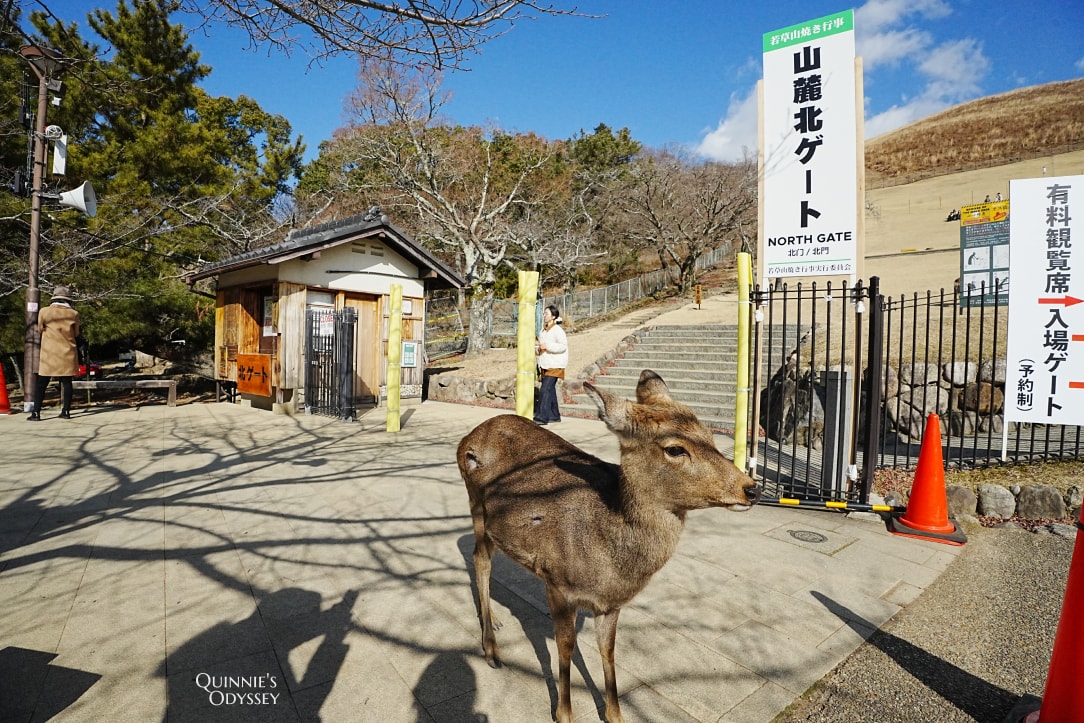
In the morning, I had fun taking photos with the deer and visiting Todai-ji and Kasuga Taisha. It was crowded but manageable. I even ran out of memory card space, but thankfully, Daiso sells SD cards!
By afternoon, things changed.
The temperature dropped, and the crowds doubled… then tripled.
As a super introverted person, I honestly wanted to run away.
But hey, this is the Yamayaki Festival, you can’t just leave.
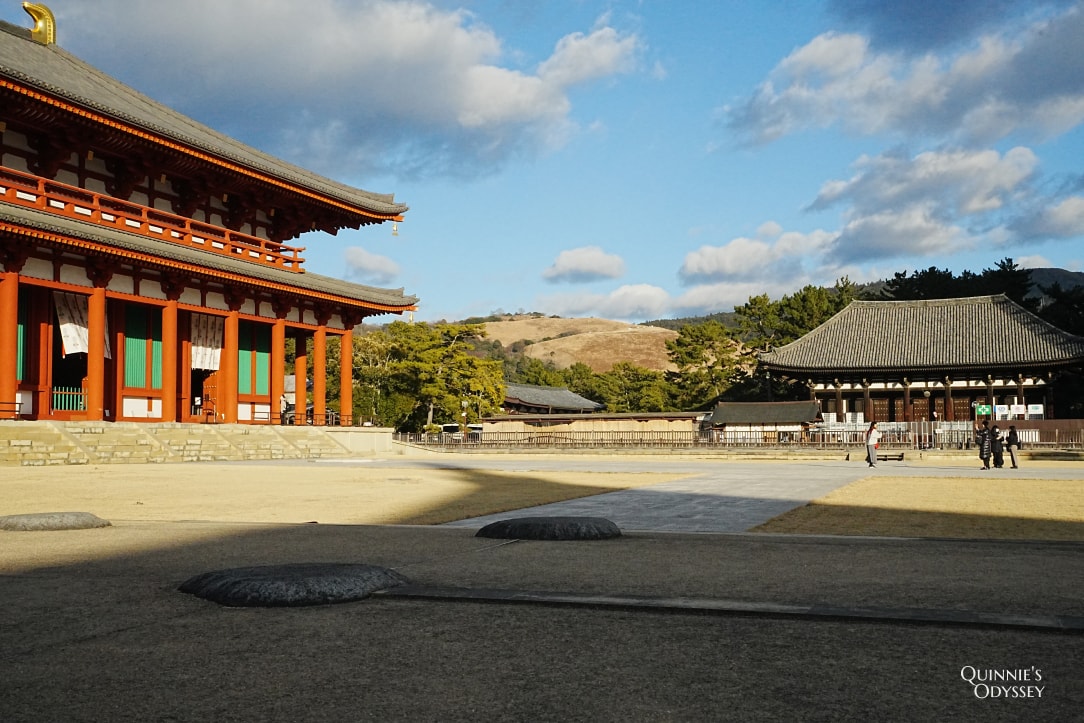
Around 4 PM, I found a spot near the Kofuku-ji National Treasure Museum.
The view was perfect, you could see the whole mountain.
Some photographers were already setting up tripods, so I felt confident this was a good choice.
Turns out… it was the beginning of my suffering.
Time passed, more people arrived, and soon I was stuck in a sea of bodies.
The wind was freezing, my toes hurt, and every minute felt like an hour.
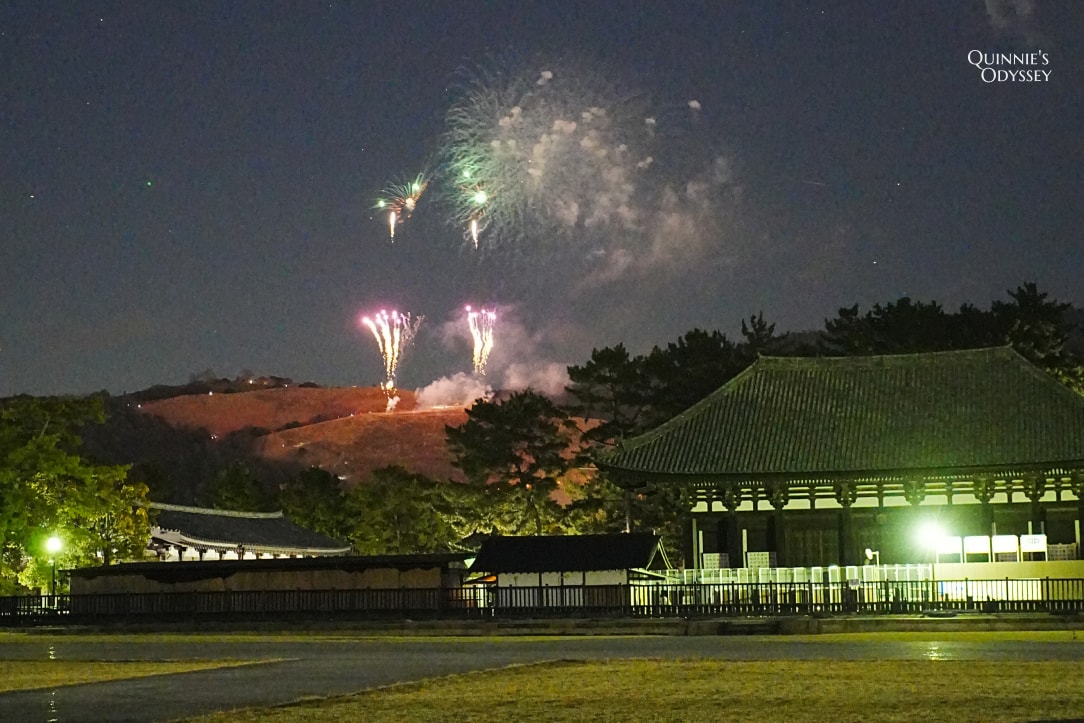
At 6:15, the fireworks started.
They were pretty, but a bit far away. Only a few big ones felt impressive.
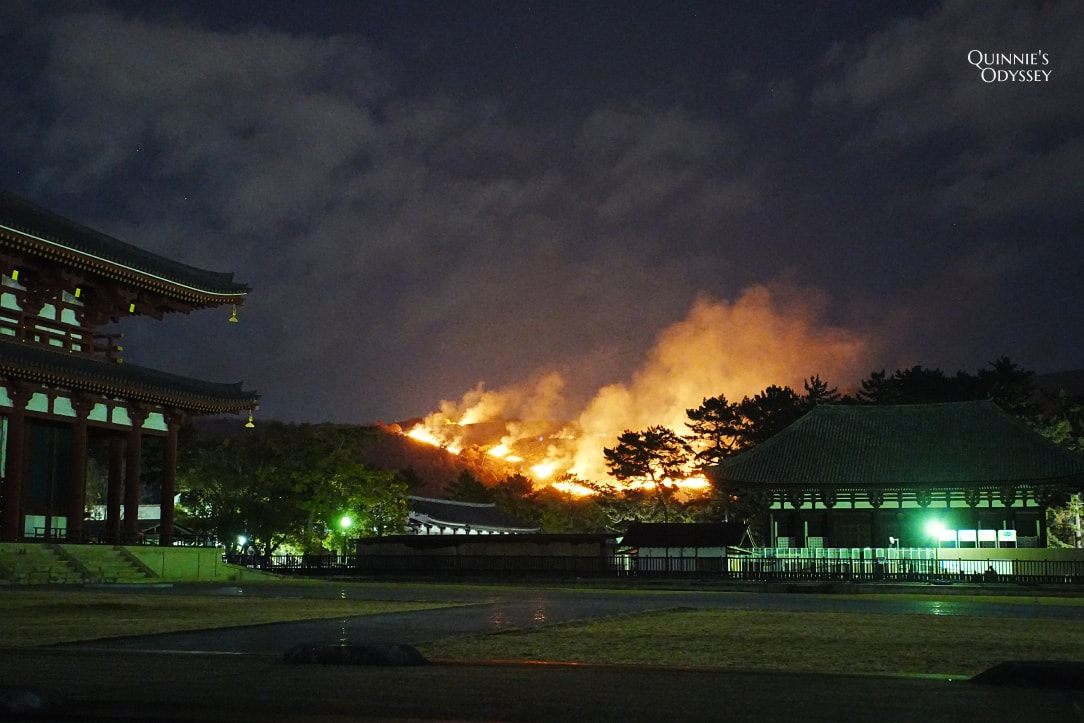
Then the burning began, the flames slowly spread across the mountain.
It was beautiful, but some of it was blocked by trees from where I stood… so that was a little disappointing.
(If you want the best shots, trust the recommended photo spots above. I’ve already tested the “not so good” area for you haha.)
My plan was to capture burning mountain + fireworks together, but after waiting a long time, no more fireworks appeared. People around me started leaving, so I thought:
“Is it over? No more fireworks? Should I go too?”
After standing in the cold for more than two hours, I decided to leave.
Back at Kintetsu Nara Station, the crowds weren’t too bad yet, so I treated myself to Saizeriya at the mall. I was feeling good… until I walked out and saw the chaos.
The entire street was PACKED.
Everyone was rushing toward the station.
It looked like New Year’s Eve level crowds.
My introverted soul died on the spot.
I squeezed through the gate, waited forever to get in, and finally got onto a train packed like sardines. I stood for nearly an hour all the way back to Kyoto.
But the final blow came the next morning…
I opened Instagram.
And I saw it.
The burning mountain + the huge second round of fireworks.
YES! there WAS a second round of fireworks.
The most iconic moment of the festival.
And I MISSED IT.
I waited in the freezing cold for two hours, left five minutes too early, and ended up stuck in a nightmare-level crowd anyway.
I really outplayed myself. XD
▼ Kyoto Travel Essentials ▼
Thanks for reading!
If you’re interested in my stories, feel free to follow me on Instagram.
👉👉 IG: @sika_artist 👈👈