Physical Address
304 North Cardinal St.
Dorchester Center, MA 02124
Physical Address
304 North Cardinal St.
Dorchester Center, MA 02124

This trip to Matsumoto was mainly planned so I could visit Narai-juku, one of Japan’s most famous historic post towns.
Matsumoto is one of the larger cities closest to Narai-juku, which makes it a great base for exploring the area. Since I had the chance, I decided to spend a full day in Matsumoto as well. After walking around the city, I found it very comfortable and relaxed, with hardly any crowds. It honestly feels like a place you could easily live in.
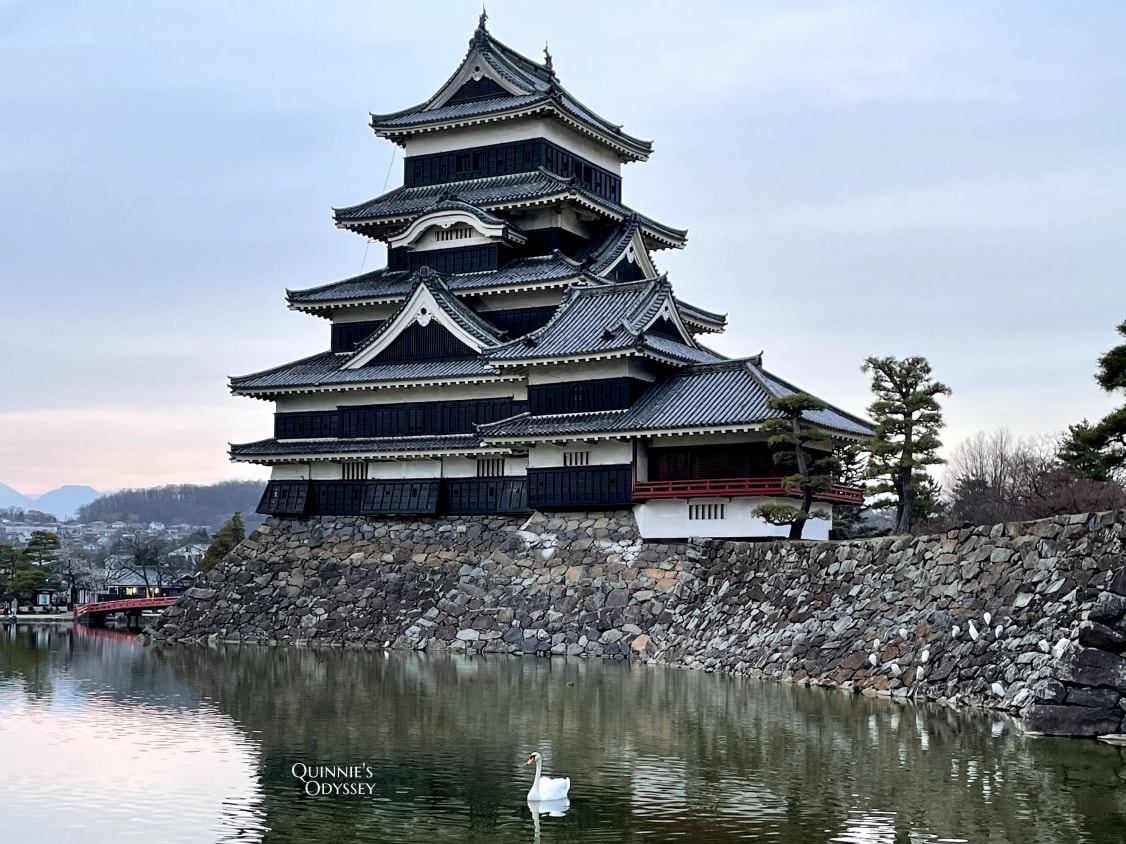
Matsumoto is the largest city in central Nagano Prefecture.
Thanks to its convenient location, it has long been an important transportation and cultural hub.
During the Edo period (1603–1868), Matsumoto prospered as a castle town, and many traces of its history still remain today. The most famous landmark is Matsumoto Castle, which has been designated a National Treasure.
Besides its rich history, Matsumoto is also a key gateway to famous natural destinations like Kamikochi and the Tateyama Kurobe Alpine Route.
The easiest way to get from Tokyo to Matsumoto is by taking a direct train from Shinjuku.
If you’re planning to travel around Nagano or Niigata for several days, it’s worth considering the JR East Pass (Nagano & Niigata Area).
Another option is taking a highway bus from Shinjuku Expressway Bus Terminal.
Matsumoto Castle is one of Japan’s five National Treasure castles and is also one of the oldest surviving castles with a five-story, six-level keep.
Originally built during the Sengoku period in the early 1500s, the castle has witnessed centuries of history and is now the symbol of Matsumoto.
When you enter the area, you’ll see rows of rectangular lanterns that say “National Treasure Matsumoto Castle,” glowing in different colors as the light changes.
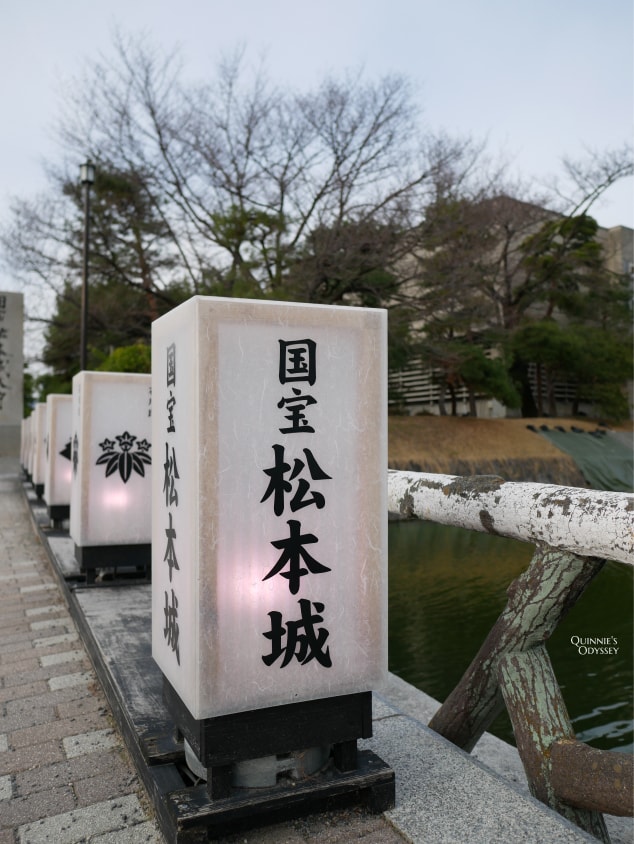
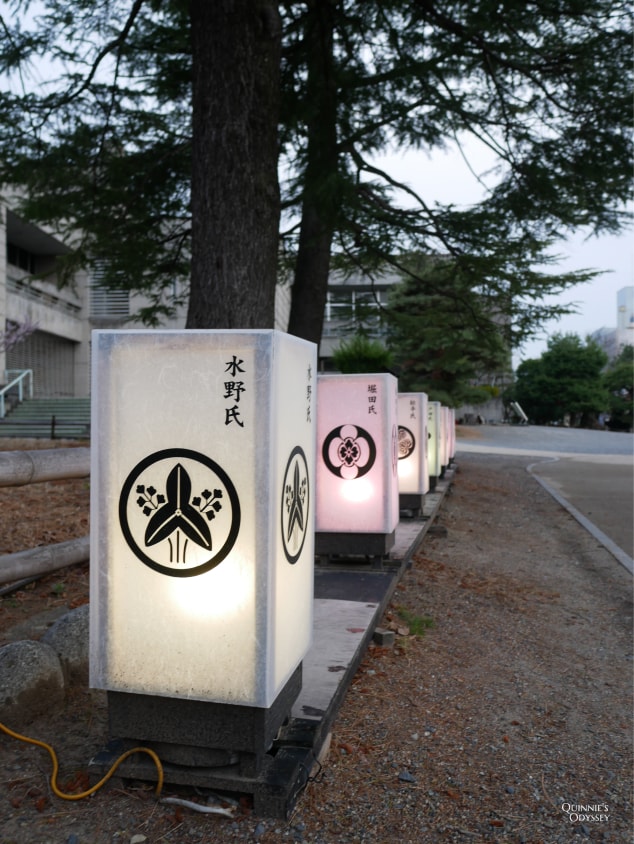
The castle is one of only 12 original castles still standing in Japan. Its striking black-and-white exterior reflects beautifully in the surrounding moat, with the Northern Alps rising in the background.
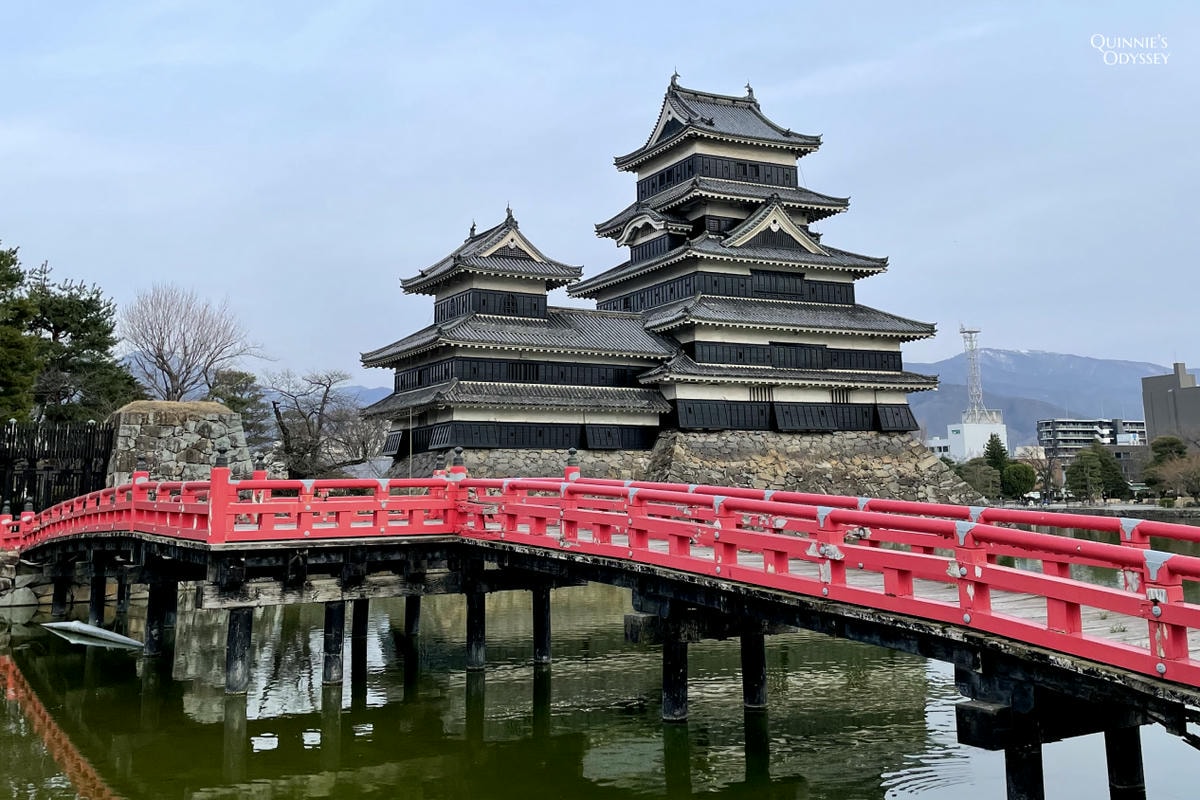
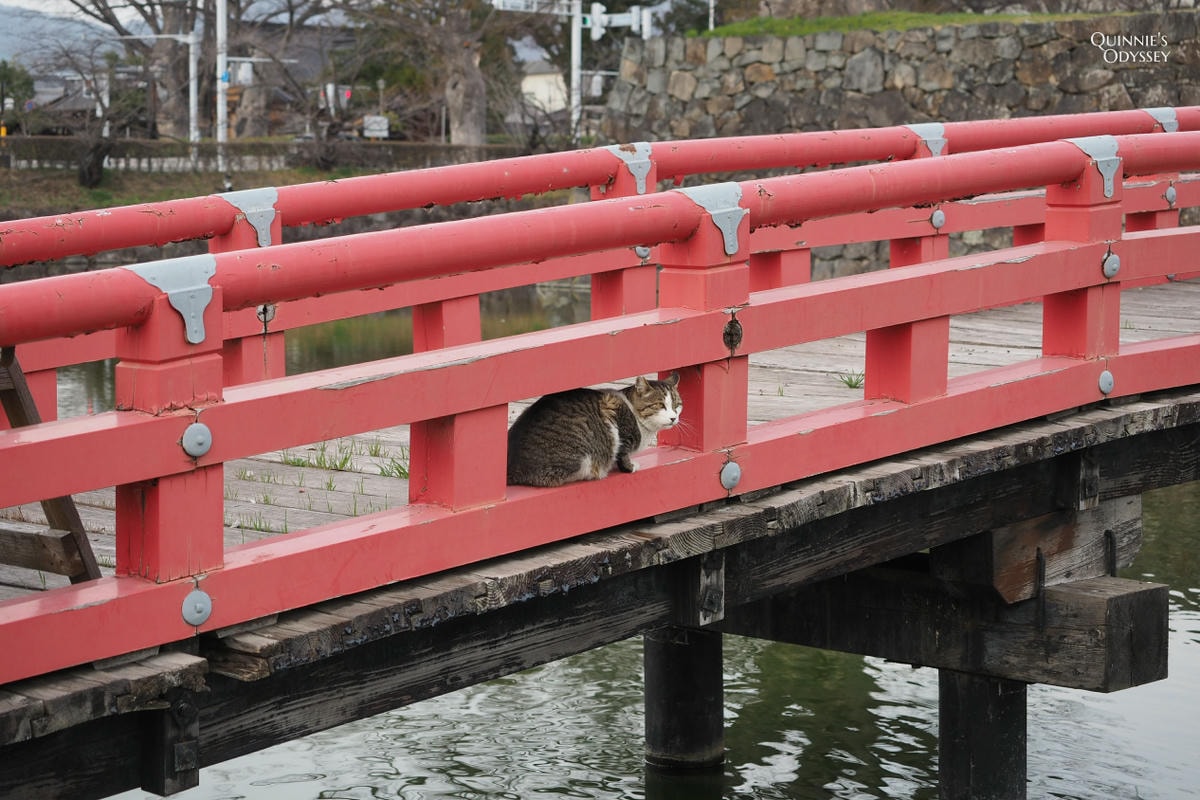
At one point, I even spotted a cute cat casually hanging out near the bridge 👇
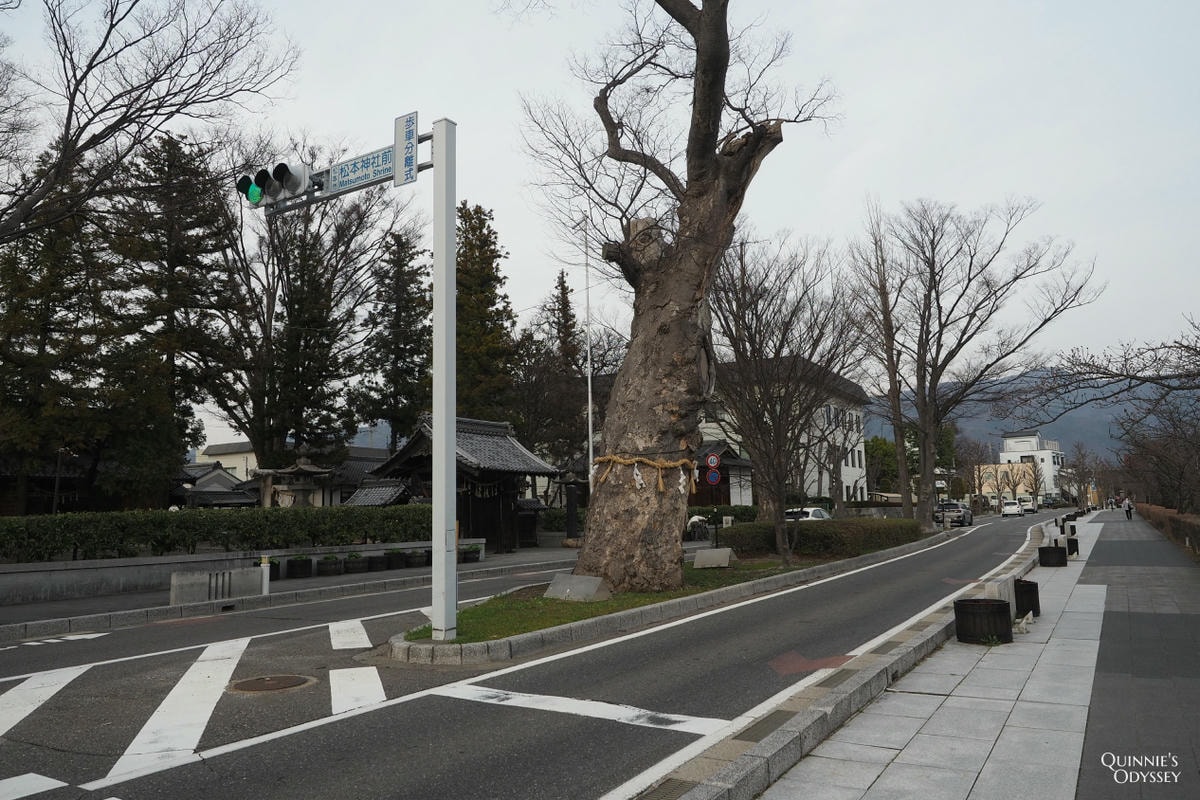
Outside the castle grounds, the streets feel calm and open, with very little traffic. The air feels fresh, and it’s nice just to wander around at a relaxed pace.
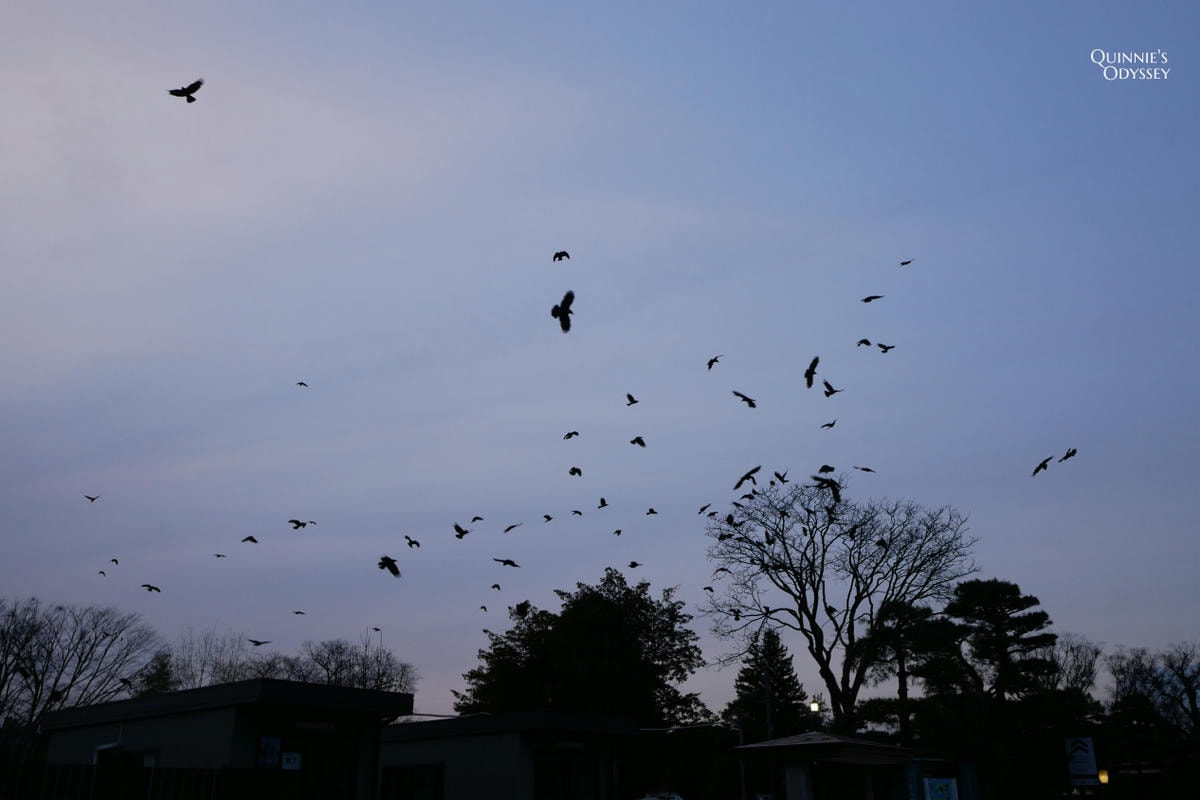
When we returned to the castle later in the evening, it was just before sunset. A few crows flew across the sky, their calls adding a slightly nostalgic, atmospheric feeling to the moment.
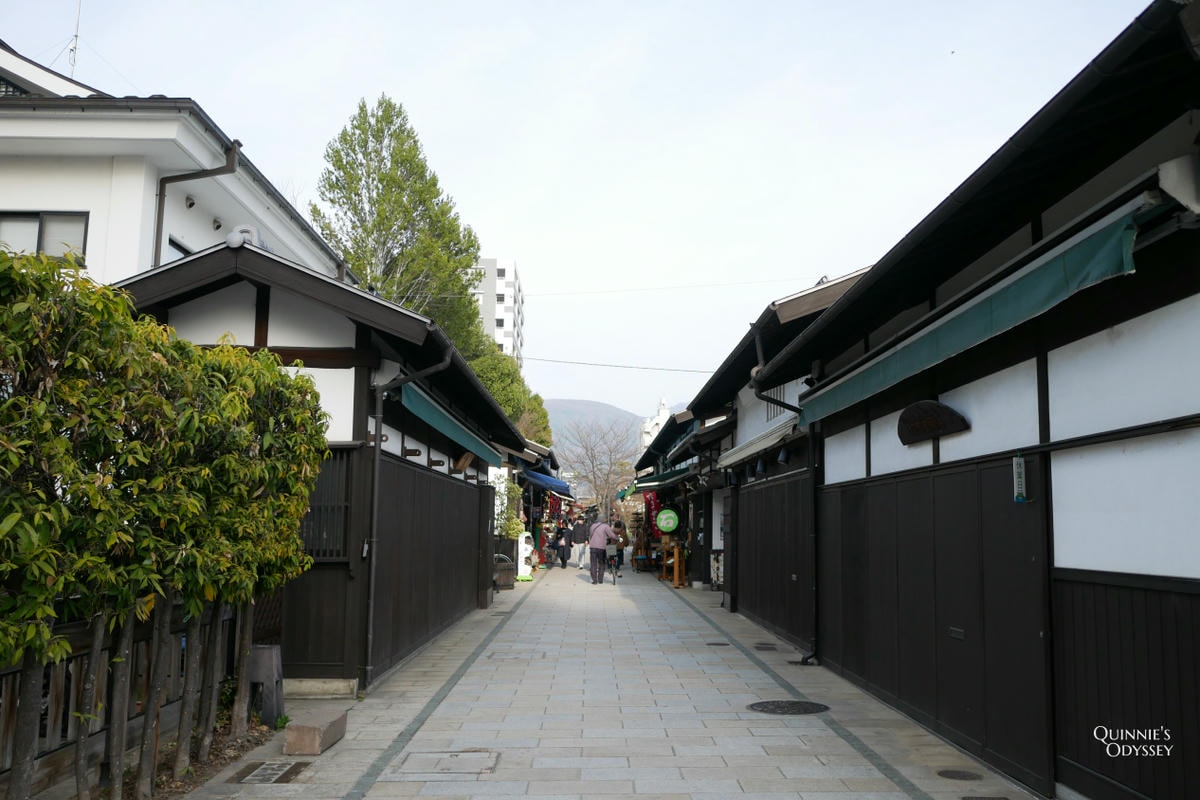
Nawate Street is a nostalgic shopping street full of traditional charm.
The buildings keep their old-style Japanese appearance, and the shops sell a mix of handmade crafts, local snacks, and unique souvenirs.
What really makes Nawate Street special is that frogs are everywhere.
This frog theme comes from the Kajika frog, a small green frog that used to be common in the fields and streams around Matsumoto. As urban development increased, their numbers declined. To remember them, frog statues and decorations were placed throughout the street, and even a small shrine called Frog Daimyōjin was built.
In Japanese, the word for frog, kaeru, sounds the same as the word meaning “to return.” Because of this, frogs symbolize safe returns, lost items coming back, and money returning. Many travelers and shop owners come here to pray for good luck and a safe journey home.
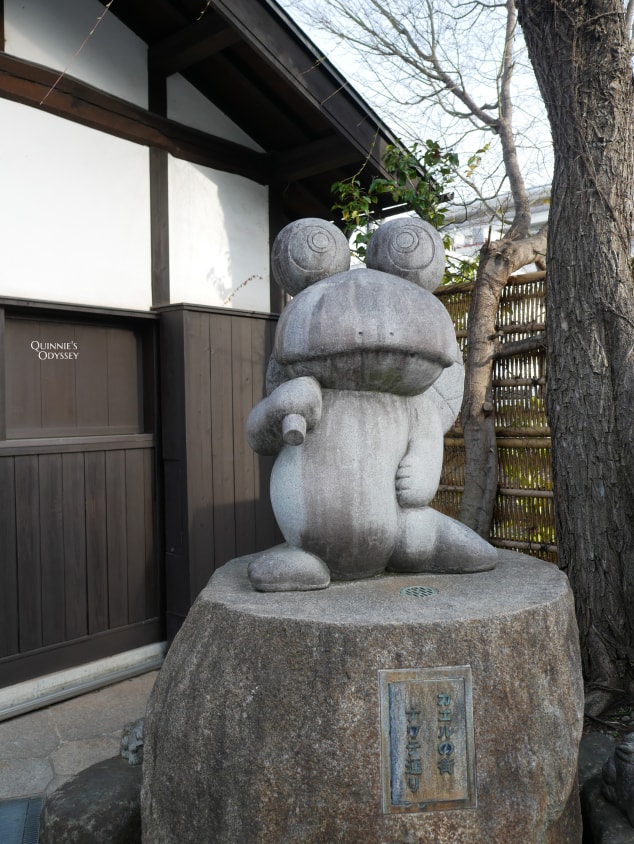
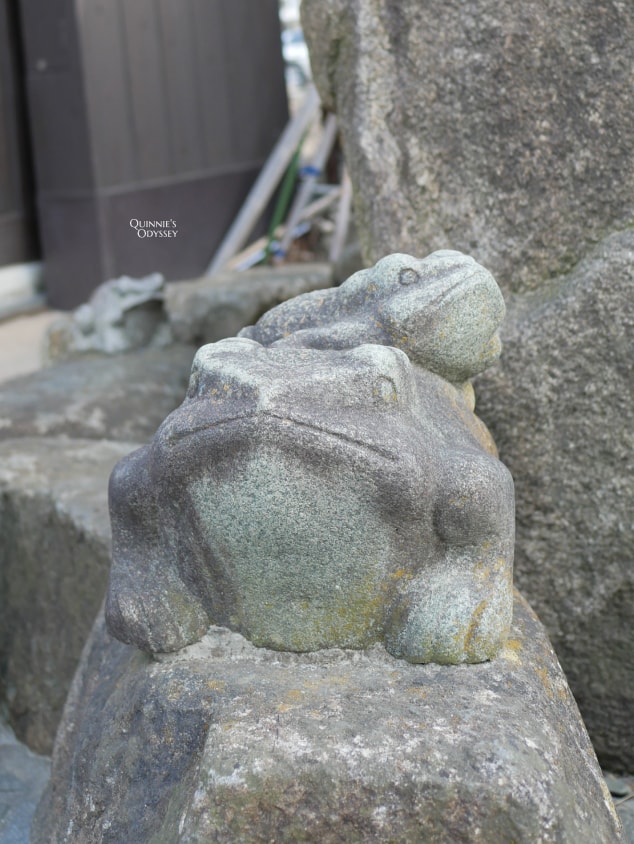
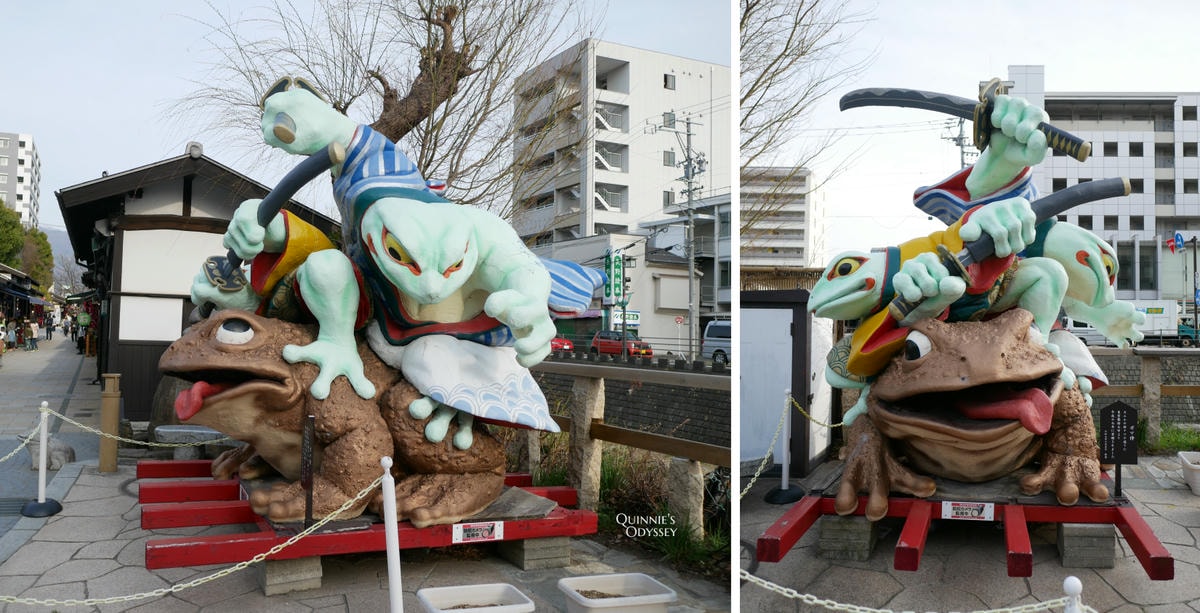
One of the most well-known installations on Nawate Street is the “Gama Samurai” sculpture, donated by Tokyo University of the Arts in 2005 and restored in 2021. The scene of frogs and toads in battle is said to represent protecting the local area and its prosperity during difficult times.
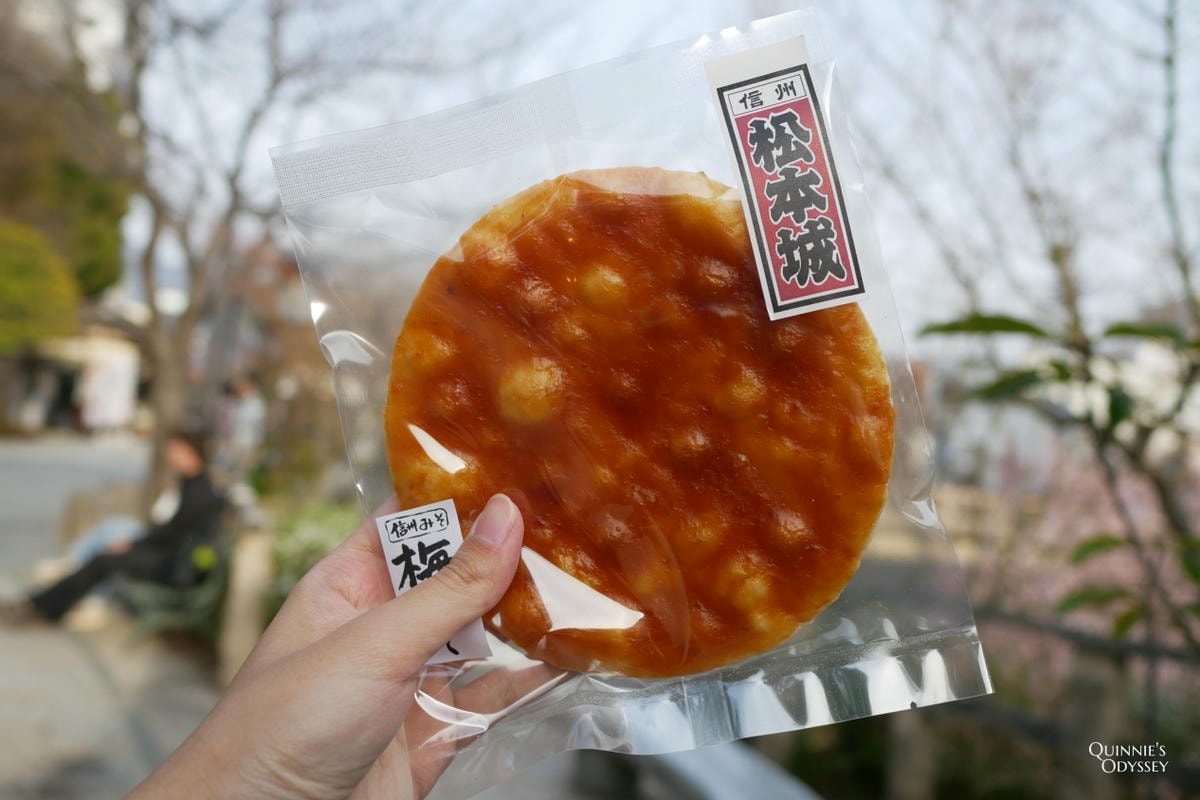
Nawate Street is also famous for its senbei (rice crackers). There are several shops selling all kinds of senbei, from classic soy sauce flavors to more creative shapes and tastes.
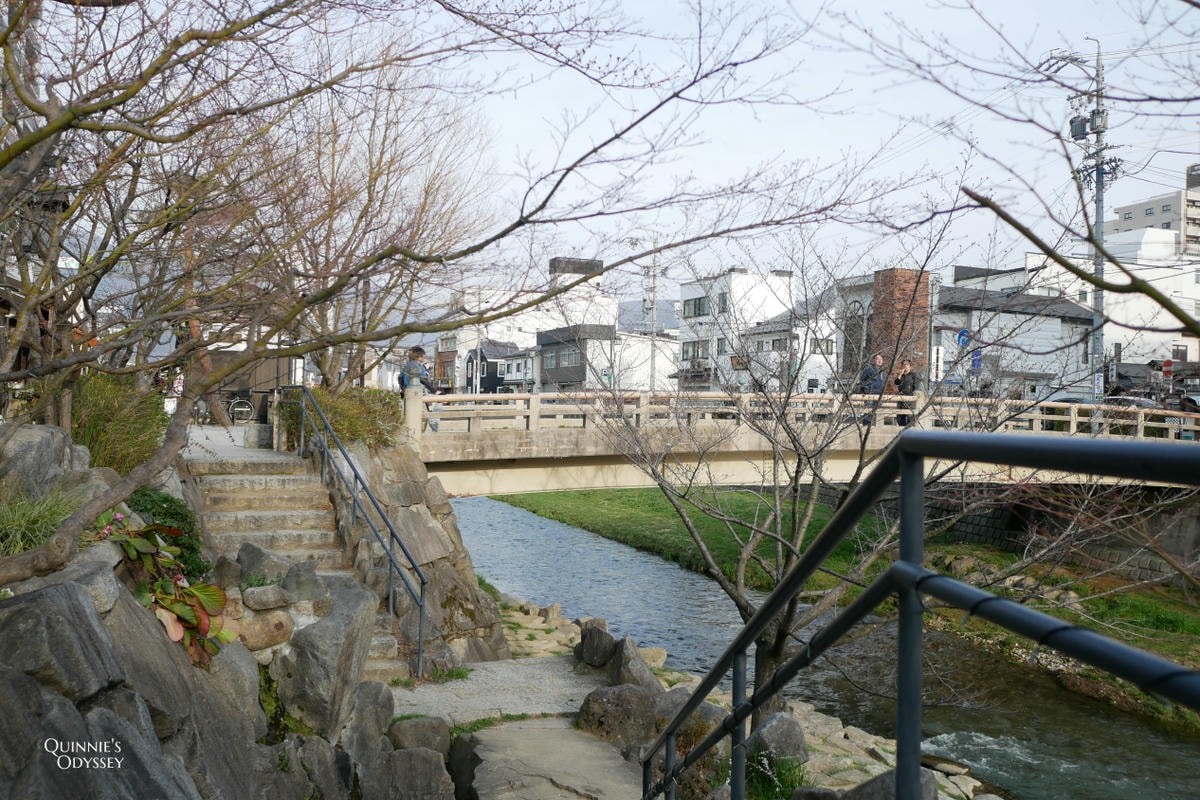
Right next to the street runs the Metoba River, which flows through the heart of Matsumoto. Historically, it was an important water source for agriculture. Since frogs were once common along the riverbanks, frog-related culture naturally became part of the area, which explains why Nawate Street is filled with frog imagery today.
If you keep walking along Nawate Street, you’ll see a large torii gate on the left. This marks the entrance to Yohashira Shrine. In fact, Nawate Street originally served as the shrine’s approach path.
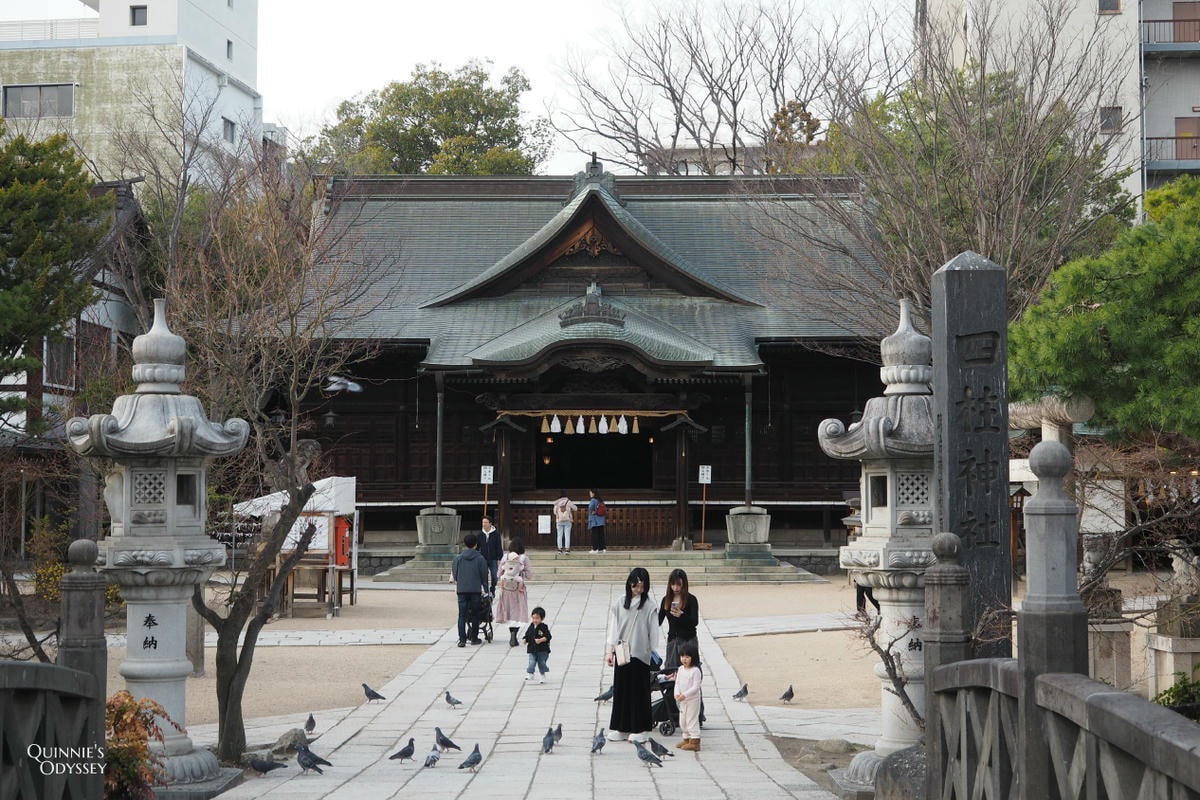
Built in 1876, Yohashira Shrine enshrines four creation deities from Japanese mythology. Because of this, it’s a popular place to pray for good relationships, including romantic connections, friendships, family harmony, career success, and overall good fortune. Locals often refer to it as a “matchmaking shrine.”
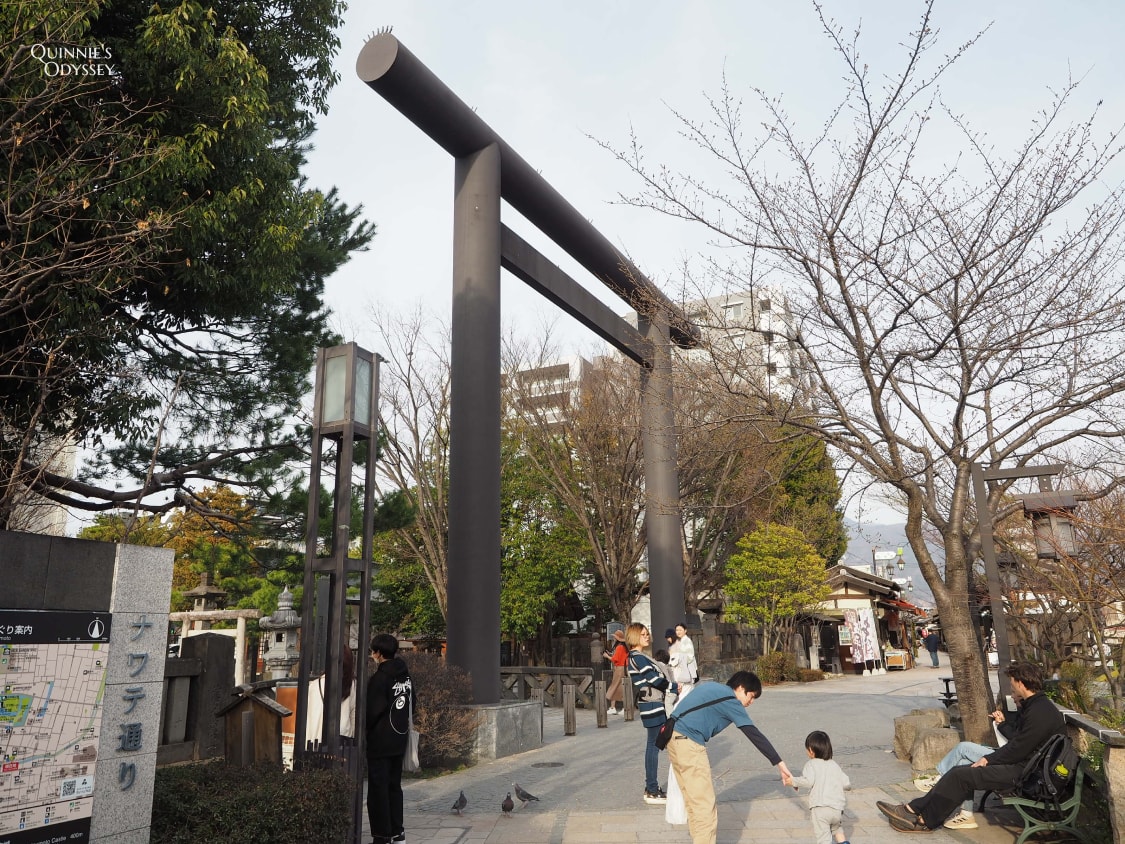
There are lots of pigeons around the shrine, and you can buy beans at the entrance to feed them. I even saw a few pigeons standing on people’s hands and refusing to move 😂
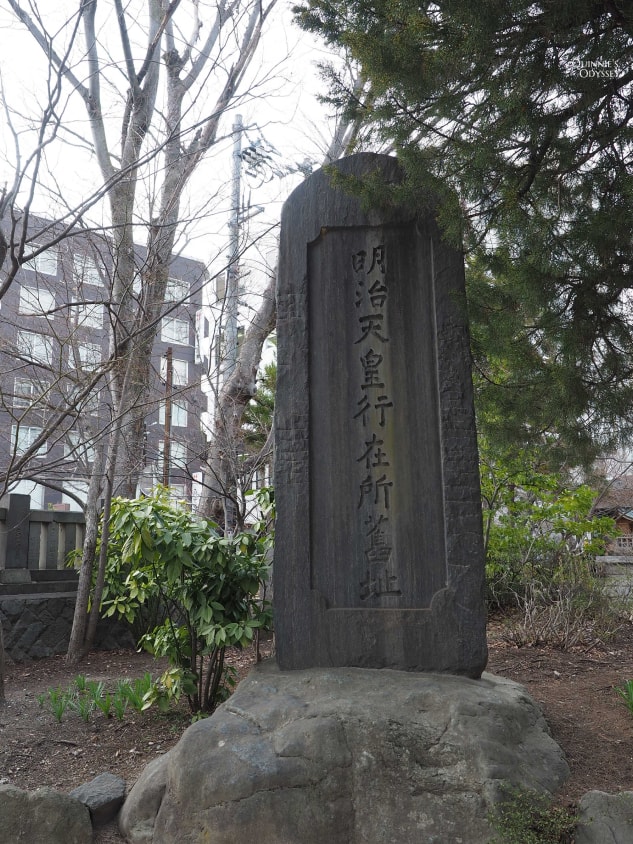
Inside the shrine grounds, there’s a stone monument marking the former site where Emperor Meiji stayed during his visit to the Shinano region in 1878. The land was later used to build Yohashira Shrine in memory of his visit.
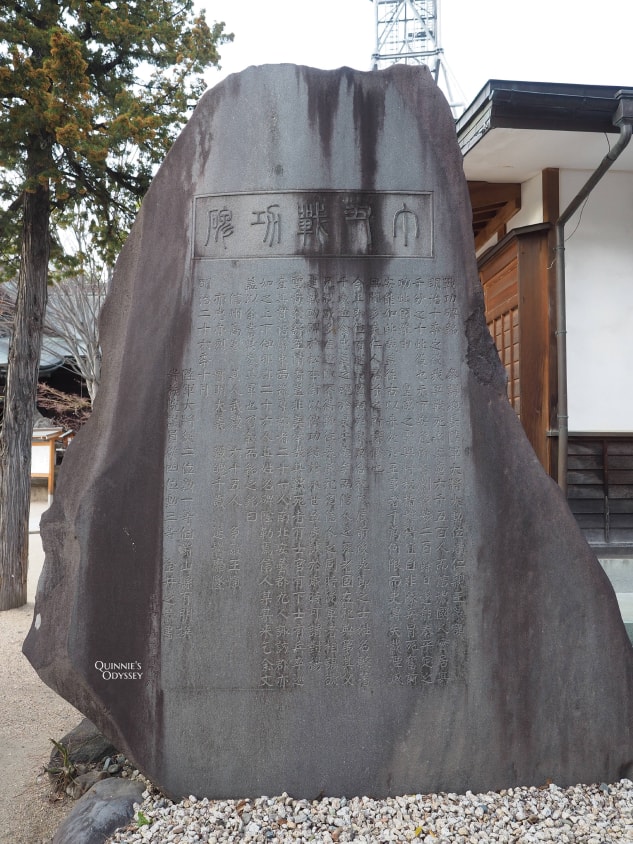
There’s also a stone engraved with a military achievement inscription, and surprisingly, the text is written in traditional Chinese characters.
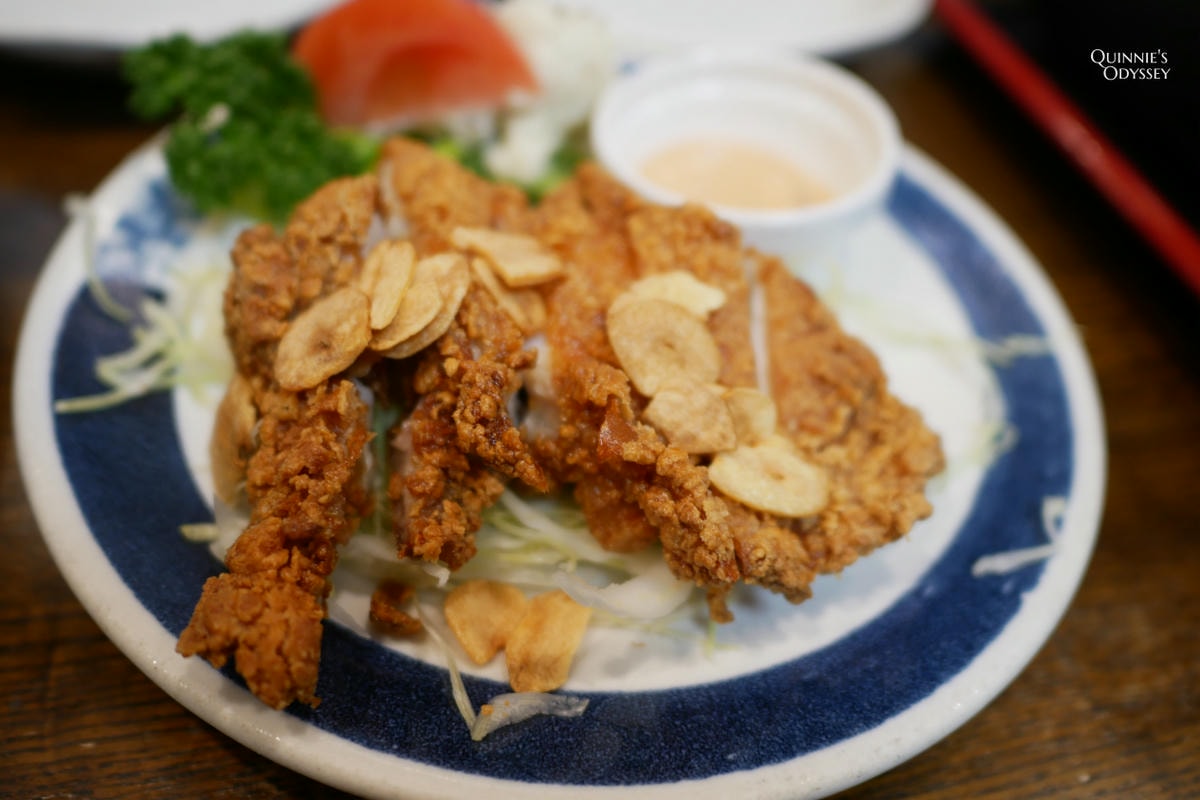
Sanzoku-yaki is one of Nagano’s traditional local dishes.
The name might sound unusual at first, but honestly, it’s basically Japanese-style fried chicken, very similar to Taiwanese fried chicken.
The chicken is marinated in a savory sauce, coated with flour, and deep-fried until crispy and juicy.
There are a few popular theories about where the name “Sanzoku-yaki” comes from:
To promote this local dish, Matsumoto City even designated March 9th as Sanzoku-yaki Day, with events and activities where people can learn about and enjoy this dish.
As for my personal take?
Well… it really just tastes like a big fried chicken cutlet 😂
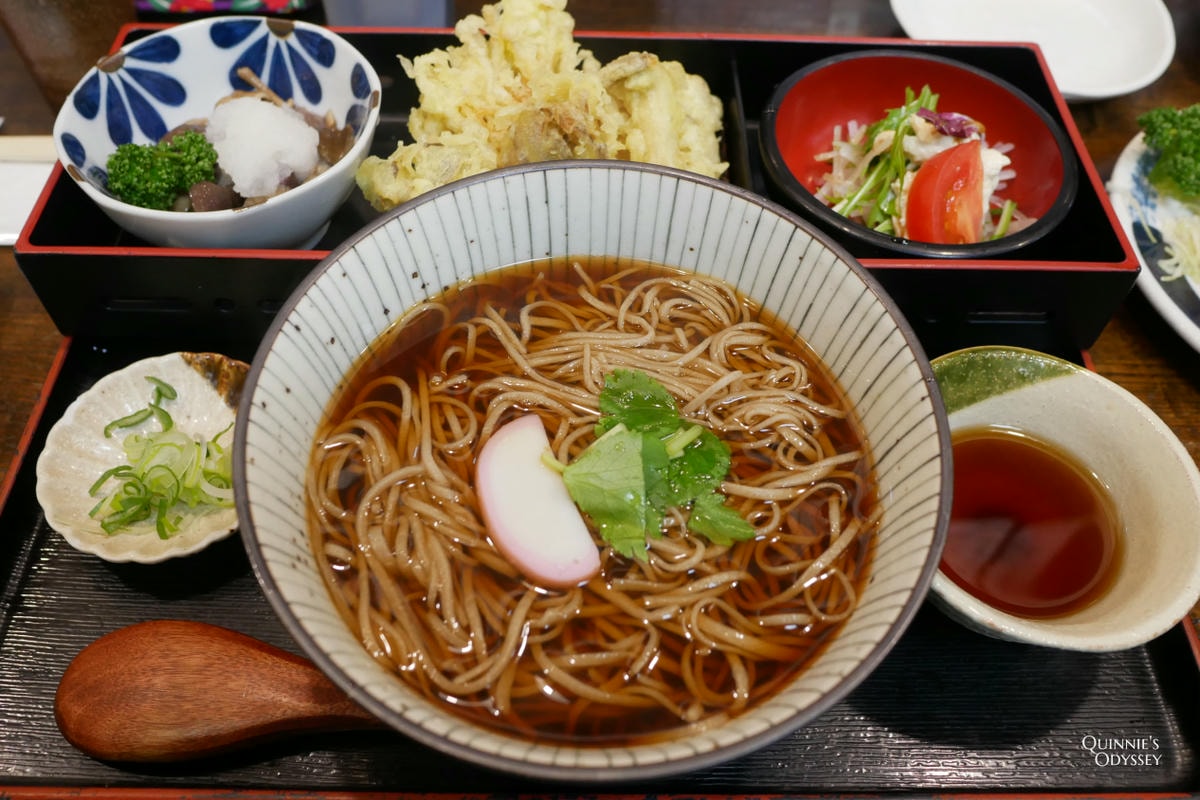
Matsumoto is also famous for Shinshu soba.
Nagano’s large temperature difference between day and night makes it an ideal place to grow buckwheat, resulting in high-quality soba noodles. Combined with traditional production methods and strong local promotion, Shinshu soba has become well known throughout Japan.
If you like simple, clean flavors, soba in Matsumoto is definitely worth trying.

Kamikochi
Located along the upper reaches of the Azusa River in the southern part of the Northern Japanese Alps, Kamikochi is known for its stunning natural scenery.
With crystal-clear rivers, dense forests, and dramatic mountain views, it’s a paradise for hikers and nature lovers.

Utsukushigahara Highlands
A famous highland plateau in Nagano, sitting at around 2,000 meters above sea level.
It’s known for wide-open grasslands and alpine plants, and it’s a great spot for hiking or watching sunrise and sunset.

Hida-Takayama
Takayama is famous for its well-preserved old town and traditional wooden buildings.
It’s also home to the famous Takayama Festival, along with local crafts and regional food, making it a great place to experience traditional Japanese culture.

Azumino
Azumino is known for its peaceful rural scenery and clear streams.
It attracts many artists and craft lovers and is filled with museums, workshops, and hot springs, a very relaxing area to explore.

Hakuba
One of Japan’s most popular ski destinations, with several high-quality ski resorts.
In summer, it becomes a popular spot for hiking and outdoor activities, surrounded by breathtaking mountain scenery.
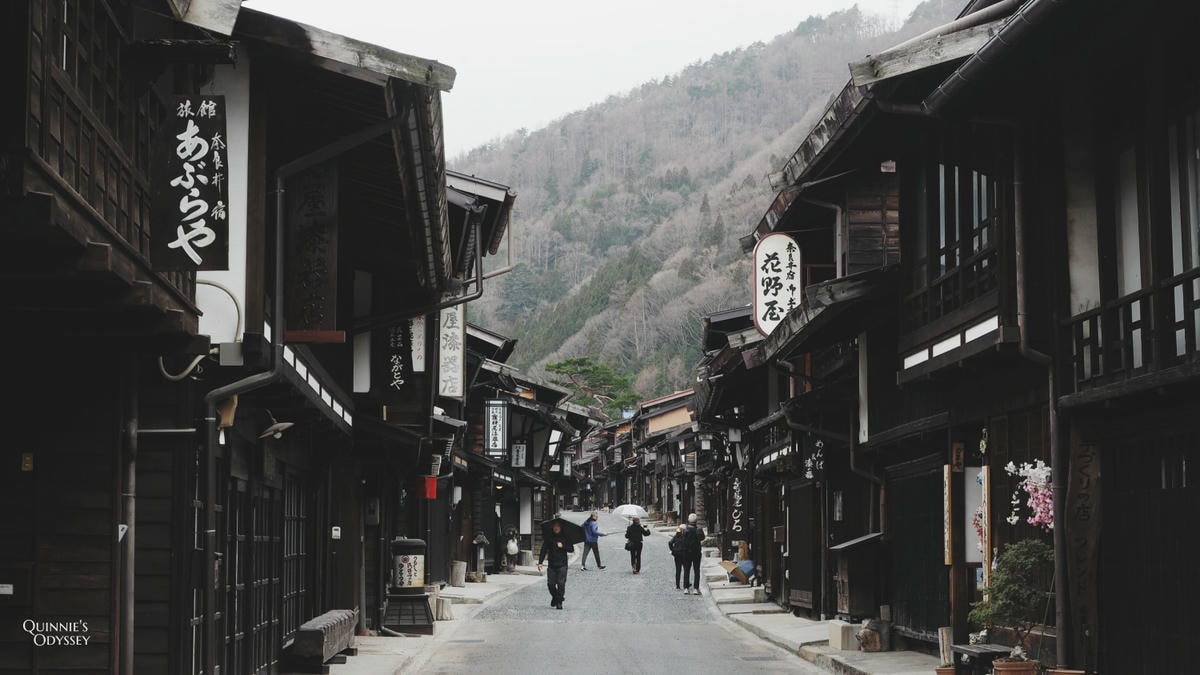
Narai-juku
Narai-juku is a traditional post town along the old Nakasendo route, with beautifully preserved Edo-period buildings and streets.
Walking through it feels like stepping back in time, and the historical atmosphere is truly immersive.
👉 Narai-juku Day Trip
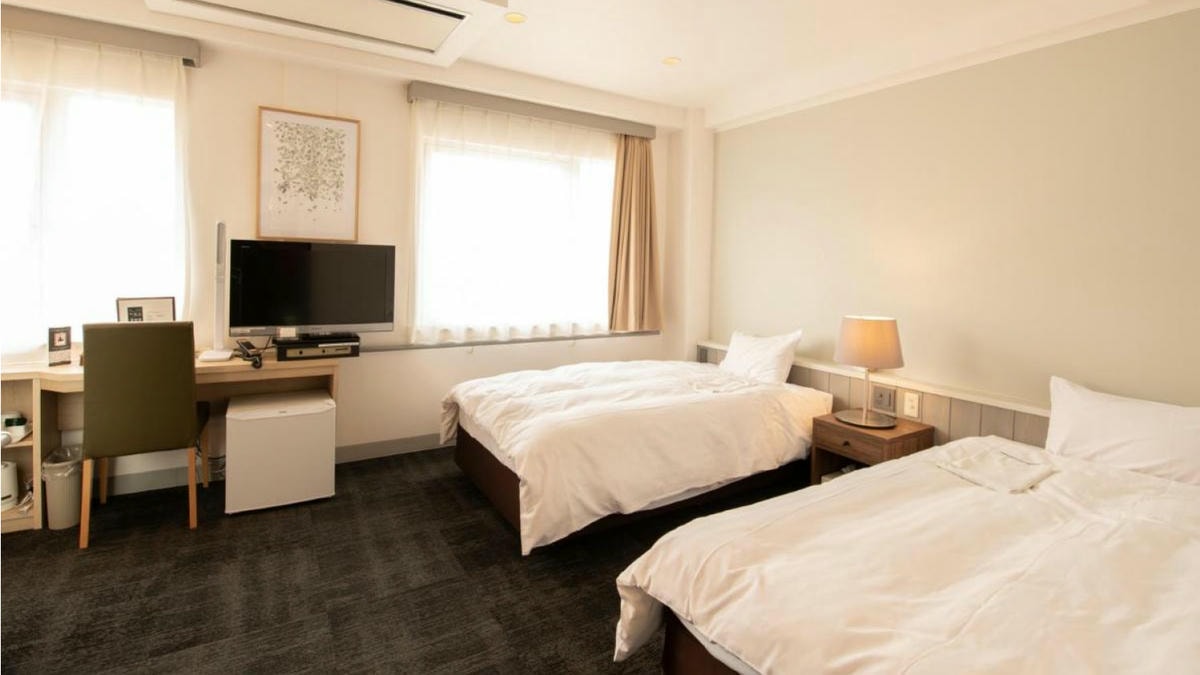
Hotel Iidaya
This is where I stayed in Matsumoto.
It’s only a 2-minute walk from the station. The room is basic, but very affordable, and overall the value for money is great.
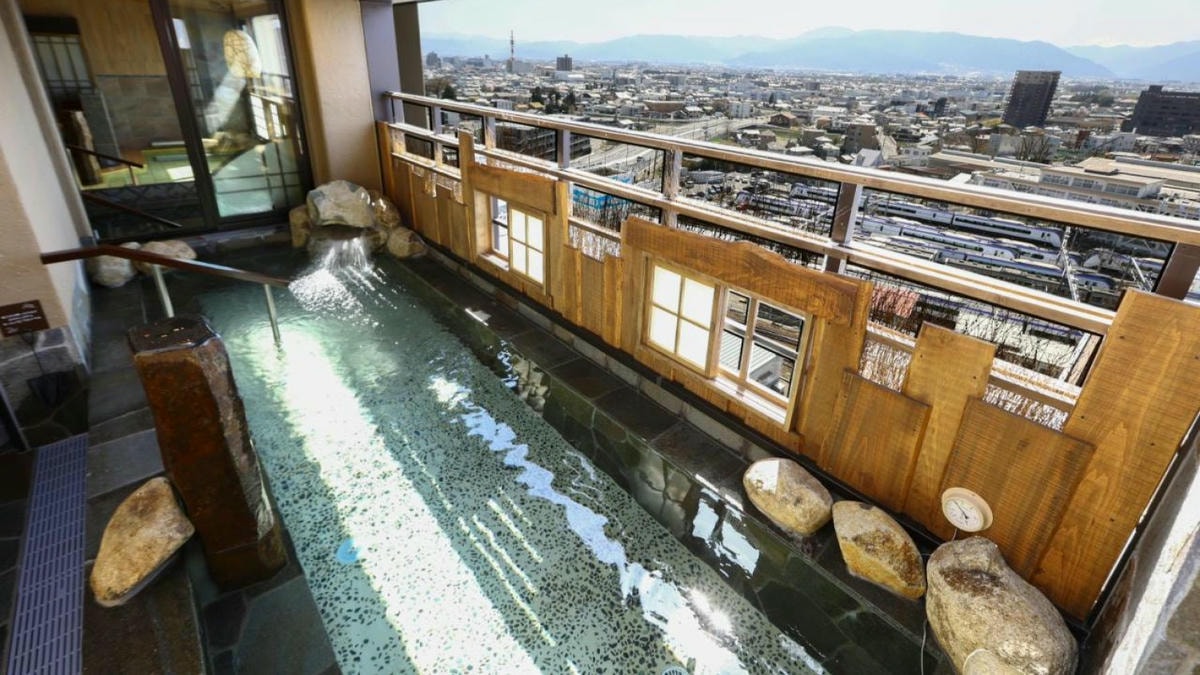
Onyado Nono Matsumoto Natural Hot Spring
About a 5-minute walk from Matsumoto Station.
The entire hotel is covered in tatami mats, giving it a very traditional Japanese feel, and you can enjoy a natural hot spring inside the hotel.
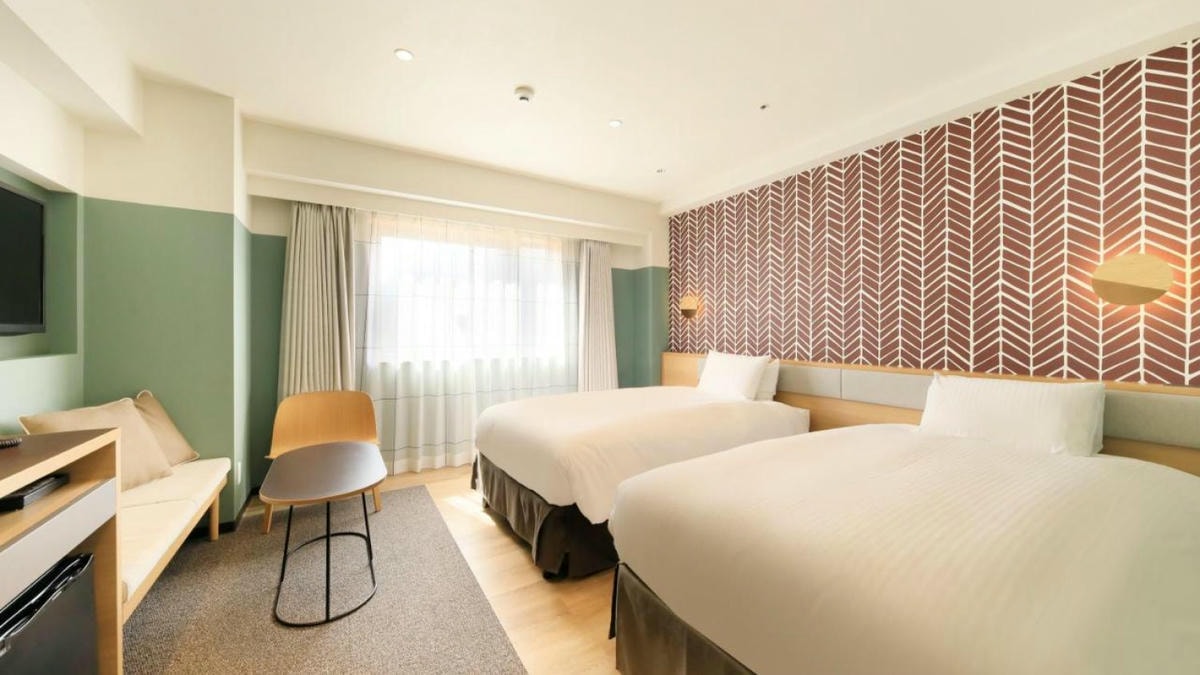
Richmond Hotel Matsumoto
Around a 6-minute walk from the station and about 10 minutes on foot to Matsumoto Castle.
The location is convenient, and the rooms are spacious.
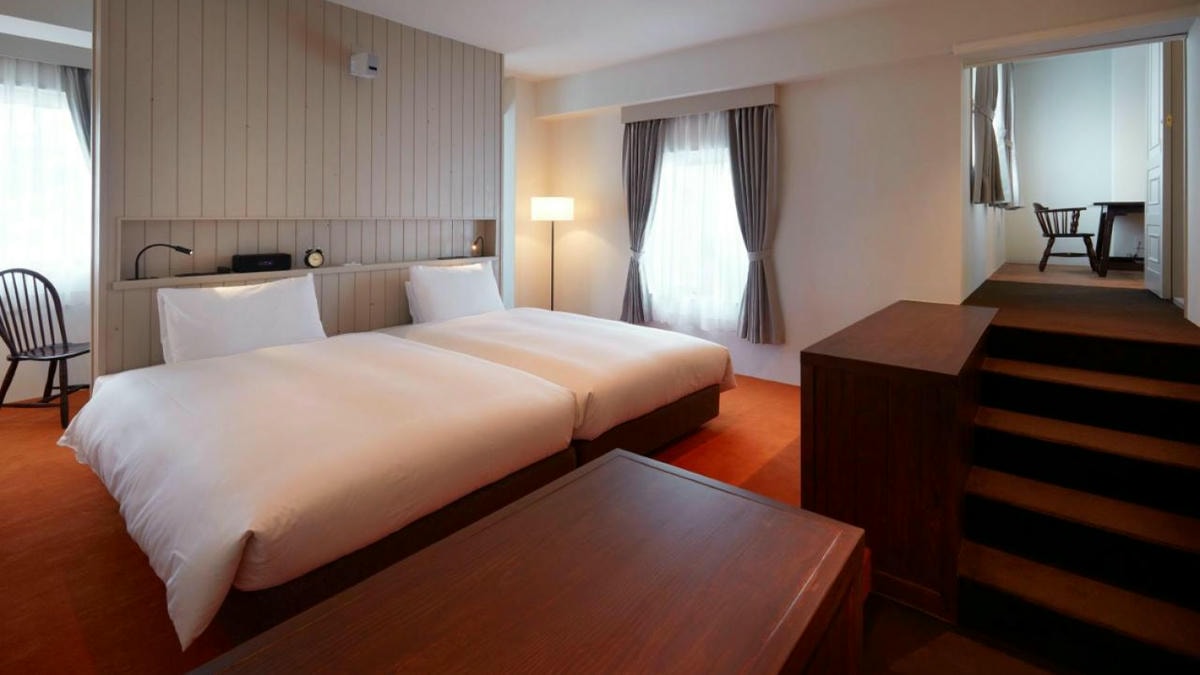
Hotel Kagetsu Matsumoto
The oldest hotel in Matsumoto, with over 100 years of history.
It’s only a 4-minute walk to Matsumoto Castle, and the interior has a classic, elegant atmosphere.

Thanks for reading!
If you’re interested in my stories, feel free to follow me on Instagram.
👉👉 IG: @sika_artist 👈👈