Physical Address
304 North Cardinal St.
Dorchester Center, MA 02124
Physical Address
304 North Cardinal St.
Dorchester Center, MA 02124

Koyasan is known as one of Japan’s three great sacred sites, and it carries an air of deep mystery. But despite its name, Koyasan isn’t actually a single mountain.
It’s a spiritual plateau surrounded by a ring of peaks, all sitting at around 1,000 meters above sea level.
When viewed from above, the shape of Koyasan looks like a blooming lotus flower.
This lotus-like mountain basin is formed by sixteen inner and outer peaks, which correspond to the Vajra World Mandala in Esoteric Buddhism, symbolizing sixteen bodhisattvas encircling the heart of Buddhist truth.
At the very center of this massive lotus stands the Konpon Daitō, part of the Danjo Garan temple complex.
This brilliant red tower represents the core of the mandala universe and is the sacred place envisioned by Kobo Daishi (Kukai) as the heart of Shingon Buddhist practice.
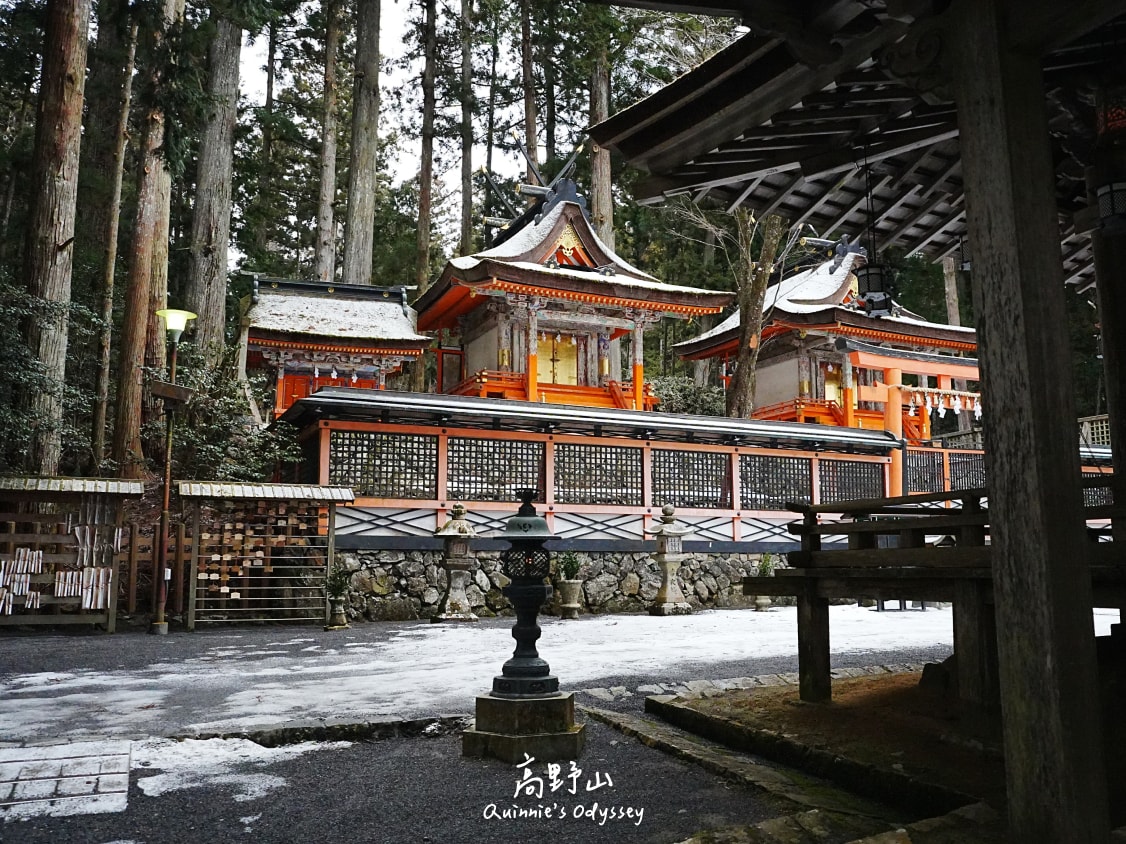
Koyasan covers a large area, about 137 square kilometers, and includes important sites such as Kongobu-ji, Daimon Gate, Danjo Garan, and Okunoin.
Each season brings a different atmosphere: fresh greenery in spring, cool weather in summer, fiery autumn colors, and peaceful snowy landscapes in winter.
Whether you’re interested in history, religion, or nature, Koyasan is a place worth exploring slowly and with an open heart.
▼ Koyasan Travel Essentials ▼
If you’re planning a day trip from Osaka, it’s definitely doable, though the journey takes about 2 hours one way.
The fastest and easiest way to reach Koyasan is to take the Nankai Railway from Osaka’s Namba Station.
For this trip, I stayed near Namba Station so I could hop onto the first train in the morning without any transfers.
I took the limited express bound for Koyasan, which goes straight to Gokurakubashi, the gateway to the mountain.
Nankai Railway offers two main routes to Koyasan:
If you take a direct train, be sure to check the train-car labels.
For example, the train I rode showed “Rear 4 cars terminate at Hashimoto,” meaning the last four cars detach at Hashimoto, and only the front cars continue on to Gokurakubashi.
Don’t worry, train staff will make announcements before arriving at Hashimoto.
They walk through the cars to remind passengers to move forward so no one accidentally ends up in the wrong section.
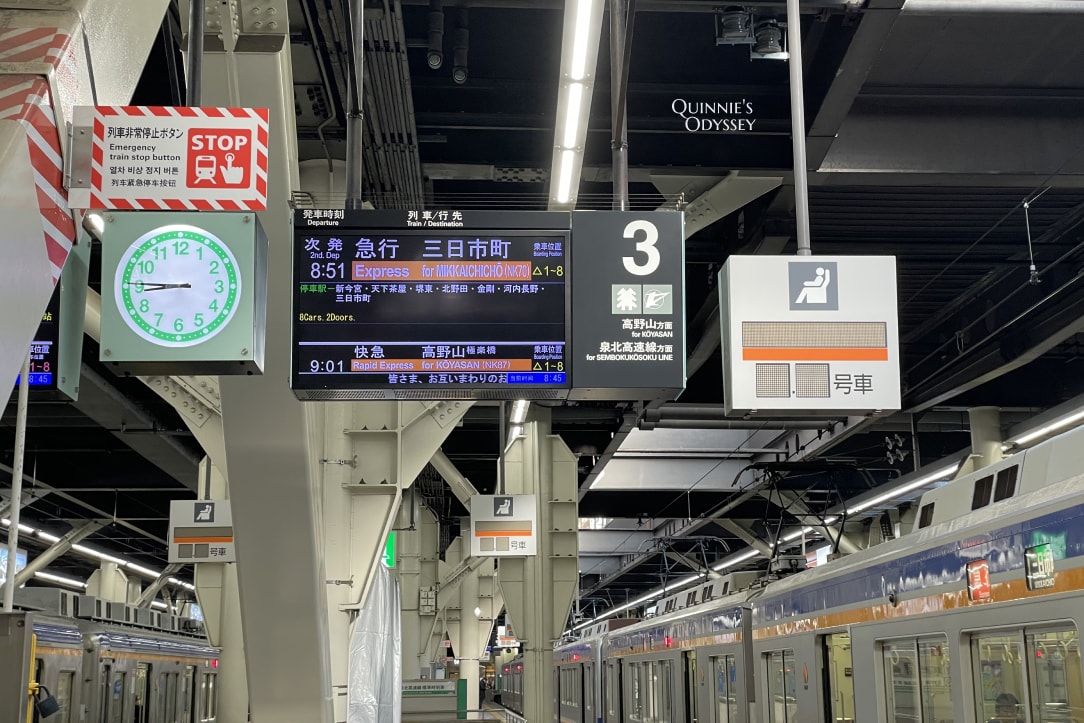
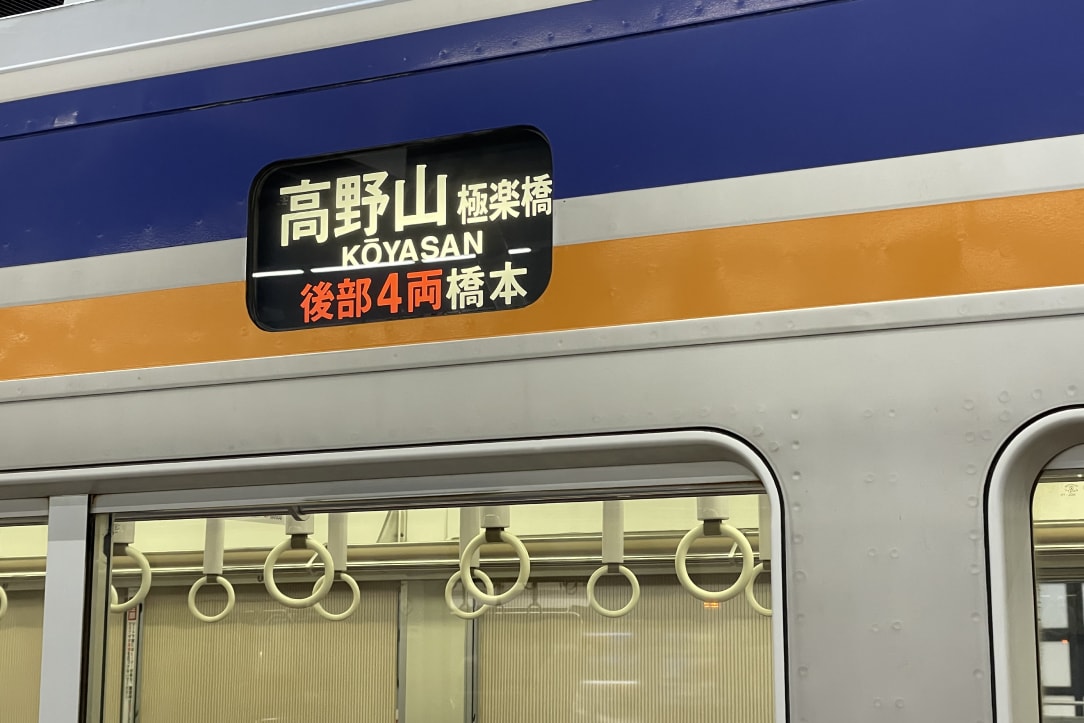
I happened to be sitting in the fifth car that day.
When we reached Hashimoto, I saw staff using a big mechanical tool to disconnect the rear cars.
My car instantly became the last car of the train heading toward Gokurakubashi.
I’d heard about this kind of train operation before, but seeing it in person was really interesting.
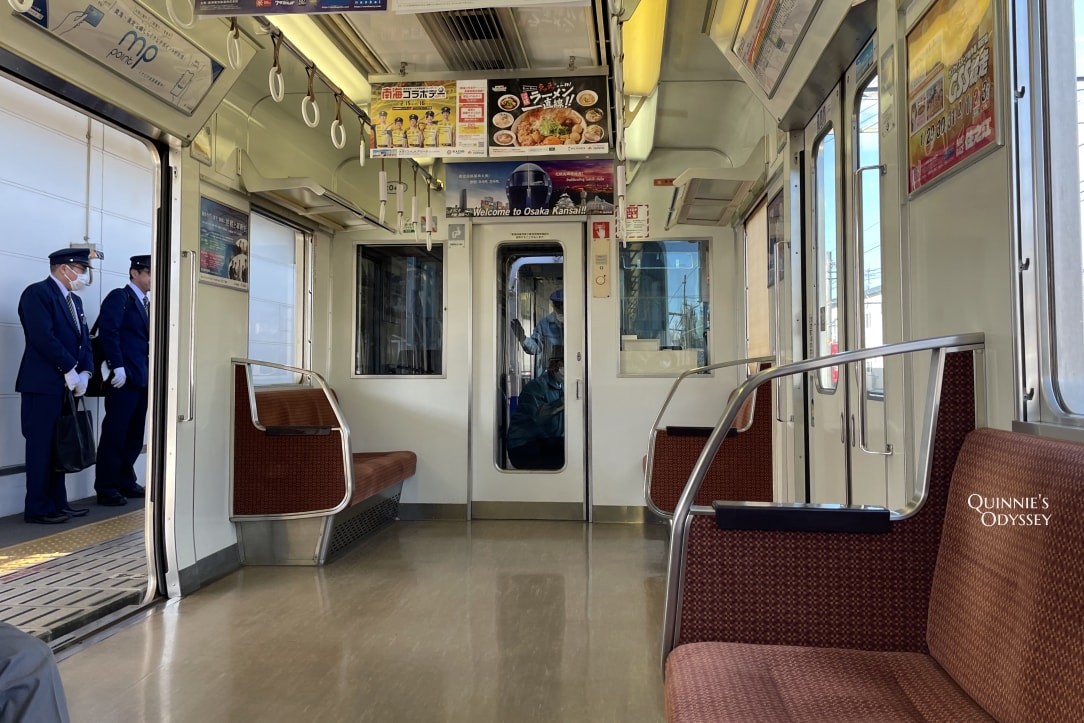
If you’re taking a regular (non-direct) train, just get off at Hashimoto and transfer to the train across the platform. The transfer is very simple and clearly marked.
This ticket includes:
It’s ideal if you’re staying overnight on the mountain.
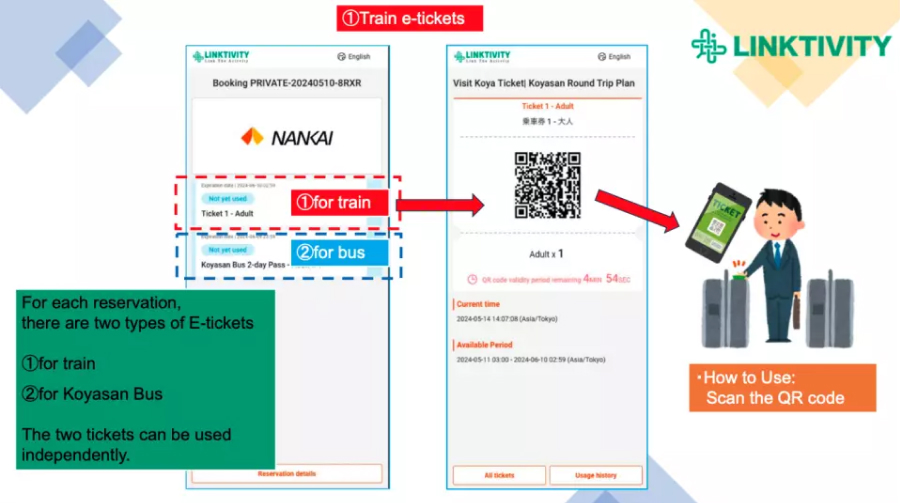
The ticket is issued as an e-ticket.
Nankai round-trip train ticket + unlimited Koyasan buses for 2 days
👉👉 Visit Koya Ticket Koyasan~Osaka Discount Package
Nankai Train Round-Trip Discount Ticket
How to use the Nankai Train Round-Trip Discount Ticket: simply scan the QR code.
Koyasan Nankai Rinkan Bus 2-Day Pass
How to use the Rinkan Bus 2-Day Pass: just show the screen to the bus driver.

⚠️ Reminder: These tickets cannot be used on the same day of purchase. You need to buy them at least one day in advance.
Koyasan Ticket Set 👉👉 Visit Koya Ticket Koyasan~Osaka Discount Package
If you’re doing a day trip, just use your IC card.
It covers all trains, the cable car, and the buses, very convenient.
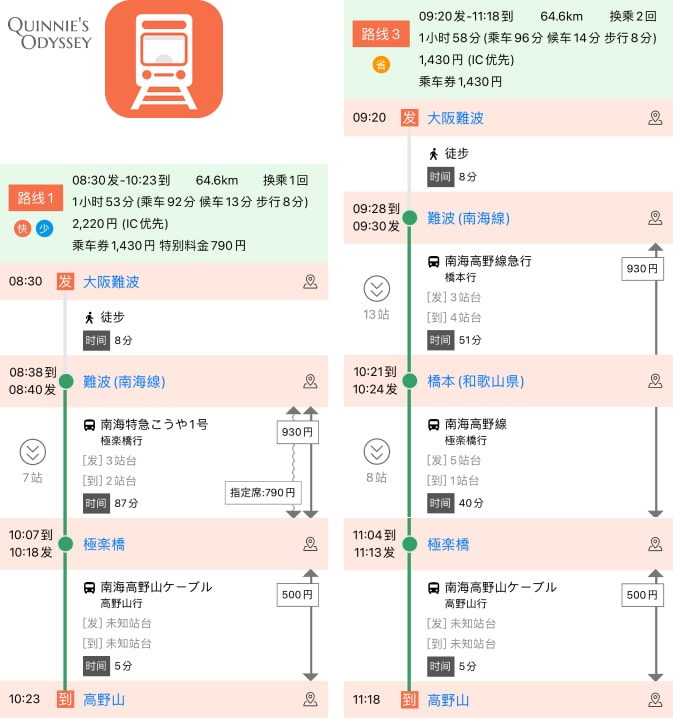
Transit apps show departure times, routes, fares, and whether IC cards are accepted.
They make navigating train transfers incredibly easy.
No matter which train you take, the final stop before the mountain is Gokurakubashi Station.
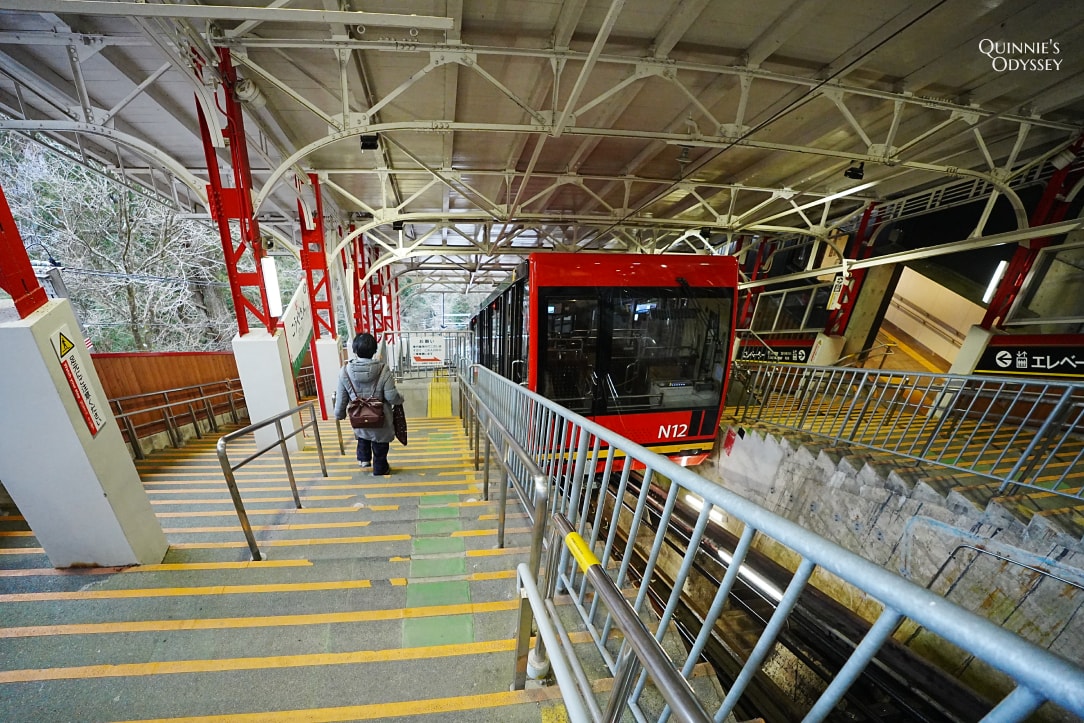
You don’t need to exit the station or tap out. Just follow the signs and transfer directly to the mountain cable car.
The signage is clear, and most passengers are heading to the same place, so it’s hard to get lost.
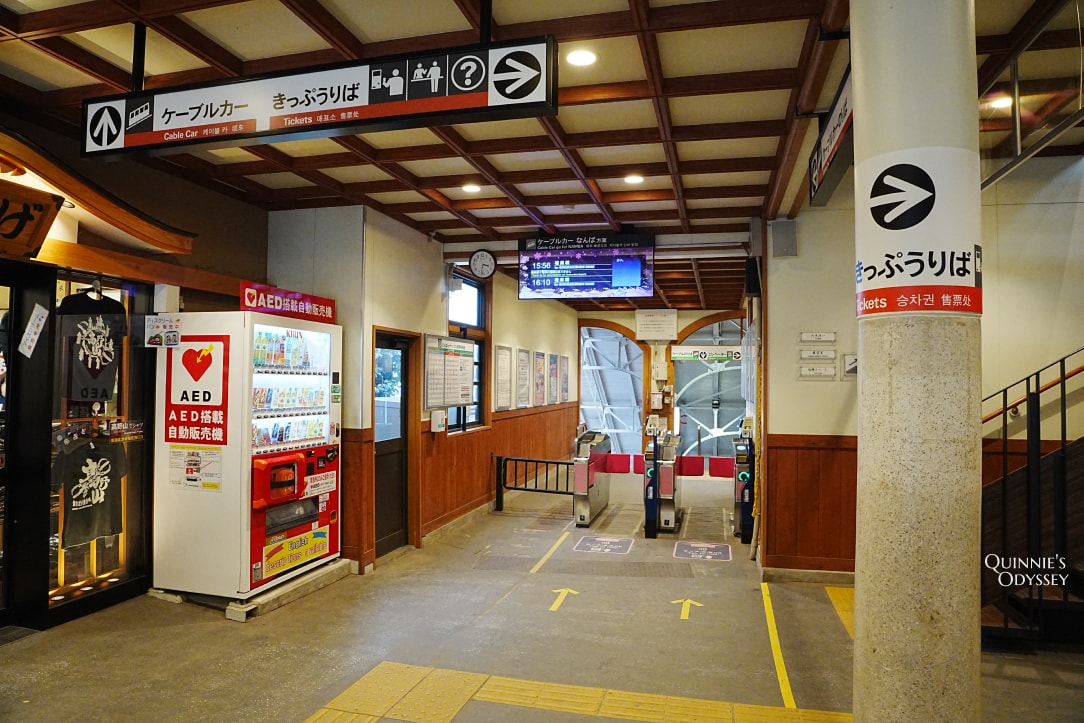
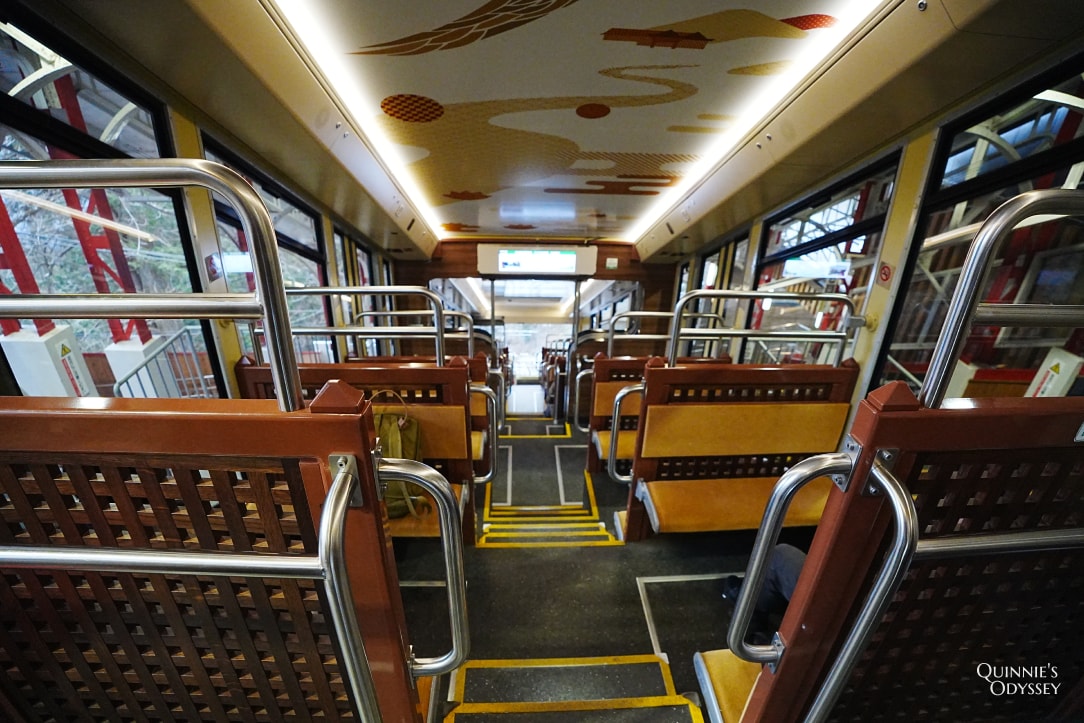
Cable Car Info
Once you arrive at Koyasan Station, the bus stops are right outside.
Signs indicate which bus goes to which temple area.
If you’re heading to Okunoin, you’ll need to ride the bus for about 40 minutes.
It’s a long ride, but the scenery is beautiful, and it builds a sense of anticipation for the sacred site ahead.
Bus Info
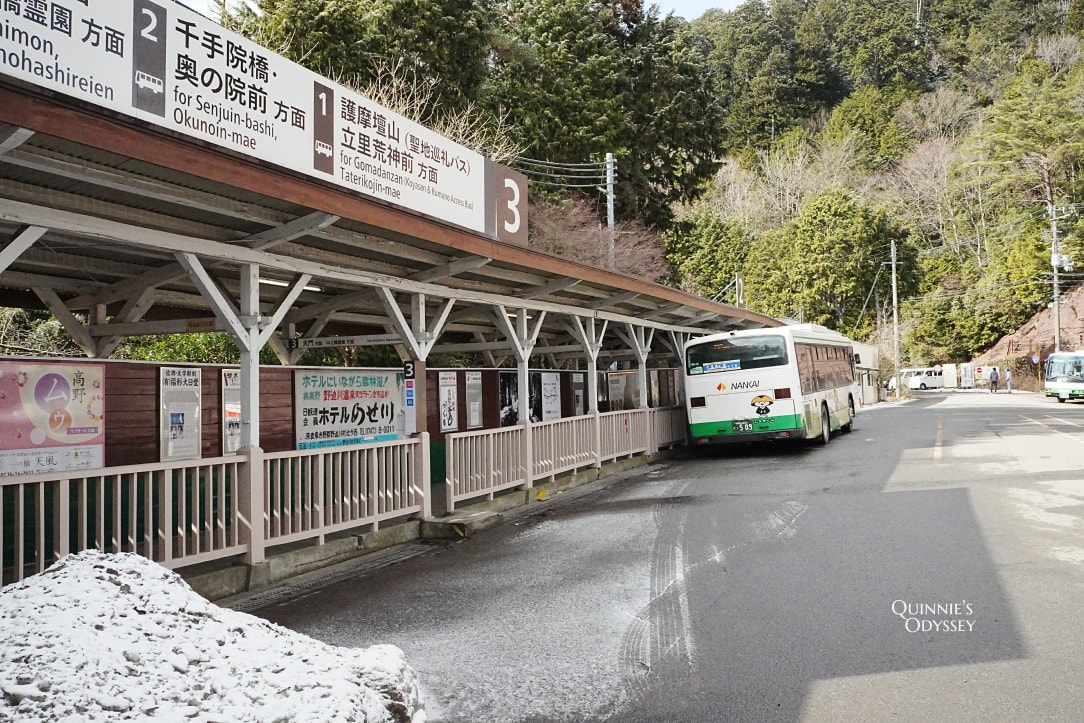
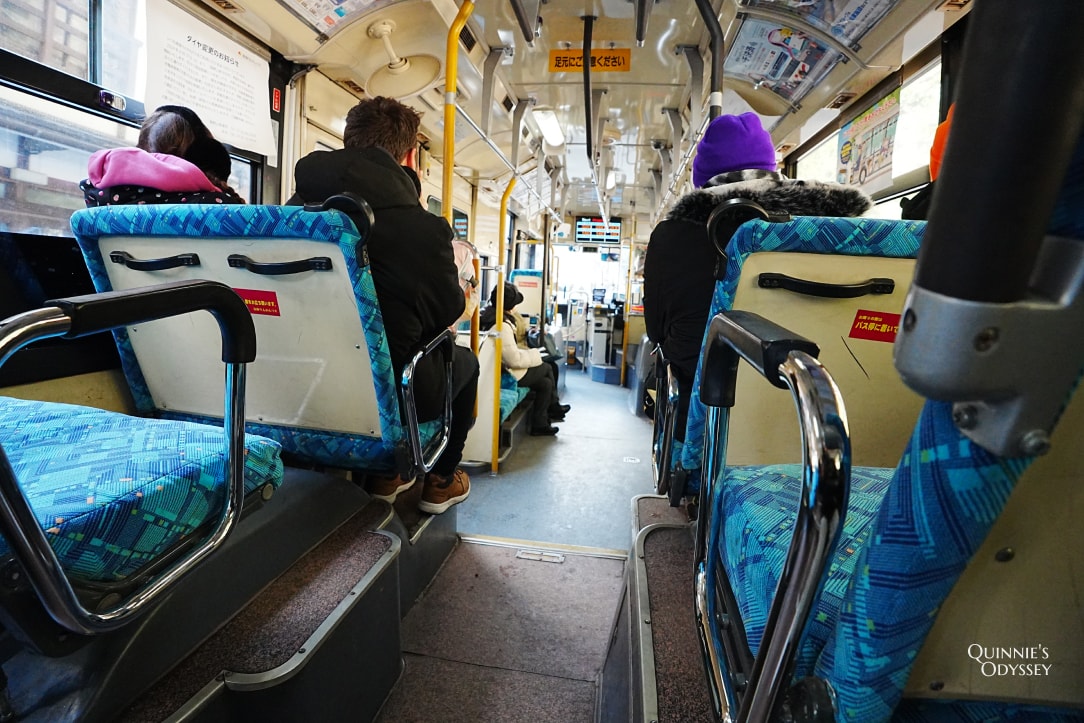
Koyasan is known as one of the most sacred places in Japanese Buddhism, and its two most iconic spots are Okunoin and Danjo Garan.
For this one-day trip, I took the bus directly from Koyasan Cable Car Station to Okunoin, which is the farthest point, about a 40-minute ride.
From there, I slowly made my way back on foot, passing by temple lodges (shukubō), Kongobuji, and Danjo Garan, before taking the bus from the Garan stop back to the cable car station.
If Koyasan is the center of Japanese Buddhism, then Okunoin is truly its spiritual core.
It’s the most sacred place in Shingon Buddhism, and it’s also where Kobo Daishi (Kukai), the founder of Shingon Buddhism, is believed to rest in eternal meditation.
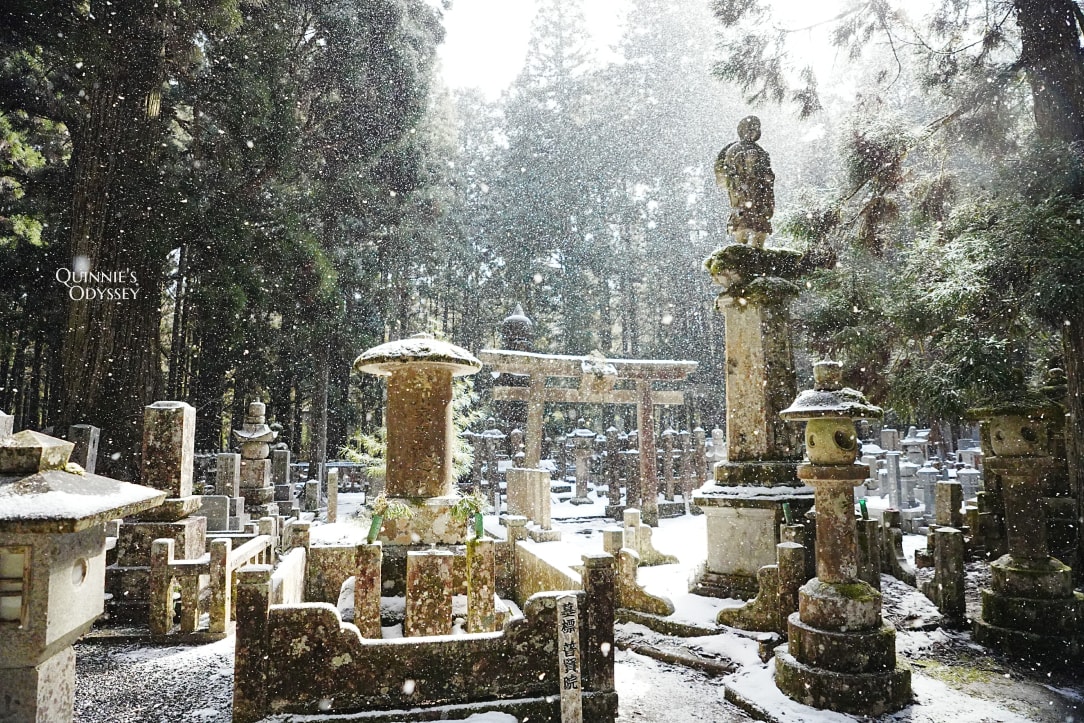
Okunoin is also Japan’s largest cemetery, with tens of thousands of graves belonging to historical figures, Sengoku warlords like Oda Nobunaga, Tokugawa Ieyasu, Toyotomi Hideyoshi, and many others.
The whole area is solemn and mysterious, filled with towering cedar trees and moss-covered gravestones.
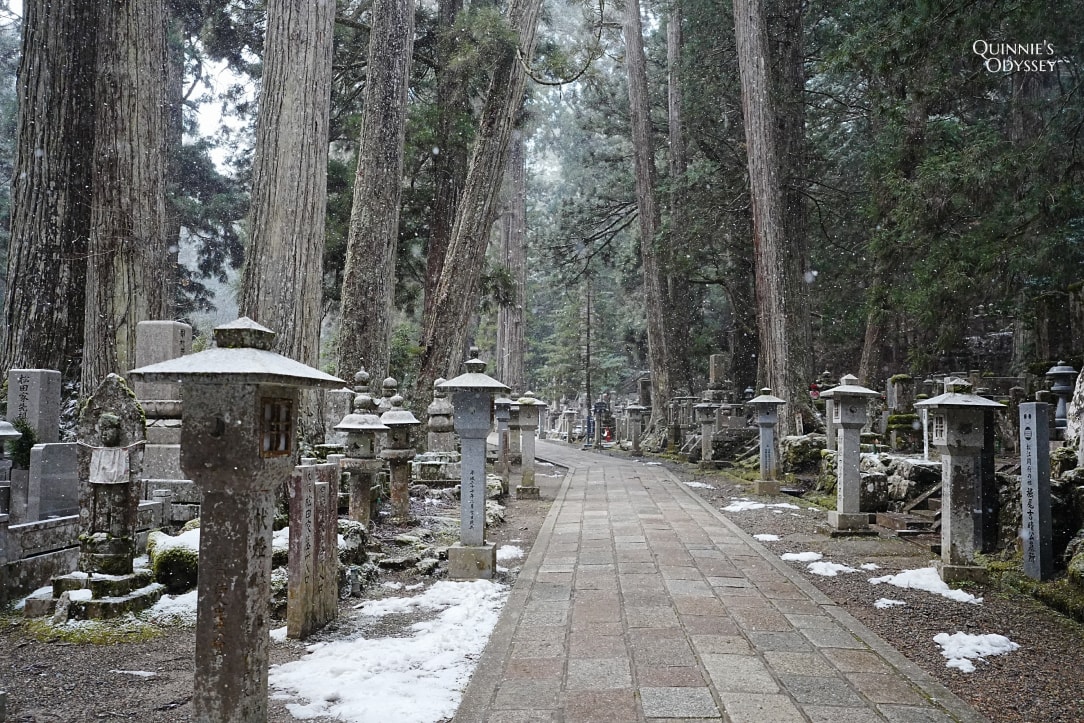
When I visited, a sudden snowfall turned everything into a dreamlike scene.
Snow settled on the tall cedar trees and ancient tombs, making the walk feel like stepping into another world, peaceful, quiet, and almost surreal.
It’s a feeling that’s hard to put into words.
More about Okunoin 👉👉 Okunoin Koyasan Travel Guide: Visiting the Sacred Resting Place of Kobo Daishi
After finishing my walk through Okunoin, I was freezing and starving.
Luckily, I passed by a small café called Kohkai Café (光海カフェ), so I immediately went in to warm up.
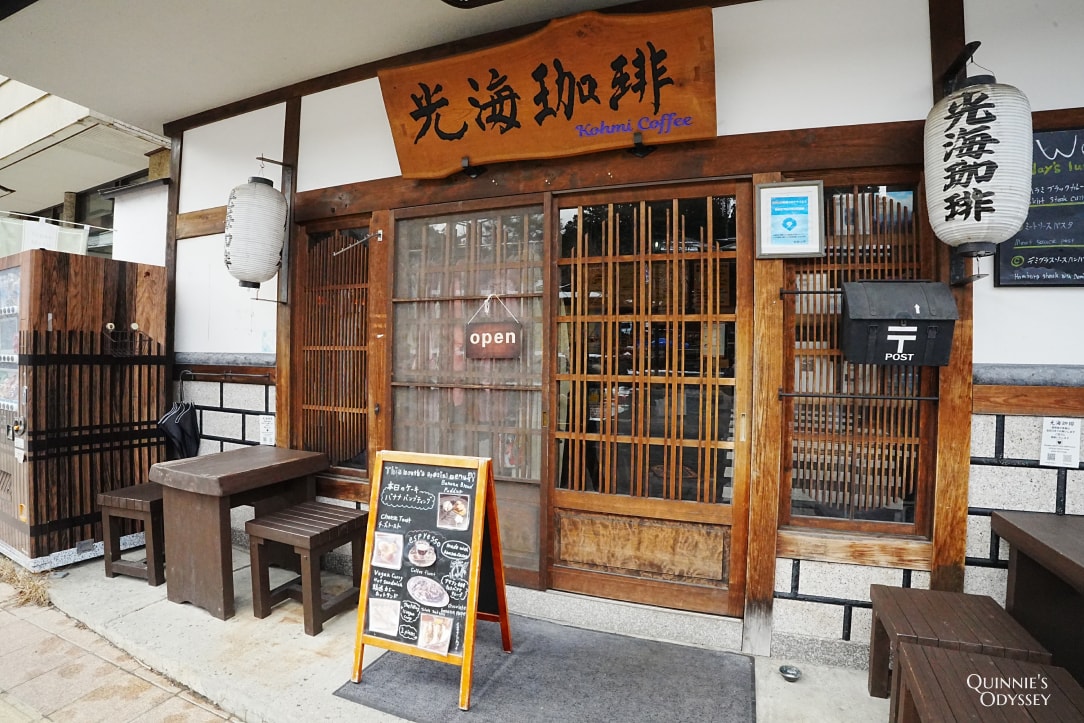
The place is small and cozy, with only a few seats.
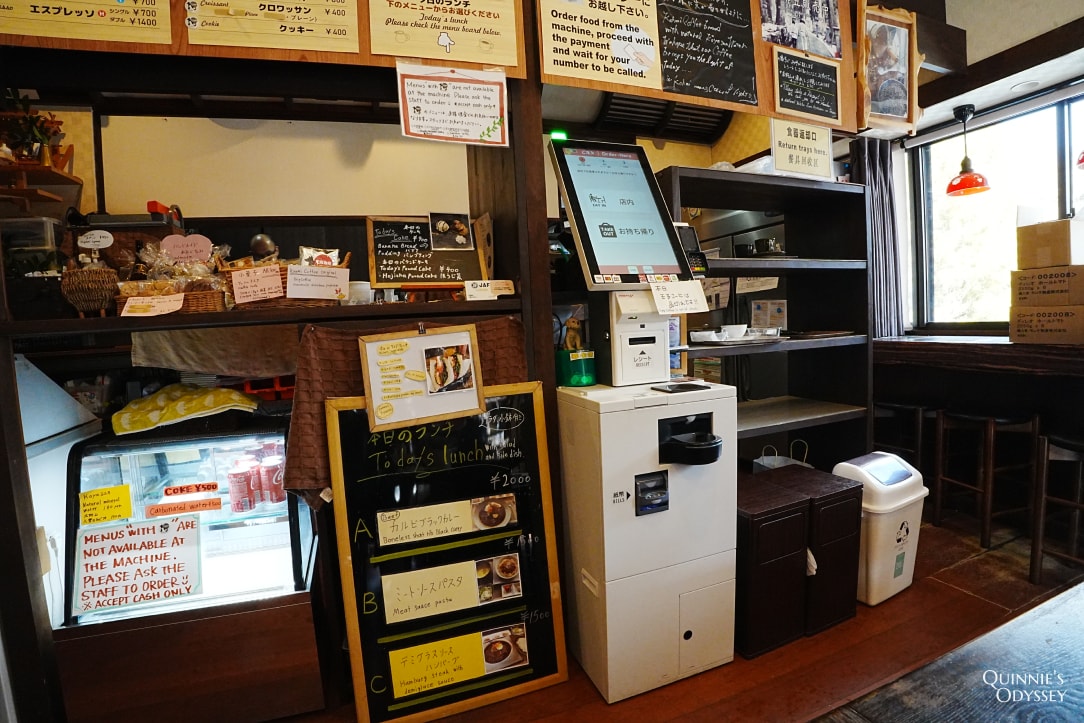
Orders are placed through a self-service machine.
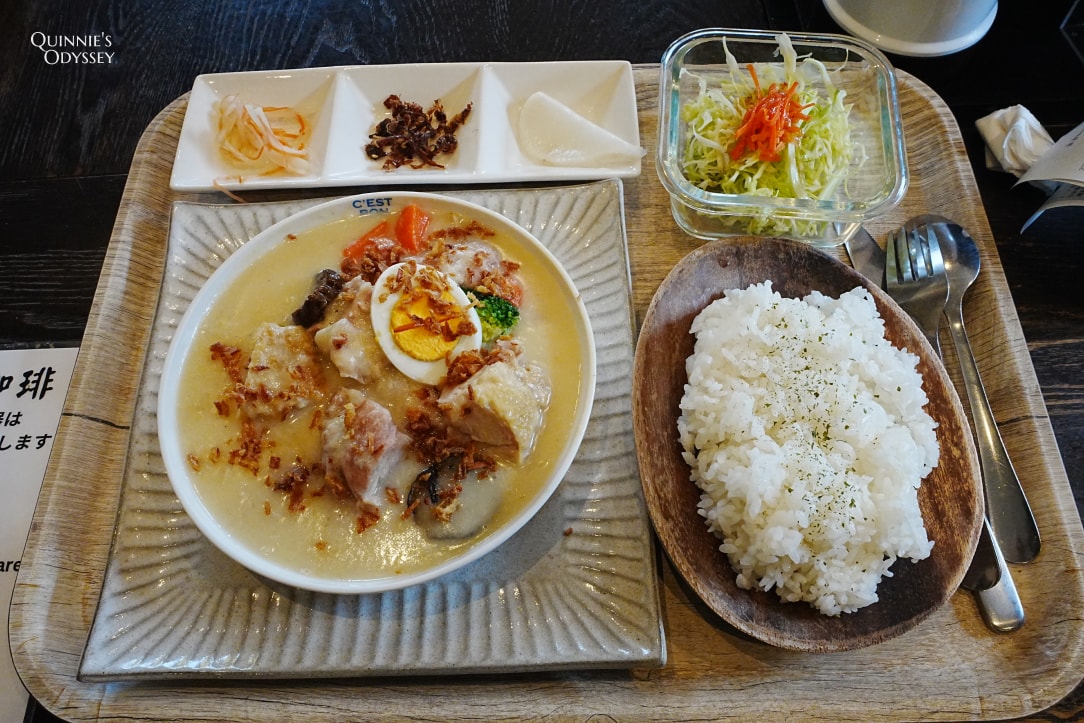
I had the cream chicken rice and a sandwich.
They were decent, not amazing, but okay for a simple meal.
The latte was a bit average too. If you just need something warm and filling, this place works. But if you’re expecting a gourmet meal, you might want to explore other options.
Also, I noticed the staff (or maybe the owner?) had a shaved head, made me wonder if he could be a monk from a nearby temple working part-time!
Kongobuji is the headquarters of the entire Shingon Buddhist sect on Koyasan.
It’s not just a single temple, it serves as the administrative and spiritual center of Shingon Buddhism.
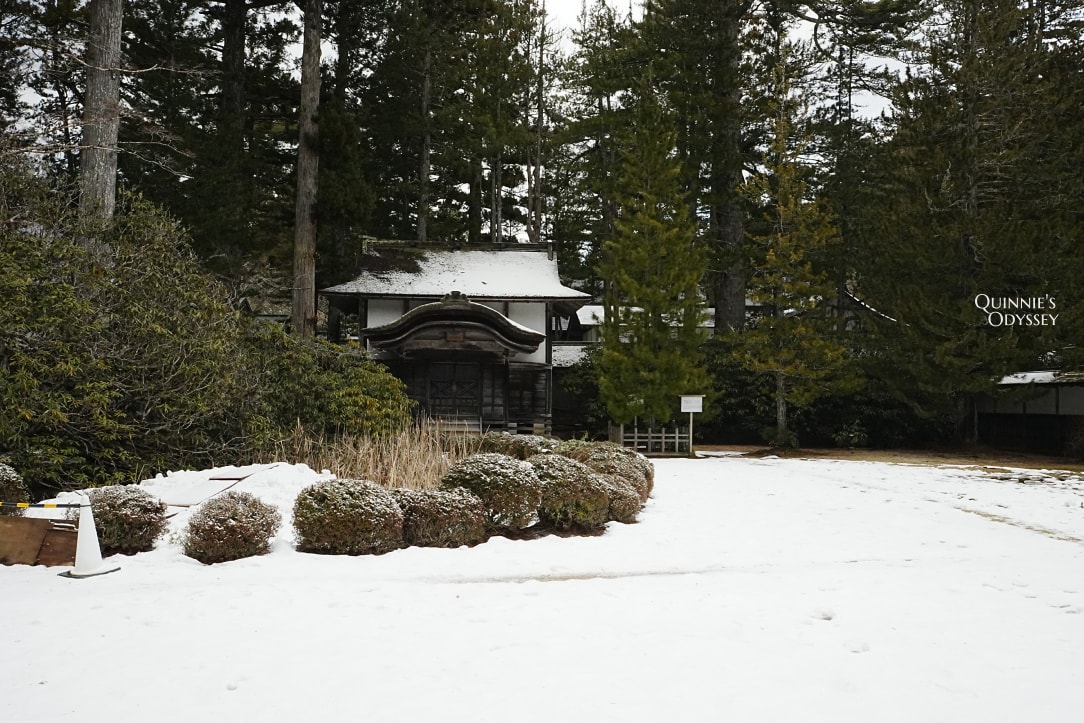
Founded by Kobo Daishi in 816 as a training site for esoteric Buddhism, it has over 1,200 years of history.
Today, it houses important Buddhist artworks, cultural treasures, and historically significant buildings, many of which are listed as national treasures or important cultural properties.
Kongobuji is also part of the UNESCO World Heritage Site “Sacred Sites and Pilgrimage Routes in the Kii Mountain Range.”
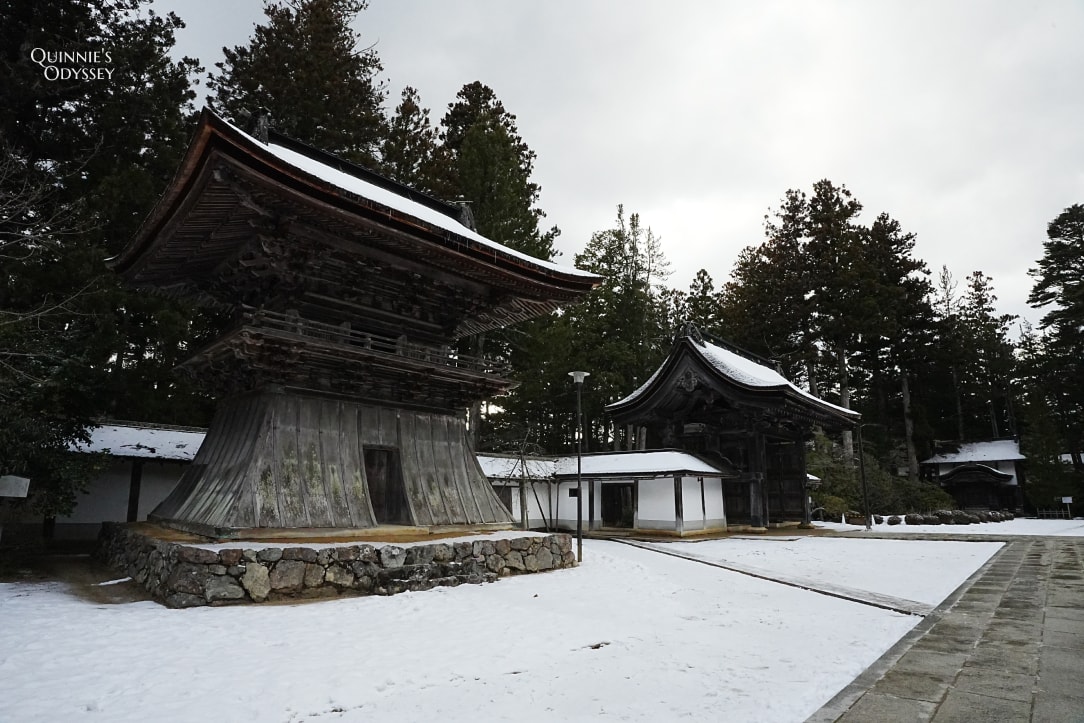
Danjo Garan is one of Koyasan’s most symbolic sacred sites and represents the worldview of Shingon Esoteric Buddhism envisioned by Kobo Daishi himself.
At the center stands the bright red Konpon Daitō (Great Pagoda), symbolizing the heart of the mandala universe.
Surrounding it are important structures like the Kondo Hall, Miedo Hall, and the eastern and western pagodas.
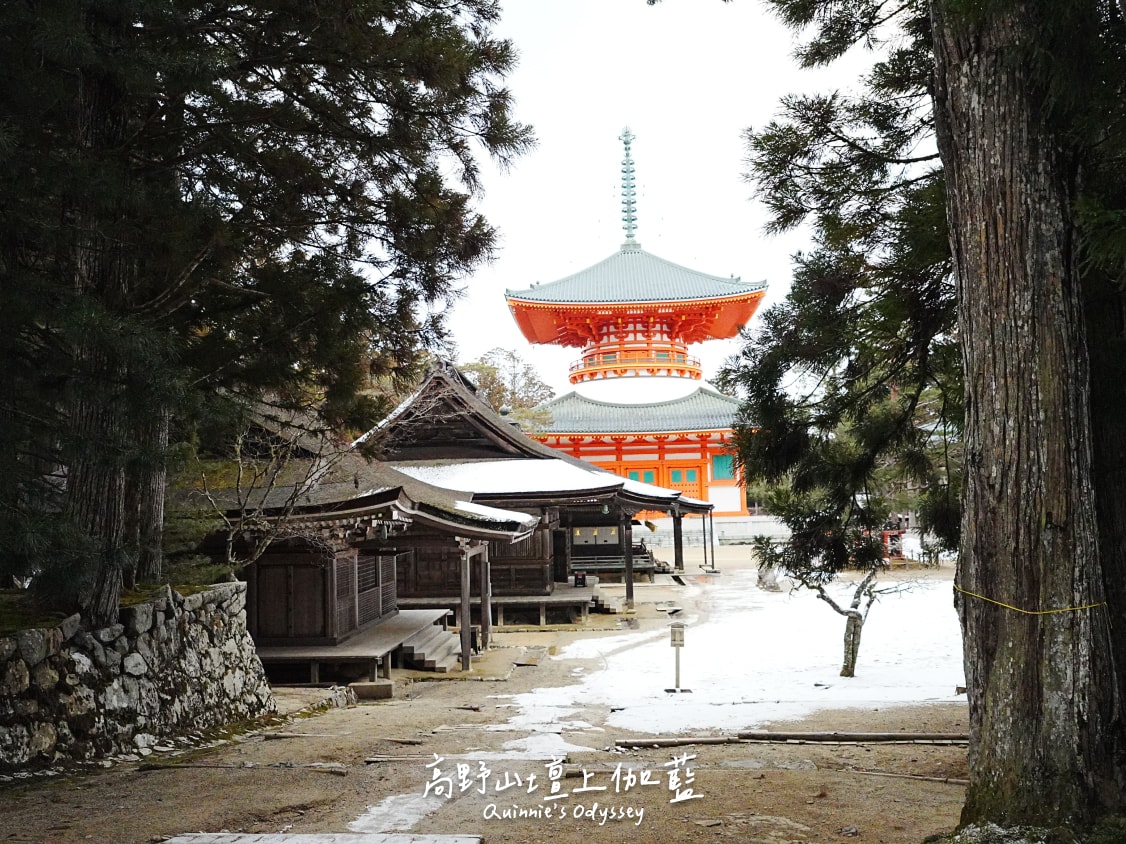
If Okunoin is the soul of Koyasan, then Danjo Garan is its beating heart.
Here, the sound of temple bells echoes through the mountains, and the scenery changes beautifully with the seasons, cherry blossoms in spring, fiery foliage in autumn, and snow-covered rooftops in winter.
No matter when you visit, Garan radiates a powerful sense of peace and spirituality.
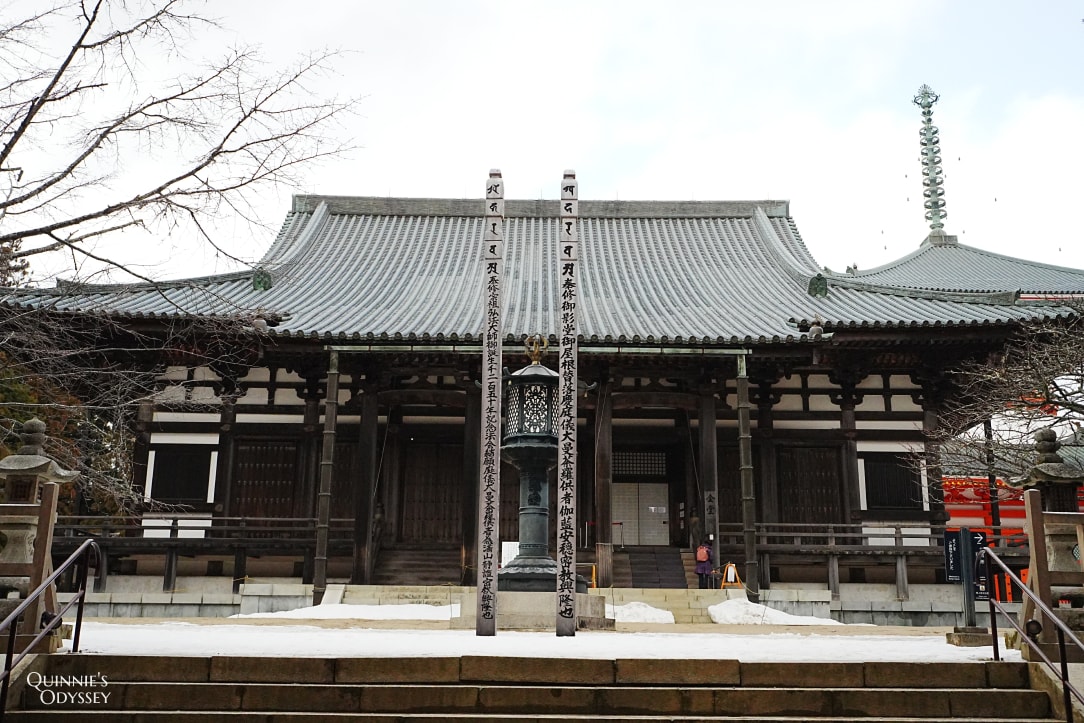
More about Danjo Garan 👉👉 Koyasan Danjo Garan: The Most Sacred Shingon Buddhist Site in Japan
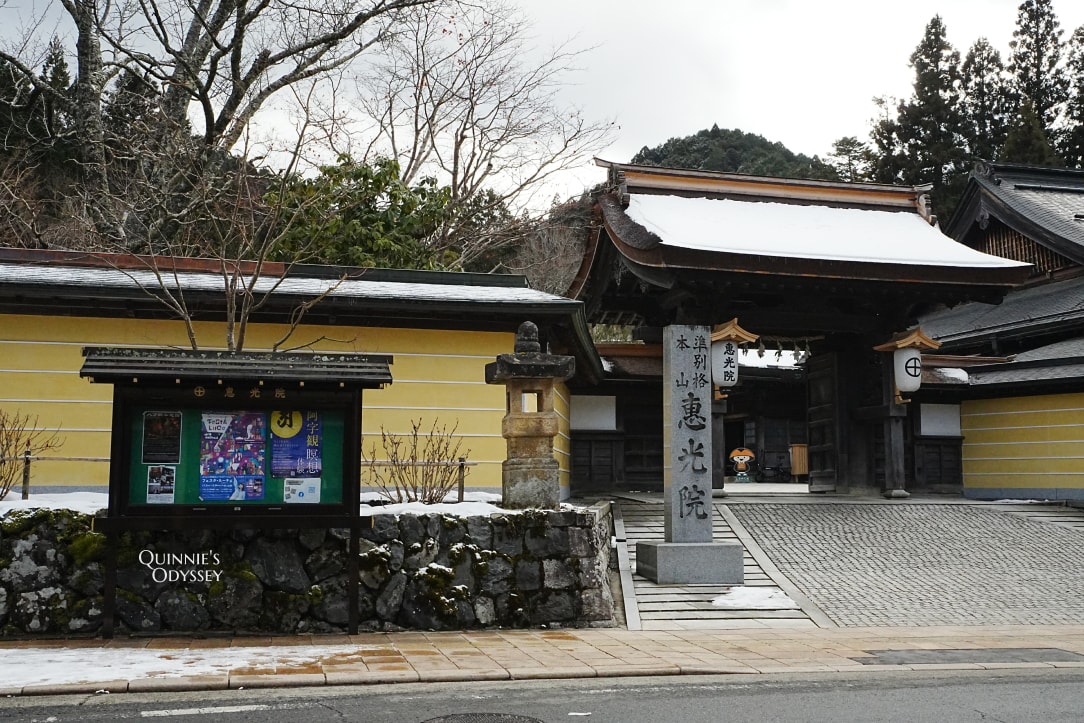
If you’re longing for a quiet escape, consider spending a night at a temple lodging (shukubō) in Koyasan.
There are 117 temples on Koyasan, and more than 50 offer accommodation.
Staying here lets you experience traditional Buddhist culture firsthand and refresh your mind in the tranquility of the mountains.
Originally meant for monks and pilgrims, these temple lodgings are now open to visitors. Guests can enjoy calm forest surroundings, the scent of wood and incense, and an atmosphere that feels a world apart from everyday life.
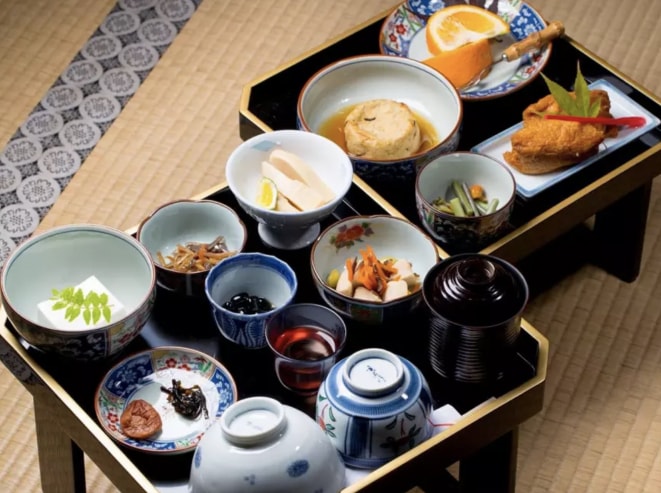
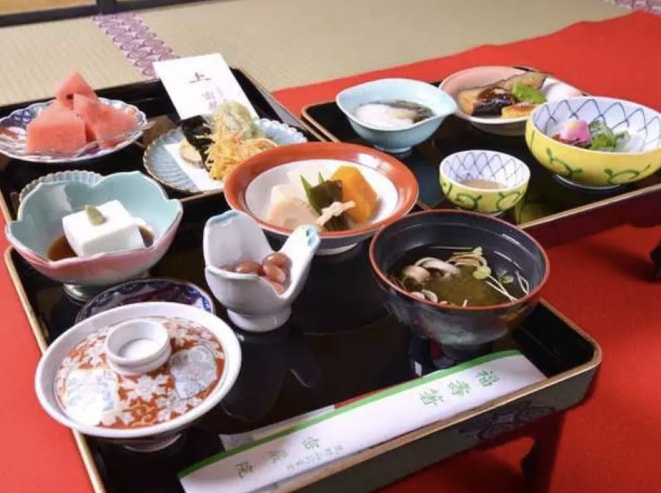
One of the highlights is the shojin ryori, a full vegetarian meal prepared by monks.
It uses no meat, fish, or pungent ingredients like garlic or onions.
Instead, it brings out natural flavors with tofu, yam, mushrooms, konbu, and seasonal vegetables.
Must-try items:
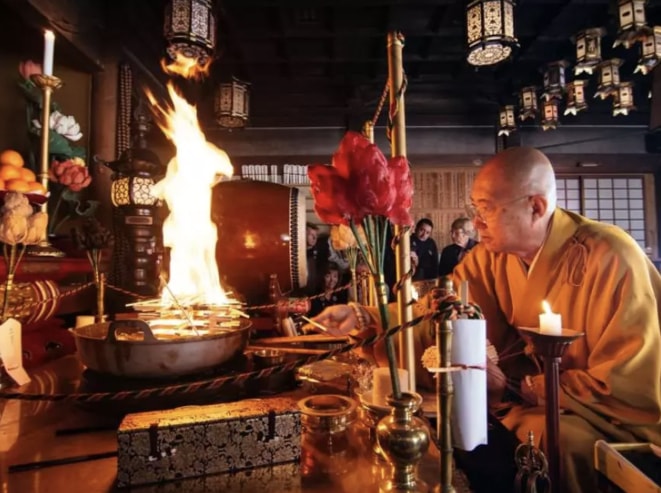
Wake up to the sound of the temple bell and join the monks for the morning chanting ceremony. It’s a calm, grounding experience.
Some temples also offer meditation or zazen, helping you clear your mind through breathing and stillness.
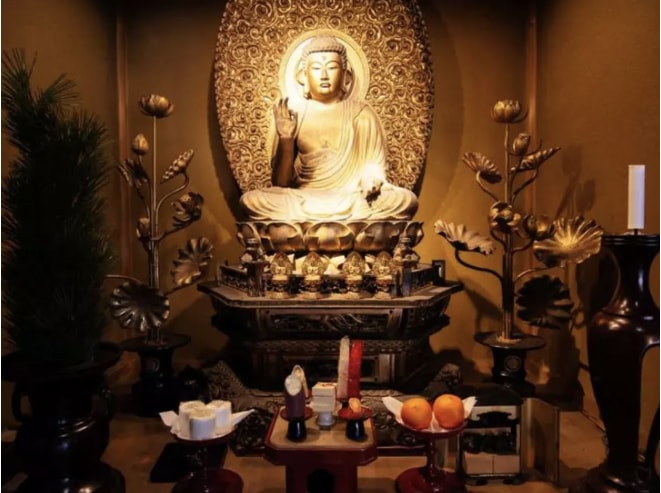
You can also try shakyo (sutra copying).
Writing each character slowly helps you quiet your thoughts and focus on the present moment.
Many people take their completed sutra home as a meaningful keepsake.
Each shukubō has its own charm, traditional tatami rooms, vegetarian meals, and a peaceful environment surrounded by nature.
Staying here truly lets you slow down and feel the simplicity and purity of temple life.
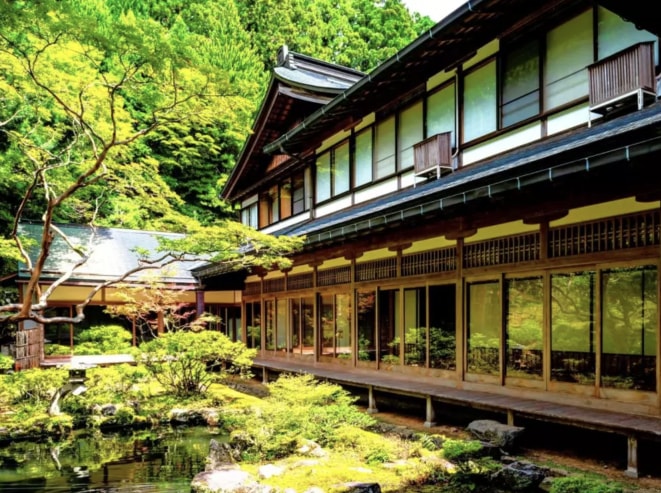
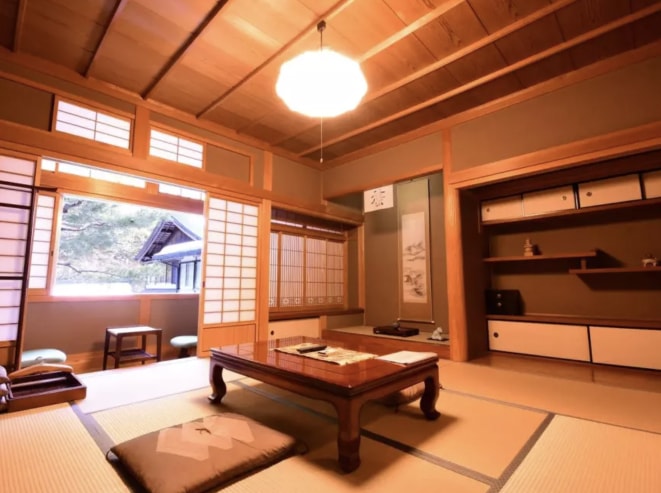
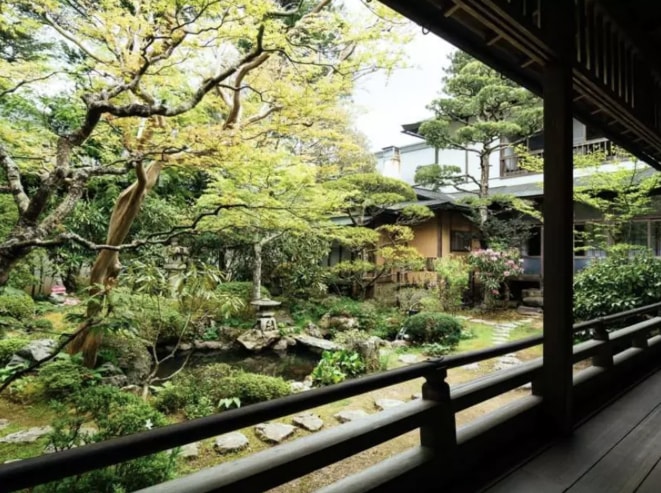
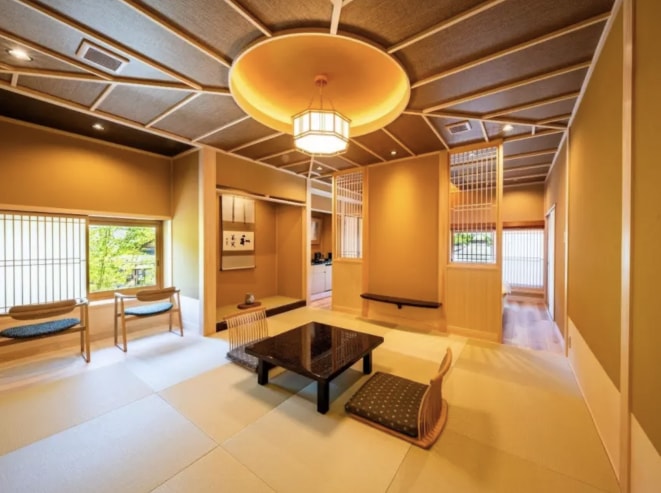
✅ Price: Usually around US$30 – 300+ per night
✅ Room type: Mostly tatami rooms, with basic amenities like yukata and heaters
Book Koyasan temple lodgings 👉👉 KKday Accommodation | Booking Accommodation
▼ Koyasan Travel Essentials ▼

Thanks for reading!
If you’re interested in my stories, feel free to follow me on Instagram.
👉👉 IG: @sika_artist 👈👈