Physical Address
304 North Cardinal St.
Dorchester Center, MA 02124
Physical Address
304 North Cardinal St.
Dorchester Center, MA 02124

Kasuga Taisha is located inside Nara Park and is surrounded by the ancient Kasugayama Primeval Forest, a UNESCO World Heritage Site.
This forest has been protected for over a thousand years, and it’s home to the deer that are believed to be divine messengers.
The shrine grounds are huge. Besides the main hall, there are 62 auxiliary shrines, such as Wakamiya Shrine and Meoto Daikoku Shrine.
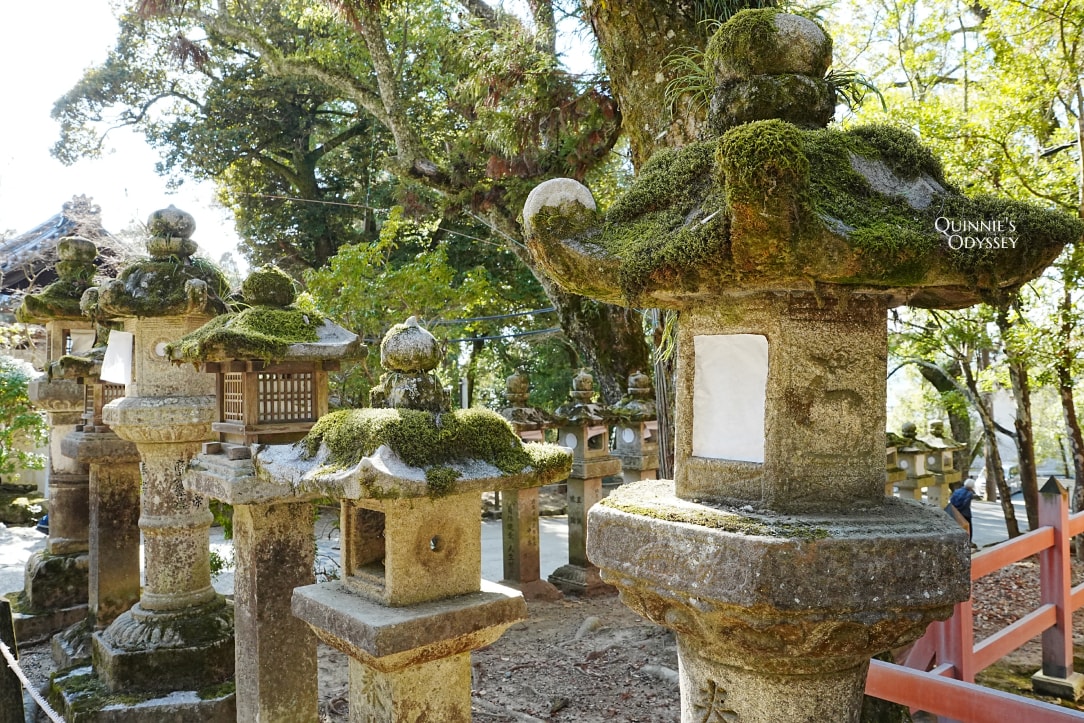
Walking along the long approach, surrounded by tall ancient trees and rows of stone lanterns, you can really feel the mysterious and sacred atmosphere.
Kasuga Taisha was built in 768 AD by the powerful Fujiwara clan to pray for family prosperity and the peace of the nation.
As the guardian shrine of the Fujiwara family, Kasuga Taisha has a very high status and is considered to be on the same level as Kyoto’s Heian Shrine and the Grand Shrine of Ise.
The shrine went through many reconstructions and expansions throughout history, and eventually became the large complex we see today.
Every 20 years, Kasuga Taisha carries out a traditional ritual called Shikinen Zōtai, where the buildings are repaired or rebuilt, and sacred objects are renewed.
This preserves ancient Japanese construction techniques and symbolizes spiritual renewal.
The main shrine worships four deities: Takemikazuchi-no-Mikoto, Futsunushi-no-Mikoto, Ame-no-Koyane-no-Mikoto, and Himegami.
Ame-no-Koyane-no-Mikoto is considered the ancestor of the Fujiwara clan, which explains the deep connection between the Fujiwara family and Kasuga Taisha.
The shrine is also believed to bring blessings to agriculture, fishing, and safe travel.
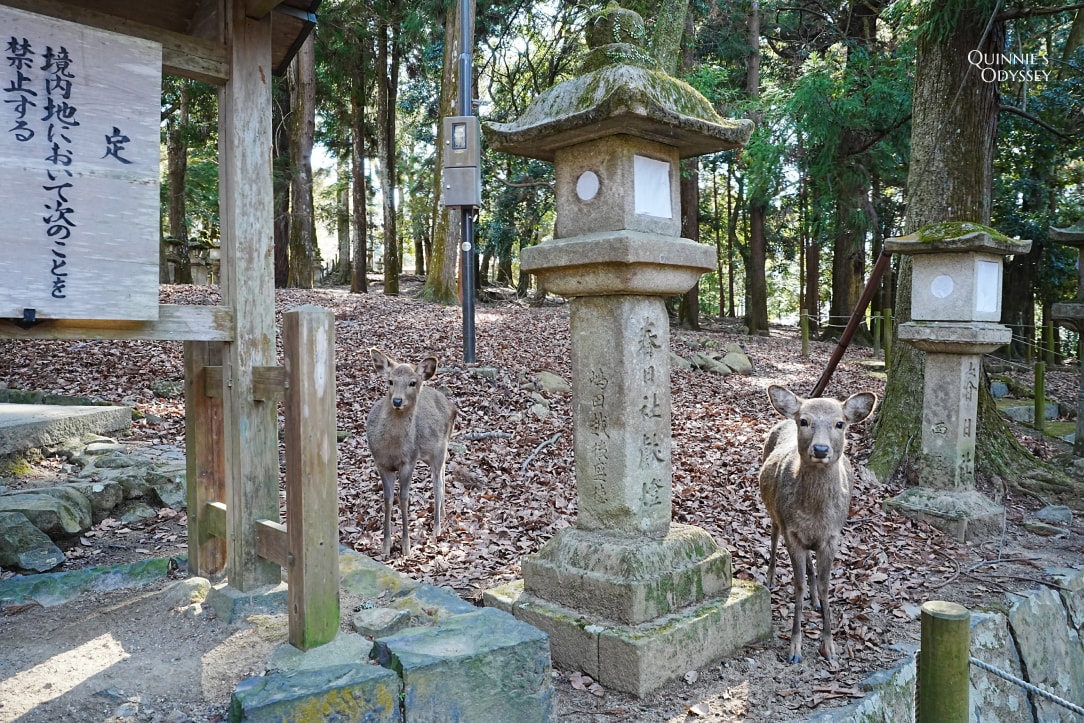
From the entrance, you’ll walk along a long pathway lined with about 2,000 stone lanterns. Each lantern has the name of a donor carved on it along with their wishes.
Sometimes you’ll see cute deer wandering among the lanterns.
Every year in February and August, the Mantōrō Lantern Festival lights up these lanterns at night, creating an incredibly magical scene.
The main hall of Kasuga Taisha is beautiful, with its bright vermilion buildings standing out against the lush green forest.
Behind the main hall is Mount Mikasa, believed to be the place where the gods descended. The mountain is still off-limits today out of respect for the sacred land.
When I visited, it was surprisingly crowded near the main hall, probably because of the Wakakusa Yamayaki festival.
Luckily, once you enter the paid inner area (700 yen), the crowds thin out a lot, making it a much more peaceful experience.
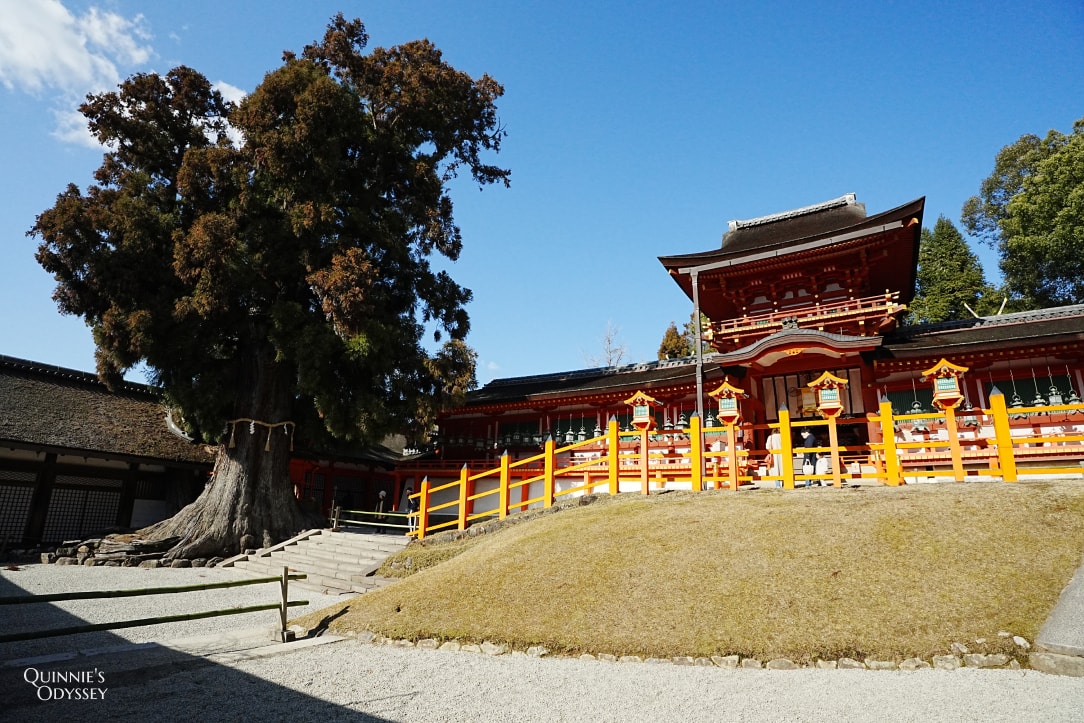
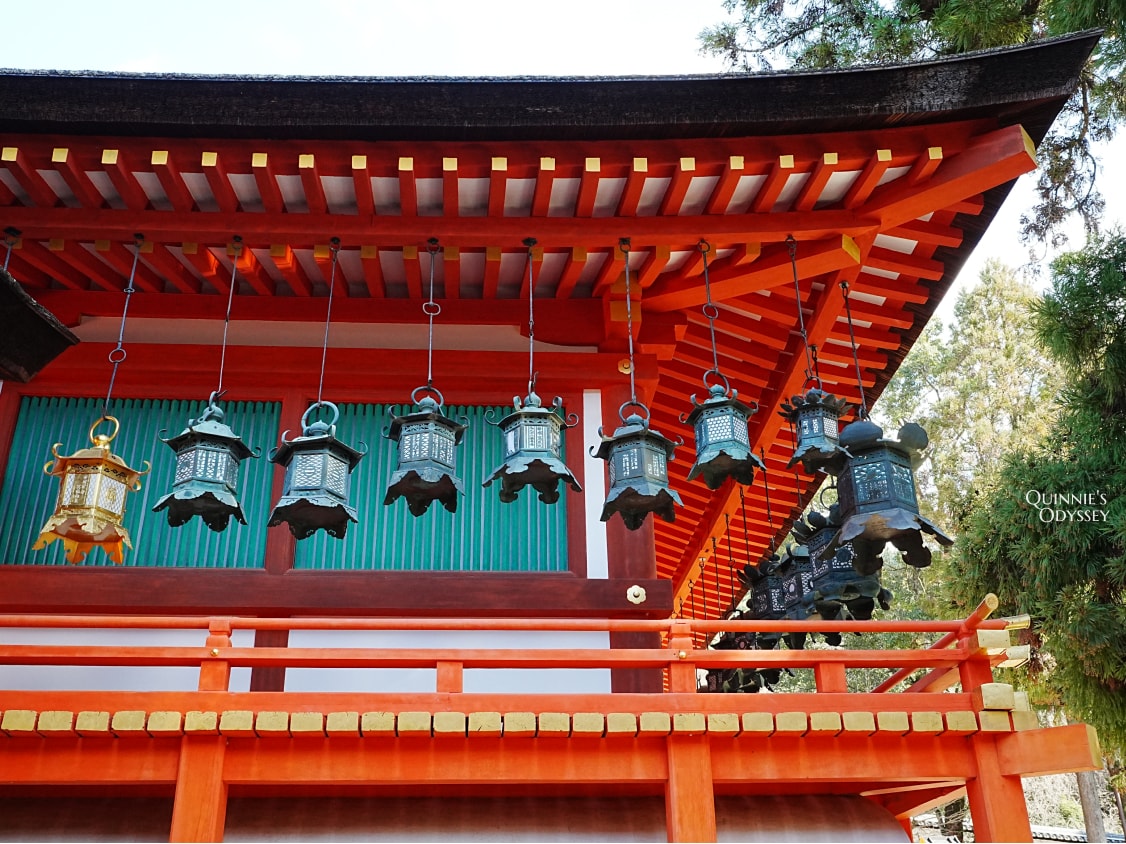
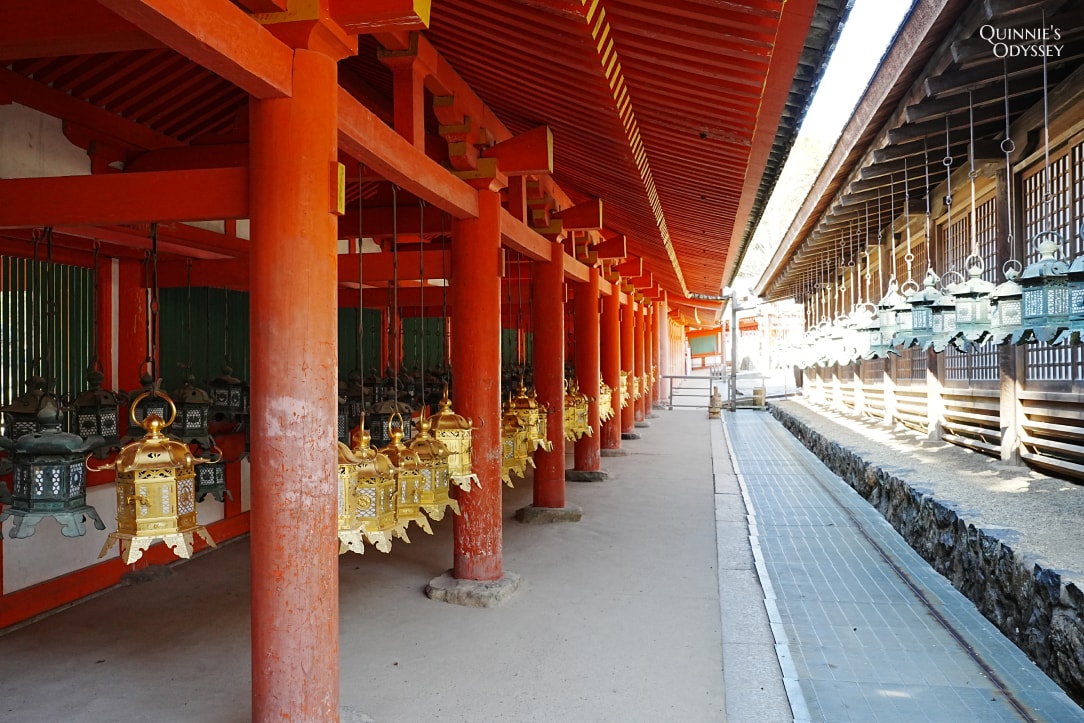
Walking along the corridors around the main hall, you’ll see rows and rows of lanterns, bronze, gold, and various shapes.
I didn’t realize it at first, but there are actually 1,000 hanging lanterns inside the shrine, and together with the stone lanterns outside, Kasuga Taisha has around 3,000 lanterns, the most of any shrine in Japan.
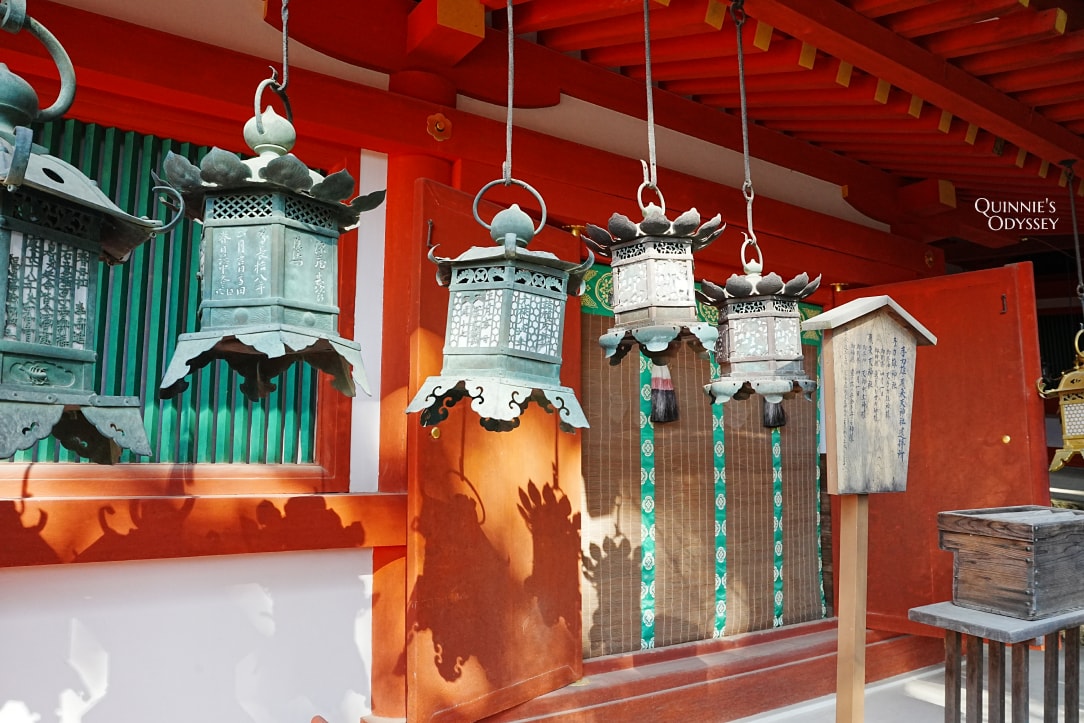
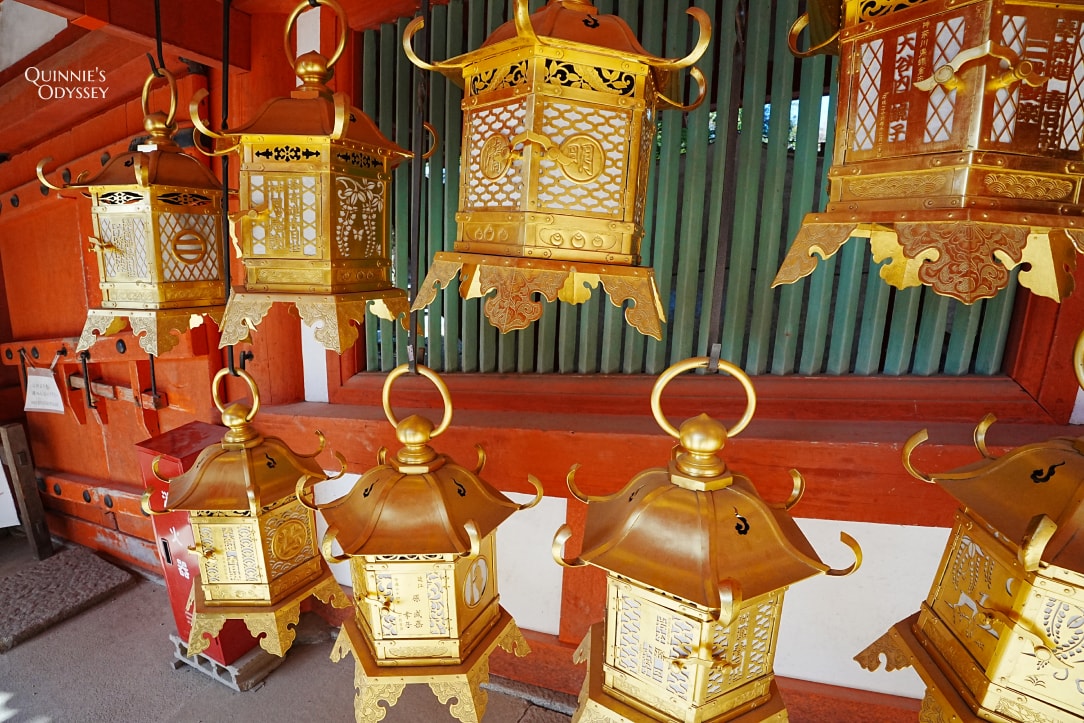
This lantern tradition dates back to the Heian Period (794–1185).
Back then, nobles, warriors, and merchants donated lanterns to show gratitude to the gods and to pray for prosperity and safety.
Over time, common people started donating lanterns too, which is why the number continued to grow.
Inside the shrine grounds, there’s also a special room called Fujinami-no-ya, where dozens of lanterns are lit all year round.
When you walk into the dark room and see the lanterns glowing in the air, it feels mysterious, solemn, and deeply spiritual.
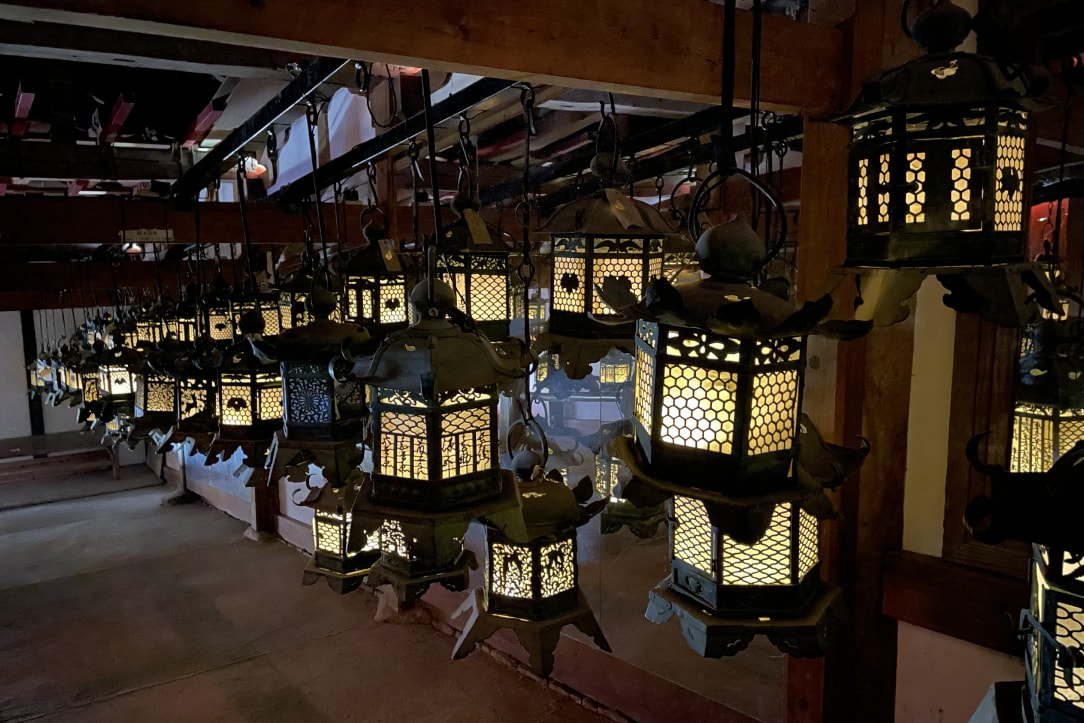
The main hall area isn’t huge, so you’ll finish exploring fairly quickly.
Kasuga Taisha is famous for its deer legends.
According to ancient records, when Nara became Japan’s capital in 710, the Fujiwara clan invited the deity Takemikazuchi (also known as the thunder god) from Kashima Shrine to protect the new capital.
Takemikazuchi was said to have traveled to Nara riding on a white sacred deer.
Since then, deer have been revered as divine messengers, symbols of guidance and protection.
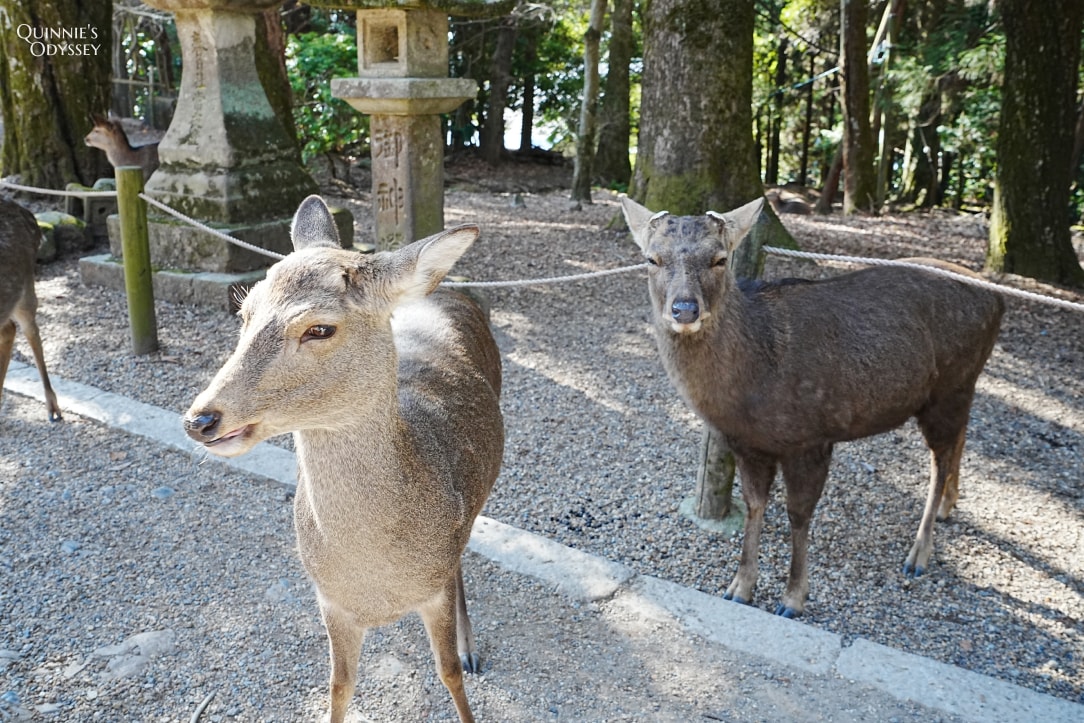
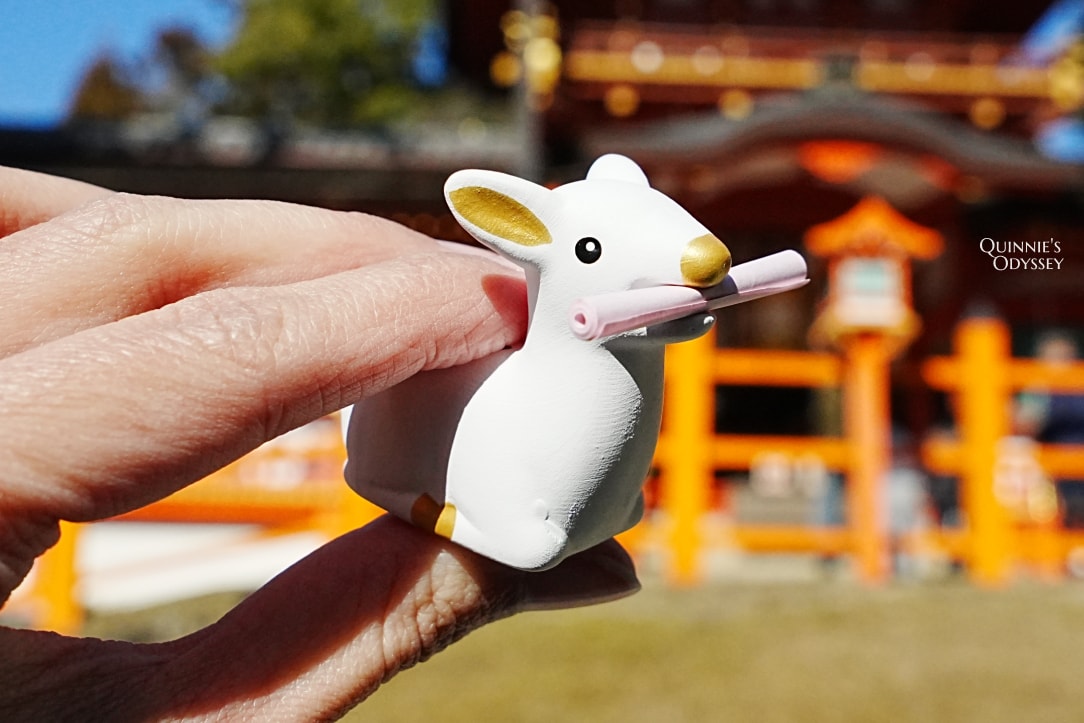
Before you leave, don’t forget to get the White Deer Omikuji!
The fortune slip is held in the mouth of a little deer figure, it’s adorable and one of the most iconic souvenirs from the shrine.
▼ Kyoto Travel Essentials ▼

Thanks for reading!
If you’re interested in my stories, feel free to follow me on Instagram.
👉👉 IG: @sika_artist 👈👈