Physical Address
304 North Cardinal St.
Dorchester Center, MA 02124
Physical Address
304 North Cardinal St.
Dorchester Center, MA 02124

This Kamakura day trip was short, less than a full day, and the itinerary wasn’t packed, but it still felt surprisingly fulfilling.
My very first impression of Kamakura? It’s crowded.
Everywhere you go, temples, shrines, old streets, even the tiny cafés in the alleys, you’ll see people everywhere.
If I had to describe it in one sentence, it would be: So. Many. People. 🤯
But honestly, if it weren’t for the number of visitors, Kamakura itself actually has a calm and relaxed atmosphere.
Strolling around the town would be really pleasant.
It’s just that once the crowds come in, that ancient, historical vibe gets slightly diluted.
Still, Kamakura is absolutely worth visiting.
The city has charming old temples and shrines, nostalgic shopping streets, and scenic walking paths with ocean views.
If you have more time, staying two days would be ideal to really explore this artistic, history-filled little town.
Getting there from Tokyo is very easy.
Just take the JR Yokosuka Line from Tokyo Station, and you’ll reach Kamakura Station in about an hour.
It’s perfect for a one-day or two-day getaway near Tokyo.
▼ Tokyo Travel Essentials ▼
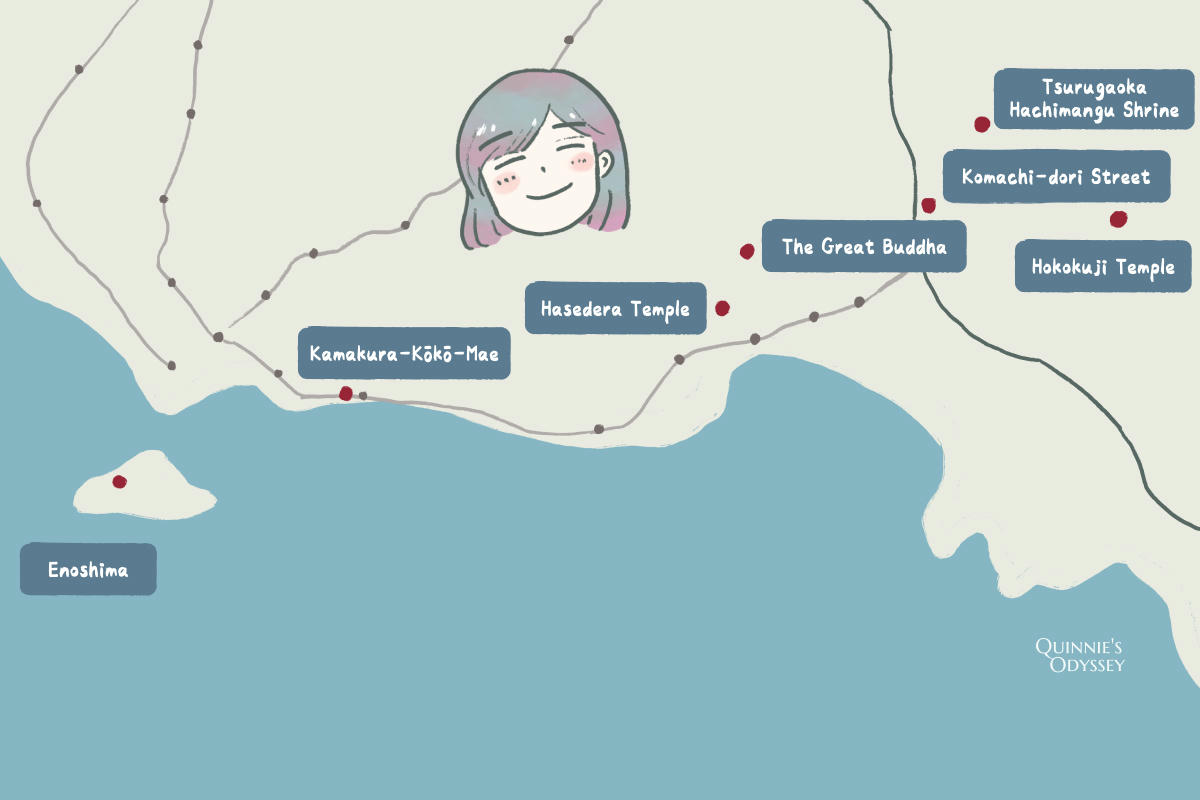
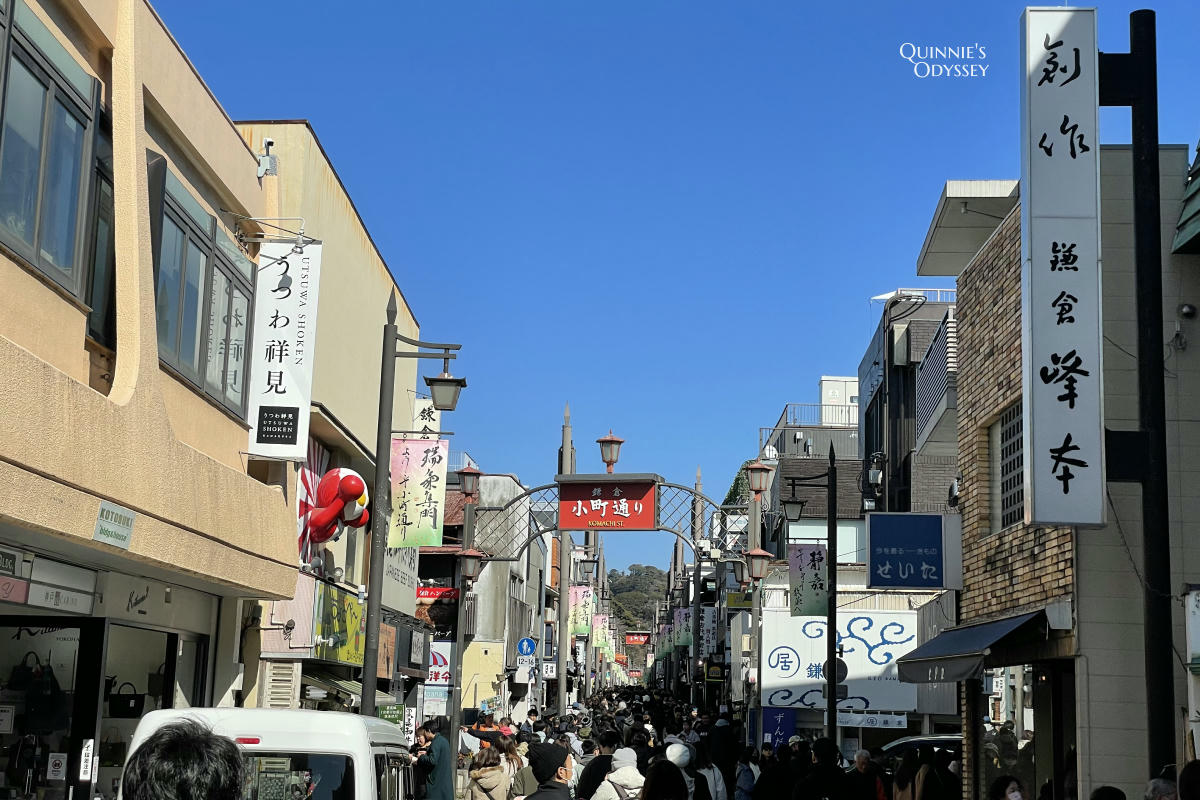
Once you exit the east side of Kamakura Station, you’ll immediately see the lively Komachi-dori Street.
This bustling street leads straight to Kamakura’s most iconic shrine, Tsurugaoka Hachimangu, so it’s a must-pass spot.
Shops line both sides selling everything from traditional crafts and retro knickknacks to souvenirs and snacks.
You’ll see (and smell!) things like freshly grilled rice crackers, matcha desserts, and skewered dango.
The street isn’t that long, but it’s extremely popular.
On weekends, it’s so crowded you can only move forward with the flow of people.
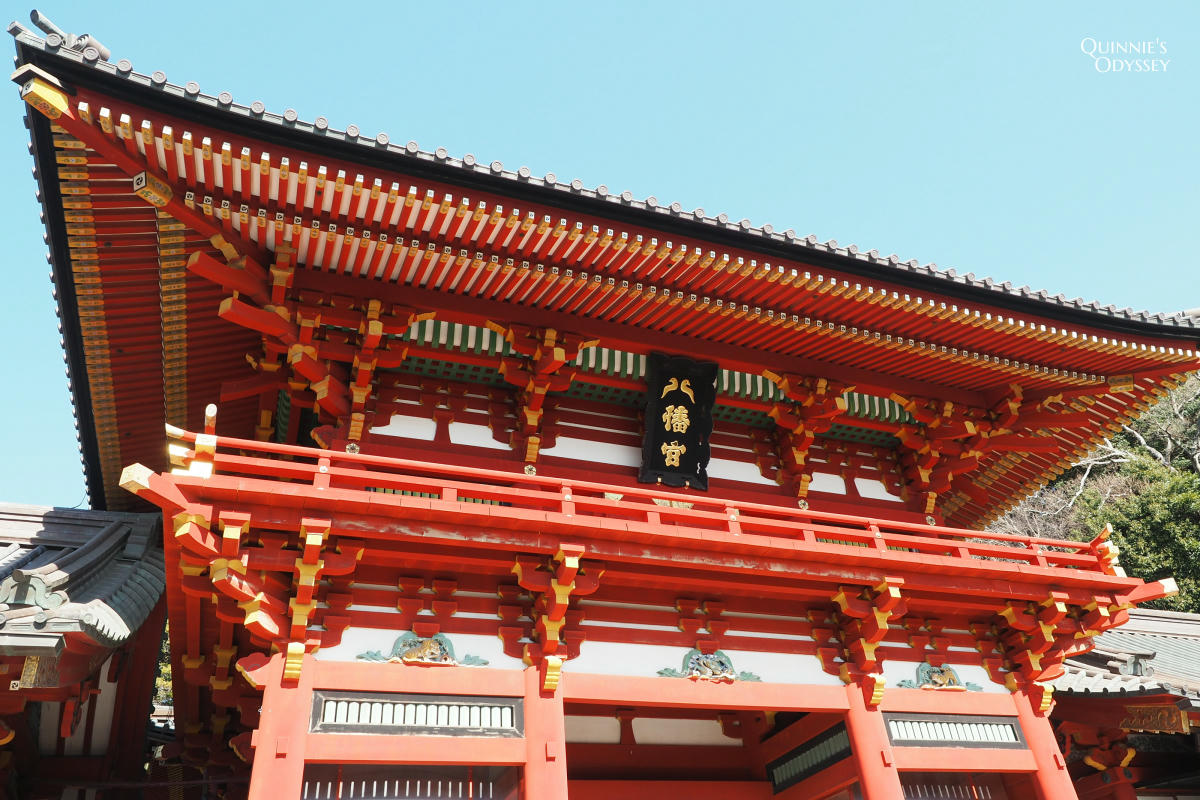
At the end of Komachi-dori, you’ll find the impressive Tsurugaoka Hachimangu Shrine, one of Kamakura’s most important landmarks.
It dates back to 1063, originally founded by Minamoto no Yoriyoshi.
Later, during the rule of shogun Minamoto no Yoritomo, it was greatly expanded and became Kamakura’s spiritual center, symbolizing protection for the city and prosperity for families.
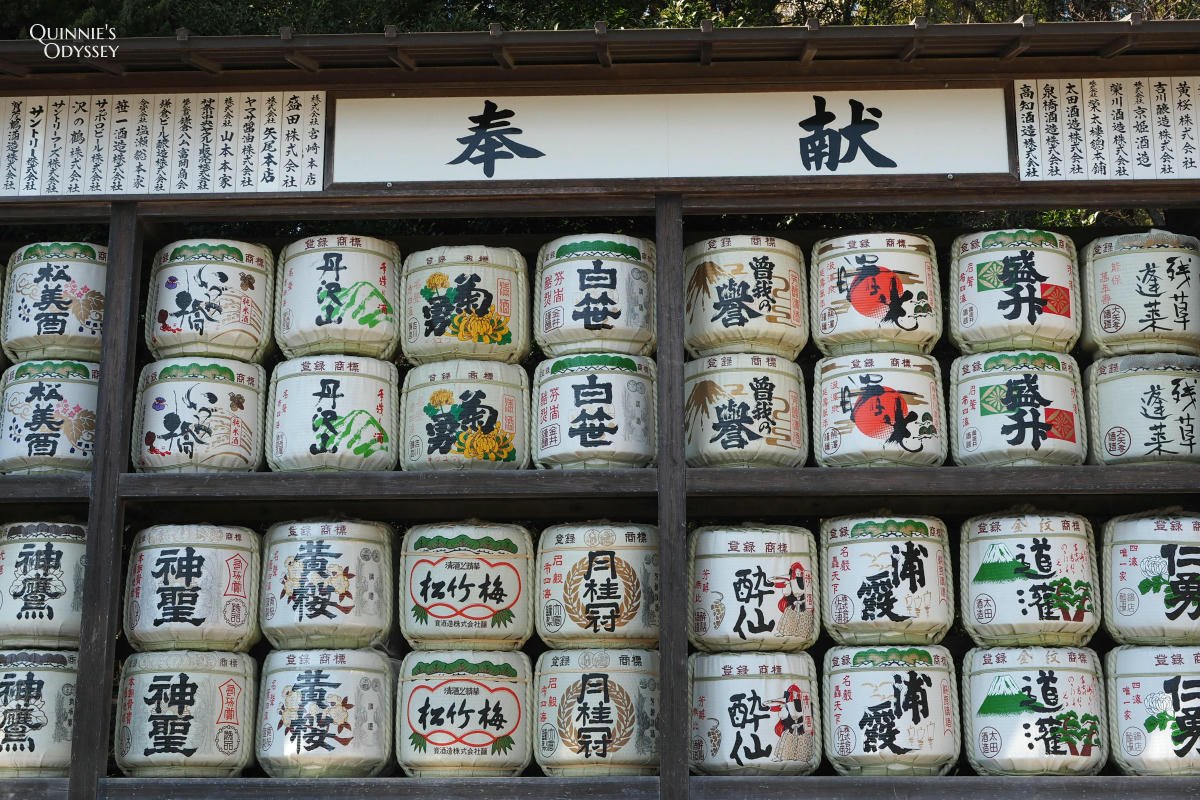
Inside the shrine grounds, you’ll notice rows of decorative sake barrels, a traditional symbol of offerings in Japanese culture.
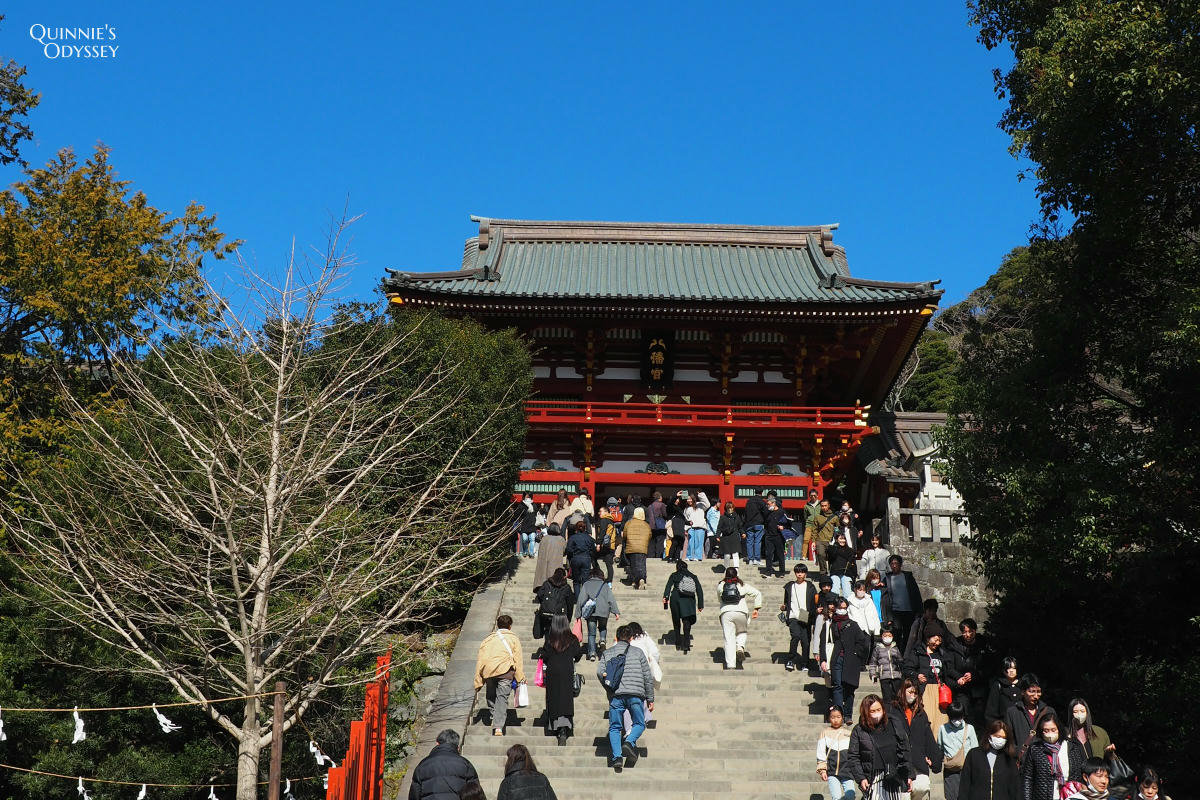
Walk further and you’ll reach the massive stone stairway leading up to the main hall.
It’s a bit of a climb, but once you reach the top and look back, you’ll see a beautiful panoramic view of Kamakura, with the long, straight approach stretching into the city.
There are also many quiet corners to explore: sacred trees, small ponds, and several smaller shrines.
From Kamakura Station, hop on the Enoden Line, and in about five minutes you’ll arrive at Hase Station.
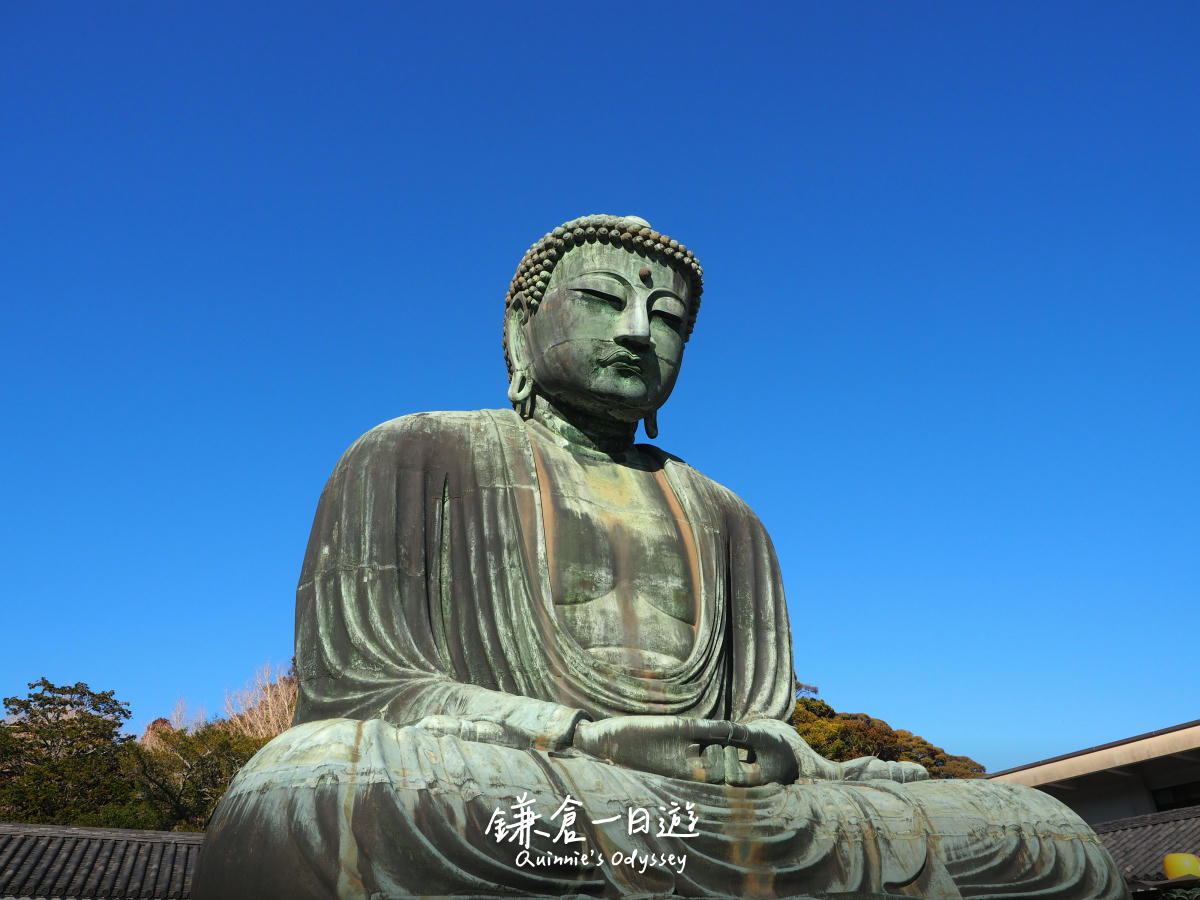
Follow the crowd for about ten minutes, and you’ll reach Kamakura’s most famous attraction, the Great Buddha (Daibutsu) at Kotoku-in Temple.
The walk is full of visitors; it’s clear that everyone is here for the same reason.
The Great Buddha has been sitting here since 1252, meaning it has over 760 years of history.
Standing 11.3 meters tall and weighing 121 tons, it looks both majestic and gentle.
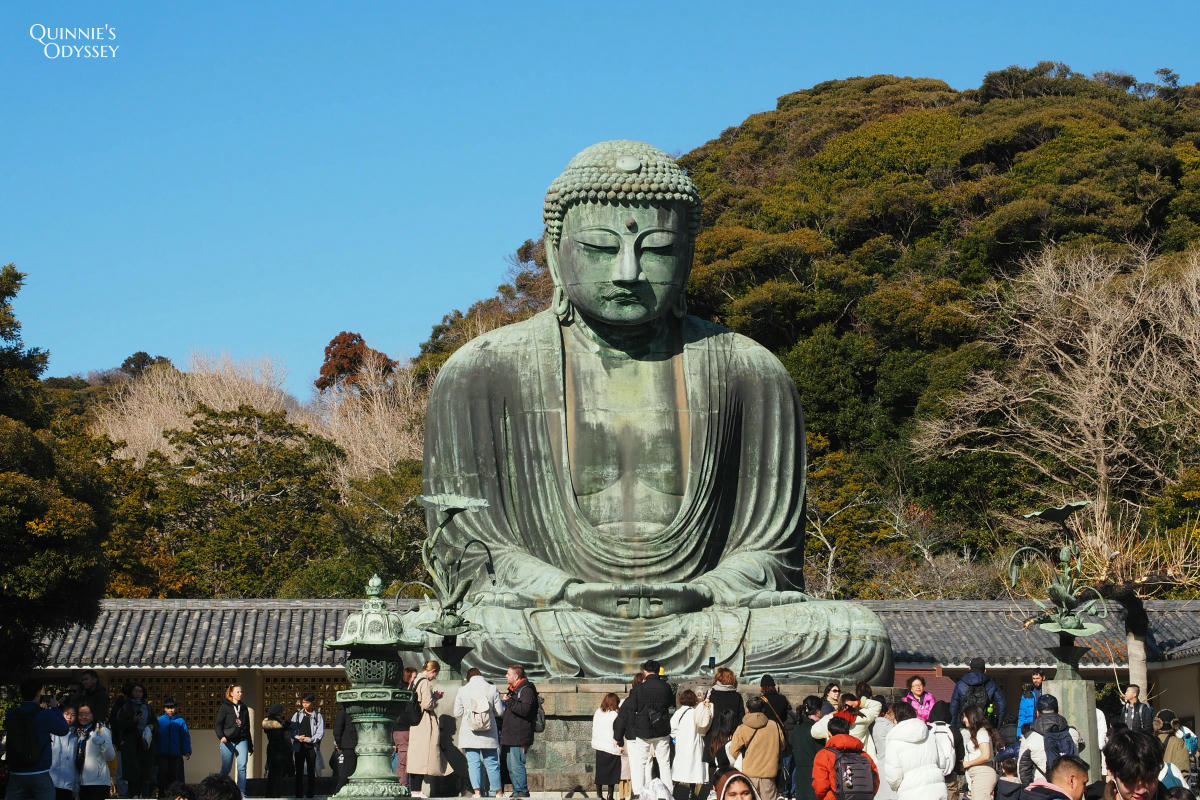
It was originally housed inside a wooden hall, but after several storms and tsunamis destroyed the structure, the hall was never rebuilt.
The Buddha has remained outdoors ever since, giving it the unique “open-air” look we see today.
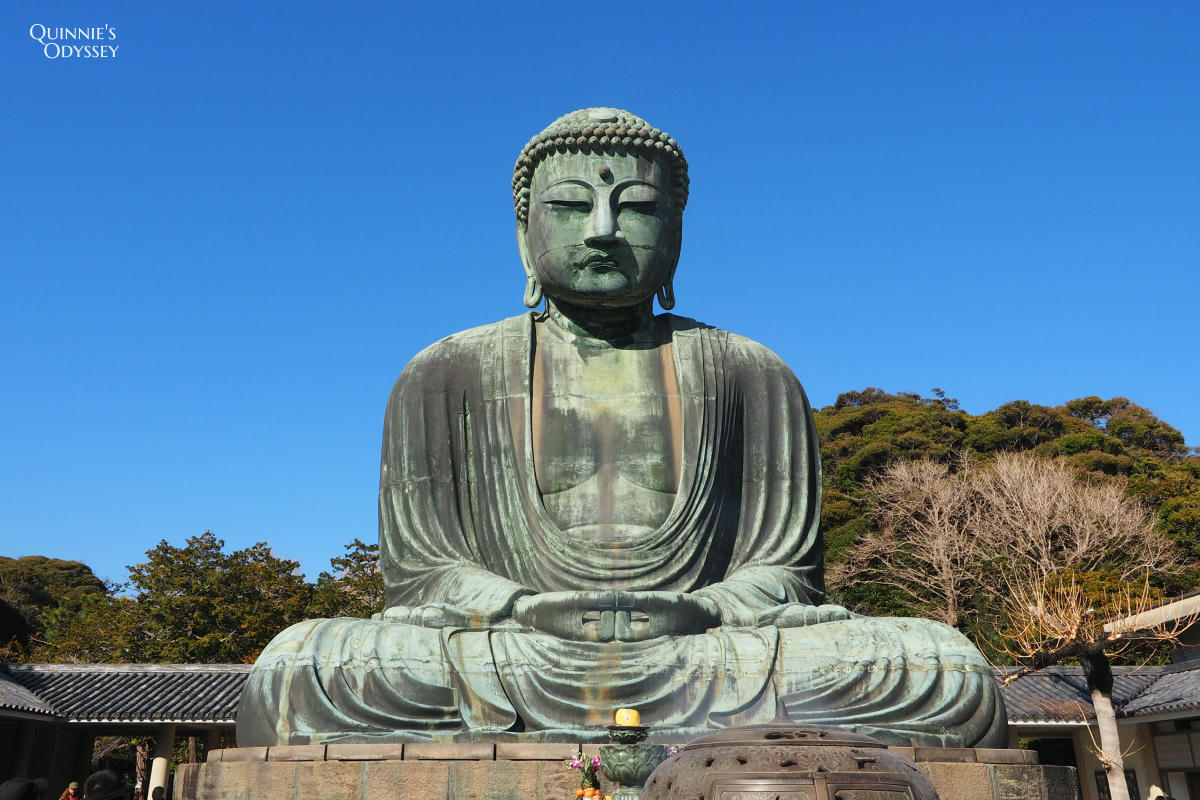
One fun detail: you can actually go inside the statue!
For an additional 50 yen, you can step into the small interior space and see the casting techniques from the Kamakura period up close.
It’s a short experience, but memorable, just expect to line up a little.
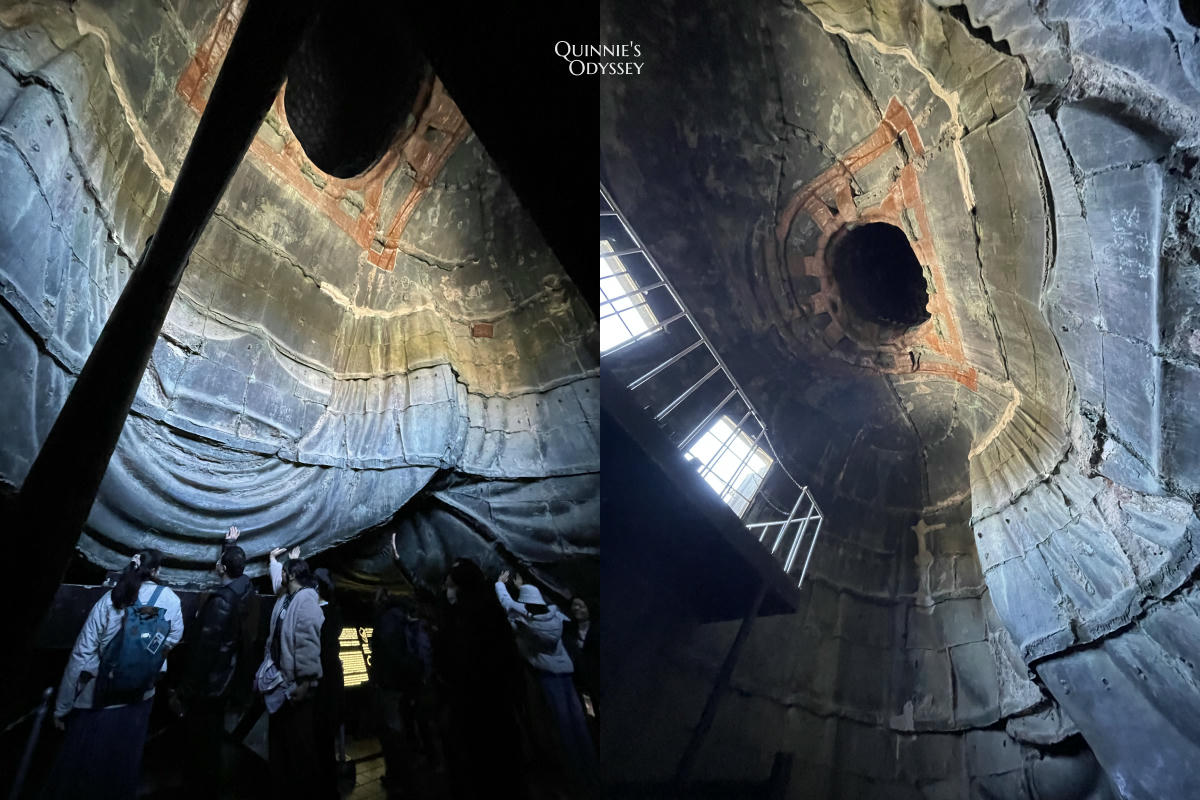
Overall, a visit here takes about half an hour, but seeing this historic figure in person is definitely awe-inspiring.
From the Great Buddha, walk about eight minutes and you’ll reach Hasedera Temple, another top attraction.
This was my favorite spot of the entire day trip. It’s a place worth lingering.
Hasedera has a history of over 1,300 years, making it one of Kamakura’s oldest temples. The grounds are much larger than I expected, and even though the crowds are still there, the atmosphere feels calm and full of greenery.
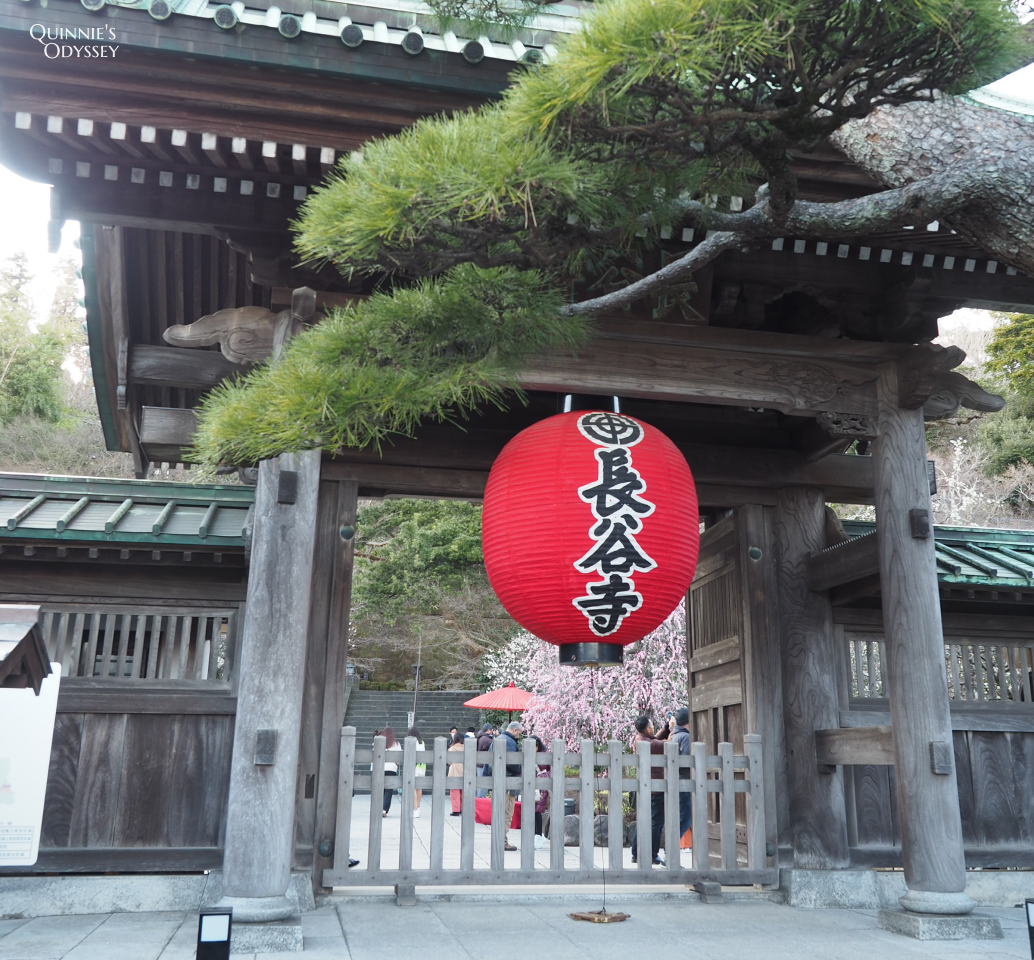
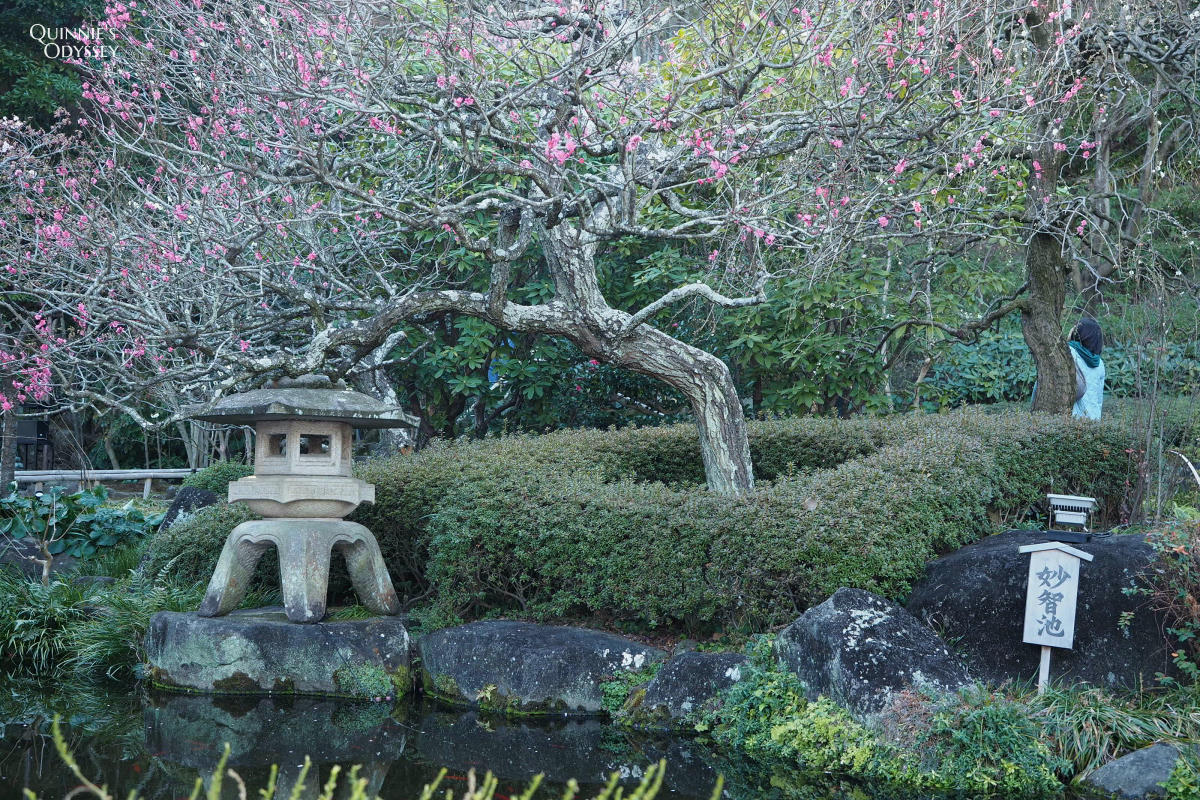
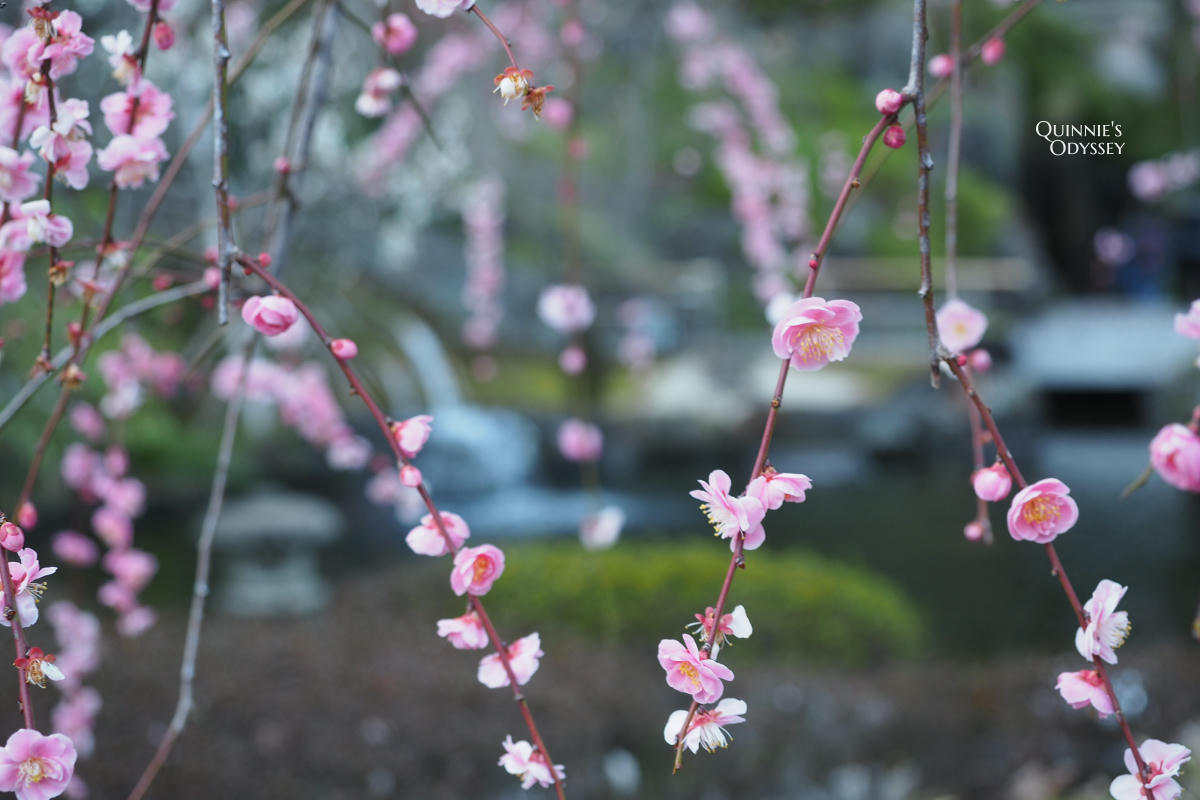
The temple garden changes with the seasons, cherry blossoms in spring, hydrangeas in summer, maple leaves in autumn, and plum blossoms in winter.
I visited in January–February and was lucky to see the plum blossoms in full bloom.
Pinks and whites filled the garden, and I couldn’t stop taking photos.
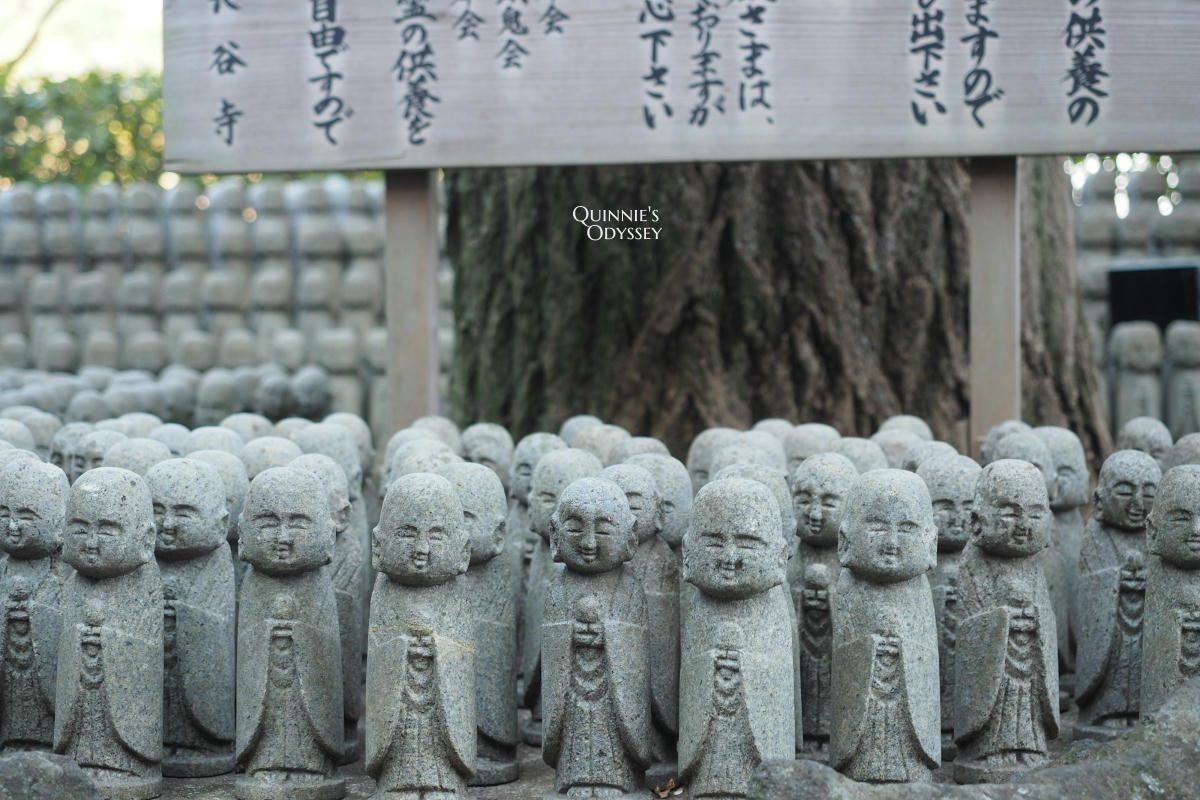
The temple is also filled with Buddhist statues and symbols.
The most memorable to me were the countless Kannon Jizo statues, dedicated to children who could not be born or survive.
They carry a deep sense of prayer and remembrance.
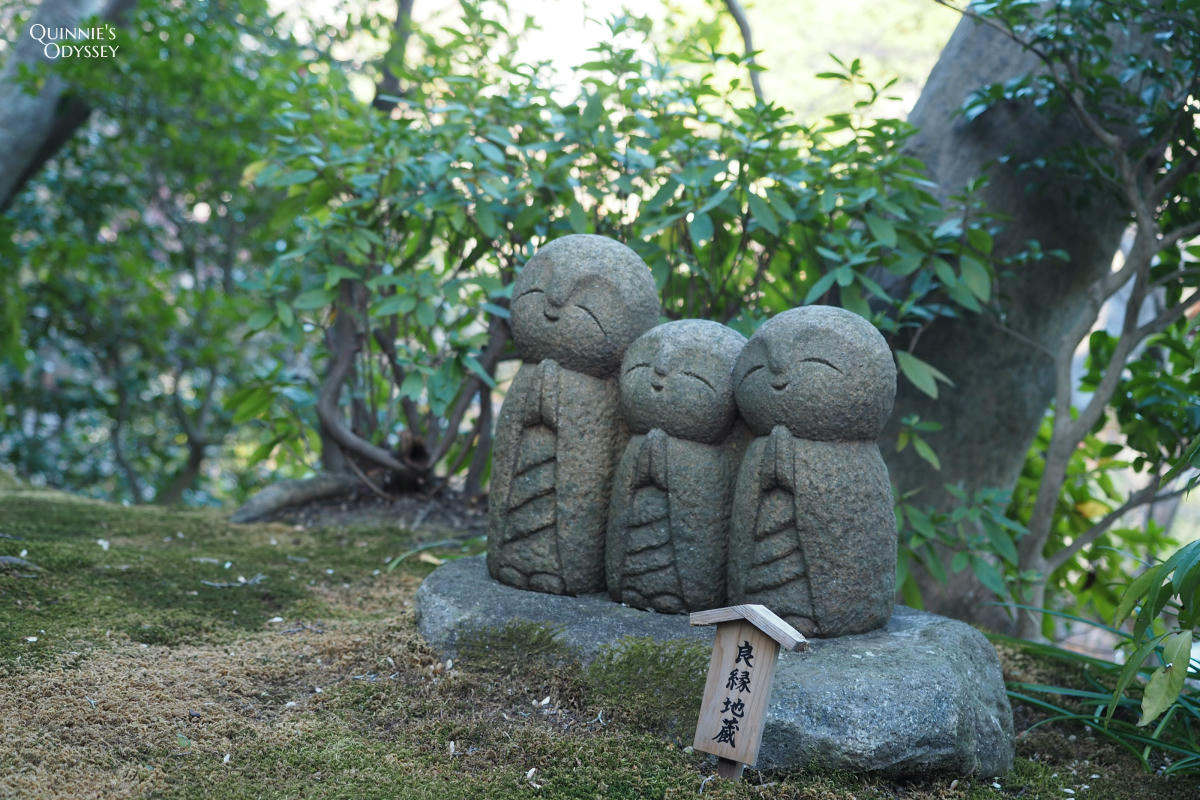
There are also three adorable “Good Fortune Jizo” statues hidden around the temple.
You need to explore slowly to find them, and it’s said that finding all three brings good luck.
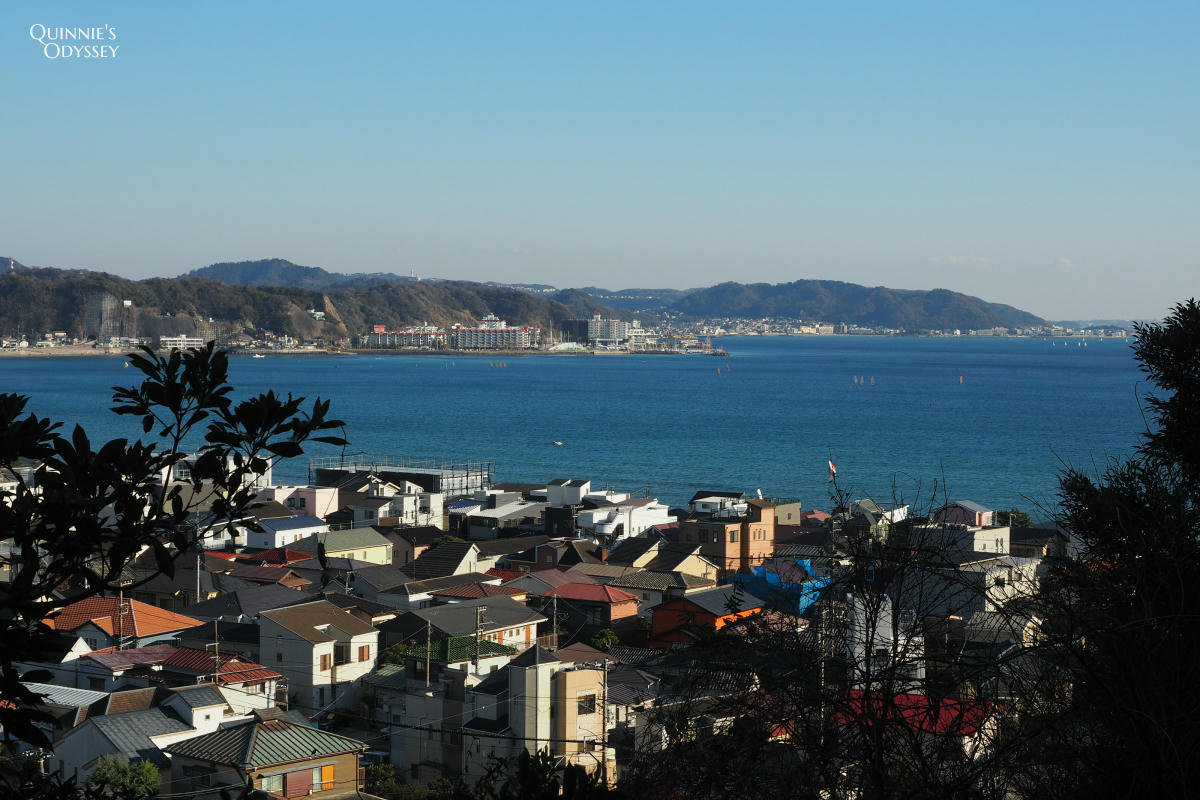
My favorite part came at the end.
Walk up the slope to the higher viewing platform, and you’ll be rewarded with a stunning ocean view.
The entire Shonan coastline and Kamakura town spread out beneath you, absolutely beautiful.
I didn’t have enough energy to visit all of Kamakura’s attractions this time, like the famous Slam Dunk railroad crossing, but the spots I did visit were already plenty for one day.
Kamakura is a city that blends history, food, and sea views.
Yes, it’s crowded, but walking around is still really enjoyable.
If you’re staying for two days, you can also make a trip to Enoshima.
▼ Tokyo Travel Essentials ▼

Thanks for reading!
If you’re interested in my stories, feel free to follow me on Instagram.
👉👉 IG: @sika_artist 👈👈