Physical Address
304 North Cardinal St.
Dorchester Center, MA 02124
Physical Address
304 North Cardinal St.
Dorchester Center, MA 02124

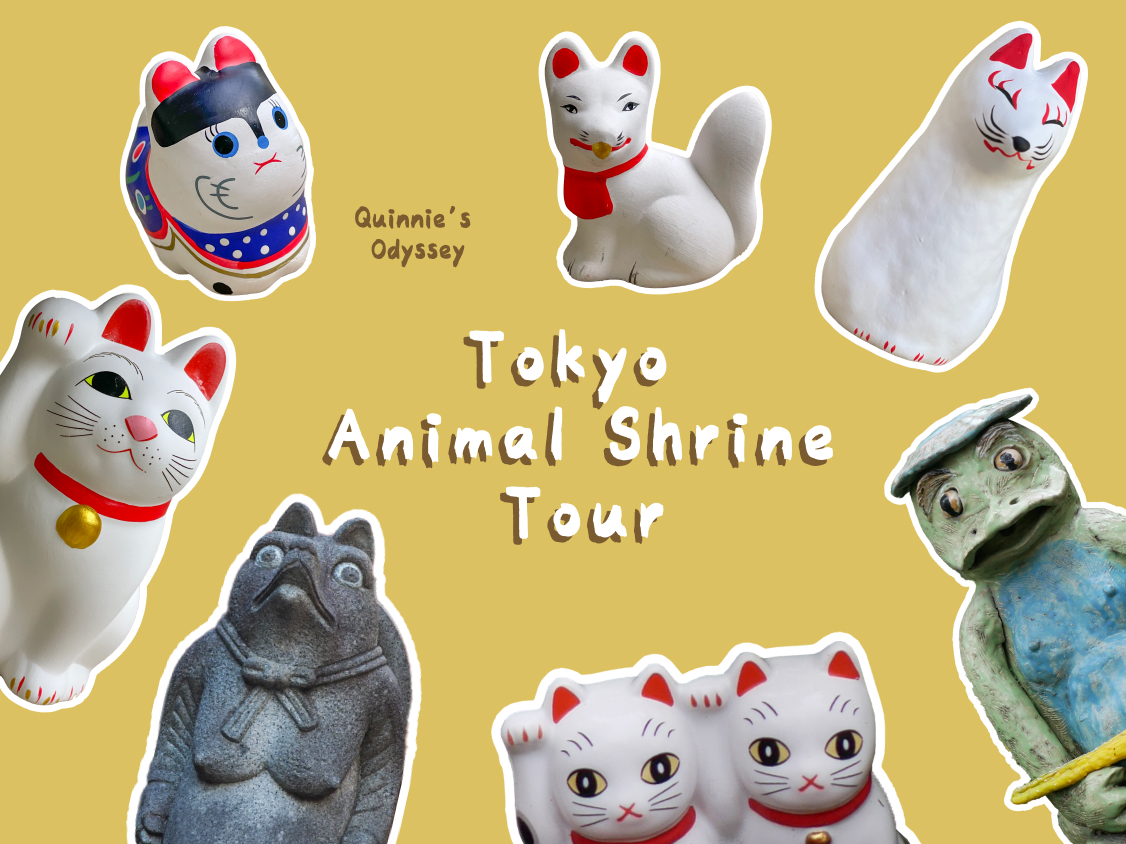
When you travel around Japan, you’ll often spot statues of different animals inside temples and shrines.
These aren’t just decorations, they all carry deep cultural meanings.
In Japanese tradition, these animals act as messengers of the gods, known as “shinshi”.
From foxes that symbolize good harvests, to beckoning cats that bring good fortune, to dogs that protect mothers and children, and even mysterious tanuki and kappa, each animal has its own stories and blessings.
Today, let’s explore six charming animal-themed shrines in Tokyo!
▼ Tokyo Travel Essentials ▼
In Japanese folklore, cats are often portrayed as mystical creatures with the ability to foresee the future or bring good luck.
The most iconic example is the maneki-neko (beckoning cat), the cute white cat statue you see everywhere, believed to bring prosperity and happiness.
And in Tokyo, there are several adorable cat shrines worth visiting. 👇👇
Located in Setagaya, Gotokuji Temple is known as one of the birthplaces of the lucky beckoning cat.
Here, you’ll find thousands of white maneki-neko lined up together, an absolutely amazing sight for cat lovers! 🤩
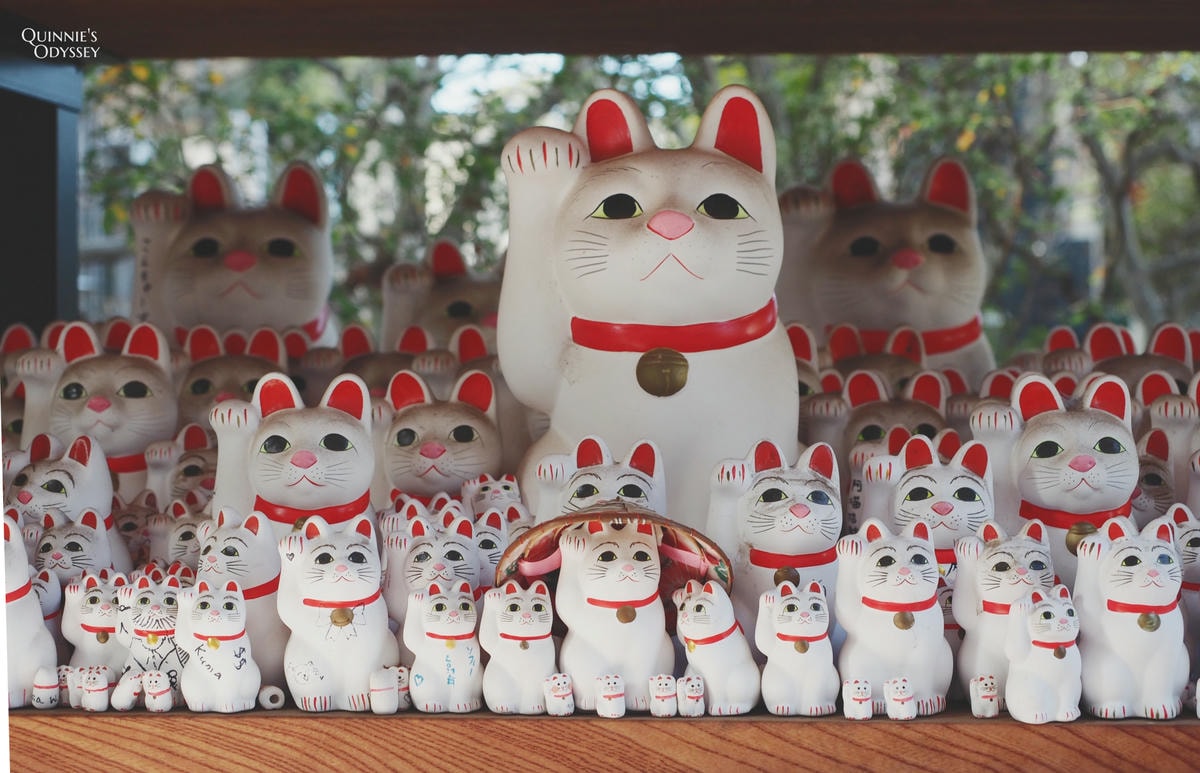
Gotokuji belongs to the Soto school of Zen Buddhism and was built in the early Edo period by the Ii family.
The main deity enshrined is Shakyamuni Buddha, but what makes the temple stand out is its strong lucky cat tradition.
The white cats symbolize good fortune, prosperity, success, and family happiness.
Visitors often buy a cat figurine to make a wish, and once the wish comes true, they return it to the temple, this is why so many cats are placed together on the shelves.👇
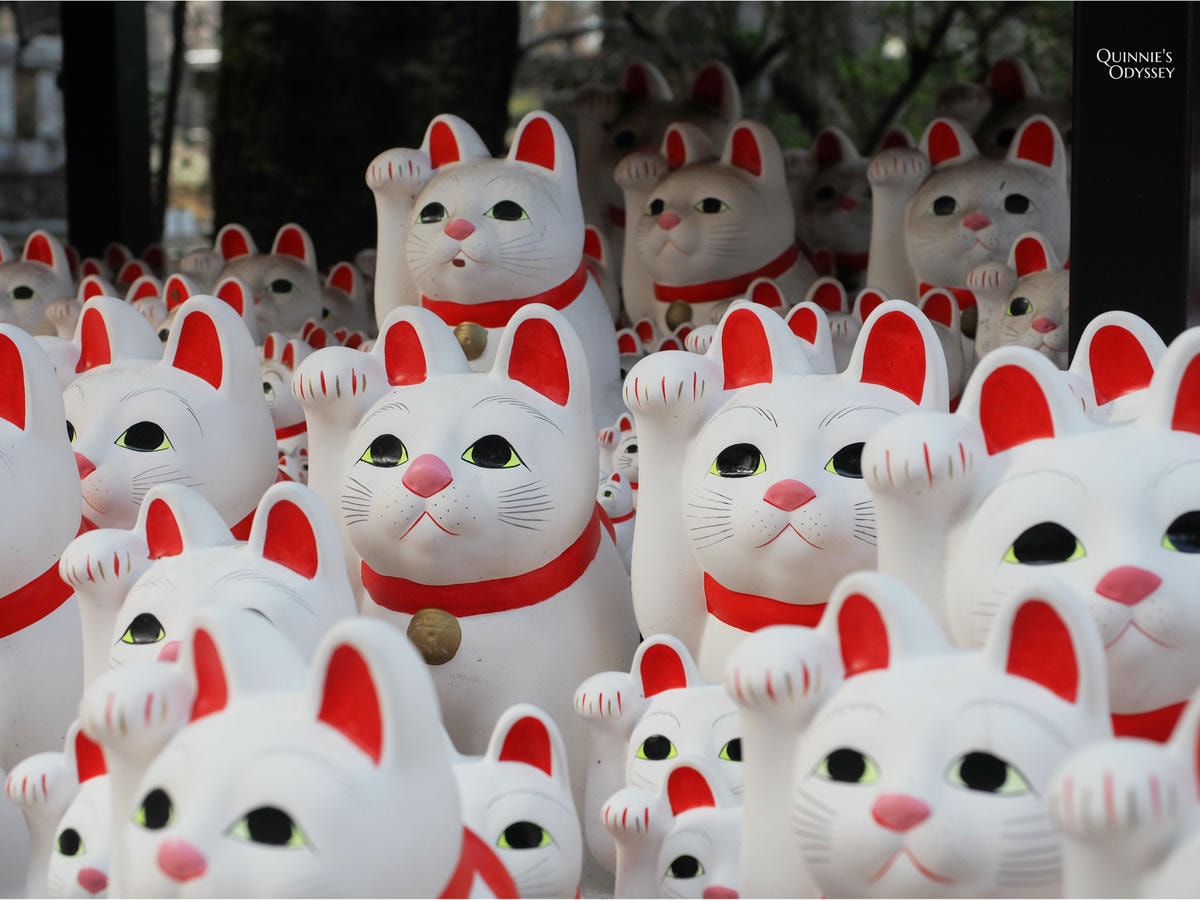
Gotokuji sells lucky cats in nine different sizes, ranging from 2 cm to 30 cm, priced from about 500 to 7,000 yen.
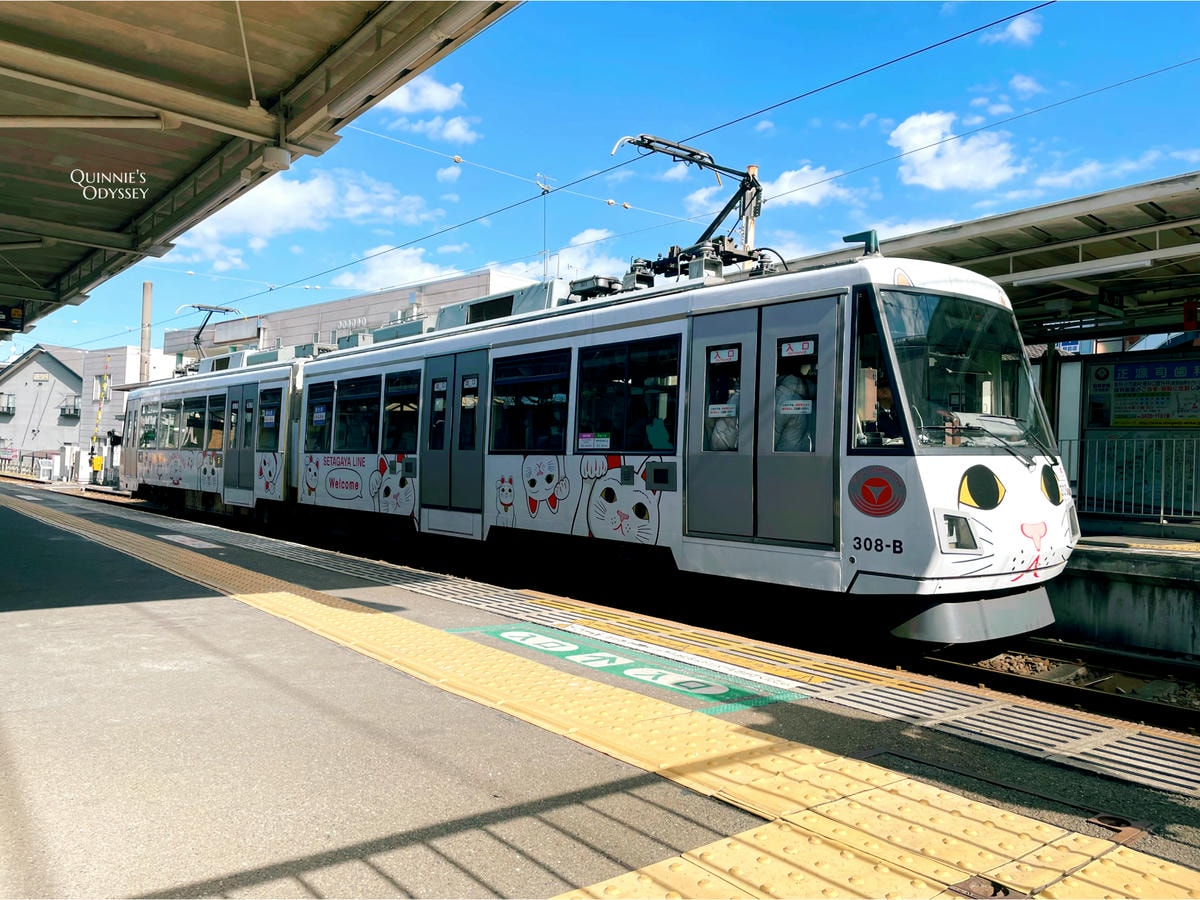
If you’re taking the Tokyu Setagaya Line to Miyanosaka Station, you might even catch the cute lucky cat train, decorated with cat motifs, a fun bonus for travelers! 🐾
More about Gotokuji 👉👉 Tokyo’s Fortune Cat Shrine: Exploring Gotokuji, the Origin of Maneki-neko
Located in Asakusa, Imado Shrine is known for its adorable atmosphere and strong romantic energy.
Its address (1-5-22 Imado) even sounds like the Japanese phrase for “good couple,” making it a popular spot for love and marriage blessings.
The shrine is famous for good fortune, good relationships and marital harmony.
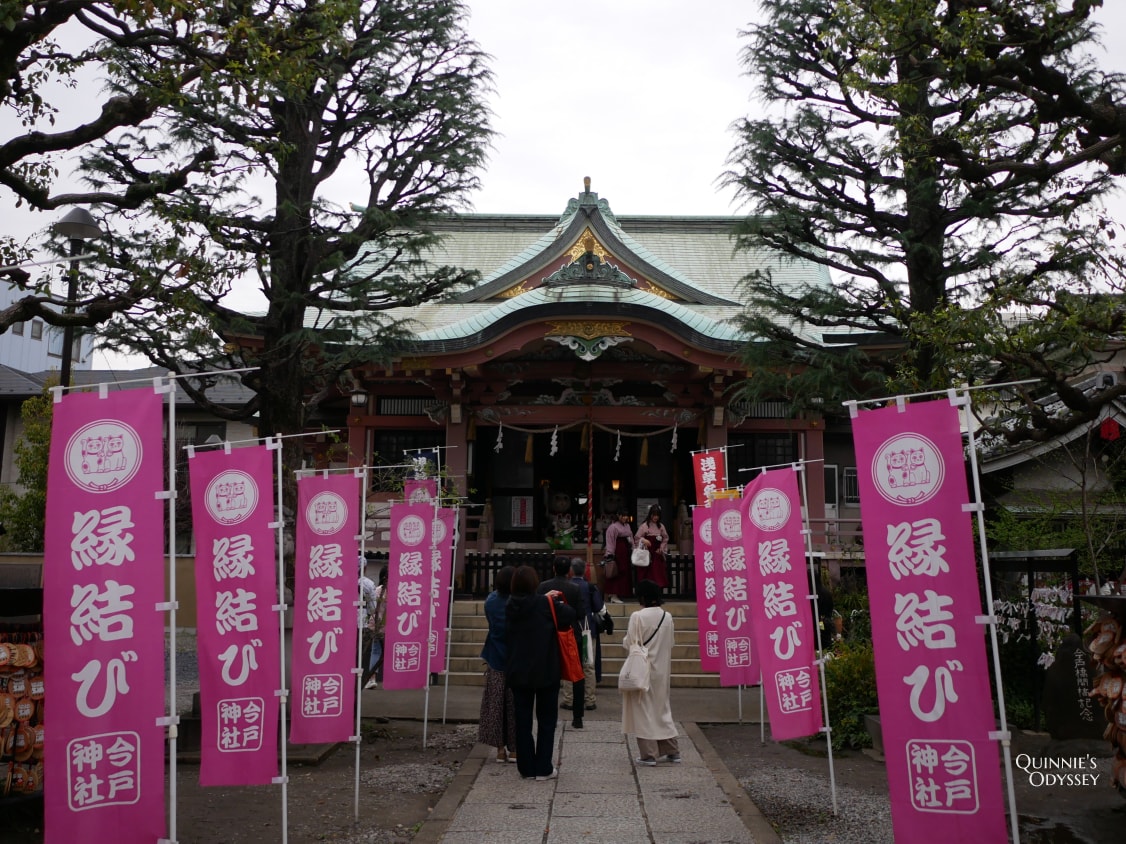
The main deities include Emperor Ojin, Izanagi, Izanami, and Fukurokuju of the Seven Lucky Gods.
Izanagi and Izanami are a divine couple, believed to bring love, harmony, and family happiness.
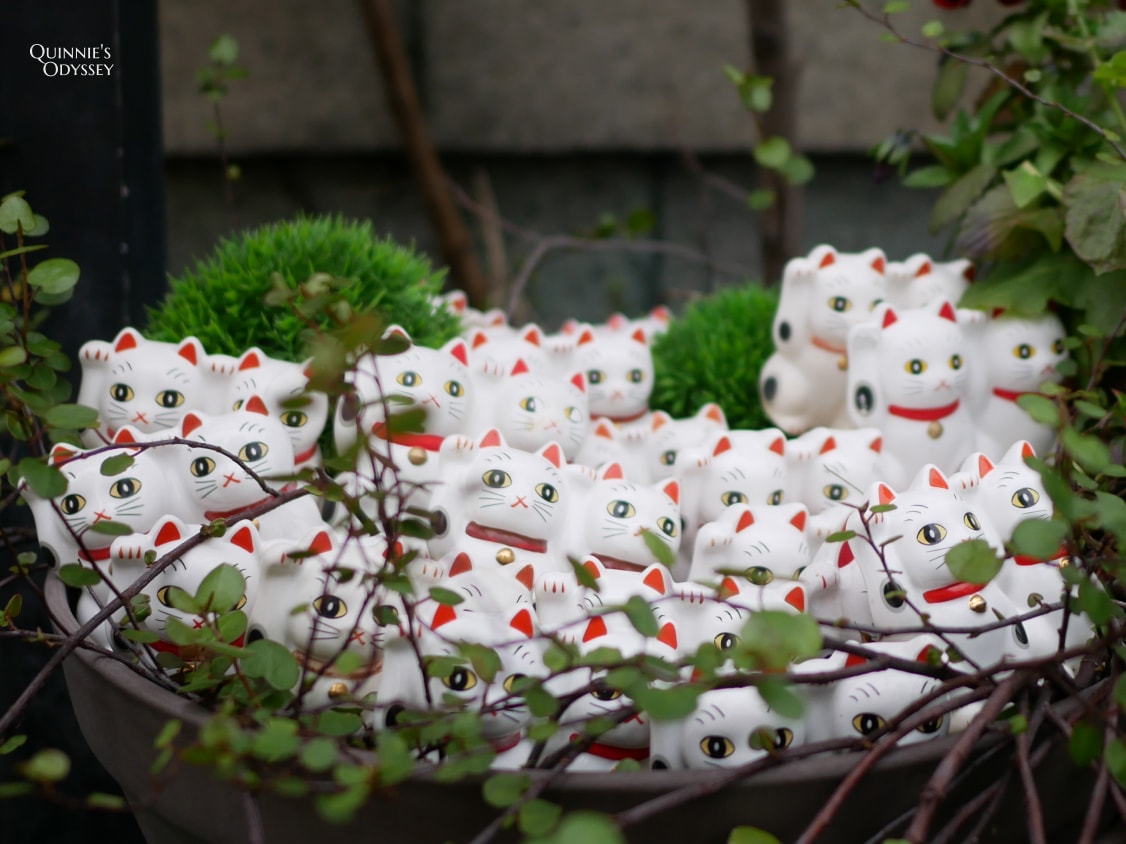
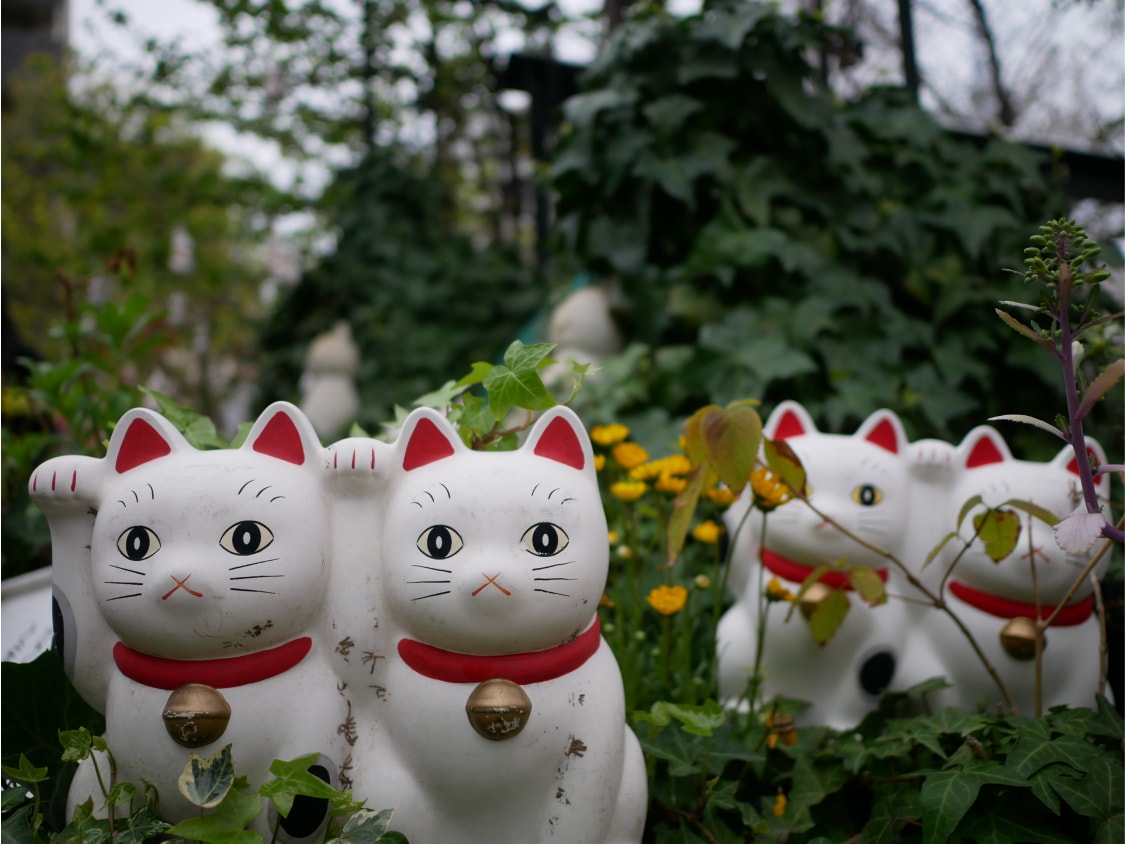
Imado Shrine is also considered one of the birthplaces of the maneki-neko, so you’ll find cute cat statues everywhere, from the entrance to the shrine grounds, perfect for photos!
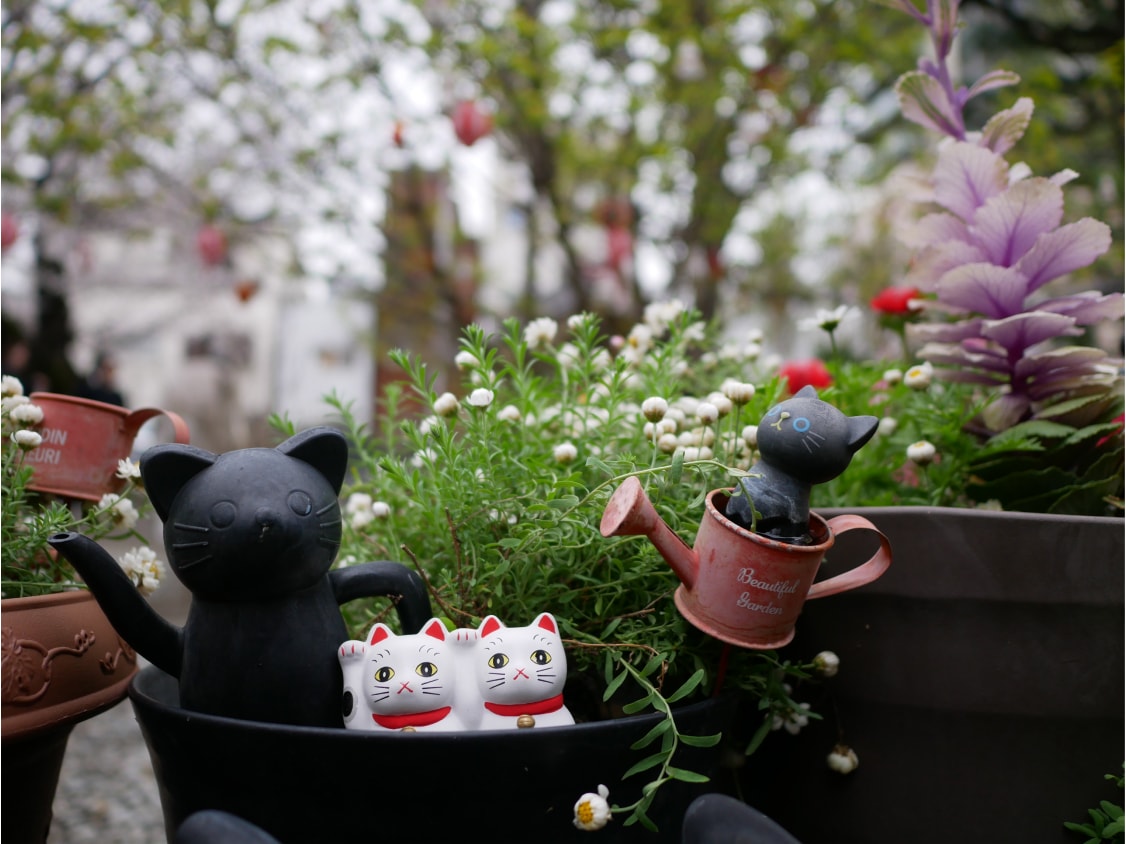
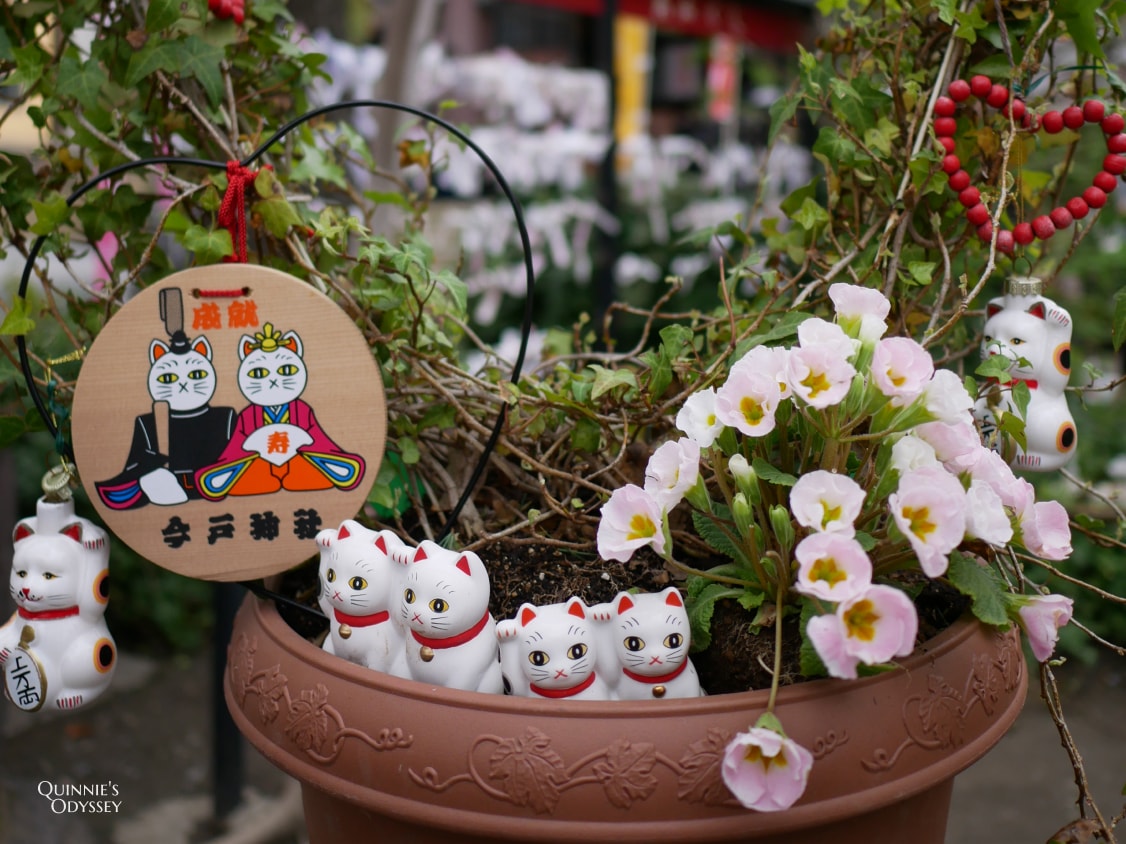
Many visitors come to pray for love, and it’s said that sincere prayers here can help you meet your ideal partner.
Located in central Tokyo, Suiten-gū is one of the most popular shrines for praying for safe childbirth, fertility and healthy children.
Every year, countless couples and expectant parents visit to receive blessings.
The shrine worships several deities, including:
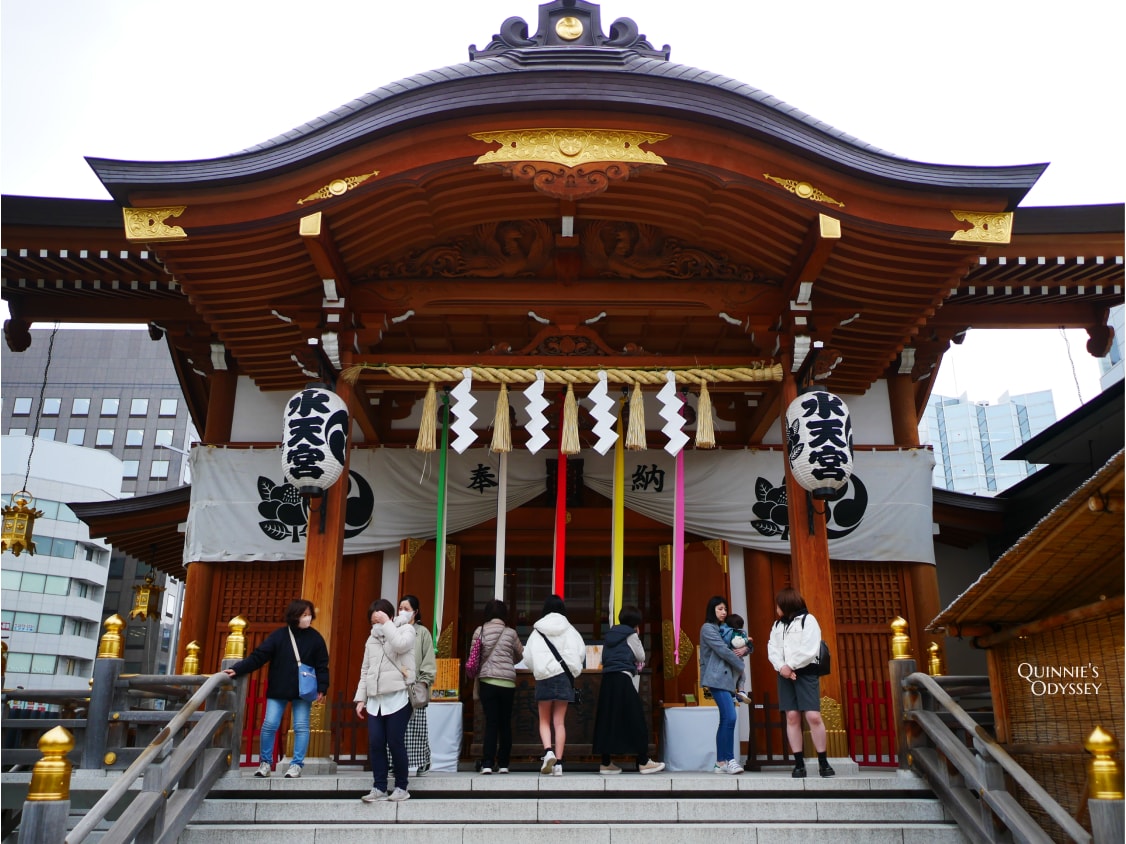
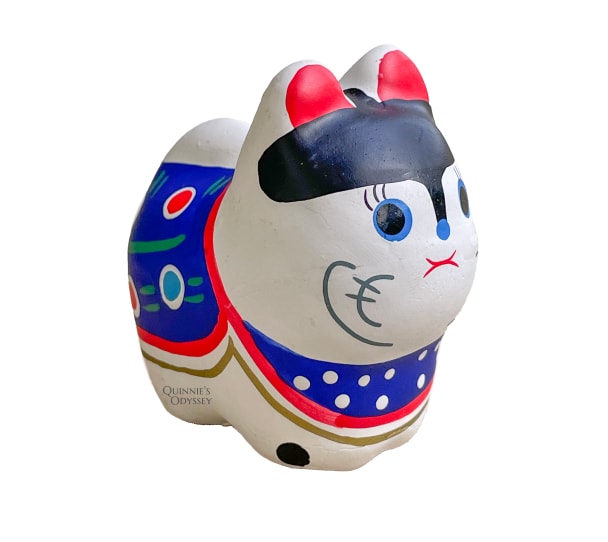
One of the most beloved symbols of this shrine is the “Fuku-inu” (lucky dog), a dog-shaped charm that has been popular since the Edo period. It represents:
Visitors can buy Fuku-inu charms, large ones cost 1,000 yen and small ones 500 yen.
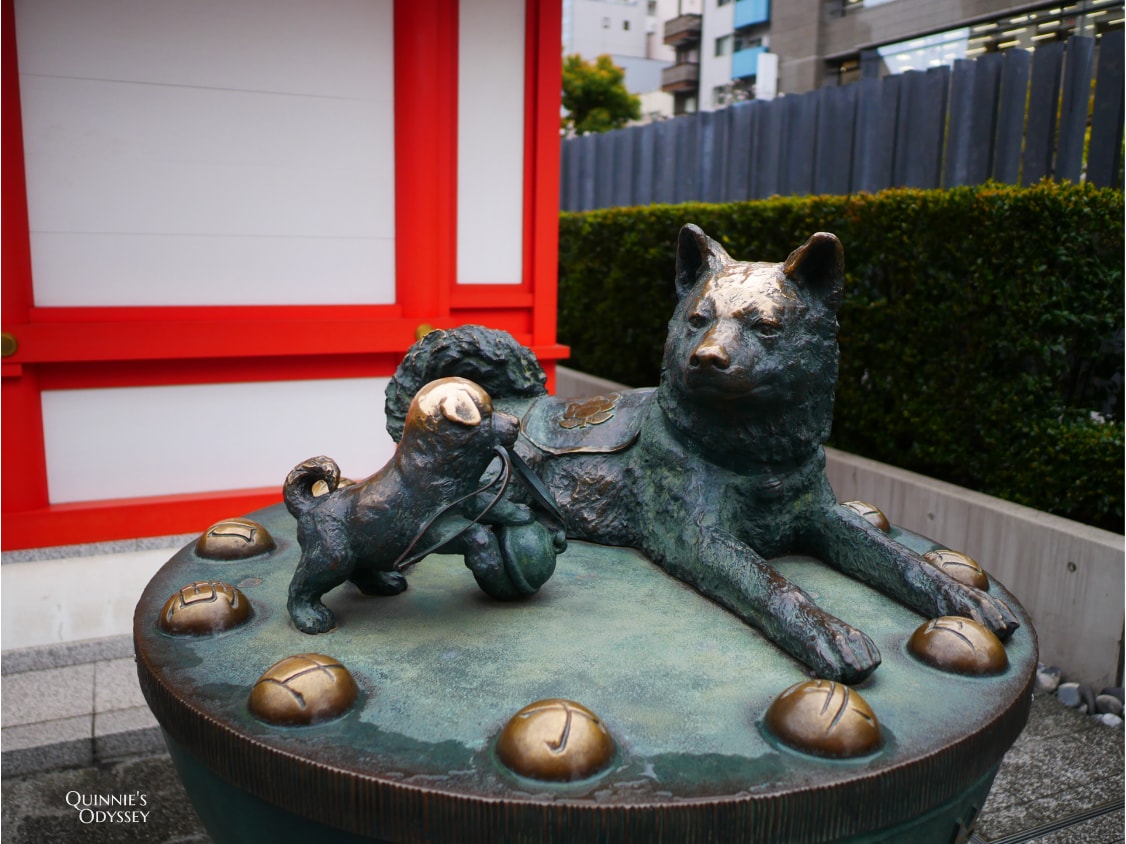
There’s also a “Kodakara Inu” statue, and touching the section corresponding to your zodiac year is believed to help with safe pregnancy and childbirth.
Inside the shrine, you’ll also find a charming kappa family statue, symbolizing parental love.
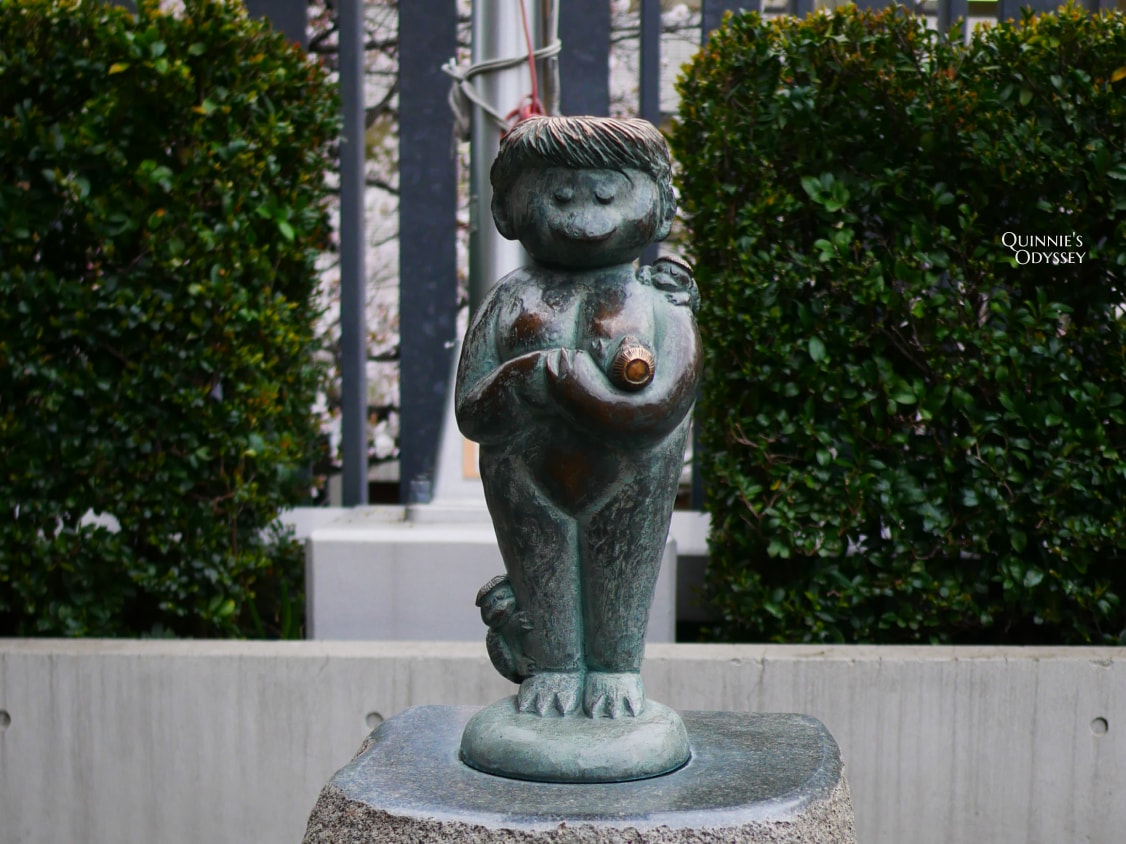
If you have the chance, the shrine holds daily prayer ceremonies for safe childbirth from 8:00 to 15:15.
Shitaya Shrine, located in Higashi-Ueno in Tokyo’s Taito Ward, is known as the oldest Inari shrine in the city.
Its history goes all the way back to the Nara period, which means it has been standing for more than a thousand years.
The shrine enshrines Otoshi no Kami, said to be the son of Susanoo and the sibling of Amaterasu’s family line.
He is believed to watch over agriculture, business prosperity, and household safety.
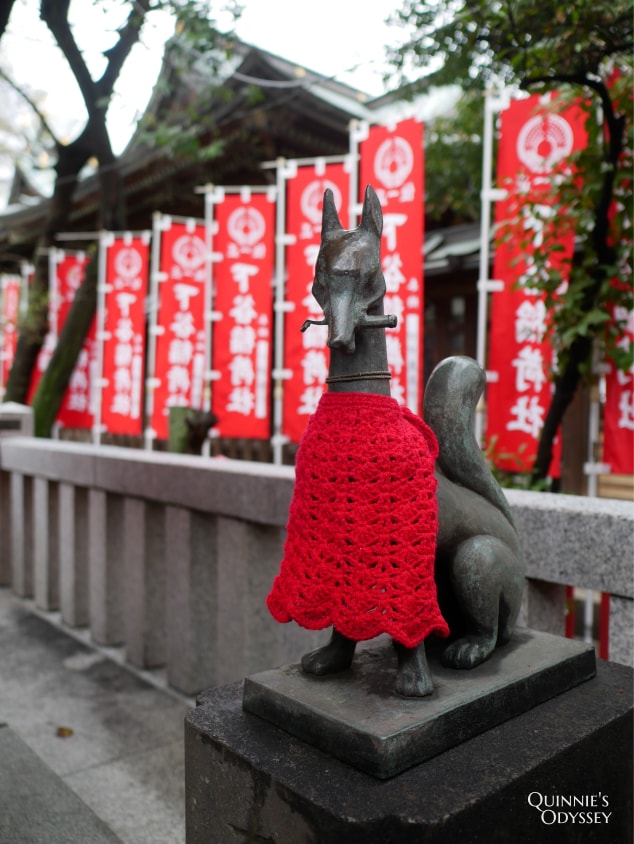
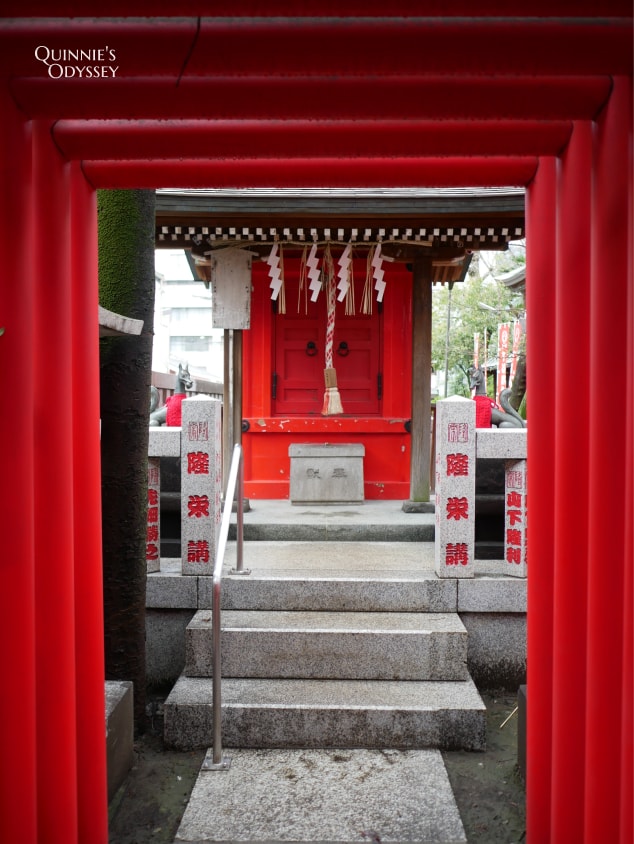
As you enter the grounds, you’ll see a striking row of red torii gates and banners welcoming you in.
The shrine itself isn’t very large, but it has a peaceful, calming atmosphere that makes it easy to pause and breathe.
You can also find omamori (good-luck charms) at the shrine office right next door.
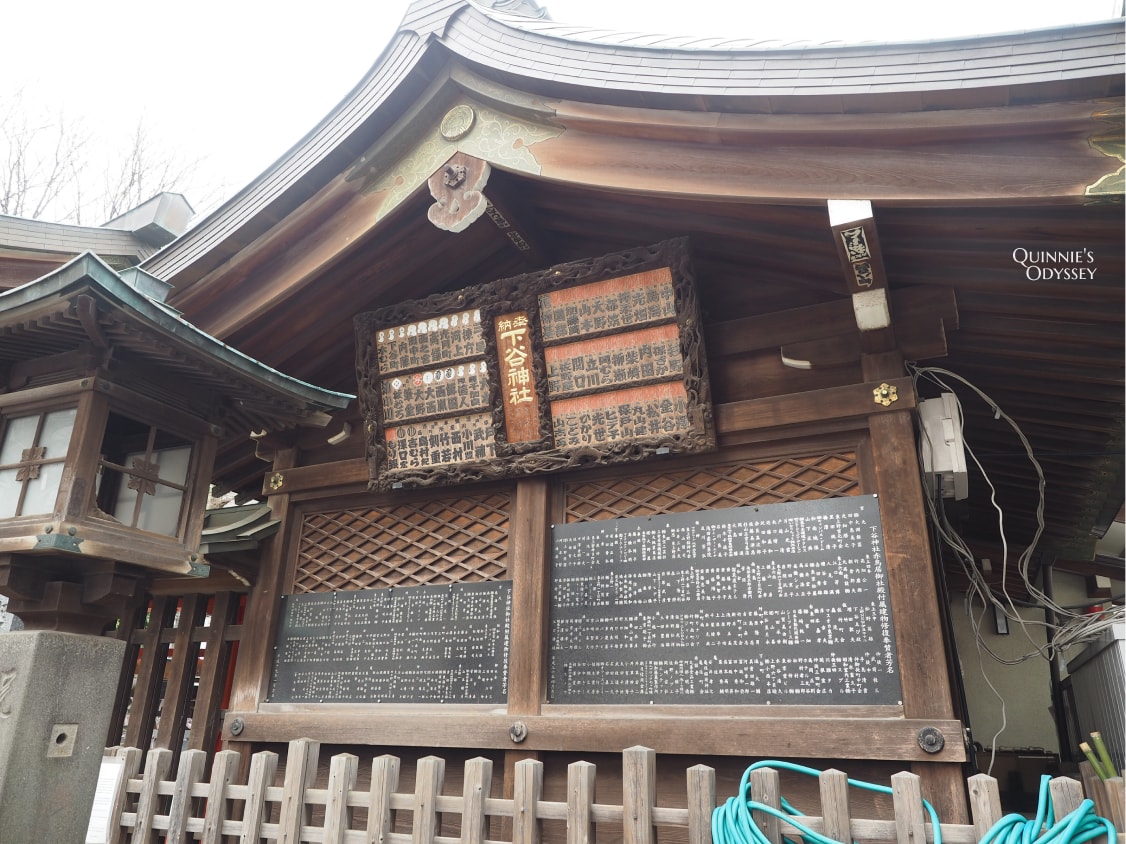
Every May, Shitaya Shrine hosts the Shitaya Shrine Grand Festival, which is considered one of the earliest summer festivals in Tokyo’s traditional downtown area.
The festival has two parts: the “Main Festival” and the “Shadow Festival,” a tradition that has continued for over a millennium.
During this time, the whole community comes alive with festive events, attracting locals who gather to celebrate and welcome the new season.
Oji Inari Shrine, located in Tokyo’s Kita Ward, is a small but deeply atmospheric shrine filled with mystery and folklore.
Inside the main hall, the shrine worships Ukanomitama no Kami, the deity of Inari faith, associated with good harvests, business prosperity, and household safety.
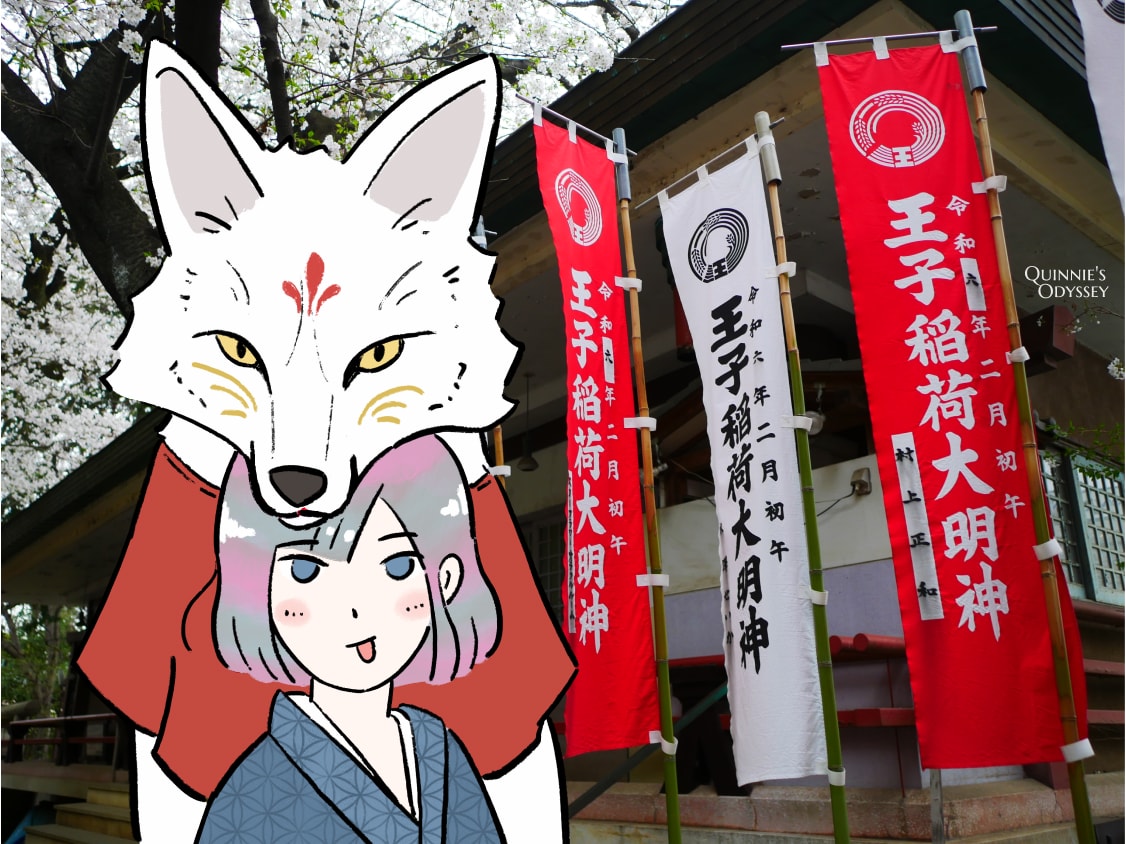
Throughout the grounds, you’ll spot many fox statues holding scrolls or rice in their mouths, symbols of the sacred messengers of Inari.
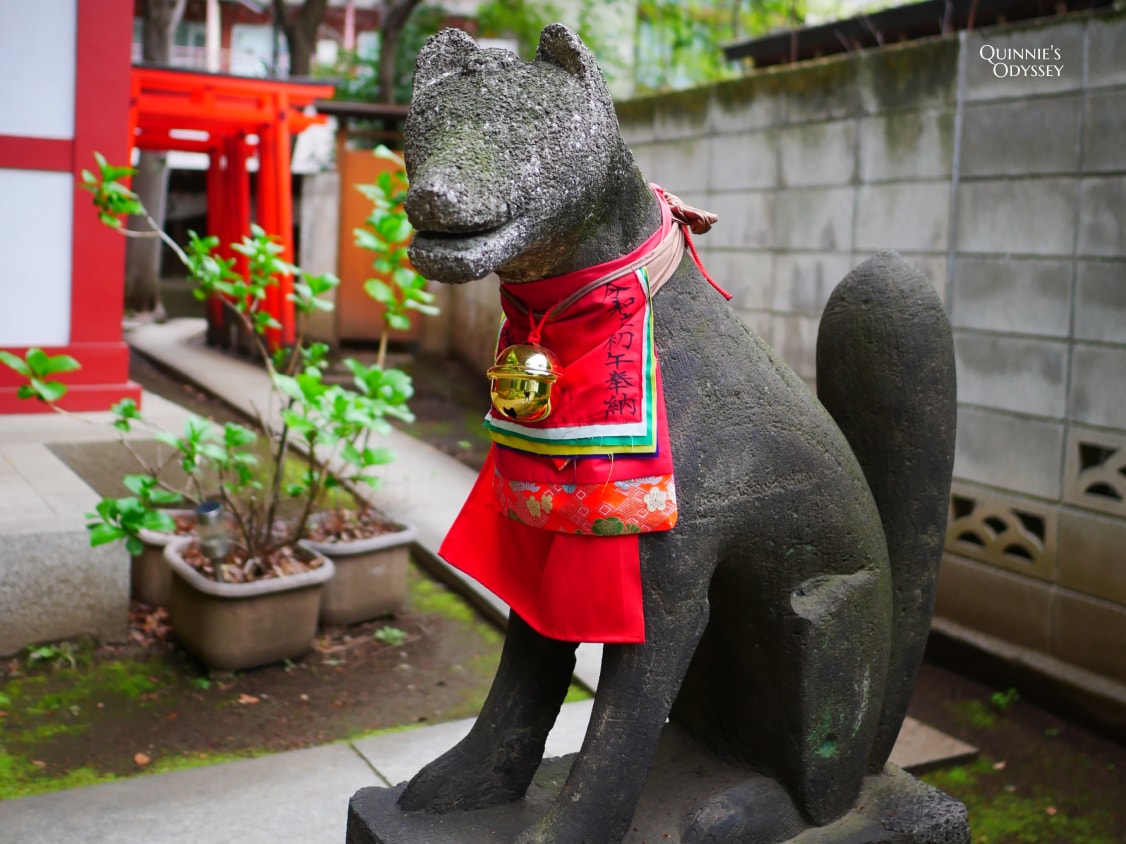
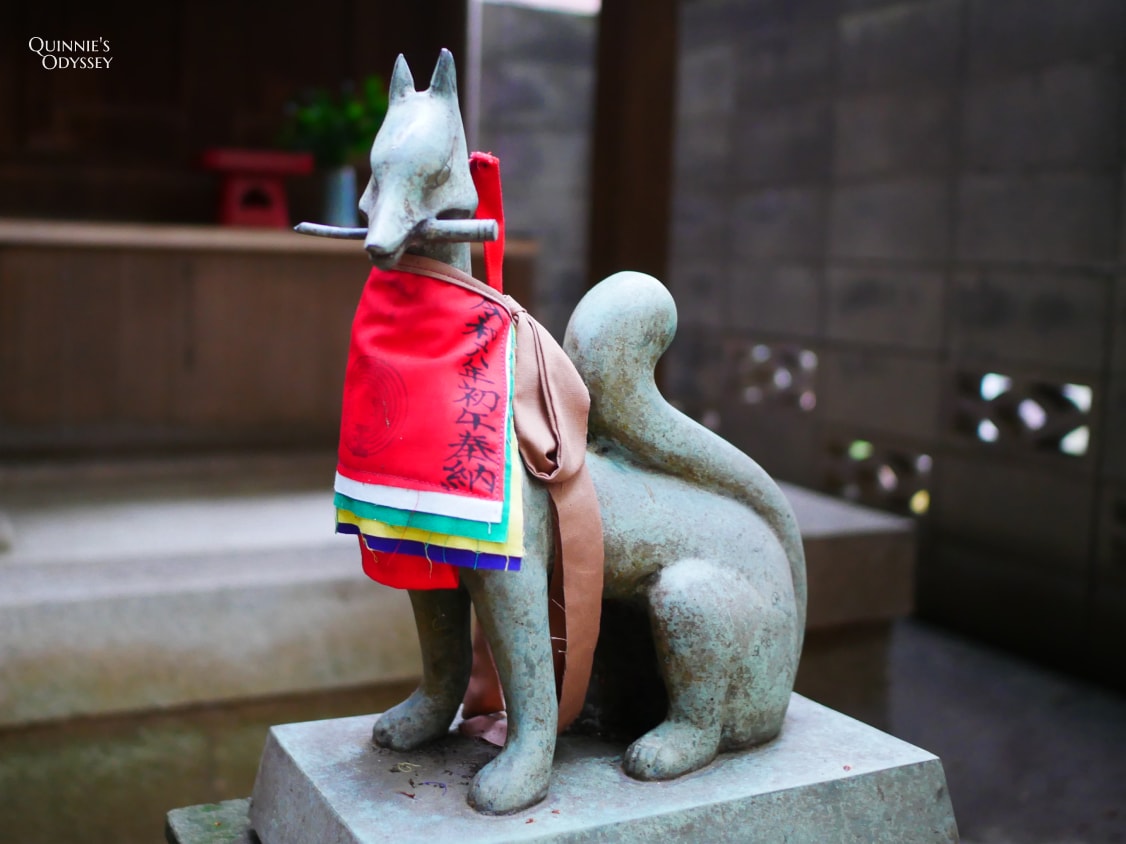
One thing that makes this shrine especially fascinating is its connection to the old Fox Fire Legend.
According to the tale, foxes would gather here on New Year’s Eve, lighting mysterious fox fires before heading into the new year.
This legend inspired today’s New Year Fox Parade (Kitsune Gyoretsu), where people dress up with fox masks and costumes to celebrate.
Even though the shrine is compact, it’s packed with intriguing spots like the Wish-Granting Stone and the remains of an old fox den, making it a popular “power spot” for good fortune.
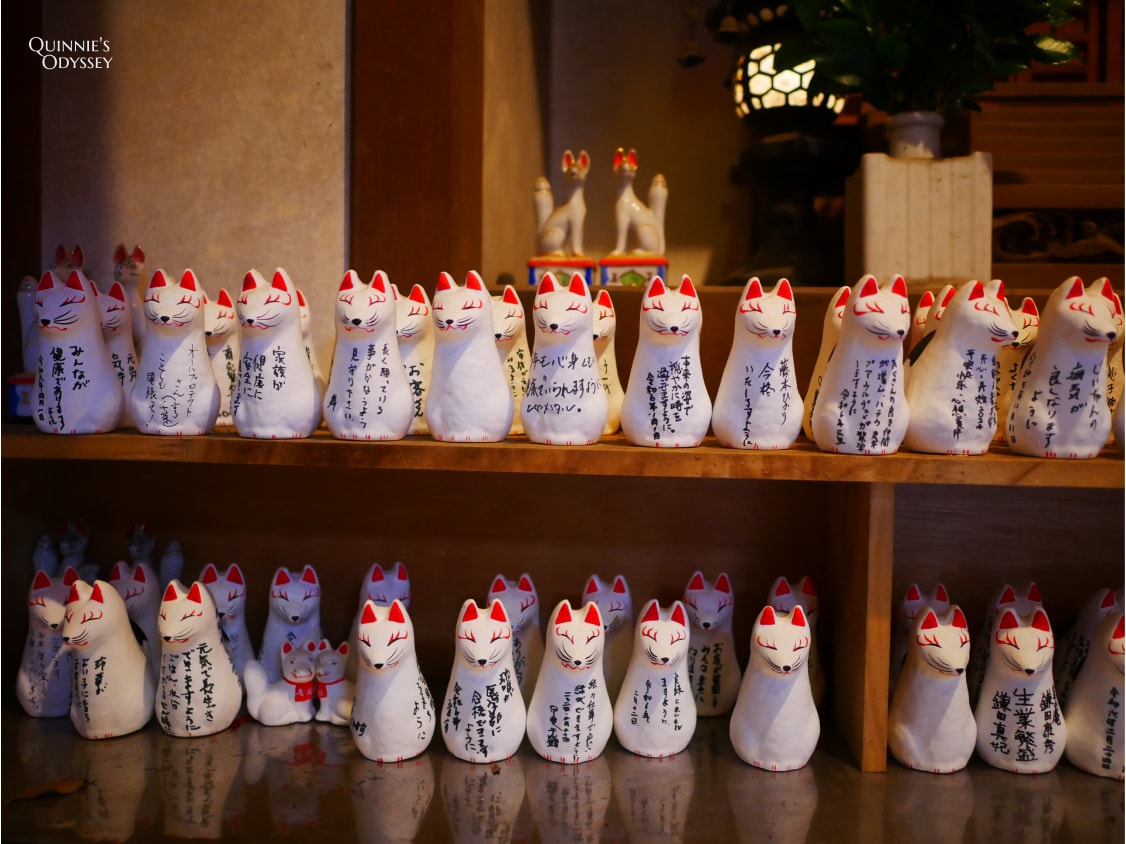
More about Oji Inari Shrine 👉👉 Oji Inari Shrine: The Hidden Tokyo Shrine with Mysterious Fox Legends
Take the JR or Tokyo Metro to Oji Station, then walk about 6 minutes.
Yanagimori Shrine, located in Kanda-Sudacho in Chiyoda Ward, is small but surprisingly full of character.
Within its grounds stand several little sub-shrines dedicated to different deities.
The main enshrined deity is Ukanomitama-no-Okami, but you’ll also find shrines for Fukurokuju, Okuninushi, water deities, Benzaiten, Akiba-no-Okami, Konohanasakuya-hime, and more, seven sub-shrines in total.
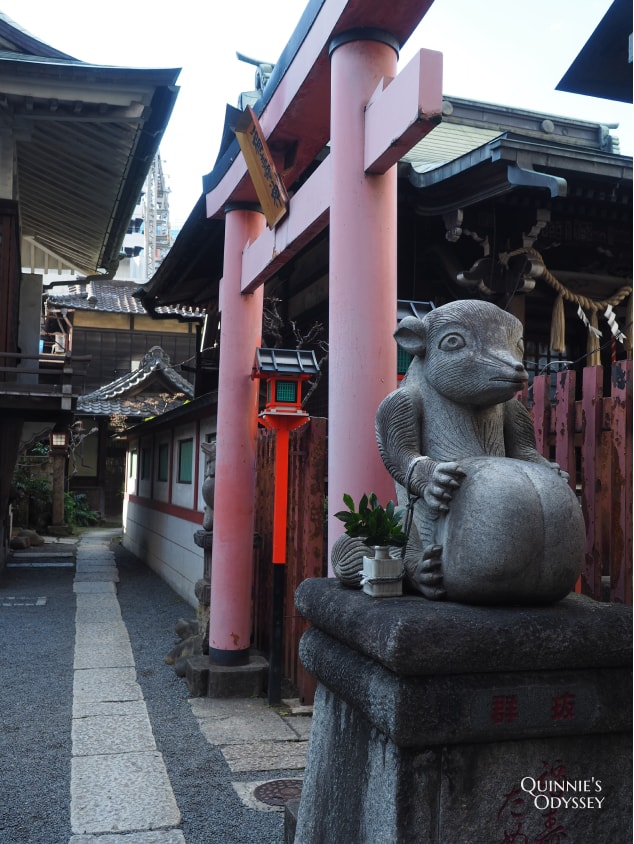
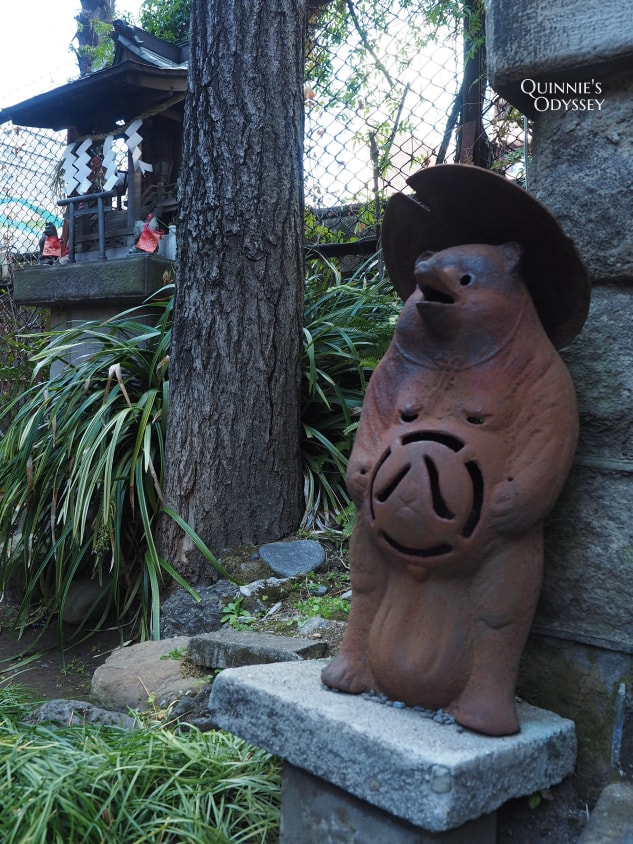
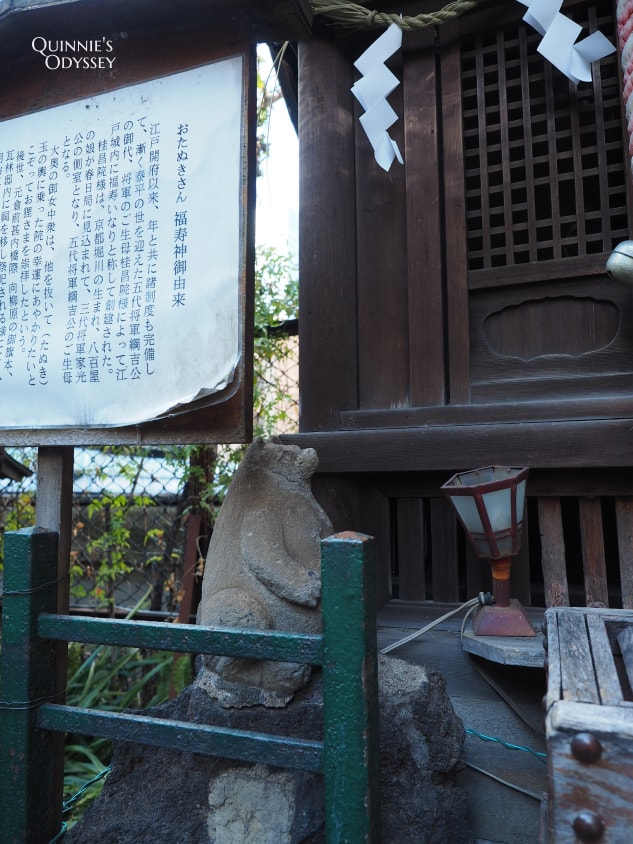
Yanagimori Shrine is famous for its tanuki statues because of a small shrine inside called Fukujusha, which enshrines the “Fukujutanuki,” a lucky raccoon-dog spirit.
The origin of this little shrine dates back to the Edo period, when Keishōin, the mother of the 5th Tokugawa shogun Tsunayoshi, established it inside Edo Castle.
It was later moved to Yanagimori Shrine and became known as a place to pray for long life and household safety.
In Japanese culture, tanuki symbolize good fortune, wealth, and prosperity.
Their round, friendly appearance often makes them a beloved symbol of luck, attracting many visitors who come to pray for business success and good fortune.
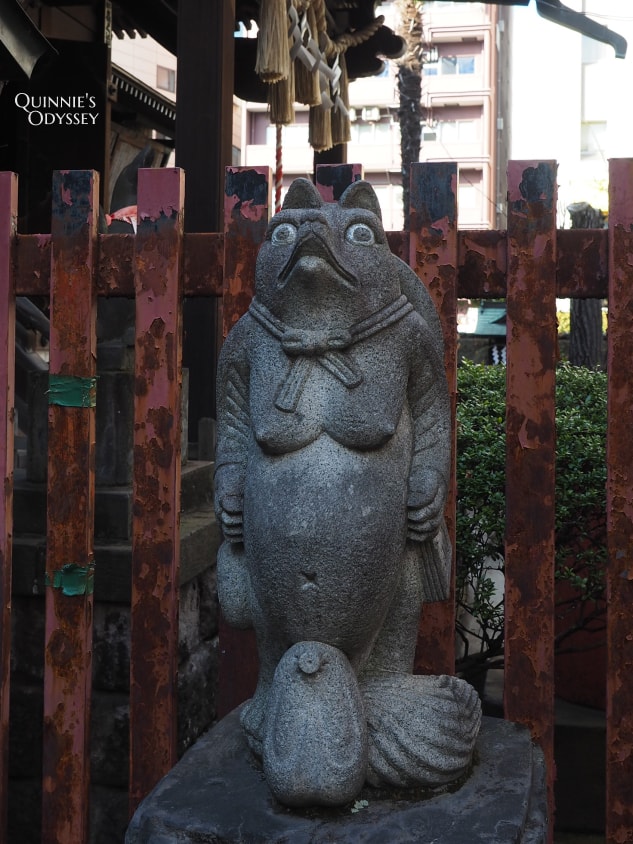
The tanuki also appear frequently in Edo-period folktales as shapeshifting, clever creatures who help or sometimes play tricks on humans.
At Yanagimori Shrine, however, the Fukujutanuki is mainly worshipped as a protective and lucky guardian.
Sogenji Temple, located near the Tokyo Skytree in Taito Ward, is a mysterious and historically rich temple known as the Kappa Temple because it enshrines the Japanese mythical water creature, the kappa.
The temple dates back to 1588 and originally belonged to the Soto Zen sect.
After several relocations, it settled in its current location following the Great Meireki Fire in 1657.
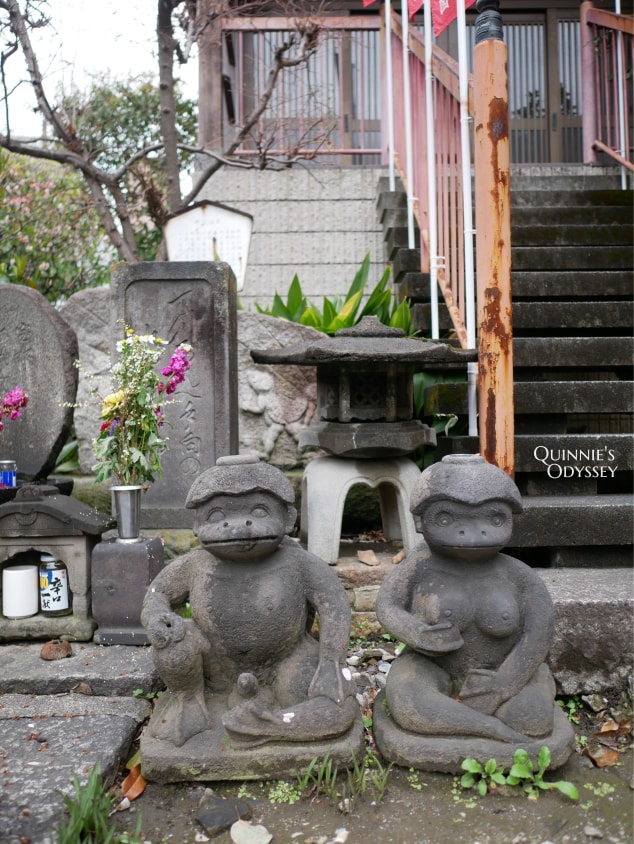
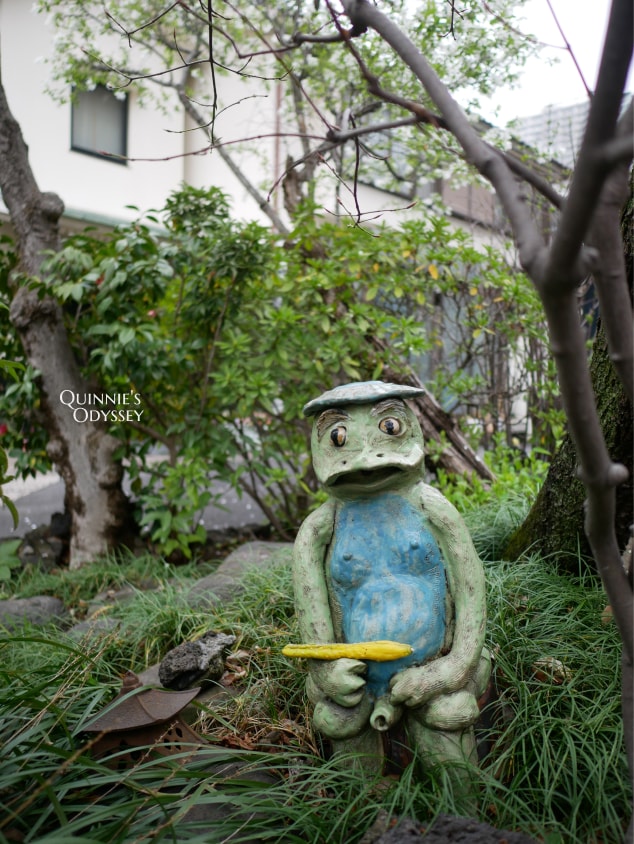
Sogenji’s connection to the kappa comes from a fascinating legend.
In the 19th century, a local umbrella and raincoat merchant named Kihachi Kappaya spent his own money to build flood-control embankments and bridges in the area.
During the construction, it’s said that kappas emerged from the nearby Sumida River and helped complete the project.
This miraculous story led to Kappaya being buried at Sogenji after his death, and the kappa was honored as Kappa Daimyojin, a protective deity.
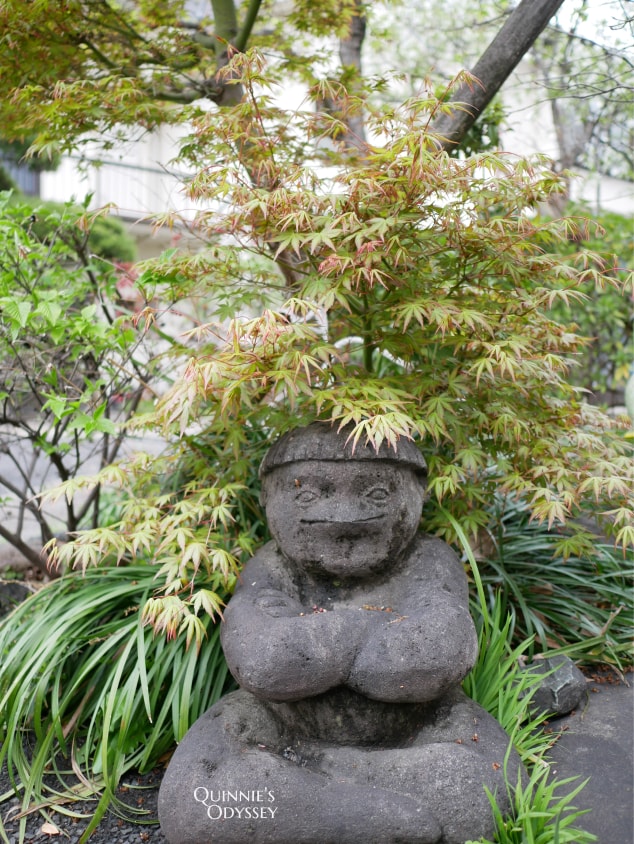
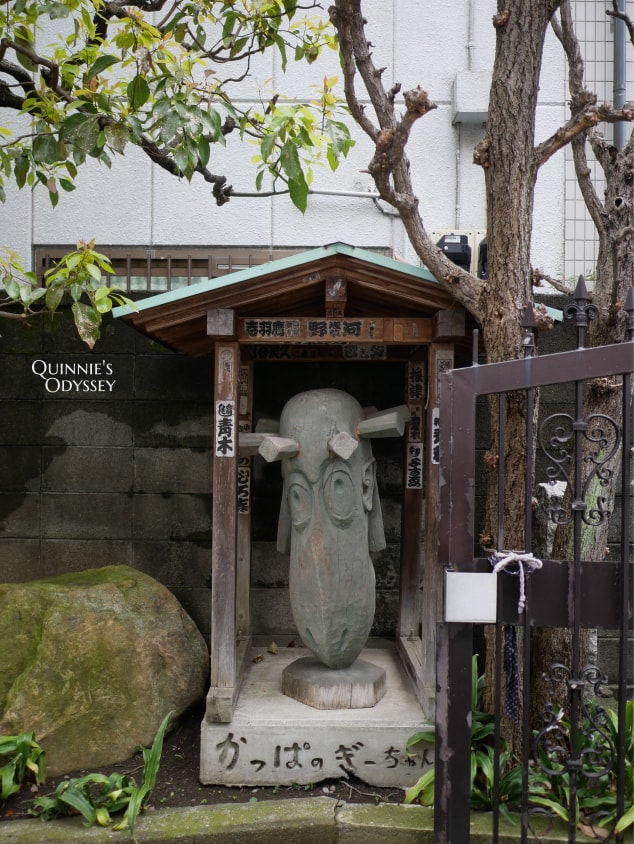
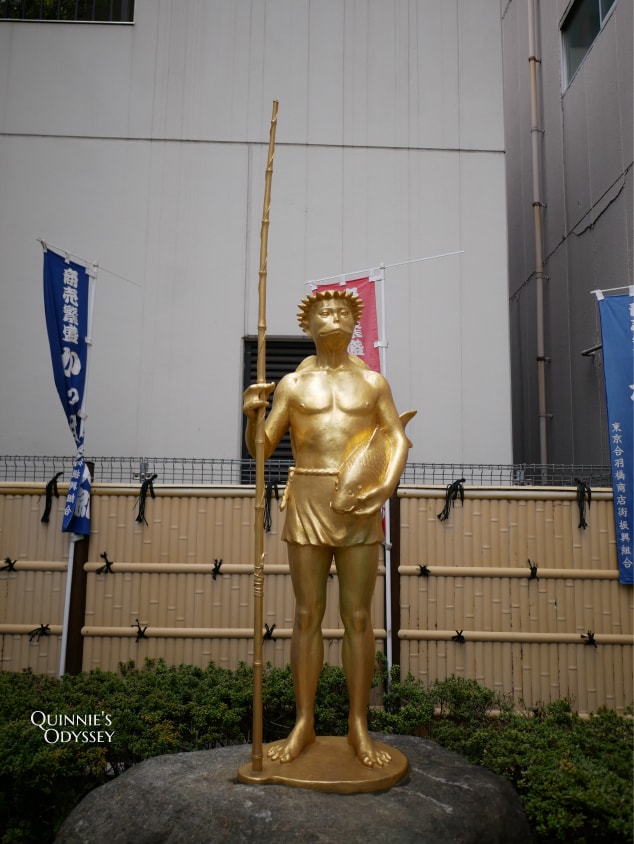
Inside the temple, you’ll find various kappa-related items, including a supposed kappa hand bone, a mysterious relic that couldn’t be scientifically identified, adding to the shrine’s eerie charm.
You’ll also see kappa statues and historical scrolls depicting their folklore.
One fun sight is the offering table piled with cucumbers, the kappa’s favorite food.
People leave cucumbers as offerings for protection, safety, and blessings related to water, travel, and business.
Nearby Kappabashi Shopping Street also uses the kappa as a mascot, and you might spot quirky kappa statues while exploring the neighborhood.
▼ Tokyo Travel Essentials ▼

Thanks for reading!
If you’re interested in my stories, feel free to follow me on Instagram.
👉👉 IG: @sika_artist 👈👈