Physical Address
304 North Cardinal St.
Dorchester Center, MA 02124
Physical Address
304 North Cardinal St.
Dorchester Center, MA 02124

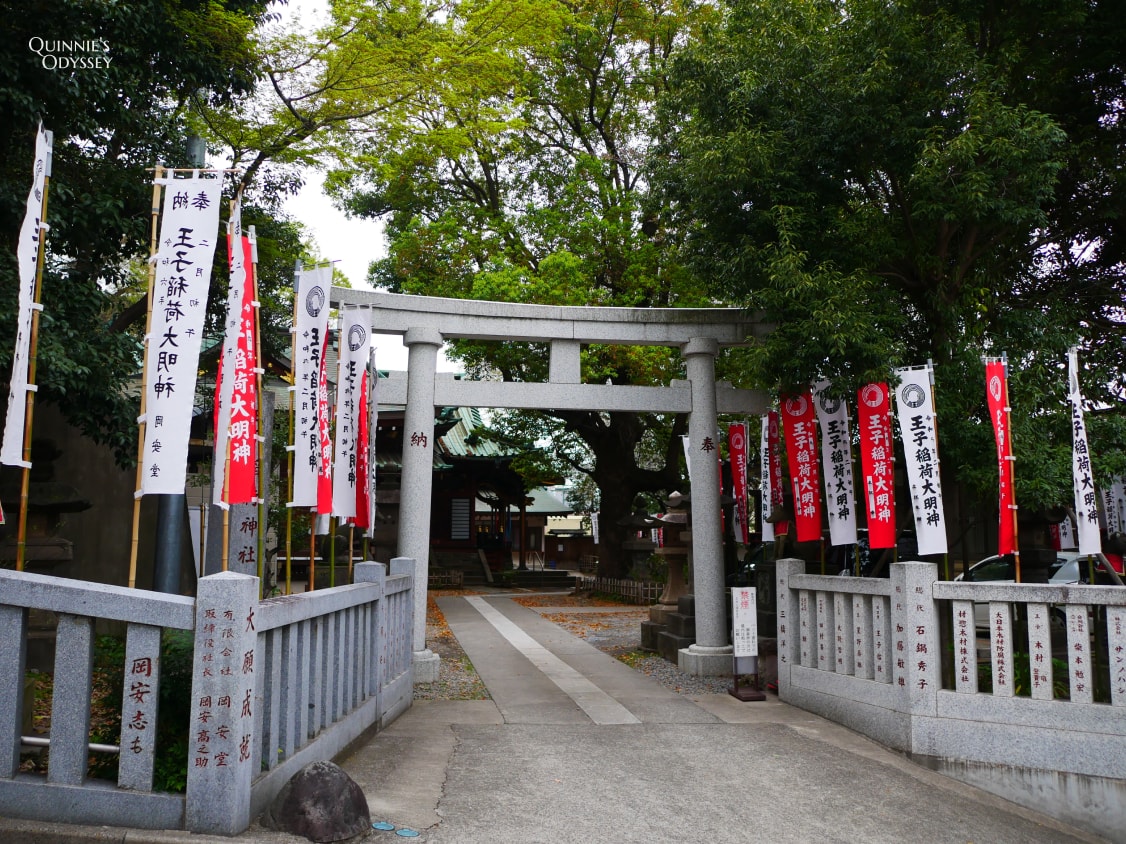
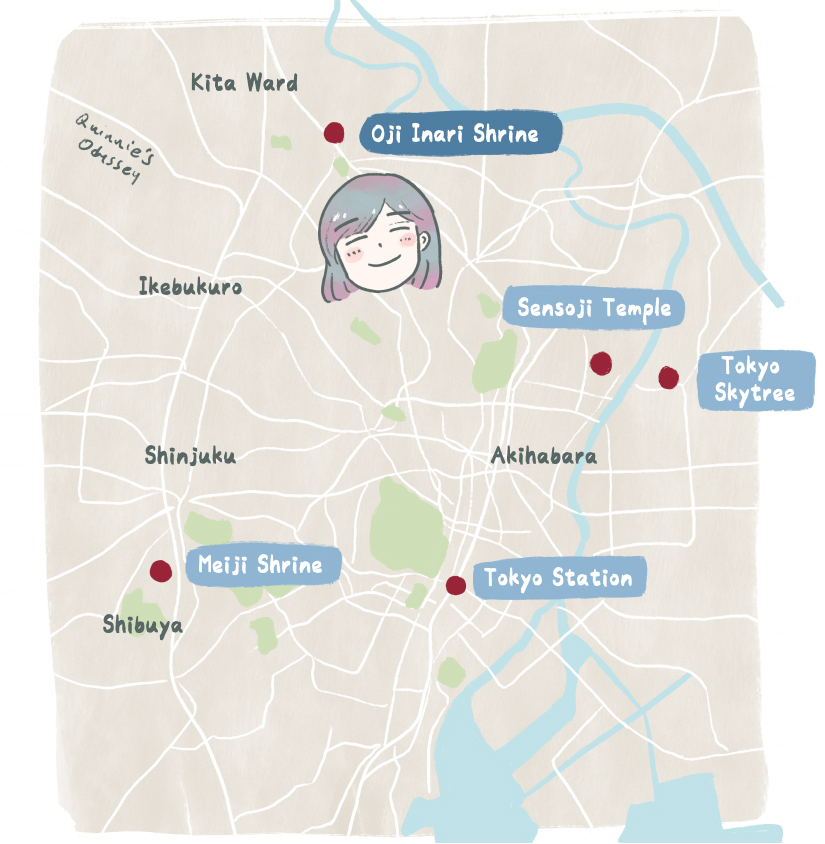
Oji Inari Shrine, located in the Oji area of Tokyo’s Kita Ward, is a well-known Inari shrine famous for prayers, good fortune, and its connection to the classic rakugo story “The Foxes of Oji.”
The shrine grounds aren’t big, but they’re filled with interesting spots like the legendary Wish Stone and the mysterious Fox Den Ruins, making it a popular “power spot” for people seeking good luck.
One surprising detail: the shrine actually sits inside the grounds of a kindergarten!
It’s tucked inside a quiet residential area about a 6-minute walk from JR Oji Station.
For safety reasons, visitors usually can’t enter through the main gate on weekdays, but you can still access the shrine via the pathway on the left side.
▼ Tokyo Travel Essentials ▼
Oji Inari Shrine has a long history.
An old stone monument found on the grounds suggests the shrine may have been built during the Kamakura period (around 1321–1324) by local donors.
During the Edo period, Tokugawa Ieyasu greatly respected Inari worship and considered Oji Inari one of the northern guardian shrines of Edo.
As Inari faith spread, the shrine became an important place for people to pray for blessings and protection.
Today, Oji Inari Shrine is so historical that it even gave the Oji district its name.
Although the shrine was damaged during World War II, it was gradually rebuilt afterward and still keeps its sacred, peaceful atmosphere.
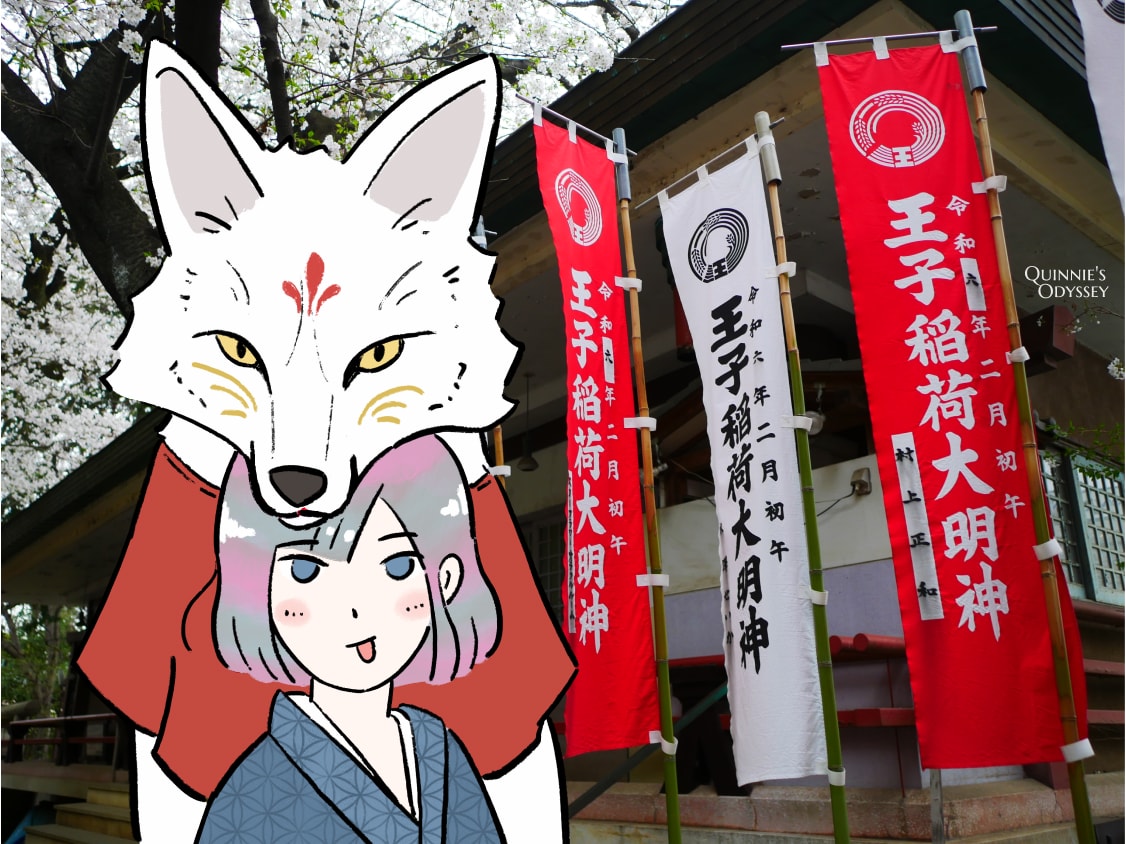
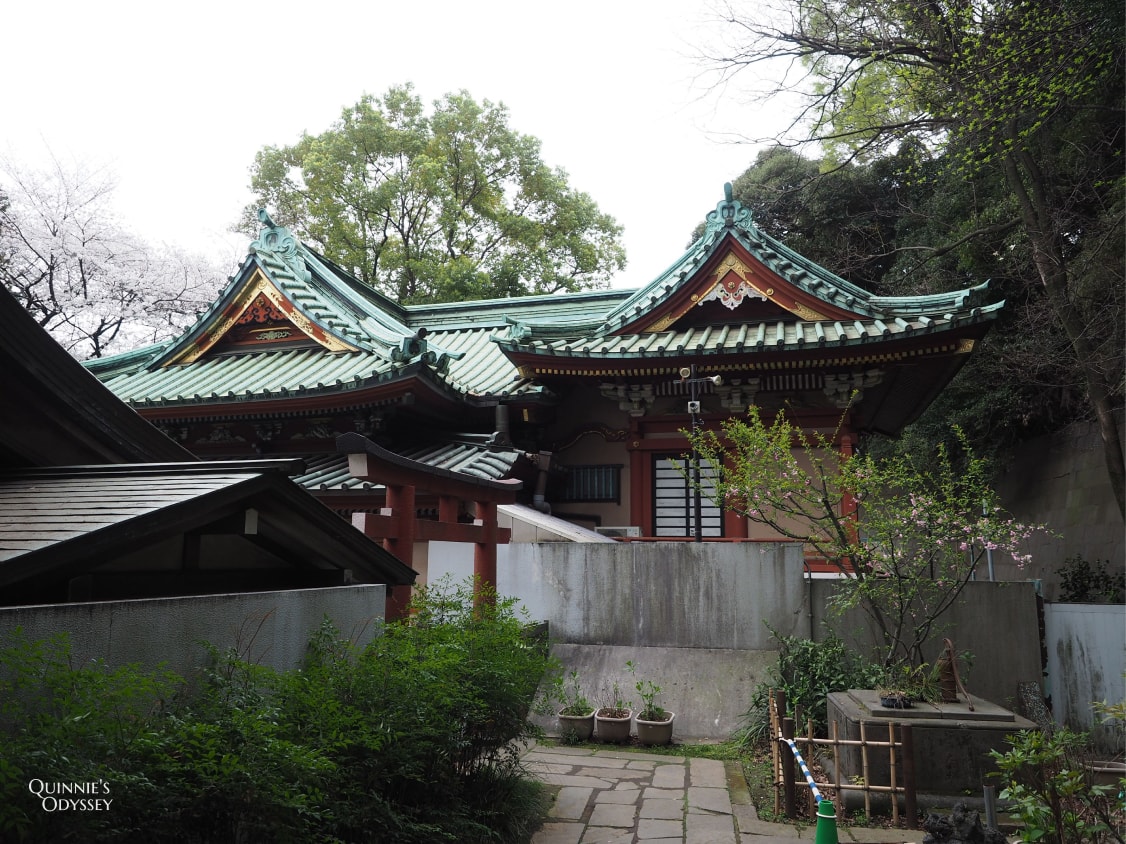
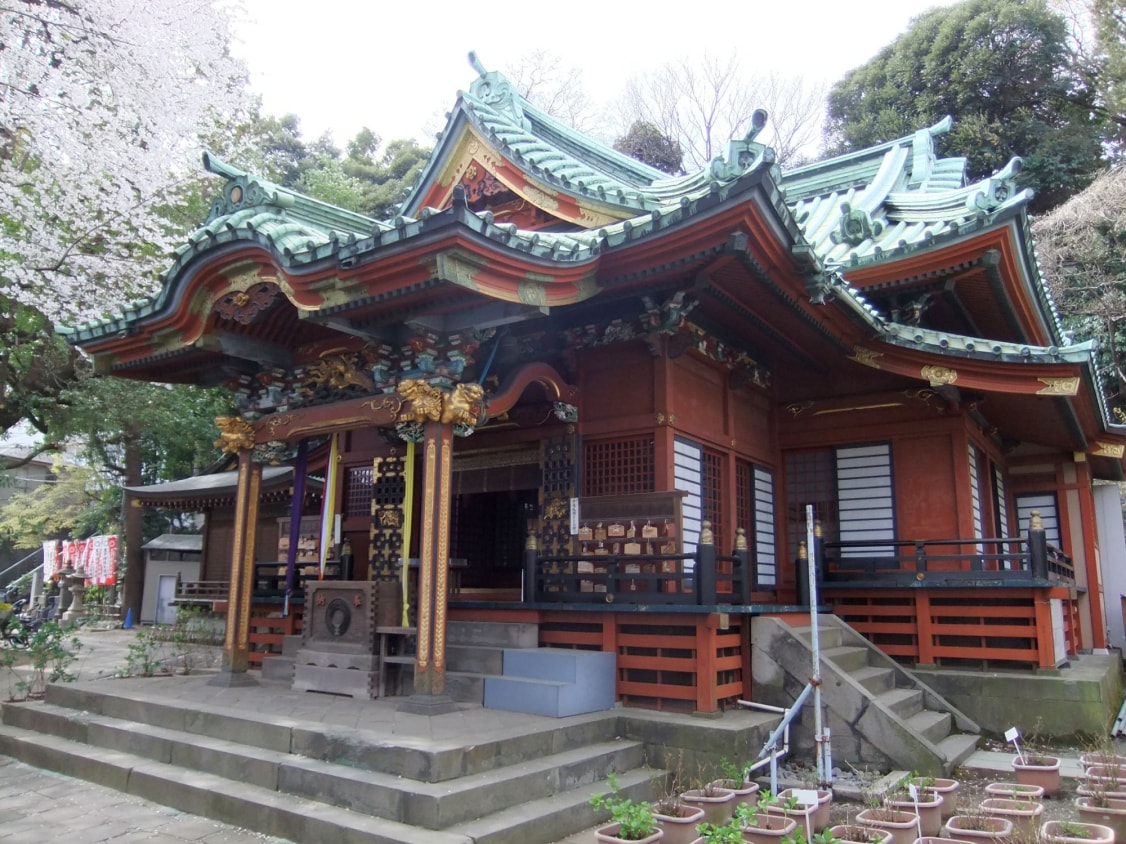
Inside the main hall, the shrine enshrines Uka-no-Mitama-no-Kami, the central deity of Inari worship.
This god is associated with agriculture, business prosperity, and household safety.
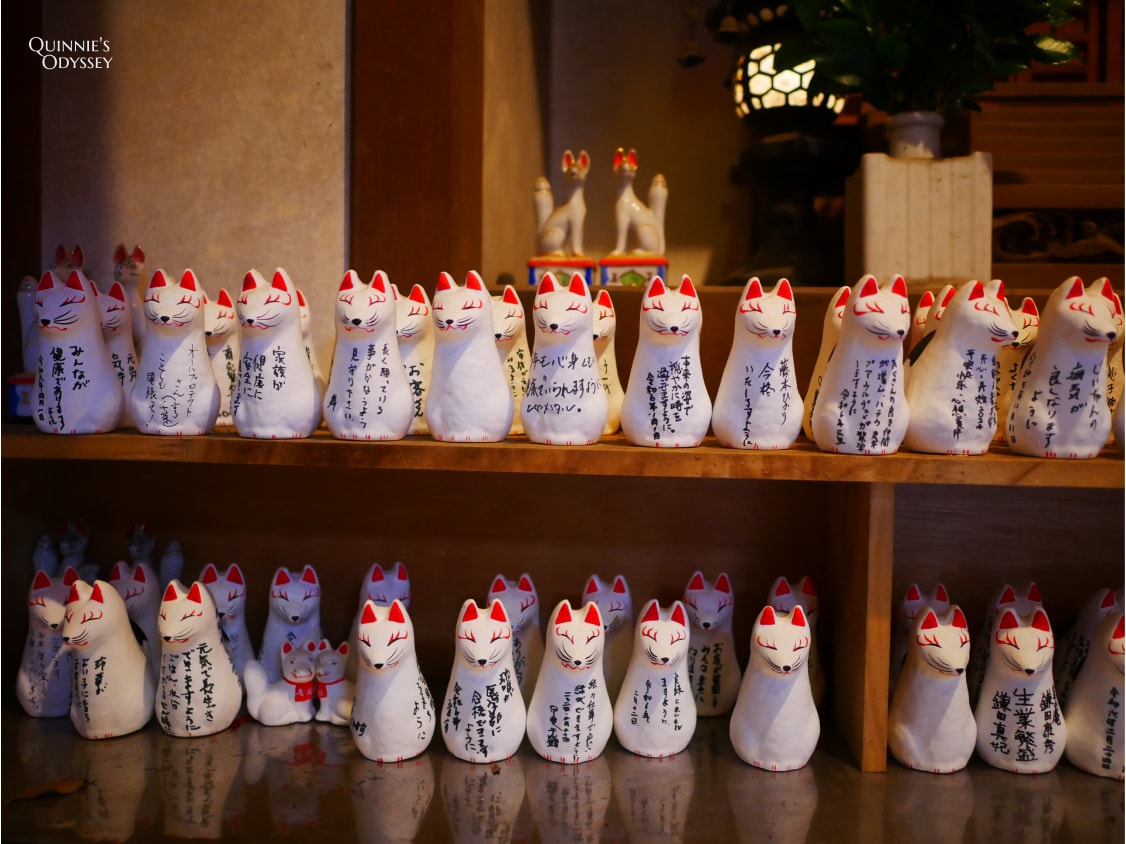
The “White Fox Wish Charm” is one of the most popular items here.
It works like an ema plaque, visitors write their wishes on the fox’s belly and leave it at the shrine.
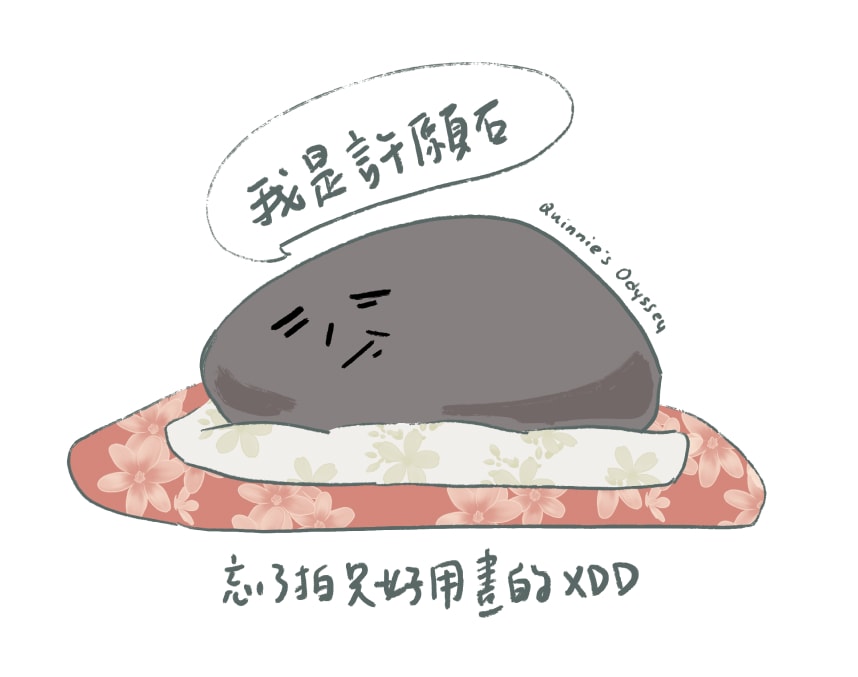
There’s a special Wish Stone on the grounds. The belief is simple:
If it feels heavy, your wish may take more effort to achieve.
If the stone feels light when you lift it, your wish will likely come true easily.
The shrine also has a spot called the Fox Den Ruins, said to be where the fox deity once lived.
People believe this area is filled with strong spiritual energy, and it definitely has a mysterious, almost otherworldly quietness.
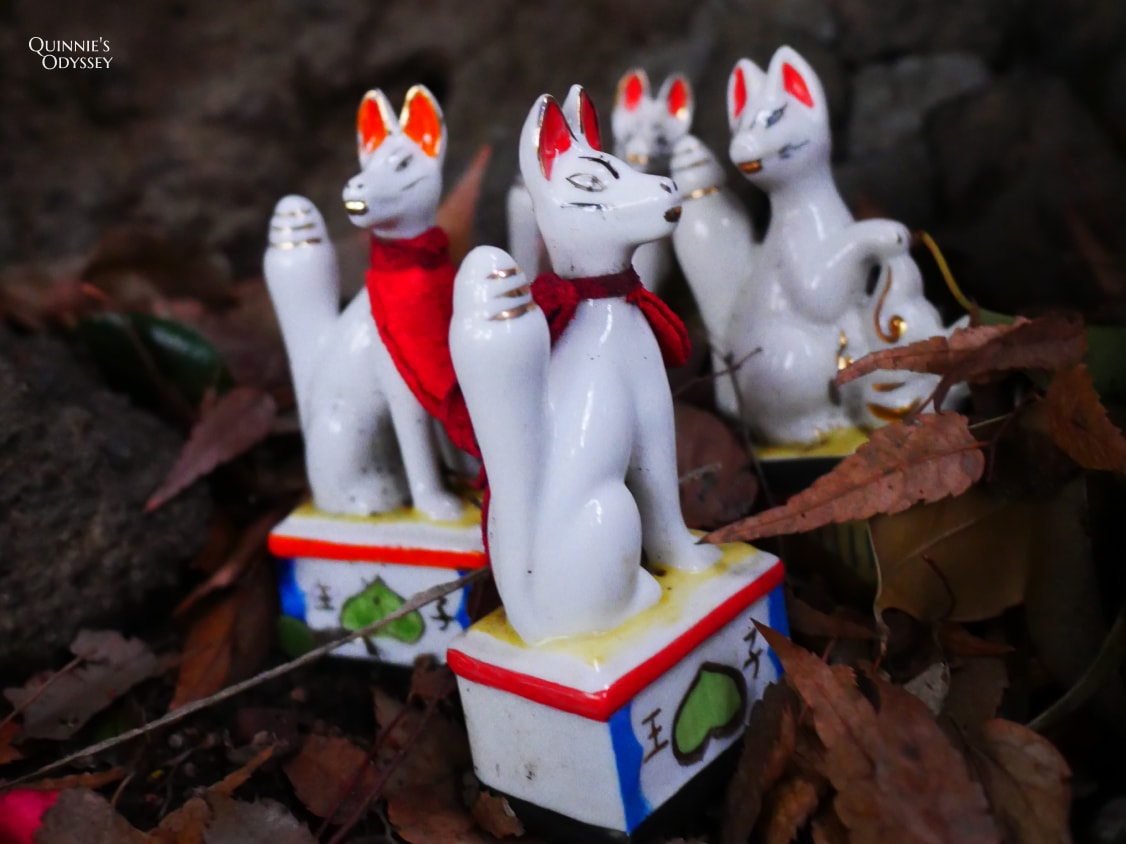
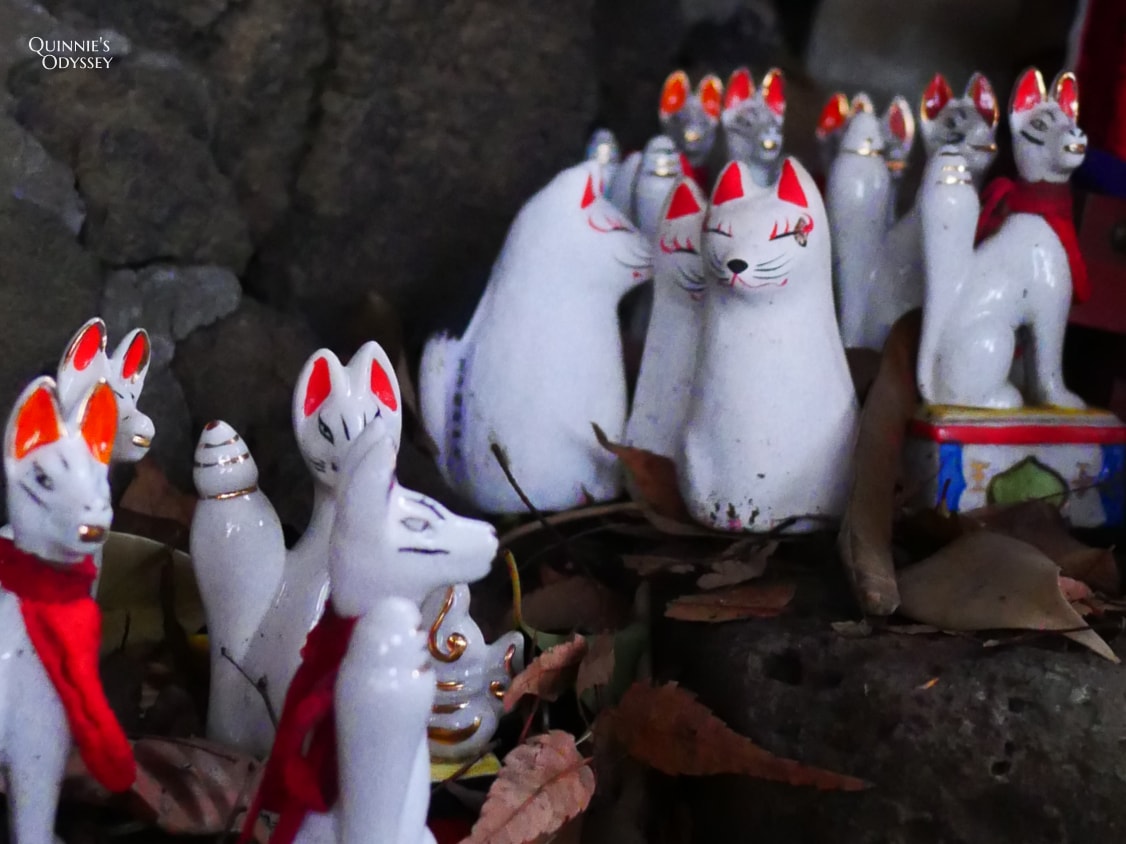
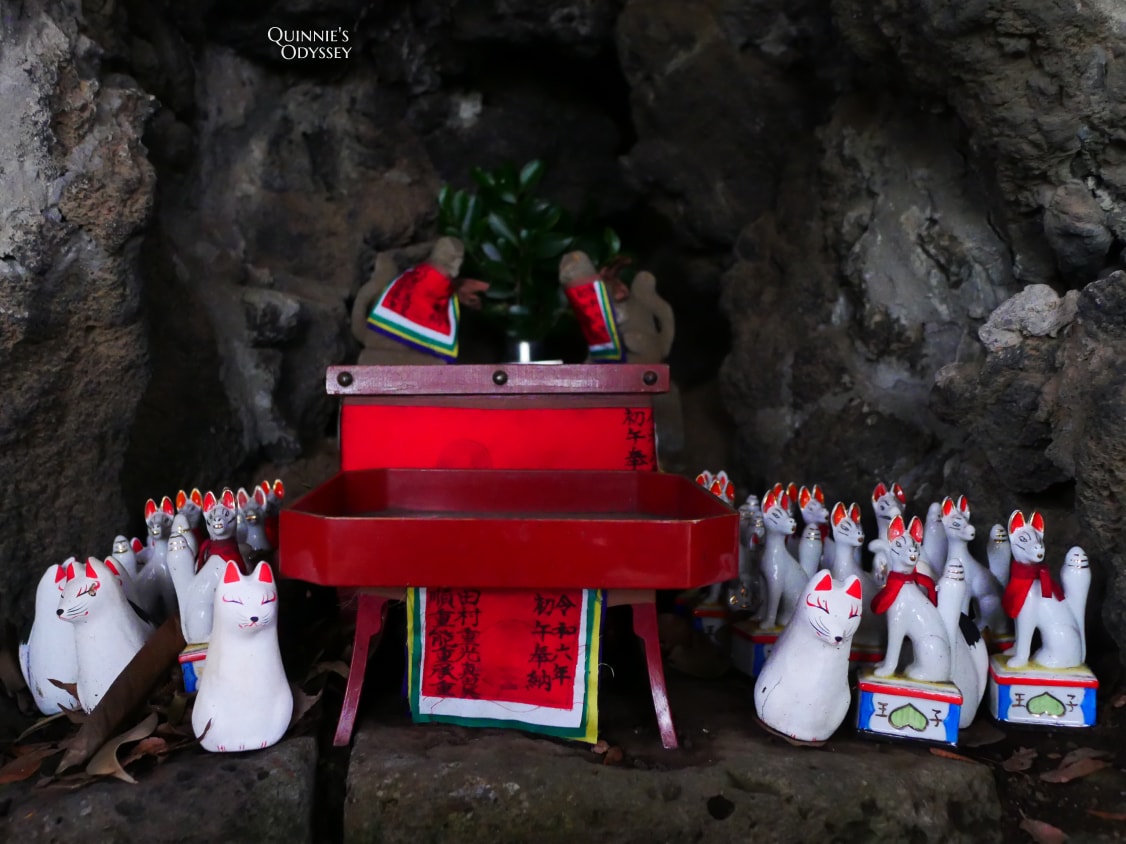
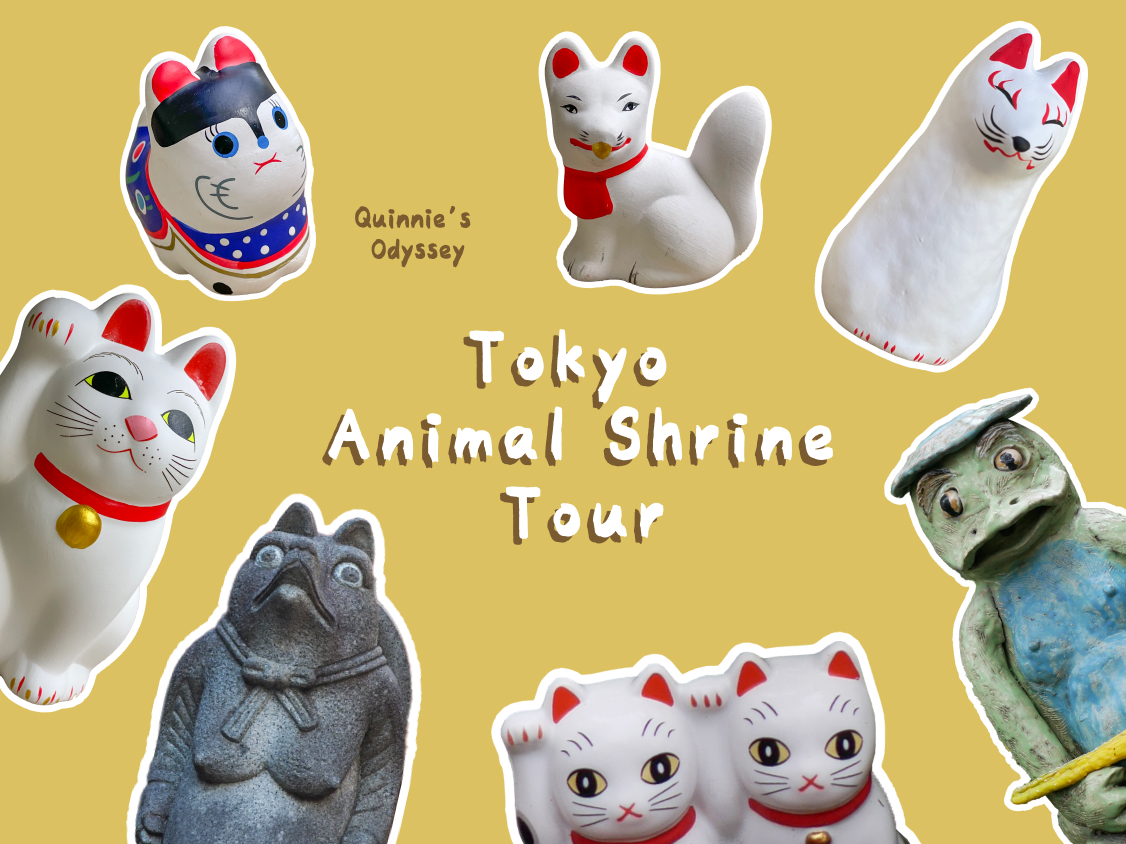
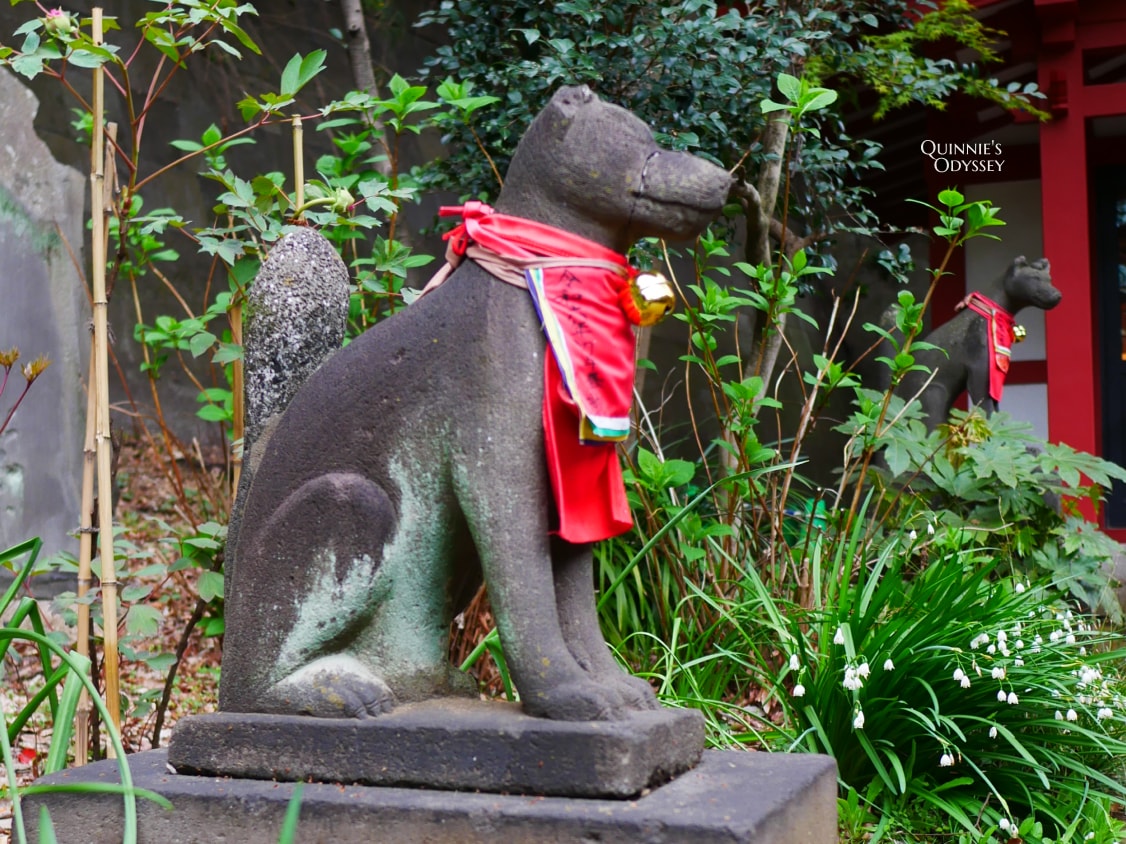
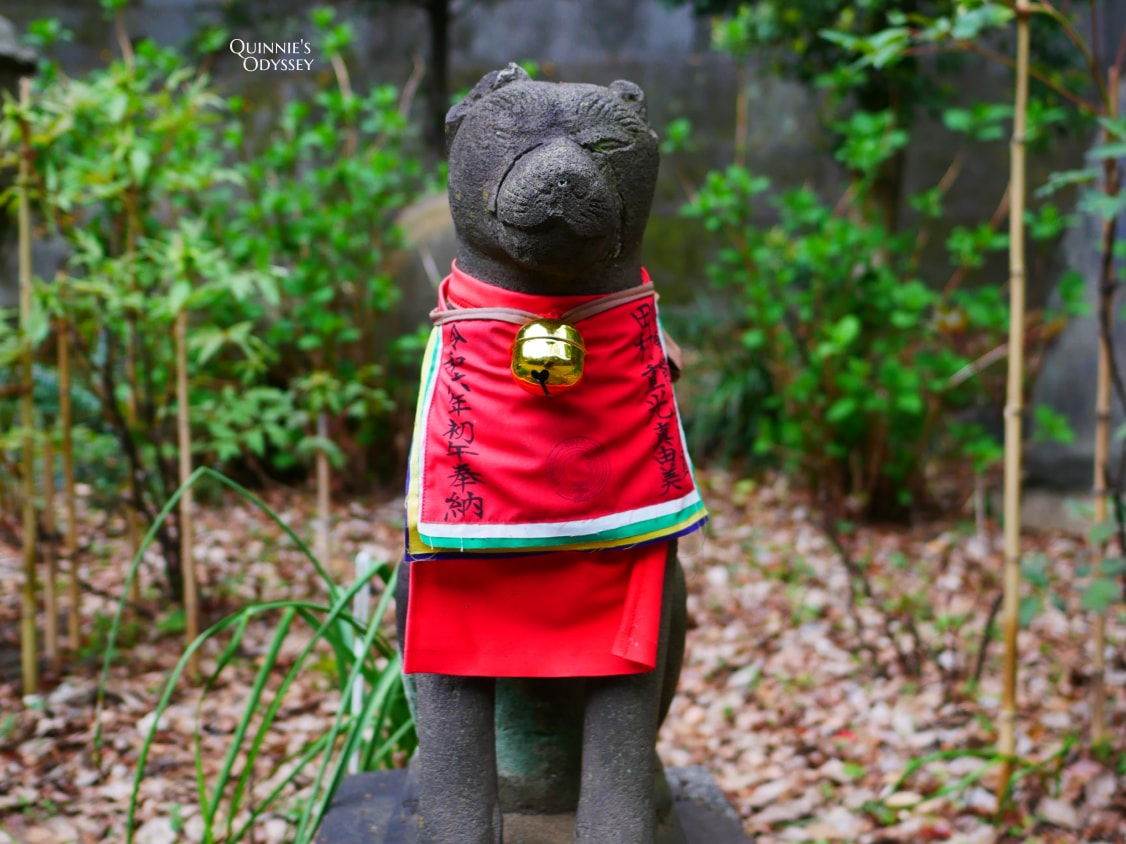
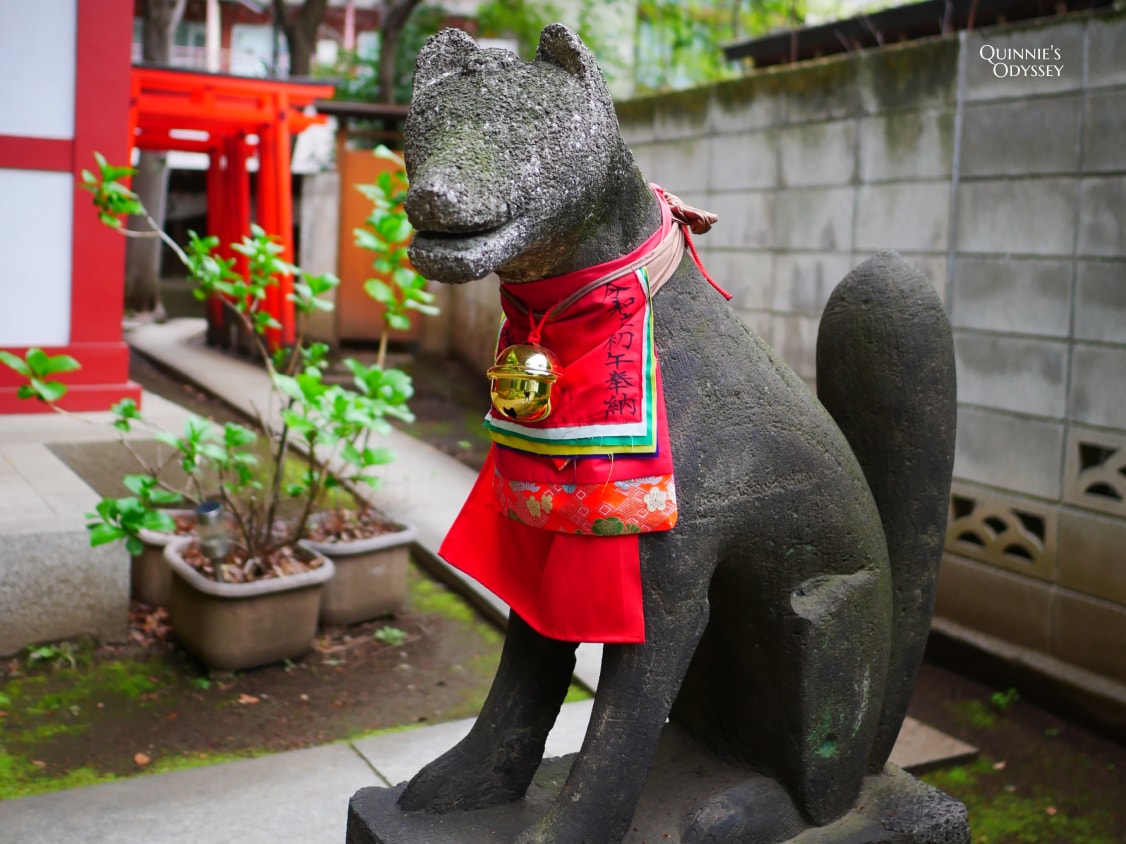
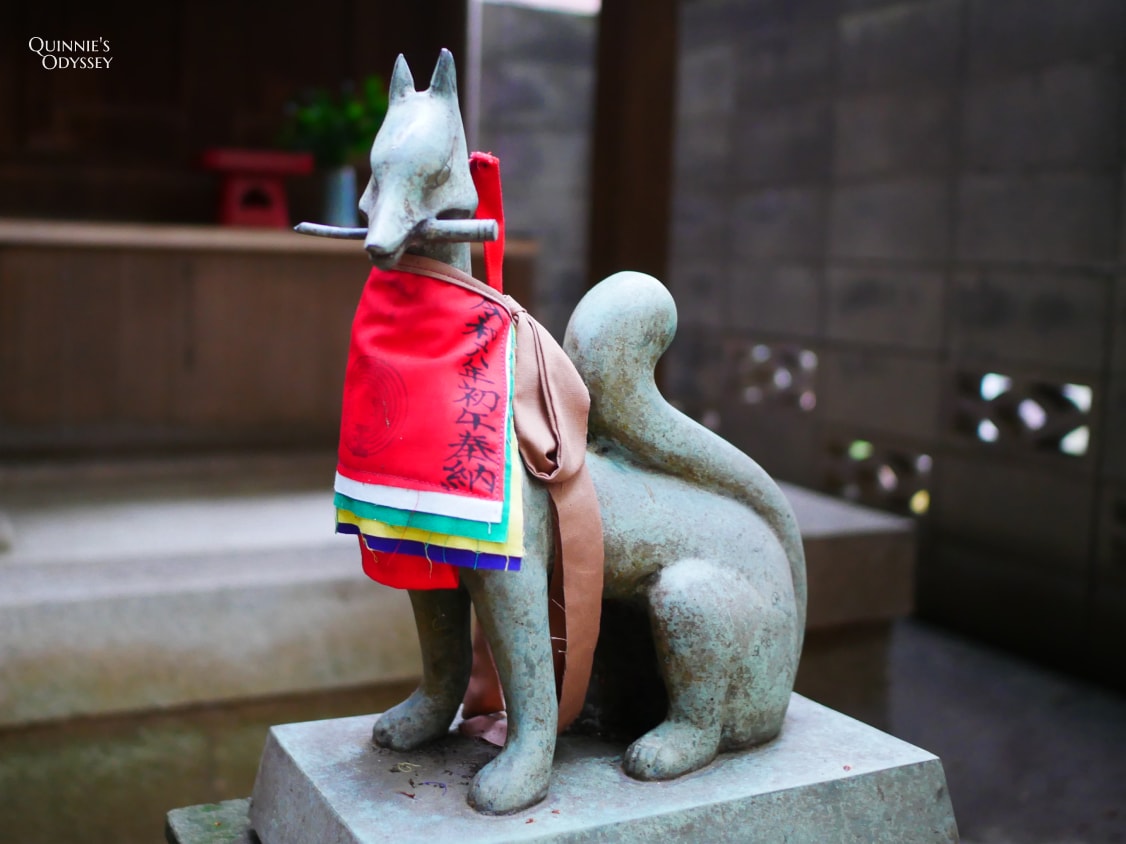
Since foxes are considered the messengers of the Inari deity, you’ll find fox statues all over the shrine grounds.
Some are elegant, some are quirky…and honestly, a few look more like dogs than foxes!
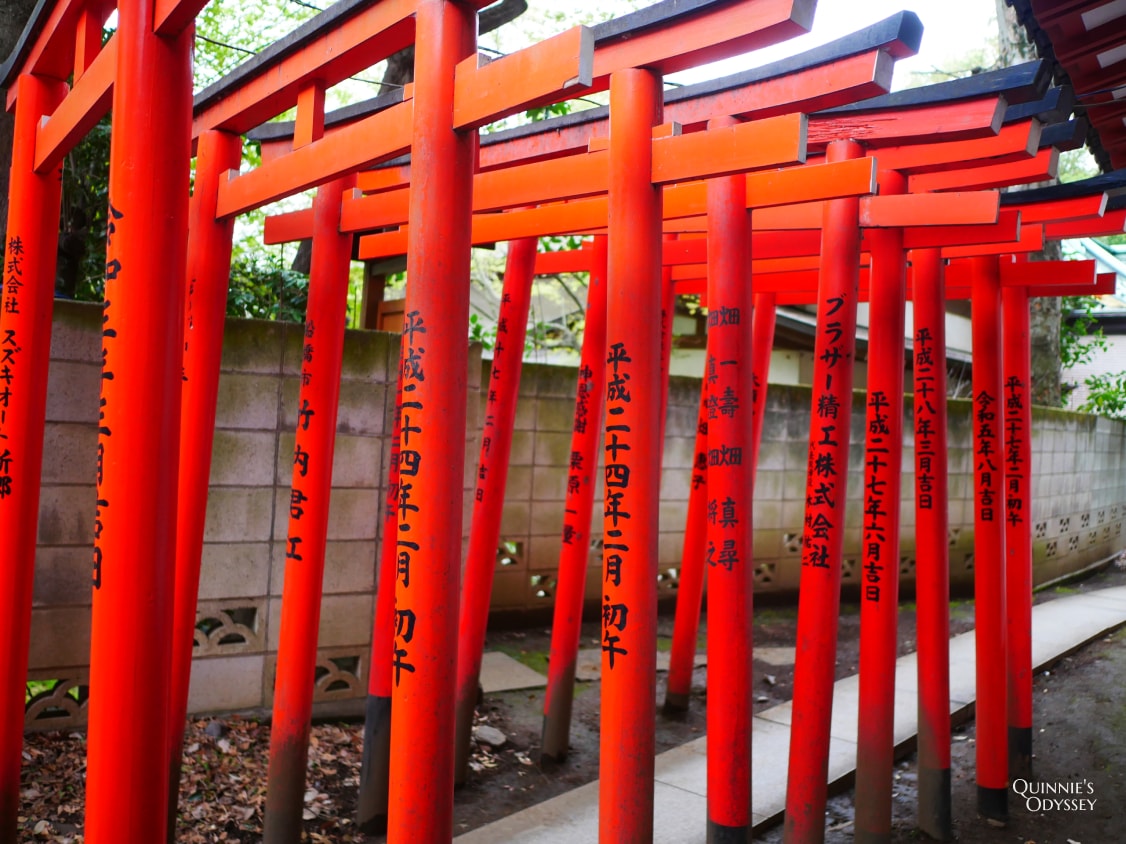
Like many Inari shrines, Oji Inari has several bright red torii gates symbolizing the entrance to the sacred realm.
Many are donated by visitors who want to express gratitude or pray for success in business or better fortune at home, creating a lovely tunnel of red torii.
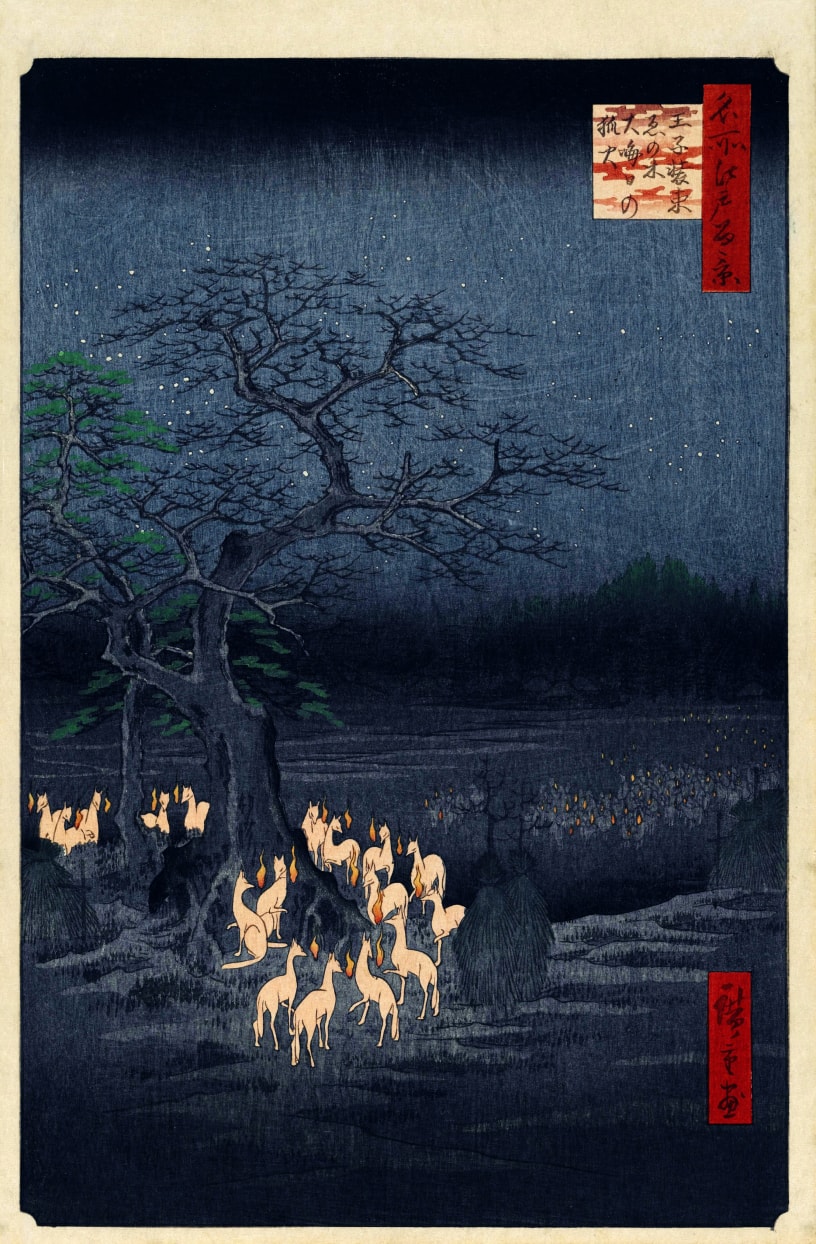
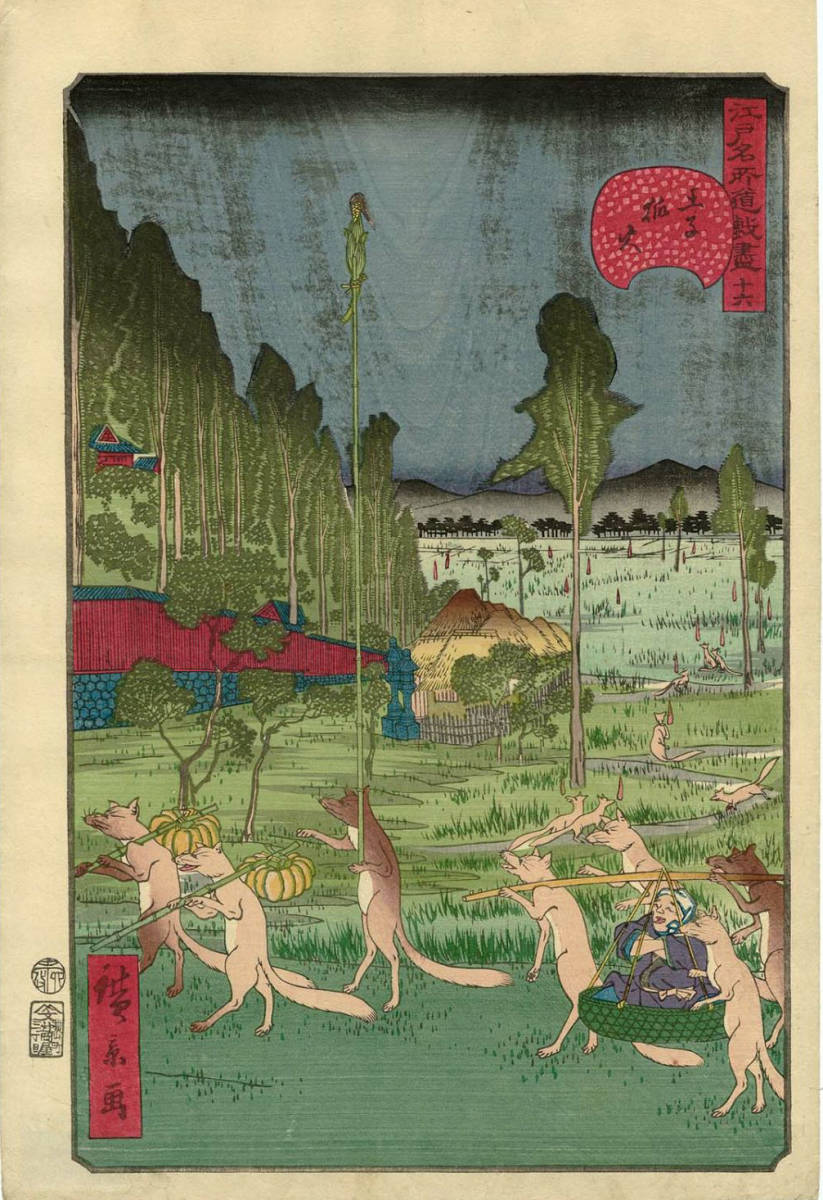
Oji Inari Shrine is famous for its fox legends, especially the mysterious “Foxfire Story” that takes place on New Year’s Eve.
This legend has been passed down for centuries and gives the shrine a magical, almost otherworldly atmosphere.
According to the Edo-period text Edo Sanko, foxes from all over the region would gather every New Year’s Eve under an old Chinese hackberry tree on the east side of the shrine.
They would dress themselves, get ready, and then walk in a long procession to Oji Inari Shrine to receive guidance from the deity for the coming year.
It’s said that while the foxes were on their way to the shrine, their bodies emitted “foxfire”, a blue-white glow that shimmered in the darkness.
Local farmers believed they could predict the year’s harvest by observing how many lights appeared and how bright they were.
Unfortunately, the legendary hackberry tree was cut down during the Showa era due to railway expansion.
Locals believed this angered the fox spirits and brought misfortune to the area.
To restore harmony, they planted a new tree and established Shōzoku Inari Shrine, preserving the sacred tradition connected to the fox legends.
Every New Year’s Eve, the Oji Inari Shrine area transforms for the annual Oji Fox Parade, a modern celebration inspired by the ancient foxfire legend.
This parade officially began in 1993.
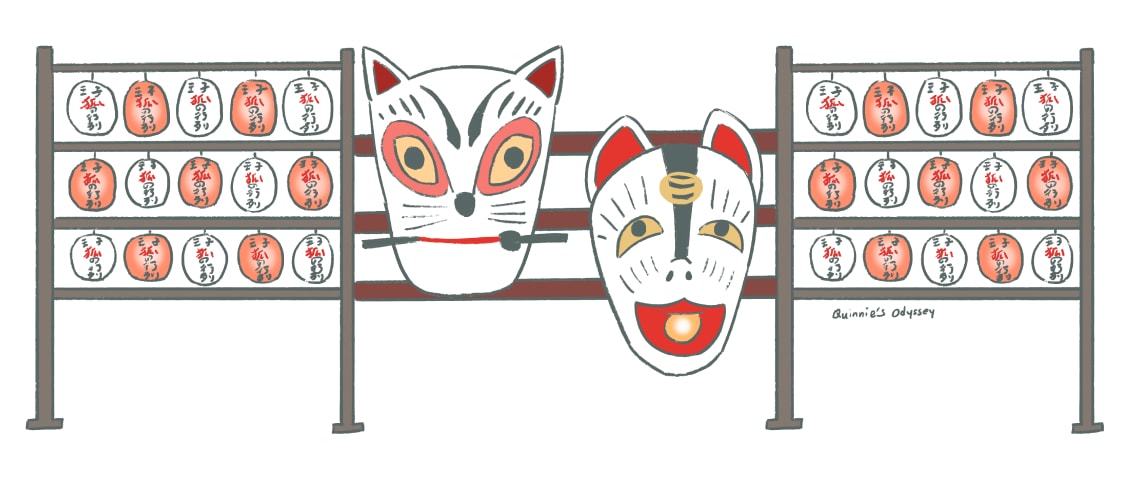
On that night, around 300 participants dress in traditional Japanese clothing, paint their faces like foxes, wear fox masks, and carry yellow lanterns that symbolize foxfire.
They walk slowly from Shōzoku Inari Shrine to Oji Inari Shrine, recreating the mystical scene described in the old stories.
Thousands of spectators gather to watch.
Many people even buy fox masks or lanterns to join the festive atmosphere.
Food stalls and vendors selling fox-themed souvenirs line the streets, turning the entire neighborhood into a lively New Year’s celebration spot.
Every February, Oji Inari Shrine hosts a unique traditional event called the Kite Market, which dates all the way back to the Edo period.
This festival combines cultural heritage, local tradition, and prayers for safety.
Back in the Edo era, fires were extremely common because houses were built closely together with wood.
People believed that kites, which soar high and catch the wind, could symbolically carry away misfortune, especially fires.
Over time, kites became charms for fire prevention and general protection.
During the Kite Market, the shrine grounds and the path leading to it fill with stalls selling every kind of kite you can imagine, from classic Edo-style kites to modern and artistic designs.
Each kite represents a wish for safety, family well-being, or good health.
Children often fly kites in nearby open spaces, creating a warm, nostalgic scene.
It’s a charming event where tradition, prayer, and local life come together.
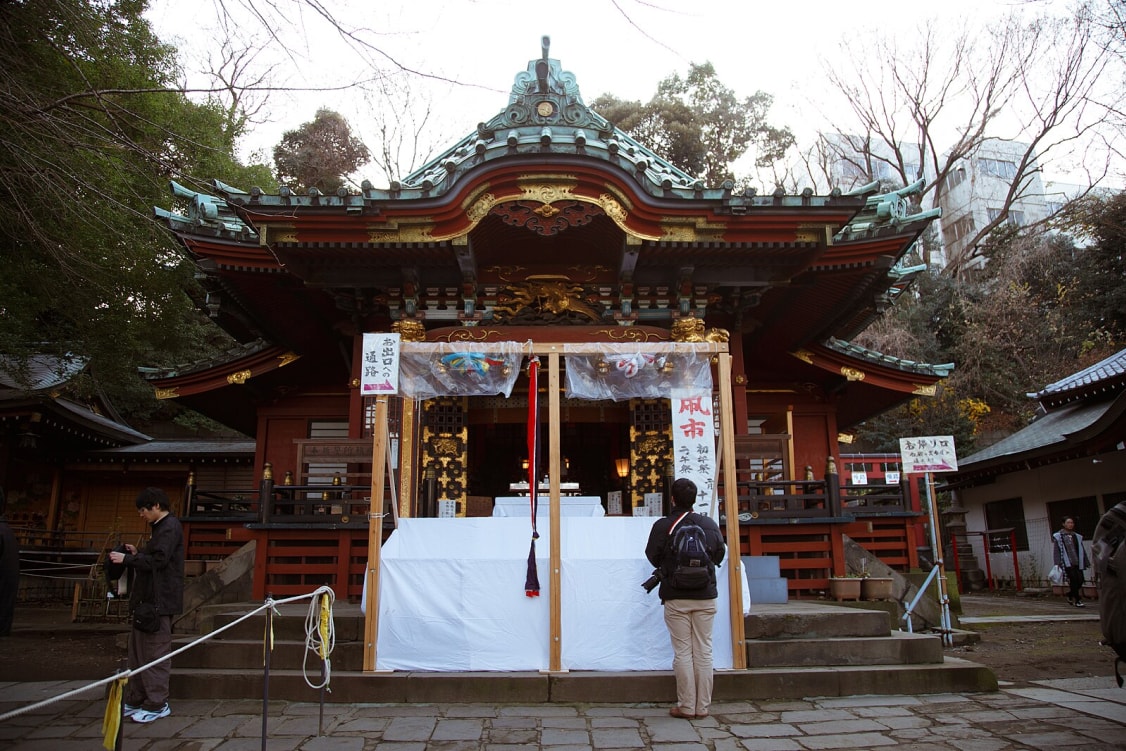
You can reach the shrine in about 6 minutes on foot from JR Oji Station or Tokyo Metro Oji Station.
▼ Tokyo Travel Essentials ▼

Thanks for reading!
If you’re interested in my stories, feel free to follow me on Instagram.
👉👉 IG: @sika_artist 👈👈