Physical Address
304 North Cardinal St.
Dorchester Center, MA 02124
Physical Address
304 North Cardinal St.
Dorchester Center, MA 02124

Nanzen-ji Temple is located in Kyoto’s Sakyo Ward, surrounded by tall trees and quiet scenery.
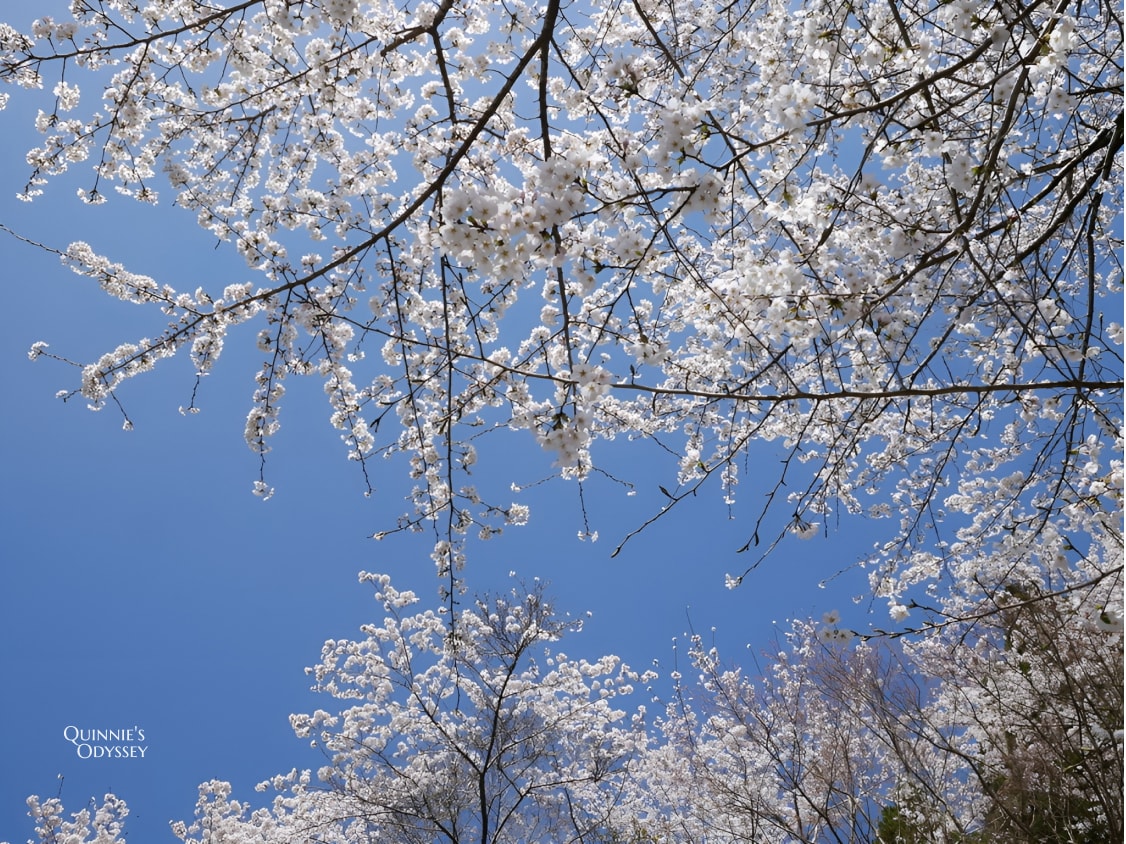
In spring, cherry blossoms line the paths, and in autumn, the entire area turns bright red with maple leaves.
It’s especially popular during the fall foliage season, when crowds come to enjoy the stunning colors.
I visited in winter this time. It was much quieter, but honestly, that made the walk even more comfortable.
▼ Kyoto Travel Essentials ▼
Nanzen-ji was established in 1291. It was originally a retreat built by Emperor Go-Uda during the Kamakura period for his own spiritual practice.
Later, it was converted into a Zen temple and became the head temple of the Rinzai sect’s Nanzen-ji school.
In Japan’s Zen history, Nanzen-ji holds a very high status.
It is said to be “above the Five Great Zen Temples of Kyoto,” symbolizing its exceptional influence.
The temple has survived multiple fires and wars but was rebuilt several times.
During the Azuchi-Momoyama and Edo periods, the temple complex expanded and regained its former scale.
Today, Nanzen-ji still preserves many historical buildings and cultural treasures.
From Kyoto Station, take the Karasuma Line to Karasuma Oike Station, then transfer to the Tozai Line and get off at Keage Station. From there, it’s about a 13-minute walk.
Once you exit the station, you’ll see a wide, straight road in front of you.
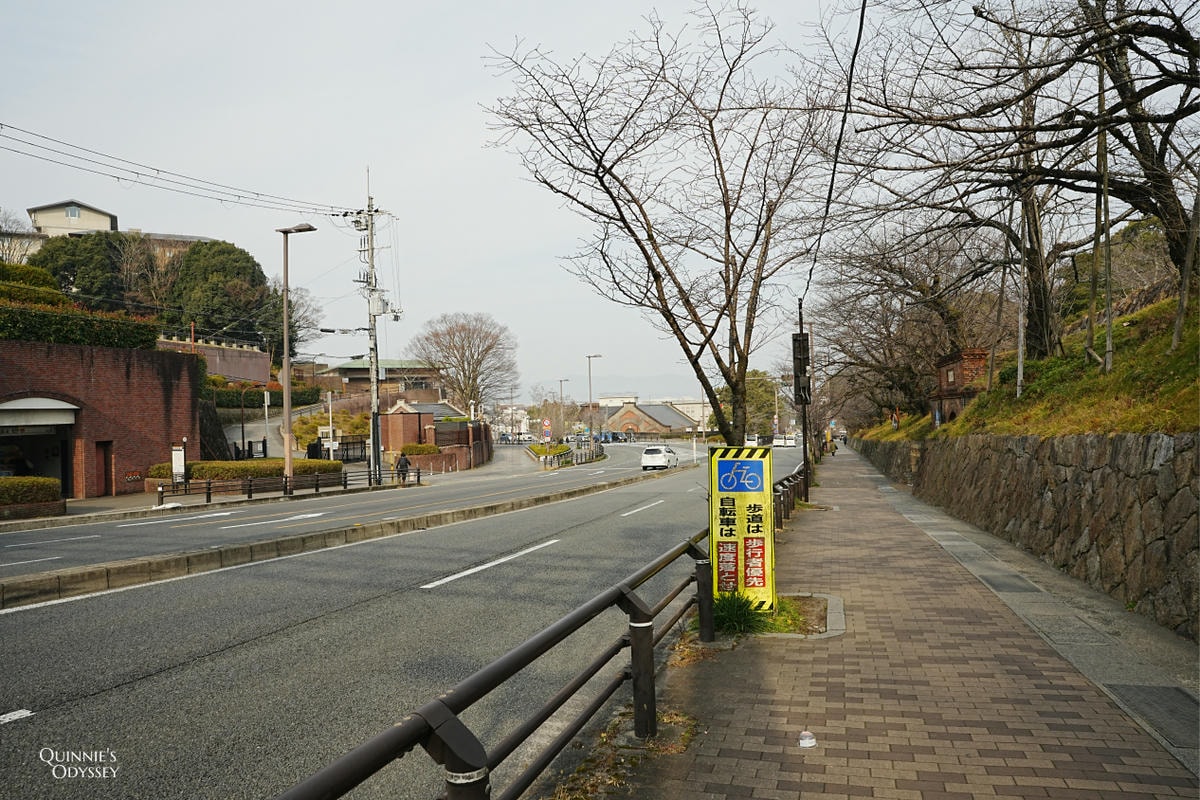
Follow the road and you’ll soon reach a mysterious-looking tunnel.
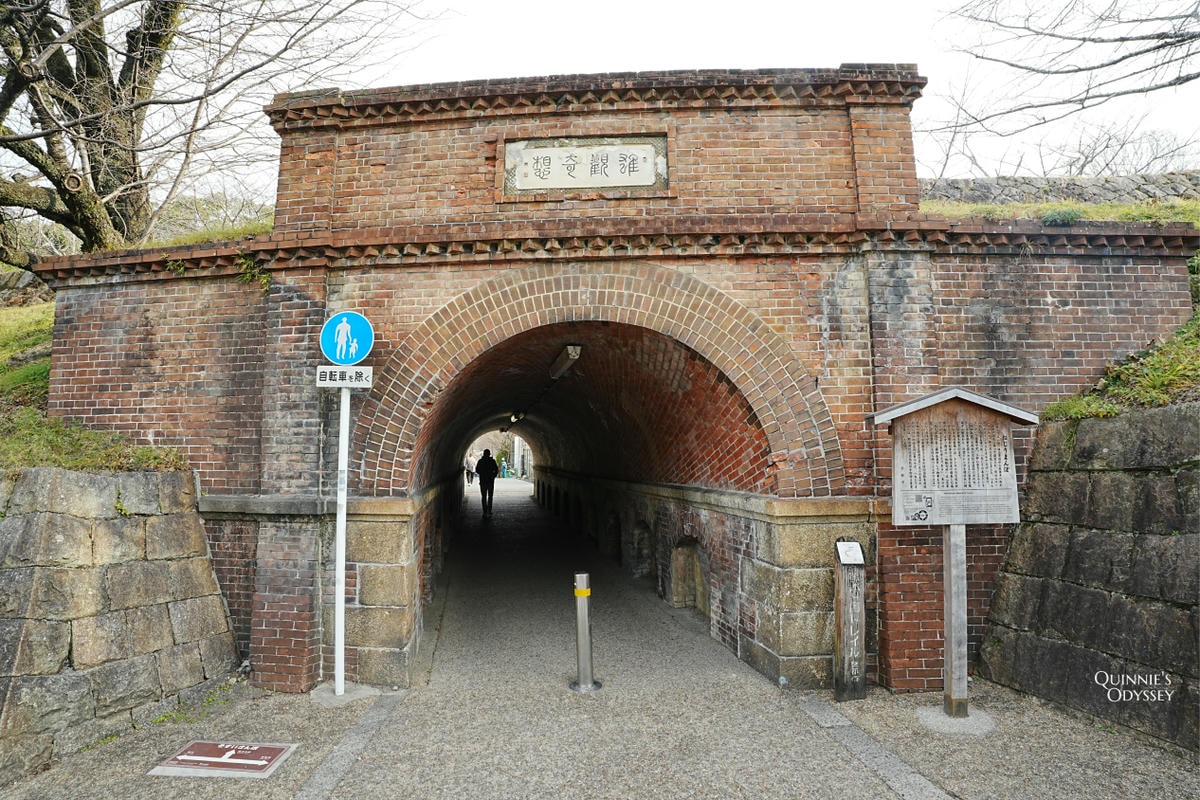
After passing through the tunnel, the scenery suddenly opens up, and temples line both sides of the quiet street.
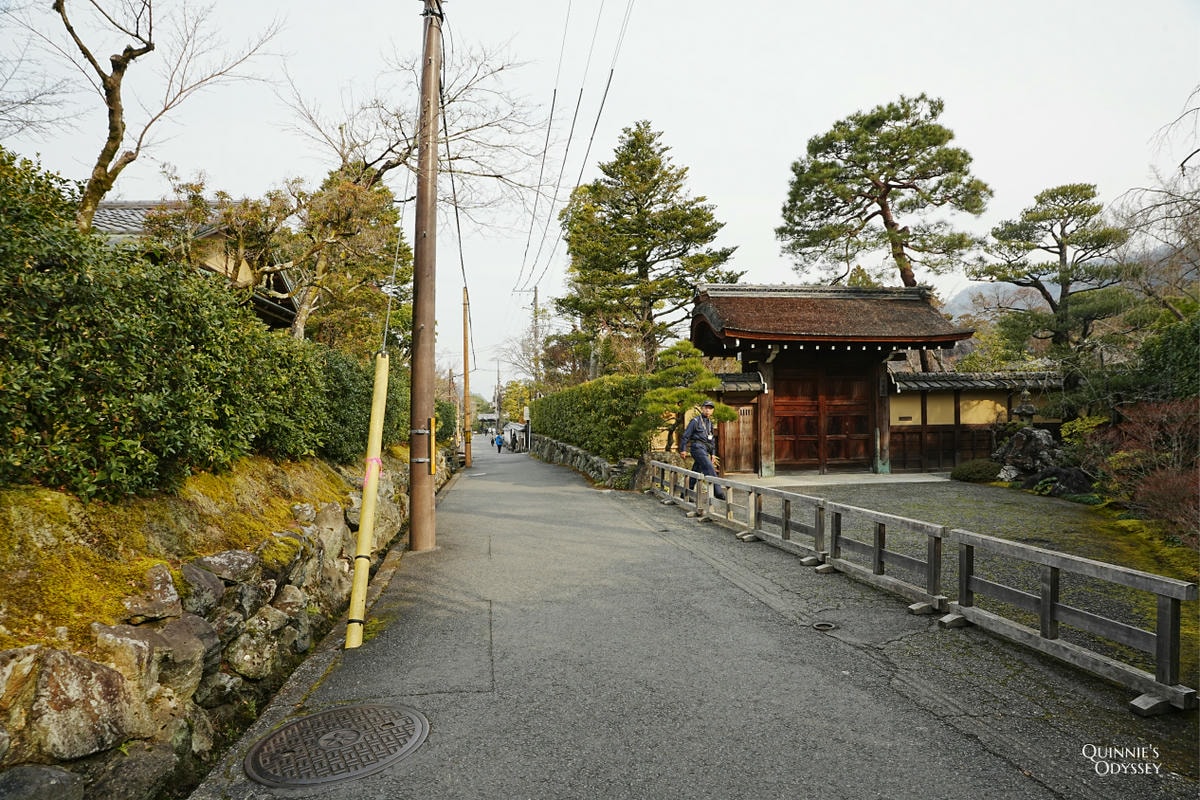
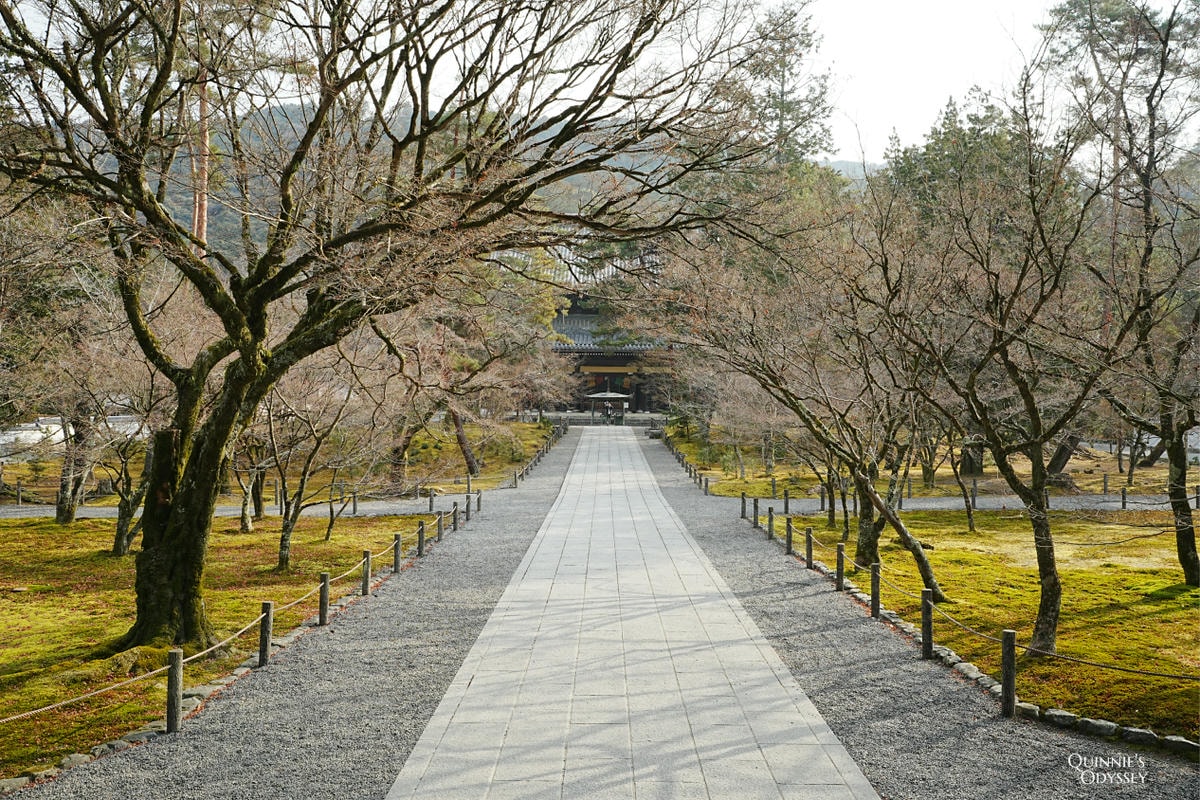
Walk a little further and you’ll see the massive and iconic Sanmon Gate of Nanzen-ji right in front of you.
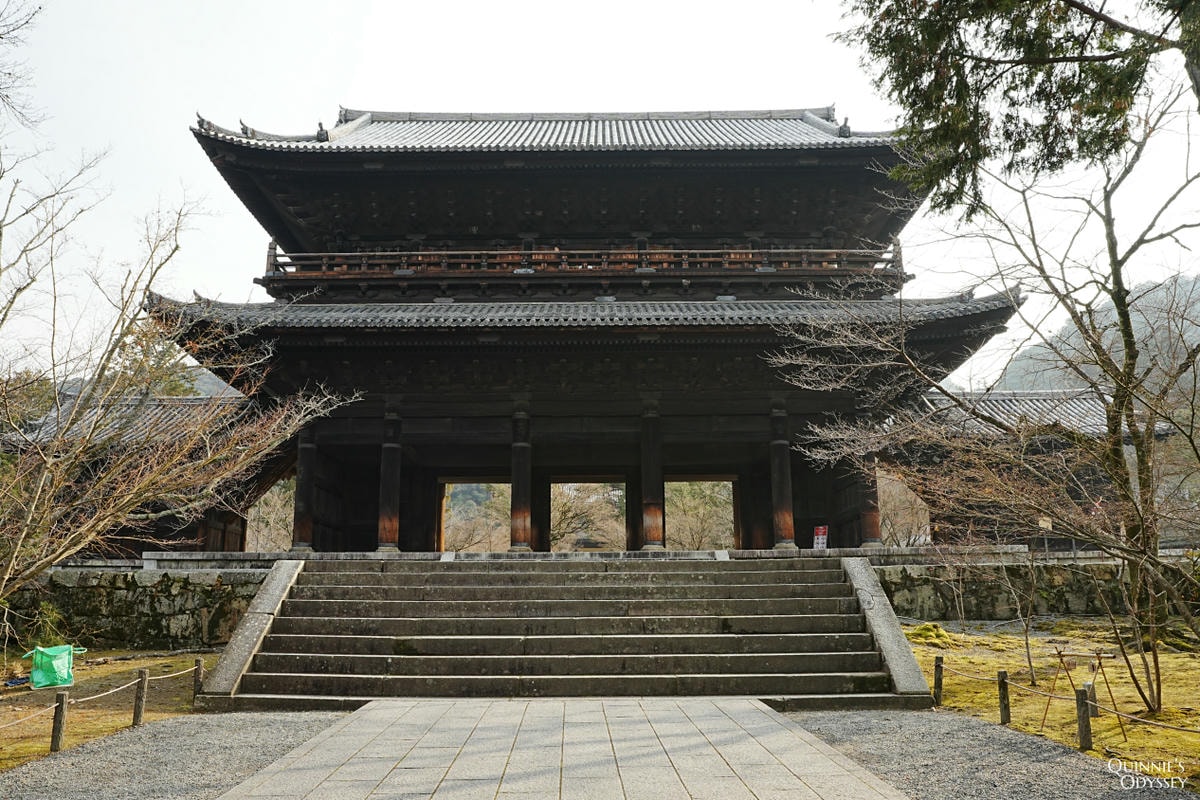
Nanzen-ji combines the simple beauty of Zen architecture with the elegance of traditional Japanese gardens.
It’s a peaceful and dignified place, perfect for spending a relaxing half day.
Most areas are free, but a few require separate tickets.
Sanmon is the symbol of Nanzen-ji and is one of the Three Great Zen Gates of Japan.
It was built in 1628, stands 22 meters tall, and looks incredibly impressive up close.
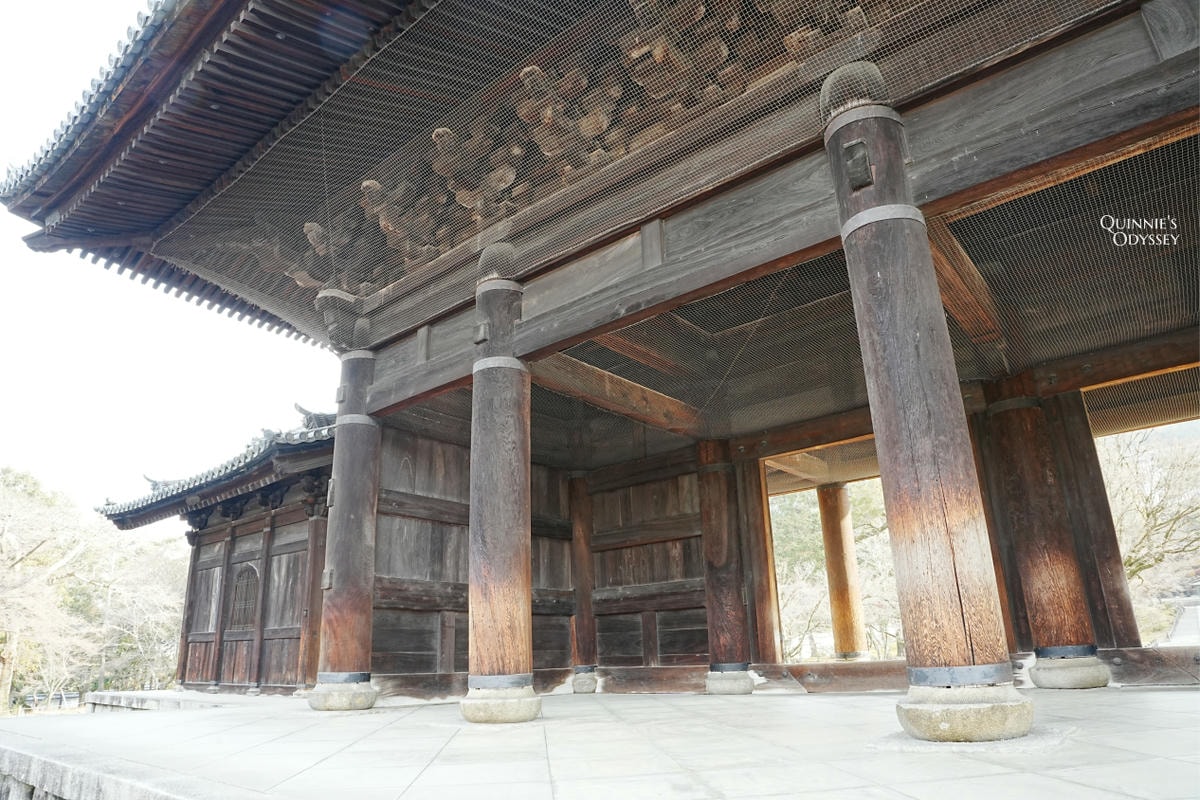
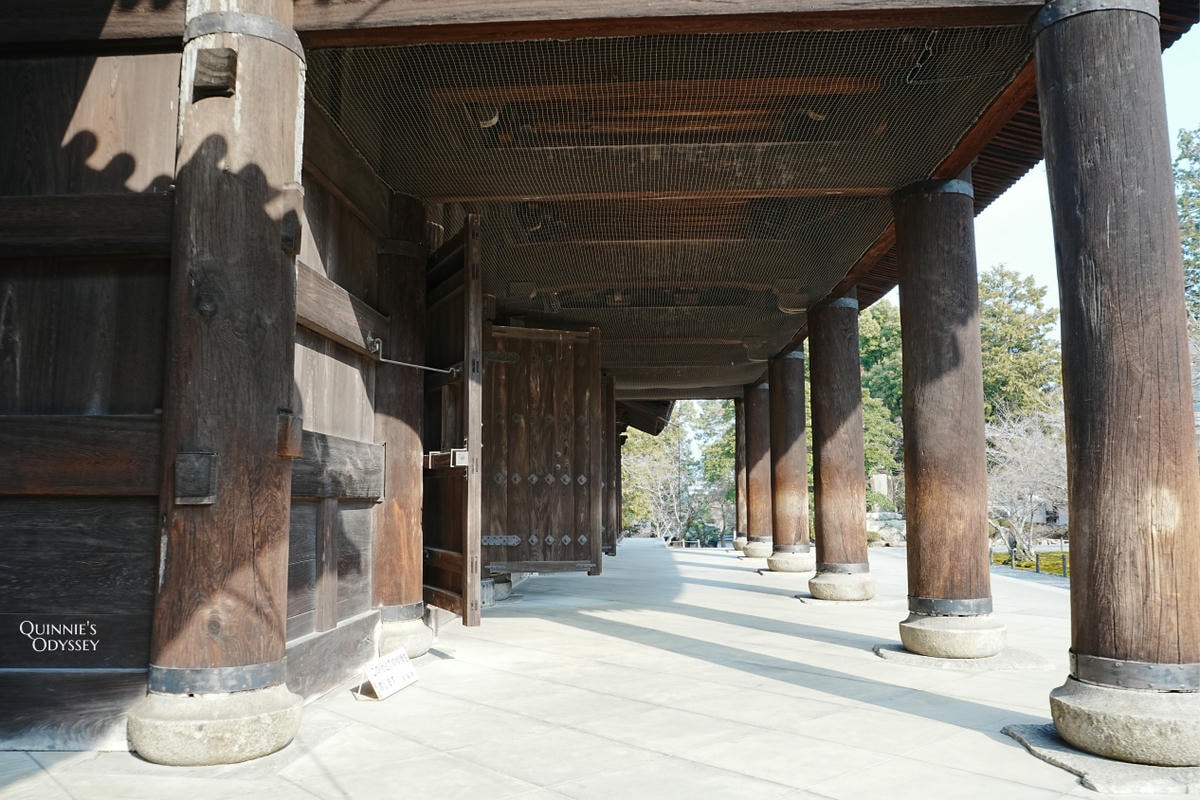
To go inside, you’ll need a ticket (600 yen for adults).
Before climbing the stairs, you’ll be asked to remove your shoes and place them in a carry bag.
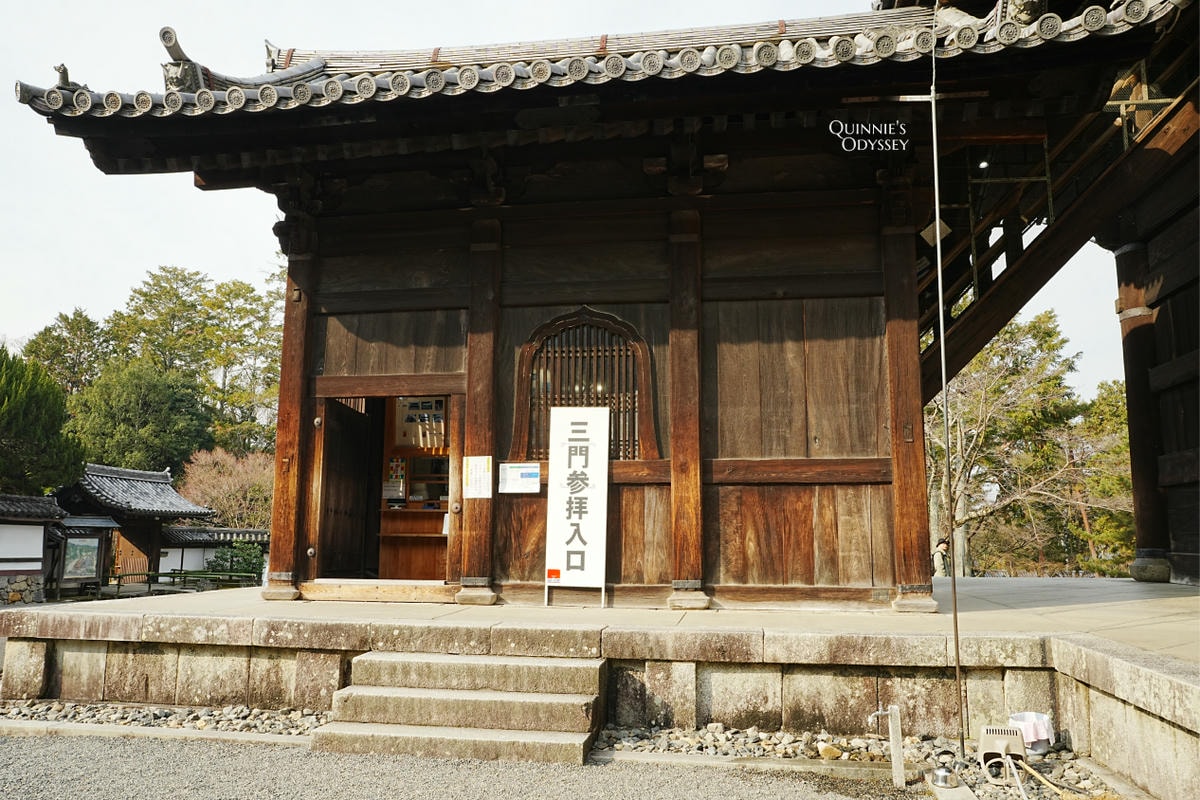
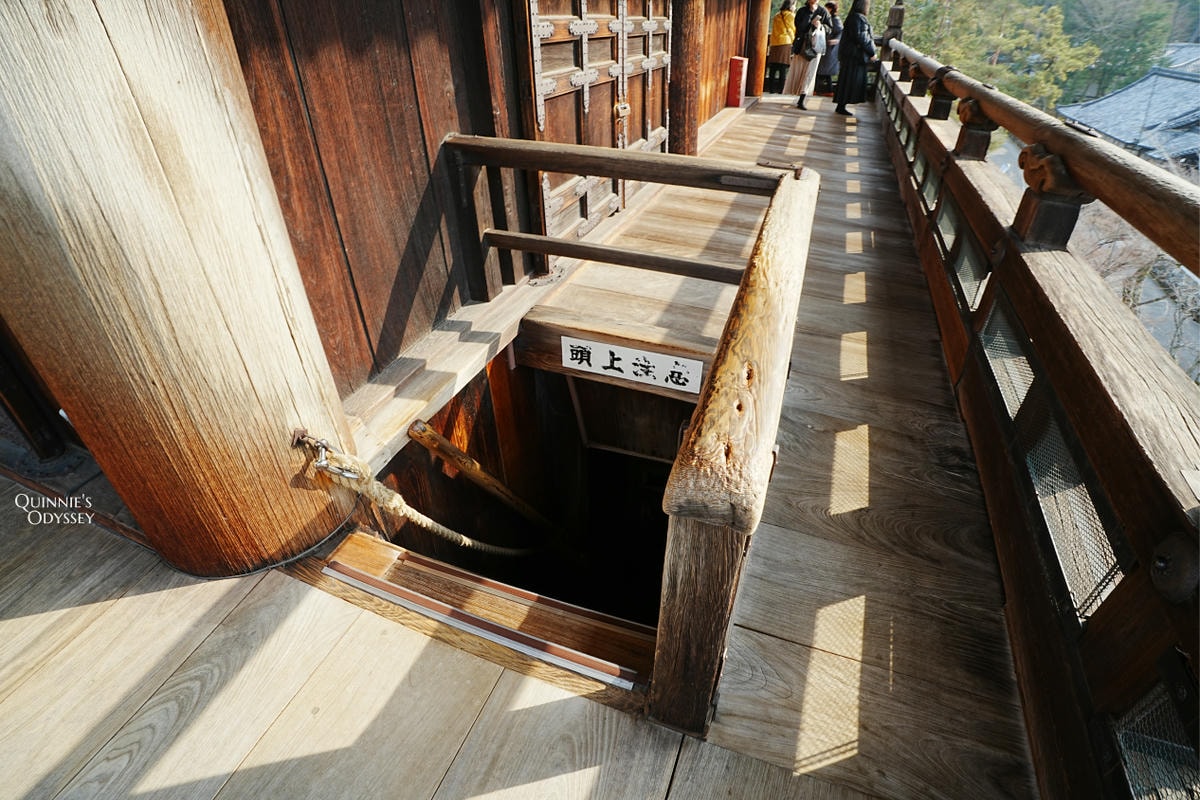
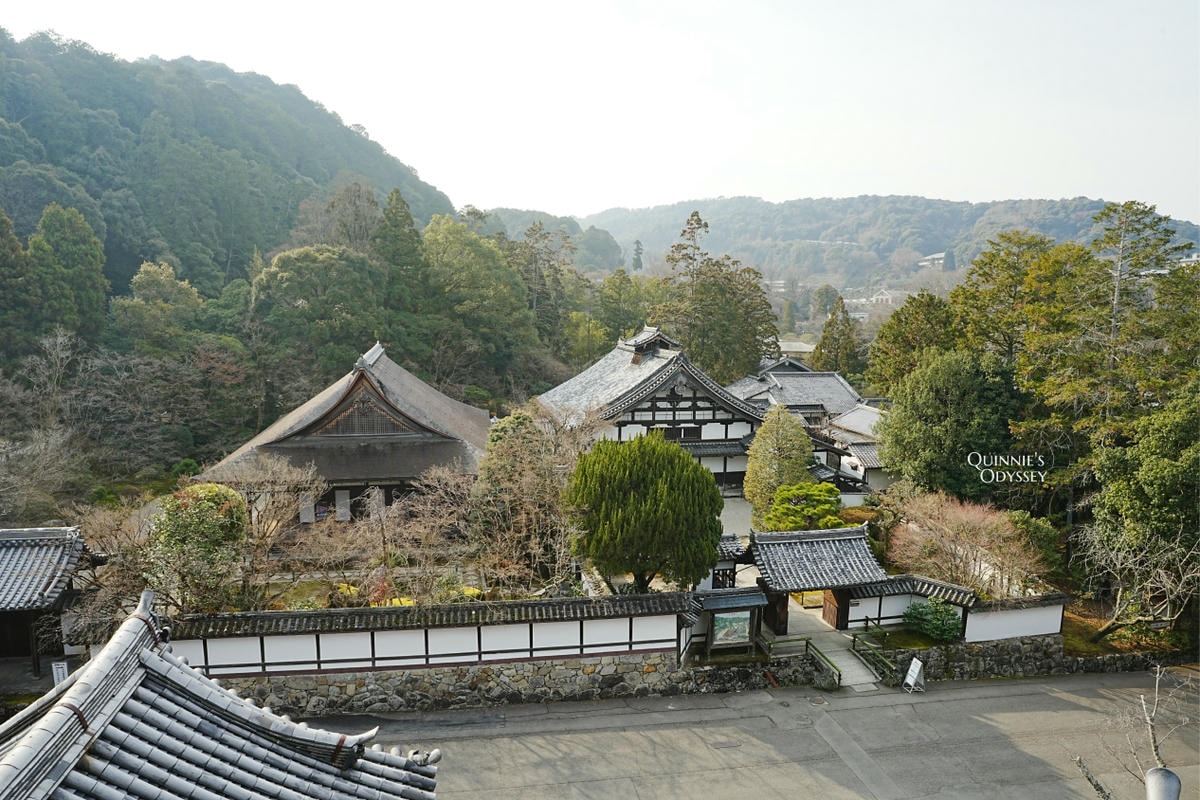
The wooden staircase is quite steep, but once you reach the top, you’ll be rewarded with a sweeping view of the entire temple grounds.
It’s easy to imagine how breathtaking it must look in autumn when everything turns red.
Sanmon is also linked to the famous haiku phrase “Zekkei! Zekkei!” (“What a magnificent view!”), which is why people sometimes call it the Gate of Spectacular Views.
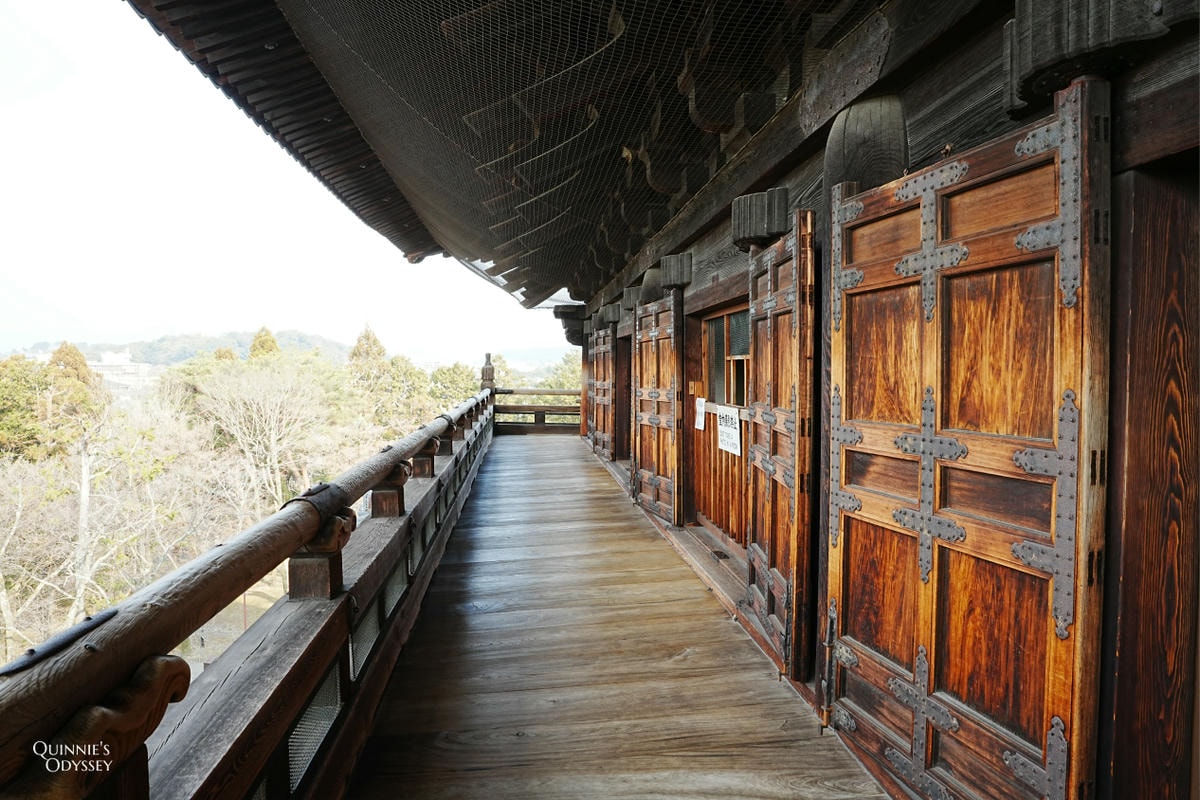
Standing there, the old wooden beams and flooring give off a calm, historical atmosphere. This is definitely one spot you shouldn’t miss.
The Suirokaku Aqueduct is one of Nanzen-ji’s most unique structures.
Built in 1888 during the Meiji era, it was part of the Lake Biwa Canal project that supplied water to Kyoto.
Designed by engineer Sakuro Tanabe, the aqueduct blends Western-style brick arches with the ancient Zen temple environment, an unusual combination that somehow fits perfectly into the natural surroundings.
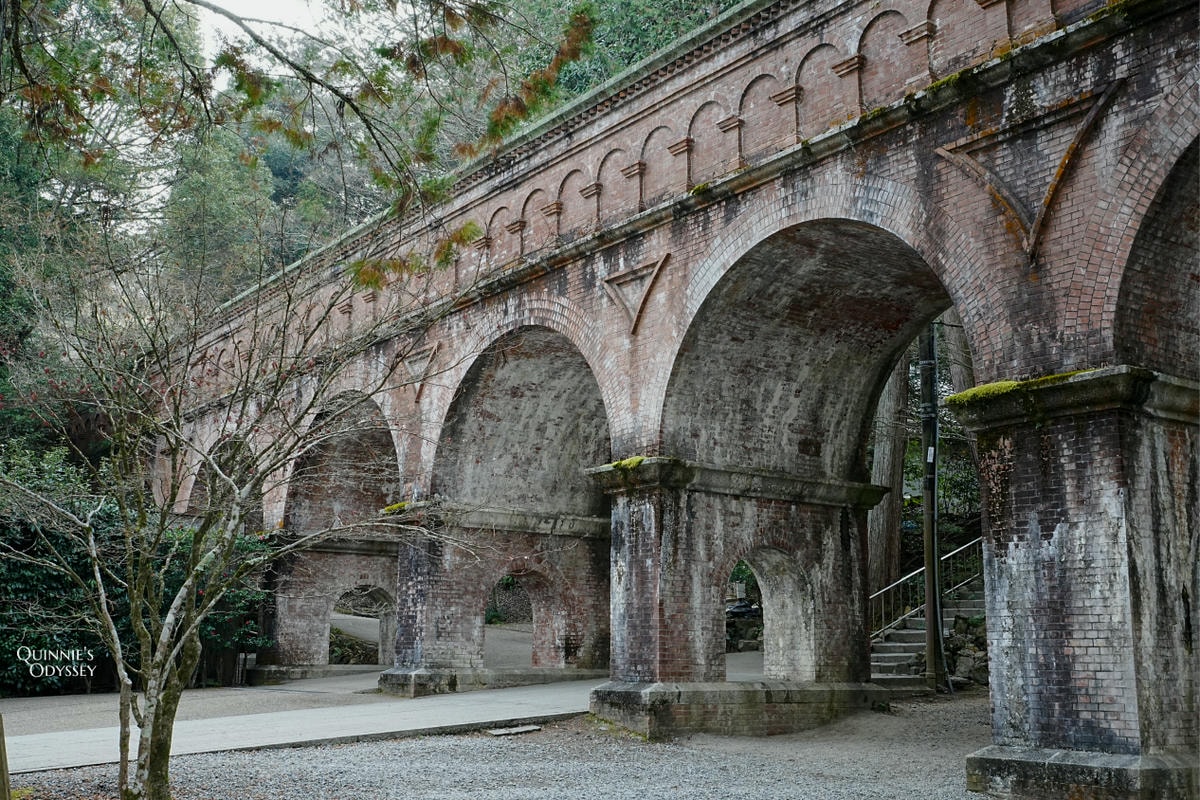
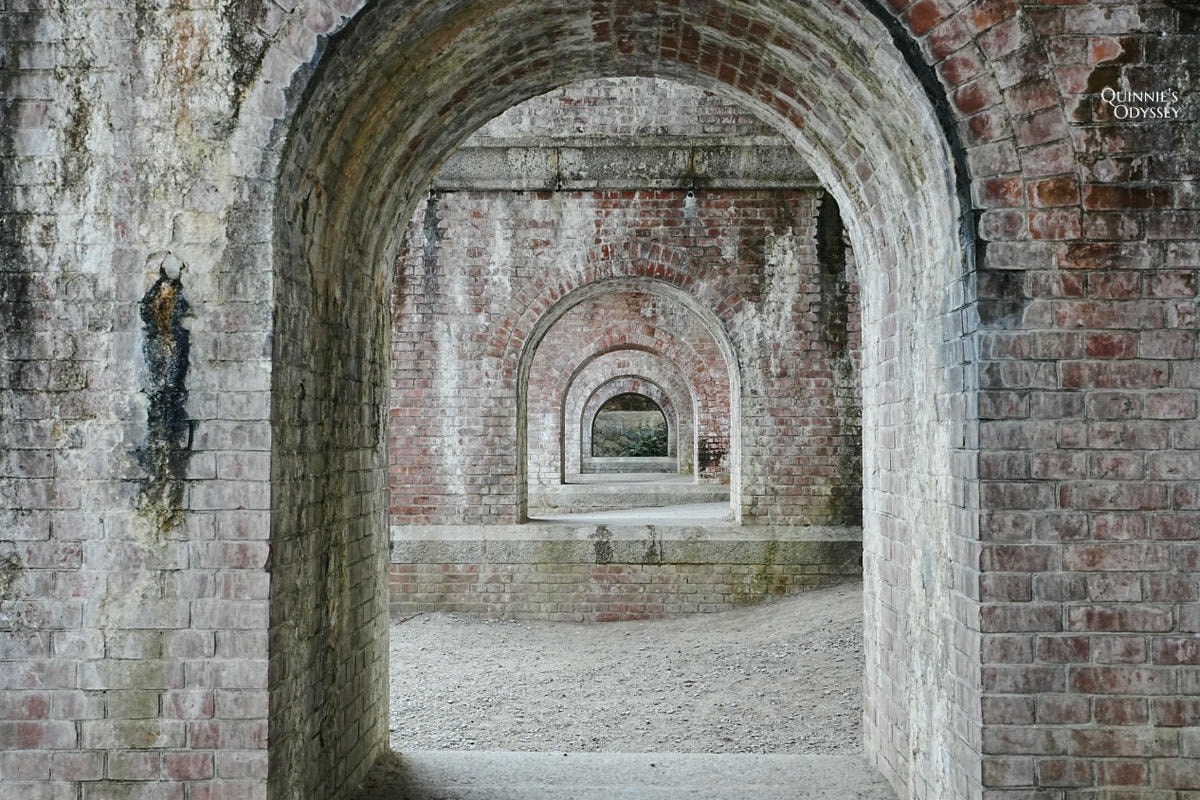
Made of red brick and granite, the repeating archways create a beautiful, tunnel-like view when seen from below.
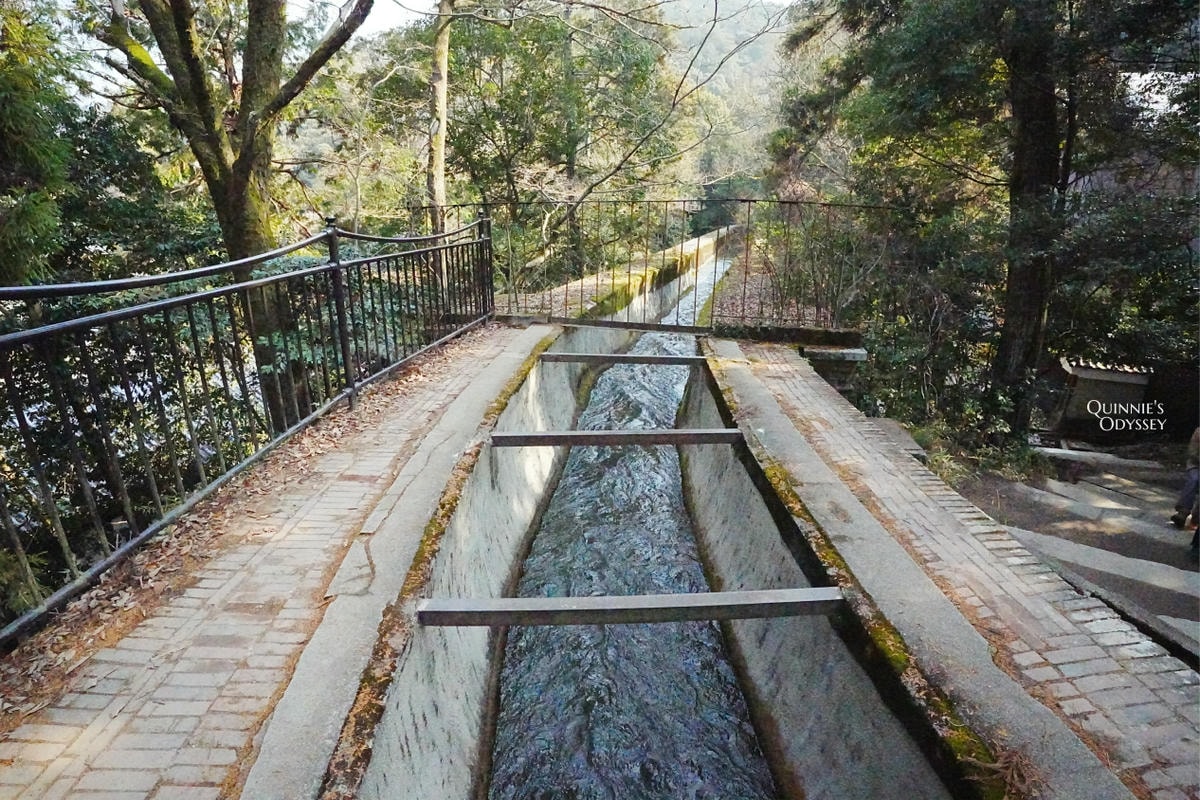
If you climb the small staircase next to it, you can actually see water flowing across the top of the structure. It’s a fascinating mix of history and engineering.
The Hōjō Garden is famous for its beautiful karesansui (dry rock garden), designed by the Edo-period master gardener Kobori Enshū.
The garden uses rocks and white gravel to represent mountains and rivers.
It’s simple but full of Zen symbolism.
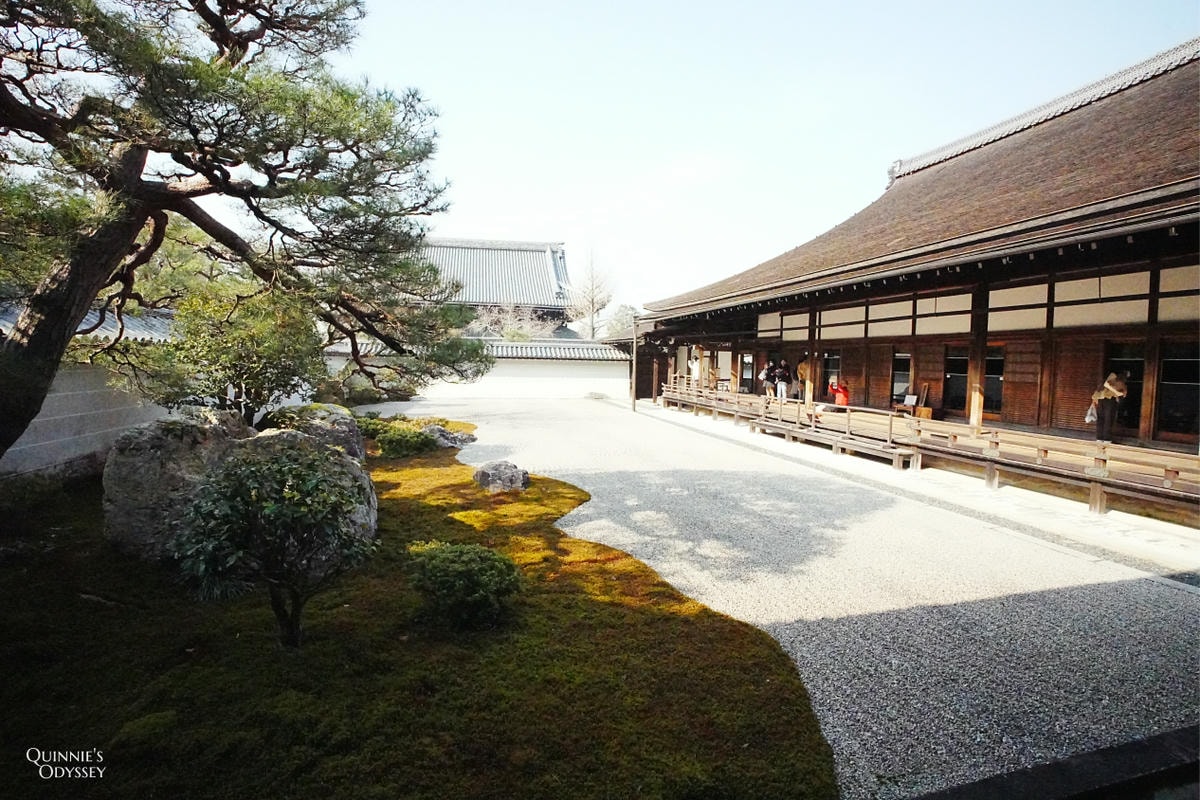
Just like Sanmon, you need a ticket to enter (600 yen for adults).
After taking off your shoes and carrying them in a bag, you’ll walk through wooden corridors overlooking the garden.
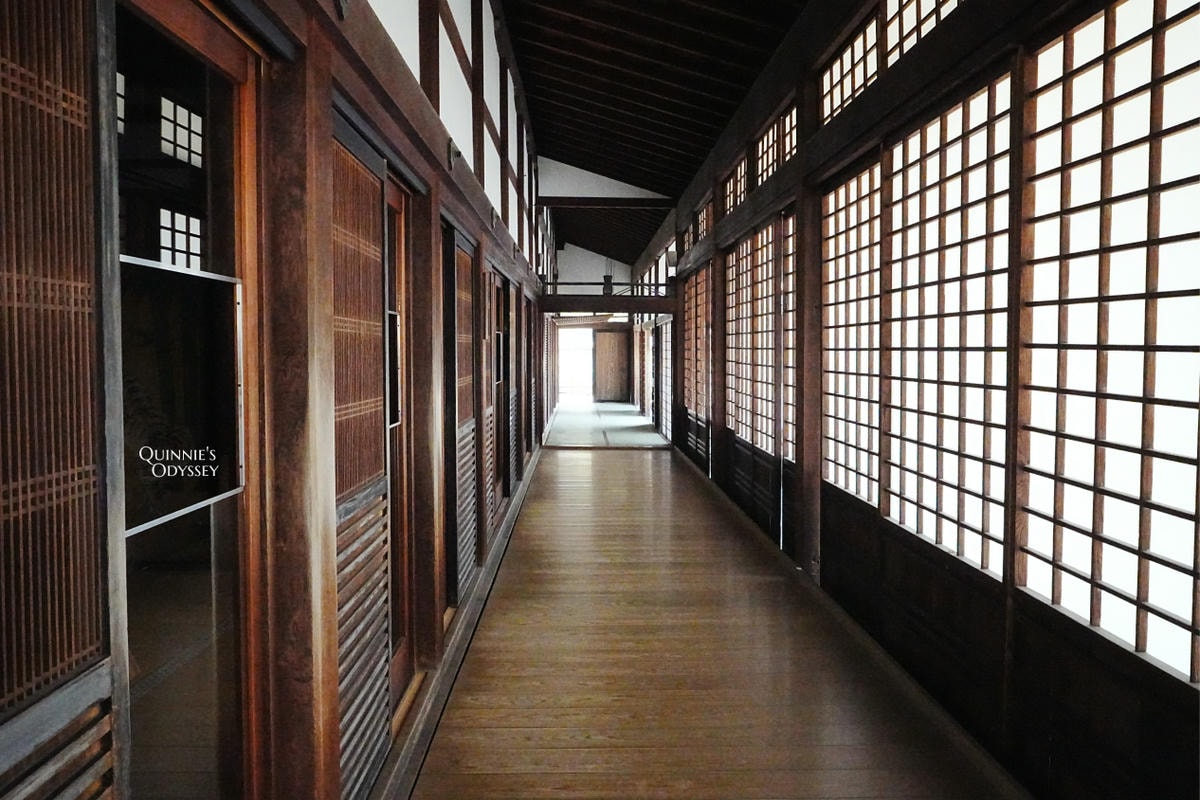
The space is spacious and calming.
As you walk, the scenery changes from different angles, each view offering its own quiet beauty.
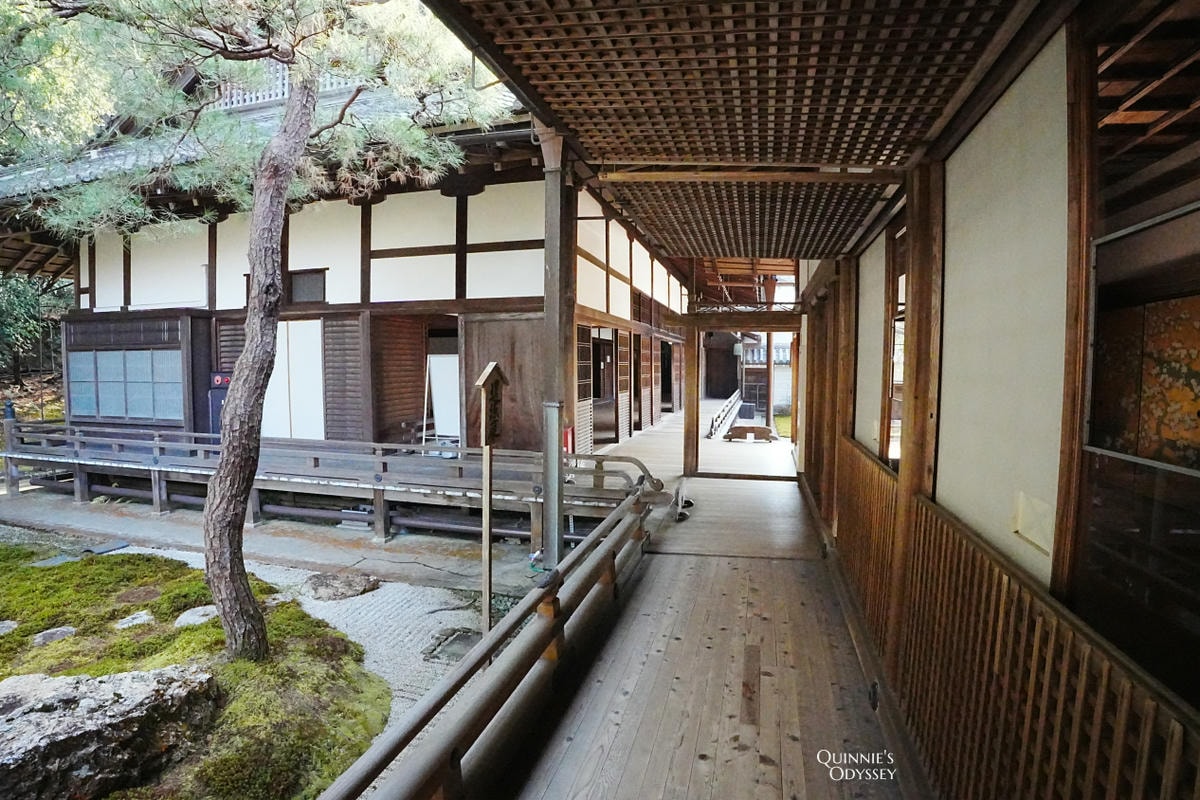
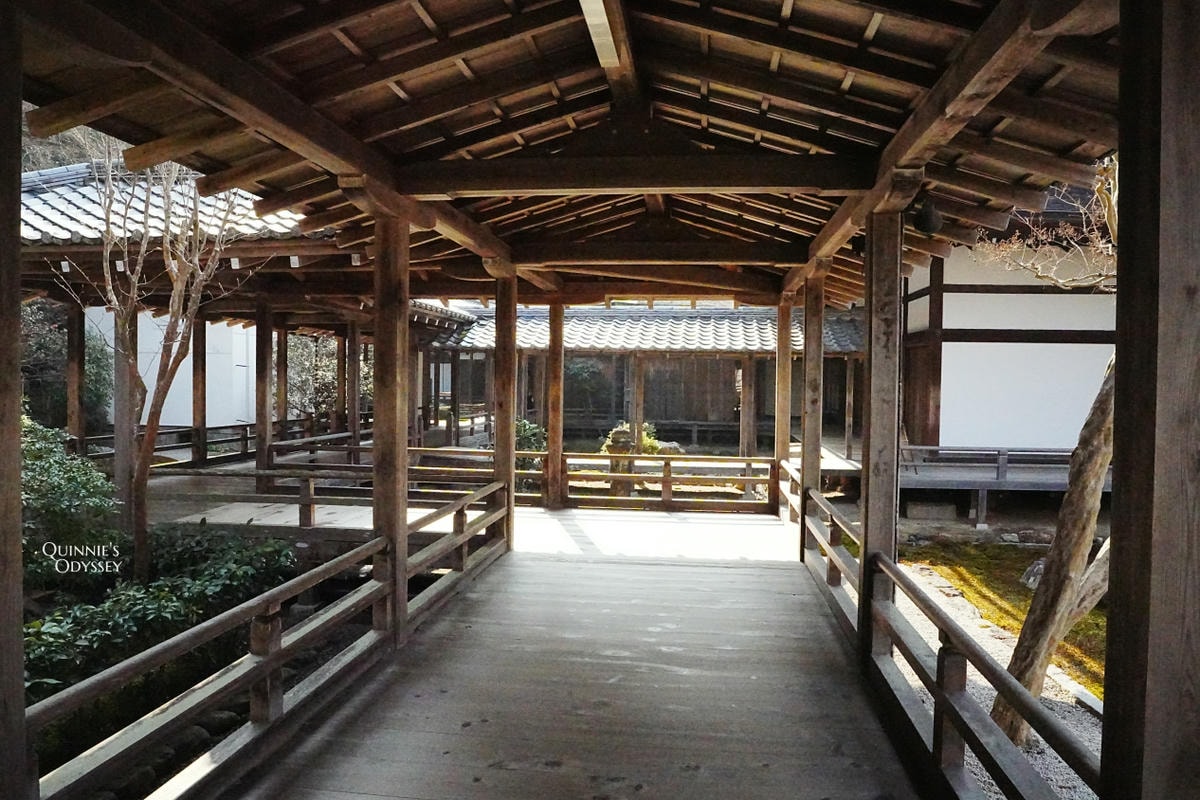
Inside, you’ll also find elegant fusuma (sliding door) paintings.
Photos aren’t allowed, so you can only admire them in silence.
Saisho-in is a smaller sub-temple located east of the aqueduct.
Although it’s not as famous as Sanmon or Suirokaku, it has its own peaceful charm.
Founded by Komadō Chidaishōjō, it was originally located elsewhere before moving to its current spot in 1917.
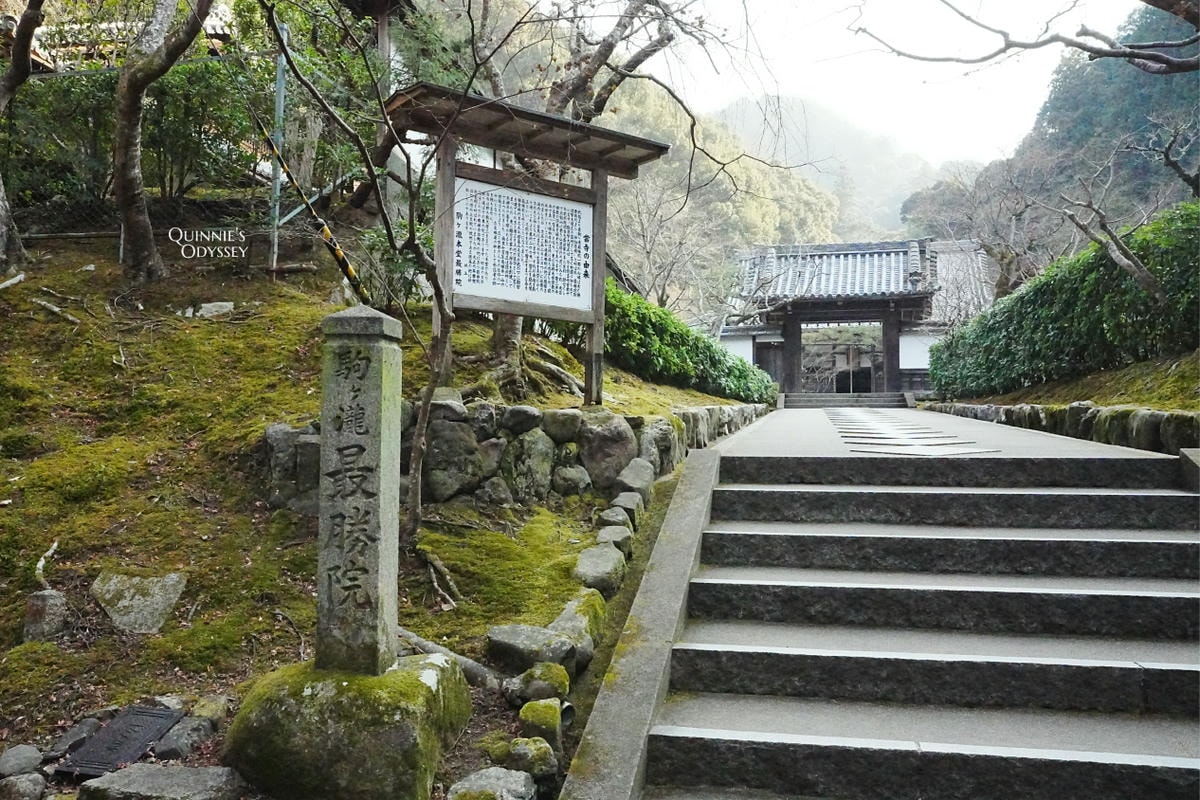
The path leading in is lined with maple trees.
In autumn, the entire entrance glows with red and gold foliage.
Since fewer tourists come here, it’s a great place for quiet maple viewing.
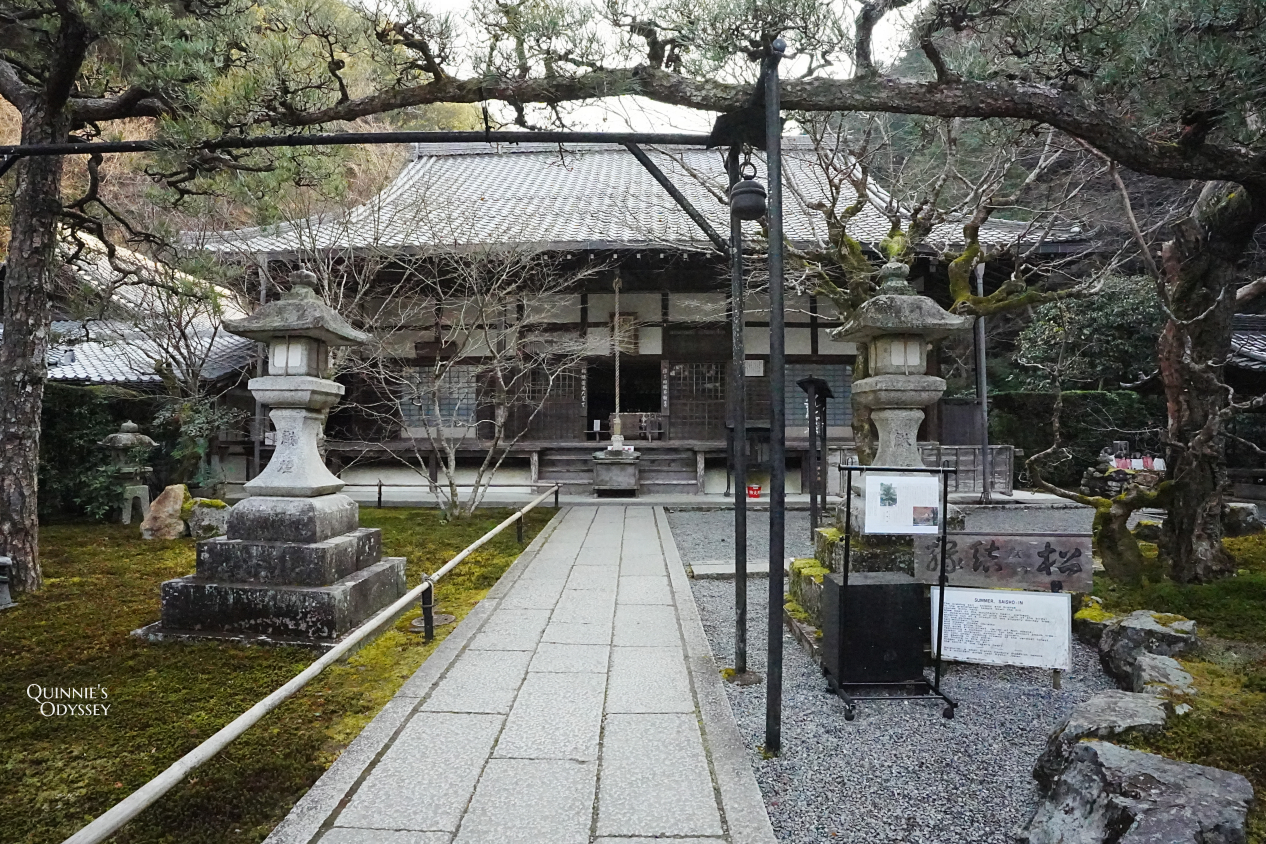
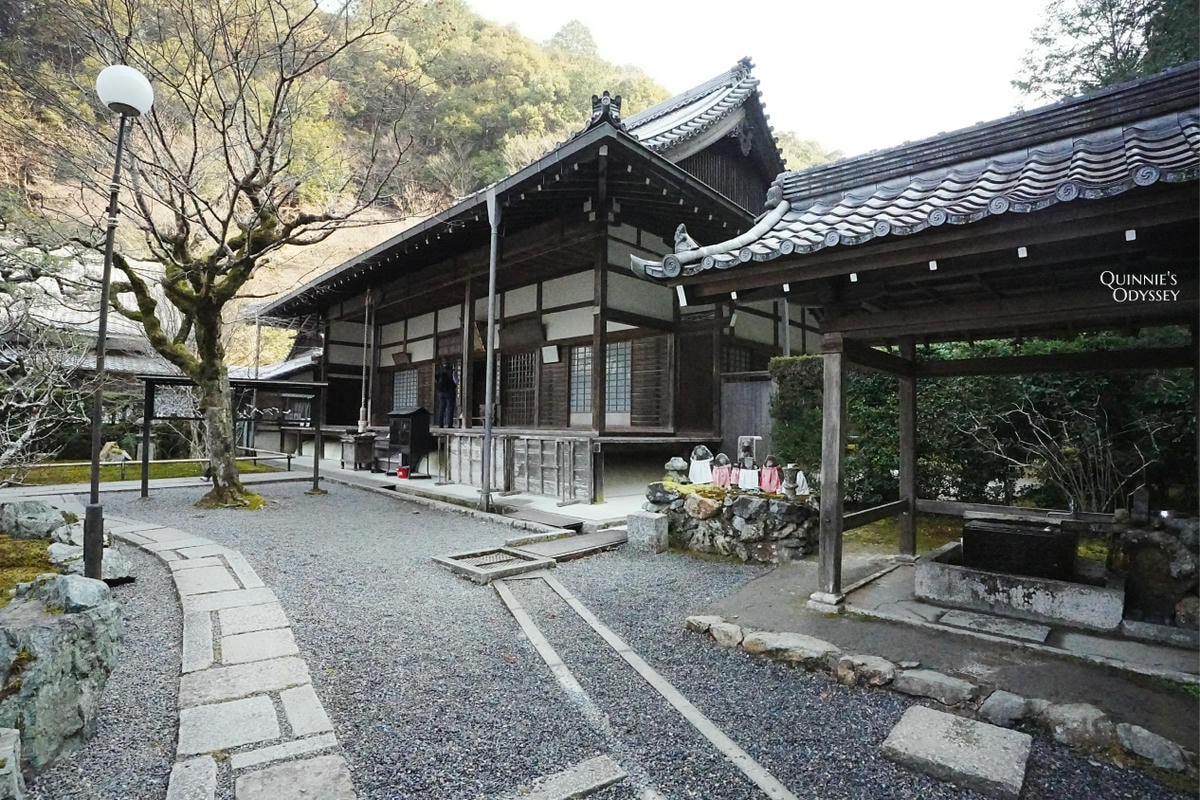
My original plan was to walk along the Philosopher’s Path and visit several temples afterward.
But I ended up spending almost two hours enjoying Nanzen-ji, discovering its history, admiring the aqueduct, and relaxing in the gardens.
By the time I finished, I was a bit tired, so I decided to skip the rest of the planned temples.
It was a little disappointing, but being able to slow down and fully appreciate Nanzen-ji felt totally worth it.
By the time I left the temple, it was already lunchtime.
Around Nanzen-ji, you’ll find several small restaurants with simple storefronts.
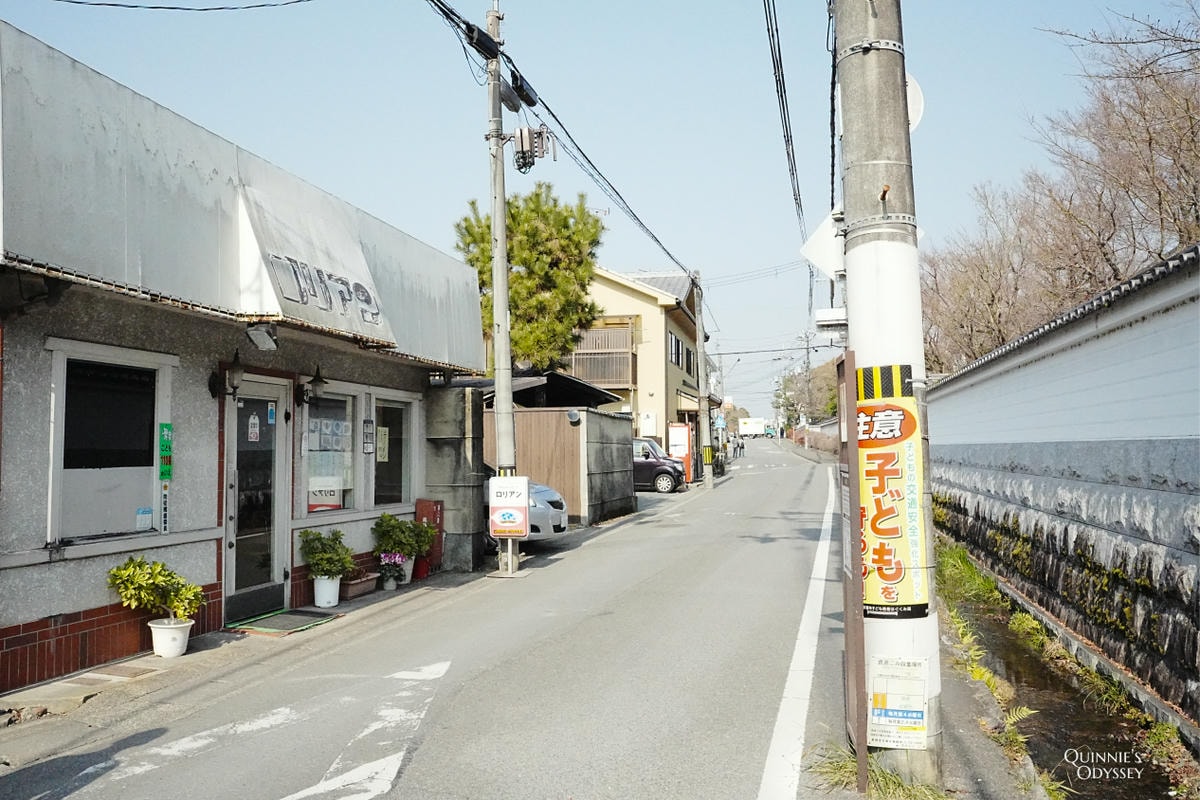
We found a little hidden spot called Gonta after searching online.
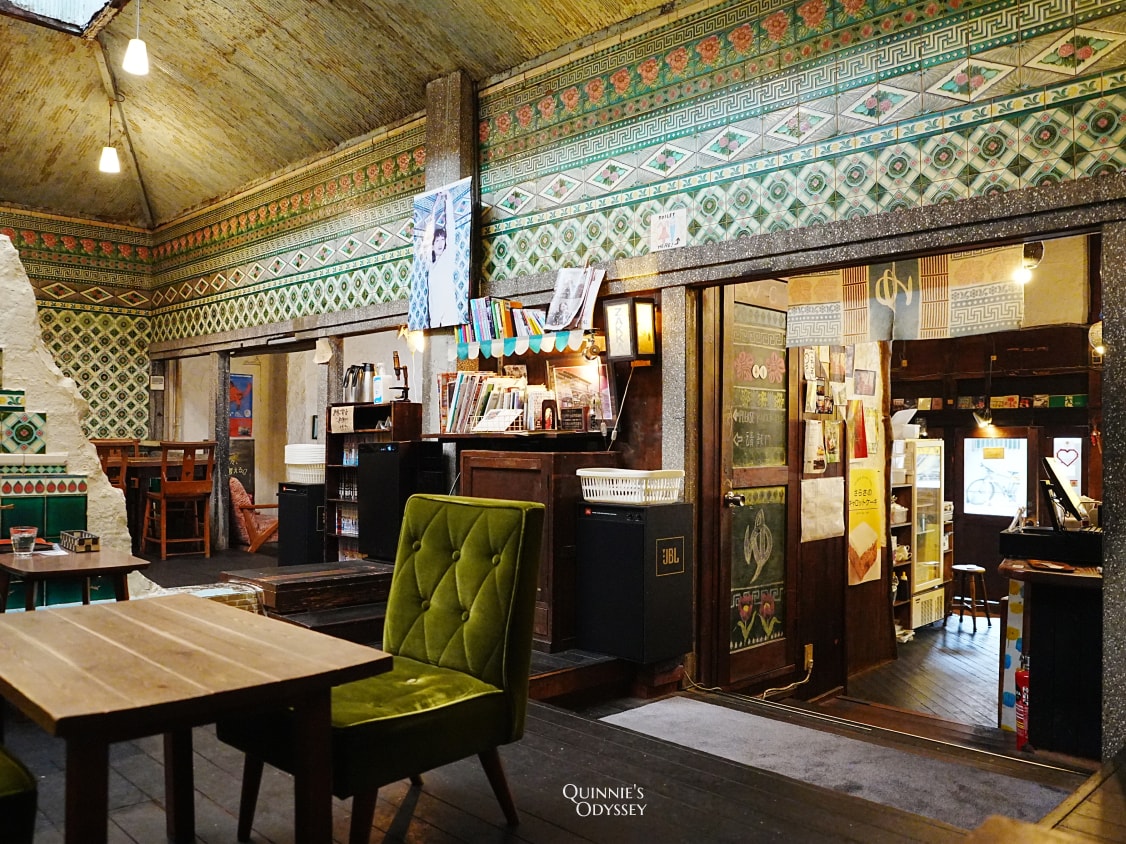
From the outside, it looked quiet and unassuming, but once we stepped inside, it felt warm and cozy, like a Japanese home-style diner.
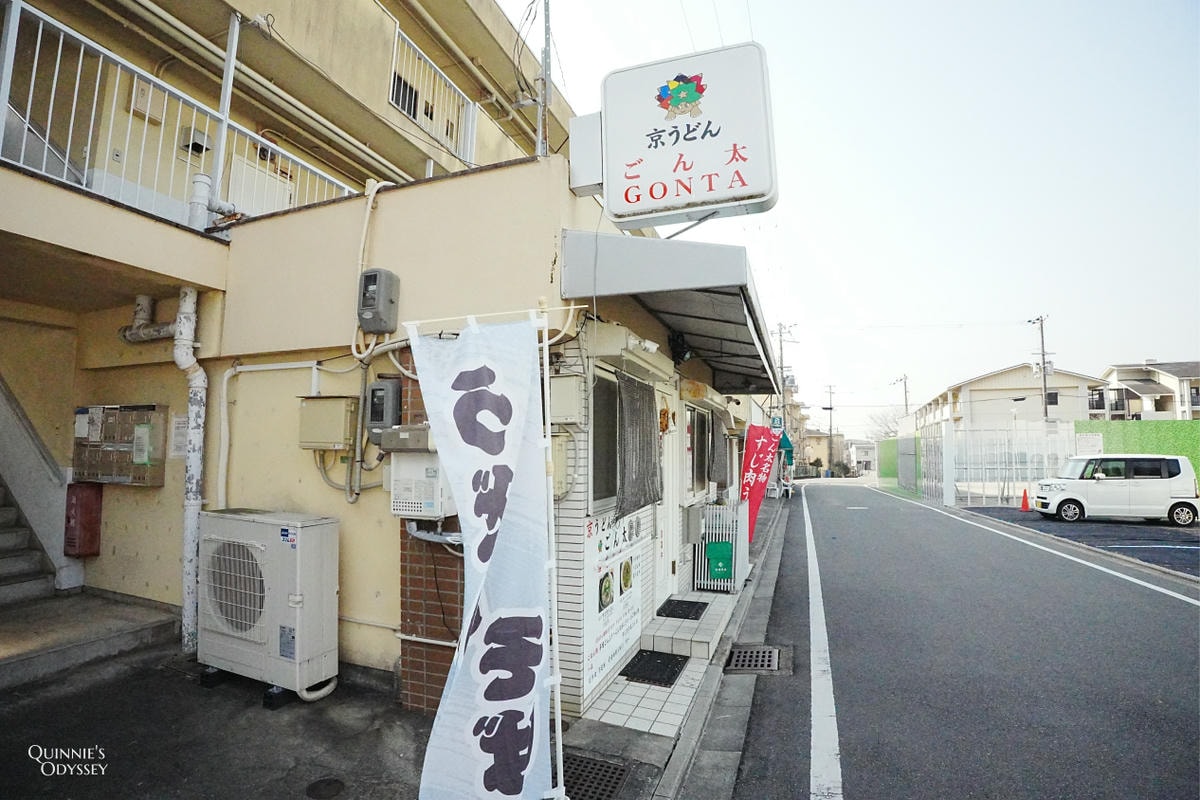
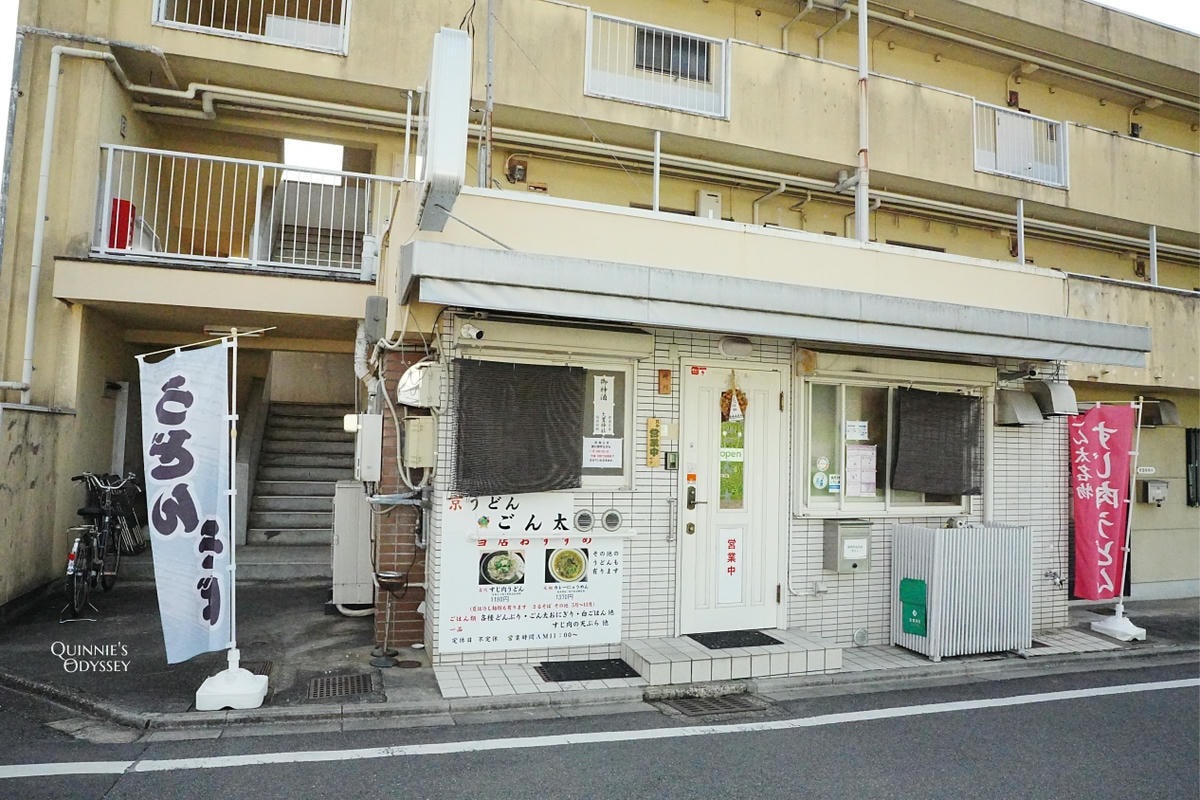
We ordered pork cutlet rice bowls, and they were delicious, crispy on the outside, tender inside, and full of flavor.
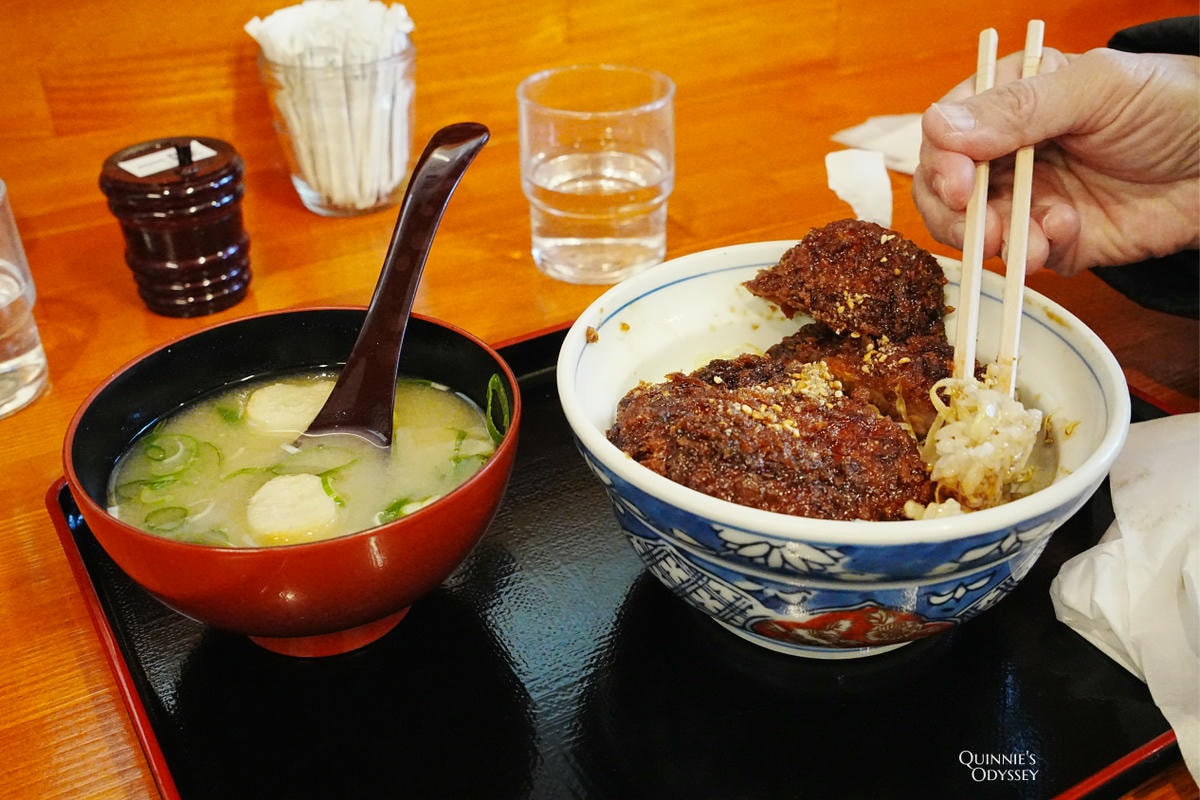
The alleys around Nanzen-ji and the Philosopher’s Path are full of these kinds of hidden gems, so it’s worth exploring, who knows what surprise you’ll find?
▼ Kyoto Travel Essentials ▼

Thanks for reading!
If you’re interested in my stories, feel free to follow me on Instagram.
👉👉 IG: @sika_artist 👈👈