Physical Address
304 North Cardinal St.
Dorchester Center, MA 02124
Physical Address
304 North Cardinal St.
Dorchester Center, MA 02124

Yusai-tei in Arashiyama is located right by the Katsura River and is a historic building with nearly 150 years of history.
It was originally a traditional ryokan called Chidori during the Meiji period.
Later, it was taken over by dyeing artist Yusai Okuda, who transformed the space into a dyeing studio and art gallery.
I originally planned to visit Rurikoin to see its famous table reflection, but since I visited in April, Rurikoin was not open.
By chance, I ended up discovering Yusai-tei in Arashiyama, which offers a view just as stunning.
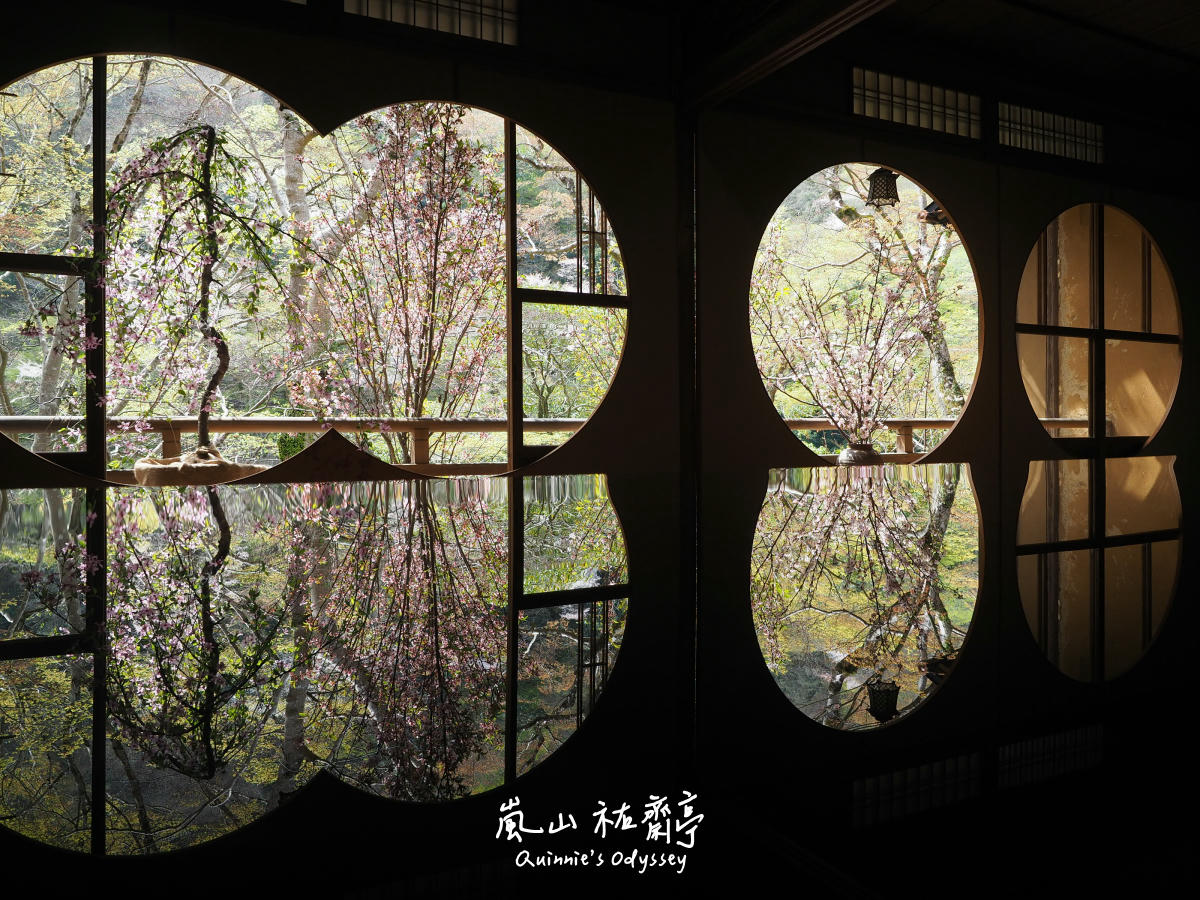
Maybe because I visited in April, there were very few visitors, and the atmosphere was quiet and peaceful.
It was the perfect place to take my time, enjoy the scenery, and explore Yusai Okuda’s dyeing works and exhibitions at a relaxed pace.
It takes about 12 minutes on foot to reach Yusai-tei from Togetsukyo Bridge.
The walk itself is very pleasant. You stroll along the Katsura River, with lush trees on both sides.
On one side, you can hear the gentle sound of flowing water; on the other, you see mountain views and hear birds singing.
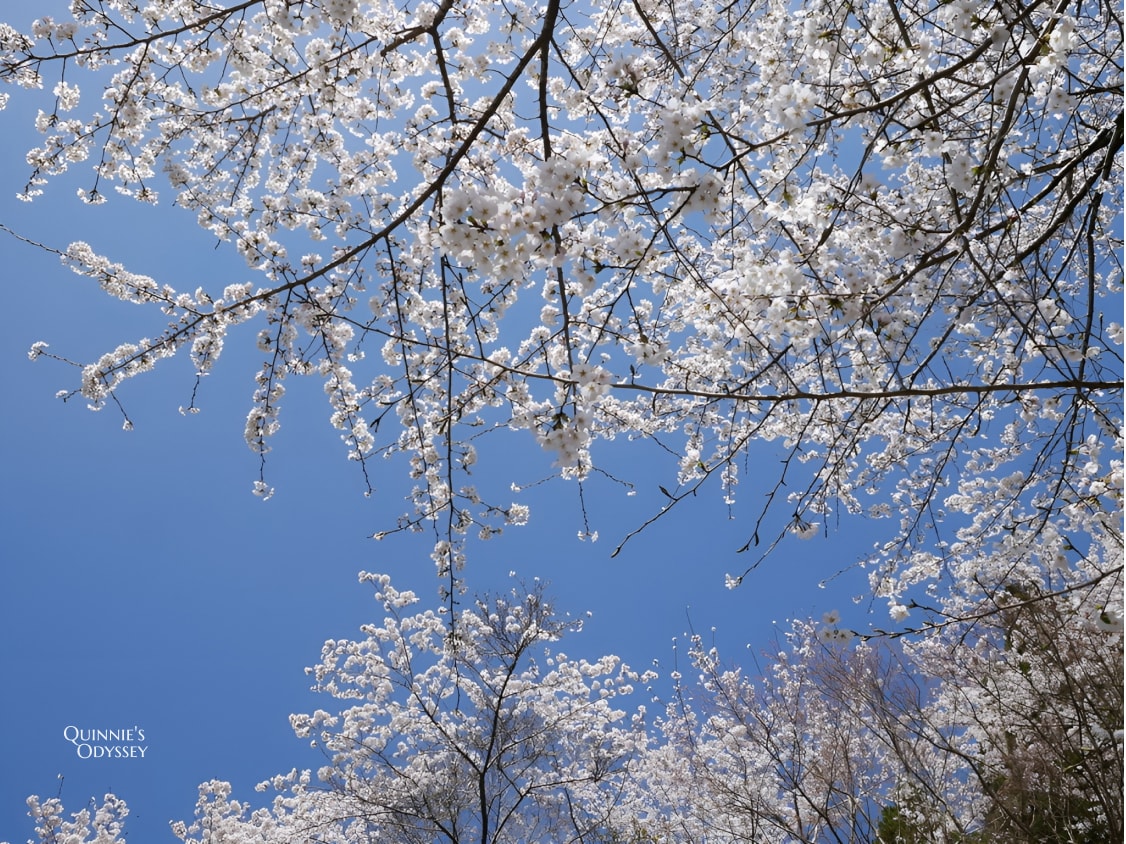
In spring, the path is filled with fresh greenery and cherry blossoms.
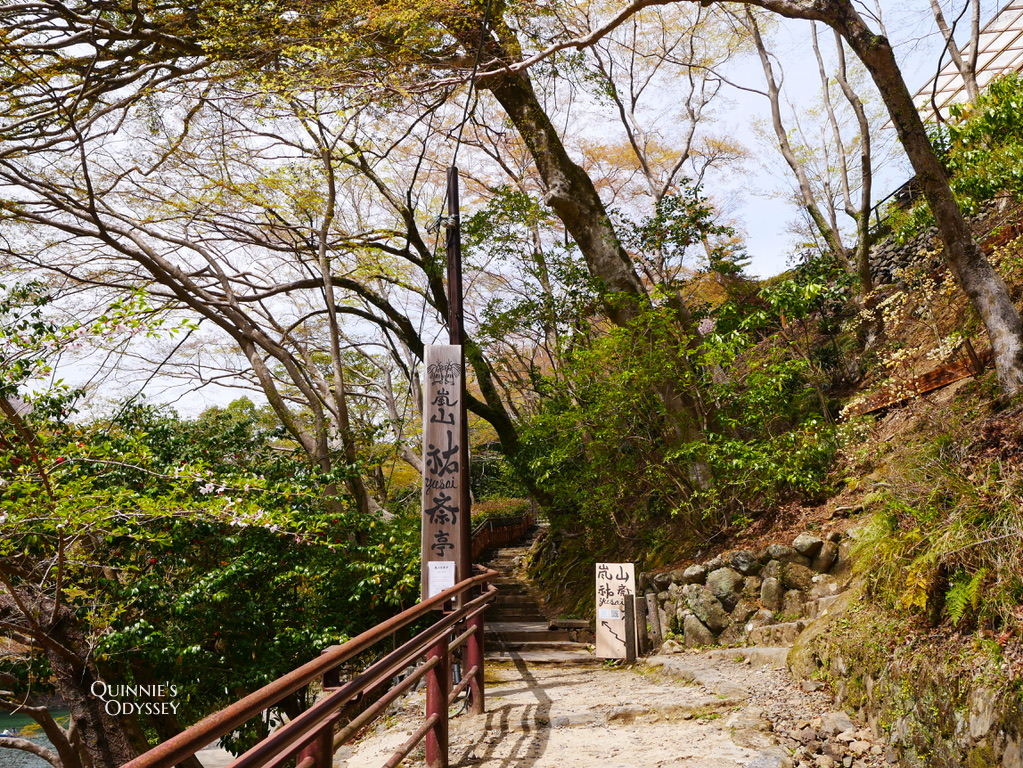
As you walk deeper in, it becomes noticeably quieter.
The crowds slowly fade away, replaced by the calm, peaceful vibe that Arashiyama is known for.
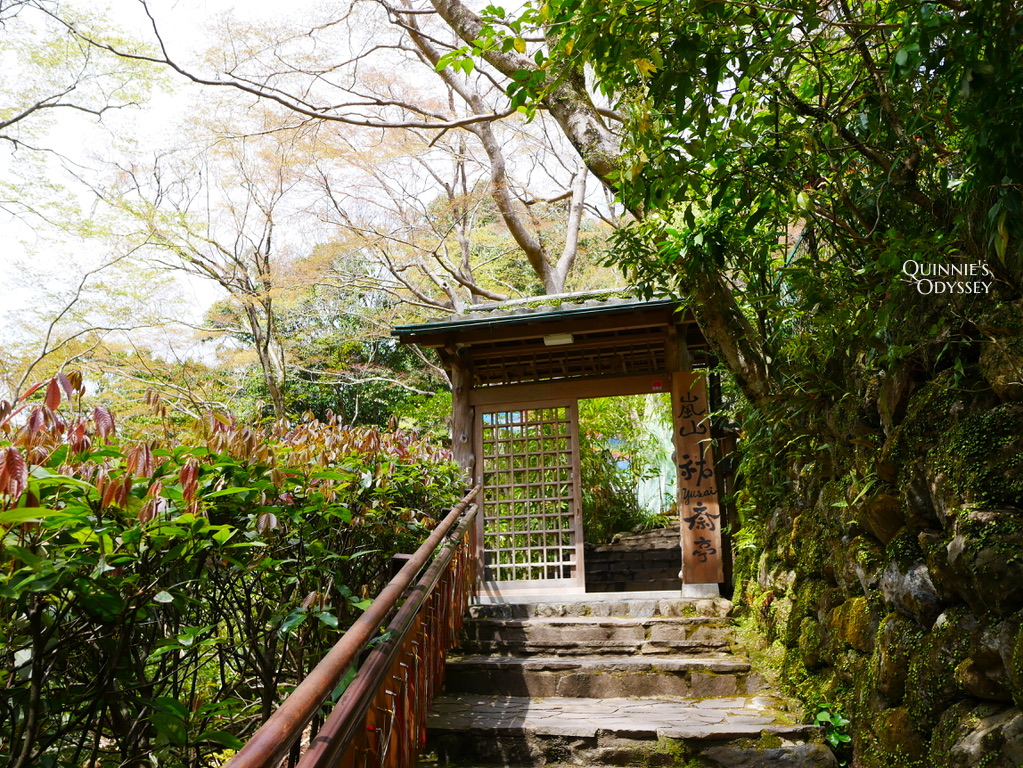
At the end of the path, you’ll see an old wooden gate with a slightly weathered look.
The words “Yusai-tei” are written on it, marking your arrival.
The admission fee is 2,000 yen, the same price for both adults and children.
During the autumn foliage season, the number of visitors increases, and advance online reservations are required.
We visited in spring during cherry blossom season, when there were fewer people, so we were able to enter without a reservation.
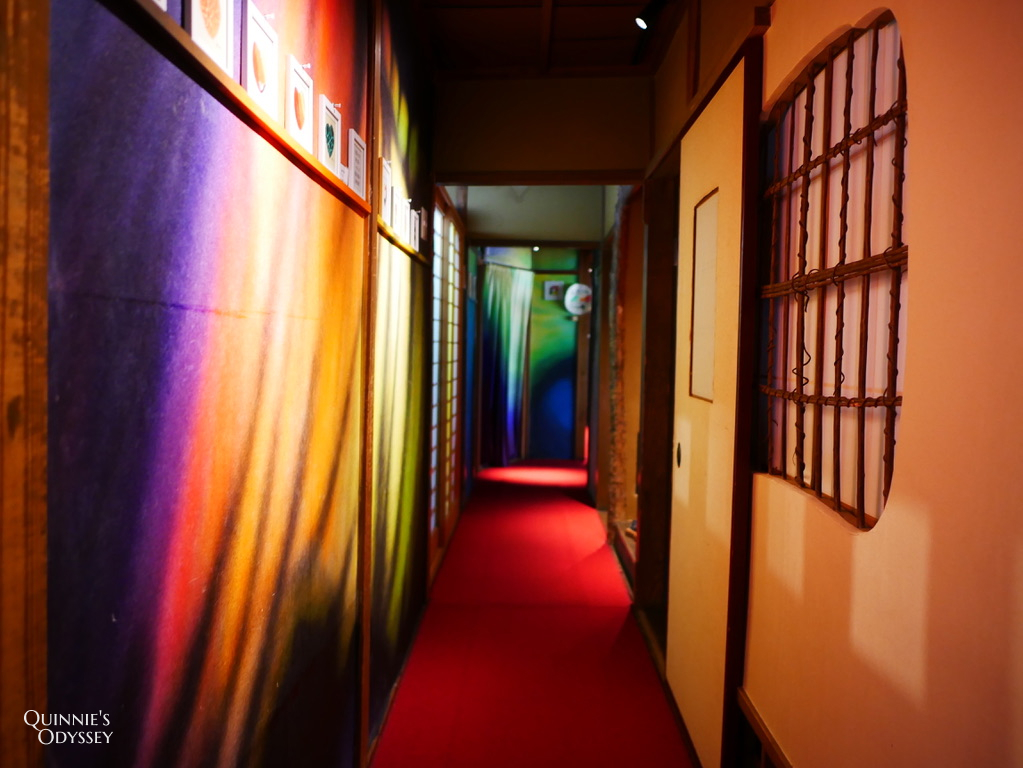
After paying the entrance fee, you walk along a colorful corridor that leads you into the different rooms of Yusai-tei.
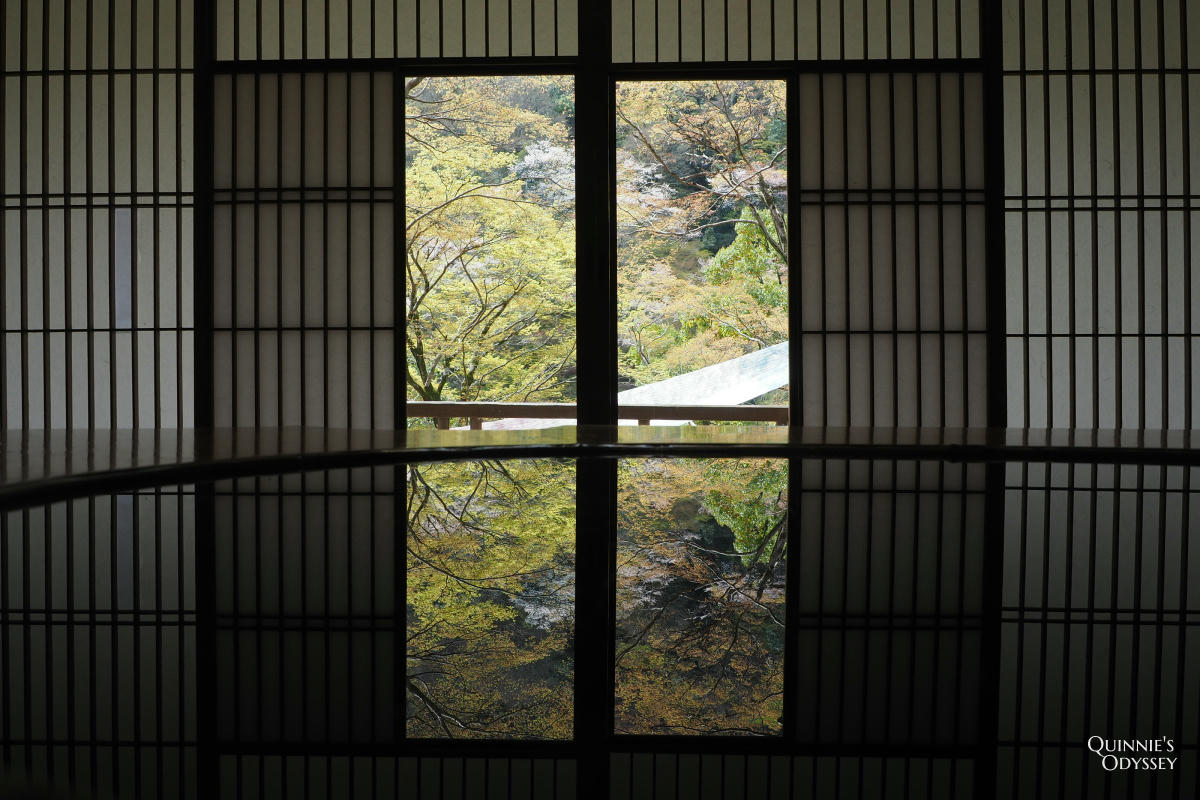
One of the most famous rooms is “Kawabata Yasunari’s Room.”
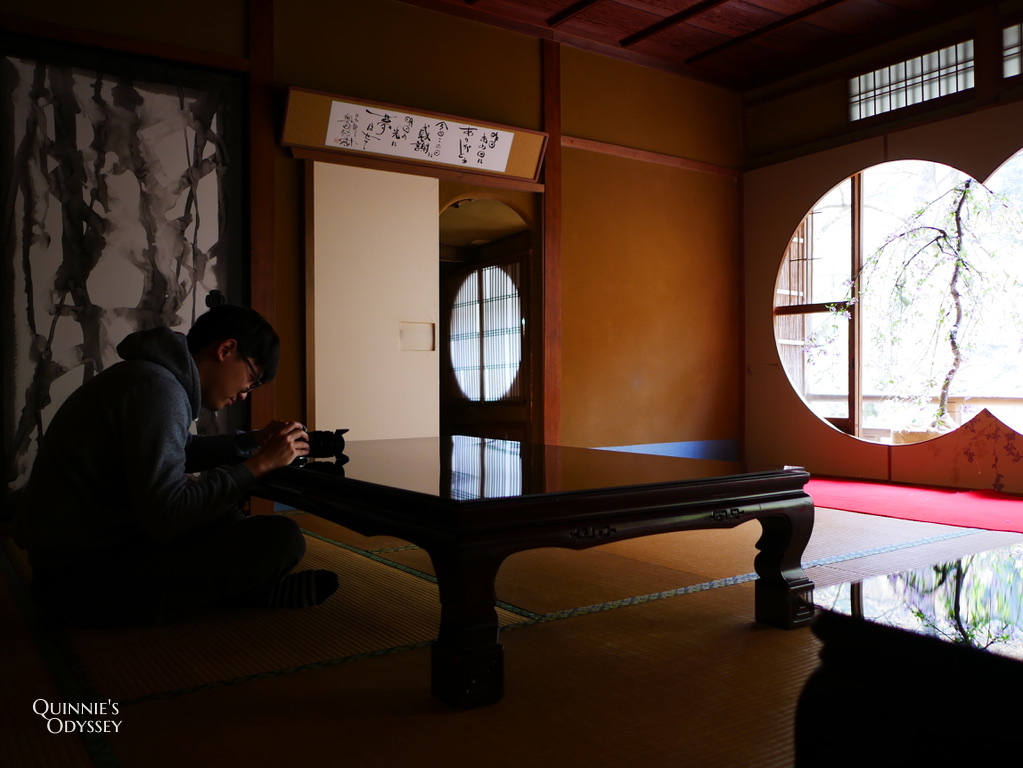
Inside, there’s a large table with a glossy surface that reflects the scenery outside the window.
Whether it’s autumn leaves, fresh spring greenery, or snow in winter, the landscape is beautifully mirrored on the tabletop.
It’s said that the famous Japanese novelist Yasunari Kawabata once stayed here and even wrote part of his novel The Sound of the Mountain in this very room.
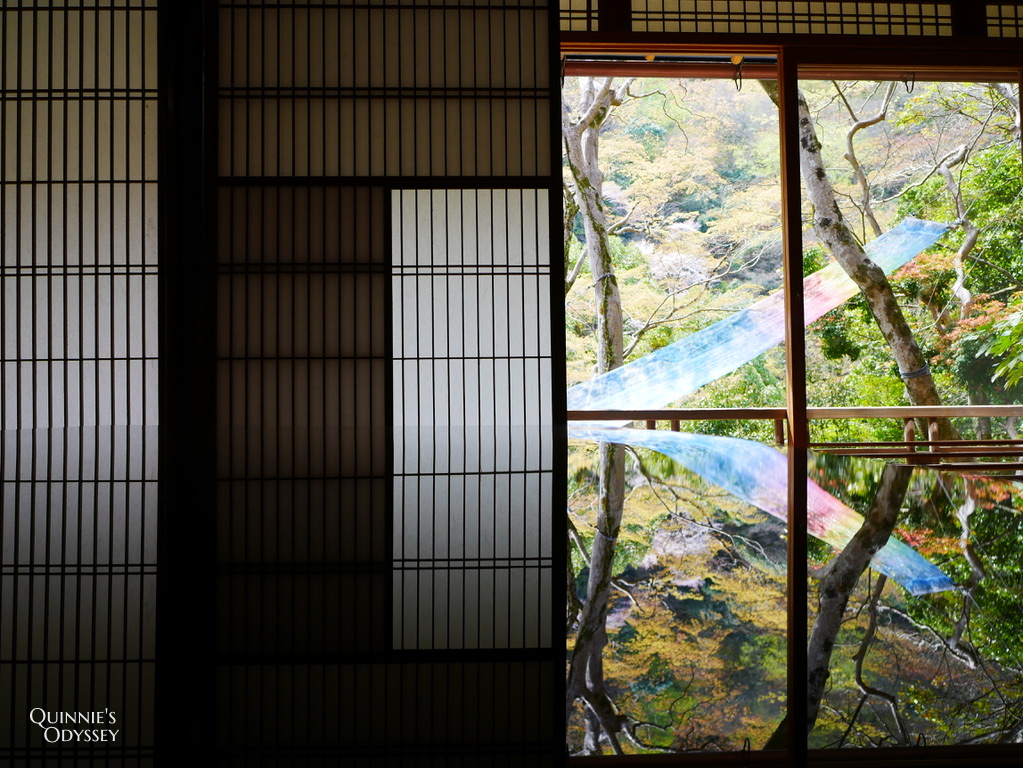
Outside the window, a softly colored dyed fabric hangs and gently sways in the breeze.
It almost looks like a floating strip of fabric quietly watching over the room.
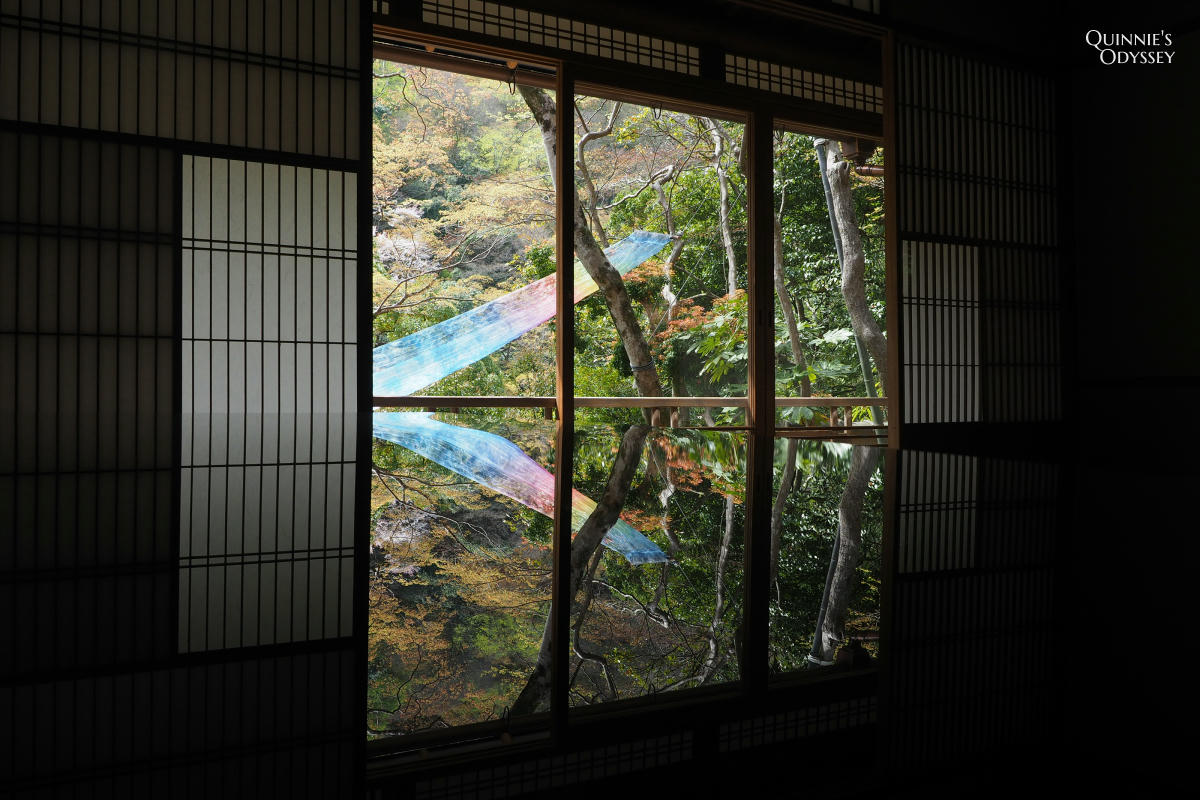
From the south-facing window, you can see the garden and the river.
Those same views are reflected on the table, creating a dreamy effect, as if all of Arashiyama’s scenery has been drawn into the room.
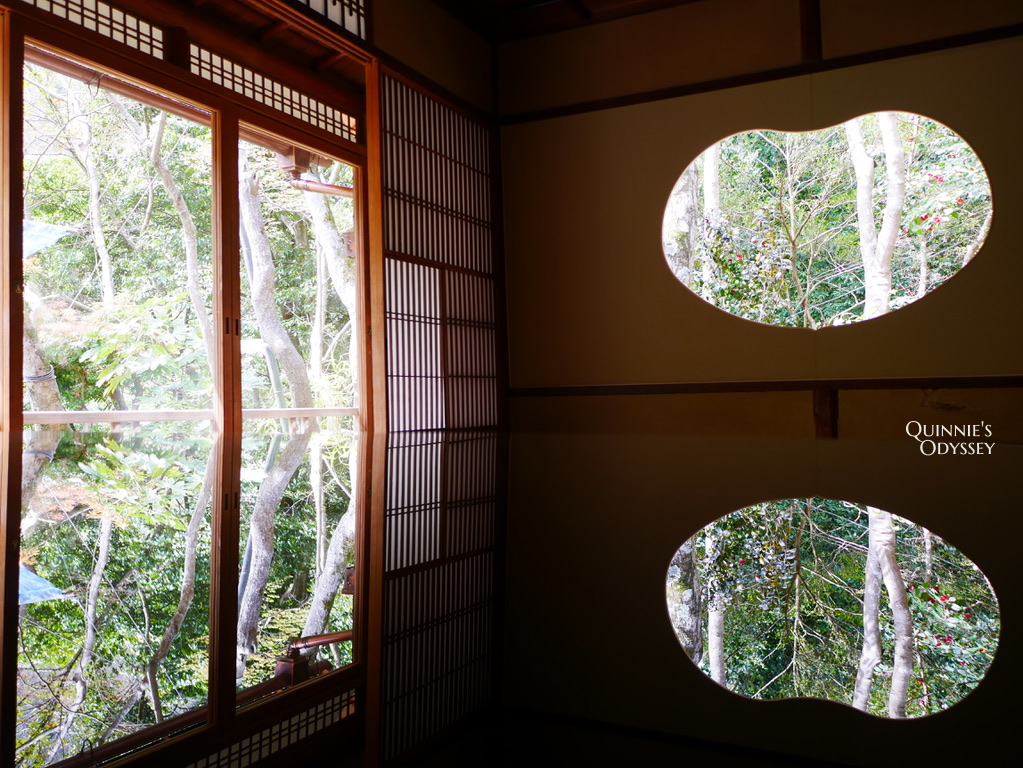
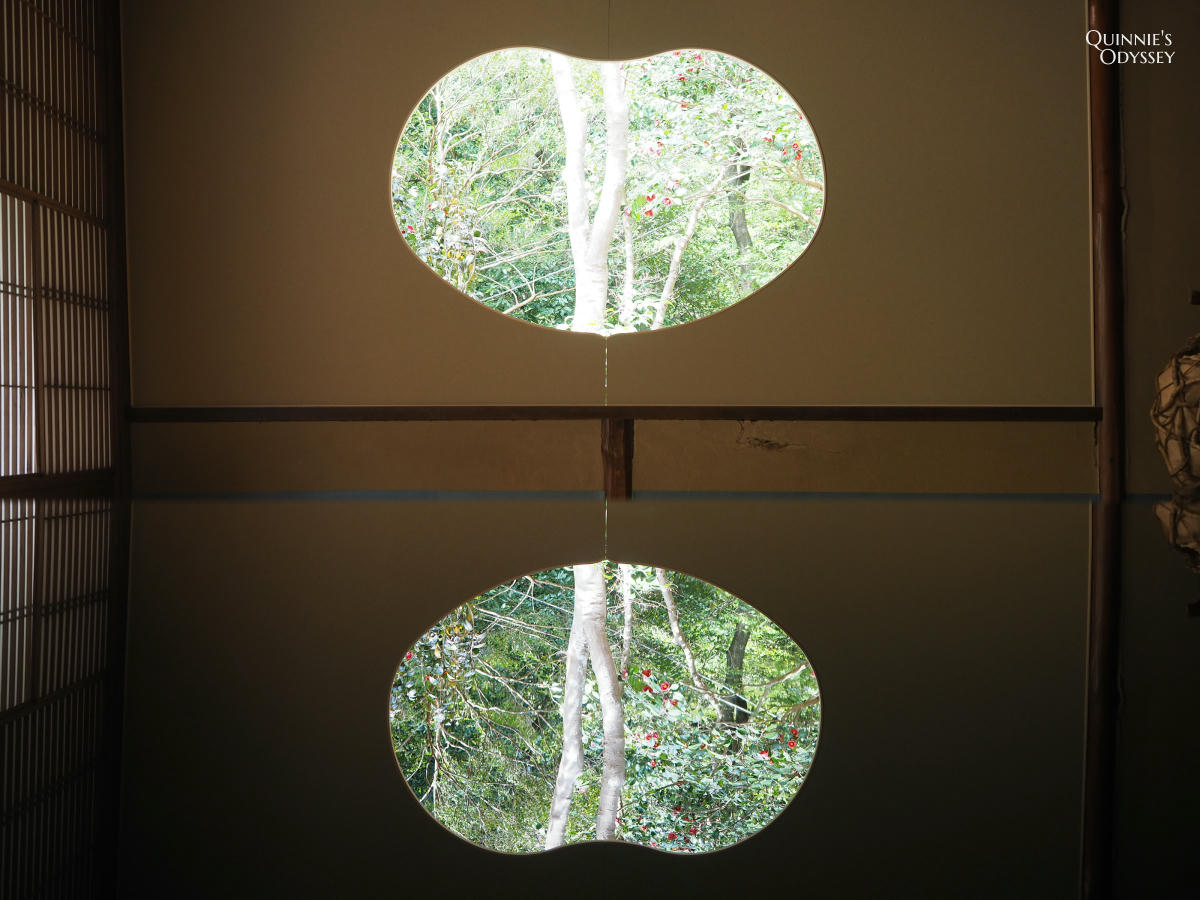
The round window room is another iconic space at Yusai-tei.
As soon as you step inside, you’re greeted by a row of circular windows.
Through each round frame, you see a different piece of Arashiyama’s landscape, almost like natural paintings displayed on the wall.
The tables in this room are made of dark wood or lacquer, polished so smoothly that they look like mirrors.
The scenery outside the windows is fully reflected on the tabletop, allowing you to see two worlds at once, one outside the window, and one on the table.
When you sit down and look closely, it feels as if the scenery is extending into the room itself, blending nature and interior space into one.
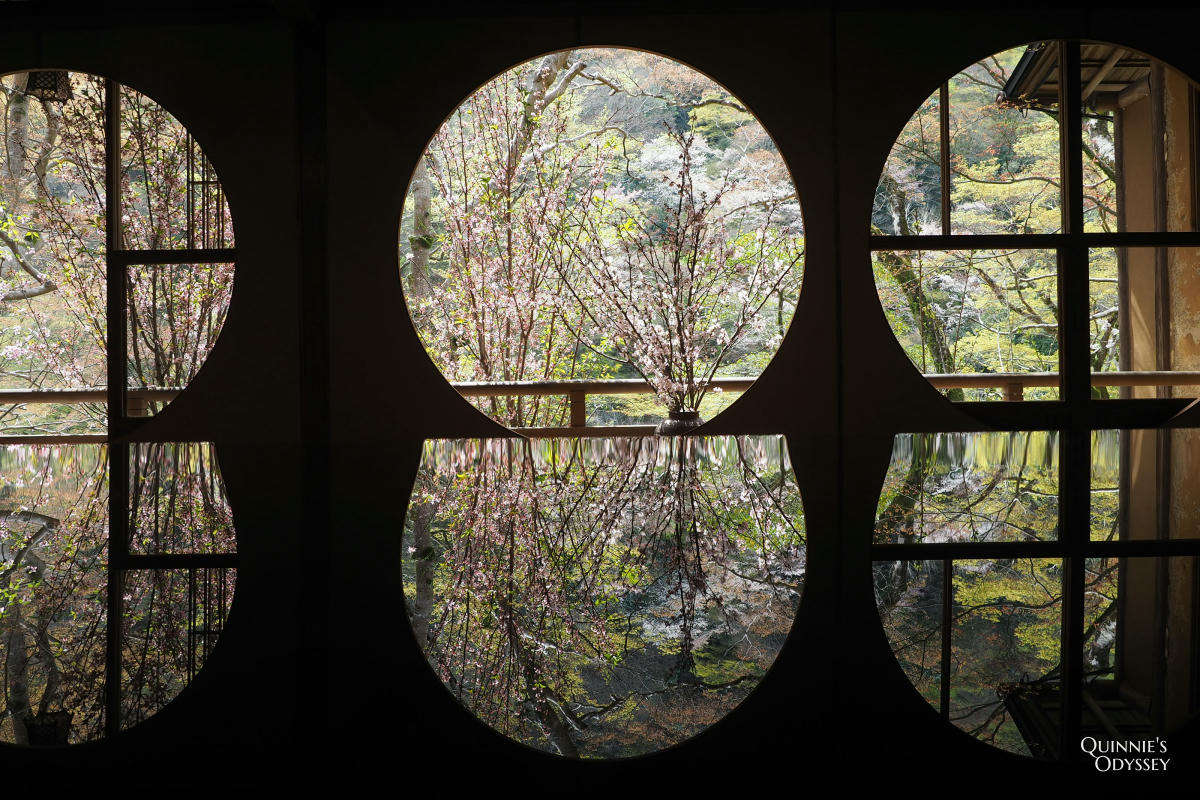
The reflections aren’t completely still.
As the wind blows, leaves sway, and sunlight shifts, the reflections gently move as well, making the scene feel alive.
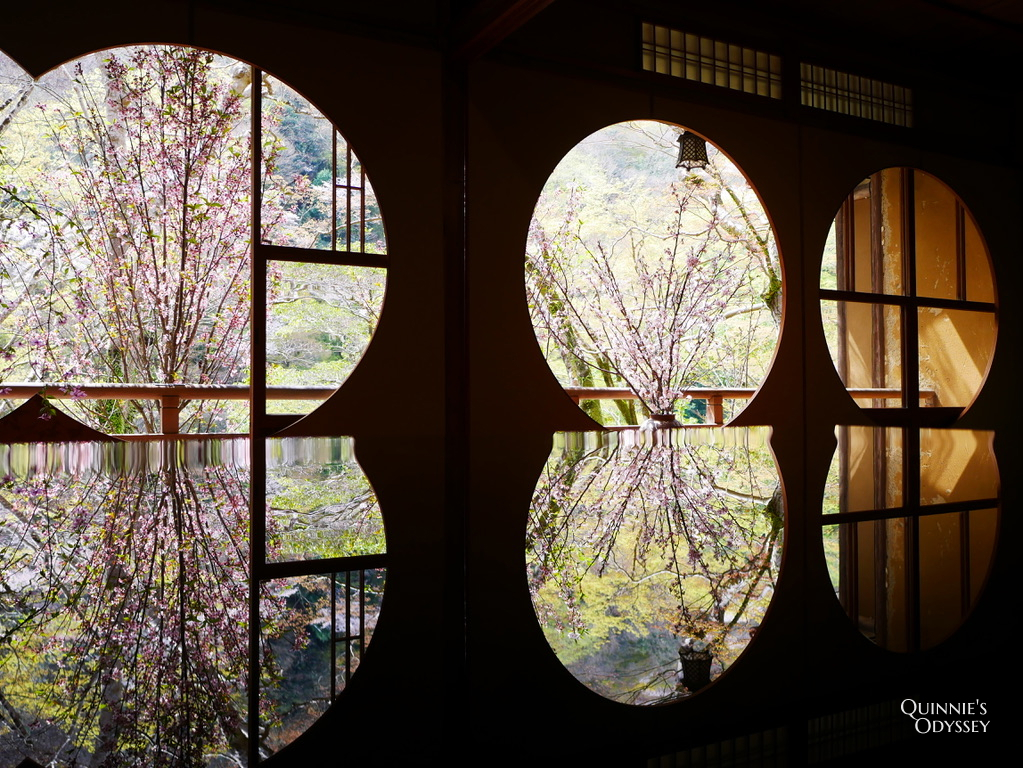
Each season creates a different mood.
In autumn, the reflections turn deep red with maple leaves.
In spring and early summer, fresh green tones fill the room with energy.
In winter, the contrast between white snow and the dark table creates a quiet, almost magical atmosphere.
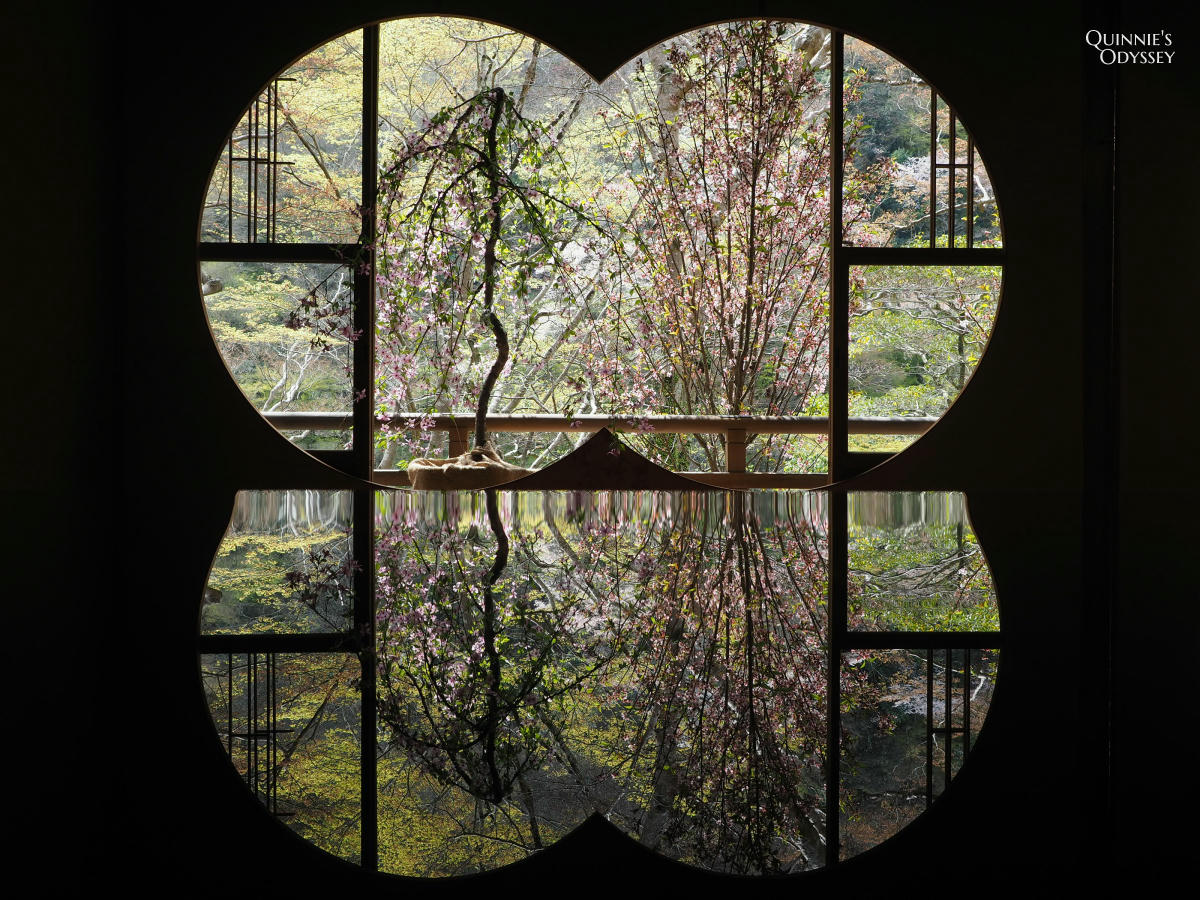
To capture the classic reflection photos, we placed our cameras flat on the table and kept the lens close to the surface.
This makes it easier to get that perfect symmetrical reflection.
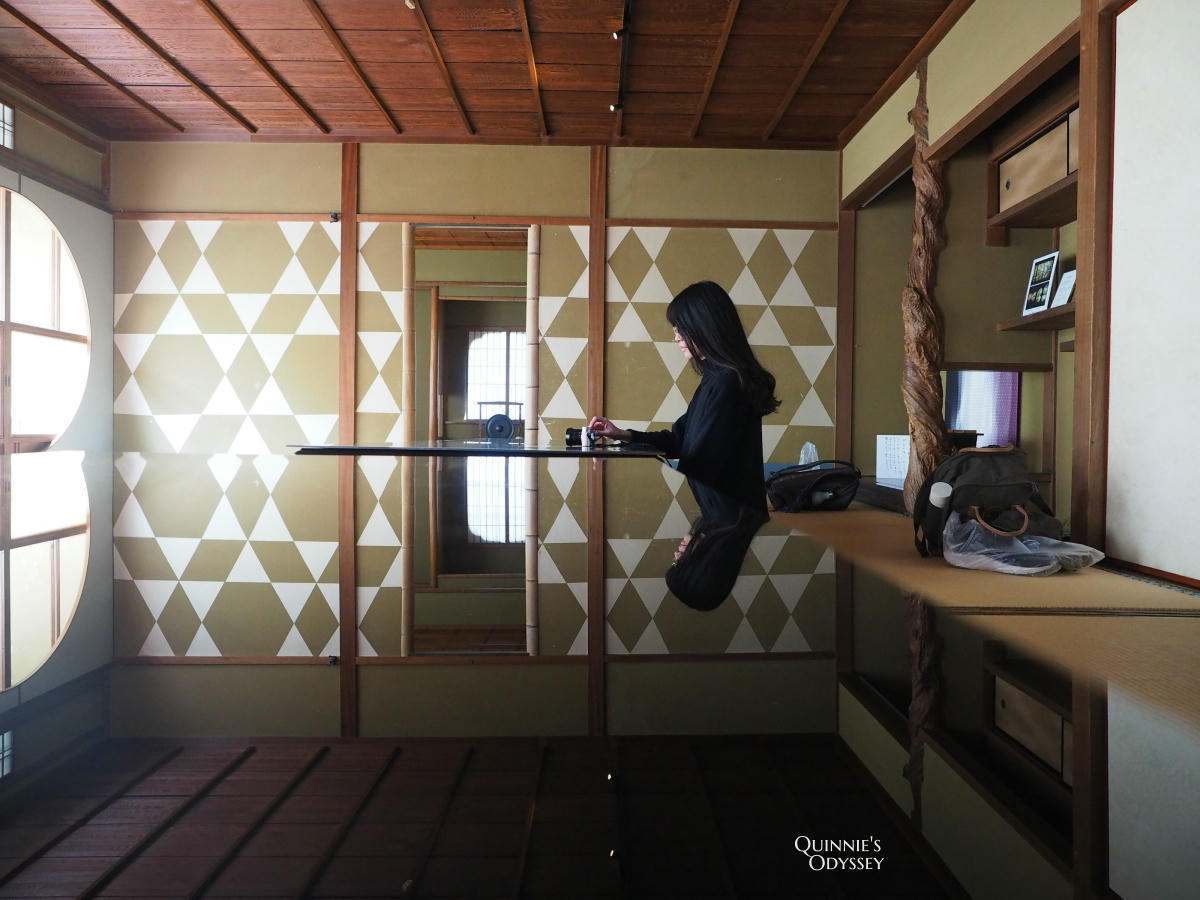
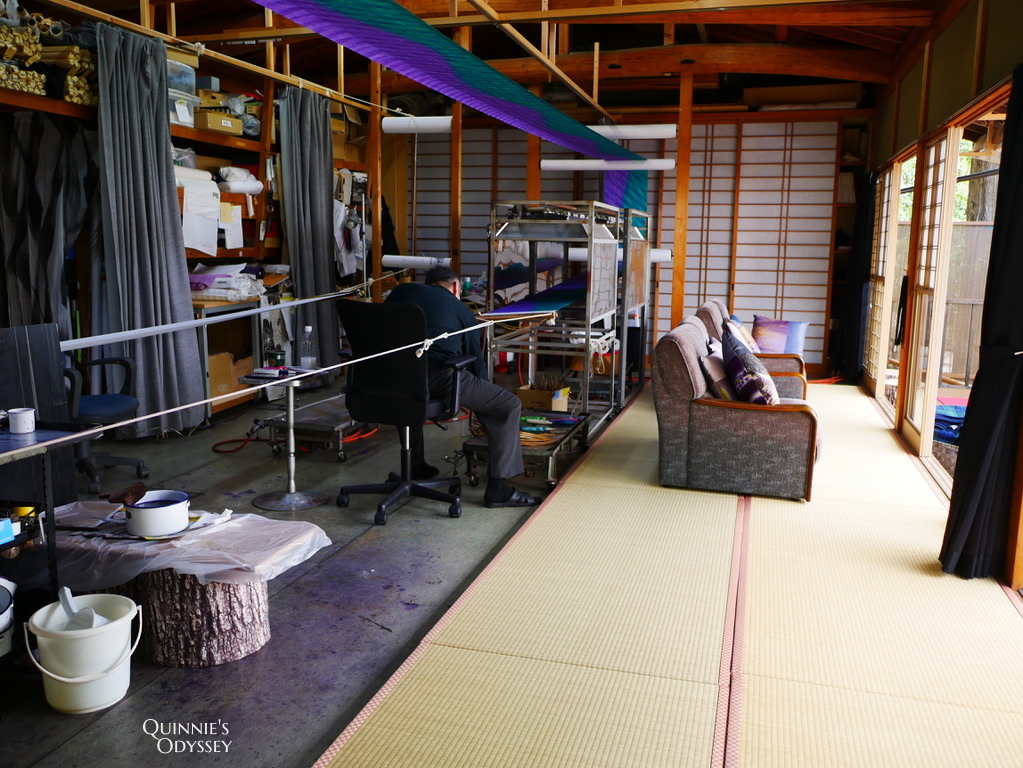
The dye exhibition hall is also the working space of dyeing artist Yusai Okuda.
Since 1990, Dr. Okuda has been dedicated to reviving Kōrozen, a rare dyeing technique once reserved exclusively for emperors and considered a forbidden color in ancient times.
Building on that tradition, he later developed a modern technique called “Yume Kōrozen,” which changes color depending on the light.
This innovation gives traditional dyeing a more contemporary and artistic expression.
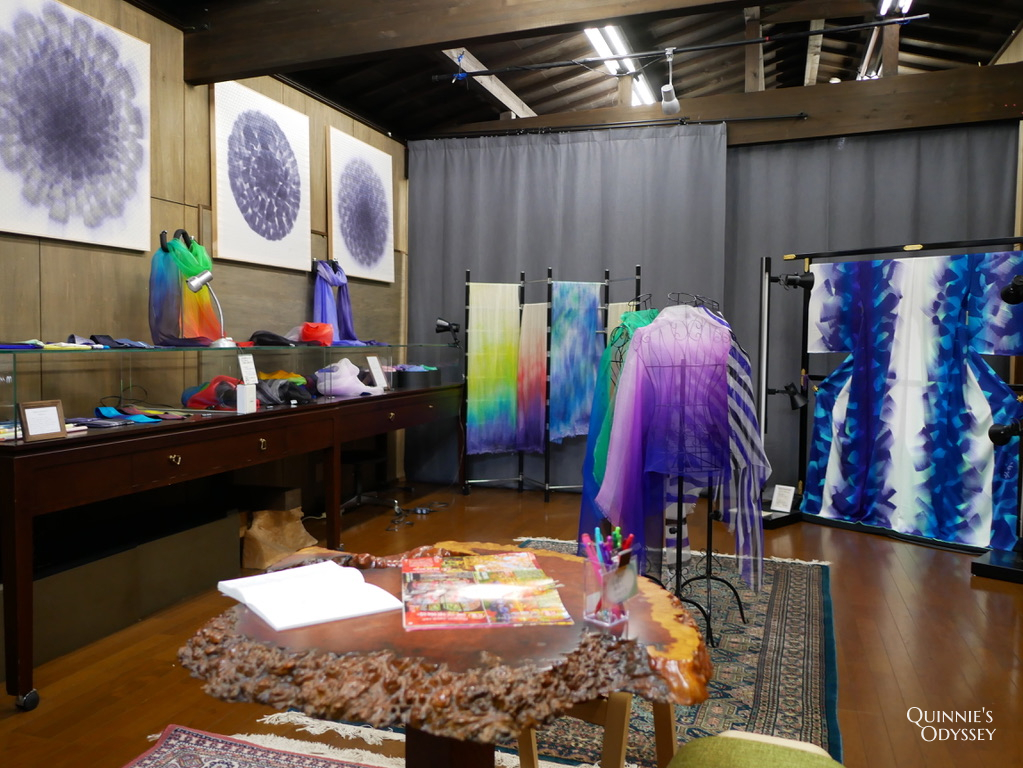
The exhibition hall is filled with dyed textiles hanging from the walls and ceiling.
You’ll see large fabric pieces, scarves, kimono fabric samples, and bold, creative dye works in vivid colors.
Every piece is personally designed and made by Okuda himself. The works range from traditional patterns to modern geometric designs, all rich in color and detail.
Some areas also display dyeing tools, before-and-after fabric samples, and even raw dye materials, offering a deeper look into the dyeing process.
The tea room was one of my favorite spaces in Yusai-tei.
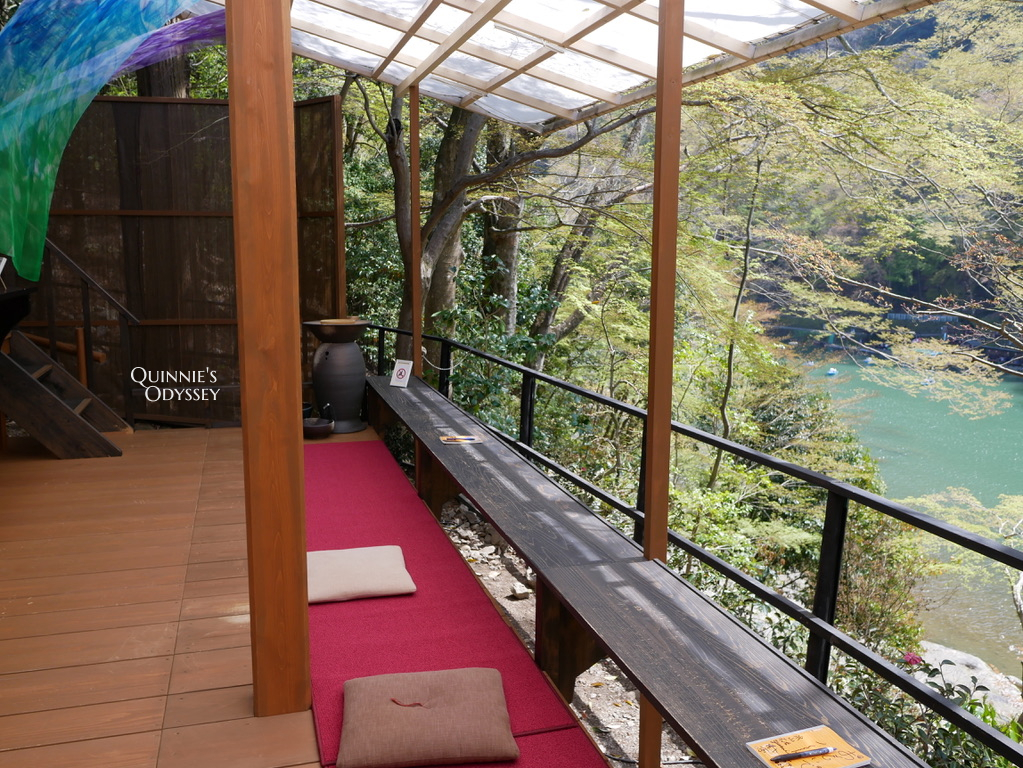
Inside, there are two long tables with floor cushions placed beside them.
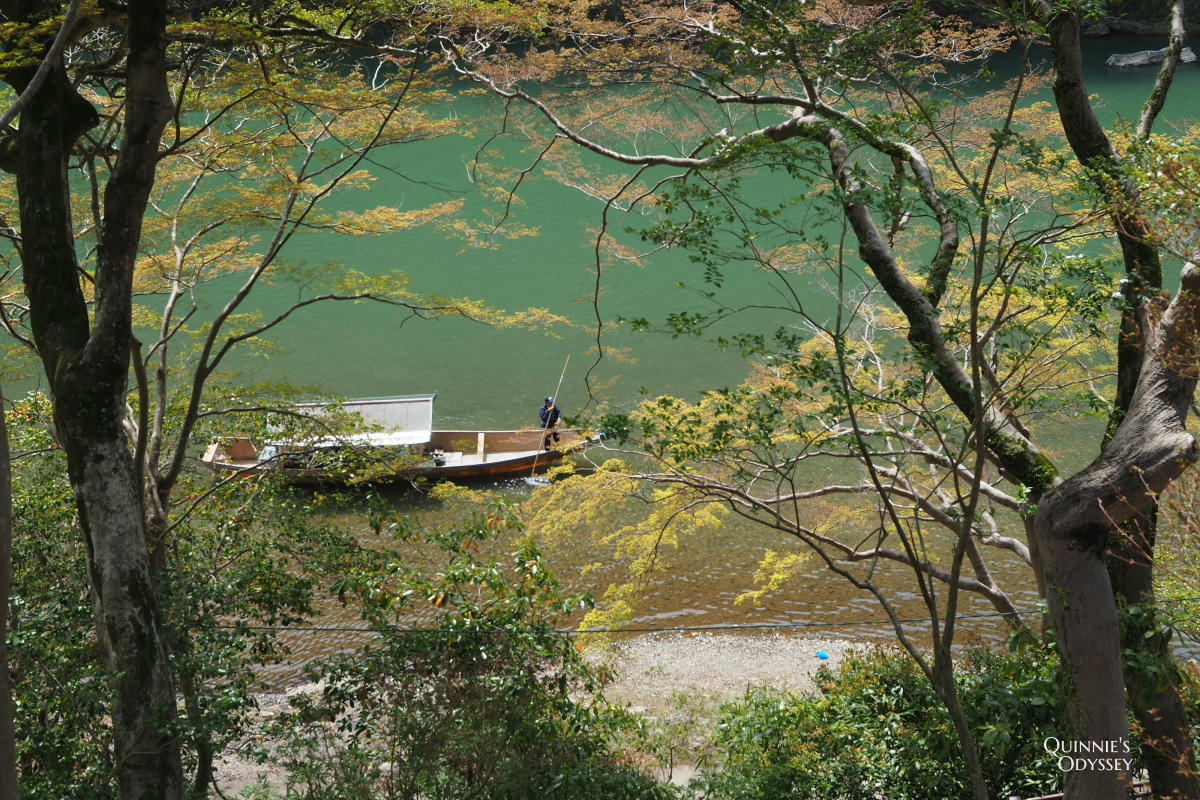
You can sit facing the Katsura River and the distant mountains through the window.
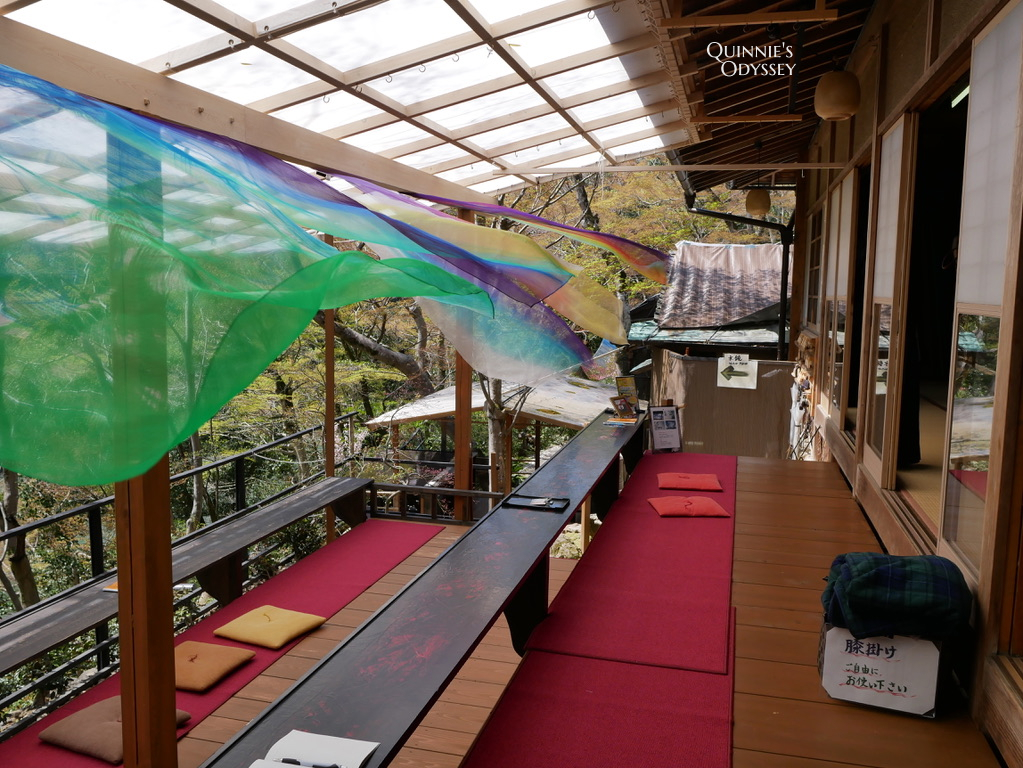
Several semi-transparent dyed fabrics hang from the ceiling, gently swaying with the breeze. They create soft, flowing light and shadow, filling the room with a calm, poetic atmosphere.
This space perfectly reflects Yusai-tei’s concept of blending dyeing art with nature.
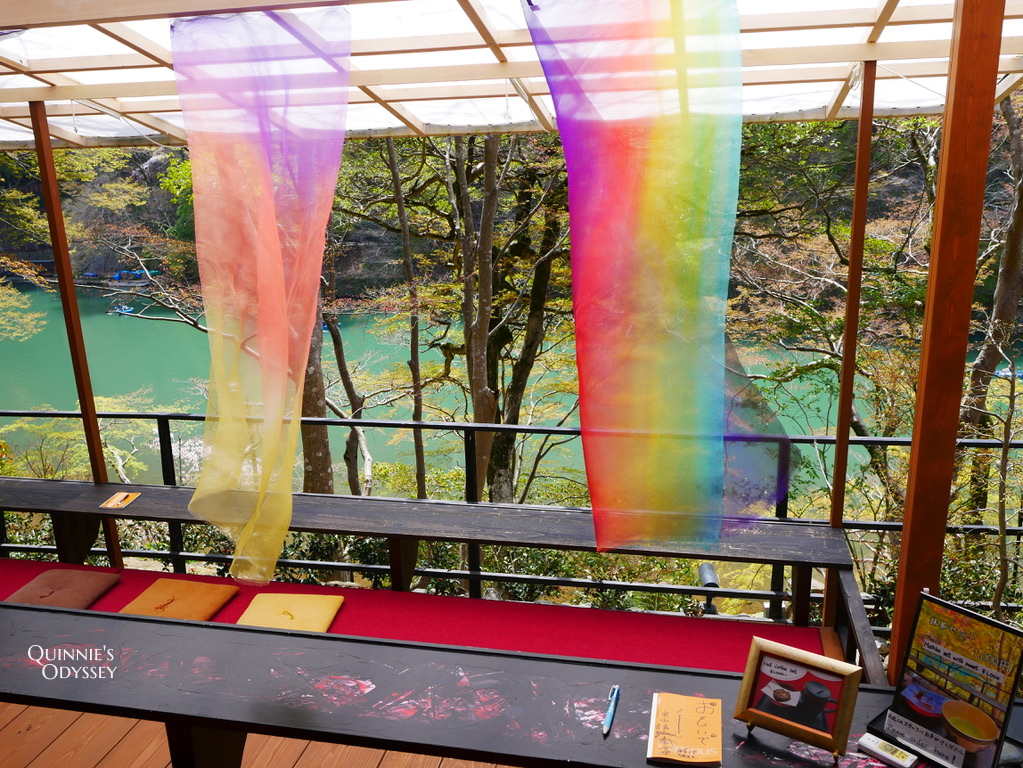
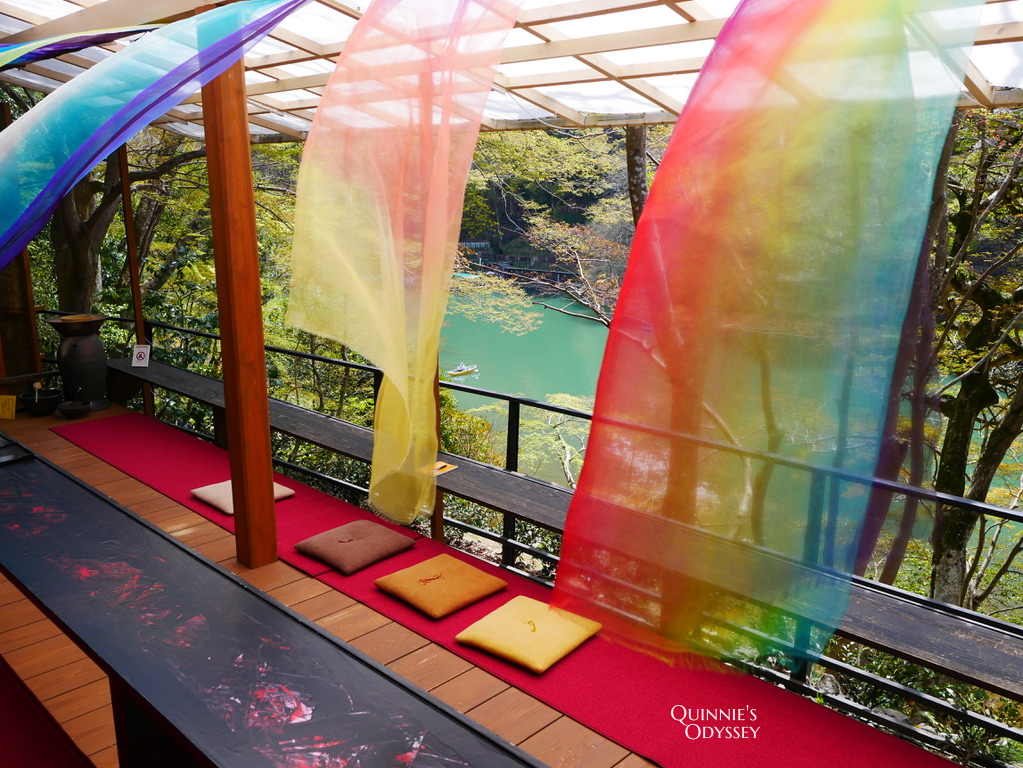
Here, you can order tea and a small dessert, then slowly enjoy them while watching the river flow and the mountains beyond. It’s incredibly peaceful and relaxing.
The water mirror is one of the most unique features of Yusai-tei.
This concept was created by Yusai Okuda himself.
Through reflections and ripples on the water’s surface, he wanted to recreate and extend the movement of the surrounding scenery, allowing visitors to feel the rhythm and breath of nature through water.
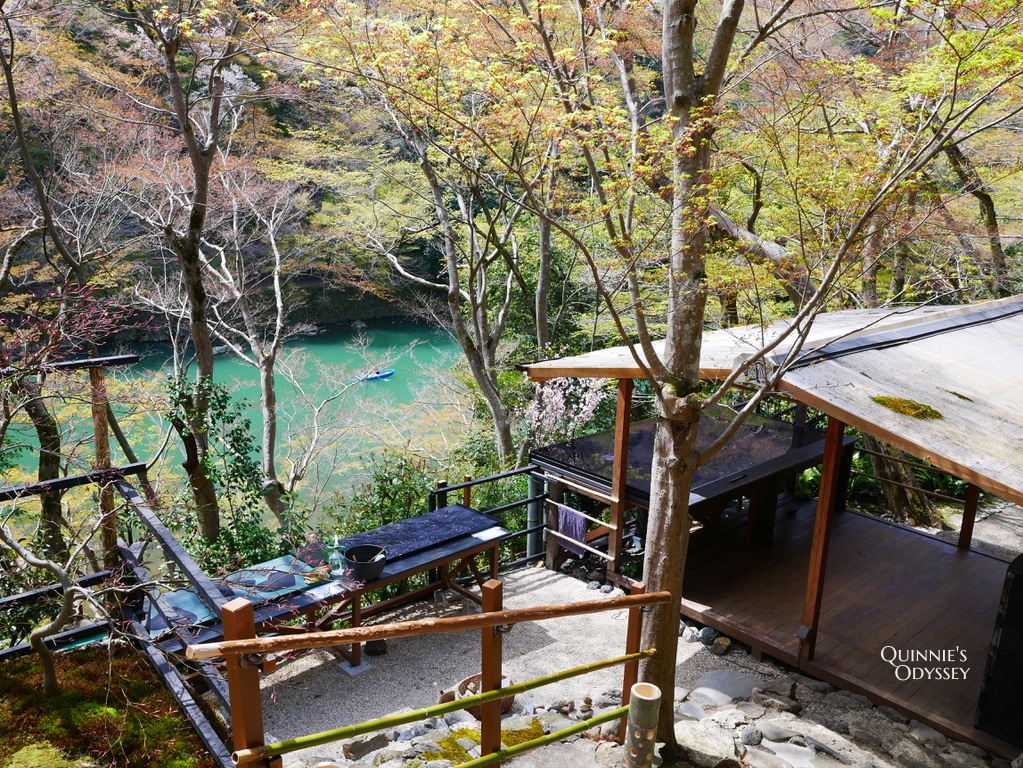
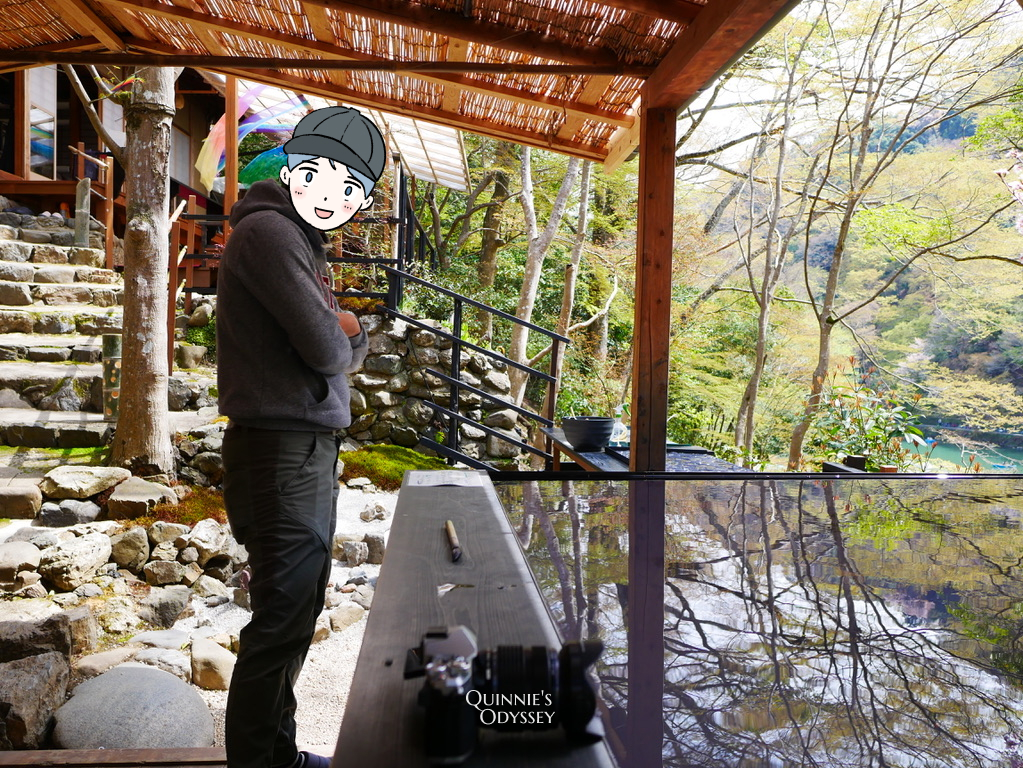
When you arrive at the water mirror area, you’ll see a shallow pool with a perfectly smooth surface, like a giant mirror.
The surrounding mountains, trees, and even parts of the riverside scenery are clearly reflected on the water.
On calm days with no wind, the reflection is almost completely still, like an upside-down landscape painting.
When you gently touch the water with a brush, ripples spread outward.
The once-clear reflection slowly distorts and begins to move.
As the wind blows or the light changes, the reflections shift again, adding a sense of time and motion to what was once still.
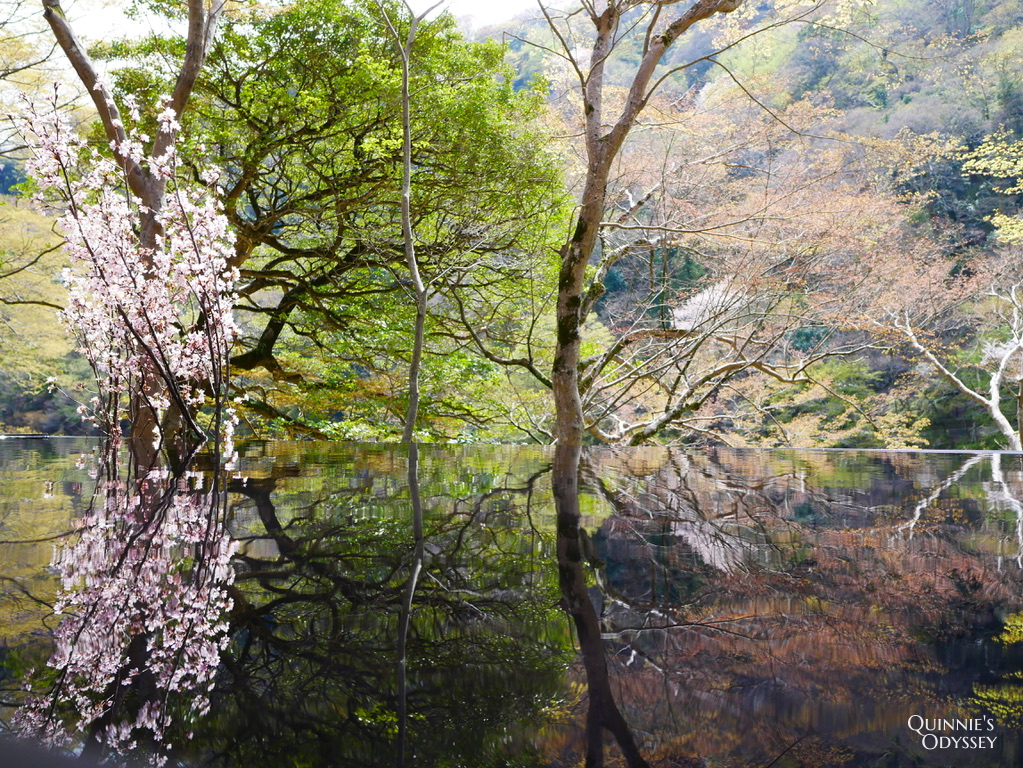
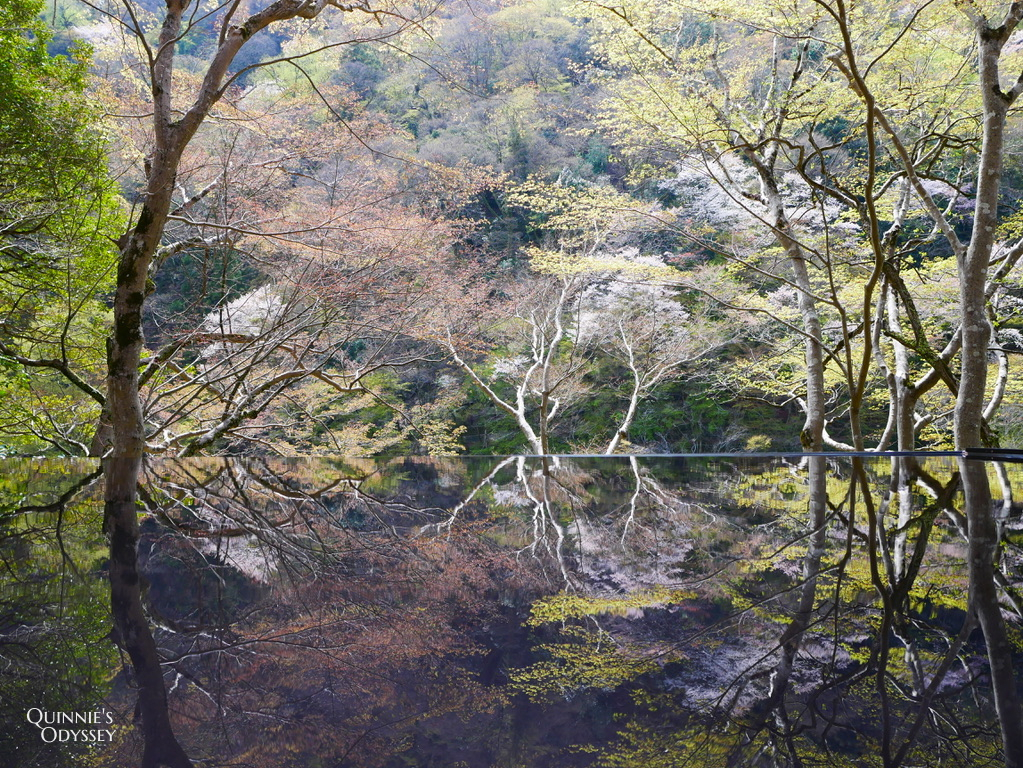
During the autumn foliage season, advance online reservations are required to enter Yusai-tei. At other times of the year, reservations are not mandatory.
👉👉 Official website reservations
In most cases, payment is not required when booking.
You can pay the admission fee at the counter on the day of your visit.
However, during peak foliage season, some time slots may require prepayment in advance, so be sure to check carefully.
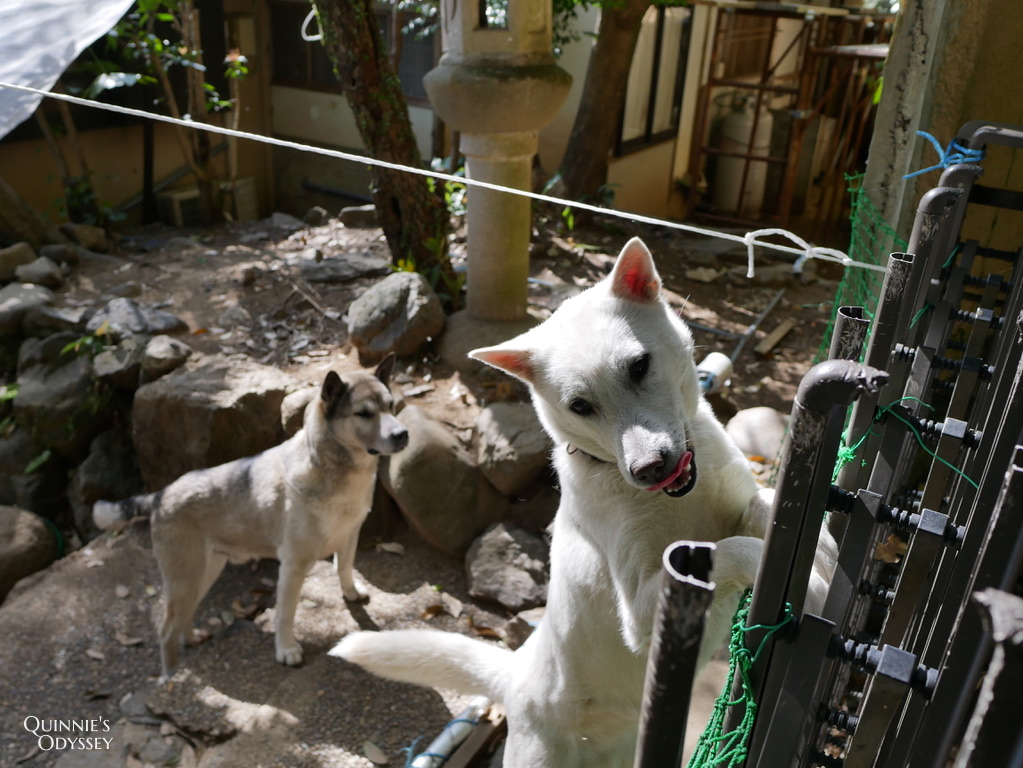
As a little bonus, we even spotted an adorable dog in the backyard of Yusai-tei, it was such a sweet surprise!
There is no time limit for the outdoor tea area, so you can sit and enjoy the view at your own pace.
We spent about 1.5 hours there in total, but honestly, if we hadn’t needed to rush to our next destination, we probably would have stayed much longer, just relaxing in the tea room and enjoying the scenery.
▼ Kyoto Travel Essentials ▼

Thanks for reading!
If you’re interested in my stories, feel free to follow me on Instagram.
👉👉 IG: @sika_artist 👈👈